
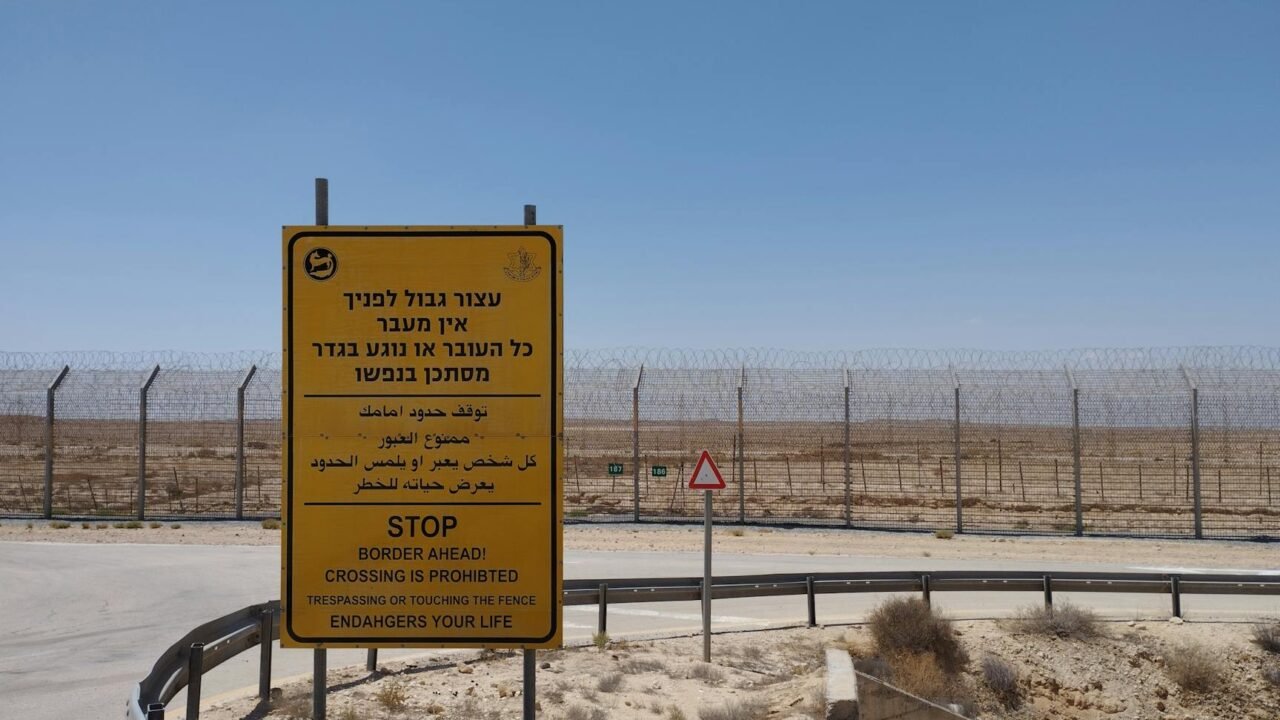
A cease-fire went into effect today between Israel and Hezbollah, aiming to halt the recent escalation of hostilities along the Lebanese-Israeli border. The agreement follows a period of intense exchanges of fire, raising concerns about a wider conflict in the region.
The implementation of the truce was confirmed by officials from both Israel and Lebanon. Information reaching TahirRihat.com suggests that while Israel has committed to upholding the cease-fire, the position of Hezbollah remains less definitive. The group acknowledged the existence of the agreement, but stopped short of explicitly stating they would abide by its terms. This ambiguity has introduced an element of uncertainty regarding the durability of the cessation of hostilities.
The recent exchanges of fire had caused significant disruption and anxiety in communities on both sides of the border. The escalation prompted diplomatic efforts aimed at de-escalating the situation and preventing further conflict. With the cease-fire now in effect, there is hope that a period of relative calm will allow for renewed dialogue and a more sustainable resolution of underlying tensions.
The international community is closely monitoring the situation, with several countries and organizations urging both Israel and Hezbollah to fully adhere to the cease-fire agreement. Any violations of the truce could quickly unravel the fragile peace and trigger a renewed cycle of violence. The coming days and weeks will be crucial in determining whether the cease-fire can hold and pave the way for a more stable security environment in the region.
While the immediate focus is on maintaining the cessation of hostilities, there is also a growing recognition of the need to address the root causes of the conflict. These include long-standing territorial disputes, differing political agendas, and the presence of heavily armed non-state actors in the region. Finding lasting solutions to these challenges will require a comprehensive approach that involves not only military de-escalation but also political dialogue, economic cooperation, and social reconciliation.
The cease-fire represents a critical opportunity to prevent further bloodshed and instability. However, its success hinges on the willingness of all parties to prioritize de-escalation and engage in constructive dialogue. The alternative is a return to violence, with potentially devastating consequences for the region and beyond.
The situation remains tense but cautious optimism has risen as civilians on both sides emerge from shelters to assess damages and begin to rebuild after days of relentless shelling. Emergency services are on high alert and are continuing to provide assistance to affected areas, with international aid agencies mobilizing to provide humanitarian relief to those displaced or injured during the conflict. The truce is considered by regional observers to be a vital first step, but continued diplomatic effort is crucial to consolidate the peace and foster an environment conducive to negotiated settlements of long standing geopolitical concerns. A lasting peace will be contingent not just on the absence of active conflict, but the establishment of mutual trust and cooperation between neighbouring entities.
While the current cessation of hostilities offers a reprieve, the underlying issues driving tensions between Israel and Hezbollah remain unresolved. Without sustained efforts to address these root causes, the risk of renewed conflict persists. The international community must work together to support dialogue, promote stability, and prevent a return to violence in the region.
It remains to be seen whether the cease-fire will hold and whether it can serve as a foundation for a more durable peace. The coming days and weeks will be a critical test of the commitment of all parties to de-escalation and dialogue.

Tahir Rihat (also known as Tahir Bilal) is an independent journalist, activist, and digital media professional from the Chenab Valley of Jammu and Kashmir, India. He is best known for his work as the Online Editor at The Chenab Times.


Leave a Reply