Home Blog Page 265

UK PM Starmer Sacks Senior Official Over Security Vetting Lapse

0
Starmer Fires Senior U.K. Civil Servant Over Mandelson Revelations
Photo by Mathias Reding on Pexels

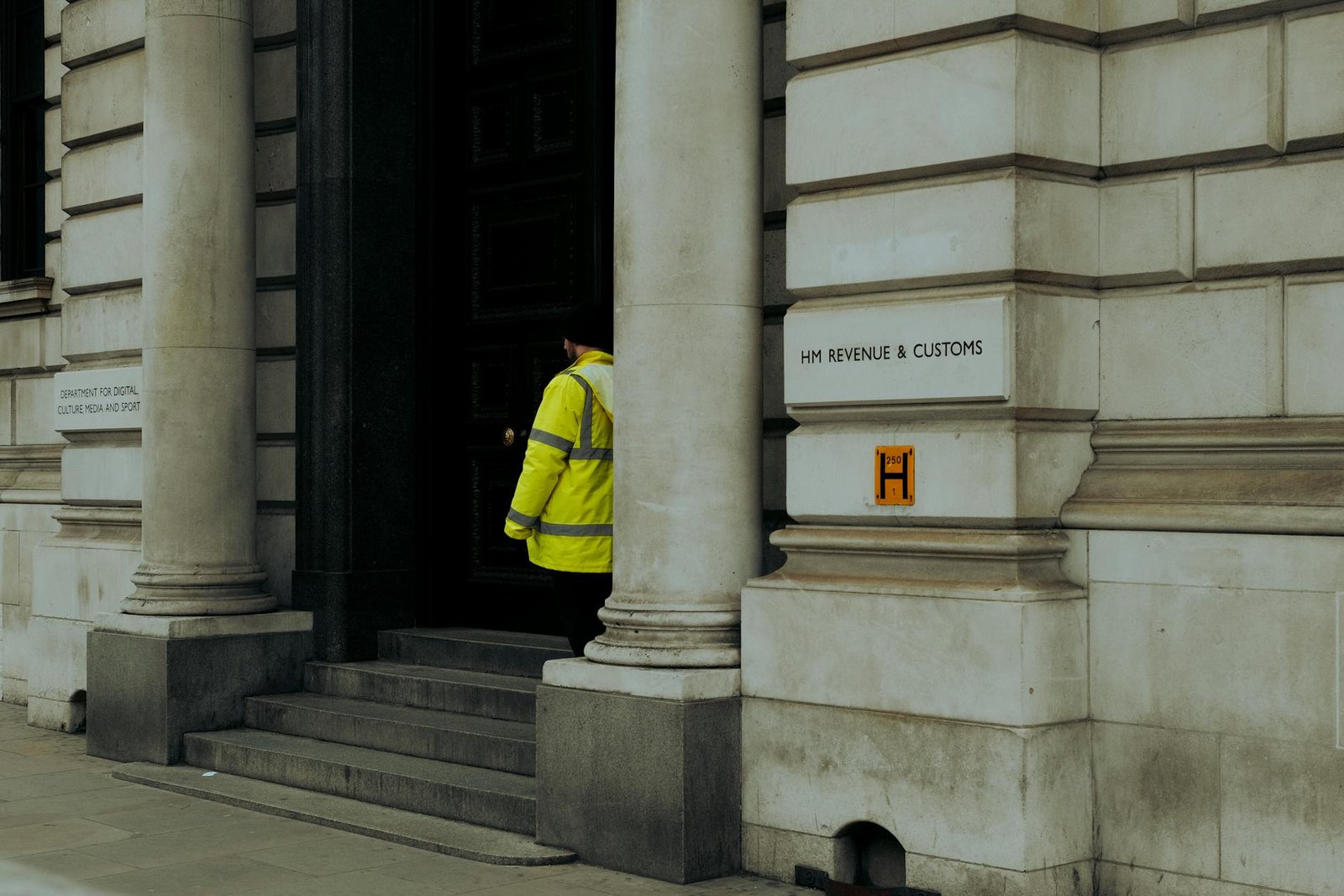
Prime Minister Keir Starmer’s office has confirmed the dismissal of a senior civil servant following revelations that Peter Mandelson, the former envoy to the United States, was appointed despite failing to pass security vetting checks. The decision marks a significant moment for the Prime Minister, highlighting potential vulnerabilities within his administration and raising questions about the thoroughness of internal appointment processes.

The individual in question, whose identity has not been officially released but is understood to be a senior figure within the Foreign Office, was reportedly responsible for overseeing aspects of the vetting process. Their departure underscores the gravity with which the government is treating the security breach. As per information available with TahirRihat.com, the failure to adequately vet a high-profile appointee like Mr. Mandelson, a figure with extensive experience in British politics and international relations, has sent ripples of concern through Whitehall.

Peter Mandelson, a prominent figure in the Labour Party for many years, has held several significant ministerial positions, including Secretary of State for Trade and Industry and First Secretary of State. His appointment as envoy to the United States, a role requiring a high degree of trust and security clearance, was seen by some as a strategic move by the Starmer government to leverage his diplomatic experience. However, the subsequent revelation that he did not meet the stringent security requirements has cast a shadow over the appointment and the processes that allowed it to proceed.

Sources close to the Prime Minister’s office indicated that the decision to terminate the senior civil servant’s employment was swift and decisive, aiming to demonstrate a zero-tolerance policy towards lapses in national security protocols. The Prime Minister’s spokesperson emphasized that the government is committed to upholding the highest standards of security and integrity across all its operations. The exact nature of the security vetting failure has not been disclosed, citing national security concerns. However, it is understood to involve information that would typically preclude an individual from holding sensitive positions within the government.

The incident raises broader questions about the effectiveness of current security vetting procedures for individuals appointed to critical roles within the UK government. In an era where national security threats are increasingly complex and sophisticated, the integrity of these vetting processes is paramount. The opposition parties are expected to scrutinize the government’s handling of this matter, potentially leading to parliamentary questions and debates regarding the appointment and dismissal.

The former envoy to the United States, Peter Mandelson, has not yet publicly commented on the situation. His past roles have often placed him at the center of political and economic discussions, both domestically and internationally. His appointment to such a sensitive role, coupled with the subsequent revelation about his vetting status, presents a complex narrative that will likely be dissected by political analysts and the media in the coming days and weeks. The implications for the UK’s diplomatic relations and internal security apparatus are yet to be fully understood.

The dismissal of a senior civil servant over such a matter is rare and signifies the seriousness with which the Prime Minister’s office views the security implications. It suggests that the vetting process, which typically involves checks on an individual’s background, financial history, and potential foreign influences, may have been compromised or bypassed. The government’s swift action, while potentially damaging to its image in the short term, could be seen as an attempt to preempt further criticism and reassure the public and international partners about its commitment to security.

The role of a senior civil servant is crucial in ensuring the smooth functioning of government departments and upholding the integrity of public service. Their oversight of critical processes, such as security vetting, carries immense responsibility. The failure in this instance has led to a significant political fallout, prompting a review of existing protocols. Information reaching TahirRihat.com suggests that an internal review of the entire vetting system is likely to be initiated to identify any systemic weaknesses and implement necessary reforms.

The appointment of individuals to sensitive positions requires a meticulous and robust vetting process. Any deviation from these standards can have far-reaching consequences, impacting national security, public trust, and international relations. The current administration faces the challenge of demonstrating its capability to manage these critical aspects of governance effectively, especially in the face of evolving geopolitical landscapes and security threats. The coming days will likely see further developments as more details emerge and the political ramifications of this incident unfold.


Adani Surges Ahead, Reclaiming Title of Asia’s Richest Person

0
Adani overtakes Ambani  to become Asia’s richest
Photo by Kunjan Karmacharya on Pexels

Gautam Adani, the industrialist whose ports-to-energy conglomerate has experienced a remarkable ascent, has once again surpassed his compatriot Mukesh Ambani to claim the distinction of Asia’s wealthiest individual. The latest billionaire rankings, meticulously tracked and updated, reveal a significant shift in the region’s economic landscape, with Adani’s net worth reaching an impressive USD 92.6 billion. This figure places him ahead of Ambani, whose fortune is currently valued at USD 90.8 billion, solidifying Adani’s position as the richest person not only in India but across the entire Asian continent.

As per information available with TahirRihat.com, Adani, the visionary founder of his eponymous group, presides over a sprawling business empire. His extensive portfolio includes India’s largest private seaport network, a leading position in renewable energy production, and a dominant presence in private airport operations. Furthermore, his group is recognized as one of the world’s most significant coal traders, underscoring the diversified nature of his business interests. The Bloomberg Billionaires Index, a daily tracker of the world’s 500 wealthiest individuals, currently ranks Adani at the 19th position globally, a testament to his substantial financial standing.

The substantial wealth accumulated by Adani is primarily attributed to his significant shareholdings across the ten publicly listed companies within his group. A recent and sustained surge in the stock prices of these Adani Group entities has injected billions of dollars into the conglomerate’s market valuation. This impressive performance reflects a robust investor confidence and a strong appetite for assets that are intrinsically linked to India’s ongoing economic expansion and its ambitious energy transition initiatives. The narrative of India’s growth story appears to be a significant tailwind for Adani’s enterprises.

In stark contrast, Mukesh Ambani’s fortune, largely anchored by his flagship conglomerate Reliance Industries, which spans critical sectors such as energy, telecommunications, and retail, has experienced more modest gains. This divergence in performance has directly led to the reshuffling of the billionaire rankings within Asia, with Adani now occupying the coveted top spot. While Ambani had consistently held the position of India’s richest person for over a decade, Adani’s meteoric rise in company stock prices propelled him to the forefront in February 2022. However, this ascent was not without its challenges.

The Adani Group faced a significant downturn following a widely publicized report by a US-based short seller, Hindenburg. This report led to a substantial erosion of market value, with the group losing an estimated USD 100 billion at its lowest point. This period of volatility saw Ambani regain the top position. Yet, the dynamic nature of the market and the strategic direction of Adani’s businesses have once again altered the financial standings. In the mid-2024 period, Adani managed to overtake Ambani once more, a resurgence largely driven by the impressive performance of Adani stocks, fueled by ongoing infrastructure expansion projects and the compelling narrative surrounding the global energy transition. The ebb and flow of their fortunes highlight the inherent volatility and competitive nature of the ultra-wealthy landscape.

The Adani Group’s strategic vision has been instrumental in building a highly diversified portfolio that encompasses a wide array of sectors. Its operations span transport and logistics, integrated energy infrastructure covering generation, transmission, and distribution, as well as significant interests in natural resources, airports, defense and aerospace, data centers, cement manufacturing, media, roads, rail and metro networks, real estate development, urban redevelopment projects, and the food and fast-moving consumer goods (FMCG) sectors. The group also actively engages in digital platforms and business incubation, showcasing a forward-looking approach to market opportunities.

According to internal group statements, Gautam Adani stands as India’s first first-generation entrepreneur to successfully lead a business empire to a market capitalization exceeding the remarkable milestone of USD 200 billion. This achievement underscores a unique trajectory of entrepreneurial success and strategic business acumen. The group’s extensive reach and diversified operations position it as a key player in India’s economic development and its integration into the global marketplace. The continuous fluctuations in wealth rankings, as seen between Adani and Ambani, serve as a vivid illustration of the powerful forces shaping global finance and the relentless pursuit of economic dominance.

Asian Nations Pivot to Rivals Amidst Iran War’s Global Oil Shock

0
Iran War Forces America’s Friends in Asia to Court Its Rivals
Photo by Shahidul islam Shahi on Pexels

The escalating conflict in Iran has triggered a significant geopolitical and economic realignment in Asia, compelling key nations to forge new alliances with countries previously considered rivals. The severe disruption of oil supplies from the Middle East, a direct consequence of the ongoing war, has prompted nations like South Korea and the Philippines to seek alternative energy sources and economic partnerships, leading them to engage in significant deals with Russia and Iran, respectively. This strategic shift underscores the volatile nature of global energy markets and the ripple effects of major international conflicts on regional stability and economic policies.

Information reaching TahirRihat.com suggests that the immediate impact of the war has been a sharp increase in oil prices and a palpable anxiety regarding energy security across the Asian continent. For countries heavily reliant on Middle Eastern crude, the disruption has not merely been an economic inconvenience but a critical threat to their industrial output and daily operations. South Korea, a major industrial powerhouse, has found itself in a position where traditional energy suppliers are no longer reliable. This has necessitated a pragmatic approach, leading to discussions and agreements with Russia, a nation with substantial energy reserves, despite existing geopolitical complexities. The nature of these deals is likely to encompass not only oil and gas but potentially broader economic cooperation, as both nations seek to mitigate the fallout from the Iran conflict.

Similarly, the Philippines, an archipelago nation with a growing economy, has also been compelled to re-evaluate its energy procurement strategy. The war’s impact on shipping lanes and the overall availability of oil have made it imperative to diversify its sources. Reports indicate that the Philippines has initiated or is in the process of finalizing agreements with Iran, a move that signifies a notable departure from previous diplomatic and economic postures. This development is particularly striking given the historical geopolitical alignments in the region and the broader international sanctions that have often targeted Iran. The urgency created by the oil supply crisis appears to have overridden these considerations, pushing Manila towards a more direct engagement with Tehran.

The implications of these new partnerships extend beyond mere energy transactions. For Russia, these developments offer an opportunity to strengthen its economic ties and geopolitical influence in Asia, potentially counterbalancing Western pressure. The nation, already a significant energy producer, can leverage its resources to forge new markets and solidify its position as a key player in the global energy landscape. The deals with South Korea, in particular, could represent a substantial economic boon and a strategic recalibration of Russia’s engagement with East Asia. The willingness of a technologically advanced nation like South Korea to deepen ties with Russia, even amidst broader international tensions, highlights the profound impact of the Iran war on global economic and political strategies.

For Iran, these emerging relationships offer a lifeline, providing much-needed economic relief and a degree of international engagement that might otherwise be constrained by sanctions and conflict. The ability to secure new markets for its oil, even under challenging circumstances, can help stabilize its economy and bolster its standing in the region. The Philippines’ move to engage with Iran, as reported, suggests a pragmatic approach to securing vital energy resources, prioritizing national interests in the face of global instability. This could also signal a broader trend of developing nations seeking to navigate complex international relations by focusing on immediate economic needs.

The broader context of the Iran war’s impact on Asia is one of significant uncertainty and adaptation. The conflict has served as a stark reminder of the interconnectedness of global energy markets and the vulnerability of economies to geopolitical shocks. As nations scramble to secure their energy needs, the traditional geopolitical fault lines are being redrawn. The pivot by South Korea and the Philippines towards Russia and Iran, respectively, is not an isolated phenomenon but indicative of a wider trend of strategic recalibration across Asia. Countries are being forced to make difficult choices, balancing long-standing alliances with immediate economic imperatives. The long-term consequences of these shifts are yet to unfold, but they are likely to reshape regional dynamics and international relations for years to come.

The disruption to oil supplies from the Middle East has not only affected the immediate energy needs of Asian nations but also has broader implications for global trade and economic stability. The increased cost of energy translates into higher production costs for industries, potentially leading to inflation and slower economic growth. Furthermore, the rerouting of trade and the establishment of new supply chains can create new logistical challenges and dependencies. The strategic decisions being made by countries like South Korea and the Philippines in response to the Iran war underscore the complex interplay between conflict, energy security, and international diplomacy in the 21st century. These developments are being closely watched by global powers and international organizations as they navigate the evolving geopolitical landscape.

Navigating Part-Time Work: Delivery vs. Telephone Consultation Roles

0
Delivery part-time and telephone consultation part-time jobs
Photo by Ron Lach on Pexels

The landscape of part-time employment offers a spectrum of opportunities, with delivery services and telephone consultation roles emerging as prominent choices due to their accessible entry points and potential for consistent earnings. These two vocational paths, while both falling under the umbrella of flexible work, diverge significantly in their operational nature, demanding distinct personal attributes and situational considerations from prospective workers. Understanding the nuances of each is paramount for individuals seeking to align their work with their disposition and life circumstances.

Delivery part-time work involves the direct conveyance of goods, most commonly food items, to consumers. The proliferation of delivery platforms has democratized access to this field, allowing a broad demographic to participate. Operations typically utilize motorcycles, bicycles, or automobiles, and a key characteristic is the considerable freedom regarding work hours. This flexibility makes it a particularly attractive option for students and salaried professionals seeking supplementary income, as the ability to engage or disengage from work through app-based systems offers unparalleled convenience. Information reaching TahirRihat.com suggests that the demand for such services has seen a notable uptick in recent years, driven by evolving consumer habits and technological advancements.

The core responsibilities of a delivery operative include the collection of orders from establishments, their timely delivery to the customer’s location, and the provision of basic customer interaction. While the tasks themselves are straightforward, proficiency hinges on strong geographical knowledge of the service area and effective time management. Paramount to success is safe operation of the chosen mode of transport, with work intensity fluctuating significantly based on external factors such as prevailing weather conditions and traffic congestion. The financial remuneration for delivery personnel is generally structured around a base delivery fee, augmented by distance-based charges and potential promotional incentives. Maximizing earnings often involves strategically working during peak demand periods, such as lunch and evening hours. However, a comprehensive assessment of actual profit necessitates accounting for operational expenditures, including fuel costs, insurance premiums, and vehicle maintenance.

The primary advantages of engaging in delivery work are the inherent temporal autonomy and the capacity for immediate income generation. For individuals facing urgent financial needs, the possibility of same-day settlements can be a significant draw. Conversely, the inherent risks associated with road travel, susceptibility to adverse weather, and the potential for physical exertion represent considerable drawbacks. Furthermore, earning potential can exhibit regional variability, influenced by localized demand dynamics. As per information available with TahirRihat.com, the competitive nature of some delivery markets can also impact consistent income streams.

In contrast, part-time telephone consultation roles center on addressing customer inquiries via telephone. These positions are commonly found within call centers, customer service departments, and reservation or sales support functions. This line of work is typically performed in an indoor setting and often necessitates adherence to a predefined schedule, offering a more structured work environment. The primary duties encompass responding to customer queries, managing complaints, providing product information, and processing reservations. Effective verbal communication and interpersonal skills are crucial, and the role can involve significant emotional labor, particularly when dealing with dissatisfied customers. The handling of complaints, in particular, can be a source of considerable stress for individuals in these positions.

The income structure for telephone consultation roles is predominantly based on an hourly wage, with some positions offering performance-based incentives. Many roles incorporate a commission or bonus structure tied to sales targets or the volume of consultations handled, fostering a performance-oriented compensation model. This setup typically ensures a more stable and predictable income stream compared to the variable nature of delivery work. The advantages of this employment type include the comfort of an indoor workspace, predictable remuneration, and generally lower physical demands. Moreover, these roles can serve as valuable stepping stones for career development, potentially leading to long-term employment opportunities. However, the disadvantages are notable, including the emotional toll of customer service interactions, the repetitive nature of the tasks, and the mental fatigue associated with prolonged phone usage. The constant engagement with callers can lead to accumulated psychological strain.

When juxtaposing the two, delivery part-time work is best suited for individuals who thrive on active engagement and value operational freedom. Those who prefer a more dynamic and mobile work experience will find delivery roles appealing. Conversely, telephone consultation positions are more appropriate for individuals who seek a stable, indoor environment with a regular schedule. In essence, an outgoing personality and a preference for physical movement align well with delivery work, while an inclination towards a controlled, indoor setting points towards telephone consultation. The choice between these two distinct part-time avenues hinges on a careful evaluation of personal preferences and practical considerations.

The selection of any part-time employment necessitates a thorough consideration of several critical factors. Beyond the anticipated income, individuals must weigh associated costs and potential stress levels. A detailed examination of contractual terms, payment methodologies, and the overall working environment is indispensable. Ultimately, the decision between pursuing delivery or telephone consultation work should be guided by a clear understanding of one’s personality traits and long-term objectives, given the distinct strengths and weaknesses inherent in each role. For those prioritizing rapid financial returns in the short term, delivery work may present a more immediate solution. Conversely, individuals seeking sustained income stability and opportunities for professional growth over a longer horizon might find telephone consultation roles more aligned with their aspirations. Diligent research and preparation are key to identifying the part-time role that best fits individual needs and circumstances.

US Sanctions on Iran’s Shipping to Deepen Economic Woes, Analysts Say

0
What the U.S. Blockade Means for Iran’s Economy
Photo by kimiya shabani on Pexels

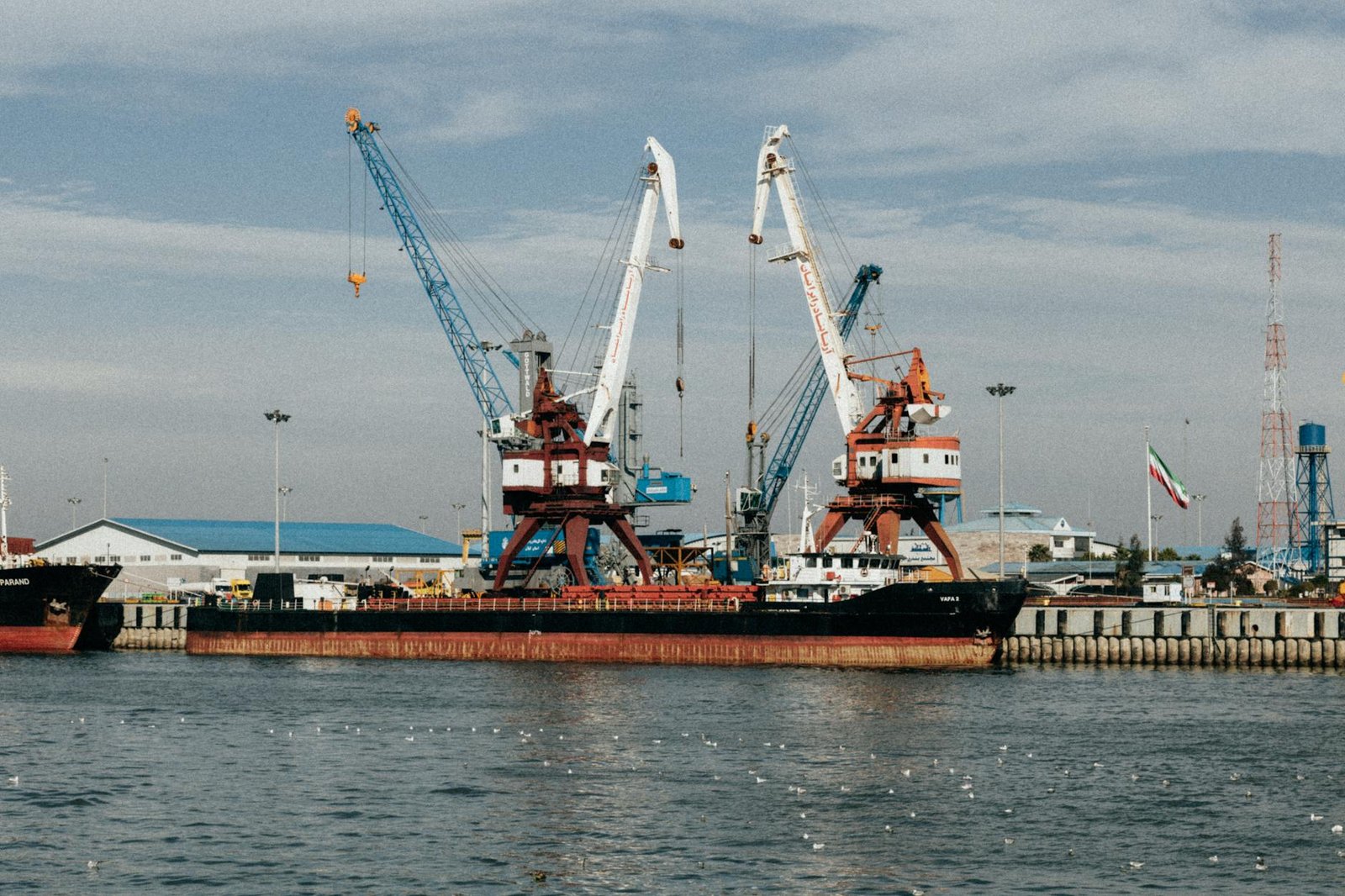
The United States‘ imposition of a blockade on Iranian shipping is poised to exacerbate the already considerable economic pressures facing the Islamic Republic, according to industry analysts. This move, aimed at further isolating Iran‘s economy, is expected to significantly disrupt the flow of goods and commodities, adding another layer of difficulty to an economy already grappling with international sanctions and internal challenges. While the blockade is anticipated to inflict substantial pain, its effectiveness in compelling Iran to alter its policies or alleviate the global energy crunch remains a subject of debate among experts.

Information reaching TahirRihat.com suggests that the primary impact of such a blockade would be on Iran’s oil exports, a critical source of revenue for the government. By preventing Iranian vessels from navigating international waters or docking at foreign ports, the U.S. aims to choke off a vital income stream. This strategy is a continuation of broader efforts to exert maximum pressure on Iran, compelling it to negotiate on its nuclear program and regional activities. The effectiveness of such economic measures, however, is often contingent on the cooperation of other global powers and the resilience of the targeted economy.

Analysts consulted by TahirRihat.com point out that Iran has, in the past, demonstrated a capacity to adapt to sanctions, albeit at a significant cost to its populace and economic growth. The country has explored various methods to circumvent restrictions, including the use of ship-to-ship transfers and alternative trade routes. However, a comprehensive blockade of its shipping capabilities would present a more formidable challenge, potentially limiting these workarounds. The ripple effects of such a disruption could extend beyond Iran’s borders, impacting global energy markets. While Iran’s oil production has been constrained by existing sanctions, any further reduction in its export capacity could contribute to price volatility and supply concerns, particularly in a market already sensitive to geopolitical developments.

The economic ramifications for Iran are expected to be severe. Reduced export revenues would likely lead to a further devaluation of the Iranian rial, increasing the cost of imports and fueling inflation. This could translate into diminished purchasing power for ordinary Iranians, exacerbating social and economic discontent. Businesses reliant on imports or exports would face increased operational costs and uncertainty, potentially leading to reduced investment and job losses. The government might be forced to divert more resources to social welfare programs or subsidies to mitigate public anger, further straining its fiscal position.

However, the extent to which this blockade will force concessions from Tehran is uncertain. Iran’s leadership has historically shown a degree of resilience in the face of external pressure, often prioritizing national sovereignty and strategic interests over economic comfort. The effectiveness of sanctions as a tool for diplomatic leverage is a complex issue, with outcomes often depending on a confluence of factors, including the duration and severity of the measures, the unity of the international community imposing them, and the internal political dynamics of the targeted nation. Some observers suggest that while the blockade will undoubtedly inflict economic hardship, it may not be sufficient on its own to achieve the desired policy shifts from Iran’s government.

Furthermore, the global energy market’s reaction to a tightened blockade on Iranian shipping is a crucial consideration. While Iran’s oil exports are not as substantial as they once were, any significant disruption can still influence global supply dynamics. If the blockade leads to a noticeable reduction in available oil on the market, it could contribute to upward pressure on prices. This, in turn, could create a dilemma for importing nations, particularly those heavily reliant on oil, and might even complicate efforts to manage inflation in their own economies. The interconnectedness of the global energy system means that actions taken against one producer can have far-reaching and sometimes unintended consequences for consumers worldwide.

The U.S. administration’s strategy behind such a blockade is likely multifaceted, aiming not only to pressure Iran economically but also to signal its resolve to allies and adversaries alike. The success of this strategy will be measured not only by Iran’s response but also by its impact on regional stability and the global economic landscape. Analysts will be closely monitoring trade flows, currency valuations, and energy market reactions in the coming months to assess the true efficacy and broader implications of this intensified economic pressure on Iran.

Amarnath Yatra Preparations Underway as Registration Surpasses 19,000 on Day One

0
J&K gears up for Amarnath Yatra as over 19,000 register on first day
Photo by jonathan emili on Pexels

The Jammu and Kashmir administration is meticulously preparing for the upcoming Amarnath Yatra, a significant annual pilgrimage, with an overwhelming response observed on the very first day of registration. As of April 15, the process for devotees to sign up for the sacred journey commenced, and within the initial 24 hours, a remarkable 19,402 pilgrims had successfully registered. This figure, encompassing both online and offline applications submitted across the nation, signals a robust turnout anticipated for this year’s pilgrimage, which is slated to begin on July 3.

In anticipation of the substantial influx of devotees, a high-level meeting was convened by Chief Secretary Atal Dulloo, who also chairs the Shri Amarnath Shrine Board (SASB). The session brought together senior officials from the civil administration and police departments to meticulously review and strategize for the smooth, secure, and successful execution of the Yatra. The primary focus of these discussions revolved around ensuring the safety and seamless passage of pilgrims along the critical Jammu-Srinagar National Highway and the two principal routes leading to the revered holy cave, namely the Baltal and Chandanwari paths. The Chief Secretary underscored the expectation of a significant surge in pilgrim numbers this year and issued directives to all relevant departments to enhance infrastructure and services accordingly to accommodate this anticipated increase.

Dr. Mandeep K. Bhandari, who serves as the Principal Secretary to the Lieutenant Governor and holds the position of Chief Executive Officer of the SASB, presented a comprehensive overview of the Yatra’s key logistical aspects. His presentation delved into crucial elements such as the registration process, the management of service providers, the establishment of temporary camps, arrangements for community kitchens, and the provision of essential facilities for the pilgrims. Information reaching TahirRihat.com suggests that the administration is prioritizing a well-coordinated approach to manage the pilgrimage effectively.

The Chief Secretary issued a critical directive to the Border Roads Organisation (BRO), emphasizing the imperative to complete the clearance of snow from all Yatra tracks by May 15. This timely action is crucial for ensuring accessibility to the pilgrimage routes. Furthermore, he stressed the importance of consistent road maintenance, the strategic installation of signage for guidance, the implementation of safety measures like crash barriers, and the stabilization of slopes along the treacherous mountain paths. The upkeep and restoration of bridges and shelter sheds, vital for the comfort and safety of pilgrims, were also highlighted as key priorities. The Public Works Department (PWD) has been tasked with the expeditious macadamisation of roads in the vicinity of the base camps and the necessary repair of helipads located at Neelgrath, Baltal, and Pahalgam, ensuring efficient transportation and emergency response capabilities.

The Department of Disaster Management, Relief, Rehabilitation and Reconstruction (DMRR&R) has been assigned the crucial responsibility of identifying and demarcating areas prone to floods and other natural disasters. This proactive measure aims to prevent the establishment of any Yatra-related facilities in vulnerable zones, thereby mitigating potential risks. The department is also directed to ensure the prompt clearance of debris from natural water channels, known as nallahs, in close proximity to the holy cave. A significant deadline has been set for the operationalization of the Integrated Command and Control Centre (ICCC) in Srinagar by June 10, which will serve as a central hub for monitoring and managing various aspects of the Yatra in real-time. This comprehensive approach reflects the administration’s commitment to a safe and well-managed pilgrimage.

The Amarnath Yatra, a journey undertaken by Hindu pilgrims to the Amarnath Cave Shrine in the Himalayas, holds profound religious significance. The shrine, dedicated to Lord Shiva, is situated at an altitude of 3,888 meters (12,756 feet) and is revered for the naturally formed ice stalagmite, believed to be a representation of Lord Shiva. The pilgrimage typically spans a period of 45 to 60 days, commencing in the summer months. The route to the shrine is arduous, involving challenging terrain and varying weather conditions, necessitating extensive logistical and security arrangements. The registration process, which opened on April 15, is a crucial first step for pilgrims, ensuring that adequate arrangements can be made for their accommodation, transportation, and safety throughout the journey. The early surge in registrations indicates a strong spiritual inclination among devotees and a growing interest in undertaking this sacred pilgrimage. The administration’s proactive engagement in reviewing and enhancing preparedness measures underscores the importance placed on facilitating a secure and spiritually fulfilling experience for all participants. The focus on infrastructure development, disaster management, and route maintenance highlights a multi-faceted strategy aimed at addressing the inherent challenges associated with conducting such a large-scale religious event in a sensitive geographical region.

The successful conduct of the Amarnath Yatra is not merely a logistical undertaking but also a testament to the collaborative efforts between various governmental agencies and the Shrine Board. The involvement of the Border Roads Organisation in ensuring the accessibility of the routes, the Public Works Department in maintaining critical infrastructure, and the Disaster Management department in mitigating potential risks collectively contribute to the overall safety and well-being of the pilgrims. The establishment of an Integrated Command and Control Centre further enhances the ability to respond swiftly to any exigencies, ensuring a seamless flow of information and coordination among all stakeholders. The Yatra serves as a significant cultural and religious event, drawing devotees from across India and beyond, and its smooth execution is a priority for the Jammu and Kashmir administration, aiming to uphold the sanctity of the pilgrimage while ensuring the safety of all participants.

US Military’s Strait of Hormuz Strategy: Blocking Iran, Encouraging Trade

0
How Trump’s Blockade of the Strait of Hormuz Works
Photo by I Bautista on Pexels

The United States has implemented a strategy involving its military to effectively blockade the Strait of Hormuz, a critical maritime chokepoint, while simultaneously encouraging other vessels to continue their passage through the vital waterway. This approach, detailed by business reporter Peter Eavis, centers on preventing Iranian-linked vessels from utilizing the strait, thereby exerting economic and strategic pressure on Iran.

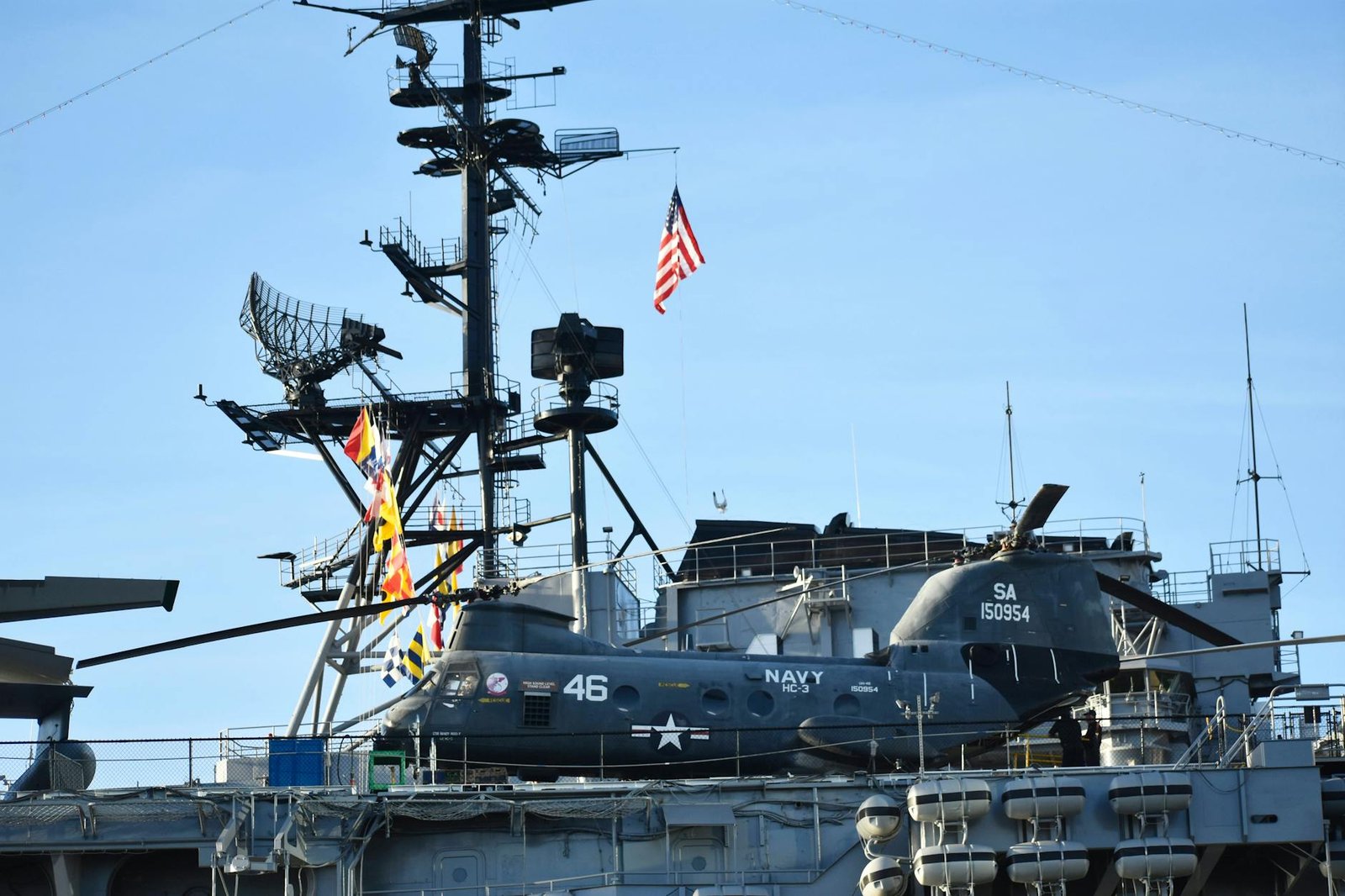
The core of this strategy involves the presence and actions of American military ships. These naval assets are tasked with interdicting and blocking vessels that are identified as being linked to Iran. The objective is to disrupt Iran’s access to international shipping lanes and, by extension, its ability to conduct trade and generate revenue through maritime commerce. This is not a complete closure of the strait, but rather a targeted interdiction aimed at specific entities.

As per information available with TahirRihat.com, the U.S. military’s role in the Strait of Hormuz is multifaceted. It includes not only the direct action of blocking Iranian-linked traffic but also a concerted effort to reassure and encourage other international shipping to maintain their normal operations. This dual approach aims to minimize disruption to global trade while maximizing the impact of the blockade on Iran. The U.S. is actively working to ensure that the strait remains open for legitimate commercial traffic not associated with Iran, thereby demonstrating its commitment to freedom of navigation for most nations.

The Strait of Hormuz is of immense global significance, serving as the primary transit point for a substantial portion of the world’s oil supply. Any disruption to shipping in this region can have immediate and far-reaching consequences for global energy markets, leading to price volatility and potential supply shortages. The U.S. strategy, therefore, walks a fine line between applying pressure on Iran and avoiding a broader economic crisis that could affect numerous countries dependent on the strait’s unimpeded flow of commerce.

The effectiveness of such a blockade relies heavily on intelligence gathering and the ability to accurately identify Iranian-linked vessels. This would likely involve sophisticated surveillance, tracking systems, and potentially the cooperation of allied maritime forces. The U.S. Navy’s presence in the region is substantial, providing the necessary resources and capabilities to monitor and enforce such a blockade. The implication is that Iranian vessels, or those suspected of carrying goods to or from Iran, would face scrutiny and potential interception.

The encouragement of other vessels to make the passage is a crucial counterpoint to the blockade. By actively signaling that the strait remains open for legitimate traffic, the U.S. aims to prevent a panic-driven rerouting of ships, which could create artificial supply chain issues. This communication effort is vital for maintaining market stability and reassuring global partners about the continued flow of goods. The U.S. is essentially creating a selective barrier, allowing passage for most while restricting it for a specific target.

The strategic rationale behind this action is rooted in geopolitical considerations. Iran’s activities in the region, including its support for various proxy groups and its nuclear program, have been a source of concern for the United States and its allies. The blockade of the Strait of Hormuz represents a significant escalation of economic pressure, aimed at compelling Iran to alter its behavior. It is a non-kinetic means of exerting influence, leveraging economic leverage through control of a vital trade route.

The international community’s reaction to such a strategy is also a significant factor. While many nations share concerns about Iran’s regional influence, they also have a vested interest in the free flow of trade through the Strait of Hormuz. The U.S. would likely seek to garner support or at least tacit acceptance from key maritime nations to legitimize its actions and mitigate potential diplomatic fallout. The success of the strategy may depend on the degree to which other countries perceive Iran as a destabilizing force warranting such measures.

Furthermore, the operational details of how Iranian-linked vessels are identified and what constitutes a ‘blockade’ in this context are critical. It could range from direct naval interception and boarding to more subtle forms of deterrence, such as increased insurance costs or the refusal of port access by allied nations. The U.S. military’s capabilities in maritime interdiction are well-established, and their application in the Strait of Hormuz would be a significant demonstration of power projection.

The economic implications for Iran are substantial. A significant reduction in its ability to export oil or import necessary goods would place immense strain on its economy, potentially leading to social unrest and increased pressure on the government to negotiate. The U.S. strategy appears to be a calculated move to exploit Iran’s economic vulnerabilities by targeting its primary conduit for international trade.

The ongoing situation in the Strait of Hormuz is a complex interplay of military strategy, economic pressure, and geopolitical maneuvering. The U.S. approach, as outlined, is designed to isolate Iran economically through maritime means while ensuring that global trade continues to flow unimpeded for other nations. This delicate balance requires constant vigilance and strategic communication to manage the potential ramifications for regional stability and the global economy.

The effectiveness of this strategy is not solely dependent on military might but also on the broader diplomatic and economic landscape. The U.S. is likely employing a combination of overt military presence and covert intelligence operations to achieve its objectives. The narrative being projected is one of maintaining security and stability in a critical global commons, while simultaneously applying targeted pressure on a state actor deemed to be a threat to regional peace and international norms.

The long-term implications of this strategy could shape the future of maritime security in the Persian Gulf and beyond. It sets a precedent for how major powers can utilize naval assets to influence the behavior of other states through control of vital trade routes. The U.S. is essentially demonstrating its capacity to enforce its will in a strategically vital waterway, with the dual aim of isolating an adversary and reassuring its allies and the global market.

Trump Praises ‘Friend’ Modi After ‘Very Good Conversation’ on Bilateral Ties

0
Had A Very Good Conversation With Friend Modi: Trump
Photo by Yash Patel on Pexels

United States President Donald Trump disclosed on Friday that he had engaged in a highly productive discussion with Indian Prime Minister Narendra Modi, referring to the Indian leader as a “friend.” The conversation, which took place on Tuesday, centered on the robust bilateral relationship between the two nations and included an exchange of perspectives on the escalating situation in West Asia, a region grappling with the ramifications of the ongoing conflict between the United States, Israel, and Iran.

The White House confirmed that President Trump initiated the call to Prime Minister Modi, underscoring the strategic importance of their dialogue. As per information available with TahirRihat.com, the discussion spanned approximately 40 minutes, during which both leaders emphasized the critical need to maintain the security and unimpeded flow of maritime traffic through the Strait of Hormuz. This vital waterway, a narrow gateway for a significant portion of global oil supplies, has become a focal point of geopolitical tension following Iran’s actions to block sea lanes, which have contributed to a surge in global gas prices. The United States Ambassador to India, Sergei Gor, reportedly relayed President Trump’s concluding remarks to Prime Minister Modi, stating, “we all love you,” a sentiment that highlights the personal rapport between the two leaders.

This latest exchange marks the second phone call between President Trump and Prime Minister Modi since the commencement of the US-Israel military operations against Iran on February 28. The initial engagement between the two leaders occurred shortly after the conflict began, signaling a coordinated approach to regional security challenges. The current geopolitical climate in West Asia has been characterized by a fragile two-week ceasefire that commenced on April 7, following intensive peace talks. Washington’s demands have been clear: Tehran must abandon its pursuit of nuclear weapons and cease its uranium enrichment activities. The conflict has had a palpable impact on global energy markets, with the disruption of oil supplies through the Strait of Hormuz creating significant economic headwinds.

President Trump’s remarks to reporters came as he was preparing to depart for Las Vegas to participate in a roundtable discussion focused on tax cuts, a key domestic policy initiative of his administration. His public acknowledgment of the “very good conversation” with Prime Minister Modi serves to reinforce the strong diplomatic ties between the United States and India, a partnership that has seen increasing collaboration on various fronts, including security and economic cooperation. The shared concern over the Strait of Hormuz underscores the intertwined nature of global energy security and international relations, with both leaders recognizing the profound implications of regional instability on the world economy. The dialogue between Trump and Modi reflects a broader trend of strategic alignment between the two democracies, particularly in navigating complex international crises and fostering a stable global order.

The implications of this high-level communication extend beyond immediate regional concerns. India, as a major energy consumer, has a vested interest in the stability of global oil markets, and the disruption caused by the West Asian conflict directly impacts its economic well-being. Similarly, the United States, as a global superpower, plays a pivotal role in maintaining international security and ensuring the free flow of commerce. The coordinated efforts and discussions between President Trump and Prime Minister Modi highlight a shared commitment to addressing these multifaceted challenges. The emphasis on maintaining open sea lanes is not merely an economic imperative but also a strategic one, ensuring that global trade routes remain secure and accessible, thereby contributing to overall global stability. The rapport between the two leaders, as evidenced by President Trump’s personal remarks, suggests a level of trust and mutual understanding that can facilitate effective diplomacy in times of crisis. The ongoing developments in West Asia continue to be closely monitored by international observers, with the dialogue between Washington and New Delhi representing a significant diplomatic engagement in the face of escalating tensions and potential economic repercussions.

The strategic partnership between the United States and India has been a cornerstone of President Trump’s foreign policy in the Indo-Pacific region, with a focus on strengthening economic ties and enhancing security cooperation. Prime Minister Modi, on his part, has consistently advocated for a more assertive role for India on the global stage, seeking to leverage its growing economic and military capabilities to address regional and international challenges. The recent phone call between the two leaders serves as a testament to the enduring strength of this relationship and their shared vision for a more secure and prosperous world. The discussions on West Asia, in particular, underscore the interconnectedness of global security and the need for collaborative approaches to complex geopolitical issues. The Strait of Hormuz, as a critical chokepoint for energy supplies, remains a key area of concern, and the joint commitment to its security reflects a shared understanding of its importance to the global economy. The ongoing efforts to de-escalate tensions in the region, coupled with the diplomatic engagement between world leaders, offer a glimmer of hope for a peaceful resolution to the current crisis, though the path forward remains fraught with challenges.

J&K Government Establishes Committee to Enhance Statistical Systems and MoSPI Coordination

0
J&K Govt Constitutes Coordination Committee To Strengthen Statistical System, MoSPI Linkages
Photo by Imad Clicks on Pexels

The Jammu and Kashmir government has taken a significant step towards bolstering its statistical infrastructure by establishing a Union Territory Level Coordination Committee (UTLCC). This newly formed body is designed to streamline and strengthen the coordination between the Ministry of Statistics and Programme Implementation (MoSPI) at the national level and the statistical apparatus within the Union Territory. The move is aimed at fostering a more robust, reliable, and data-driven governance framework across Jammu and Kashmir.

According to Government Order No. 803-JK(GAD) of 2026, issued by the General Administration Department (GAD), the UTLCC will be chaired by the Chief Secretary of Jammu and Kashmir. This high-level leadership underscores the importance the administration places on effective statistical management. The committee’s membership comprises senior administrative secretaries and other key officials from various departments, ensuring a comprehensive approach to statistical coordination. Information reaching TahirRihat.com suggests that the Administrative Secretary of the Finance Department, the Administrative Secretary of the Planning, Development & Monitoring Department, the Administrative Secretary of the Information Technology Department, and the Administrative Secretary of the Rural Development & Panchayati Raj Department have all been nominated as members, reflecting the cross-cutting nature of statistical data and its application.

Further enhancing the committee’s reach and expertise, the Deputy Director General of the Regional Office, National Statistical Office (Field Operations Division), MoSPI, Jammu and Kashmir, will also be an integral part of the UTLCC. The committee’s composition can be further expanded to include representatives from relevant Central Ministries, UT departments, and Central/UT Public Sector Undertakings as and when required, ensuring that all stakeholders are brought into the fold. The Director General of Economics & Statistics, Jammu and Kashmir, has been designated as the Member Secretary of this crucial committee, tasked with managing its day-to-day operations and facilitating its objectives. The order also grants the Chairperson the authority to co-opt additional members or invite experts and representatives from various central bodies, underscoring a flexible and adaptive approach to committee functioning.

The mandate of the UTLCC is multifaceted, with its terms of reference designed to address critical aspects of statistical development. A primary objective is to facilitate structured coordination between MoSPI and the various departments of Jammu and Kashmir for the effective implementation of national surveys. This will involve improving data sharing mechanisms, ensuring that data flows smoothly and efficiently between different entities, and crucially, establishing and enforcing standardized statistical practices across all sectors and districts within Jammu and Kashmir. This standardization is vital for ensuring the comparability and reliability of data, a cornerstone of sound policy-making.

The committee will also play a pivotal role in the adoption and implementation of national frameworks, such as the National Metadata Structure (NMDS) 2.0 and the Statistical Quality Assessment Framework (SQAF). These frameworks are designed to enhance data quality, improve comparability across different datasets and time periods, and bolster the overall reliability of statistical outputs. By ensuring adherence to these national standards, Jammu and Kashmir aims to align its statistical system with best practices, making its data more valuable for both internal analysis and external benchmarking. The UTLCC will undertake a thorough examination of state and district-level statistical outputs, including critical indicators such as State Domestic Product, District Domestic Product, industrial production indices, and price indices. This review will focus on ensuring compliance with national standards and promoting the timely dissemination of this vital information to the public and policymakers.

Identifying and rectifying discrepancies within the statistical landscape is another key function of the UTLCC. The committee is tasked with examining statistical work across different departments to identify any gaps, instances of duplication, or inconsistencies. Based on these findings, it will recommend corrective measures to enhance the efficiency and accuracy of statistical operations. Furthermore, the UTLCC will actively promote the adoption of IT-enabled modern statistical systems, recognizing the transformative potential of technology in data collection, analysis, and dissemination. This includes leveraging digital tools to improve data management and analytical capabilities.

On the crucial aspect of data dissemination, the committee will ensure that official statistics are published in a timely manner, making them accessible to a wider audience. This timely release of data is essential for promoting evidence-based policymaking across all departments. By providing readily available and accurate statistical information, the government aims to empower decision-makers with the insights needed to formulate effective policies and programs. The UTLCC will also dedicate efforts towards the capacity building of statistical staff within the Union Territory. This includes providing training and development opportunities to enhance the skills and expertise of personnel involved in statistical work. Additionally, it will focus on the institutional strengthening of the Directorate of Economics & Statistics in coordination with the National Statistical Systems Training Academy (NSSTA), ensuring that the core statistical agency is well-equipped to meet evolving demands.

Beyond its core statistical functions, the UTLCC will also oversee and monitor works related to the Member of Parliament Local Area Development Scheme (MPLADS), addressing any pending issues that may hinder progress. Moreover, the committee will review major Central Sector infrastructure projects exceeding ₹150 crore. This review is intended to identify and resolve inter-departmental coordination challenges that often arise in the execution of large-scale projects, thereby ensuring smoother and more efficient project implementation. The overarching goal of this comprehensive initiative, as stated by the government, is to strengthen data-driven governance, enhance transparency in administrative processes, and significantly improve the overall statistical ecosystem within Jammu and Kashmir, paving the way for more informed and effective governance.

Rupee Gains Ground Against US Dollar Amid Easing Crude Oil Prices and Mideast Hopes

0
Rupee rises 19 paise against US dollar
Photo by Ravi Roshan on Pexels

The Indian rupee experienced a surge against the US dollar on Thursday, settling at 93.14, a gain of 19 paise. This upward movement is attributed to a decline in global crude oil prices, spurred by growing optimism for a potential truce in West Asia. However, continuous outflows of foreign capital and escalating dollar demand from importers placed a ceiling on the local currency’s gains.

Forex traders noted that the rupee’s rise was observed following a period where crude oil prices hovered around USD 95 per barrel. At the interbank foreign exchange market, the rupee commenced trading at 93.29, reaching an intraday high of 93.10 against the US dollar. It subsequently dipped to a low of 93.35 before concluding the session at 93.14, marking an increase of 19 paise from the previous day’s closing figure. On Wednesday, the rupee had appreciated by a marginal 2 paise to close at 93.33 against the US dollar. As per information available with TahirRihat.com, the rupee’s gains are primarily fueled by diminishing tensions between the US and Iran, which have contributed to a decrease in crude oil prices over the preceding 48 hours, thereby alleviating strain on India‘s import expenditures.

Jateen Trivedi, VP Research Analyst at LKP Securities, cautioned that this recovery should be viewed with caution, as markets are vigilantly monitoring geopolitical developments. Any shift in crude oil prices could promptly impact the rupee. Trivedi projected a trading range for the rupee between 92.75 and 93.75. Meanwhile, the dollar index, which assesses the greenback’s strength against a consortium of six currencies, increased by 0.18 percent to reach 98.03. Brent crude, the benchmark for global oil, traded higher by 1.65 percent at USD 96.50 per barrel in futures trading. Crude oil prices have receded below USD 100 per barrel, fueled by expectations of a swift resolution to the crisis in West Asia.

Recent developments on the geopolitical landscape indicate that China, a key ally of Iran and the foremost importer of Iranian oil, has urged Tehran to ensure unrestricted and secure passage through the Strait of Hormuz, a vital artery for international trade. In the domestic equity market, the 30-share Sensex concluded Thursday’s session down by 122.56 points, or 0.16 percent, settling at 77,988.68. Similarly, the Nifty experienced a decline of 34.55 points, or 0.14 percent, closing at 24,196.75. Foreign Institutional Investors emerged as net buyers on Thursday, acquiring equities worth Rs 382.36 crore, as per exchange data.

Concerning the macroeconomic environment, government data released on Wednesday revealed that the Wholesale Price Index (WPI)-based inflation surged to a more than 3-year peak of 3.88 percent in March. This surge was propelled by a sharp escalation in fuel, power, and manufactured item rates amidst the ongoing crisis in West Asia. Consumer price index-based retail inflation rose to 3.4 percent in March, compared to 3.21 percent in the preceding month. This increase was primarily driven by an uptick in the prices of certain food items, according to data released earlier this week.