Home Blog Page 281

J&K’s crucial role in shaping BJP’s ideology, says Jitendra Singh

0
J&K integral to BJP’s ideological evolution: Jitendra Singh
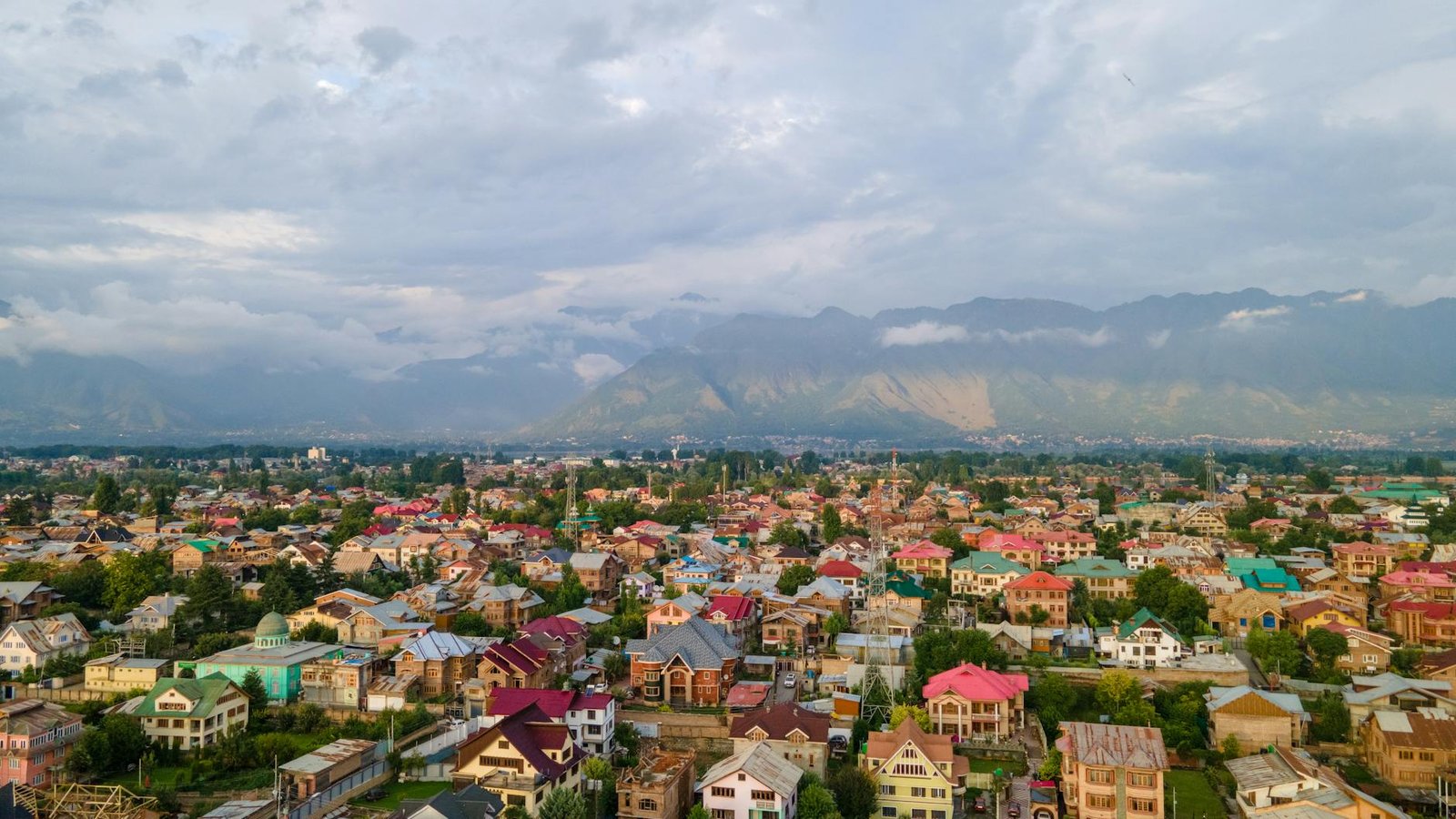
Photo by Imad Clicks on Pexels

Union Minister Dr. Jitendra Singh emphasized the significant role Jammu and Kashmir plays in the ideological evolution of the Bharatiya Janata Party (BJP). He stated that the party’s historical roots, tracing back to the Bharatiya Jana Sangh founded by Dr. Syama Prasad Mukherjee in 1951, are deeply connected to the region.

Dr. Singh highlighted that Dr. Mukherjee’s movement for the complete integration of J&K with India was a pivotal moment. Dr. Mukherjee’s visit to the region in 1953 and his subsequent death in Srinagar became a significant part of the Jana Sangh’s narrative. This association, according to Dr. Singh, solidified the party’s identity with Jammu and Kashmir for decades to come. He addressed BJP office-bearers, stressing that the legacy of Dr. Mukherjee is both a privilege and a responsibility for BJP workers in J&K.

The BJP’s connection to Jammu and Kashmir has been a consistent theme in the party’s political discourse. The revocation of Article 370 in 2019, which granted special status to Jammu and Kashmir, fulfilled a long-standing ideological commitment of the BJP. The party had long advocated for the complete integration of the region into India, viewing Article 370 as an impediment to this goal. This decision was followed by the bifurcation of the state into two union territories: Jammu and Kashmir, and Ladakh.

The BJP-led central government has emphasized development and security in the region post the abrogation of Article 370. Numerous initiatives have been launched to boost infrastructure, attract investment, and generate employment opportunities. These efforts are aimed at integrating the region economically and socially with the rest of the country. Security measures have also been intensified to counter cross-border terrorism and maintain peace and stability.

Recent data indicates that there has been a significant decline in terrorist-related incidents in Jammu and Kashmir since the revocation of Article 370. According to government sources, this reduction is attributed to enhanced security operations and increased intelligence gathering. However, challenges remain, and the security situation is continuously monitored.

The government has also focused on promoting tourism in Jammu and Kashmir. Various initiatives, including the development of new tourist destinations and the promotion of adventure tourism, have been undertaken. The aim is to showcase the region’s natural beauty and attract domestic and international tourists, thereby boosting the local economy. Reports suggest a gradual increase in tourist footfall in recent years, contributing to the region’s economic recovery.

In addition to economic and security measures, the government has also emphasized good governance and transparency in Jammu and Kashmir. Efforts have been made to streamline administrative processes, reduce corruption, and improve public service delivery. E-governance initiatives have been implemented to enhance transparency and accountability in government operations.

Political activity in Jammu and Kashmir has also seen some changes. Following the abrogation of Article 370, the delimitation commission was formed to redraw the boundaries of assembly constituencies. This exercise aimed to ensure fair representation for all sections of the population. Elections to local bodies have been conducted, and efforts are underway to create a conducive environment for assembly elections in the union territory.

While the BJP emphasizes the positive impact of the changes in Jammu and Kashmir, other political parties have voiced concerns. Some regional parties argue that the abrogation of Article 370 has alienated the local population and undermined the region’s unique identity. They advocate for the restoration of statehood and greater autonomy for Jammu and Kashmir. National parties have also expressed differing views on the situation.

Dr. Singh’s remarks serve as a reminder of the historical and ideological significance of Jammu and Kashmir to the BJP. The party continues to emphasize its commitment to the region’s development, security, and integration with the rest of India. While the situation remains complex, ongoing efforts are focused on fostering stability, economic growth and improved governance in the region. We continue to monitor developments and provide comprehensive coverage of the situation in Jammu and Kashmir.

The BJP’s vision for Jammu and Kashmir is to transform it into a model of development and progress, while ensuring peace and stability. The party believes that with sustained efforts and the active participation of the local population, this vision can be realized. The coming years will be crucial in determining the long-term impact of the changes and the future trajectory of Jammu and Kashmir.
US Diplomatic Efforts with Iran: Vice President Vance’s Pakistan-Brokered Talks

0
How JD Vance Tried and Failed to End the War in Iran That He Opposed
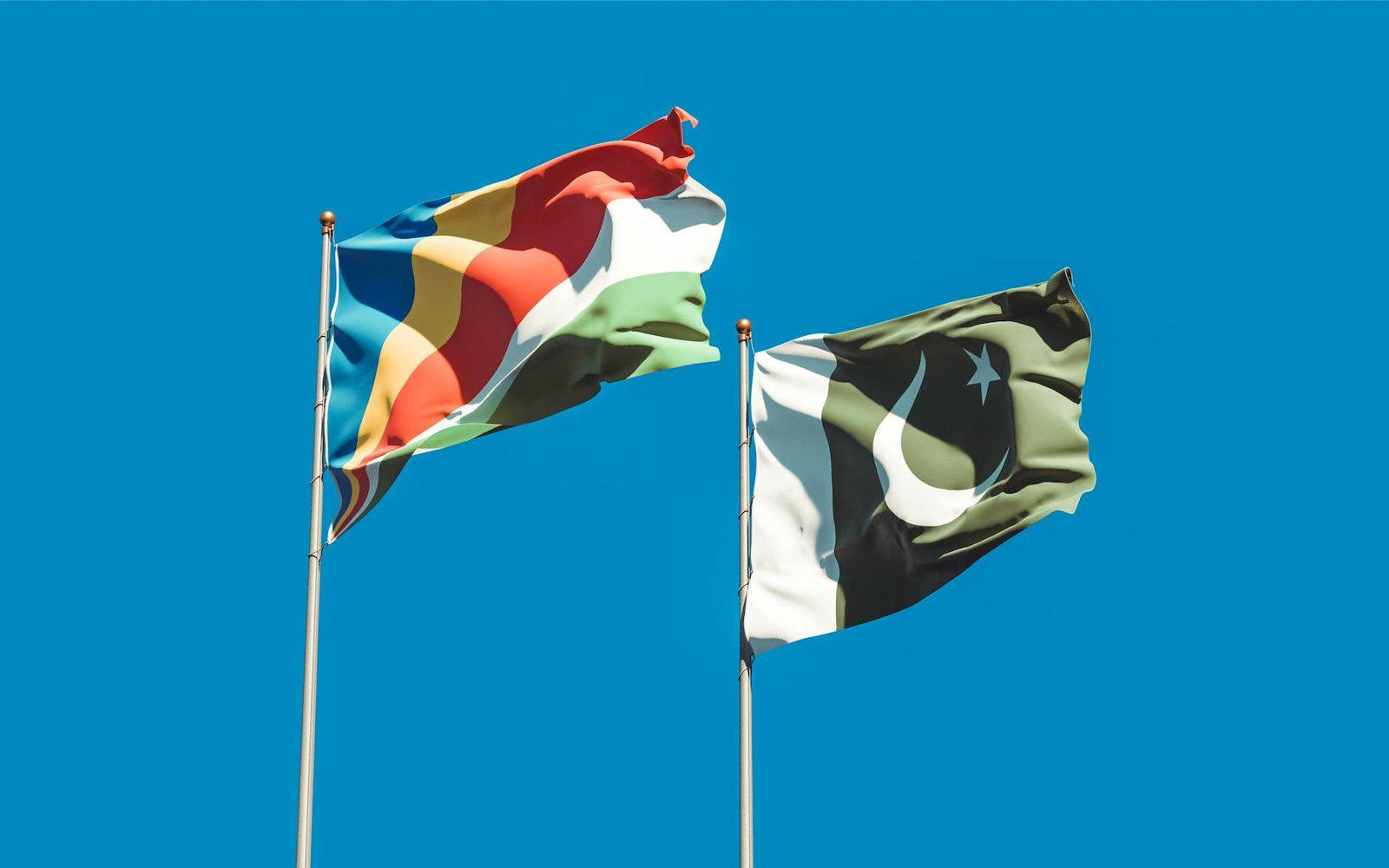
Photo by Leonid Altman on Pexels

In a significant diplomatic move aimed at de-escalating tensions in the region, the United States, under the leadership of Vice President JD Vance, engaged in high-level talks with Iran. These discussions, facilitated by Pakistan, represent the most substantial dialogue between the two nations in nearly half a century. The initiative underscores the complex interplay of regional and international actors seeking to navigate the intricate geopolitical landscape of the Middle East and South Asia.

The impetus for these talks stems from a confluence of factors, including long-standing concerns over Iran’s nuclear program, its involvement in regional conflicts, and the broader implications for global security. The United States has historically pursued a policy of sanctions and diplomatic isolation towards Iran, but the recent engagement suggests a potential shift in strategy, driven by the need to explore all possible avenues for peaceful resolution of outstanding disputes. Pakistan’s role as a facilitator is crucial, given its unique position as a neighbor of Iran and a long-time strategic ally of the United States.

The details of the talks, held in undisclosed locations within Pakistan, remain largely confidential. However, sources familiar with the discussions indicate that the agenda covered a wide range of issues, including nuclear proliferation, regional security, and economic cooperation. One of the primary goals of the United States is to ensure that Iran’s nuclear program remains peaceful and does not pose a threat to regional stability. The talks also addressed concerns about Iran’s support for various militant groups in the Middle East, which has been a source of contention for many years. From Iran’s perspective, the talks offer an opportunity to seek relief from crippling economic sanctions and to address its security concerns in the region. The engagement with the United States is seen as a significant step towards re-establishing a more normalized relationship with the international community.

The involvement of Pakistan as a mediator reflects its long-standing commitment to regional peace and stability. Pakistan has historically maintained close ties with both the United States and Iran, and it is uniquely positioned to bridge the gap between these two countries. Islamabad has consistently advocated for dialogue and diplomacy as the preferred means of resolving conflicts, and its role in facilitating these talks underscores its commitment to this principle. However, Pakistan’s own internal challenges, including economic instability and security threats, could potentially complicate its role as a mediator. We are tracking any official statements from the Pakistani government on this issue.

The impact of these talks on the broader geopolitical landscape remains to be seen. However, the fact that they are taking place at all is a testament to the power of diplomacy and the potential for peaceful resolution of conflicts. The United States and Iran have a long and complex history, marked by periods of cooperation and conflict. The current talks represent a new chapter in this relationship, and they offer a glimmer of hope for a more stable and peaceful future. The situation in Jammu and Kashmir adds another layer of complexity to the regional dynamics. Any escalation of tensions between India and Pakistan could potentially undermine the progress made in the US-Iran talks. It is essential that all parties involved exercise restraint and prioritize dialogue as the means of resolving disputes. We are monitoring local reactions closely.

These talks are also occurring against the backdrop of shifting alliances and power dynamics in the Middle East. The rise of new regional players, such as Turkey and Saudi Arabia, as well as the ongoing conflicts in Syria and Yemen, have created a volatile environment that requires careful management. The United States, under the Biden administration, has sought to re-engage with the region in a more nuanced and diplomatic manner, and the talks with Iran are a reflection of this approach. However, the path forward is fraught with challenges, and there is no guarantee that the talks will lead to a breakthrough. The deep-seated mistrust and historical grievances between the United States and Iran will take time to overcome. The United States insists any final deal includes monitoring and verification mechanisms.

In India, the ongoing developments are being closely watched, particularly given India’s own strategic interests in the region. India has traditionally maintained close ties with Iran, especially in the areas of trade and connectivity, and it has a vested interest in ensuring stability in the region for its energy security and access to Central Asian markets. However, India is also a close strategic partner of the United States, and it will need to carefully balance its relationships with both countries. Indian officials have privately signaled their support for diplomatic efforts that lead to a peaceful resolution of the issues between the United States and Iran. India’s own diplomatic capabilities and its extensive network of relationships in the region will be crucial in supporting these efforts.

Looking ahead, the success of the US-Iran talks will depend on the willingness of both sides to compromise and to address each other’s concerns. It will also depend on the active involvement of regional and international actors, who can help to create a more conducive environment for dialogue and cooperation. The challenges are significant, but the potential rewards are even greater. A stable and peaceful Middle East is in the interest of all countries, and the US-Iran talks represent an important step towards achieving this goal. We will continue to report on any updates.

We are seeking comments from foreign policy experts within Jammu and Kashmir to better understand the potential implications. Furthermore, We are reviewing satellite imagery from the region, but cannot confirm any material changes. This article will be updated when further information is available.

Man Missing After Alleged Assault Over Cattle Transport in Ramban, J&K

0
Man ferrying cow, calves assaulted in J-K’s Ramban; goes missing
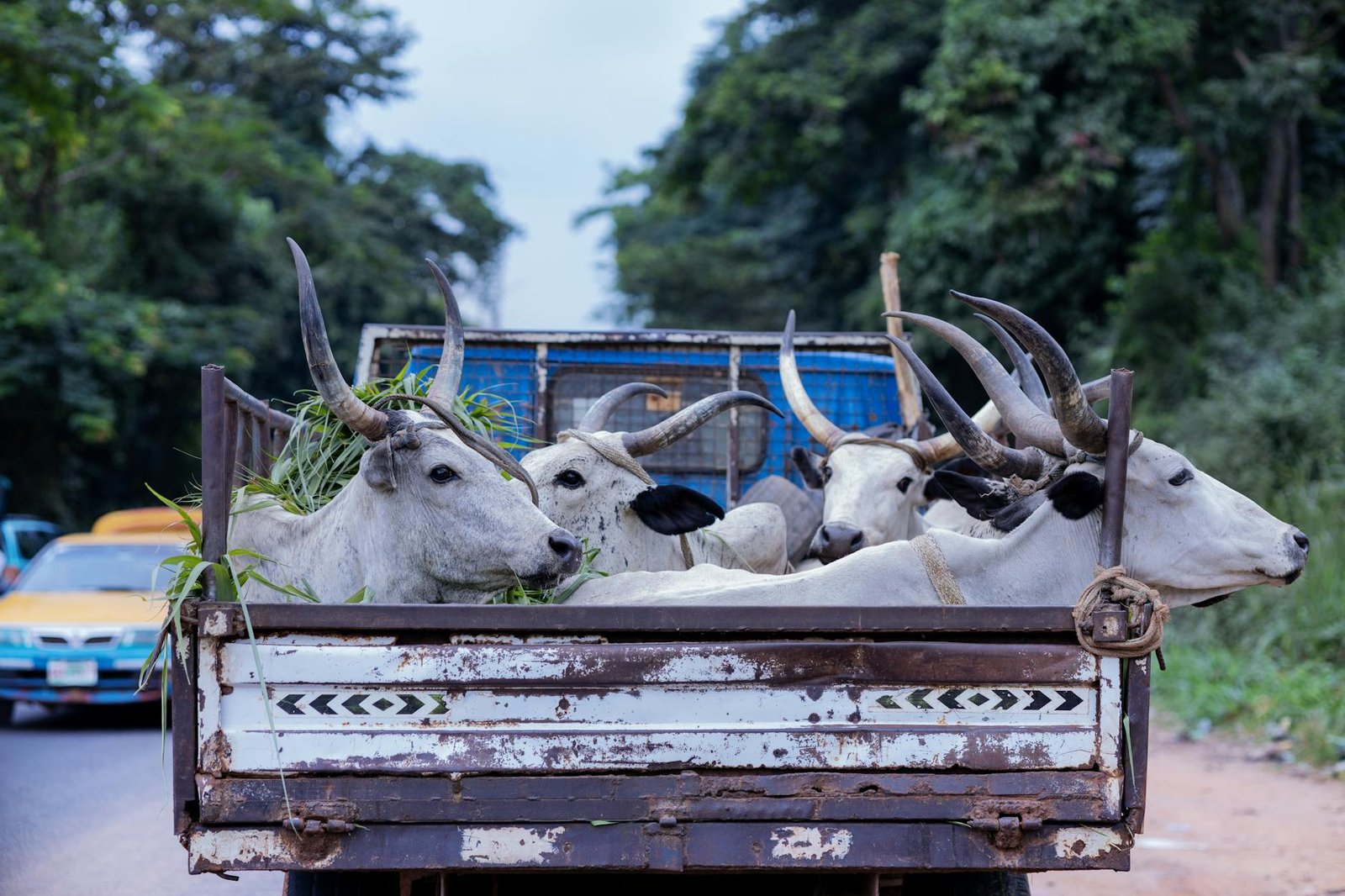
Photo by Frederick Adegoke Snr. on Pexels

A 25-year-old man is missing in Jammu and Kashmir‘s Ramban district after allegedly being assaulted while transporting a cow and two calves. Tanveer Ahmad Chopan, a resident of Mundkhal Pogal in the Ukhral tehsil, was reportedly travelling from Jammu towards his native village in a Tata Mobile vehicle when the incident occurred. According to local reports, Chopan was allegedly chased and assaulted by unidentified individuals near Makarkoot along the Jammu-Srinagar national highway. It is believed that he may have fallen into the Nallah Bishlari during the altercation.

Authorities have launched a search and rescue operation, with the Ramban Deputy Commissioner Mohammad Alyas Khan and Senior Superintendent of Police Arun Gupta visiting the site to oversee the efforts. Police and local volunteers are jointly involved in the operation to locate Chopan. The incident has triggered outrage and heightened tensions in the area, prompting calls for a thorough investigation and justice for the missing man.

Eyewitness accounts suggest that Chopan either jumped or was forced into the Nallah Bishlari during the alleged assault. The exact circumstances remain unclear, and police are reviewing CCTV footage from the highway to gather more information. A formal case is being registered in connection with the incident. The transportation of cattle has been a sensitive issue in several parts of India, sometimes leading to violence and vigilantism. Laws regarding cow slaughter and cattle protection vary across states, adding to the complexity of the situation. Several states have enacted laws to prohibit or regulate the slaughter of cows, considering them sacred animals. These laws often have provisions related to the transportation and trade of cattle as well.

In 2017, the central government issued a notification under the Prevention of Cruelty to Animals Act, aiming to regulate the sale of cattle in livestock markets. However, this notification faced legal challenges and was eventually withdrawn, highlighting the contentious nature of the issue. The incident in Ramban district comes amid ongoing debates about cow protection and the rights of individuals involved in the cattle trade. Political leaders have expressed concern over the incident and called for a swift and impartial investigation. National Conference MLA Sajad Shaheen condemned the act, describing it as barbaric and a threat to the peace and harmony of the Ramban district. Shaheen urged authorities to conduct a time-bound investigation to ascertain the facts and trace the missing person.

MLA Ramban Arjun Singh Raju and senior Congress leader Vikar Rasool Wani also voiced their concerns and demanded strict punishment for those responsible. The incident has sparked protests in the region, with Shadab Wani, President of Beopar Mandal Banihal, announcing a one-day strike in Banihal town. These incidents often raise concerns about the role of vigilante groups and the need for law enforcement to maintain order and protect citizens. Ensuring the safety and security of individuals involved in cattle transportation and trade remains a challenge, particularly in regions where religious sentiments are easily inflamed.

The administration is under pressure to act swiftly and transparently to prevent further escalation of tensions. As the search for Tanveer Ahmad Chopan continues, the focus remains on locating him and bringing those responsible for the alleged assault to justice. The incident serves as a stark reminder of the complexities surrounding cattle protection and the need for peaceful resolution of disputes. We will continue to monitor the situation and provide updates as they become available. The investigation is ongoing, and authorities are appealing to the public for any information that may assist in locating the missing man and identifying the perpetrators of the alleged assault.

The incident has resurfaced discussions around the challenges faced by nomadic communities in the region. Many Gujjar and Bakarwal families depend on livestock rearing for their livelihoods and frequently move with their animals in search of pastures. Such incidents can disrupt their traditional way of life and create a sense of insecurity. Authorities are working to maintain peace and order in the region. Additional security measures have been put in place to prevent any untoward incidents. Community leaders are also appealing for calm and urging people not to take the law into their own hands. The focus remains on finding Tanveer Ahmad Chopan and ensuring that justice is served.

We spoke with local residents who expressed a mix of shock and anger over the incident. Many called for swift action against the perpetrators and emphasized the need for communal harmony. The incident has also prompted discussions about the role of social media in spreading misinformation and inciting violence. Authorities have urged people to verify information before sharing it online and to refrain from spreading rumors that could further inflame tensions. The police are actively monitoring social media platforms to identify and take action against those who are found to be spreading hate speech or inciting violence.

We have reached out to the Ramban police for further details on the investigation. As of now, no arrests have been made, but police have assured us they are following several leads and are hopeful of making progress soon. The search operation to locate Tanveer Ahmad Chopan is still underway, with teams combing the area along the Nallah Bishlari. The Jammu and Kashmir administration has assured all possible assistance to the family of the missing man and has promised a thorough and impartial investigation into the incident.

The area remains tense, and authorities are taking all necessary measures to prevent any further escalation. We will continue to provide updates as the situation unfolds. The broader context of cow vigilantism in India is important to consider. Several incidents of violence related to cow protection have been reported in recent years, raising concerns about the rise of extremist groups and the erosion of the rule of law. These incidents have often targeted marginalized communities, including Muslims and Dalits, who are involved in the cattle trade. The government has faced criticism for its perceived failure to curb cow vigilantism and to hold perpetrators accountable. Critics argue that the issue has been politicized, with some political leaders using it to polarize society and gain electoral advantage.

Peru Extends Voting in Some Areas After Logistical Issues Plague Election Day

0
After Chaotic Election Day, Peru Orders 2nd Day of Voting for Some Areas
Photo by Edmond Dantès on Pexels

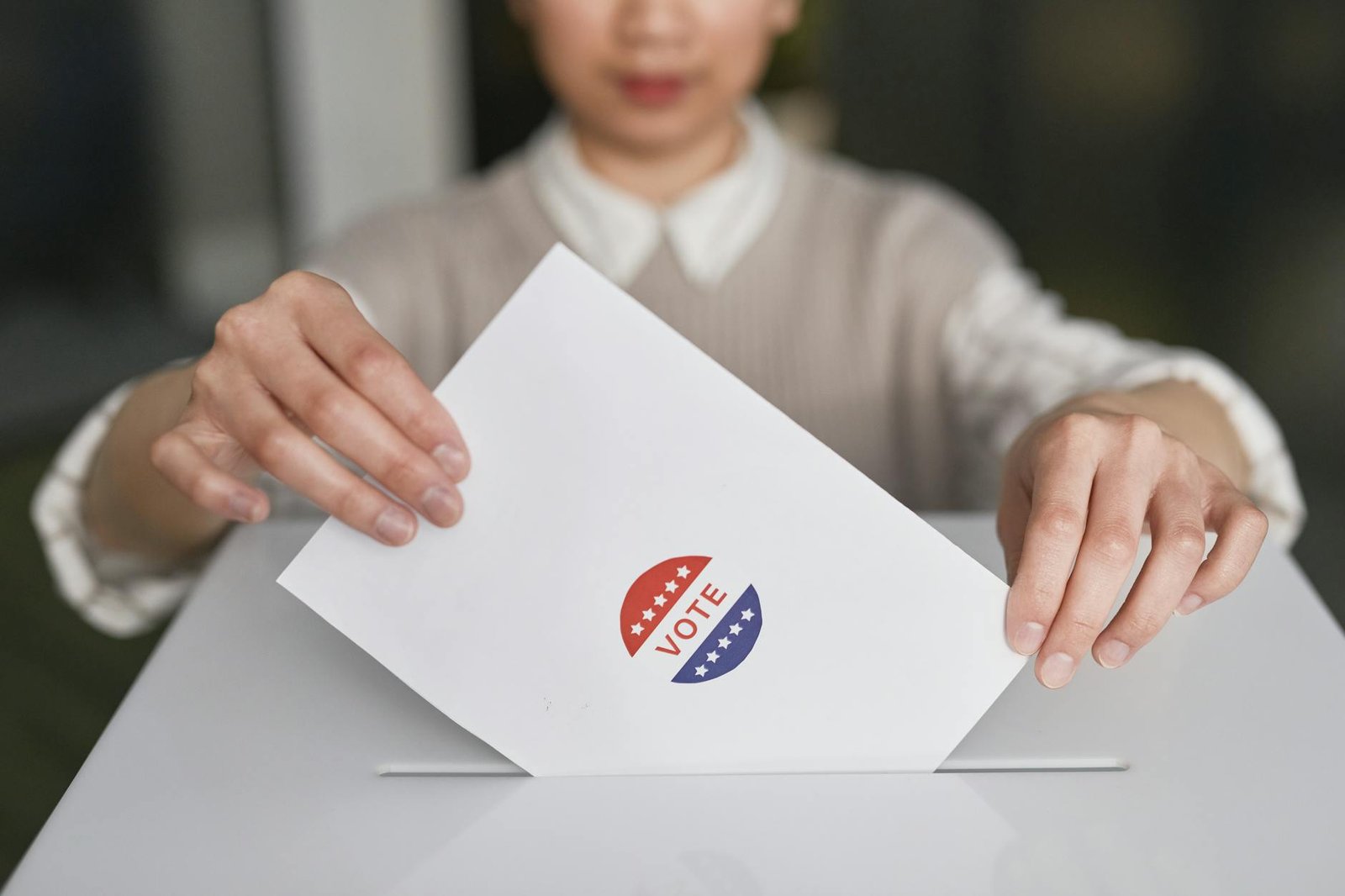
Peru’s electoral authorities ordered a second day of voting in several districts following widespread reports of logistical problems that prevented many citizens from casting their ballots during the scheduled election. The decision impacts specific areas within the capital city of Lima and other regions where significant delays and disruptions occurred. The move aims to ensure that all eligible voters have the opportunity to participate in the democratic process.

Reports indicate that long lines formed at polling stations across Lima due to a combination of factors, including malfunctioning electronic voting machines, a shortage of ballots, and inadequate staffing to manage the crowds. These issues led to considerable frustration among voters, with many waiting for hours without being able to cast their ballots. The delays prompted concerns about voter disenfranchisement and the integrity of the election process.

The National Office of Electoral Processes (ONPE), the agency responsible for overseeing elections in Peru, acknowledged the challenges and announced the extension of voting in the affected areas. ONPE officials stated that they were working to address the logistical problems and ensure that the second day of voting proceeded smoothly. The decision to extend voting is a rare but not unprecedented step in Peru, having been implemented in previous elections where similar issues arose.

The situation in Peru echoes challenges faced by other democracies worldwide, including India‘s Jammu and Kashmir region, where ensuring fair and accessible elections is a constant endeavor. In the past, logistical hurdles, security concerns, and geographical barriers have presented significant obstacles to voter participation in J&K. Election officials have implemented various measures, such as deploying additional polling staff, utilizing mobile voting units in remote areas, and enhancing security protocols, to address these challenges.

Similar to Peru’s experience with electronic voting machine malfunctions, India has also encountered issues with EVMs, leading to calls for greater transparency and accountability in the electoral process. The Election Commission of India (ECI) has taken steps to address these concerns, including conducting voter awareness campaigns, providing training to polling staff, and implementing stricter security measures for EVMs.

The move to extend voting in Peru raises questions about the potential impact on the overall election results. The specific implications will depend on the number of voters affected and the distribution of votes in the affected areas. Political analysts are closely monitoring the situation to assess the potential impact on the outcome. The integrity of the electoral process is of utmost importance, and authorities are working to address the logistical issues and ensure that all eligible voters have the opportunity to participate. The situation is being closely watched both domestically and internationally to see if the extension has any impact on the final declared results. The current situation highlights the importance of robust electoral infrastructure and preparedness, particularly in regions facing logistical and security challenges. Steps taken to address these problems will be crucial in maintaining public confidence in the democratic process.

The Election Commission of India, drawing on experiences from nations like Peru and others globally, continually refines its procedures in Jammu and Kashmir to forestall such logistical breakdowns. These efforts might entail the deployment of supplemental resources in anticipation of high voter turnout, enhancing the training protocols for election personnel, and implementing more stringent preventative maintenance checks on electronic voting machines. These measures seek to accommodate the unique topographical challenges, political sensitivities, and security landscape of the region, ensuring the electoral process is not only equitable but also efficient.

India has also been exploring various technological solutions to enhance the accessibility and efficiency of elections. These include the use of blockchain technology to secure the voting process, the implementation of biometric identification systems to prevent voter fraud, and the deployment of mobile voting platforms to reach voters in remote areas. The Election Commission of India is constantly evaluating these technologies and considering their potential application in future elections.

The situation in Peru underscores the importance of continuous improvement and innovation in electoral processes worldwide. As democracies around the world grapple with challenges such as voter disenfranchisement, logistical hurdles, and security threats, it is crucial to learn from each other’s experiences and adopt best practices to ensure that all eligible citizens have the opportunity to exercise their right to vote. The events in Peru serve as a reminder that democratic institutions must remain vigilant and proactive in addressing challenges to the electoral process.

Ant Partnership Reveals ‘Cleaning Station’ Behavior in the Insect World

0
In the Desert, a ‘Cleaning Station’ for Ants
Photo by Oktavianus Mulyadi on Pexels

A fascinating discovery in the arid landscapes has revealed an unexpected partnership between two ant species, exhibiting what researchers are calling a “cleaning station.” This unique interaction, observed in harvester ants, suggests a collaborative behavior where one species provides a grooming service to the other. This discovery sheds new light on the complex social dynamics within ant colonies and their ecosystems.

The phenomenon, documented primarily among specific ant species in desert environments, involves smaller ants meticulously cleaning larger harvester ants. This cleaning process removes parasites, debris, and fungal spores from the harvester ants’ bodies, contributing to their overall health and hygiene. The smaller ants benefit by gaining access to a food source and potentially a safe haven within the territory of the larger ants. The exact mechanics of this interaction, however, are still being studied by entomologists.

Ants, as social insects, exhibit a wide range of cooperative behaviors, from foraging and nest building to defense. These behaviors are often driven by the need to ensure the survival and propagation of the colony. However, the discovery of this cleaning station provides a new perspective on the types of interspecies relationships that can develop within these complex societies. This opens doors for further research into the social interactions and ecological roles of various ant types.

The harvester ant, known for its seed-collecting habits, plays an important role in seed dispersal and soil aeration. Their activities influence plant distribution and ecosystem health. Understanding the factors that affect harvester ant health, such as parasite loads and disease prevalence is critical for assessing the overall health of arid ecosystems. The cleaning behavior observed therefore has broader ecological implications.

Recent studies have focused on understanding the chemical signals that mediate the interactions between the cleaning ants and the harvester ants. Ants use pheromones and other chemical cues to communicate and coordinate their activities. It is believed that specific chemical signals may trigger the cleaning behavior, attracting the smaller ants to the harvester ants in need of grooming. Deciphering these chemical signals could offer insights into the evolution of cooperation and social behavior in insects.

Researchers have also explored the evolutionary origins of this cleaning behavior. One hypothesis suggests that it may have evolved from a parasitic relationship. In this scenario, the smaller ants began as parasites feeding on the resources of the harvester ants. Over time, the relationship shifted to a mutualistic one, as the harvester ants benefited from the removal of parasites and the cleaning behavior of the smaller ants. This evolutionary transition highlights the dynamic nature of interspecies interactions and the potential for cooperation to emerge from conflict.

The discovery of the ant cleaning stations has also prompted researchers to investigate similar behaviors in other insect species. While the specific interaction between harvester ants and cleaning ants may be unique, cleaning symbiosis is known to occur in various animal groups, including fish and birds. These cleaning relationships often involve specialized behaviors and adaptations that facilitate the removal of parasites and debris.

In India, research on ant species is ongoing. The Zoological Survey of India has been actively documenting and studying ant diversity across different regions. These studies include investigations into the ecological roles of these different species, their interactions with other organisms, and their responses to environmental changes. Understanding ant diversity in India is crucial for conserving biodiversity and managing ecosystems effectively.

Furthermore, the role of ants in agriculture is a growing area of research in India. Ants can act as both pests and beneficial organisms in agricultural systems. Some ant species prey on crop pests, while others can damage crops or facilitate the spread of plant diseases. Understanding these complex interactions is essential for developing sustainable agricultural practices. The lessons learned from the cleaning behavior observed in desert ants could potentially be applied to managing ant populations in agricultural settings.

The ongoing research into the ant cleaning stations is focusing on the long-term effects of this behavior on ant colony health and survival. By monitoring ant populations and assessing their parasite loads, researchers hope to determine the extent to which cleaning behavior contributes to the overall fitness of the harvester ants. This information can then be used to model the population dynamics of ants and predict their responses to environmental changes.

We continue to monitor developments in this area of research, with the aim of providing our readers with the latest insights into the world of entomology and the fascinating behaviors of ants.

Amarnath Yatra 2026: 57-Day Pilgrimage Commences July 3, Registration Open

0
Amarnath Yatra to begin from July 3; conclude after 57 days
Photo by Siarhei Nester on Pexels

The annual Amarnath Yatra is set to commence on July 3, 2026, and will span 57 days, concluding on August 28, coinciding with Raksha Bandhan. The pilgrimage to the Amarnath Shrine in Jammu and Kashmir is expected to draw hundreds of thousands of devotees.

Lieutenant Governor Manoj Sinha announced the schedule, emphasizing the extensive security and logistical preparations underway to ensure a smooth and safe pilgrimage. The ‘Pratham Puja,’ invoking Lord Shiva’s blessings, will be held on June 29, marking the ceremonial beginning of the Yatra.

Advance registration for the Yatra began on April 15, accessible through both online and offline modes. Pilgrims between 13 and 70 years of age are eligible to undertake the Yatra, and registration is mandatory for all participants. According to the Shri Amarnathji Shrine Board (SASB), the registration process requires a valid health certificate and identification documents.

This year’s Yatra is significantly longer than the previous year’s 38-day pilgrimage, which took place from July 3 to August 9. The pilgrimage will proceed along the traditional 48-km Nunwan-Pahalgam track in the Anantnag district and the shorter, steeper 14-km Baltal route in the Ganderbal district. These routes are crucial lifelines during the Yatra, requiring constant maintenance and security surveillance.

Registration facilities are available at 554 branches of J&K Bank, Punjab National Bank, State Bank of India, Yes Bank, and other designated banks across the country. Online registration can be completed through the official portal of the Shri Amarnath Shrine Board. Guidelines and advisory are issued by the SASB periodically to make yatris aware of the dos and don’ts during their pilgrimage.

Each registered pilgrim and service provider will be issued a Radio Frequency Identification Device (RFID) to track their movement and ensure their safety. Pilgrims will also receive group accident insurance cover of Rs 10 lakh. Additionally, insurance of Rs 50,000 per pony will be provided under the National Livestock Mission. This insurance coverage is part of the comprehensive safety measures designed to protect pilgrims and service providers during the Yatra.

Authorities are making efforts to ensure a continuous grid power supply along the Baltal axis up to the holy cave and further to Panjtarni, ensuring adequate illumination of the Yatra tracks. E-services and a prepaid system for hiring ponies, porters (pithoos), and palanquins (palkis) will also be available to facilitate the pilgrimage. Yatri Niwas facilities are being set up at Baltal, Pantha Chowk, Nunwan, and Chanderkote, with additional accommodation capacity to handle the increased pilgrim flow and potential adverse weather conditions.

Infrastructure improvements include the widening of both routes at several stretches to facilitate smoother movement, along with the strengthening of vulnerable areas and bridges. Medical preparedness has also been enhanced, with well-equipped healthcare facilities, including hospitals at key locations, to provide timely assistance to pilgrims. These improvements aim to enhance the overall experience and safety of the pilgrims.

Security forces, including the CRPF, Army, and J&K Police, are conducting intensified operations in forest areas to ensure a safe environment. Multi-layered security arrangements are planned along the routes to safeguard pilgrims from potential threats. Security is a paramount concern, given the sensitive nature of the region and the large number of pilgrims expected to participate.

Coordination meetings involving the Shri Amarnath Shrine Board and disaster management authorities are focusing on handling monsoon-related risks such as landslides and floods, ensuring a safe and smooth pilgrimage experience. Disaster management teams will be strategically placed along both routes to address any emergencies. Regular weather updates and advisories will also be issued to pilgrims to keep them informed about potential hazards.

The Amarnath Yatra holds immense religious significance for Hindus, as the Amarnath cave houses an ice stalagmite that is considered a representation of Lord Shiva. The Yatra takes place during the Shravan month in the Hindu calendar, which typically falls between July and August. The pilgrimage is considered one of the most important Hindu pilgrimages in India.

The Yatra also has a significant economic impact on the region, providing livelihoods for thousands of local residents who work as pony owners, porters, and vendors. The pilgrimage route also boosts local commerce.

The Shri Amarnath Shrine Board (SASB) plays a crucial role in managing and organizing the Yatra. The board is responsible for providing facilities such as accommodation, food, and medical assistance to the pilgrims. The SASB also works with various government agencies to ensure the security and safety of the pilgrims. We reviewed the SASB guidelines to verify the latest updates on registration and safety protocols.

The Yatra presents numerous challenges, including the harsh weather conditions, difficult terrain, and potential security threats. Authorities have implemented various measures to mitigate these risks, including providing medical facilities, deploying security forces, and improving infrastructure. Despite these challenges, the Amarnath Yatra remains a significant event for Hindus around the world, with devotees undertaking the pilgrimage to seek blessings and spiritual fulfillment.

Dutch Royal Visit to White House amid Transatlantic Tensions Sparks Debate

0
‘The Strangest Sleepover Ever’: Dutch Skeptical as Their Royals Visit Trump
Photo by Martijn Stoof on Pexels

The upcoming state visit of the Dutch King and Queen to the White House has ignited discussions in the Netherlands amidst simmering transatlantic tensions. The visit, scheduled to commence on Monday, has prompted varied reactions, with some questioning the timing and optics of such a high-profile engagement. The complexities of international relations are especially pronounced when considering historical alliances and contemporary political landscapes.

The relationship between the Netherlands and the United States has deep historical roots, tracing back to the American Revolution when the Dutch Republic was among the first nations to formally recognize the fledgling United States. This foundational bond has since evolved through periods of close collaboration, particularly in the aftermath of World War II with the Marshall Plan, which significantly aided the Netherlands in its reconstruction efforts. Both nations are also founding members of NATO, underscoring a mutual commitment to collective security. However, recent years have seen divergences in policy on issues such as trade, climate change, and multilateral agreements, leading to a more nuanced dynamic.

In recent years, the Netherlands, like many European nations, has faced challenges in balancing its relationships with global powers amid shifting geopolitical dynamics. The Trump administration’s approach to international relations, characterized by a focus on bilateral agreements and skepticism towards multilateral institutions, introduced new complexities. Policies such as tariffs on European goods and withdrawal from the Paris Agreement on climate change strained traditional alliances, prompting European nations to re-evaluate their diplomatic strategies.

The Dutch government, traditionally a strong proponent of international cooperation and multilateralism, has sought to navigate these challenges while maintaining its longstanding alliance with the United States. The scheduled royal visit serves as a delicate act of diplomacy, aiming to reaffirm historical ties while subtly addressing points of divergence. Such state visits involve extensive planning, with diplomatic teams carefully curating the agenda to balance ceremonial gestures with substantive discussions on pressing issues.

Within the Netherlands, public opinion on the royal visit is mixed. Some view it as a necessary exercise in maintaining diplomatic channels, emphasizing the importance of dialogue even amidst disagreements. Others express reservations, questioning whether the visit might be perceived as an endorsement of policies that run counter to Dutch values and interests. This debate reflects broader anxieties about the future of transatlantic relations and the role of smaller nations in shaping global affairs.

The economic ties between the Netherlands and the United States remain robust, with significant investments flowing in both directions. The Netherlands is consistently among the largest foreign investors in the U.S. economy, and the U.S. is a major trading partner for the Netherlands. These economic linkages provide a strong foundation for the bilateral relationship, but they are not immune to the political and strategic considerations that increasingly shape international relations.

The agenda for the royal visit is expected to include discussions on trade, security, and climate change, among other topics. While official statements will likely emphasize areas of common ground, the behind-the-scenes conversations will undoubtedly address the more contentious issues that have strained relations in recent years. The Dutch delegation is expected to advocate for a return to multilateralism and greater cooperation on global challenges.

Security cooperation, particularly in the realm of counterterrorism, remains an area of close collaboration between the two countries. Intelligence sharing and joint law enforcement operations have been crucial in addressing transnational threats. These cooperative efforts underscore the enduring strategic importance of the U.S.-Dutch alliance, even as political differences emerge.

The upcoming visit also provides an opportunity to highlight the cultural connections between the Netherlands and the United States. From the Dutch origins of New York City to the shared commitment to democratic values, the two nations share a rich heritage. Cultural exchanges and educational programs continue to foster mutual understanding and strengthen people-to-people ties.

Amid the complexities of the visit, the Dutch government will likely emphasize its commitment to European unity and its role within the European Union. The Netherlands has consistently advocated for a strong and cohesive EU, capable of asserting its interests on the global stage. This commitment sometimes puts the Netherlands at odds with the U.S., particularly on issues related to trade and regulatory policy. We reviewed reports from various news sources and political think tanks about the dynamics involved in this crucial visit, and could not independently verify all claims surrounding potential hidden agendas.

Mehbooba Mufti on Iran-US Talks: Resolution Requires Time, Principled Stance

0
Iran took ‘principled stand’, resolution cannot happen overnight: Mehbooba on peace talks
Photo by Quang Vuong on Pexels

Peoples Democratic Party (PDP) President Mehbooba Mufti stated on Sunday that the dialogue between Iran and the United States is ongoing and that resolving the complex issues would require time. According to Mufti, Iran adopted a principled position during the talks.

Mufti addressed reporters in Pulwama after a party rally, emphasizing the intricate nature of the conflict and cautioning against expecting an immediate resolution. Her comments followed a round of discussions held in Islamabad between US and Iranian delegations, which concluded without a breakthrough.

Reports indicated that the US delegation, led by Vice President JD Vance, cited Iran’s nuclear program as a significant point of contention during the 21-hour talks in Islamabad. Despite the lack of immediate agreement, Mufti commended Iran for demonstrating resolve and adhering to its principles. She alluded to perceived US demands, suggesting that America sought unilateral concessions from Iran regarding gains made during the conflict.

Mufti highlighted the temporary nature of the ceasefire, which is set for fifteen days. She anticipated continued negotiations, characterized by firm stances from both sides. She also claimed that unnamed entities were attempting to undermine the talks, while expressing optimism that the international community desires a successful resolution to re-establish stability and trade through the Strait of Hormuz. Mufti emphasized the global implications of the conflict, citing rising energy prices and disruptions to international trade, urging for the success of the dialogue.

On X, Mufti suggested that former US President Donald Trump was being misinformed regarding the potential outcomes achievable through negotiation. She argued that the US assessment of Iran’s position was flawed, particularly considering the sacrifices made by Iran during the conflict. She seemed to suggest that the US expectations were unrealistic, comparing them to previous miscalculations about Iran’s resilience.

The situation in West Asia has complex roots, involving a range of regional and international actors. The conflict, often characterized by proxy wars and sectarian divides, has resulted in significant human suffering and geopolitical instability. The US and Iran have been engaged in a long-standing rivalry, marked by diplomatic tensions, economic sanctions, and military confrontations.

Recent developments indicate ongoing efforts to de-escalate tensions and find common ground. The talks in Islamabad represent one such effort, aimed at addressing key issues of contention and building a foundation for future cooperation. However, significant challenges remain, including disagreements over Iran’s nuclear program, regional influence, and security concerns.

External actors, including countries in the region and international organizations, are actively involved in mediating and facilitating dialogue. The goal is to achieve a comprehensive and sustainable resolution that addresses the underlying causes of the conflict and promotes stability and security for all parties involved. The situation in the Strait of Hormuz remains a focal point, given its strategic importance for global energy supplies. Disruptions to maritime traffic in the region can have significant economic consequences for consumers and businesses worldwide. Securing the waterway and ensuring freedom of navigation are therefore key priorities for the international community.

The ongoing conflict has had a significant impact on Jammu and Kashmir as well. Instability in the region can exacerbate existing challenges and create new security concerns. The Indian government has been closely monitoring the situation and taking steps to safeguard its interests and protect its citizens. The government has also been advocating for peaceful resolution of disputes through dialogue and diplomacy.

The nuclear deal, formally known as the Joint Comprehensive Plan of Action (JCPOA), was signed in 2015 between Iran and a group of world powers, including the United States, the United Kingdom, France, Germany, Russia, and China. Under the agreement, Iran agreed to limit its nuclear activities in exchange for the lifting of economic sanctions. However, the US withdrew from the JCPOA in 2018 and reimposed sanctions on Iran. This decision led to increased tensions between the two countries and raised concerns about the future of the nuclear deal.

Efforts to revive the JCPOA are ongoing, with various parties engaging in negotiations to find a way forward. However, significant obstacles remain, including disagreements over the scope of sanctions relief and the timeline for Iran to comply with the terms of the original agreement. The outcome of these negotiations will have significant implications for regional security and stability.

The talks in Islamabad represent an important step in that direction, but they also highlight the complexity of the issues at stake. A successful resolution will require patience, flexibility, and a willingness to compromise on all sides. The international community remains committed to supporting these efforts and working towards a more peaceful and stable future for the region. We will continue to follow developments and provide updates.

Report: Suspected Strike Hits Iranian Underground ‘Eagle 44’ Air Force Base

0
Iran’s Underground Air Force Base Was Hit Earlier in the War
Photo by Soly Moses on Pexels

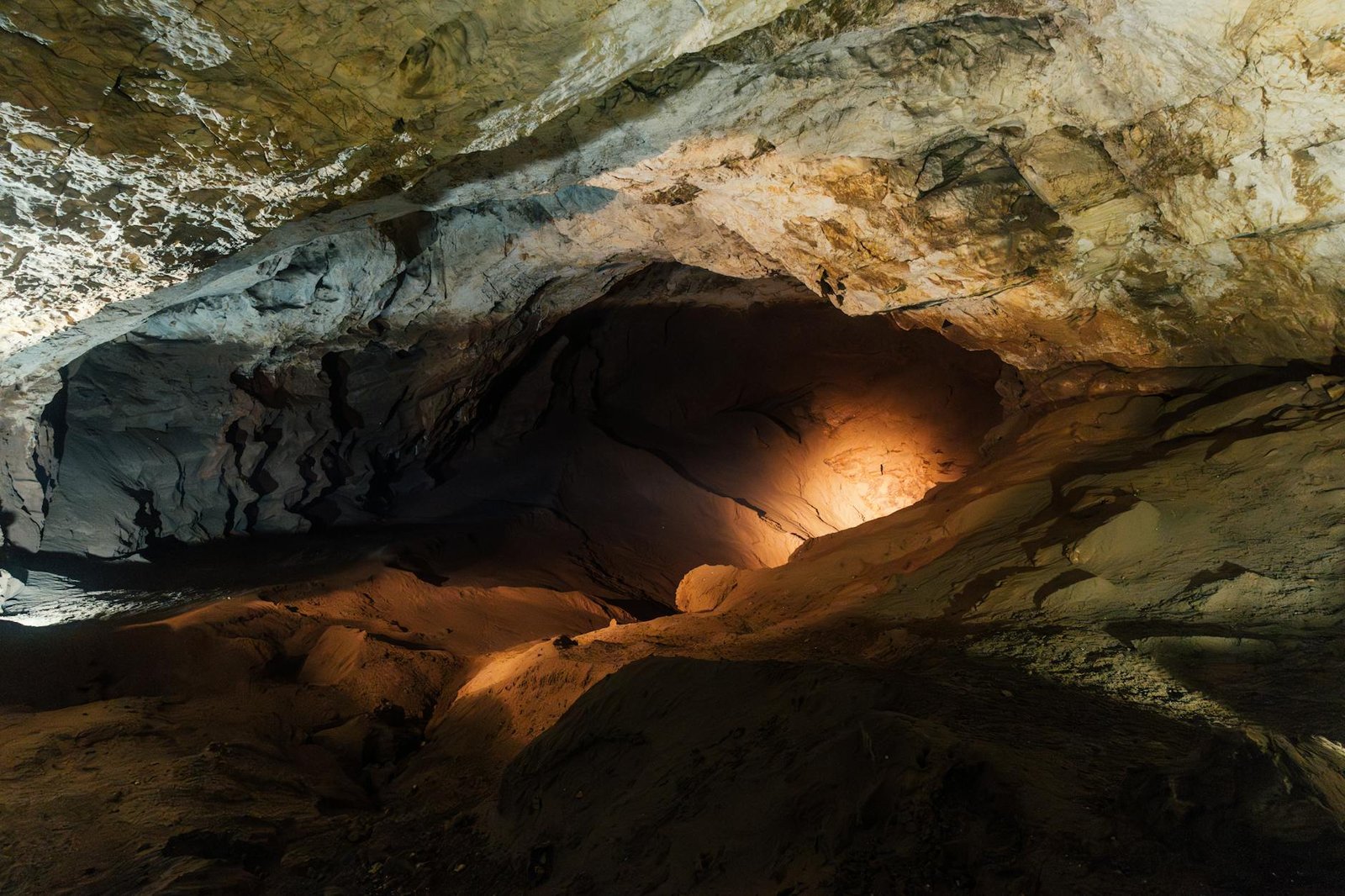
Satellite imagery has revealed potential damage to Iran’s underground air force base, known as “Eagle 44,” according to recent reports. The images, analyzed by several open-source intelligence groups, appear to show impact craters near the tunnel entrances of aircraft shelters at the remote location. Eagle 44, described by Iranian state media as the country’s first underground air force base, was unveiled in February 2023.

The base is designed to house and operate fighter jets, bombers, and unmanned aerial vehicles (UAVs), offering a protected environment against potential airstrikes. Its underground construction is meant to ensure the readiness of the Iranian Air Force for various scenarios, including potential conflicts in the region. Details about the exact location of Eagle 44 remain somewhat vague, but it is believed to be situated in a mountainous region, providing natural cover and further protection.

The timing of the reported strike is noteworthy. While initial reports suggested the damage might be recent, further analysis indicates that the impact likely occurred earlier in an ongoing, yet unspecified, period. This raises questions about the nature and scope of any potential military action against Iranian assets. Neither Iranian officials nor any other country has claimed responsibility for the purported strike.

The unveiling of Eagle 44 in early 2023 was accompanied by significant fanfare in Iranian media. The state-run outlets emphasized the base’s role in bolstering Iran’s air defense capabilities and projecting power in the region. The underground facility was presented as a symbol of Iran’s self-reliance in military technology, despite facing international sanctions and restrictions on arms imports.

The development of underground military facilities is not unique to Iran. Several countries, including North Korea and China, have invested heavily in underground infrastructure to protect sensitive military assets from aerial attacks. These facilities often include command and control centers, weapons storage sites, and aircraft shelters. The construction of such bases reflects a broader trend in military strategy, focusing on resilience and survivability in the face of advanced weaponry.

“The Islamic Republic of Iran’s Air Force is ready to defend the country’s territory,” said Brigadier General Hamid Vahedi, Commander of the Air Force of the Islamic Republic of Iran, during the unveiling ceremony of the Eagle 44 base. “This base is one of several important and strategic underground air force bases constructed in recent years across the country.” Vahedi also mentioned that the location of the base was chosen to ensure it could withstand potential threats and continue operations even under adverse conditions.

The potential strike on Eagle 44 raises concerns about escalating tensions in the Middle East. The region has witnessed numerous conflicts and proxy wars in recent years, involving various state and non-state actors. Any military action against Iranian assets could be interpreted as a provocation, potentially triggering a wider conflict. The incident also highlights the vulnerability of even well-protected military installations to modern weapons systems.

Analysts point out that precise details regarding the nature and extent of damage remain unclear, despite the satellite imagery that has surfaced. Confirmation from independent sources or official statements is currently lacking. Some experts suggest that the reported impact craters could be the result of training exercises, rather than an actual attack. Others speculate that the strike was a deliberate attempt to test Iran’s air defenses and assess its response capabilities.

The International Atomic Energy Agency (IAEA) has consistently monitored Iran’s nuclear program, raising concerns about its potential military dimensions. While Iran maintains that its nuclear activities are solely for peaceful purposes, many countries remain skeptical. The existence of underground facilities like Eagle 44 adds to these concerns, as they could potentially be used to conceal sensitive nuclear-related activities.

The incident comes against the backdrop of stalled negotiations over the Iran nuclear deal, formally known as the Joint Comprehensive Plan of Action (JCPOA). The JCPOA, signed in 2015, aimed to curb Iran’s nuclear program in exchange for the easing of economic sanctions. However, the United States withdrew from the agreement in 2018 under the Trump administration, reimposing sanctions on Iran. Efforts to revive the JCPOA have so far been unsuccessful, leading to increased tensions between Iran and the international community.

The situation surrounding Eagle 44 underscores the complex security dynamics in the Middle East and the challenges of maintaining stability in the region. The incident serves as a reminder of the potential for miscalculation and escalation, highlighting the need for diplomatic engagement and de-escalation measures to prevent further conflict. The strategic implications of the base, damaged or not, cannot be ignored in the context of regional power dynamics and international relations.

IIM Jammu Partners with CAHO to Elevate Healthcare Management Standards

0
IIM-Jammu, CAHO sign MoU to boost healthcare management
Photo by Leeloo The First on Pexels

The Indian Institute of Management (IIM), Jammu, has formalized a collaboration with the Consortium of Accredited Healthcare Organizations (CAHO), New Delhi, through a Memorandum of Understanding (MoU). This partnership aims to enhance capacity building, promote academic excellence, and foster research within the healthcare management sector, with a specific emphasis on improving quality, ensuring patient safety, and driving digital transformation.

The collaboration between IIM Jammu and CAHO is structured to facilitate a range of joint initiatives. These include the development and implementation of joint certification programs, Management Development Programs (MDPs), and executive education opportunities. Research initiatives will also be a key focus, alongside the organization of conferences and the utilization of case-based learning methodologies tailored to the healthcare domain.

The MoU was officially signed by Prof BS Sahay, the Director of IIM Jammu, and Dr. Vijay Agarwal, the President of CAHO. The signing ceremony took place during CAHO’s annual conference. The conference witnessed participation from over 2,500 delegates and featured the presence of former Vice President M Venkaiah Naidu.

CAHO’s role in healthcare accreditation is crucial, particularly in a country like India where healthcare quality can vary significantly. Accreditation by CAHO signifies that a healthcare organization has met certain predetermined standards of quality and safety. This provides assurance to patients and stakeholders regarding the level of care provided.

The partnership between IIM Jammu and CAHO aligns with national initiatives aimed at improving healthcare infrastructure and management. India has been actively working to strengthen its healthcare system through various programs and policies. This includes initiatives to increase the number of healthcare professionals, improve the quality of medical education, and promote the use of technology in healthcare delivery.

IIM Jammu, established as part of the expansion of the IIM network across India, plays a vital role in providing management education and research capabilities to the region. Its collaboration with CAHO is a strategic move to integrate management expertise with healthcare practices, with the potential to bring about significant improvements in the efficiency and effectiveness of healthcare organizations.

The focus on digital transformation in healthcare is particularly relevant in today’s context. The adoption of digital technologies such as electronic health records, telemedicine, and data analytics can enhance care coordination and reduce costs. It can potentially improve patient outcomes. This collaboration aims to equip healthcare professionals with the skills. It also creates the knowledge necessary to leverage these technologies effectively.

The healthcare sector in Jammu and Kashmir, like in other parts of India, faces unique challenges. These include geographic constraints,resource limitations, and the need for specialized healthcare services. By focusing on capacity building and research, this partnership can help to address these challenges and improve healthcare access and delivery in the region.

The collaboration between IIM Jammu and CAHO comes at a time when the healthcare sector is undergoing rapid transformation, driven by technological advancements, changing demographics, and evolving patient expectations. To navigate these changes successfully, healthcare organizations need leaders and managers who possess a deep understanding of both healthcare practices and management principles. This partnership is designed to cultivate such leaders and managers, equipping them with the skills and knowledge necessary to drive innovation and progress in the healthcare sector.

The partnership also highlights the increasing recognition of the importance of management expertise in healthcare. In the past, healthcare management was often overlooked, but now it is understood that effective management is essential for ensuring the efficient and effective delivery of healthcare services. By integrating management principles with healthcare practices, this collaboration can contribute to creating a more robust and sustainable healthcare system.

The focus on patient safety is particularly crucial. Ensuring patient safety requires a culture of continuous improvement, where healthcare professionals are constantly learning from their experiences and striving to improve their practices. This partnership can help to foster such a culture by providing healthcare professionals with opportunities to learn about best practices in patient safety and to develop the skills necessary to implement these practices effectively.

CAHO’s annual conference, where the MoU was signed, serves as a platform for healthcare professionals and stakeholders to come together to share knowledge, exchange ideas, and discuss the challenges and opportunities facing the healthcare sector. The presence of former Vice President M Venkaiah Naidu at the event underscores the importance of the healthcare sector to the nation.

The collaboration between IIM Jammu and CAHO is a significant step towards strengthening healthcare management in India. It reflects a commitment to improving quality, enhancing patient safety, and driving digital transformation in the healthcare sector. By working together, the two organizations can make a valuable contribution to the health and well-being of the people of India.

We note, that specific details of the joint programs and research initiatives resulting from this collaboration are set to be announced in future communications from IIM Jammu and CAHO. These details are expected to provide a clearer picture of the tangible benefits and outcomes of this partnership for healthcare professionals and patients.