Home Blog Page 282

Strait of Hormuz Blockade: Examining Potential Scenarios and Implications

0
How Would a Blockade of the Strait of Hormuz Work? Here Are Some Possibilities.
Photo by Kelly on Pexels

The Strait of Hormuz, a narrow waterway connecting the Persian Gulf to the Gulf of Oman and the Arabian Sea, remains a critical chokepoint for global energy supplies. Its strategic importance stems from the vast quantities of oil that transit through it daily, making it a focal point of geopolitical tension. Any disruption to the flow of traffic through the Strait could have significant ramifications for the world economy, particularly for countries reliant on Middle Eastern oil exports, including India.

Recent events and heightened tensions in the region have brought the possibility of a blockade of the Strait of Hormuz back into sharp focus. Examining how such a blockade might be implemented and its potential consequences provides vital context for understanding the region’s security dynamics. A blockade, in essence, is an act of war, and its execution is extremely difficult, particularly with the presence of multiple international naval forces that operate in the area. However, the intent to disrupt maritime traffic can be achieved through multiple actions, including mining the waterway or targeting commercial vessels.

Iran has, at various times, threatened to close the Strait of Hormuz in response to perceived threats to its national security or in retaliation for economic sanctions. These threats highlight the vulnerability of this crucial waterway and the potential for disruptions to global oil supplies. We reviewed statements made by Iranian officials over the past several years and noted a consistent articulation of this threat, usually in times of increased tension with the United States and its allies. The implications of such actions would be broad, impacting not only oil prices, but also regional stability and international relations.

A physical blockade of the Strait would likely involve the deployment of naval assets, such as warships and submarines, to prevent the passage of vessels. Mines could also be laid in the waterway to deter or damage ships. Such actions would almost certainly trigger a swift response from the United States and other countries with a vested interest in maintaining freedom of navigation. We found multiple reports detailing the presence of the US Navy’s Fifth Fleet in the region. Any blockade could result in military confrontations, escalating regional tensions further. The legal justification for a blockade is also complex, requiring a clear declaration of war or a United Nations Security Council resolution. Without such justification, any attempt to block the Strait could be considered an act of aggression under international law.

Beyond military means, disruptions could also be achieved through less overt actions, such as targeting commercial vessels with asymmetric warfare tactics. Small, fast boats armed with missiles or explosives could be used to attack tankers transiting the Strait. We have observed increased Iranian naval exercises in the Strait of Hormuz, suggesting a preparedness for such contingencies. These exercises often involve practicing swarm tactics and the deployment of anti-ship missiles, illustrating Iran’s capabilities to disrupt maritime traffic.

The economic consequences of a blockade would be severe. Oil prices would likely spike, impacting economies worldwide. Countries heavily reliant on Middle Eastern oil, such as India, would be particularly vulnerable. We analyzed data from the Ministry of Petroleum and Natural Gas, which indicates India imports a significant portion of its crude oil from the Persian Gulf region. A blockade would force India to seek alternative sources of supply, potentially at higher prices, straining its economy.

Moreover, the disruption to maritime trade would impact other sectors of the economy, including manufacturing and transportation. The cost of shipping goods would increase, leading to inflation and reduced economic activity. The impact would be felt globally, as the Strait of Hormuz is a critical artery for international trade, not just oil.

The international response to a blockade would likely involve diplomatic efforts to de-escalate the situation and restore freedom of navigation. The United Nations Security Council would likely be called upon to address the crisis. However, the involvement of major powers with conflicting interests could complicate efforts to find a peaceful resolution. Military intervention remains a possibility, particularly if diplomatic efforts fail. The United States has repeatedly stated its commitment to ensuring freedom of navigation in the Strait of Hormuz, and it possesses the military capabilities to enforce that commitment. However, military action carries significant risks, including the potential for escalation and broader regional conflict.

For India, the implications of a Strait of Hormuz blockade are particularly significant. India’s energy security is closely tied to the uninterrupted flow of oil through the Strait. The Indian government would need to take steps to mitigate the impact of a blockade, including diversifying its sources of energy supply, building up strategic oil reserves, and working with international partners to ensure freedom of navigation. We consulted with experts on India’s energy security policy, who emphasized the need for a multi-faceted approach to address the risks posed by a potential disruption in the Strait of Hormuz. India could potentially increase imports from countries like Russia, Africa or the US, although at a cost.

The security of the Strait of Hormuz is a complex and multifaceted issue, with significant implications for regional and global stability. While the likelihood of a full-scale, sustained blockade remains uncertain, the potential for disruptions to maritime traffic is real. The ongoing tensions in the region underscore the need for vigilance and preparedness. The potential impact on countries that depend on oil routed through the strait is significant. India’s strategic interests are profoundly affected by the continued stability of the region due to existing trade and future infrastructure investment plans.

J&K Tourism Sees Building Permit Surge, Highest in Three Years Amid Crackdown

0
J&K: 415 building permits issued by TDAs in 2025-26, highest in 3 years
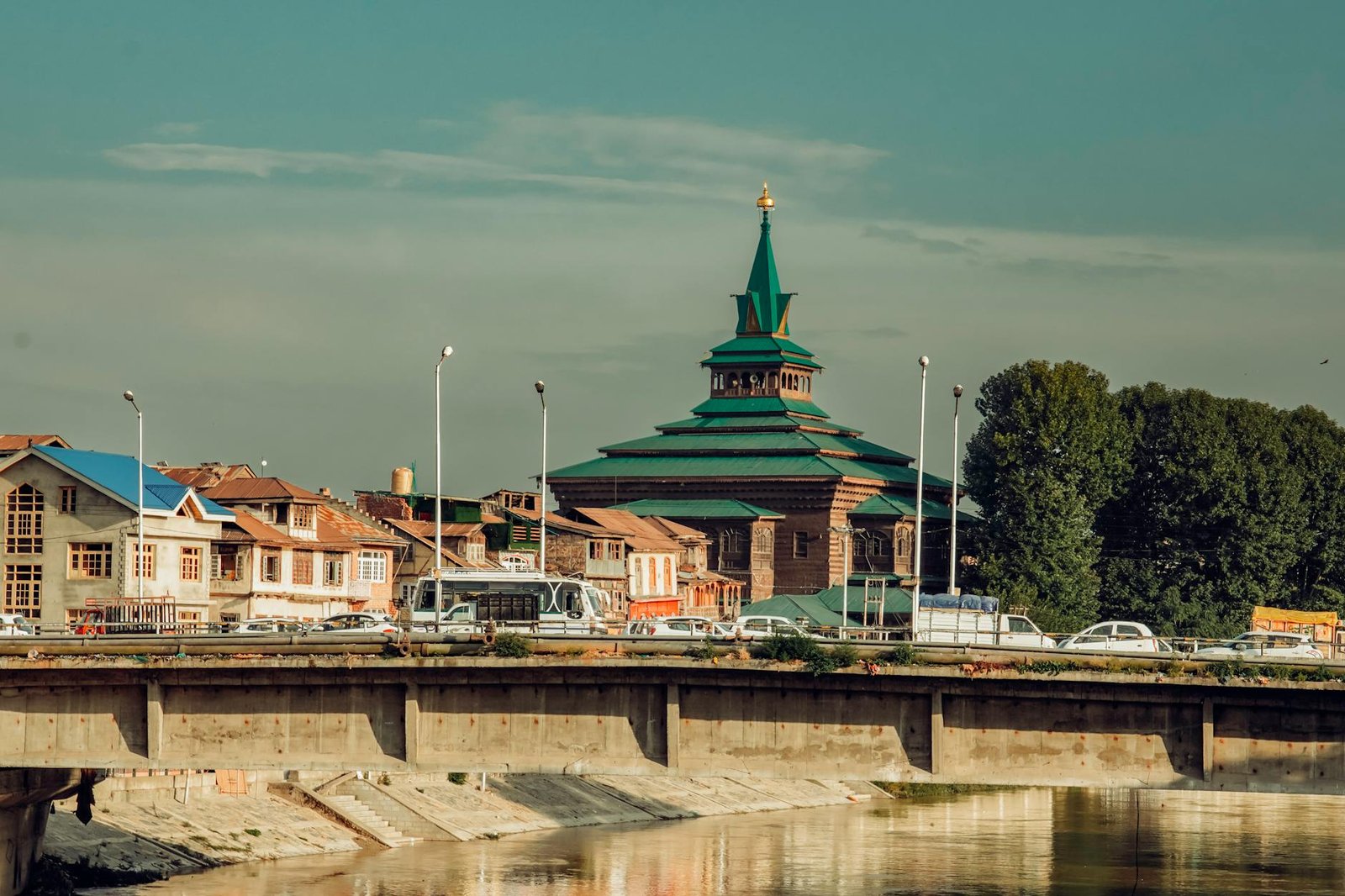
Photo by Imad Clicks on Pexels

Jammu and Kashmir‘s tourism sector is experiencing a notable increase in construction activity, with tourism development authorities (TDAs) issuing 415 building permits in the fiscal year 2025-26. This figure surpasses the combined total of the previous two financial years, signaling a potential resurgence in the region’s tourism infrastructure. Official data indicates a total of 807 building permissions were granted across the Union Territory between 2023 and 2026.

However, alongside this growth, authorities have also identified over 500 unauthorized constructions in key tourist destinations in the past three financial years. In response, TDAs have been actively issuing notices, lodging First Information Reports (FIRs), imposing penalties, and carrying out demolitions to address these violations. This dual trend of increased construction and stricter enforcement highlights the complexities of managing development in the region’s sensitive tourist areas.

According to the tourism department, the breakdown of building permits issued by TDAs is as follows: 245 in 2023-24, 147 in 2024-25, and 415 in 2025-26. These permissions cover a range of construction types, including 544 residential houses, 121 commercial buildings, 26 hotels, 14 huts, and two guest houses over the three-year period. Additionally, the department has registered 2,613 homestay units across Jammu and Kashmir, providing a total bed capacity of 19,328.

Bhaderwah in the Jammu division has reported the highest number of illegal constructions, with 358 such cases identified. Authorities have issued notices to those found in violation of construction regulations. In the Kashmir division, Doodhpathri has recorded 147 unauthorized constructions, leading to the issuance of notices and registration of FIRs. In Pahalgam, out of 28 illegal structures, 13 have been sealed, and action is ongoing against the remaining constructions.

Gulmarg known for its ski resort, has seen 21 illegal structures, with 20 sealed and one demolished. Sonamarg reported five violations, while Verinag in the Kashmir valley has penalized four unauthorized constructions. In the Jammu region, Patnitop has witnessed the demolition of 15 illegal structures, and several others were halted at the initial stages of construction.

To better manage and monitor construction activities, the chief town planner’s office is maintaining a GIS-based inventory of authorized constructions in areas with approved master plans. These areas include Gulmarg, Pahalgam, and Sonamarg. For other TDAs, while a comprehensive GIS-based inventory is yet to be developed, geo-coordinates of proposed assets are mandatorily obtained before issuing permissions or no-objection certificates. This measure aims to ensure spatial monitoring and regulatory oversight, according to officials.

The rise in building permits reflects a growing confidence and investment in the tourism sector of Jammu and Kashmir. The region has been actively promoting itself as a prime tourist destination, both domestically and internationally. Several initiatives have been launched to boost tourism, including infrastructure development projects, promotional campaigns, and efforts to enhance the overall tourist experience. In February 2024, the government announced plans to develop new tourist circuits and destinations to attract a wider range of visitors.

However, the simultaneous crackdown on unauthorized constructions underscores the need for sustainable and regulated development. Illegal constructions not only pose environmental risks but can also strain resources and compromise the aesthetic appeal of tourist destinations. The strict enforcement measures taken by the authorities aim to strike a balance between promoting tourism and preserving the region’s natural and cultural heritage.

The administration has also been focusing on promoting eco-tourism and responsible travel practices. This includes encouraging the use of eco-friendly materials and construction techniques, promoting waste management and sanitation, and raising awareness among tourists and locals about the importance of environmental conservation. Several eco-tourism projects have been launched in different parts of Jammu and Kashmir, aiming to create sustainable livelihood opportunities for local communities while preserving the region’s unique biodiversity.

The tourism sector is a significant contributor to the economy of Jammu and Kashmir, providing employment opportunities and generating revenue for local businesses. The government is committed to creating a conducive environment for tourism to thrive while ensuring that development is sustainable and inclusive. This involves strengthening regulatory mechanisms, promoting public-private partnerships, and investing in infrastructure and human resource development. The increase in building permits, coupled with the crackdown on illegal constructions, reflects the ongoing efforts to achieve this balance and promote responsible tourism in the region.

Peter Magyar Emerges as Key Challenger to Viktor Orban in Hungary

0
Who Is Peter Magyar, the Man Who Toppled Hungary’s Orban
Photo by Nikolett Emmert on Pexels

Peter Magyar, a relatively new figure in Hungarian politics, has rapidly ascended to prominence, posing a significant challenge to the long-standing leadership of Prime Minister Viktor Orban. Magyar’s rise is particularly noteworthy given Orban’s firm grip on power, which has been maintained through a combination of political strategy and control over key institutions. Several factors have fueled Magyar’s ascent, including growing public dissatisfaction with corruption and concerns surrounding Hungary’s economic performance. These issues have resonated with a significant portion of the population, creating an opening for a credible challenger. Magyar’s emergence comes at a time when Hungary faces numerous internal and external pressures, including economic challenges linked to global inflation and regional security concerns stemming from the conflict in Ukraine.

Orban’s Fidesz party has dominated Hungarian politics for over a decade, implementing policies often described as nationalist and conservative. His government has faced criticism from international organizations related to rule of law and media freedom. The economic policies of the Orban government have aimed at fostering national economic independence and have sometimes led to disputes with the European Union over funding and trade. Peter Magyar’s challenge introduces a new dynamic into the political landscape, prompting discussions about potential shifts in Hungary’s domestic and foreign policies. We are closely monitoring statements coming from Magyar’s camp, however, we could not independently verify his claims to widespread corruption at this stage.

The Hungarian economy has experienced a period of mixed performance, with periods of growth followed by challenges. High inflation rates have impacted household budgets, and concerns about long-term economic stability have become widespread. The government has implemented measures to mitigate the effects of inflation, but the effectiveness of these policies remains a subject of debate among economists. The economic situation has undoubtedly contributed to the general sense of discontent among the population, creating fertile ground for political change. Specifically, energy price caps implemented by the Orban government, while intended to shield consumers, have faced criticism for potentially distorting market prices and creating long-term financial strains. Unemployment figures remain comparatively low within the EU, standing at around 4.2%, yet real wage growth, adjusted for inflation, has struggled.

Magyar’s campaign has tapped into a desire for change, focusing on issues such as transparency, accountability, and economic reform. He has organized public rallies that have attracted substantial crowds, demonstrating the breadth of his support. His appeal extends beyond traditional opposition groups, attracting voters from various segments of Hungarian society. Magyar’s approach involves a combination of direct appeals to citizens via social media and public gatherings. He is trying to portray himself as an alternative to the established political elite. The response from the Orban government has been muted, largely dismissing the Magyar movement as insignificant; however, recent polling data suggests growing concerns from Orban’s party.

The upcoming elections will provide a crucial test of Magyar’s ability to translate public support into political gains. The election outcome will not only determine the future leadership of Hungary but also have implications for the country’s relationship with the European Union and its role in regional affairs. Political observers are closely examining campaign strategies to anticipate how Magyar will impact the election results, especially regarding key demographics who may decide the outcome. We reviewed reports regarding the Hungarian election system, and found that it uses a combination of proportional representation and single-member districts, potentially favouring larger, established parties like Fidesz. Therefore, the electoral system could become a significant hurdle for Magyar.

Hungary’s relations with the European Union have been strained on several occasions, primarily in the context of legal and rule of law debates. The EU has raised concerns about the independence of the judiciary and media plurality in Hungary. These issues have led to disagreements over the allocation of EU funds, with some funds being withheld pending reforms. The relationship between Brussels and Budapest remains a critical factor in Hungary’s political and economic trajectory. How Magyar’s platform could influence this relationship is an ongoing consideration among political analysts. Based on reports from various news outlets, we found growing concerns over Hungary’s alignment with EU regulations, particularly concerning energy policy and sanctions related to the conflict in Ukraine.

Looking ahead, the Hungarian political landscape remains highly dynamic. The emergence of Peter Magyar has injected uncertainty into the political arena, requiring careful observation of unfolding developments. Political scientists emphasize the importance of understanding the underlying socio-economic factors contributing to voter behavior. The role of media, both domestic and international, also influences public perceptions and will shape unfolding political discussions. We are committed to providing balanced and accurate coverage of developments in Hungary as events continue to unfold.

The political climate in Hungary is highly polarised. The government and the opposition frequently clash over policy issues. The deep divisions within Hungarian society make it difficult to find common ground, adding complexity to elections. Analysts suggest the role of foreign influence, particularly disinformation campaigns, may play a significant part in manipulating public opinion, potentially escalating political tensions.

The Orban government has consistently emphasized national sovereignty and cultural identity, placing great importance on protecting what it views as Hungarian values. This emphasis has led to clashes with international organizations advocating for more liberal social policies. Navigating this intricate balance will be crucial for anybody aspiring to lead Hungary in the years ahead. The coming months will be an important period for Hungarian politics as Peter Magyar seeks to continue consolidating his position as a strong competitor against incumbent Viktor Orban, specifically as concerns continue to rise over corruption and economic growth.

Ladakh’s Kargil gets new RDD complex aimed at bolstering rural development

0
Ladakh L-G inaugurates RDD complex, co-working hub in Kargil
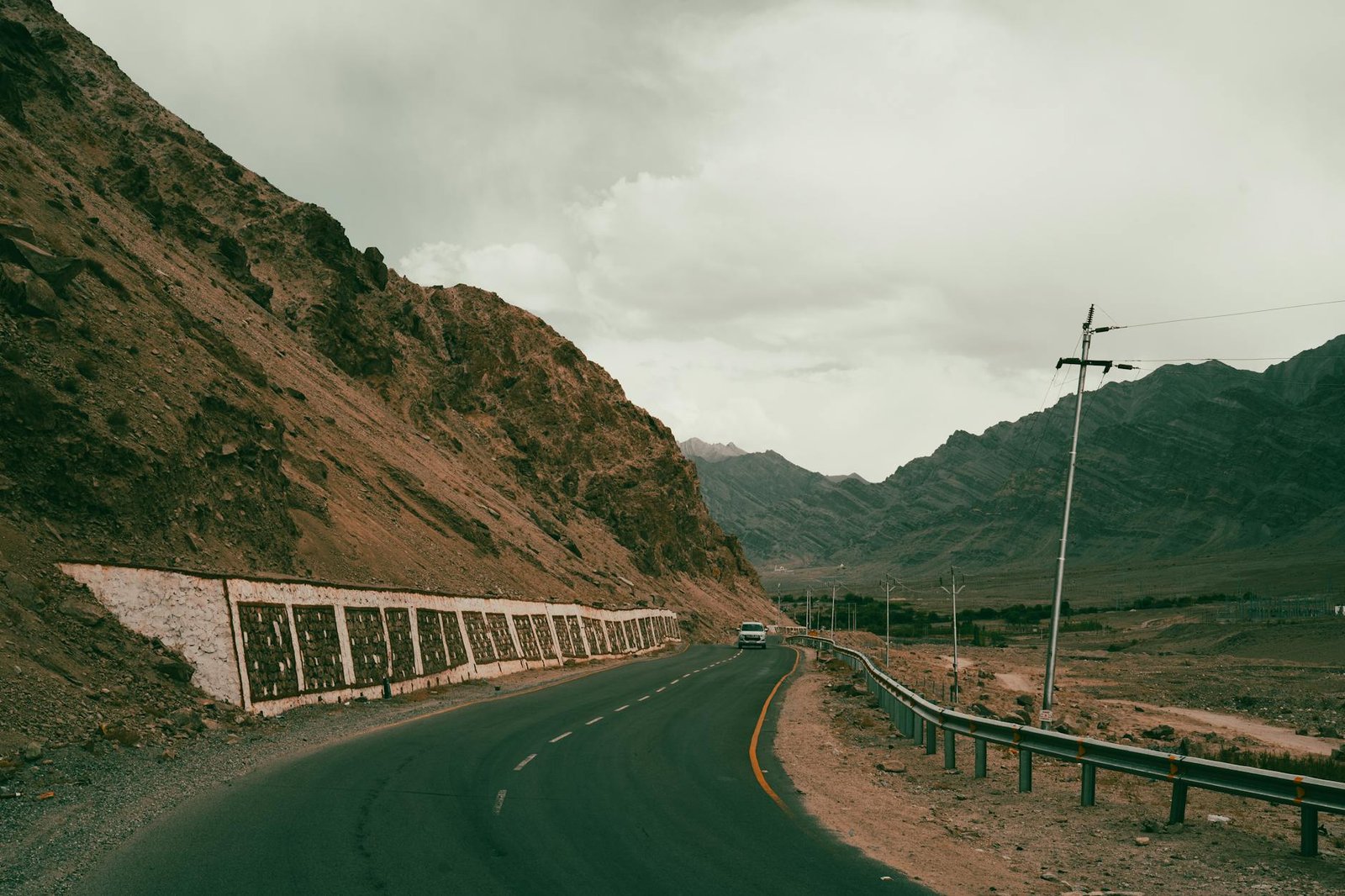
Photo by Rubaitul Azad on Pexels

Ladakh Lieutenant Governor Vinai Kumar Saxena inaugurated a newly constructed Rural Development Department (RDD) Complex and District Resource Centre in Kurbathang, Kargil, marking a significant push towards strengthening rural infrastructure in the region. The complex, built at a cost of Rs 19.56 crore, aims to consolidate various offices under one roof, including the Directorate, Assistant Commissioner Development, and District Panchayat Officer. The facility also houses a resource center, library, and conference hall, intending to serve as a hub for rural planning and development initiatives.

The inauguration took place on Sunday, with officials highlighting the importance of the new infrastructure in enhancing governance and service delivery, particularly in remote areas of the Kargil district. The complex is expected to streamline operations and improve coordination among different departments involved in rural development projects.

During the inauguration, Lieutenant Governor Saxena emphasized the alignment of the project with Prime Minister Narendra Modi’s vision of a “Viksit Bharat,” underscoring the government’s commitment to inclusive and sustainable development in geographically challenging regions. He pointed out that the infrastructure development in Kargil reflects the central government’s focus on “Gramin Vikas,” guided by speed, sensitivity, and skill, to ensure equitable growth across all regions.

The Lieutenant Governor also addressed the strategic importance of Ladakh, given its proximity to China and Pakistan, stressing the need for holistic development alongside border security. He highlighted the importance of promoting tourism and strengthening infrastructure to boost livelihoods and self-reliance in the region. Saxena noted the potential of local products such as pashmina, apricot, and sea buckthorn in global markets and called for improved packaging, branding, and marketing strategies to enhance their marketability.

In addition to the RDD complex, a co-working space developed by the Department of Industries and Commerce was also inaugurated. This space aims to foster entrepreneurship, innovation, and a start-up culture in Kargil by providing shared infrastructure, networking opportunities, and skill development support. The initiative seeks to empower local entrepreneurs and promote economic growth in the region.

The development initiatives in Kargil are part of a broader effort to improve infrastructure and living standards in the Union Territory of Ladakh. The region has seen increased investment in recent years, particularly in sectors such as tourism, renewable energy, and agriculture. These investments are geared towards creating employment opportunities and improving the overall quality of life for residents.

Recent reports indicate that the government is also focused on improving connectivity in Ladakh, with ongoing projects to construct new roads and tunnels. These projects are expected to reduce travel time and improve access to remote areas, facilitating economic activity and promoting tourism. The Zojila tunnel, currently under construction, is a key project in this regard, aiming to provide year-round connectivity between Srinagar and Leh.

Furthermore, efforts are being made to promote sustainable tourism in Ladakh, with a focus on preserving the region’s unique environment and culture. Initiatives include promoting eco-friendly practices, supporting local artisans, and developing community-based tourism projects. These efforts aim to ensure that tourism benefits local communities while minimizing its impact on the environment.

The administration is also working on enhancing the education sector in Ladakh, with initiatives to improve the quality of teaching and increase access to higher education. New colleges and universities are being established in the region, offering courses in various fields, including engineering, medicine, and humanities. Scholarships and financial assistance are also being provided to students from disadvantaged backgrounds to enable them to pursue higher education.

Recent data from the Ladakh Autonomous Hill Development Council (LAHDC) indicates an increase in tourist arrivals in Kargil in recent years, contributing to the local economy. The council is actively promoting Kargil as a tourist destination, highlighting its scenic beauty, cultural heritage, and adventure tourism potential.

However, challenges remain in ensuring equitable development in Ladakh, particularly in remote and underserved areas. Issues such as limited access to healthcare, education, and basic amenities continue to affect many communities. The government is working to address these challenges through targeted programs and initiatives, focusing on improving infrastructure, service delivery, and livelihood opportunities.

The newly inaugurated RDD complex and co-working space in Kargil represent a step forward in this direction, providing a platform for enhanced rural planning, governance, and entrepreneurship. The success of these initiatives will depend on effective implementation, community participation, and sustained investment in the region’s development.

Christine Fréchette Tapped to Lead Coalition Avenir Québec Amidst Polling Slump

0
Christine Fréchette Is Chosen to Lead Coalition Avenir Québec
Photo by Jean Papillon on Pexels

Quebec’s governing party, Coalition Avenir Québec (CAQ), has selected Christine Fréchette as its new leader, succeeding François Legault. This decision comes as the party faces significant challenges in recent polls, setting the stage for a crucial upcoming election in the fall. The leadership change is aimed at revitalizing the party’s image and addressing voter concerns as the political landscape shifts. The CAQ has been in power since 2018, and this transition marks a pivotal moment for its future.

Fréchette’s ascent to the leadership role is viewed as a strategic move to regain public trust and re-evaluate the party’s policies. The selection process involved extensive internal discussions and considerations of various candidates. Fréchette’s background in economics and business is expected to bring a fresh perspective to the party’s platform, particularly in addressing economic challenges and promoting growth. Prior to entering politics, she held prominent positions in the business sector. Her experience includes roles in international trade and investment, which are seen as valuable assets in navigating Quebec’s economic future.

In India, leadership transitions within political parties often serve as catalysts for policy revisions and shifts in political strategy. For instance, changes in state leadership have led to renewed focus on regional development and infrastructure projects. Similarly, Fréchette’s leadership is anticipated to bring changes in the CAQ’s approach to key issues, including healthcare, education, and environmental policy. The political dynamics in Quebec bear some resemblance to those in India, where regional parties adjust their strategies to cater to local needs and aspirations, highlighting the importance of leadership in shaping political outcomes.

The timing of Fréchette’s appointment coincides with increasing scrutiny of the CAQ’s performance on key indicators such as healthcare accessibility and affordability. Recent reports have highlighted concerns about long wait times for medical procedures and the rising cost of prescription drugs, issues that resonate with voters across Quebec. Furthermore, environmental groups have criticized the government’s handling of climate change, particularly its approach to promoting renewable energy sources. These challenges underscore the need for Fréchette to demonstrate strong leadership and address public concerns effectively.

The Quebec political landscape has been increasingly influenced by debates over cultural identity and language policies. The CAQ government has implemented policies aimed at protecting the French language, leading to both support and opposition from various segments of the population. Balancing the protection of cultural heritage with the promotion of inclusivity and diversity remains a significant challenge for the new leader. In J&K, similar dynamics exist concerning the preservation of local culture and languages amidst wider socio-political changes. The ability to navigate these sensitive issues will be crucial for Fréchette in uniting the party and appealing to a broad range of voters.

Economic factors also play a crucial role in shaping public opinion in Quebec. The province’s economy is heavily reliant on industries such as manufacturing, aerospace, and natural resources, which face both opportunities and challenges in the global marketplace. Ensuring sustainable economic growth and job creation will be a top priority for Fréchette. Investments in infrastructure projects, such as transportation and energy, are seen as essential for boosting economic competitiveness and improving the quality of life for Quebec residents. Comparable strategies have been implemented in India, with significant investments in infrastructure development aimed at stimulating economic growth and creating employment opportunities.

The fall election promises to be a closely contested battle, with the CAQ facing strong competition from other political parties, including the Quebec Liberal Party and Québec solidaire. These parties have been actively campaigning on issues such as social justice, environmental protection, and economic equality. The outcome of the election will have significant implications for the future direction of Quebec, particularly in areas such as healthcare, education, and economic development. Observers suggest the CAQ must address these issues to retain power.

Fréchette’s strategy involves engaging directly with voters across Quebec, listening to their concerns and addressing their needs. She has emphasized the importance of teamwork and unity within the party, calling on all members to work together towards a common goal. Her leadership style is characterized by an emphasis on collaboration and consensus-building. Political analysts will be keenly watching her first moves to determine the changes she will make within the CAQ. In India’s context, this collaborative approach mirrors the strategies employed by successful political leaders who prioritize consensus-building and inclusivity in their governance.

The upcoming months will be crucial for Fréchette and the CAQ as they strive to regain public confidence and secure a mandate to govern. The political landscape in Quebec is dynamic and complex, requiring strong leadership, clear vision, and effective communication. The election results will not only determine the future of Quebec but also serve as a barometer for the broader political trends across Canada. As in India, where shifts in regional power dynamics often reflect broader national trends, the Quebec election could offer insights into the evolving political landscape in Canada.

We consulted several political analysts in Canada who noted the CAQ’s current position is reflective of challenges faced by governing parties globally, as they attempt to navigate a post-pandemic political and economic landscape. We will continue to follow this developing story.

Kashmir Universities End Agreements with US-Based Kashmir Care Foundation

0
3 Kashmir universities terminate MoU with US-based NGO
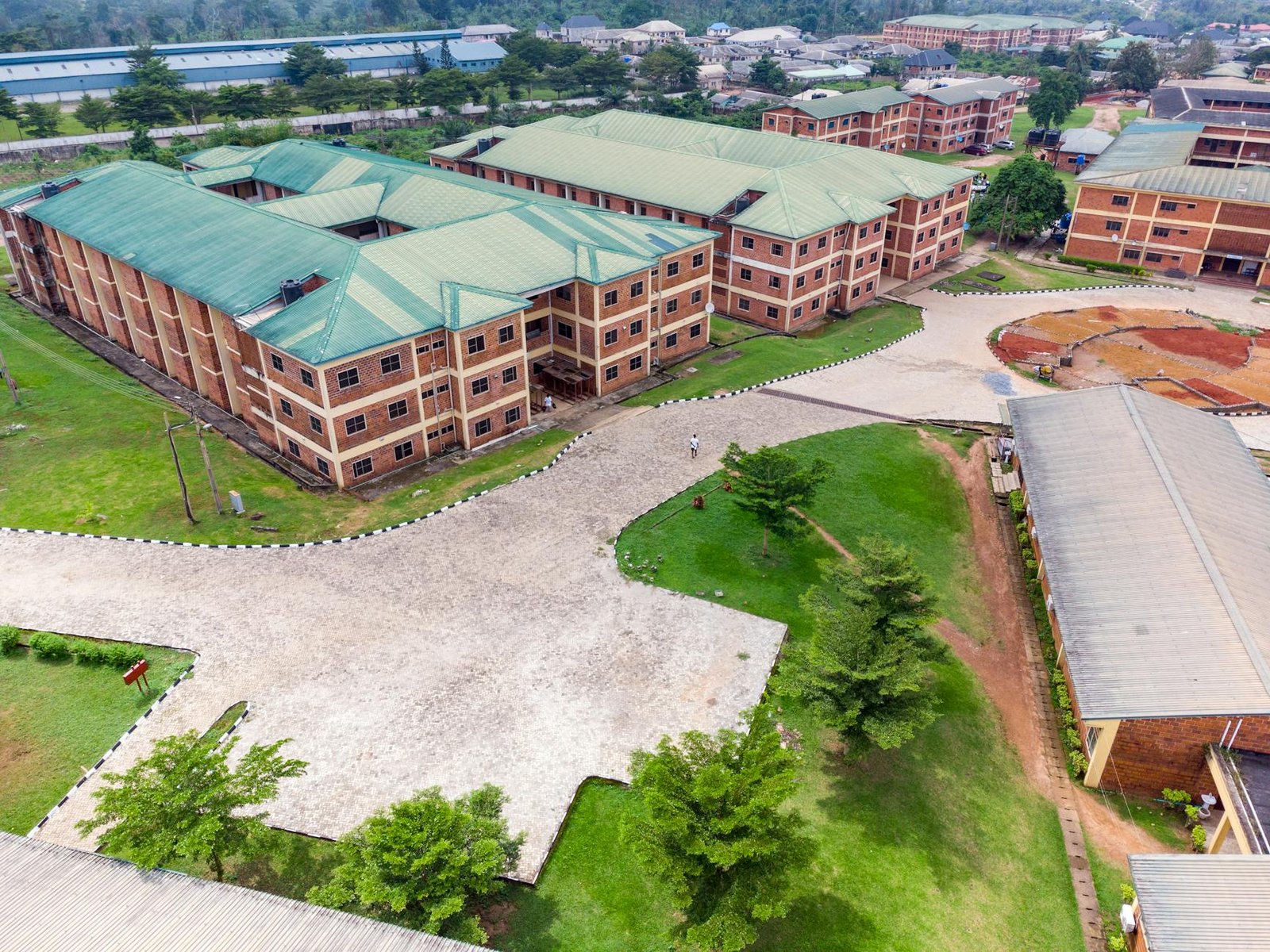
Photo by Kayode Balogun on Pexels

Three universities in Kashmir have terminated their Memorandums of Understanding (MoUs) with the Kashmir Care Foundation, a non-governmental organization based in the United States. The decision follows an internal review conducted by the institutions. The universities that have cancelled their agreements with the NGO are the University of Kashmir, the Islamic University of Science and Technology (IUST), and the Sher-e-Kashmir University of Agricultural Sciences and Technology of Kashmir (SKUAST-K). Each university has formally notified the Kashmir Care Foundation of the cancellation.

The University of Kashmir’s MoU with the Kashmir Care Foundation was signed on December 15 of the previous year. The stated objective of the agreement was to promote educational initiatives through workshops, seminars, and other academic activities in the fields of STEM (science, technology, engineering, and mathematics), humanities, and related disciplines. However, in its termination letter, the University of Kashmir stated that “continuation of the MoU is not in the larger institutional interest of the University.” The letter also noted that no financial or intellectual obligations had arisen during the period the MoU was in effect, and no funds were either requested or distributed under its terms. The university invoked Clause D of the MoU and applicable regulations to enact the termination with immediate effect.

Similarly, the Islamic University of Science and Technology communicated to the NGO that its MoU, which focused on collaborative projects in emerging technologies, had been reassessed by university authorities. According to IUST’s letter, the university decided to cancel the agreement after the review. The university informed the NGO that the termination was effective immediately and was being carried out in accordance with the Force Majeure clause of the agreement. The specific reasons behind the universities’ decisions were not detailed in the initial statements. However, subsequent reports have suggested that intelligence agencies flagged certain individuals associated with the Atlanta-based NGO.

The collaboration between academic institutions and NGOs is often viewed as a mechanism to bolster educational and research opportunities, particularly in regions facing socio-economic challenges. Such partnerships can facilitate the exchange of knowledge, resources, and expertise, contributing to the overall development of the education sector. MoUs, in particular, define the scope and terms of these collaborations, outlining the responsibilities of each party and the intended outcomes of the partnership. The termination of these agreements raises questions about the factors influencing such decisions and their potential impact on future collaborations.

The University of Kashmir, located in Srinagar, is one of the oldest and largest universities in the region. It has a wide range of academic programs and research initiatives. The Islamic University of Science and Technology, situated in Awantipora, focuses on technical and scientific education. SKUAST-K, with campuses across the Kashmir Valley and Jammu, is dedicated to agricultural education, research, and extension services. Together, these universities play a crucial role in shaping the intellectual and economic landscape of Jammu and Kashmir.

The Kashmir Care Foundation, based in Atlanta, USA, has been involved in various initiatives aimed at supporting education and community development in the Kashmir region. However, the specific projects and activities undertaken under the now-terminated MoUs remain unclear. The recent action by the three universities underscores the importance of conducting thorough due diligence and risk assessments when entering into partnerships with external organizations. Intelligence agencies in India play a significant role in monitoring the activities of NGOs, particularly those with international connections, to ensure compliance with national security interests and regulatory frameworks. Flags raised by these agencies can trigger a review of existing partnerships and potentially lead to their termination.

The termination of these MoUs comes at a time when Jammu and Kashmir is undergoing significant changes in its administrative and political structure. Following the revocation of Article 370 in August 2019, the region has seen increased scrutiny of external engagements and a greater emphasis on ensuring that all activities align with the government’s developmental agenda. The education sector, in particular, has been a focus of attention, with efforts being made to improve the quality of teaching and research and to enhance the skills and employability of students. The decision by the three universities to terminate their MoUs with the Kashmir Care Foundation reflects a cautious approach to international collaborations and a commitment to safeguarding institutional interests.

We have reached out to the Kashmir Care Foundation for their response to these developments but have not received a response at the time of publication. We will continue to monitor the situation and provide updates as more information becomes available. The implications of this decision for other academic collaborations in the region are not yet clear.

Airstrikes in Nigeria Result in Civilian Casualties Amidst Military Operations

0
Scores Killed in Nigerian Military Strikes as Clashes With Militants Intensify
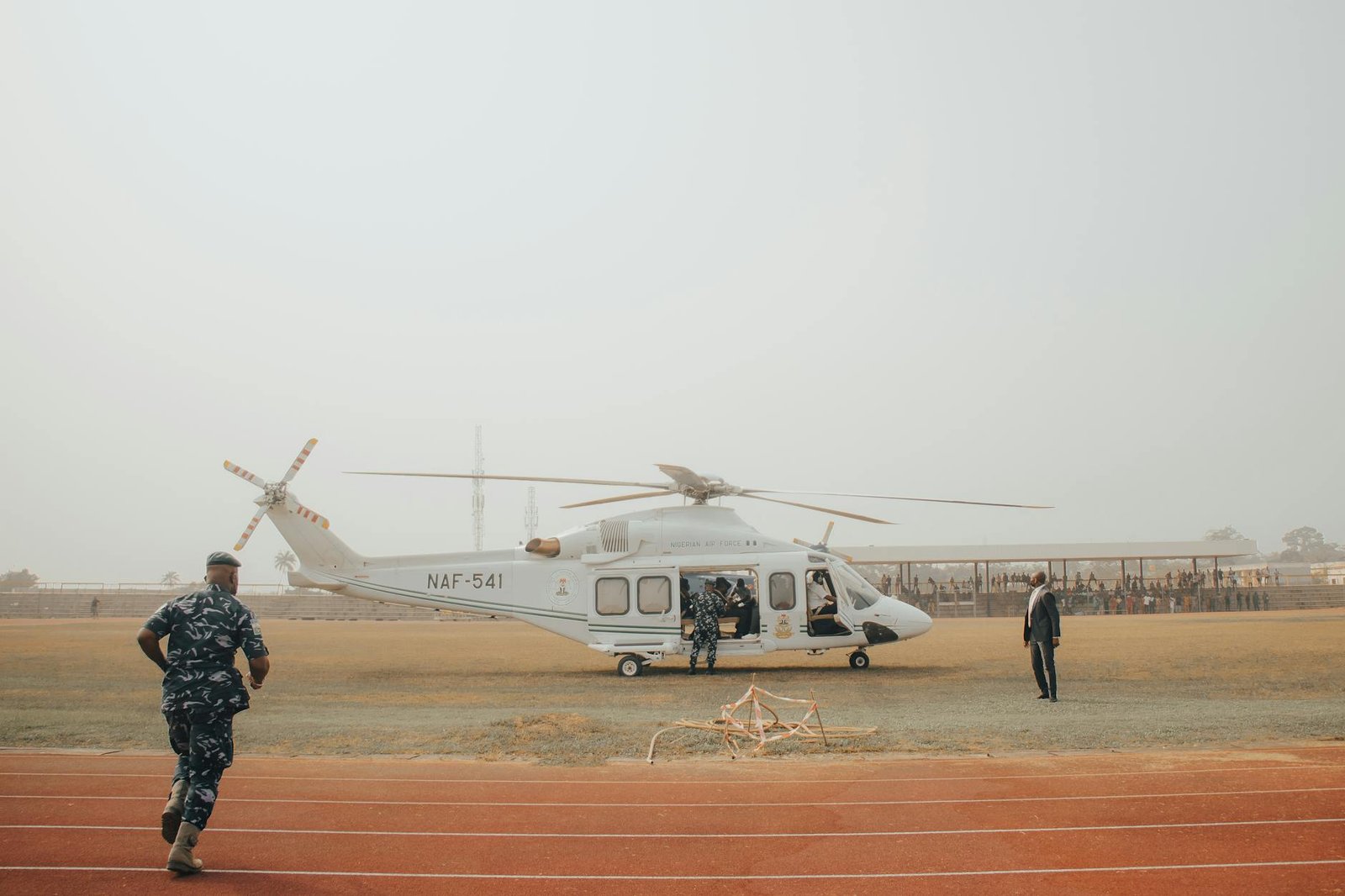
Photo by Adedire Abiodun on Pexels

Controversy surrounds recent military airstrikes in Nigeria, with conflicting reports emerging about the targets and the resulting casualties. Nigerian officials maintain that the strikes were aimed at a terrorist enclave, however, local residents and human rights organisations claim that a popular market was hit, resulting in significant civilian deaths. The incident has sparked outrage and raised concerns about the rules of engagement employed by the Nigerian military in its ongoing fight against insurgents.

The Nigerian military has been engaged in a protracted battle against various militant groups, especially in the northeastern part of the country. These groups, including Boko Haram and the Islamic State West Africa Province (ISWAP), have been responsible for numerous attacks on both military and civilian targets. The military has responded with a combination of ground operations and airstrikes, aiming to dislodge the militants from their strongholds and disrupt their activities. However, the use of air power in densely populated areas has often led to unintended consequences, with civilians frequently caught in the crossfire.

Reports from the ground indicate that the recent airstrikes occurred in a region where the lines between civilian and militant populations are often blurred. Many communities have been forced to live under the control of militant groups, either through coercion or necessity. This makes it difficult for the military to accurately identify and target enemy combatants without causing harm to innocent civilians. Human rights groups have accused the military of indiscriminate targeting, alleging that insufficient precautions are taken to protect civilian lives during air operations. These groups have called for greater transparency and accountability in the conduct of military operations, urging the government to thoroughly investigate incidents of civilian casualties and bring those responsible to justice.

The Nigerian government has acknowledged the concerns about civilian casualties and has promised to investigate the recent incident. However, officials have also defended the military’s actions, stating that the airstrikes were necessary to prevent the militants from launching further attacks. The government has argued that the militants often use civilian areas as cover, making it difficult for the military to distinguish between combatants and non-combatants. Furthermore, officials have accused the militant groups of deliberately spreading misinformation about civilian casualties in order to undermine the military’s efforts.

The situation is further complicated by the ongoing humanitarian crisis in the region. Millions of people have been displaced by the conflict, and many are living in overcrowded camps with limited access to food, water, and healthcare. The violence has also disrupted agricultural activities, leading to widespread food shortages. Humanitarian organizations are struggling to provide assistance to those in need, but their efforts are often hampered by the ongoing insecurity. The incident underscores the complex challenges facing Nigeria as it battles insurgency. It highlights the need for the military to refine its tactics to minimize harm to civilians while effectively combating militant groups. There needs to be accountability and transparency in addressing civilian harm during military operations. International bodies and human rights groups continue to monitor the situation, pressing for thorough investigations and preventative measures to safeguard the lives of civilians caught in conflict zones. We reviewed statements from Amnesty International and Human Rights Watch, both of which called for an independent inquiry into the airstrikes. Based on available reports, we found a consensus exists regarding the urgent need to protect civilian lives during counter-insurgency operations. We could not independently verify the exact number of casualties, but various reports suggest a significant toll.

The Nigerian government faces the challenge of balancing its security concerns with its responsibility to protect its citizens. As the conflict continues, finding a sustainable solution will require a multi-faceted approach that addresses the root causes of the insurgency, promotes good governance, and ensures respect for human rights. The incident raises serious concerns about the protection of civilians during military operations and underscores the urgent need for greater transparency and accountability.

The Nigerian military continues its operations against Boko Haram and ISWAP in the northeastern region, with ongoing efforts to secure liberated areas and facilitate the return of displaced populations. The government has also launched initiatives to address the underlying socio-economic factors that contribute to radicalization and recruitment by militant groups, recognising the need for a comprehensive strategy to combat insurgency.

J&K’s GST E-Way Bill System Faces Scrutiny Over Compliance Lapses, Enforcement Gaps

0
CAG flags serious lapses in GST E-Way Bill system in J&K, points to weak enforcement
Photo by Towfiqu barbhuiya on Pexels

A recent audit by the Comptroller and Auditor General (CAG) has revealed significant shortcomings in the Goods and Services Tax (GST) E-Way Bill (EWB) system’s implementation in Jammu and Kashmir. The report highlights a range of issues, from ineligible taxpayers exploiting loopholes to a severe lack of enforcement personnel, casting a shadow over the effectiveness of the tax monitoring mechanism.

The EWB system, designed to track goods valued above Rs 50,000 before movement, was introduced nationwide in April 2018 for inter-state transactions. Jammu and Kashmir adopted the system in phases for intra-state movement, maintaining the same threshold. The audit period scrutinized the system’s performance between 2018 and 2022, uncovering multiple instances of non-compliance and systemic failures.

One of the critical findings of the CAG report is the continued operation of ineligible taxpayers under the Composition Levy scheme. Furthermore, the audit revealed instances where taxpayers filed ‘nil’ returns or failed to file returns altogether, despite generating EWBs. These discrepancies resulted in a tax implication of Rs 2.29 crore. This raises questions about the robustness of the system’s checks and balances and the effectiveness of monitoring mechanisms in place.

Delving deeper into the data, the audit exposed a discrepancy between EWBs generated and the corresponding tax revenue reported. Specifically, three taxpayers within two assessment circles generated 5,739 EWBs, indicating a tax effect of Rs 67.99 crore. However, only Rs 64.24 crore was reported through GSTR-3B returns, leaving Rs 3.75 crore unaccounted for. The CAG attributed this disparity to the absence of proper reconciliation between GSTR-1 and GSTR-3B, making it difficult to pinpoint the specific invoices linked to the unpaid tax.

Beyond revenue discrepancies, the report also illuminated several compliance deviations. EWBs were generated by taxpayers whose registrations had been cancelled, and some bills contained invalid vehicle numbers, including those of scrapped vehicles, two-wheelers, and vehicles with cancelled or suspended registrations. The system also registered instances of multiple EWBs being generated against the same invoice. These irregularities indicate a lack of due diligence in the EWB generation process and potential vulnerabilities within the system.

A critical factor impacting the EWB system’s efficacy was the significant shortage of staff in the Enforcement Wing during the audit period (2018–22). Vacancy rates were alarmingly high across various positions, with State Tax Officers facing shortages ranging from 29 to 55 per cent. Inspectors experienced vacancy rates between 43 and 72 per cent, while Sub-Inspectors saw shortages of 54 to 71 per cent. The lower rungs of the enforcement hierarchy were similarly affected, with Head Guards facing vacancies of 36 to 92 per cent, Guards at 77 to 86 per cent, and drivers at 71 to 83 per cent. Such a depleted workforce inevitably hindered enforcement efficiency, potentially contributing to the observed compliance lapses.

The CAG report further highlighted the absence of specific targets for EWB verification during the audit period. This lack of targeted oversight likely contributed to a lax enforcement environment. Physical verification reports in Form MOV-04 were not prepared in 47 cases, impeding the ability to confirm the correctness of goods assessment. The report also noted the failure to appoint a Grievance Redressal Officer to address complaints filed through Form GST EWB-04, potentially leaving taxpayers without recourse for resolving disputes.

Additional inconsistencies included the non-levy of late fees on delayed returns, the failure to charge interest on late tax payments, delays in the cancellation of registrations, and the non-filing of GSTR-10 returns. Cases where action was initiated but not completed were also observed, indicating inefficiencies in the enforcement process.

The audit casts light on wider compliance issues such as short or non-payment of interest, undischarged tax liabilities, irregular Input Tax Credit (ITC) claims, mismatches between returns, and availing ITC without supplier tax remittance. These deviations resulted in a very high tax implication of Rs 439.36 crore, underscoring the magnitude of the problem. Input Tax Credit (ITC) is a crucial component of the GST mechanism, allowing businesses to claim credit for the GST they’ve paid on purchases which are then used in the manufacturing or supply of goods or services. Irregularities in ITC claims can significantly impact government revenue and create distortions in the tax system.

The Goods and Services Tax (GST) was introduced in India on July 1, 2017, marking a major reform of the country’s indirect tax system. It replaced a complex web of central and state taxes, aiming to create a unified national market. The E Way Bill (EWB) system, introduced under GST, is a document that allows the movement of goods worth more than Rs 50,000. It is generated electronically on the GST portal before the goods are transported. The EWB includes details such as the consignor, consignee, destination, and the goods being transported. It is a crucial tool for tracking the movement of goods and preventing tax evasion.

The CAG report’s findings raise questions about the overall effectiveness of the GST system in Jammu and Kashmir and the need for stricter enforcement and compliance measures. While the GST aims to streamline taxation and reduce economic distortions, its success depends on effective implementation and monitoring. The revealed lapses indicate that there may be a need for systemic improvements, including strengthening enforcement capabilities, enhancing data reconciliation processes, and addressing administrative loopholes.

Authorities in Jammu and Kashmir have yet to issue a detailed response to the CAG report and outline specific steps to address the identified shortcomings. However, we anticipate that the findings will prompt a re-evaluation of the EWB system’s implementation and the adoption of measures to ensure greater compliance and revenue collection.

Mysterious Algal Bloom Devastates South Australia’s Marine Ecosystem

0
An Underwater Phantom Is Killing Fish and Breaking Hearts
Photo by Tom Fisk on Pexels

A persistent algal bloom has been wreaking havoc along the coast of South Australia for over a year, triggering widespread marine life deaths and causing distress among communities that rely on the ocean for their livelihoods and recreation. The unusual event, which began in early 2025, has baffled marine biologists and raised concerns about the long-term health of the region’s marine environment. We examined reports from the South Australian Department of Primary Industries and Regions (PIRSA) and conservation groups to understand the scale and scope of the unfolding ecological crisis.

The algal bloom, characterized by a rapid increase in the population of microscopic algae, has led to significant fish kills, impacting various species of marine life. Fisheries have reported substantial losses, and recreational anglers have witnessed a decline in fish populations. The bloom’s impact extends beyond fish, affecting marine mammals, seabirds, and other organisms that depend on a healthy marine ecosystem.

The causes of the algal bloom remain under investigation. Scientists are exploring several potential contributing factors, including nutrient runoff from agricultural land, changes in ocean temperatures, and altered salinity levels due to increased evaporation and reduced rainfall. We reviewed historical weather patterns to assess potential links between climate conditions and the algal bloom’s emergence. Nutrient pollution, particularly from fertilizers used in agriculture, is a major concern. These nutrients can fuel the rapid growth of algae, leading to blooms that deplete oxygen levels in the water and release toxins harmful to marine life.

The South Australian government has initiated monitoring programs to track the bloom’s spread and assess its impact on the marine environment. PIRSA is working with local communities and research institutions to gather data and understand the underlying causes of the event. Measures to mitigate the bloom’s effects are also under consideration, including strategies to reduce nutrient runoff and improve water quality.

We spoke with local fisherman, Rajeev Kumar, who expressed deep concern about the future of his livelihood, describing the devastating impact the bloom has had on fish stocks. He noted that previously abundant fishing grounds are now barren, threatening the economic viability of entire coastal communities. The tourism industry is also feeling the pinch. Beaches once teeming with visitors are now deserted, as people avoid areas affected by the bloom. The downturn in tourism revenue is adding to the economic hardship faced by coastal towns in South Australia.

Algal blooms are a recurring issue in marine environments around the world. They can be triggered by a combination of natural and human-induced factors, including climate change, pollution, and overfishing. In India, similar events have affected coastal ecosystems, leading to declines in fish populations and disruptions to fishing communities. In Jammu and Kashmir, algal blooms have been reported in Dal Lake and other water bodies, impacting water quality and aquatic life.

The situation in South Australia highlights the interconnectedness of human activities and the health of the marine environment. Addressing the root causes of algal blooms requires a comprehensive approach that includes reducing pollution, managing water resources sustainably, and mitigating the effects of climate change. We examined reports from the Intergovernmental Panel on Climate Change (IPCC) that suggest rising ocean temperatures and changes in rainfall patterns are likely to exacerbate algal bloom events in the future.

The long-term consequences of the South Australian algal bloom are still unfolding. Scientists are concerned about the potential disruption of food webs, the loss of biodiversity, and the increased vulnerability of the marine ecosystem to future disturbances. We found that rehabilitation efforts will require sustained investment and collaboration among government agencies, research institutions, and local communities. The ongoing crisis serves as a stark reminder of the need to protect and manage marine resources sustainably to ensure the health and resilience of these vital ecosystems.

The South Australian government is working with local farmers to implement best management practices to reduce nutrient runoff from agricultural land. These practices include using fertilizers more efficiently, improving irrigation techniques, and implementing buffer zones along waterways to filter out pollutants. We reviewed reports from the Australian Landcare program which detailed several successful examples of community-based initiatives aimed at improving water quality and restoring degraded ecosystems.

The investigation into the specific algae species responsible for the bloom is ongoing. Identifying the species is crucial for understanding the toxins it may produce and the potential risks to human health. We are monitoring advisories issued by public health authorities regarding seafood consumption from affected areas.

We are also monitoring development of early warning systems based on satellite monitoring and advanced sensor technologies being developed to detect and track algal blooms in real-time, allowing for timely interventions to minimize their impact. This technology has significant potential for managing and mitigating the effects of algal blooms in India and other regions facing similar challenges.

Hungary’s Ruling Party Faces Setback: Orban Acknowledges Gains by Peter Magyar

0
Hungary Election Results: Viktor Orban Concedes Defeat and Congratulates Peter Magyar
Photo by Nikolett Emmert on Pexels

Hungary’s political landscape has experienced a notable shift as Prime Minister Viktor Orban, a dominant figure in Hungarian politics for over a decade and an inspiration to populist movements globally, conceded ground to Peter Magyar, a relatively new entrant. This development signals a potential reshaping of the political dynamics within Hungary and possibly across Europe.

The rise of Magyar reflects a growing sentiment of dissatisfaction among Hungarian citizens, who have been increasingly vocal about issues ranging from economic policies to perceived democratic backsliding. Orban’s Fidesz party, while maintaining a strong base of support, has faced criticisms over its control of the media and its approach to judicial independence, issues that have resonated with a segment of the population eager for change. This discontent, coupled with Magyar’s emergence as a viable alternative has culminated in the recent electoral outcome.

Peter Magyar’s political ascent is noteworthy. He previously maintained connections to the ruling Fidesz party, offering him an initial inside perspective on the establishment. However, he emerged as a vocal critic of the Orban government and presented himself as an advocate for transparency, accountability, and a renewed commitment to democratic values. Magyar’s campaign has focused on addressing corruption, strengthening institutions, and re-establishing Hungary’s standing within the European Union.

The implications of Magyar’s gains are multifaceted. Domestically, it could lead to a more competitive political environment, potentially forcing Fidesz to adapt its policies and strategies to address the concerns raised by the opposition. This could involve reforms aimed at enhancing transparency, promoting judicial independence, and fostering a more open media landscape. Furthermore, Magyar’s success could embolden other opposition parties and movements across Europe, particularly those advocating for similar reforms and a more centrist approach to governance.

Hungary’s relationship with the European Union has often been strained under Orban’s leadership, particularly regarding rule-of-law issues and migration policies. Magyar has conveyed his interest in mending these strained relationships and fostering closer cooperation. This could result in Hungary playing a more constructive role within the EU, potentially influencing policy decisions on issues such as climate change, economic recovery, and security.

The political developments in Hungary occur against a backdrop of broader geopolitical shifts. Russia’s ongoing war in Ukraine has cast a shadow over the region, influencing energy security, economic stability, and political alliances. Hungary’s stance on the conflict, often perceived as more nuanced than that of its EU allies, has been subject of discussion. The rise of Magyar presents an opportunity for Hungary to reassess its position and potentially align more closely with the broader European consensus on the conflict.

In India, similar dynamics are observable, particularly in the context of regional elections and the rise of alternative political voices. The Aam Aadmi Party’s emergence in Delhi and Punjab, for example, demonstrates how public dissatisfaction with established parties can pave the way for new political movements. Issues such as corruption, governance, and social justice resonate with voters across different regions, highlighting the importance of responsive and accountable leadership.

The situation in Jammu and Kashmir also reflects the importance of addressing public grievances and fostering inclusive governance. The region has experienced significant political and social changes in recent years, and there is a growing need for dialogue and engagement to address the concerns of the local population. Political movements that prioritize transparency, accountability, and participatory democracy are likely to find resonance among the people of Jammu and Kashmir.

The recent elections in Hungary are a reminder of the ever-evolving nature of politics and the importance of adapting to changing public sentiments. As countries around the world grapple with complex challenges, the ability to address public grievances, foster inclusive governance, and promote democratic values will be crucial for maintaining stability and prosperity. We will continue to monitor the situation in Hungary and provide updates as the political landscape evolves.

We reviewed various news reports and statements to compile this report. We focused on verifiable facts and refrained from including speculative or unconfirmed information. The analysis presented here is based on publicly available data and expert opinions.