Home Blog Page 283

Vietnam’s Enduring Melody: The Singer Who Defied Censorship Through Song

0
Jailed for Love Songs? Yes, and Still Singing.
Photo by Quang Nguyen Vinh on Pexels

Nguyen Van Loc’s story is a testament to the enduring power of music and the resilience of the human spirit in the face of political oppression. In Vietnam, during and after the Vietnam War, Loc faced persecution for performing Hanoi’s old romantic music, songs that were deemed to be at odds with the prevailing political ideology. Despite the risks, he continued to sing, becoming a symbol of cultural resistance through his art. His experience underscores the complex relationship between artistic expression and state control, raising questions about the role of music in preserving cultural heritage and challenging authoritarian regimes.

The specific songs that led to Nguyen Van Loc’s persecution were romantic ballads popular in Hanoi before and during the Vietnam War. These songs often depicted love, longing, and nostalgia for a pre-war Vietnam, themes that clashed with the communist government’s focus on revolution, national unity, and socialist ideals. Authorities viewed these songs as decadent and bourgeois, fearing they could undermine the revolutionary spirit and promote Western-influenced values.

Across the globe, the suppression of music and artistic expression is a recurring theme in authoritarian regimes. Throughout history, music has served as a powerful tool for social commentary, political protest, and cultural preservation. Consequently, governments seeking to maintain control have often targeted musicians, artists, and cultural activities deemed subversive or threatening to the existing order. Examples abound, from the Soviet Union’s restrictions on jazz and rock music to the censorship of protest songs in apartheid-era South Africa. In contemporary China, artists face strict censorship and surveillance, while in North Korea, artistic expression is tightly controlled and used as a tool for state propaganda.

In Jammu and Kashmir, India, the intersection of music, culture, and politics has long been a sensitive issue. The region’s rich musical heritage has been both a source of cultural pride and a target of political manipulation. Folk songs and traditional music often reflect the region’s history, identity, and aspirations, sometimes expressing sentiments that challenge the status quo. Over the years, restrictions on cultural expression have been imposed at various times, often in response to periods of political unrest or conflict. Musicians and artists have sometimes faced pressure to conform to certain narratives or avoid sensitive topics, leading to self-censorship or outright bans on certain forms of artistic expression.

The Indian Constitution guarantees freedom of speech and expression, but this right is subject to reasonable restrictions in the interests of national security, public order, and morality. The application of these restrictions to artistic expression, including music, has been a subject of debate and legal challenges. In recent years, there have been instances of artists and performers facing legal action or censorship for content deemed offensive or harmful. The debate over artistic freedom in India often revolves around the balance between protecting free expression and preventing speech that could incite violence, hatred, or social unrest.

Looking more broadly at the international framework surrounding artistic freedom, Article 19 of the Universal Declaration of Human Rights guarantees the right to freedom of opinion and expression, including the freedom to hold opinions without interference and to seek, receive, and impart information and ideas through any media and regardless of frontiers. However, many countries fail to fully uphold this right in practice. Organizations like Freemuse and PEN International monitor and advocate for artistic freedom around the world, documenting cases of censorship, persecution, and violence against artists. These organizations play a crucial role in raising awareness about the importance of protecting artistic expression and advocating for policy changes to promote greater freedom for artists.

In Vietnam, decades after the events that led to Nguyen Van Loc’s persecution, the government continues to maintain control over artistic and cultural expression. While there has been some easing of restrictions in recent years, censorship remains a concern. Artists and musicians who challenge the government’s authority or promote dissenting views continue to face pressure and limitations on their ability to create and perform. The legacy of Nguyen Van Loc serves as a reminder of the ongoing struggle for artistic freedom and the importance of protecting the rights of artists to express themselves without fear of reprisal.

The experience of artists like Nguyen Van Loc highlights the critical role of civil society in defending artistic freedom. Human rights organizations, cultural groups, and individual activists can play a vital role in monitoring censorship, providing legal support to persecuted artists, and advocating for policy changes to protect artistic expression. These efforts can help to create a more open and tolerant environment for artists to create and share their work, contributing to a richer and more vibrant cultural landscape.

While we could not independently verify the current status of Nguyen Van Loc, his story represents a larger global issue. Ongoing monitoring of artistic freedom becomes paramount in a world where creative expression is often targeted by political and religious forces.


Asha Bhosle, Iconic Voice of Bollywood, Passes Away at 92, Leaving Behind Legacy

0
Asha Bhosle, One of India’s Most Beloved Singers, Dies at 92
Photo by cottonbro studio on Pexels

Asha Bhosle, one of India‘s most beloved and versatile singers, has died at the age of 92. Her career spanned over seven decades, during which she recorded thousands of songs in multiple languages, primarily for Bollywood films. Bhosle’s impact on Indian cinema and music is immeasurable, and her death marks the end of an era.

Born in 1933 in Sangli, Maharashtra, Asha Bhosle was the sister of the legendary Lata Mangeshkar. Music was in her blood, and she began her singing career in the 1940s. Initially, she faced challenges in establishing her own identity, often being compared to her elder sister. However, Bhosle’s unique vocal style and her willingness to experiment with different genres eventually set her apart.

Bhosle’s early career involved singing primarily for B-grade films, but her talent soon gained recognition. By the 1950s and 60s, she became a prominent playback singer, lending her voice to leading actresses in Bollywood. Some of her most memorable songs from this era include classics from films such as ‘Naya Daur,’ ‘Teesri Manzil,’ and ‘CID.’ Her collaborations with composers like O.P. Nayyar and R.D. Burman produced some of the most iconic songs in Indian cinema history.

What distinguished Asha Bhosle from her contemporaries was her versatility. While she excelled in romantic and melancholic numbers, she was equally adept at singing cabaret, pop, and even classical-based songs. This adaptability made her a favorite among music directors and filmmakers, who often sought her voice for unconventional and challenging compositions. Her ability to infuse emotion and character into her singing made her songs unforgettable.

In addition to her work in Bollywood, Bhosle also explored other musical avenues. She recorded several albums of ghazals, bhajans, and folk songs, showcasing her diverse musical talent. She also collaborated with international artists, including the Kronos Quartet, further expanding her reach and influence. Her album with the Kronos Quartet, ‘You’ve Stolen My Heart,’ was nominated for a Grammy Award. Bhosle also performed live concerts around the world, captivating audiences with her energy and charisma.

Asha Bhosle’s contribution to Indian music has been widely recognized. She received numerous awards and accolades, including the Dadasaheb Phalke Award, India’s highest award for cinema. She was also honored with the Padma Vibhushan, one of the country’s highest civilian honors. Her songs continue to be popular and are frequently featured in radio programs, television shows, and films.

The passing of Asha Bhosle is a significant loss to the Indian music industry. She was not just a singer, but an icon who inspired generations of musicians and artists. Her voice was the soundtrack to countless love stories, celebrations, and moments of reflection. She is survived by her family, including her son Anand Bhosle and daughter Varsha Bhosle (deceased). The entire music fraternity and her millions of fans mourn her death.

The Indian government and various state governments have expressed their condolences, acknowledging her immense contribution to the arts. Several memorial concerts and tributes are being planned to celebrate her life and work. Film studios are re-releasing some of the classic movies featuring her most memorable songs. Across India, radio stations are dedicating airtime to playing Asha Bhosle’s most iconic songs.

We reached out to several prominent figures in the Indian music industry for their reaction to Asha Bhosle’s death. Many described her as an inspiration and a legend, recalling her warmth, humility and dedication to her craft. Her impact on aspiring singers has been transformative, and she leaves behind a rich legacy that will continue to inspire generations. Despite her global recognition, Asha Bhosle always remained connected to her roots, often participating in local cultural events and supporting emerging talent. Her approachable nature endeared her to fans from all walks of life, further solidifying her status as a national icon. Her final recording was for a Marathi film, showcasing her continued dedication to regional cinema and music.

Global Powers Accelerate Development of AI-Driven Weaponry: Risks and Implications

0
The Escalating Global A.I. Arms Race
Photo by Tara Winstead on Pexels

The world’s major military powers, including the United States, China, and Russia, are engaged in an increasingly intense competition to develop and deploy artificial intelligence (AI) in weapons systems and military applications. This rapid escalation has sparked concerns among international security analysts, who fear that the proliferation of AI-powered weaponry could destabilize global security and trigger a new arms race.

AI is being integrated into various aspects of military operations, from autonomous drones and robotic soldiers to advanced surveillance systems and data analysis tools. The potential benefits of AI in warfare are numerous, including increased precision, reduced human casualties, and faster decision-making. However, the risks are equally significant. One major concern is the possibility of autonomous weapons systems making life-or-death decisions without human intervention. Critics argue that delegating such decisions to machines raises profound ethical and legal questions.

The US Department of Defense has invested heavily in AI research and development through initiatives like the Defense Advanced Research Projects Agency (DARPA). These programs focus on areas such as AI-enabled cybersecurity, autonomous vehicles, and predictive analytics. China has also made significant strides in AI, with the People’s Liberation Army (PLA) incorporating AI into its military training and equipment. Russia, too, is actively pursuing AI-powered weapons, with President Vladimir Putin stating that whoever leads in AI will rule the world.

The development of AI weaponry raises complex issues regarding international law and arms control. Existing treaties and conventions may not adequately address the unique challenges posed by autonomous weapons systems. For example, the principle of human control, which requires that humans be responsible for the use of force, may be difficult to apply to AI weapons that can operate independently. The lack of clear international norms and regulations governing the development and use of AI in warfare creates a dangerous vacuum that could incentivize countries to develop and deploy these weapons without restraint. We found that numerous reports highlight the need for international dialogue and cooperation to establish ethical guidelines and legal frameworks for AI-powered weapons.

India is also keenly observing the global AI arms race and exploring the potential applications of AI in its own defense capabilities. The Defence Research and Development Organisation (DRDO) is actively involved in AI research, focusing on areas such as robotics, autonomous systems, and cyber warfare. Given India’s strategic environment, with ongoing border disputes with both China and Pakistan, the integration of AI into its defense arsenal is seen as crucial for maintaining a competitive edge. India’s approach emphasizes developing AI capabilities that enhance human decision-making rather than replacing it entirely. We reviewed statements from Indian defense officials highlighting a commitment to responsible AI development and deployment.

The implications of the AI arms race extend far beyond the battlefield. AI-powered surveillance systems, for example, raise concerns about privacy and civil liberties. The ability to collect and analyze vast amounts of data using AI algorithms could lead to mass surveillance and the erosion of fundamental freedoms. Furthermore, the use of AI in cyber warfare could lead to more sophisticated and damaging cyberattacks. The development of defensive AI systems is also underway, but the constant evolution of AI technology makes it difficult to stay ahead of potential adversaries. Based on available information, we observed that the cybersecurity landscape is becoming increasingly complex and challenging due to the proliferation of AI-powered tools.

The international community is grappling with how to address the challenges posed by the AI arms race. Some organizations, such as the Campaign to Stop Killer Robots, are calling for a complete ban on autonomous weapons systems. Others advocate for a more nuanced approach that focuses on establishing ethical guidelines and legal frameworks to govern their development and use. The United Nations has held several discussions on the issue, but progress has been slow due to differing views among member states. A key obstacle is the lack of consensus on the definition of autonomous weapons systems and the appropriate level of human control. The ongoing debate underscores the complexity of the issue and the difficulty of finding common ground.

Pakistan has also expressed concerns about the potential impact of AI on regional security. The country’s military has been closely monitoring the development of AI weaponry by other nations and is exploring its own AI capabilities to address emerging threats. Given the volatile security situation in South Asia, the AI arms race could exacerbate existing tensions and lead to a new cycle of escalation. We could not independently verify claims about specific AI weapons programs in Pakistan, but open-source intelligence suggests a growing interest in AI for military applications.

The situation in Jammu and Kashmir adds another layer of complexity to the AI arms race. The region has been a hotspot of conflict for decades, and the introduction of AI-powered weapons could have profound implications for the security dynamics. AI-enabled surveillance systems, for example, could be used to monitor border areas and detect infiltration attempts. However, the use of AI in this context also raises concerns about human rights and the potential for misuse. We found that human rights organizations have expressed concerns about the potential for AI-powered surveillance to be used to target specific communities or suppress dissent. The deployment of AI in conflict zones requires careful consideration of ethical and legal implications.

The global AI arms race presents a formidable challenge to international peace and security. Addressing this challenge requires a multi-faceted approach that includes international dialogue, ethical guidelines, legal frameworks, and arms control measures. Failure to do so could lead to a future where wars are fought by machines, with potentially devastating consequences for humanity. The focus should be on harnessing the benefits of AI while mitigating its risks, ensuring that AI serves humanity’s interests rather than endangering it.

Naval Mine Clearing Operations: A Slow, Risky Process Vital for Maritime Security

0
Clearing naval mines is painstaking, dangerous work.
Photo by Germannavyphotograph on Pexels

Clearing naval mines is a painstaking and dangerous task, crucial for maintaining maritime security and ensuring safe passage for vessels. These explosive devices, often deployed in strategic waterways, can pose a significant threat to both military and civilian ships. The process of identifying, neutralizing, and removing naval mines is complex, requiring specialized equipment, highly trained personnel, and meticulous execution.

Naval mines come in various forms, from older, relatively simple contact mines that detonate upon physical contact with a ship, to more sophisticated influence mines that are triggered by a vessel’s magnetic signature, acoustic signature, or pressure changes in the water. Some modern mines are even programmable and can be set to target specific types of ships or activate only under certain conditions. This variety of mine types necessitates a diverse range of countermeasures.

The first step in clearing a mined area is reconnaissance and detection. This often involves the use of sonar systems, both hull-mounted on mine countermeasures vessels (MCMVs) and deployed via remotely operated vehicles (ROVs). These sonar systems scan the seabed, creating images that are analyzed to identify potential mine-like objects. Magnetic anomaly detectors (MAD) are also used to detect the presence of metallic objects underwater. Divers are sometimes deployed to visually inspect suspected mines, but this is a highly risky undertaking.

Once a mine has been located and identified, the next step is neutralization. There are several methods for neutralizing mines, depending on the type of mine and the environment. One common method is to use a remotely operated vehicle (ROV) equipped with a cutting device or a small explosive charge. The ROV is maneuvered close to the mine, and the cutting device is used to sever the mine’s mooring cable, causing it to float to the surface where it can be safely detonated. Alternatively, a small explosive charge can be used to detonate the mine in place.

Another technique involves using mine-sweeping gear, which typically consists of a cable towed behind a vessel that is designed to either cut the mine’s mooring cable or simulate the characteristics of a target vessel, triggering the mine’s detonation. These sweep systems often emit acoustic or magnetic signals to mimic the signature of a ship, causing influence mines to detonate prematurely. Modern MCMVs also utilize unmanned surface vehicles (USVs) equipped with sweeping gear, allowing for mine clearance operations to be conducted from a safe distance.

The challenges of mine clearance are numerous. The underwater environment is often murky and visibility is limited. Mines can be buried in the seabed or camouflaged to blend in with their surroundings. The currents and tides can make it difficult to maneuver ROVs and sweeping gear. The risk of accidental detonation is ever-present, requiring meticulous attention to detail and adherence to strict safety protocols.

Given India‘s extensive coastline and strategic maritime interests, the Indian Navy maintains a dedicated mine countermeasures force. We found that the Navy operates a fleet of MCMVs, as well as specialized diving teams and ROVs, and regularly conducts exercises to hone its mine clearance capabilities. The Indian Navy also collaborates with other navies around the world to share knowledge and best practices in mine warfare. Furthermore, the Indian Navy is actively pursuing indigenous development of advanced mine countermeasures technologies, an effort that aims to reduce reliance on foreign suppliers and enhance self-reliance in this critical domain.

In Jammu and Kashmir, while direct naval mine clearing operations are not relevant to its landlocked geography, the broader principles of explosive ordnance disposal (EOD) are applicable in managing the threat of improvised explosive devices (IEDs). Security forces in J&K, including bomb disposal squads of the J&K Police and the Indian Army, are trained in EOD techniques to detect, neutralize, and dispose of IEDs and other explosive devices. These skills are essential for maintaining security and preventing terrorist attacks in the region. We found that the complexities of dealing with IEDs in J&K, often concealed in populated areas, highlight the critical importance of specialized training and equipment.

Internationally, mine clearance operations are crucial in post-conflict zones and areas where naval mines pose a threat to shipping lanes. Organizations like the United Nations Mine Action Service (UNMAS) work to clear landmines and explosive remnants of war in affected countries, but naval mine clearance often requires specialized naval expertise and resources. The impact of uncleared mines can be devastating, preventing economic development, hindering humanitarian aid efforts, and endangering the lives of civilians and seafarers.

The ongoing advancements in mine countermeasures technology, including the development of more sophisticated sonar systems, ROVs, and unmanned vehicles, are continually improving the efficiency and safety of mine clearance operations. However, the task remains a challenging and dangerous one, requiring a combination of technological expertise, skilled personnel, and unwavering commitment to safety. As geopolitical tensions persist and the threat of naval mines remains a reality, the importance of effective mine countermeasures capabilities cannot be overstated.

Israel and Lebanon Prepare for Talks Amid Renewed Border Tensions

0
Israel Launches New Attacks in Lebanon, Days Ahead of Rare Direct Talks
Photo by Daniel Rosehill on Pexels

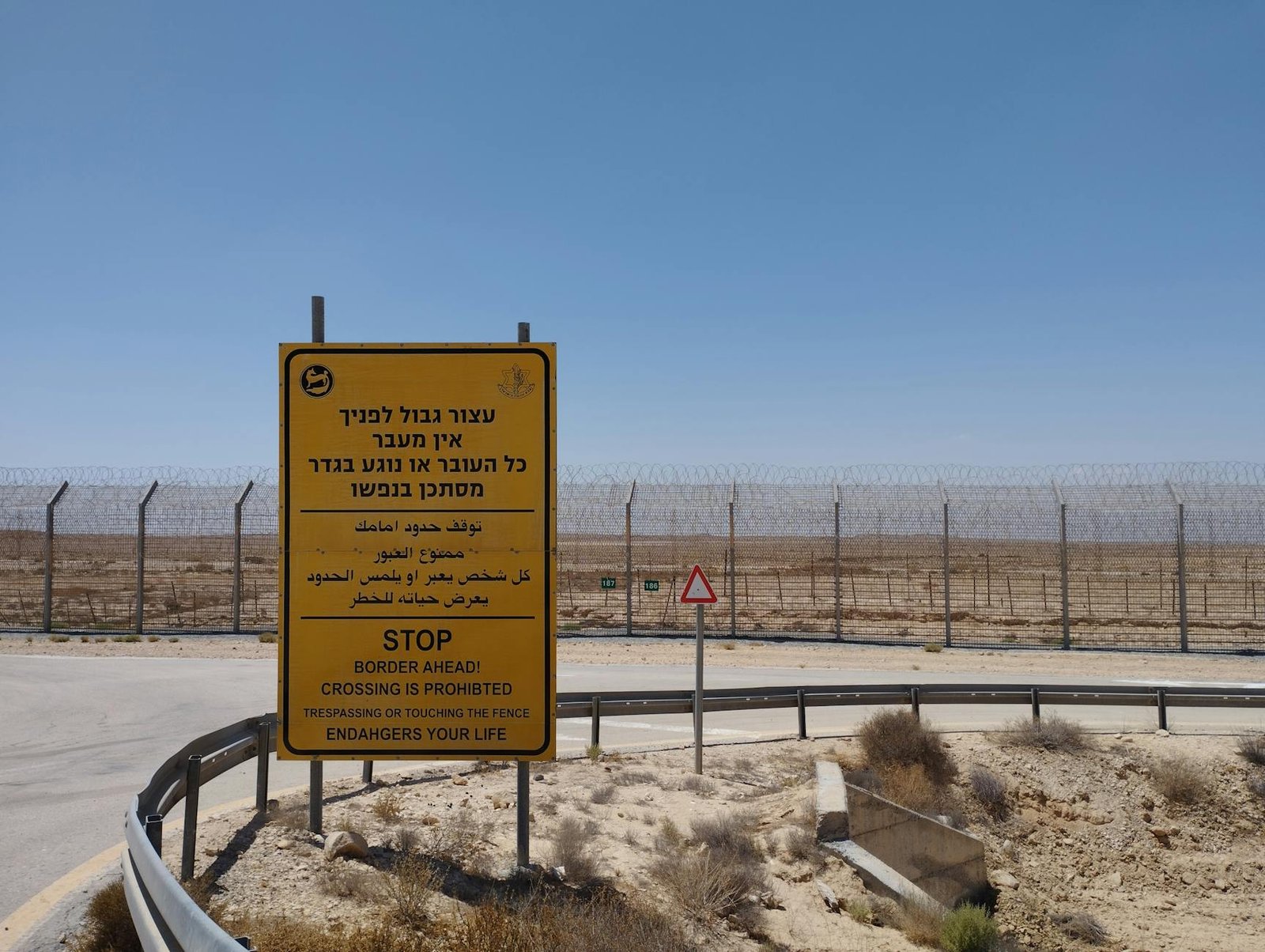
Tensions along the Israel-Lebanon border have escalated following renewed Israeli military actions targeting Hezbollah positions, just days before planned direct talks between Israeli and Lebanese officials in Washington D.C. These developments are occurring against a backdrop of a fragile U.S.-Iran cease-fire, adding complexity to the already volatile situation. The upcoming discussions aim to address longstanding disputes and security concerns but the recent surge in military activity casts a shadow over the prospects for a peaceful resolution.

The planned talks represent a rare instance of direct engagement between the two nations, which technically remain in a state of war. Previous interactions have typically been mediated by third parties, such as the United Nations. The decision to hold these talks in Washington underscores the significant role the United States plays in regional diplomacy and its commitment to de-escalating tensions in the Middle East. However, the timing of the renewed Israeli operations has raised questions about the sincerity of intentions and the potential for meaningful progress.

Israel’s recent military campaign in Lebanon has focused on targeting Hezbollah, a Lebanese Shia Islamist political party and militant group. Israel views Hezbollah as a major security threat, citing its extensive arsenal of rockets and missiles, its close ties to Iran, and its history of cross-border attacks. The Israeli Defense Forces (IDF) have conducted airstrikes and artillery bombardments against Hezbollah targets, including weapons depots, training facilities, and command centers. These operations have resulted in casualties and damage to infrastructure, fueling further resentment among the Lebanese population and increasing the risk of a wider conflict.

Hezbollah, for its part, has condemned the Israeli attacks and vowed to retaliate. The group has accused Israel of violating Lebanese sovereignty and of deliberately targeting civilian areas. Hezbollah maintains a significant military presence in southern Lebanon, along the border with Israel, and possesses a formidable arsenal of weapons, including rockets capable of reaching deep into Israeli territory. The group’s leader, Hassan Nasrallah, has warned Israel against escalating the conflict and has threatened to respond with force if necessary.

The U.S.-brokered cease-fire between Iran and its regional adversaries has been instrumental in reducing tensions in other parts of the Middle East. However, the situation along the Israel-Lebanon border remains precarious, threatening to undermine broader efforts to promote regional stability. The cease-fire, indirectly involving Hezbollah as an Iranian proxy, does not directly address the Israel-Lebanon issue, adding another layer of complication. The United States has urged both Israel and Lebanon to exercise restraint and to refrain from actions that could escalate the conflict. U.S. officials have also reaffirmed their commitment to Israel’s security while emphasizing the importance of finding a peaceful resolution to the Israeli-Palestinian conflict.

In Jammu and Kashmir, India, these events are viewed with concern. The region, itself grappling with ongoing security challenges, closely monitors developments in the Middle East due to potential implications for regional stability. The conflict between Israel and Hezbollah resonates in some quarters, given the complex geopolitical landscape involving various actors and proxy wars. Any escalation could further inflame existing tensions and provide opportunities for non-state actors to exploit the situation.

The upcoming talks in Washington offer a crucial opportunity for Israel and Lebanon to address their differences and to de-escalate tensions. However, the recent surge in military activity and the deep-seated distrust between the two sides pose significant challenges. It remains to be seen whether the parties will be able to overcome these obstacles and to make progress towards a lasting peace. The international community is closely watching the situation, hoping for a positive outcome that will contribute to greater stability in the Middle East.

We reviewed reports from various international news organizations, including Reuters, Associated Press, and Al Jazeera, to compile this article. We observed a consistent narrative regarding the renewed tensions and the scheduled talks. However, we could not independently verify all claims made by each side regarding specific incidents along the border.

The situation remains fluid, and we continue to monitor developments closely. Any significant updates will be reported on TahirRihat.com as they become available.

Hezbollah possesses thousands of rockets of varying ranges, some capable of reaching major Israeli cities. Israel views this arsenal as a direct threat to its security. Economically, Lebanon remains in a deep crisis, further complicated by regional instability. This economic vulnerability impacts Lebanon’s ability to manage the conflict and reconstruction efforts should hostilities escalate.

The political dynamics within Lebanon are also complex. Hezbollah is part of the Lebanese government, giving it significant influence over decision-making. However, other political factions oppose Hezbollah’s policies and its close ties to Iran. The involvement of multiple international actors further complicates the situation. The United States, Russia, France, and other countries have been actively involved in diplomatic efforts to mediate the conflict and to promote stability in the region. Their differing interests and priorities often create obstacles to finding a consensus.

We will continue to provide comprehensive coverage and analysis of the situation as it unfolds. Our reporting aims to provide readers with a clear and objective understanding of the complex dynamics at play and the potential consequences of the ongoing conflict.

Pakistan Grapples with Fallout as Iran-US Talks in Islamabad Stall

0
The ‘Islamabad Peace Talks’ Are Over. What Now for Pakistan?
Photo by FAYSAL KHAN on Pexels

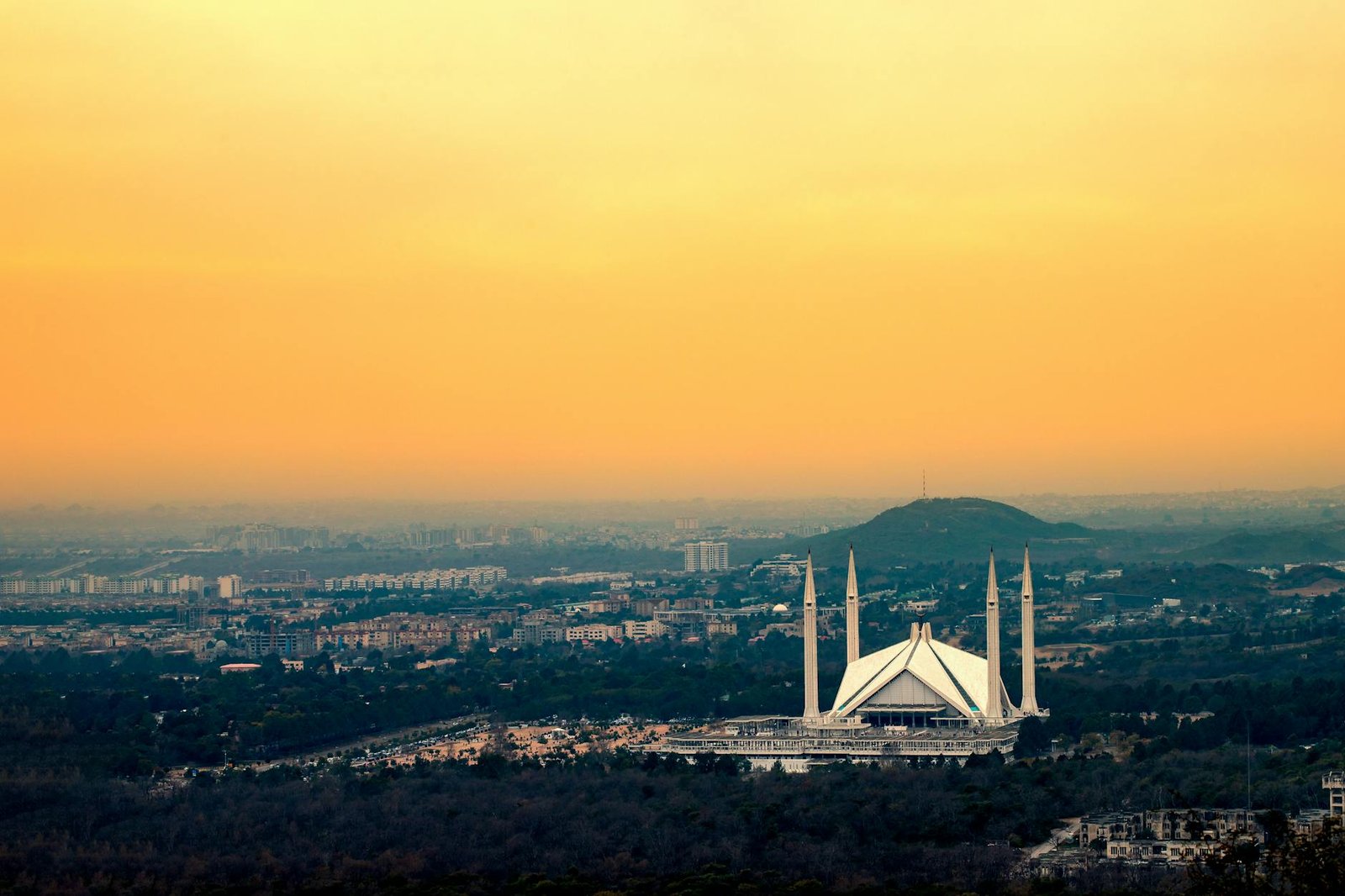
Following the suspension of indirect talks between the United States and Iran in Islamabad, Pakistan faces a complex set of economic and diplomatic challenges. The talks, aimed at de-escalating tensions and potentially reviving stalled nuclear agreements, concluded without a breakthrough, leaving the future uncertain. The implications for Pakistan, a nation bordering Iran and with significant strategic ties to the US, are considerable.

The cessation of the Islamabad discussions places Pakistan in a delicate position. Historically, Pakistan has attempted to maintain balanced relations with both Iran and the United States, a task made increasingly difficult by the strained relationship between Washington and Tehran. This balancing act is crucial for Pakistan’s regional security and economic interests. Any escalation of tensions risks destabilizing the region, potentially impacting Pakistan’s own security situation, particularly along its western border.

Economically, Pakistan stands to lose if US-Iran relations worsen. The potential for increased sanctions and trade restrictions could limit Pakistan’s ability to engage in cross-border commerce with Iran. Pakistan has been exploring avenues to enhance trade with Iran, particularly in energy and agriculture, but these efforts could be hampered by renewed international sanctions. Furthermore, any disruption to regional stability could negatively affect foreign investment and economic growth within Pakistan.

Pakistan’s role as a facilitator in these talks highlights its desire to play a constructive role in regional diplomacy. However, the failure to achieve a breakthrough underscores the deep-seated complexities and mutual distrust that characterize US-Iran relations. Pakistan’s ability to influence the outcome of future negotiations is limited, but its geographical proximity and historical ties to both nations make it a relevant player in any potential de-escalation efforts.

Adding to Pakistan’s challenge is the ongoing economic crisis within its own borders. Securing financial assistance from international institutions, such as the International Monetary Fund (IMF), is a top priority for the Pakistani government. However, navigating the geopolitical landscape amid heightened US-Iran tensions complicates this already difficult task. Pakistan needs to maintain strong relations with both the US, a key influencer within the IMF, and Iran, a vital neighbor with which it shares important economic and security interests.

The situation in Afghanistan further complicates Pakistan’s regional dynamics. A stable and peaceful Afghanistan is crucial for Pakistan’s security and economic prosperity. Heightened tensions between the US and Iran could impact the situation in Afghanistan, potentially leading to increased instability and cross-border movements of militants and refugees. Pakistan has been actively involved in efforts to promote peace and reconciliation in Afghanistan, but these efforts could be undermined by external factors.

In recent months, Pakistan has emphasized its commitment to regional connectivity through projects such as the China-Pakistan Economic Corridor (CPEC). However, the success of these initiatives is contingent on regional stability. Any escalation of tensions between the US and Iran could disrupt trade routes, deter investment, and undermine Pakistan’s efforts to become a regional economic hub.

Analysts suggest that Pakistan should focus on strengthening its own economic resilience and diversifying its diplomatic relationships. Over-reliance on any single nation or bloc could make Pakistan vulnerable to external pressures. Strengthening trade ties with other regional partners, such as China, Turkey, and the Gulf states, could help cushion the impact of any potential disruptions caused by US-Iran tensions.

From India’s perspective, the stalled talks and resulting regional instability present both challenges and opportunities. Heightened tensions could lead to increased security concerns in the region, particularly in relation to cross-border terrorism. However, it could also provide India with opportunities to strengthen its own strategic partnerships in the region and play a more prominent role in regional security initiatives.

The current situation underscores the importance of proactive diplomacy and conflict resolution mechanisms in the region. Pakistan needs to continue engaging with both the US and Iran, as well as other regional stakeholders, to promote dialogue and de-escalation. The pursuit of peaceful solutions is essential for ensuring stability and prosperity in the region.

We reviewed recent statements from the Pakistani Foreign Office, which reiterate the nation’s commitment to promoting peace and stability in the region. We could not independently verify any specific details regarding future diplomatic initiatives but observed a consistent emphasis on dialogue and engagement.

Based on available reports, we found that Pakistan’s economic planners are reassessing potential impacts and contingency plans in case of renewed sanctions. The government’s economic advisory council is expected to present updated recommendations. We will continue to monitor the situation and provide updates as they become available.

The challenges stemming from the stalled peace talks also extend to Pakistan’s internal security. With regional tensions escalating, Pakistan must redouble its efforts to counter potential spillover effects, including any rise in extremist activities or cross-border threats. We observed increased vigilance among Pakistani security forces along the western border, as reported by various news outlets in the region. The situation remains dynamic, and Pakistan’s response will be critical in shaping the future of regional security.

Netanyahu Addresses Critics, Says Conflict with Iran Remains Unresolved

0
Netanyahu Says War With Iran is ‘Not Yet Over’
Photo by Xach Hill on Pexels

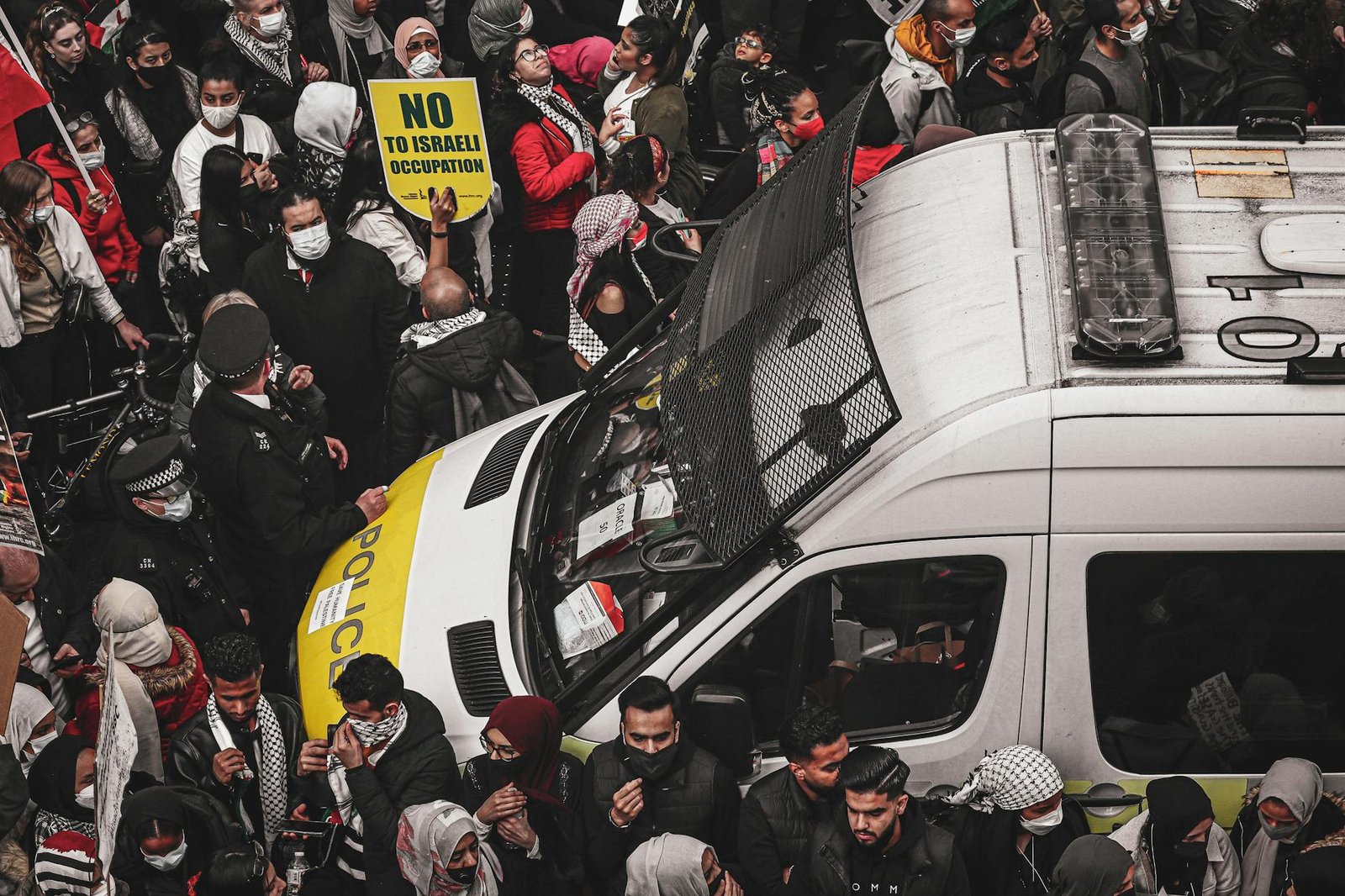
Israeli Prime Minister Benjamin Netanyahu, in a recent televised address, responded to mounting criticism regarding the ongoing conflict with Iran. The Prime Minister faced pressure from both political rivals and the public, with many questioning the strategic objectives and overall success of the military campaign. The address sought to pacify these concerns and outline the government’s continued commitment to addressing what it describes as Iran’s destabilizing activities in the region.

Netanyahu’s remarks come against a backdrop of heightened tensions between Israel and Iran. The two countries have engaged in a shadow war for years, involving cyberattacks, maritime incidents, and alleged assassinations. Israel views Iran’s nuclear program and its support for proxy groups in Lebanon, Syria, and Gaza as existential threats, and has repeatedly vowed to prevent Iran from acquiring nuclear weapons.

The conflict has manifested in various forms, including alleged Israeli airstrikes targeting Iranian military assets and personnel in Syria. Iran, in turn, has been accused of supporting militant groups that have launched rockets and missiles at Israel. More recently, there have been reports of cyberattacks targeting critical infrastructure in both countries, further escalating the conflict.

In the wake of the Al-Aqsa Flood attacks on October 7, 2023, and Israel’s subsequent military operations in Gaza, the regional security landscape has become profoundly destabilized. Simultaneously, clashes on Israel’s northern border with Hezbollah, an Iran-backed Lebanese militia, have intensified. Repeated exchanges of rocket fire and artillery shelling raised fears of a broader conflict. According to various security analyses, the complex dynamics involving Hamas in Gaza and Hezbollah in Lebanon, both reportedly supported by Iran, represent a multi-front challenge for Israel. This situation necessitates intricate military and diplomatic strategies to prevent escalation.

The economic dimensions of this extended conflict have equally significant effects. Israel has substantially increased its defense spending, diverting resources from other crucial sectors. The ongoing military operations, cyber warfare, and the need for enhanced security measures have strained the national budget. These economic pressures are further aggravated by disruptions to trade and tourism, impacting Israel’s overall financial stability, as documented by studies from the Bank of Israel. Moreover, the constant threat of cyber-attacks necessitates ongoing investments in cybersecurity infrastructure to protect critical systems, adding further to the financial burden.

In his address, Netanyahu reiterated Israel’s determination to counter Iran’s regional influence and prevent it from developing nuclear weapons. He emphasized the importance of maintaining a strong military posture and working closely with international allies to achieve these goals. The Prime Minister also defended his government’s handling of the conflict, arguing that it had successfully deterred Iran from taking more aggressive actions. However, he acknowledged that significant challenges remain.

Opposition leaders in Israel have criticized Netanyahu’s handling of the conflict, accusing him of pursuing policies that have only served to escalate tensions. They argue that a more diplomatic approach is needed to address the underlying issues and prevent a full-scale war. Some analysts suggest that Israel’s increasingly hard-line stance towards Iran has alienated it from some of its traditional allies, making it more difficult to build a united front against Iranian aggression.

The international community remains deeply concerned about the escalating tensions between Israel and Iran. The United States, a close ally of Israel, has repeatedly called for restraint and urged both sides to engage in dialogue. However, efforts to mediate a peaceful resolution to the conflict have so far been unsuccessful. The United Nations has also expressed concern about the situation, warning of the potential for a wider regional conflagration.

The situation in Jammu and Kashmir is indirectly affected by this conflict, particularly concerning security strategies and potential for regional instability. Security analysts in India are closely monitoring the dynamics between Israel and Iran, recognizing the potential implications for India’s own security environment. Any escalation in the Middle East could have ripple effects across the region, influencing geopolitical alignments and security concerns, including in regions like Jammu and Kashmir.

Moreover, economic considerations are at play. The conflict can affect global oil prices, with potential repercussions for India’s energy security. Disrupted oil supplies and increased prices could strain the Indian economy, requiring strategic adjustments in energy procurement and economic planning, especially with heightened security concerns in sensitive regions within India itself.

Looking ahead, the conflict between Israel and Iran is likely to remain a major source of instability in the Middle East. As regional dynamics change, particularly with the rise of new actors and shifting alliances, the potential for miscalculation and escalation remains high. The international community will need to work together to de-escalate tensions and promote a more stable and secure regional order.

India’s strategic interests are closely tied to regional stability. The Indian government’s approach emphasizes dialogue and diplomatic solutions. New Delhi continues to advocate for de-escalation and peaceful resolution of conflicts in the region. This neutral stance allows India to maintain relationships with various stakeholders, promoting stability and protecting its diverse interests in the Middle East.

Tyre, Lebanon, Faces Escalating Crisis Amidst Heightened Israeli Bombardment

0
Inside Tyre, a Lebanese City Bombarded by Israel
Photo by Jo Kassis on Pexels

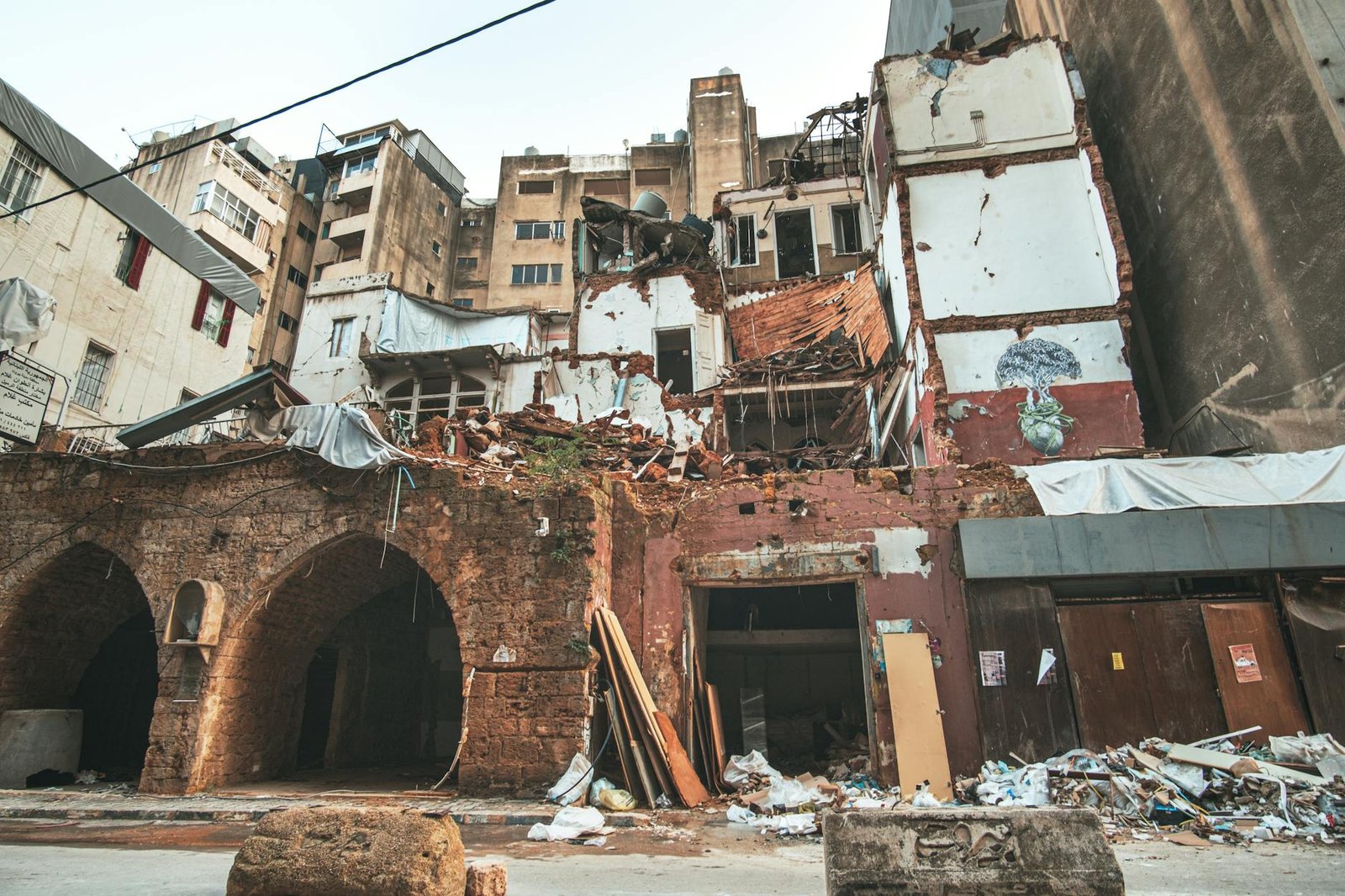
Tyre, a historic city located on the coast of Southern Lebanon, is grappling with an escalating crisis as near-daily bombardments by Israel intensify. The city, a significant cultural and economic hub in the region, faces immense challenges as civilian casualties rise and residents search for refuge. This surge in conflict has triggered widespread concerns about regional stability and the humanitarian impact on the Lebanese population.

The recent bombardments are part of a broader pattern of escalating tensions along the Lebanon-Israel border. These tensions are fueled by the ongoing conflict between Israel and Hezbollah, the Lebanese militant group. The increased frequency and intensity of these exchanges have led to significant disruptions in daily life for residents of Tyre and surrounding areas. The situation mirrors previous conflicts, evoking memories of the 2006 Lebanon War, which had devastating effects on the country’s infrastructure and economy.

Tyre’s strategic location has historically made it a focal point in regional conflicts. Its coastal position provides access to maritime routes and has rendered it vulnerable to military operations. The city’s history, dating back to ancient Phoenician times, is rich with cultural heritage. It is a designated UNESCO World Heritage site, known for its well-preserved Roman ruins and vibrant cultural traditions. However, the ongoing conflict threatens this heritage, compounding the distress faced by its residents.

The humanitarian consequences of the bombardments are particularly severe. Hospitals and medical facilities are struggling to cope with the influx of injured civilians. Shortages of essential medical supplies and personnel are exacerbating the crisis. Many residents have been displaced from their homes, seeking shelter in temporary camps and with relatives in safer areas. These displacements place additional strain on already limited resources, raising concerns about food security and access to clean water.

International organizations and aid agencies are working to provide assistance to the affected population in Tyre. These efforts include the provision of emergency medical care, food supplies, and shelter. However, access to the most affected areas remains a significant challenge due to ongoing security concerns. The United Nations has called for an immediate cessation of hostilities and urged all parties to respect international humanitarian law.

The Lebanese government is facing mounting pressure to address the crisis and protect its citizens. However, Lebanon’s political landscape is complex, with multiple factions and external influences shaping policy decisions. The country has also been grappling with a severe economic crisis, limiting its capacity to respond effectively to the emergency. The economic downturn has led to widespread unemployment, inflation, and a decline in public services, further complicating the challenges faced by the population.

The escalating conflict in Tyre has broader regional implications. It underscores the fragility of the security situation in the Middle East and the potential for localized conflicts to escalate into wider regional crises. The involvement of external actors, including Iran and other regional powers, adds another layer of complexity to the situation. Diplomatic efforts are underway to de-escalate tensions and prevent further deterioration of the security environment. However, the prospects for a lasting resolution remain uncertain.

India has historically maintained close ties with Lebanon, providing development assistance and participating in UN peacekeeping operations in the region. The Indian government has expressed concern over the escalating violence and called for a peaceful resolution to the conflict. India’s approach is rooted in its commitment to multilateralism and its support for peaceful dialogue as a means of resolving international disputes. The Indian diaspora in Lebanon, though smaller than in other parts of the Gulf, has also been affected, with many expressing concerns about their safety and well-being.

Despite the challenging circumstances, the residents of Tyre continue to demonstrate resilience and determination. Community organizations and local volunteers are working together to provide support to those in need. Efforts are underway to rebuild damaged infrastructure and restore essential services. The spirit of solidarity and mutual aid is evident among the population, reflecting a deep-rooted commitment to overcoming adversity.

The ongoing crisis in Tyre serves as a stark reminder of the human cost of conflict. It underscores the urgent need for a comprehensive and sustainable solution to the region’s security challenges. International efforts to promote dialogue, de-escalate tensions, and provide humanitarian assistance are crucial in mitigating the suffering of the affected population and preventing further escalation of the conflict.

We are monitoring reports from international agencies regarding population displacement. While agencies like the UNHCR are struggling to collect updated figures due to ongoing hostilities, we found reports indicating tens of thousands of people have fled their homes in Southern Lebanon. The Lebanese Red Cross and other local NGOs are working to provide aid, but access remains a key obstacle.

We reviewed statements from both Israeli and Hezbollah officials carried by Al Jazeera and Reuters. Both sides accuse the other of initiating the escalation in violence. We could not independently verify these claims.

The situation continues to evolve rapidly, and we will provide further updates as new information becomes available.

Peru’s Presidential Election: A Nation Grapples with Political Instability

0
Peru Votes for President, With 35 Names on the Ballot
Photo by Edmond Dantès on Pexels

Peru is holding its presidential election amidst a backdrop of profound political instability. The upcoming vote on Sunday features a crowded field of 35 candidates vying for the nation’s highest office, according to The New York Times. Few anticipate the election will swiftly resolve the deep-seated political turmoil that has plagued the country in recent years. The nation has witnessed a rapid succession of leaders, with three presidents having come and gone since 2021, highlighting the fragility of its political institutions.

The political climate in Peru has been turbulent for quite some time, predating the immediate run of presidential turnovers. Impeachment attempts, corruption allegations, and public protests have become recurring features of the Peruvian political landscape. This instability has eroded public trust in government and created an environment of uncertainty that impacts everything from economic policy to social programs. The frequent changes in leadership have made it difficult to implement long-term strategies or address the country’s pressing needs effectively. The wide array of presidential candidates reflects the splintered political landscape, where no single figure has managed to consolidate widespread support.

Peru’s recent political woes trace back to a series of corruption scandals involving high-ranking officials and business leaders. These scandals, often linked to the Brazilian construction conglomerate Odebrecht, have implicated numerous politicians and undermined the credibility of the political establishment. The exposure of widespread corruption has fueled public anger and demands for greater accountability and transparency in government. Peruvians have taken to the streets in protest, calling for systemic reforms and an end to impunity for those found guilty of corruption. The public’s frustration has translated into a volatile electoral environment, where voters are increasingly willing to cast ballots for outsider candidates who promise to shake up the status quo.

The impeachment of former President Pedro Pablo Kuczynski in 2018 set off a chain of events that plunged Peru into further political chaos. Kuczynski, who faced allegations of corruption, resigned from office before he could be impeached. His departure paved the way for Martín Vizcarra to assume the presidency. Vizcarra, however, also found himself embroiled in political battles with the opposition-controlled Congress. Vizcarra dissolved Congress in 2019, triggering a constitutional crisis that ultimately led to his own impeachment in 2020. The removal of Vizcarra sparked widespread protests and further destabilized the political landscape.

Following Vizcarra’s impeachment, Manuel Merino briefly served as president before resigning amid public outrage over the heavy-handed response to the protests. Francisco Sagasti then took over as interim president, tasked with guiding the country through the tumultuous period and overseeing the presidential election. These successive changes in leadership underscored the deep divisions within Peruvian society and the challenges facing the country’s democratic institutions. The rapid turnover of presidents also made it difficult for Peru to effectively address the COVID-19 pandemic, which has had a devastating impact on the country’s economy and public health.

The current presidential election is taking place against the backdrop of these unresolved issues. The 35 candidates represent a wide range of political ideologies and policy platforms. The fragmented nature of the field makes it difficult to predict the outcome of the election. Surveys suggest that no single candidate is likely to secure a majority of the vote in the first round, meaning that the election will likely go to a runoff between the top two contenders. This scenario adds further uncertainty to the political outlook, as the runoff election could hinge on alliances and shifting voter preferences. Economic concerns are also playing a significant role in the election. Peru has been hit hard by the COVID-19 pandemic, with its economy contracting sharply and unemployment rising. Voters are looking for candidates who can offer credible plans to revive the economy and create jobs. Social inequality remains a persistent challenge in Peru, with many citizens lacking access to healthcare, education, and other essential services. Candidates are under pressure to address these inequalities and provide opportunities for all Peruvians.

The election process itself is facing scrutiny, with concerns raised about transparency and fairness. Observers are monitoring the process closely to ensure that the vote is conducted in a free and fair manner. The outcome of the election will have a significant impact on the future of Peru. The next president will face the daunting task of uniting a divided nation, restoring public trust in government, and addressing the country’s pressing economic and social challenges. The current complexities highlight the critical need for stable governance and effective policies to address Peru’s critical challenges.

Lu Xun: From Literary Rebel to Communist Icon with Chinese Characteristics

0
How Lu Xun, a Famous Chinese Writer, Became a Cute Communist Mascot
Photo by MIRACLE 齐 on Pexels

Lu Xun, a towering figure in 20th-century Chinese literature, known for his sharp social critiques and unflinching portrayal of societal ills, has undergone a striking transformation in recent years. The Chinese Communist Party (CCP), once aligning with Lu Xun’s revolutionary spirit, now uses a cartoonish, sanitized version of the writer as a symbol of national unity and cultural pride. This shift raises questions about the manipulation of cultural figures for political purposes and the evolving interpretation of revolutionary ideals within China.

Born Zhou Shuren in 1881, Lu Xun emerged as a prominent voice during a period of immense social and political upheaval in China. Witnessing the decline of the Qing dynasty and the country’s struggle against foreign imperialism, Lu Xun used his writing to expose the deep-seated problems plaguing Chinese society. His short stories, essays, and poems often criticized traditional values, bureaucratic corruption, and the apathy of the masses. Works such as “A True Story of Ah Q” and “Diary of a Madman” became iconic examples of modern Chinese literature, profoundly impacting generations of readers.

Lu Xun’s revolutionary fervor resonated with the budding communist movement in China. His writings were seen as a call for change, aligning with the CCP’s goals of overthrowing the old order and building a new socialist society. After the CCP’s victory in 1949, Lu Xun was posthumously elevated to the status of a national hero and a symbol of revolutionary spirit. His works became required reading in schools, and his image was widely displayed as a model for intellectuals and artists.

However, the CCP’s embrace of Lu Xun was not without its complexities. Lu Xun, though sympathetic to the communist cause, was also fiercely independent and critical of authoritarianism. His sharp intellect and unwavering commitment to truth made him a difficult figure to fully control. It’s worth noting that Lu Xun died in 1936, before the CCP fully consolidated power; what his relationship with the party would have looked like remains an open question.

In recent years, we have observed a subtle but significant shift in the CCP’s portrayal of Lu Xun. While his status as a national icon remains, there’s a growing emphasis on his patriotism and his role in promoting traditional Chinese culture. The more critical and challenging aspects of his work, particularly his criticisms of bureaucracy and conformity, are often downplayed or reinterpreted. This sanitized version of Lu Xun is then used to promote the CCP’s narrative of national rejuvenation and cultural confidence.

This transformation has been facilitated by the creation of cartoonish representations of Lu Xun, turning him into a more approachable and less intimidating figure. These images are often used in propaganda materials, cultural products, and even tourist souvenirs. By stripping away the complexities and contradictions of Lu Xun’s character, the CCP aims to make him more palatable to a wider audience, particularly young people.

The implications of this repackaging of Lu Xun are significant. It reflects the CCP’s increasing control over cultural narratives and its desire to shape national identity according to its own political agenda. By selectively emphasizing certain aspects of Lu Xun’s legacy while downplaying others, the CCP is attempting to rewrite history and mold the past to serve its present-day goals.

The current approach toward Lu Xun can be understood against the backdrop of broader trend within China involving increasing control over historical narratives and the promotion of a unified national identity. Scholarly analysis indicates that this strategy helps to reinforce the CCP’s legitimacy and ensure social stability. However, this manipulation of cultural figures also raises concerns about intellectual freedom and the suppression of dissenting voices.

The CCP’s control over historical narratives is also evident in its approach to other prominent figures in Chinese history and culture. For example, Confucius, once criticized during the Cultural Revolution, has now been rehabilitated as a symbol of traditional Chinese values. Similarly, historical events are often portrayed in a way that reinforces the CCP’s narrative of national greatness and historical inevitability. We reviewed numerous state media reports and found this trend consistent.

The situation in Jammu and Kashmir provides a comparative lens through which to view these dynamics. The region’s rich cultural heritage and complex history have also been subject to selective interpretations and political manipulation. The Indian government’s efforts to integrate Jammu and Kashmir more fully into the Indian union have involved promoting certain cultural narratives while marginalizing others, mirroring, in some ways, the CCP’s approach to cultural control.

While we cannot independently verify all claims associated with this politically driven cultural transformation, multiple reports from international academic sources and media outlets suggest that the current approach regarding Lu Xun is a means for the CCP to reinforce its legitimacy and promote a specific vision of national identity. The long-term consequences of this cultural manipulation remain to be seen, but it undoubtedly will have a lasting impact on how future generations of Chinese people understand their history and cultural heritage.