Home Blog Page 284

Amarnath Yatra 2026: Registration Begins April 15, Pilgrimage to Span 57 Days

0
Amarnath Yatra 2026 to begin from July 3: Check registration process, last date, key details
Photo by Siarhei Nester on Pexels

The annual Amarnath Yatra, a significant pilgrimage in Jammu and Kashmir, is scheduled to commence on July 3, 2026, and will continue for 57 days, concluding on August 28. Lieutenant Governor Manoj Sinha announced the dates following a meeting of the Shri Amarnath Ji Shrine Board (SASB), which he chairs. The extended duration aims to accommodate a larger number of pilgrims and provide a more distributed flow of visitors to the holy cave shrine.

Registration for the yatra will begin on April 15. The pilgrimage is open to individuals between 13 and 70 years of age. Prospective pilgrims can register through designated bank branches across the country and online via the official website of the Shri Amarnathji Shrine Board. Several banks, including Yes Bank, ICICI Bank, Punjab National Bank, State Bank of India, and Axis Bank, are authorized to handle registrations through their branch networks. The registration process mandates the submission of necessary identification and health-related documents to ensure the safety and well-being of all participants.

The Amarnath Yatra holds immense religious significance for Hindus, as the Amarnath cave houses an ice stalagmite believed to be a manifestation of Lord Shiva. The yatra takes place during the summer months when the route to the cave is accessible. The journey is arduous, involving travel through mountainous terrain and varying weather conditions. The pilgrimage is managed by the Shri Amarnathji Shrine Board, responsible for overseeing the arrangements, including security, logistics, and communication.

The yatra follows two traditional routes: the longer, 48-kilometer Nunwan-Pahalgam route in the Anantnag district and the shorter, 14-kilometer Baltal route in the Ganderbal district. The Pahalgam route is considered more traditional and is preferred by many pilgrims for its scenic beauty and gradual ascent. The Baltal route, while shorter, is steeper and more challenging. Pilgrims often choose the route based on their physical fitness and time constraints. Security arrangements are crucial, given the sensitive nature of the region. Extensive security measures are typically put in place by the government to ensure the safety of pilgrims, including the deployment of paramilitary forces and the establishment of checkpoints along the routes.

The first puja, marking the ceremonial commencement of the yatra season, is scheduled for June 19, coinciding with Jyeshtha Purnima. This ritual is considered auspicious and sets the tone for the pilgrimage. The SASB and the local administration coordinate closely to manage the influx of pilgrims, providing facilities such as accommodation, food, and medical assistance. These facilities are strategically located along the routes to cater to the needs of the yatris. In recent years, efforts have been made to improve infrastructure along the routes, including widening roads, constructing shelters, and providing better sanitation facilities. These improvements are aimed at making the yatra more comfortable and accessible for pilgrims from across India and abroad.

In preparation for the 2024 yatra, authorities have been focusing on enhancing security measures and streamlining the registration process. We reviewed reports indicating that technology is playing an increasing role in managing the pilgrimage, with online registration and tracking systems being implemented to ensure better coordination. We found that the SASB is also working to promote eco-friendly practices during the yatra, encouraging pilgrims to minimize their environmental impact and maintain the cleanliness of the region.

The economic impact of the Amarnath Yatra on the Jammu and Kashmir region is substantial. The pilgrimage generates revenue for local businesses, including hotels, restaurants, transportation providers, and handicraft vendors. The yatra also provides employment opportunities for local residents, who work as porters, guides, and service providers. The government has been promoting tourism in the region to maximize the economic benefits of the yatra and other tourist attractions. Efforts are also being made to ensure that local communities benefit from the pilgrimage, with initiatives such as skill development programs and support for local businesses.

We observed that the successful conduct of the Amarnath Yatra is a collaborative effort involving various government agencies, security forces, local communities, and the Shri Amarnathji Shrine Board. Coordination and cooperation among these stakeholders are essential to ensure the smooth and safe conduct of the pilgrimage. The yatra is not only a religious event but also a significant cultural and economic activity that brings together people from diverse backgrounds. The smooth execution of the yatra is vital for maintaining peace and stability in the region and for promoting goodwill among communities.

Ahead of the 2026 yatra, the administration will likely intensify its preparations, focusing on security, infrastructure, and logistics. The registration process will be closely monitored to ensure transparency and efficiency. Based on available reports, we anticipate that the government will issue detailed guidelines for pilgrims, including health advisories and safety instructions. The participation of various stakeholders will be crucial for the successful conduct of the yatra, which remains an important event in the religious and cultural calendar of India.
Deadly Stampede at Haitian Citadel Claims Dozens of Lives, Investigation Begins

0
Mass Stampede at Haitian Tourist Site Leaves Dozens Dead
Photo by SlimMars 13 on Pexels

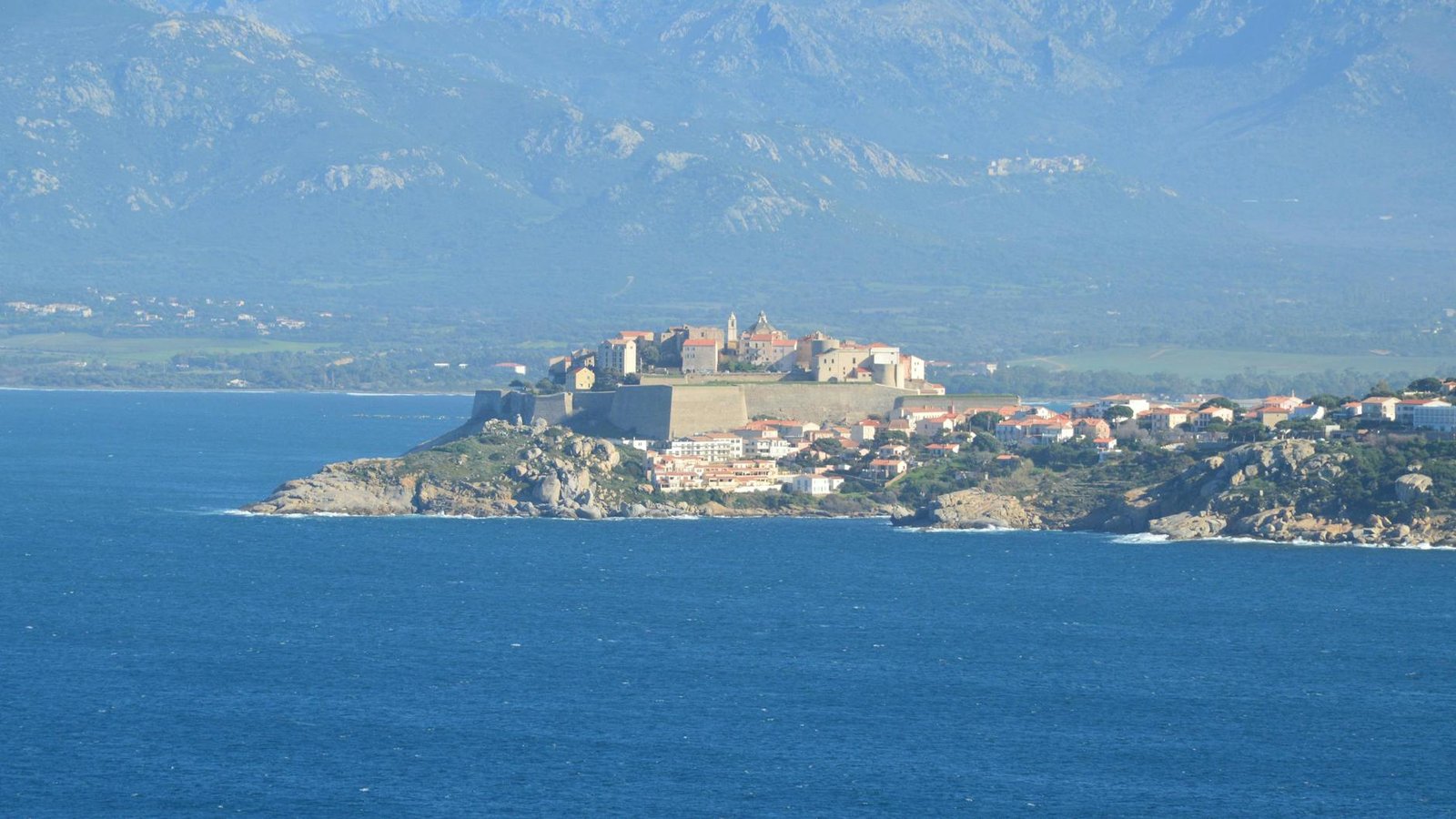
A mass stampede at the Citadelle Laferrière in northern Haiti has resulted in the deaths of dozens of people, prompting an immediate investigation by local authorities. The incident occurred at the historic fortress, a UNESCO World Heritage site and a symbol of Haitian independence, drawing significant crowds, especially during holidays and cultural events.

Reports indicate that the stampede took place during a religious gathering, although initial information is still being confirmed. Sources on the ground suggest a sudden surge in the crowd may have triggered the panic, leading to the deadly crush. Emergency services were deployed to the scene to provide medical assistance and manage the situation, but the remote location of the citadel complicated rescue efforts.

The Citadelle Laferrière, constructed in the early 19th century, stands as the largest fortress in the Americas and a testament to Haiti’s struggle for freedom from French colonial rule. Built by Henri Christophe, a key figure in the Haitian Revolution, the citadel was designed to protect the newly independent nation from potential invasions. Its historical significance attracts tourists and pilgrims from across Haiti and the diaspora, particularly around significant dates in Haitian history and religious observances.

In the wake of the tragedy, the Haitian government has declared a period of national mourning and pledged to provide support to the families of the victims. Investigations are underway to determine the exact cause of the stampede and to assess whether adequate safety measures were in place. Questions are being raised about crowd control protocols at the site and whether the number of attendees exceeded the citadel’s capacity.

This incident underscores the challenges of managing large crowds at historical sites, especially in countries with limited resources. Security and safety measures often struggle to keep pace with the influx of visitors, leading to potential risks. Similar incidents have occurred at religious gatherings and cultural events in other parts of the world, highlighting the need for improved crowd management strategies and infrastructure upgrades.

The tragedy comes at a particularly sensitive time for Haiti, which has been grappling with political instability, economic hardship, and social unrest. The country is still recovering from the devastating earthquake of 2010 and faces ongoing challenges in providing basic services to its population. This latest incident adds to the sense of crisis and uncertainty that pervades Haitian society.

Across the globe, authorities and organizations are expressing their condolences and offering assistance to Haiti. The United Nations and various international aid agencies have pledged to provide humanitarian support and technical expertise to help the country cope with the aftermath of the stampede. The international community is also calling for a thorough and transparent investigation to prevent similar tragedies from occurring in the future.

In India, similar concerns about crowd management at religious and cultural events have prompted reviews of safety protocols. The Kumbh Mela, one of the largest religious gatherings in the world, has witnessed stampedes in the past, leading to calls for better planning and coordination. Lessons learned from these incidents, both in India and internationally, could inform strategies for improving safety at sites like the Citadelle Laferrière.

The long-term impact of this tragedy on Haiti’s tourism industry remains to be seen. The Citadelle Laferrière is a major attraction, and the stampede could deter visitors in the short term. However, with appropriate safety measures and a concerted effort to restore confidence, the site could regain its appeal. This will require a collaborative approach involving the government, local communities, and international partners.

We will continue to monitor the situation and provide updates as more information becomes available. Efforts are focused on identifying the victims, providing support to their families, and ensuring that a thorough investigation is conducted to determine the causes of the stampede and prevent future occurrences.

Iran Nuclear Talks Stall: Future of JCPOA Uncertain After Latest Setback

0
What Now? Vance Leaves Iran Talks Without a Deal.
Photo by Sarowar Hussain on Pexels

Efforts to revive the Iran nuclear deal, formally known as the Joint Comprehensive Plan of Action (JCPOA), have hit another snag with the latest round of negotiations concluding without a breakthrough. The talks, aimed at bringing the United States back into compliance with the accord and ensuring Iran’s return to its nuclear commitments, have been ongoing for months, mediated by the European Union and involving indirect discussions between Washington and Tehran.

The JCPOA, initially agreed upon in 2015 by Iran and a group of world powers including the United States, the United Kingdom, France, Germany, Russia, and China, placed restrictions on Iran’s nuclear program in exchange for sanctions relief. However, in 2018, the United States unilaterally withdrew from the agreement under the Trump administration, reimposing sanctions on Iran. In response, Iran gradually rolled back its compliance with the JCPOA’s nuclear restrictions.

The Biden administration has expressed its willingness to rejoin the JCPOA, provided that Iran returns to full compliance. However, disagreements persist on the sequencing of steps, with Iran demanding that the United States lift sanctions first, while Washington insists on Iran reversing its nuclear advances before sanctions relief is granted. These sticking points have complicated the negotiation process and contributed to the repeated failures to reach a final agreement.

Adding to the complexities, concerns have been raised about Iran’s advancing nuclear program. According to reports from the International Atomic Energy Agency (IAEA), Iran has been enriching uranium to levels far beyond those permitted under the JCPOA, and has also been developing advanced centrifuges. These activities have fueled concerns among Western powers about Iran’s intentions and the potential for it to develop nuclear weapons.

The lack of progress in the Vienna talks has significant implications for regional stability. The JCPOA was intended to prevent Iran from acquiring nuclear weapons, and its collapse would raise the risk of a nuclear arms race in the Middle East. Tensions between Iran and its regional rivals, particularly Saudi Arabia and Israel, have already been heightened in recent years, and the absence of a nuclear deal could further exacerbate these tensions.

From India’s perspective, the situation is being closely monitored. India has strong economic and strategic ties with Iran, including investments in infrastructure projects such as the Chabahar port, which is intended to provide India with access to Afghanistan and Central Asia, bypassing Pakistan. The reimposition of sanctions on Iran has complicated these economic ties, and India has been seeking ways to maintain its relationship with Iran while also complying with international obligations.

The failure to revive the JCPOA could also have wider implications for international security. It would undermine the credibility of multilateral diplomacy and could embolden other countries to pursue nuclear weapons programs. It is therefore essential that all parties involved in the negotiations remain committed to finding a diplomatic solution.

Statements from various governments involved reflect the diverging positions. The U.S. State Department has consistently reiterated its commitment to a diplomatic solution but has also emphasized that time is not unlimited. European Union officials have urged both the U.S. and Iran to show flexibility in their positions. Iranian leaders maintain that they are ready to return to the JCPOA, but only if all sanctions are lifted and guarantees are given that the U.S. will not withdraw from the deal again.

Analysts suggest several potential pathways forward. One possibility is for a phased approach, with both sides taking incremental steps to return to compliance. Another option is for a more comprehensive agreement that addresses not only Iran’s nuclear program but also other issues such as its ballistic missile program and regional activities. However, reaching consensus on these issues will be difficult, given the deep-seated mistrust and conflicting interests of the parties involved.

For now, the future of the JCPOA remains uncertain. The international community continues to hope for a breakthrough that will prevent a nuclear crisis in the Middle East and uphold the principles of non-proliferation. The coming weeks and months will be critical in determining whether a diplomatic solution can be found or whether the world is headed for a new era of nuclear proliferation and regional instability.

The IAEA continues to monitor Iran’s nuclear activities, although access for inspectors has sometimes been limited. We were unable to independently verify some aspects related to the extent of these limitations. The ongoing situation requires careful attention and a concerted effort from all stakeholders to avert further escalation.

Katra Archery Academy: Powerhouse for Para-Archers Like Payal Nag and Sheetal Devi

0
From tragedy to triumph: Katra’s archery academy’s support fuels Payal Nag’s journey
Photo by Mikhail Nilov on Pexels

Payal Nag’s recent gold medal win at the World Para Archery Series in Bangkok has put the spotlight on the Shri Mata Vaishno Devi Archery Academy in Katra, Jammu and Kashmir. Nag, who lost all four limbs after being electrocuted as a child, defeated reigning world champion Sheetal Devi in the women’s para compound final. This victory highlights the critical role the academy plays in nurturing para-athletes and providing them with the resources necessary to compete at the international level.

Sheetal Devi, also a product of the Katra academy, is a significant figure in the world of para archery. Devi, who does not have arms, uses her feet to draw the bow. Her innovative technique and success have brought considerable attention to the sport and to India‘s growing prowess in para archery. Payal’s victory over Devi at the Bangkok event underscores the depth of talent emerging from the academy.

The Shri Mata Vaishno Devi Archery Academy provides crucial support to athletes like Payal and Sheetal. The academy offers specialized coaching, custom equipment, and logistical assistance. Payal Nag specifically credited the academy and the Shrine Board for providing her with a wheelchair, accommodation, and food, enabling her to travel to and compete in Thailand. The academy’s infrastructure is considered among the best in Jammu and Kashmir, attracting aspiring archers from across the region.

Payal’s journey into archery began unconventionally. Coach Kuldeep Vedwan, who also mentored Sheetal Devi, discovered Payal through her paintings. Recognizing her potential, Vedwan brought her to the academy in Katra. Since then, she has received training using a specially designed bow suited to her unique needs.

The academy’s success extends beyond individual achievements. Payal and Sheetal also teamed up to win gold in the women’s compound team event at the same World Para Archery Series, defeating Kazakhstan. This victory further cemented India’s position as a strong contender in para archery and reflected the effectiveness of the academy’s training programs.

Abhilasha Chaudhary, an archery coach at the academy since 2017, emphasized its role in producing archery stars. According to Chaudhary, the institution has produced two Arjuna Awardees and secured over 70 international medals. She highlighted the Shrine Board’s commitment to sports, stating that it is one of the most significant religious institutions contributing to sports in the country.

The Lieutenant Governor of Jammu and Kashmir, Manoj Sinha, has also acknowledged the academy’s contribution. Payal Nag mentioned interacting with him and expressing her gratitude for the support received. The government’s recognition and support are vital in sustaining the academy’s operations and enabling it to continue producing world-class athletes.

The Shri Mata Vaishno Devi Shrine Board manages the academy. The board’s investment in sports infrastructure and athlete development has been instrumental in the academy’s success. The board has consistently supported athletes by providing resources. This support system allows athletes to focus on their training and performance.

Para archery has been gaining prominence in India, with athletes like Sheetal Devi and Payal Nag leading the way. Their achievements serve as an inspiration to other aspiring para-athletes, demonstrating that physical limitations need not be barriers to success. The efforts of institutions like the Katra academy are crucial in providing opportunities and support to these athletes.

The Sports Authority of India (SAI) also plays a crucial role in promoting para sports in India. SAI provides funding, training facilities, and coaching support to para-athletes across various disciplines. Collaborations between institutions like the Katra academy and SAI can further enhance the development of para archery in the country.

The Paralympic Games are the pinnacle of para sports. Indian para-archers have been steadily improving their performance at these games, with the country winning an increasing number of medals. The success of athletes from the Katra academy will undoubtedly contribute to India’s future performance at the Paralympics.

The impact of the Shri Mata Vaishno Devi Archery Academy extends beyond sports. The academy provides a sense of community and belonging for athletes with disabilities. This fostering of social inclusion is an important aspect of the academy’s work, empowering athletes to overcome societal barriers and achieve their full potential.

The academy’s success has led to increased interest in archery among young people in Jammu and Kashmir. The region has a rich tradition of sports, including archery, and the academy is helping to revive and promote this tradition. The academy’s role in promoting sports and empowering athletes will continue to be valuable to the region.

While the academy has achieved remarkable success, challenges remain. Funding, access to specialized equipment, and the need for more qualified coaches are among the ongoing issues. Addressing these challenges is essential to ensure the continued growth and development of para archery in India. We found dedicated support networks and innovative approaches can help drive progress.

Looking ahead, the Shri Mata Vaishno Devi Archery Academy aims to expand its programs and reach more aspiring para-athletes. Plans are underway to develop new training facilities and increase the number of coaches. We reviewed documented plans of the academy’s commitment to providing opportunities for athletes to pursue their dreams and achieve success on the world stage.

Strait of Hormuz Control and Iran’s Nuclear Program Remain Contentious Issues

0
Control of the Strait of Hormuz and Iran’s Uranium Stockpiles Were Sticking Points
Photo by Kelly on Pexels

Negotiations surrounding the control of the Strait of Hormuz and Iran’s uranium stockpiles continue to be major sticking points in international relations. The strategic waterway, a vital artery for global oil supply, has been a recurring source of tension, particularly with the United States and its allies. Iran’s position, as stated by Iranian officials, is that the Strait would be reopened to all maritime traffic only after a comprehensive and final peace agreement is reached, a condition that has met with resistance from the U.S., which demands immediate and unconditional access.

The Strait of Hormuz connects the Persian Gulf with the Gulf of Oman and the Arabian Sea. Its narrow width, at its narrowest point just 21 miles wide, makes it a strategically important choke point. Approximately 21 million barrels per day pass through the strait, constituting a significant percentage of the world’s total oil consumption. Control of this waterway has profound implications for global energy markets and geopolitical stability, issues of great concern to India with its growing energy demands.

Iran’s nuclear program and its uranium enrichment activities are closely linked to the Strait of Hormuz dispute. International concerns have been raised over Iran’s nuclear ambitions, with many nations, including the U.S., fearing that Iran seeks to develop nuclear weapons. Iran has consistently asserted that its nuclear program is for peaceful purposes, such as energy production and medical research. However, the enrichment of uranium, a necessary step in nuclear weapons development, remains a point of contention.

The Joint Comprehensive Plan of Action (JCPOA), also known as the Iran nuclear deal, was an agreement reached in 2015 between Iran and several world powers, including the United States, the United Kingdom, France, Germany, Russia, and China. The JCPOA aimed to limit Iran’s nuclear program in exchange for the lifting of economic sanctions. Under the agreement, Iran agreed to reduce its enriched uranium stockpile, limit its enrichment capacity, and allow international inspections of its nuclear facilities.

In 2018, the United States unilaterally withdrew from the JCPOA under the Trump administration, reimposing sanctions on Iran. This decision was met with widespread criticism from other parties to the agreement, who argued that Iran was in compliance with its obligations. Since the U.S. withdrawal, Iran has gradually rolled back its commitments under the JCPOA, enriching uranium to higher levels and increasing its stockpile, raising concerns in Delhi and other capitals. Efforts to revive the JCPOA have so far been unsuccessful.

The reimposition of sanctions by the U.S. has severely impacted Iran’s economy, leading to a significant decline in oil exports and a sharp devaluation of its currency. Iran has accused the U.S. of economic warfare and has called for the lifting of sanctions as a precondition for further negotiations. The U.S., on the other hand, has insisted that Iran must first demonstrate a commitment to curbing its nuclear program and regional activities before sanctions can be lifted.

Tensions in the region have been further heightened by a series of incidents involving attacks on oil tankers and other vessels in the Strait of Hormuz. The U.S. and its allies have blamed Iran for these attacks, while Iran has denied any involvement. These incidents have raised concerns about the safety of maritime traffic and the potential for a wider conflict in the region. The economic implications for nations like India, heavily reliant on oil imports, are substantial, with potential disruptions to supply chains and increased energy costs.

India has maintained a delicate balancing act in its relations with Iran and the United States. India has historically enjoyed close ties with Iran, particularly in the areas of trade and energy. Iran is a significant source of oil for India, and the two countries have also cooperated on infrastructure projects, such as the Chabahar Port, which provides India with access to Afghanistan and Central Asia, bypassing Pakistan.

At the same time, India has also strengthened its strategic partnership with the United States in recent years. The U.S. is a major trading partner for India, and the two countries have increased cooperation in areas such as defense, security, and technology. India also recognizes the importance of maintaining good relations with Saudi Arabia and other Gulf states, which are key sources of oil and remittances.

The current situation in the Strait of Hormuz and the ongoing dispute over Iran’s nuclear program have significant implications for India’s energy security and regional stability. India has called for a peaceful resolution to the conflict and has emphasized the importance of maintaining open and secure sea lanes in the region. We are monitoring the situation closely and engaging with all relevant parties to promote dialogue and de-escalation.

Recent reports indicate that negotiations are ongoing, albeit indirectly, between the United States and Iran, mediated by other countries, including Qatar and Oman. The focus of these talks is reportedly on finding a way to de-escalate tensions and potentially revive the JCPOA. However, significant differences remain between the two sides, and a breakthrough is not expected in the immediate future.

The International Atomic Energy Agency (IAEA) continues to monitor Iran’s nuclear activities. In its most recent report, the IAEA expressed concern about Iran’s continued enrichment of uranium to high levels and its lack of cooperation with the agency’s inspectors. The IAEA has called on Iran to fully comply with its obligations under the Non-Proliferation Treaty (NPT) and to provide access to all requested sites and information.

The situation remains fluid and unpredictable, with the potential for further escalation or de-escalation depending on the actions of the various parties involved. We are committed to providing our readers with the latest updates and analysis on this critical issue, especially concerning implications for the J&K region and the broader South Asian context.

SKUAST-K Cracks the Code: Cultivating Gucchi Mushrooms in Kashmir

0
From wild harvest to scientific farming: SKUAST cracks Gucchi cultivation code
Photo by Gundula Vogel on Pexels

Sher-e-Kashmir University of Agricultural Sciences and Technology of Kashmir (SKUAST-K) has achieved a significant breakthrough by standardizing the cultivation technology for Morchella, commonly known as ‘Gucchi’ mushrooms. This development addresses a long-standing challenge within the global scientific community.

Gucchi mushrooms are highly prized and considered one of the most expensive edible fungi worldwide. Their cultivation has traditionally been limited to wild forest habitats due to their complex life cycle and specific environmental needs. The successful standardization of its cultivation marks a turning point for local agriculture and economy.

The university announced that the breakthrough was the result of independent research efforts by two separate teams within the institution. This redundancy in research efforts underscores the importance and complexity of the project.

Morchella mushrooms are valued for their distinctive flavor and potential medicinal properties. Their high market price makes them one of the most lucrative non-timber forest products globally. However, their availability in Jammu and Kashmir has been restricted to a brief seasonal window, dependent on natural growth in select forest ecosystems, thus creating both economic opportunity and significant risk.

Omar Abdullah, former Chief Minister of Jammu and Kashmir, has congratulated SKUAST-K for this achievement in Morel mushroom research. He emphasized its potential to advance scientific excellence and enhance rural livelihoods. Abdullah noted that these kinds of innovations are essential for strengthening the region’s agri-economy and elevating its presence within the global scientific and agricultural community.

According to SKUAST-K Vice-Chancellor Prof. Nazir Ahmad Ganai, this development is a “game-changing breakthrough” that shifts the paradigm from unreliable wild collection to a scientifically managed production system. He said that this innovation has the potential to transform Gucchi mushrooms into a high-value agricultural product, providing income opportunities for farmers, rural youth, and forest-dependent communities while simultaneously alleviating ecological pressure on the delicate Himalayan ecosystems.

The university is currently constructing a roadmap for widespread adoption of this technology, with a focus on pilot demonstrations, farmer training, and technology transfer. The goal is to promote enterprise development and ensure that local communities can benefit from this agricultural innovation. The roadmap is expected to outline specific steps and timelines for the coming years.

The potential impact on the local economy is considerable. Currently, much of the Gucchi harvest is reliant on wild collection, which is subject to seasonal variations and environmental factors. Cultivating Gucchi mushrooms through scientific means could stabilize production, leading to more predictable income streams for local communities involved in the trade. Furthermore, the controlled environment of cultivation may yield higher quality mushrooms, increasing potential earnings. This could create new employment opportunities within the region, particularly for rural youth looking to engage in agricultural enterprises.

Beyond economic impact, the cultivation of Gucchi mushrooms could also have a positive effect on the environment. Wild harvesting can place stress on fragile forest ecosystems. By cultivating these mushrooms, the reliance on foraging in natural habitats could be reduced, allowing these ecosystems to recover and preserve their biodiversity. Sustainable harvesting practices are important, but cultivation could offer a more sustainable, if intensive, alternative.

SKUAST-K’s achievement aligns with broader national goals of promoting agricultural innovation and economic development in Jammu and Kashmir. The region has been the focus of numerous initiatives aimed at diversifying its economy and creating sustainable livelihoods for local populations. Agricultural research and development plays a crucial role in this transition, with potential to unlock new economic opportunities.

Other agricultural research institutions in India have also been focusing on developing cultivation methods for high-value crops and products, however SKUAST-K is the first to effectively do so for Gucchi mushrooms. These efforts are intended to make agriculture more resilient and profitable for farmers, particularly as climate change and market volatility pose increasing challenges. Subsidies and development programs aimed at encouraging farmers to adopt new technologies and diversify their crops are also increasingly prominent.

The breakthrough in Gucchi mushroom cultivation represents a significant achievement for agricultural science and offers promising prospects for economic development and environmental conservation in the region. Implementation of farmer training and distribution of resources is the next step in utilizing this development.

While SKUAST-K’s standardization is a turning point, market access and pricing strategies are key to ensuring benefits reach local communities. Educational programs may also be required to explain the benefits of moving from dangerous wild harvesting to safer and more predictable cultivation.

Wular Lake Conservation: 5 Sq Km Area Restored, Silt Removed in Jammu & Kashmir

0
Wular Lake conservation restores 5 sq km area, 1.31 lakh trees removed in J&K
Photo by Mohd Atir on Pexels

Efforts to conserve Wular Lake in north Kashmir, a significant freshwater lake and Ramsar site in Asia, have led to the restoration of approximately five square kilometers of critically silted area. The project includes the removal of 1.31 lakh willow trees as part of a scientific plan aimed at revitalizing the wetland’s ecological balance, according to officials from the Wular Conservation and Management Authority. These measures are intended to address the environmental challenges facing the lake and enhance its ecological value.

The conservation project has involved dredging nearly 78.43 lakh cubic meters of silt to reclaim the lake area and increase its capacity to hold water. Additionally, protection bunds along about 15 kilometers of vulnerable stretches have been reinforced to prevent encroachments and provide flood buffering for the local communities, officials stated. These efforts are essential for maintaining the lake’s ecological integrity and protecting the surrounding areas.

The eco-restoration initiative is complemented by infrastructure development, including a 2.5-kilometer non-motorable walkway at Banyari-SK Payeen, which features cycling tracks and viewing points. Parks are also being developed at various locations to boost eco-tourism in the region. These developments aim to promote sustainable tourism and provide recreational opportunities for visitors while preserving the natural environment.

Significant progress has been made in demarcating the lake’s boundary, with the installation of 1,159 geo-referenced RCC pillars using GPS and remote sensing technology. According to officials, the revenue area of Wular Lake is 130 square kilometers, which aids in its protection and prevents further encroachments. The use of advanced technology ensures accurate boundary demarcation and facilitates effective management of the lake’s resources.

The removal of willow plantations within the lake’s jurisdiction is a carefully managed process, in line with the approved Comprehensive Management Action Plan (CMAP) objectives. This activity is considered an ecological restoration intervention and is not classified as deforestation. The focus is on removing invasive or ecologically adverse vegetation to restore the natural wetland character of Wular Lake, officials clarified. The CMAP aims to balance ecological preservation with sustainable resource management.

While there are approximately 19-21 lakh willow trees in and around Wular Lake, the CMAP does not call for the blanket removal of all willow plantations. Instead, it prescribes selective, phased, and need-based removal, aligned with specific lake restoration and habitat management objectives. In the first phase, 1.91 lakh willow trees were identified for removal, and around 1.35 lakh have already been cleared. This intervention has generated approximately Rs 31.95 crore in revenue, officials noted.

Afforestation efforts are being conducted in the lake’s catchment area in close coordination with the Forest Territorial Wing through approved funding mechanisms, including CAPEX and CAMPA schemes. Since the Authority was established in 2012, 19 lakh plants have been planted. These afforestation measures aim to improve the ecological health of the catchment area and support the long-term sustainability of Wular Lake. The collaborative approach ensures that conservation efforts are well-coordinated and effective.

In the Bandipora catchment of Wular Lake, an area exceeding 2,900 hectares has been treated through afforestation, plantation, and soil conservation measures. More than 19 lakh plants have been planted under these initiatives, contributing significantly to slope stabilization, erosion control, and reduction of sediment load entering the lake. These comprehensive measures are crucial for maintaining the water quality and ecological balance of Wular Lake, ensuring its continued importance as a vital wetland ecosystem.

Furthermore, the upgradation of Delta Park in Baniyari, with an investment of Rs 2.50 crore, and Gurura Park, with Rs 4.70 crore, are underway. The construction of an Eco-Park at Ningli, Sopore, is also in progress at a cost of Rs 4.90 crore. These infrastructure projects aim to enhance the recreational and educational value of the area, promoting eco-tourism and environmental awareness among residents and visitors.

To enhance security and monitoring, two watch towers equipped with CCTV cameras have been constructed, and four additional CCTV cameras are being installed this year. These measures will help in preventing illegal activities and ensuring the protection of the lake’s ecosystem. The integration of technology into the conservation efforts demonstrates a commitment to effective and sustainable management of Wular Lake.

Wular Lake, situated between Bandipora and Sopore in Jammu and Kashmir, is one of the largest freshwater lakes in South Asia. Its importance extends beyond its size, as it plays a vital role in the region’s ecology and economy. The lake serves as a crucial habitat for a variety of fish species and waterfowl, supporting local fisheries and birdlife. Additionally, it acts as a natural flood basin, mitigating the impact of floods in the Kashmir Valley.

The lake’s history is intertwined with the region’s cultural and ecological heritage. Over the years, however, Wular Lake has faced significant challenges, including siltation, encroachment, and pollution. These issues have threatened the lake’s ecological integrity and its ability to provide essential ecosystem services. The ongoing conservation efforts are aimed at reversing these trends and restoring the lake to its former glory. The project not only addresses ecological concerns but also contributes to the socio-economic well-being of the communities that depend on the lake.

UK Pauses Chagos Islands Transfer Amidst Objections and Geopolitical Concerns

0
U.K. Puts Chagos Islands Deal on Hold Following Criticism From Trump
Photo by Lara Jameson on Pexels

The United Kingdom has placed a hold on its plans to transfer sovereignty of the Chagos Islands to Mauritius, a move that was met with criticism from various international circles, most notably objections reportedly voiced by former U.S. President Donald Trump. The islands, strategically located in the Indian Ocean, are home to a joint U.S.-British military base, making their control a matter of significant geopolitical interest.

The controversy surrounding the Chagos Islands dates back to the late 1960s and early 1970s when the archipelago was separated from Mauritius, then a British colony, shortly before Mauritius gained independence in 1968. The indigenous population, known as the Chagossians, were forcibly removed to allow for the establishment of the military base on Diego Garcia, the largest of the islands. This displacement has been a long-standing point of contention, with international courts and organizations, including the International Court of Justice and the United Nations, ruling in favor of Mauritian sovereignty and the right of the Chagossians to return to their homeland.

The UK’s initial plan to cede control to Mauritius was seen as a step towards addressing this historical injustice and complying with international legal opinions. However, the reported intervention from former US President Trump, who reportedly termed the transfer “an act of great stupidity,” has complicated the matter. While the exact reasons for this assessment remain unclear, the strategic importance of the military base on Diego Garcia likely plays a significant role. The base has been crucial for U.S. and British military operations in the Indian Ocean, the Middle East, and beyond.

The Chagos Islands issue has broader implications for international law, decolonization, and human rights. Mauritius has consistently argued that the UK’s continued administration of the islands is a violation of international law and a remnant of colonial practices. The African Union has also voiced strong support for Mauritius’s claim to the archipelago. The Chagossians themselves continue to fight for their right to return, a cause that has gained increasing international attention and support.

The current pause in the transfer plan raises questions about the future of the islands and the ongoing legal and diplomatic battles. The UK government faces pressure from various sides, including Mauritius, international organizations, and domestic advocacy groups. At the same time, the strategic importance of the islands and the views of key allies, such as the United States, cannot be ignored. Sources within the UK Foreign and Commonwealth Office suggest that the pause will allow for further consultations with all relevant stakeholders to find a solution that respects international law, addresses the concerns of the Chagossians, and safeguards security interests.

The situation remains fluid, with ongoing negotiations and legal challenges. Mauritius has indicated its willingness to work with the UK and the United States to ensure the continued operation of the military base while respecting Mauritian sovereignty. However, the Chagossian community remains wary, fearing that their right to return may be sidelined in any agreement prioritizing military interests. The legal battles continue to play out in international courts, with Chagossians seeking compensation and the right to return to their homeland. We have reviewed statements from both the UK and Mauritian governments, each expressing a commitment to finding a resolution that is in accordance with international law. We found that both sides acknowledge the complexities of the situation and the need for continued dialogue.

The military base on Diego Garcia has played a crucial role in numerous conflicts, including the Gulf Wars and operations in Afghanistan. Its strategic location allows for rapid deployment of military assets to various parts of the Indian Ocean and the Middle East. The United States has consistently maintained its support for the UK’s administration of the islands, citing the importance of the base for regional security. It is understood from various reports that any change in sovereignty would require careful consideration to ensure the continued operation of the base and the maintenance of close security cooperation between the US and the UK.

The UK government has previously expressed its “sincere regret” for the way the Chagossians were treated. Various compensation packages and resettlement programs have been offered, but many Chagossians feel these are inadequate and do not fully address the injustice of their forced removal. We have observed that the Chagossian community remains deeply divided on the best way forward, with some advocating for immediate return and others prioritizing financial compensation and guarantees of cultural preservation.

The Chagos issue also has implications for India, given its increasing strategic interest in the Indian Ocean. India has traditionally supported decolonization efforts and has close ties with Mauritius. While India has not taken a direct position on the Chagos sovereignty dispute, it is likely closely monitoring the situation, as any change in the region’s geopolitical landscape has potential consequences for its own security and economic interests.

The complexities surrounding the Chagos Islands underscore the challenges of balancing historical injustices, international law, and strategic interests. The UK government’s decision to pause the transfer plan reflects the delicate nature of the situation and the need to navigate competing pressures. The ultimate resolution of the Chagos dispute will have significant implications not only for the Chagossian people and Mauritius but also for the broader international community and the future of decolonization efforts.

The United Nations General Assembly has repeatedly called on the UK to end its administration of the Chagos Archipelago. This non-binding resolution although supported by a majority of UN member states, has had limited practical impact with the UK contesting the UNs assertions. We could not independently verify reports alleging that discussions are continuing behind closed doors, involving representatives from the UK, Mauritius, and the United States, in an attempt to broker a mutually acceptable agreement that addresses all outstanding issues. The future of the Chagos Islands remains uncertain as this story continues to develop.

Zojila Tunnel Excavation Nears Completion, Breakthrough Expected by May End

0
Zojila Tunnel excavation nears completion, major breakthrough likely next month
Photo by Anil Sharma on Pexels

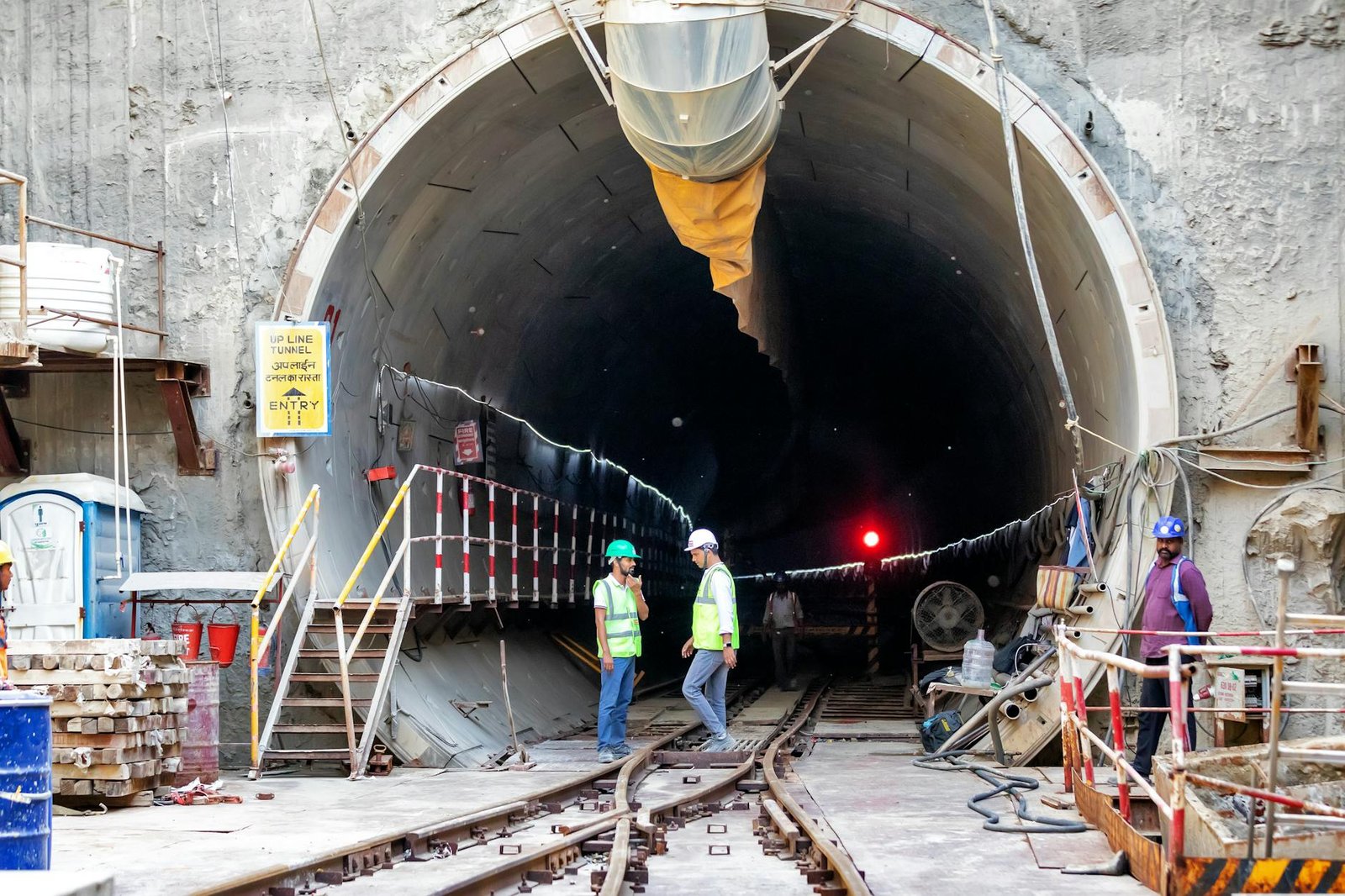
The excavation of the Zojila Tunnel, a critical infrastructure project aimed at providing all-weather connectivity between Kashmir and Ladakh, is nearing completion. Megha Engineering and Infrastructure Ltd (MEIL), the project’s developer, anticipates a major breakthrough by the end of May, marking the culmination of the excavation phase.

According to Harpal Singh, Joint Chief Operating Officer of MEIL, only approximately 325 meters of excavation work remains. Singh conveyed optimism regarding the project’s progress, stating that work is proceeding at full pace and the breakthrough, symbolizing the joining of the two ends of the tunnel, is expected soon. The completion of the excavation will represent a significant milestone for the region, enhancing connectivity and facilitating smoother transportation.

The Zojila Tunnel is strategically situated at an altitude of 11,578 feet within the challenging Himalayan terrain. Once complete, it will provide year-round connectivity between Srinagar and Leh via Drass and Kargil, regions that are often cut off during winter months due to heavy snowfall and treacherous road conditions. The tunnel is a crucial component of the Srinagar–Kargil–Leh National Highway and is expected to significantly improve both civilian and military mobility in the region.

The Ministry of Road Transport and Highways has outlined the scope of the project, which encompasses a 13.153-km tunnel and 17.030 km of approach roads, bringing the total length of the project to 30.18 km. The estimated total project cost is Rs 6,809.69 crore, with a scheduled completion date of September 29, 2026. The project has also generated employment opportunities for local residents, with the ministry reporting that 1,043 individuals have been employed by the consultant, contractor, and subcontractors involved in the construction.

Presently, traffic along the Zojila axis is heavily impacted by weather conditions, with frequent road closures during winter due to heavy snowfall and landslides. These closures disrupt transportation, impact the local economy, and pose significant challenges for both residents and security forces. Incidents like the avalanche last month, which resulted in the death of seven people, underscore the risks associated with traveling on this route, particularly during adverse weather conditions.

Ladakh MP Mohmad Haneefa, following the tragic avalanche, emphasized the dangerous realities faced by people traveling on this critical route, highlighting the urgent need for a safe and reliable alternative. The Zojila Tunnel is envisioned as a solution to these challenges, providing a dependable passage that bypasses the treacherous Zojila Pass.

Beyond its strategic importance, the Zojila Tunnel is anticipated to create substantial economic opportunities for the region. Improved connectivity will facilitate trade, boost tourism, and stimulate economic growth in both Kashmir and Ladakh. The tunnel will also reduce travel time and transportation costs, making it easier for businesses to operate and for people to access essential goods and services.

The Border Roads Organisation (BRO) has been instrumental in maintaining and clearing the existing Zojila Pass road, often under extremely challenging conditions. Their efforts have been crucial in ensuring connectivity during the limited periods when the pass is open. However, the Zojila Tunnel represents a long-term solution that will eliminate the need for these arduous and often dangerous maintenance operations.

The construction of the Zojila Tunnel involves complex engineering challenges, including working at high altitudes, dealing with unpredictable weather conditions, and ensuring the stability of the tunnel in a geologically sensitive area. MEIL is employing advanced construction techniques and technologies to overcome these challenges and ensure the project’s successful completion. These techniques include the New Austrian Tunneling Method (NATM), which involves using shotcrete and rock bolts to stabilize the tunnel walls.

The Zojila Tunnel is part of a broader effort to improve infrastructure and connectivity in the region. Other projects, such as the Z-Morh Tunnel, are also underway to enhance transportation links between Kashmir and Ladakh. The Z-Morh Tunnel, located on the Srinagar-Leh highway before Zojila Pass, aims to provide all-weather connectivity to Sonamarg, a popular tourist destination. These projects reflect the government’s commitment to developing infrastructure in the region and promoting economic growth.

The successful completion of the Zojila Tunnel will not only improve connectivity but also enhance national security, facilitate tourism, and boost the overall economy of the region. The tunnel will serve as a vital link, connecting communities and fostering greater integration between Kashmir and Ladakh.

The geopolitical significance of the Zojila tunnel cannot be overstated as this crucial passage will ensure swift mobilization of the military and equipment to this sensitive region. The region has seen increased military activity in recent years, making the tunnel more necessary to national security today than ever before.

While the excavation nears completion, significant work remains to be done, including the construction of the tunnel’s internal infrastructure, such as ventilation systems, lighting, and safety features. These tasks are critical to ensuring the tunnel’s safe and efficient operation once it is open to traffic. The project is currently on track for its scheduled completion in 2026, however unforeseen circumstances could arise during this phase.

U.S. and Iran Conduct Secret Talks Amid Regional Tensions, Pakistan’s Role Examined

0
There are few public details about the high-level talks — not even the timing.
Photo by August de Richelieu on Pexels

Amid escalating tensions in the Middle East and heightened global security concerns, the United States and Iran have reportedly engaged in secret, high-level talks. The specifics of these discussions, including the timing and location, remain largely undisclosed to the public. These meetings occur against a backdrop of ongoing regional instability, particularly involving Iran’s nuclear program and its relationship with various proxy groups across the Middle East. The involvement of Pakistan, although not explicitly detailed initially, introduces another layer of complexity to the diplomatic landscape.

Pakistan’s potential role in these discussions is significant, given its historical ties to both the United States and Iran. As a neighboring country to Iran, and a long-standing ally of the U.S. (albeit a relationship that has seen fluctuations), Pakistan could serve as a facilitator or mediator in these delicate negotiations. However, the exact nature of Pakistan’s involvement remains unclear, with analysts suggesting various possibilities ranging from direct participation to indirect support through intelligence sharing or logistical assistance.

The secrecy surrounding these talks underscores the sensitivity and complexity of the issues at hand. Direct engagement between the U.S. and Iran is often fraught with political challenges, both domestically within each country and internationally with allies who hold differing views on Iran’s role in the region. The decision to conduct these talks covertly suggests a desire to avoid immediate public scrutiny and potential political backlash that could derail the process.

The context of these talks is crucial. The Iranian nuclear program remains a significant concern for the international community, particularly the United States and its allies. Negotiations aimed at reviving the 2015 nuclear deal, officially known as the Joint Comprehensive Plan of Action (JCPOA), have stalled in recent years. The U.S. withdrawal from the JCPOA under the Trump administration and the subsequent reimposition of sanctions on Iran have further strained relations. These secret talks could represent an attempt to find a new path forward, either by reviving the JCPOA or by exploring alternative arrangements to address concerns about Iran’s nuclear ambitions.

Beyond the nuclear issue, the U.S. and Iran also have divergent interests and concerns regarding regional security. Iran’s support for various armed groups in countries such as Syria, Lebanon, and Yemen has been a source of tension and conflict. The U.S. and its allies accuse Iran of destabilizing the region through its support for these groups, while Iran views its involvement as a necessary defense against external threats and a means of projecting its influence.

In Jammu and Kashmir, the situation remains closely monitored. Any shift in U.S.-Iran relations could have indirect implications for regional dynamics, particularly concerning Pakistan’s role and its relationship with both countries. Stability in the broader region is vital for ensuring peace and security in J&K, and any escalation of tensions could further complicate the already complex situation.

The lack of official statements from either the U.S. or Iran regarding these talks has fueled speculation and uncertainty. Media outlets and analysts are relying on unnamed sources and indirect indicators to piece together the details of what is being discussed and what outcomes are being sought. The absence of transparency also makes it difficult to assess the progress of the talks and the potential for a breakthrough.

The evolving dynamics between the U.S., Iran, and Pakistan necessitate careful observation, especially within the context of India’s strategic interests. India maintains diplomatic relations with both Iran and the United States, and any significant shift in their relations could have implications for India’s foreign policy and regional security calculus. The situation in Afghanistan, where both Iran and Pakistan have significant interests, is another factor to consider. A stable and peaceful Afghanistan is crucial for regional stability, and any instability could spill over into neighboring countries, including India.

The details of these high-level talks are scarce, but their occurrence highlights the ongoing efforts to manage complex and interconnected challenges in the Middle East and South Asia. Pakistan’s role, though shrouded in ambiguity, adds another dimension to the diplomatic maneuvering. As the situation unfolds, continued monitoring and analysis will be essential to understanding the implications for regional and global security.

Recent reports suggest that the talks are focusing on de-escalation strategies in the region, with a particular emphasis on maritime security in the Persian Gulf and the Strait of Hormuz. Increased naval presence and occasional seizures of oil tankers have raised concerns about potential confrontations. Discussions also reportedly include confidence-building measures to reduce the risk of miscalculation and accidental clashes between U.S. and Iranian forces in the region. We are continuing to monitor these developments.