Home Blog Page 285

Remembering Margaret Gipsy Moth: Pioneering CNN Camera Operator

0
Overlooked No More: Margaret Gipsy Moth, Fearless CNN Camera Operator
Photo by Jeff Vinluan on Pexels

Margaret Gipsy Moth, a fearless camera operator who dedicated her life to capturing conflicts across the globe, has passed away. Her career spanned decades, during which she documented some of the most significant and dangerous events in recent history. Moth’s unwavering commitment to her craft and her indomitable spirit earned her the respect of colleagues and journalists worldwide.

While details surrounding the circumstances of her death remain limited, her legacy as a pioneering woman in a male-dominated field is undeniable. Moth’s work with CNN took her to numerous war zones, including Sarajevo, where she sustained injuries while filming. Even after being wounded, her sense of humor and dedication shone through; she reportedly joked about returning to the city to find her missing teeth.

The world of broadcast journalism has evolved significantly since Moth began her career. At the time, the presence of women in technical roles, particularly in conflict zones, was rare. Moth broke barriers and paved the way for future generations of female camera operators and journalists. Her courage and professionalism in the face of danger served as an inspiration to many.

The challenges faced by camera operators in conflict zones are immense. They are often exposed to the same risks as frontline soldiers and must make split-second decisions in life-threatening situations. Beyond the physical danger, they also bear witness to human suffering and tragedy, which can take a significant emotional toll. Margaret Gipsy Moth navigated these challenges with remarkable resilience and a unwavering focus on capturing the truth.

The impact of Moth’s work extends beyond the immediate coverage of events. Her footage has served as a historical record, documenting the realities of war and conflict for future generations. It has also been used as evidence in international tribunals and has helped to raise awareness about human rights abuses. The visual narrative she constructed through her camera lens has shaped public understanding of global events.

While specific details of her early life and career remain somewhat scarce, the available anecdotes reveal a woman of extraordinary character. The willingness to joke about her injuries in Sarajevo exemplifies her resilience and ability to find humor even in the darkest of circumstances. This spirit, coupled with her unwavering commitment to her profession, made her a truly remarkable figure.

The role of journalists in conflict zones is often debated, with questions raised about objectivity, safety, and the potential for manipulation. However, the importance of independent reporting in providing accurate information and holding power accountable cannot be overstated. Margaret Gipsy Moth’s career stands as a testament to the value of courageous and dedicated journalism in the face of adversity.

The challenges faced by journalists in Jammu and Kashmir and other conflict zones around India are similar to those faced by Moth. They often work in environments characterized by political instability, security threats, and restrictions on freedom of expression. Despite these obstacles, they continue to report on important issues, providing a voice to the marginalized and holding authorities accountable.

The life and career of Margaret Gipsy Moth serve as a reminder of the sacrifices made by journalists in the pursuit of truth. Her courage, dedication, and resilience in the face of danger are an inspiration to all those who strive to report on the world’s most challenging issues. Her legacy will continue to inspire future generations of journalists to pursue their calling with passion and integrity. As India continues to navigate complex geopolitical challenges, including those in Jammu and Kashmir, the need for courageous and independent journalism remains as crucial as ever. Recalling Moth’s work ethics would serve the current journalists to stand for their principles.

We remember Margaret Gipsy Moth for her unwavering commitment to her craft. Her work has undoubtedly shaped the landscape of visual journalism.
J&K Launches ‘Nasha Mukt’ Campaign Across Districts to Combat Drug Abuse

0
Nasha Mukt J&K campaign begins in all dists with focus on awareness, enforcement
Photo by MART PRODUCTION on Pexels

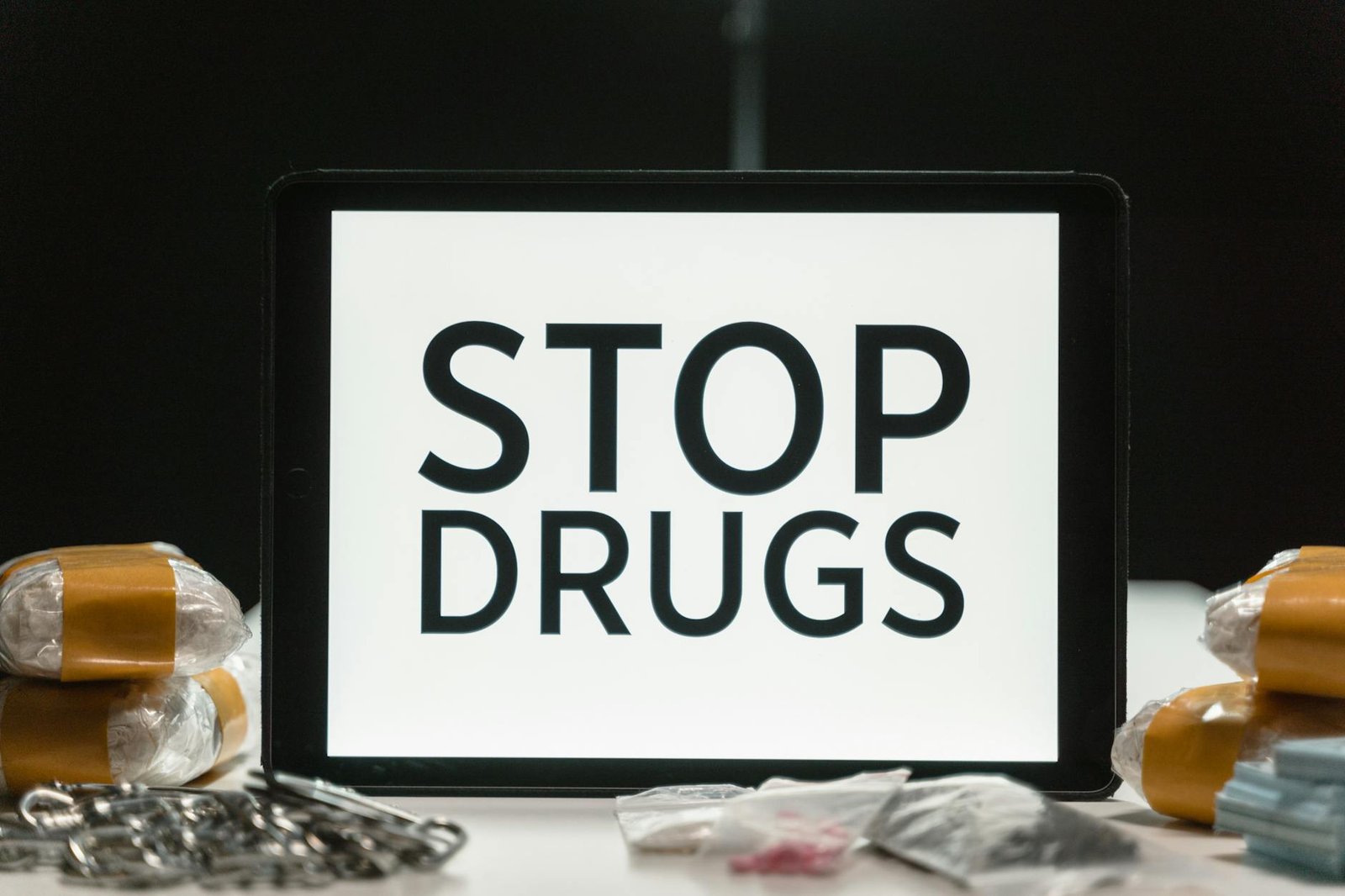
Authorities in Jammu and Kashmir have initiated a Union Territory-wide campaign, ‘Nasha Mukt Jammu & Kashmir Abhiyaan,’ aimed at combating drug abuse through a multi-faceted approach. The 100-day intensive campaign was formally launched across all districts on Saturday, focusing on awareness, community participation, rehabilitation, and strict enforcement measures.

The campaign’s launch saw district administrations organizing events to highlight the urgency of addressing drug abuse. In Anantnag, a function was held at the DC Office Complex, where the Deputy Commissioner emphasized that the fight against drugs is a collective responsibility. He stressed the importance of parents, teachers, and civil society in reducing the demand, complementing the administration and law enforcement’s efforts to curb the supply.

Pulwama’s Deputy Commissioner, Basharat Qayoom, chaired a review meeting to assess preparedness and outline an action plan for implementation of the campaign over the next 100 days. The strategy focuses on Information, Education, and Communication (IEC), coupled with treatment and rehabilitation, and stringent enforcement measures to achieve tangible results in the district.

In Budgam, the district administration, in collaboration with various departments, including the Social Welfare Department, District Information Centre, Health Department, and Police, launched the Abhiyaan at the Drug De-Addiction Centre. Deputy Commissioner Athar Aamir Khan emphasized a unified effort combining prevention, enforcement, treatment, and rehabilitation.

Kulgam witnessed the launch of the campaign with awareness activities led by Deputy Commissioner Shahzad Alam and SSP Kulgam Anayat Ali Choudhary. A plantation drive and pledge ceremony were organized, followed by a padyatra, symbolizing the community’s commitment to a drug-free society. Such collaborative efforts are seen as essential to tackling the complex issue of drug abuse in the region. According to official data, drug abuse has been increasing among young people in Jammu and Kashmir, making such initiatives crucial.

The ‘Nasha Mukt Bharat Abhiyaan’ (or Drug-Free India Campaign) under which the ‘Nasha Mukt Jammu & Kashmir Abhiyaan’ falls, was launched nationally on 15th August 2020 and focuses on awareness generation, community outreach, and identification of addicts for treatment and rehabilitation. The initiative targets vulnerable age groups and aims to create a supportive environment for those seeking help with addiction. Government data indicates that the most affected populations are often those lacking education and economic opportunities, making targeted interventions essential.

The J&K administration has been working on multiple fronts to address the issue of drug abuse. In addition to awareness campaigns, efforts have been directed towards strengthening the enforcement agencies to disrupt the supply chain of narcotics. Rehabilitation centers are also being established to provide comprehensive care to drug addicts. However, the success of these initiatives depends heavily on the active participation of the community and collaboration between various stakeholders.

Law enforcement agencies in J&K have intensified operations against drug peddlers and suppliers. Several arrests have been made, and significant quantities of narcotics have been seized in recent months. These actions send a strong message that drug trafficking will not be tolerated. In 2023, the J&K police reported a significant increase in the number of arrests related to drug trafficking, signaling increased vigilance and enforcement.

The Social Welfare Department plays a critical role in the rehabilitation of drug addicts. The department runs de-addiction centers across the Union Territory, where addicts receive medical and psychological support. These centers also provide vocational training to help individuals reintegrate into society after treatment. However, there is a need for more such centers to cater to the growing number of individuals seeking help. The department is actively working to augment the existing infrastructure and enhance the quality of services provided.

Educational institutions are also being roped in to raise awareness about drug abuse among students. Workshops, seminars, and awareness programs are being organized in schools and colleges to educate students about the harmful effects of drugs. Peer education programs are also being promoted to encourage students to act as ambassadors of change within their communities. The involvement of educational institutions is considered vital in preventing young people from falling prey to drug addiction.

Civil society groups and NGOs are actively involved in spreading awareness about drug abuse and providing support to addicts and their families. These organizations conduct outreach programs in vulnerable communities, organize counseling sessions, and run awareness campaigns. Their efforts complement the initiatives of the government and help in reaching out to a wider audience. The local communities are also being encouraged to form committees to monitor and prevent drug abuse in their respective areas.

The ‘Nasha Mukt J&K Abhiyaan’ represents a comprehensive strategy to address drug abuse in the Union Territory through awareness, enforcement, and rehabilitation. While the initial focus is on a 100-day intensive campaign, authorities aim to sustain these efforts in the long term to create a drug-free society. The success of the campaign will depend on the collaborative efforts of the government, law enforcement agencies, civil society, and the community at large.

Health officials report an increased demand for mental health services linked to substance abuse in the region, highlighting the need for integrated healthcare approaches. The campaign also plans to incorporate mental health support systems to address the psychological aspects of addiction. Further, the administration plans to leverage digital platforms to disseminate information and provide counseling services, recognizing the increasing role of technology in reaching younger demographics.

U.S. and Iran: A Decades-Long Trajectory of Talks and Tensions Explored

0
U.S.-Iran Talks Timeline: Key Moments Between Two Adversaries
Photo by DMV Photojournalism on Pexels

The United States and Iran have a complex and often adversarial relationship marked by periods of negotiation, confrontation, and shifting geopolitical alliances. Understanding the key moments in their interactions requires examining the historical context and the evolving dynamics that have shaped their dialogue. From nuclear ambitions to regional influence, the interactions between Washington and Tehran carry significant implications for global security and stability. The relationship encompasses a range of issues, including sanctions, nuclear programs, regional conflicts, and human rights, all contributing to the intricate and often fraught nature of their engagements.

The roots of the modern U.S.-Iran relationship can be traced back to the mid-20th century, a period dominated by the Cold War and the strategic importance of the Middle East. The United States initially supported Iran under the rule of the Shah, viewing it as a bulwark against Soviet influence in the region. This support included military and economic assistance, solidifying a partnership that served U.S. interests during the Cold War. However, this alliance began to unravel with the 1979 Iranian Revolution, which overthrew the Shah and established an Islamic Republic hostile to the United States. The revolution transformed Iran from a U.S. ally into a strategic adversary, setting the stage for decades of tension and mistrust.

The hostage crisis of 1979-1981, during which Iranian students seized the U.S. embassy in Tehran and held American diplomats captive, marked a significant turning point in U.S.-Iran relations. This event led to a complete breakdown in diplomatic ties and the imposition of economic sanctions by the United States. The crisis deepened the sense of animosity between the two nations and solidified the perception of Iran as a rogue state in the eyes of many Americans. Subsequent conflicts, such as the Iran-Iraq War in the 1980s, further complicated the relationship. While the United States officially remained neutral, there were instances of covert support for Iraq, reflecting the U.S. desire to contain Iran’s regional ambitions.

In the decades that followed, the primary focus of U.S. policy toward Iran became centered on its nuclear program. Concerns about Iran’s pursuit of nuclear weapons led to a series of international negotiations and sanctions aimed at curbing its nuclear activities. The United States, along with other world powers, engaged in diplomatic efforts to reach an agreement that would ensure Iran’s nuclear program remained peaceful. These efforts culminated in the 2015 Joint Comprehensive Plan of Action (JCPOA), commonly known as the Iran nuclear deal.

The JCPOA, signed by Iran, the United States, the United Kingdom, France, Germany, Russia, and China, placed restrictions on Iran’s nuclear program in exchange for the lifting of some economic sanctions. The agreement was hailed as a landmark achievement in nuclear non-proliferation and a testament to the power of diplomacy. However, the JCPOA faced strong opposition from some quarters, particularly from those who believed it did not go far enough in preventing Iran from eventually developing nuclear weapons. This opposition intensified with the election of Donald Trump as President of the United States.

In 2018, President Trump withdrew the United States from the JCPOA, citing concerns about its sunset clauses and its failure to address Iran’s ballistic missile program and regional activities. The withdrawal was met with international criticism and led to the reimposition of U.S. sanctions on Iran. This move had a significant impact on the Iranian economy and further heightened tensions between the two countries. Iran responded by gradually rolling back its compliance with the JCPOA, raising concerns about the future of the agreement and the potential for nuclear proliferation.

Since the U.S. withdrawal from the JCPOA, there have been several attempts to revive the agreement and de-escalate tensions. The Biden administration has expressed a willingness to return to the JCPOA if Iran resumes full compliance. However, negotiations have been complicated by a number of factors, including Iran’s insistence on guarantees that future U.S. administrations will not withdraw from the agreement. The ongoing discussions also involve addressing concerns about Iran’s ballistic missile program and its support for regional proxies.

The relationship between the U.S. and Iran continues to impact regional dynamics, particularly in countries like Iraq, Syria, and Yemen. In Iraq, both countries have a presence and influence, often finding themselves on opposing sides of complex political and security challenges. In Syria, Iran has been a key supporter of the Assad regime, while the United States has backed opposition forces. In Yemen, the conflict between the Saudi-led coalition and the Houthi rebels, who are allegedly supported by Iran, has further exacerbated tensions.

Looking ahead, the future of U.S.-Iran relations remains uncertain. The ongoing nuclear negotiations, regional conflicts, and domestic political considerations in both countries will continue to shape the trajectory of their interactions. Whether they can find a path toward de-escalation and cooperation remains to be seen. The interactions have far-reaching implications for regional stability and global security, we analyze the evolving dynamics between these two nations.

Ladakh Residents Gain Distinct Aadhaar Identity After Union Territory Status

0
Ladakh sheds ‘J&K’ tag, gets own Aadhaar identity
Photo by Rubaitul Azad on Pexels

Ladakh’s residents now have a distinct Aadhaar identity, with “Ladakh” replacing “Jammu & Kashmir” in their Aadhaar records. This follows the region’s separation from the erstwhile state of Jammu and Kashmir in 2019, when it was established as a separate union territory.

The change in Aadhaar records addresses a significant concern for Ladakh residents. Previously, their Aadhaar cards continued to display “Jammu & Kashmir,” causing difficulties when using the cards as proof of identity and address. This discrepancy created hurdles in accessing various services and entitlements.

Lieutenant Governor Vinai Kumar Saxena took cognizance of the issue and directed the UT administration to expedite the necessary corrections. The administration then engaged with the Unique Identification Authority of India (UIDAI) to rectify the anomaly. This collaboration led to the updating of Aadhaar records to accurately reflect Ladakh’s status as a Union Territory.

The process involved updating the “state” field based on Ladakh-specific PIN codes. The UT Administration coordinated with the Department of Posts to verify these PIN codes before sharing the information with UIDAI. This approach ensured that the updates were accurate and efficient.

The updated Aadhaar identity is expected to streamline access to services for Ladakh residents. With the correct “state” field displayed on their Aadhaar cards, they can now use it as a valid proof of identity and address without facing the previous challenges. This development is seen as a significant step towards improving ease of living in the region.

The creation of the Union Territory of Ladakh in 2019 was a major political and administrative change. The Jammu and Kashmir Reorganisation Act, 2019, bifurcated the state into two separate Union Territories: Jammu and Kashmir, and Ladakh. This decision had wide-ranging implications for the governance, development, and identity of the region.

Following the reorganization, Ladakh underwent significant administrative restructuring. New departments and institutions were established to cater to the specific needs of the Union Territory. The administration focused on addressing developmental challenges, improving infrastructure, and promoting economic growth in the region.

The distinct cultural identity of Ladakh has also been a key focus. The region is known for its unique blend of Tibetan Buddhist traditions and diverse cultural heritage. Efforts have been made to preserve and promote this cultural identity through various initiatives and programs.

The updated Aadhaar records are also expected to facilitate better governance and service delivery in Ladakh. With accurate and up-to-date identity information, the administration can effectively target beneficiaries for various schemes and programs. This will also help in ensuring that services are delivered efficiently and transparently.

The Ladakh administration’s proactive approach in resolving the Aadhaar issue has been commended by residents. The coordinated efforts with UIDAI and the Department of Posts demonstrate a commitment to addressing the concerns of the local population. This positive development is expected to further strengthen the bond between the administration and the people of Ladakh.

The ability for residents to download their updated e-Aadhaar cards from the UIDAI portal and order PVC Aadhaar cards online adds another layer of convenience. This digital accessibility is in line with the government’s efforts to promote online services and reduce the need for physical visits to government offices. This streamlined process further contributes to ease of living and efficient service delivery.

The accurate representation of Ladakh in official records goes beyond administrative necessity; it also acknowledges the distinct identity and aspirations of the people of Ladakh. The successful resolution of this long-pending issue reflects the UT Administration’s commitment to responsive governance and proper representation of Ladakh across official platforms. The updated Aadhaar cards now officially reflect this separation and Ladakh’s independent status.

The correction of the Aadhaar records is also important in the context of national security. With accurate identification, it is easier to track and monitor individuals, which can help prevent crime and terrorism. Ladakh’s strategic location, bordering both Pakistan and China, makes it essential to have robust security measures in place in the region.

Looking ahead, the Ladakh administration is expected to continue focusing on improving governance, infrastructure, and economic opportunities in the region. The Union Territory status has opened up new avenues for development, and the administration is committed to leveraging these opportunities to benefit the local population. Furthermore, continued coordination with national agencies will ensure Ladakh’s inclusion in India’s growth story and secure its unique regional identity on all official platforms.

Mexico’s World Cup Security Prioritized Amidst Ongoing Disappearance Crisis

0
Mexico’s Police Focus on World Cup While Thousands Remain Missing
Photo by Ron Lach on Pexels

Mexico’s significant investment in security measures for the FIFA World Cup has sparked criticism from families of individuals who have disappeared. These families argue that the government’s focus on ensuring the safety of international teams and fans diverts crucial resources and attention away from the ongoing search for their missing loved ones. The juxtaposition of a high-profile international event with the persistent issue of enforced disappearances highlights a complex and deeply troubling reality within the country.

The issue of missing persons in Mexico is a long-standing crisis. According to official government data, the number of disappeared persons in Mexico has grown dramatically in recent years. A large percentage of these disappearances are attributed to organized crime, drug cartels, and, in some cases, alleged collusion with state actors. The lack of accountability and slow progress in investigations have fostered a climate of impunity and distrust in the government’s ability to address the problem.

Against this backdrop, Mexico was one of the host nations for the FIFA World Cup in 2026. Hosting such a major international sporting event requires substantial security preparations. The Mexican government allocated significant budgetary resources to ensure the safety of players, officials, and tourists attending the World Cup matches. These security measures included increased police presence, enhanced surveillance technologies, and coordinated efforts between various law enforcement agencies.

However, the families of the disappeared argue that prioritizing security for the World Cup comes at the expense of addressing the urgent needs of families searching for their loved ones. They contend that resources allocated to World Cup security could be redirected toward strengthening search efforts, improving forensic investigations, and providing support to victims’ families. Critics also point out that the international attention drawn to Mexico during the World Cup could be leveraged to raise awareness about the issue of enforced disappearances and press the government to take more decisive action.

The families of the disappeared have organized protests and demonstrations to draw attention to their plight and demand justice. They have called on the Mexican government to prioritize the search and investigation of missing persons cases, to hold perpetrators accountable, and to implement comprehensive policies to prevent future disappearances. These families also seek international support and solidarity in their struggle for truth and justice.

The involvement of organized crime in many disappearances presents a significant challenge to law enforcement. Cartels often operate with impunity, and witnesses are often afraid to come forward with information. Furthermore, the capacity of Mexican law enforcement agencies to investigate these crimes is often limited by lack of resources, training, and corruption. As of September 2023, Mexican authorities continue to grapple with identifying remains found in clandestine graves throughout the country, many of which are believed to be victims of cartel violence.

Beyond the immediate impact on families, enforced disappearances have far-reaching consequences for Mexican society. They erode trust in government institutions, undermine the rule of law, and contribute to a climate of fear and insecurity. Addressing this crisis requires a comprehensive approach that includes strengthening law enforcement, promoting human rights, combating corruption, and providing support to victims’ families. It also requires acknowledging the root causes of the problem, such as poverty, inequality, and lack of opportunity, which contribute to the vulnerability of individuals to organized crime.

International human rights organizations have repeatedly called on the Mexican government to address the issue of enforced disappearances with greater urgency and effectiveness. These organizations have urged the government to comply with international human rights standards, to strengthen its legal framework for investigating and prosecuting these crimes, and to provide reparations to victims’ families. The United Nations Committee on Enforced Disappearances has also issued recommendations to Mexico, urging it to take concrete steps to prevent and investigate disappearances, and to ensure the protection of victims’ rights.

The situation in Mexico reflects a broader global trend of under-reported and under-addressed enforced disappearances. In many countries around the world, state actors and non-state armed groups use disappearances as a tool of political repression, social control, and economic exploitation. Addressing this global challenge requires international cooperation, strengthened legal frameworks, and a commitment to upholding human rights.

The debate surrounding Mexico’s World Cup security highlights the difficult choices governments face when allocating resources and prioritizing competing demands. While ensuring the safety of international events is important, it is crucial that governments do not neglect their obligations to protect the human rights of their citizens and to address pressing social problems. A balanced approach is needed that prioritizes both security and justice, and that ensures that all members of society are treated with dignity and respect. The families of the disappeared in Mexico continue to seek answers, accountability, and ultimately, the return of their loved ones. Their struggle serves as a reminder of the human cost of violence and impunity, and the urgent need for justice and reconciliation.

New Old Age Home Inaugurated in Saboothang, Ladakh for Senior Citizens

0
Ladakh L-G inaugurates old age home at Saboothang
Photo by Khalid aljmman on Pexels

Lieutenant Governor of Ladakh, Vinai Kumar Saxena, inaugurated a new old age home, named Zimskhang, in Saboothang. The facility aims to provide shelter and care for senior citizens in the region. Constructed at a cost of Rs 19.74 crore, the old age home spans 1,925 square metres and is designed to accommodate between 50 and 55 elderly residents. The establishment of this facility represents a step towards bolstering social welfare and inclusive development within Ladakh, particularly addressing the needs of its aging population.

The infrastructure includes 12 rooms and four dormitories, providing both private and communal living spaces. It also features a reception and waiting area, a TV room for recreation, a dining area with kitchen, medical and office rooms for healthcare and administration, and essential utility connections such as water supply, electricity, and sewerage systems. Special attention has been given to additional features such as the inclusion of a geodesic dome designed for prayer and contemplation, a comprehensive fire-fighting system with fire alarms and a public address system, passenger lifts for accessibility, and various accessibility features tailored for differently-abled individuals. These elements collectively aim to create a comfortable, safe, and inclusive environment for the residents.

The facility also emphasizes environmental sustainability, utilizing eco-friendly construction materials and following green building norms. An ECBC (Energy Conservation Building Code)-compliant electrical substation maximizes energy efficiency. Natural light is used to reduce electricity consumption. Thermal insulation, achieved through natural earth walls, contributes to maintaining a comfortable indoor climate. The geodesic dome design aids in trapping solar heat, further enhancing energy efficiency and reducing the facility’s carbon footprint. The incorporation of these green features aligns with broader efforts to promote sustainable development in the Ladakh region.

During the inauguration, Lieutenant Governor Saxena described the event as a significant moment, emphasizing that the facility embodies the community’s commitment to its elderly population. He highlighted Ladakh’s cultural values, noting the deep respect traditionally afforded to senior citizens as custodians of tradition and guides within society.

Saxena also acknowledged the contributions of organizations such as the Mahabodhi International Meditation Centre, HelpAge India, and Tibetan Settlement Choglamsar, all of which have been actively involved in supporting the welfare of the elderly in the region. He noted that this is the first time the UT Administration has directly established such a facility for senior citizens, which will be run in collaboration with the Mahabodhi International Meditation Centre.

The establishment of the Zimskhang old age home is particularly significant in the context of the socio-economic landscape of Ladakh. The region, characterized by its remote location and challenging climate, faces unique challenges in providing adequate social services. The creation of this facility addresses a critical need for specialized care and support for the elderly, many of whom may lack family support or access to adequate healthcare services. In the past, elderly care has largely been provided through informal family arrangements or by religious and charitable organizations.

Ladakh has a unique cultural heritage, influenced by Tibetan Buddhism and its location at the crossroads of several trade routes. This heritage emphasizes community values and respect for elders. The establishment of the old age home reflects a commitment to upholding these values, particularly as the region undergoes rapid modernization and social change. As younger generations migrate to urban centers in search of employment opportunities, the care of the elderly becomes an increasingly pressing issue.

The collaborative model, involving the UT Administration and the Mahabodhi International Meditation Centre, ensures a combination of government resources and community-based expertise in managing the facility. The Mahabodhi International Meditation Centre, founded by Bhikkhu Sanghasena, has a long history of providing social services in Ladakh, including education, healthcare, and vocational training. Their involvement will bring a wealth of experience and a deep understanding of the cultural and spiritual needs of the elderly residents. The UT Administration’s role ensures financial sustainability and adherence to quality standards in healthcare and social welfare. This partnership could be a model for similar initiatives in other parts of the country.

The broader context of social welfare in India highlights the growing need for elderly care services. According to HelpAge India, the country’s elderly population is projected to reach 194 million by 2031. This demographic shift presents significant challenges for the government and civil society organizations. The establishment of facilities such as the Zimskhang old age home is part of a broader effort to address these challenges. Government schemes such as the Indira Gandhi National Old Age Pension Scheme and the National Programme for Health Care of the Elderly provide financial assistance and healthcare services to senior citizens. However, there is a growing recognition of the need for more comprehensive and integrated approaches to elderly care, including the provision of shelter, healthcare, social support, and recreational activities.

The success of the Zimskhang old age home could serve as a catalyst for further investment in elderly care infrastructure. The facility’s design, which incorporates green building principles and accessibility features, could also serve as a model for other such facilities in the country. The collaborative management approach, involving government and civil society organizations, could be replicated in other regions to ensure the effective and sustainable provision of elderly care services. As Ladakh continues to develop and modernize, the care of its elderly population will remain a critical priority. The establishment of the Zimskhang old age home represents an important step towards ensuring that senior citizens in the region can live with dignity, security, and well-being.

Vancouver Murder Exposes Divisions Within Canada’s Iranian Community

0
Killing of Masood Masjoody Exposes Deep Rifts in Canada’s Iranian Diaspora
Photo by Sima Ghaffarzadeh on Pexels

The death of Masood Masjoody in Vancouver has cast a dark shadow over the Iranian diaspora in Canada, highlighting deep-seated ideological rifts and raising concerns about political tensions within the community. Masjoody’s disappearance and subsequent death have triggered investigations and ignited discussions about the safety and security of Iranian activists living abroad, particularly those critical of the Iranian government in Tehran.

Masjoody, an Iranian activist with a visible profile within the Vancouver Iranian community, vanished after making accusations against two other individuals of having expressed desires for his death. His body was later discovered, prompting an investigation into the circumstances surrounding his demise. The case has drawn attention not only from local Canadian law enforcement but also from international observers, given the potential political implications.

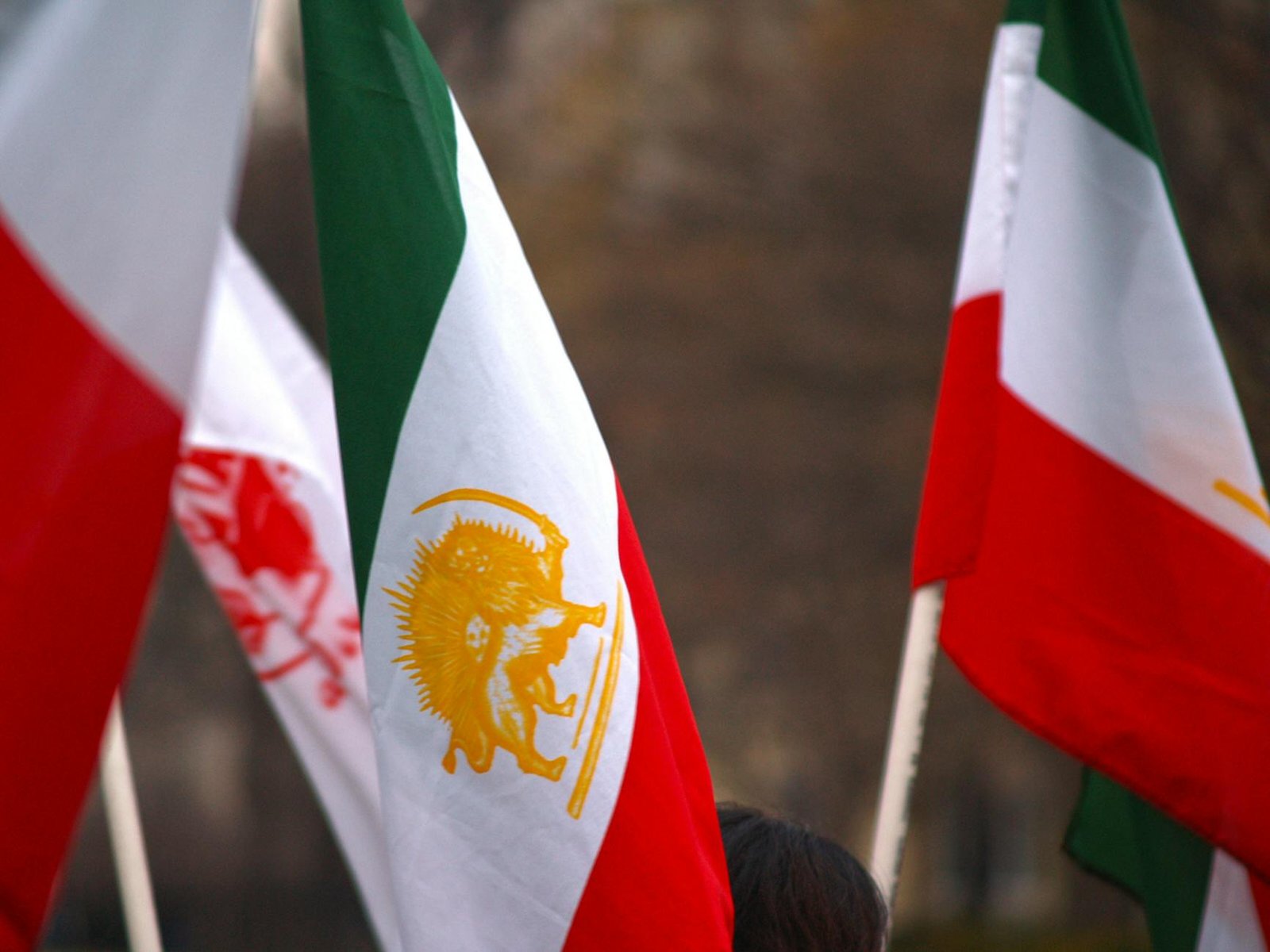
The Iranian diaspora in Canada, like many others around the world, is composed of individuals with diverse backgrounds and political opinions. Some support the current regime in Iran, while others are vehemently opposed to it. This divergence of views often leads to tensions within the community, particularly among activists who openly criticize the Iranian government’s human rights record and policies. The murder of Masjoody has amplified these tensions, raising questions about the extent to which political disagreements can escalate into violence.

Over the years, Canada has become home to a significant number of Iranian immigrants and refugees, many of whom fled Iran following the 1979 revolution and subsequent political repression. The Iranian Canadian community is concentrated in major urban centers such as Toronto, Montreal, and Vancouver. Within these communities, various organizations and groups cater to the specific needs and interests of Iranian Canadians, ranging from cultural associations to political advocacy groups.

The case of Masood Masjoody is not the first instance where the safety of Iranian dissidents residing abroad has come under scrutiny. In recent years, several Iranian activists and journalists living in Europe and North America have reported receiving threats or facing harassment, allegedly from individuals linked to the Iranian government. These reports have prompted investigations by security agencies and raised concerns about the long arm of Iranian intelligence services operating on foreign soil.

The death of Masjoody has prompted increased vigilance among Iranian activists in Canada. Many are now more cautious about their public statements and activities, fearing potential repercussions. Law enforcement agencies have also stepped up their monitoring of the Iranian community, seeking to ensure the safety and security of individuals who may be at risk.

The investigation into Masjoody’s death is ongoing, and authorities have not yet released specific details about the possible motives or suspects involved. However, the political context surrounding the case has fueled speculation and heightened anxieties within the Iranian Canadian community. Observers are closely watching the investigation’s progress, hoping that it will shed light on the circumstances of Masjoody’s death while also addressing the broader issue of political tensions within the diaspora.

From our reporting, we understand that this incident has taken place against a backdrop of heightened tensions between Iran and several Western countries, including Canada. Canada has been critical of Iran’s human rights record, its nuclear program, and its support for militant groups in the Middle East. These diplomatic tensions have further complicated the situation for Iranian activists living in Canada, who find themselves caught between the competing interests of their country of origin and their adopted homeland.

The Canadian government has condemned the killing of Masood Masjoody and pledged to conduct a thorough investigation. Canadian officials have also reiterated their commitment to protecting the safety and security of all individuals within Canada, regardless of their political views or national origin. The incident serves as a reminder of the challenges faced by diaspora communities around the world, where political divisions and unresolved conflicts can have far-reaching consequences.

While authorities are still piecing together what happened, the impact on Canada’s Iranian community is tangible. We have observed increased fear amongst activists who are critical of the Iranian government. Vigils and community meetings have taken place in Vancouver where members have expressed their grief and called for a transparent investigation. This incident also highlights the critical need for vigilance in safeguarding the well-being and freedom of expression of all community members. We will continue to monitor the situation as new updates emerge.

We reviewed the latest reports from Canadian media, and based on our fact-checking, the investigation is ongoing. The Royal Canadian Mounted Police (RCMP) are leading the investigation and have appealed to the public for any information related to Masjoody’s disappearance and death. The investigation involves forensic analysis, witness interviews and examination of digital evidence. We found that the RCMP has not yet released any suspect information or confirmed any motives.

Canada’s commitment to freedom of expression and human rights plays a crucial role in this situation. These values are essential for a vibrant and healthy society, and as such, we take seriously any threats to these values. The investigation will be closely watched by human rights organizations, community groups, and political analysts, both in Canada and abroad.

As the investigation continues, the focus remains on uncovering the truth surrounding Masjoody’s death and ensuring that justice is served. The incident serves as a cautionary tale about the complexities of diaspora politics and the potential dangers faced by those who speak out against oppressive regimes. Canadian authorities are working to provide reassurance to the Iranian community and reaffirm their commitment to protecting the rights and safety of all residents.

Mirwaiz Umar Farooq Urges Dialogue for Middle East Peace Amid Regional Tensions

0
Mirwaiz Umar Farooq calls for peace in Middle East
Photo by Samer Alhusseini سامر الحسيني on Pexels

Kashmir’s chief cleric, Mirwaiz Umar Farooq, has called for peaceful resolutions in the Middle East, emphasizing that conflict only leads to destruction and loss. Addressing a congregation at Jamia Masjid in Srinagar, he advocated for serious engagement and dialogue rooted in justice as the path to restoring peace in the region. The Mirwaiz highlighted the global anticipation for a breakthrough that would de-escalate conflict and re-establish peace.

Mirwaiz Umar Farooq specifically mentioned the ongoing talks between the United States and Iran, expressing hope that these discussions would alleviate the suffering of people in Iran, Lebanon, and Palestine through the delivery of justice. He drew parallels with the situation in Jammu and Kashmir, stating that the people there understand the futility and human cost of war and conflict, having endured decades of grief and suffering themselves. He reiterated that in war, there are no true victors, with everyone ultimately losing lives, dignity, and humanity, and that prolonged conflicts only leave behind destruction, trauma, and wounds that affect multiple generations.

The Mirwaiz stressed that lasting peace cannot be imposed through force but must emerge from sincere and constructive deliberations. He also addressed recent developments in Lebanon, unequivocally condemning the killing of civilians in Beirut. He described the Israeli regime as a perpetrator of relentless violence and deliberate spoiler of genuine peace opportunities in the region.

The situation in the Middle East remains complex, with ongoing tensions between Israel and Palestine, as well as the involvement of various regional and international actors. Efforts to mediate a lasting resolution have faced numerous challenges, including disagreements over territorial claims, security concerns, and the status of Jerusalem. According to the United Nations, the humanitarian situation in Gaza remains dire, with a significant portion of the population relying on international aid.

Regarding the Israeli-Palestinian conflict, the United Nations Security Council has passed numerous resolutions calling for a two-state solution, but progress towards its implementation has been slow. The international community remains divided on key issues, such as the expansion of Israeli settlements in the West Bank and the recognition of Palestinian statehood. The United States, a key player in the region, has historically played a mediating role, but its policies have shifted under different administrations.

In addition to the Israeli-Palestinian conflict, the situation in Lebanon has been a source of concern. Political instability, economic crisis and the aftermath of the Beirut port explosion in 2020 have exacerbated existing tensions. International efforts to provide humanitarian assistance and support economic reforms have been ongoing. The country has also experienced occasional clashes between different political and sectarian groups.

The Mirwaiz’s call for peace in the Middle East reflects the broader sentiment within Jammu and Kashmir, where people have experienced firsthand the devastating consequences of conflict. The region has been affected by militancy and political instability for decades, resulting in significant loss of life and displacement. Efforts to restore normalcy and promote development have been ongoing, but challenges remain, including cross-border tensions, human rights concerns, and youth unemployment.

The UT administration has undertaken various initiatives to promote peace, reconciliation, and development in Jammu and Kashmir, including dialogues with various stakeholders. Security measures have been tightened, and efforts are being made to address the grievances of the local population. The central government has also launched development projects aimed at improving infrastructure and creating employment opportunities.

Recent reports indicate a decrease in militant activities in Jammu and Kashmir, but security forces remain on high alert. Cross-border infiltration attempts continue to be a concern, and the threat of encounters persists. Efforts to counter the circulation of misinformation and propaganda through social media have also been intensified.

The call for dialogue and peaceful resolution in the Middle East resonates with the aspirations of peace and stability in Jammu and Kashmir. The Mirwaiz’s message emphasizes the importance of addressing the root causes of conflict and seeking solutions that ensure justice and dignity for all. He prayed for global peace and urged an end to bloodshed and human suffering, calling upon humanity to rise above conflict and choose the path of peace and reconciliation. We could not independently verify details of the congregation at Jamia Masjid. We reviewed reports from multiple news agencies regarding the Middle East peace process and the situation in Jammu and Kashmir.

J&K Deputy CM Finds Suspended Mining Officials on Duty, Raises Concerns

0
J&K Dy CM ‘surprised’ to find suspended mining officials still on duty
Photo by Neneqo Fotógrafo on Pexels

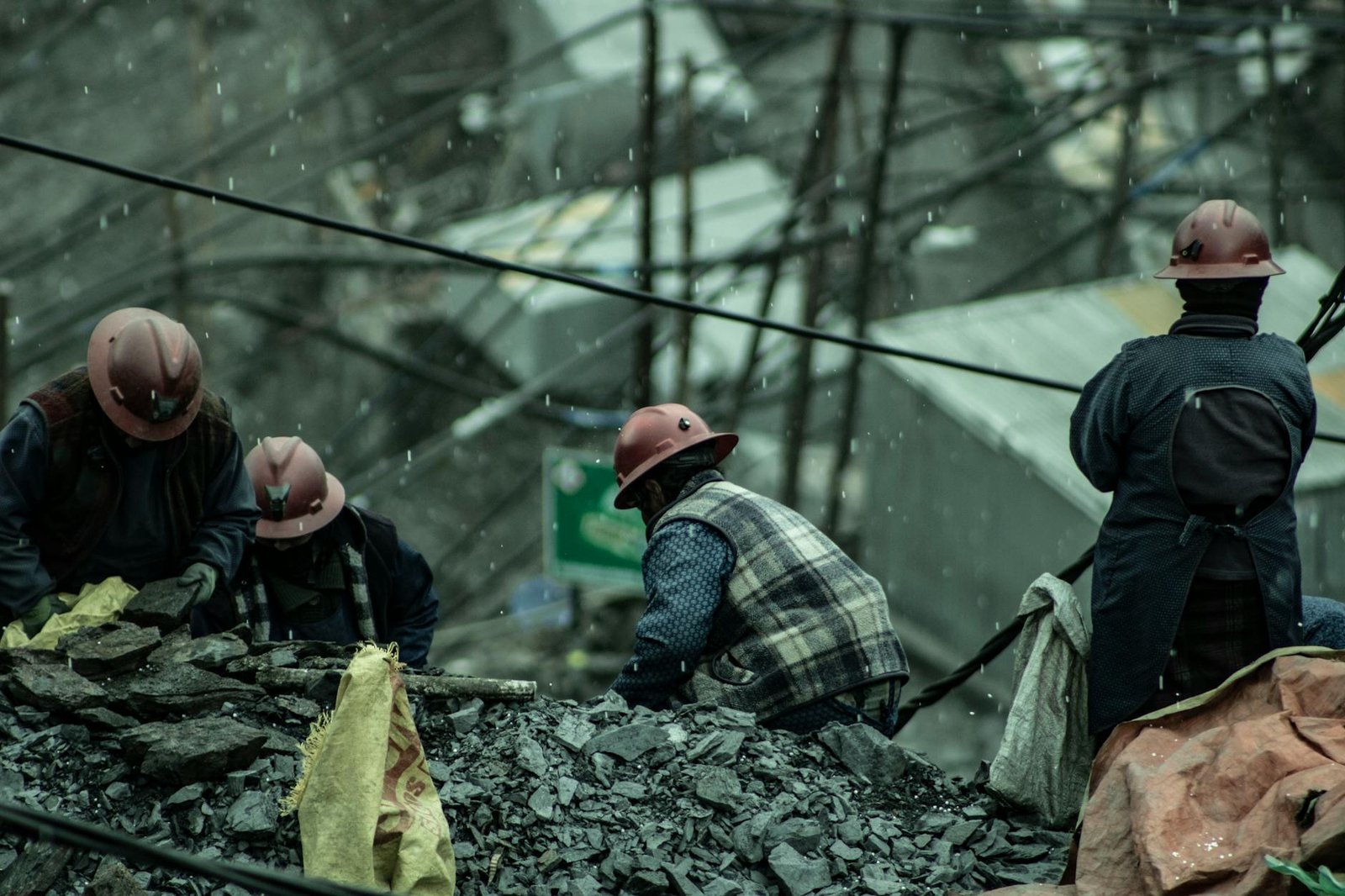
Jammu and Kashmir‘s Deputy Chief Minister Surinder Choudhary expressed concerns on Friday after discovering suspended officials from the Mining Department still performing their duties at the Directorate of Geology and Mining office in Jammu. During a surprise inspection, Choudhary identified discrepancies within the department’s operations. He stated receiving frequent complaints about illegal mining activities throughout the region, prompting his unannounced visit to the Director of Mining’s office.

Choudhary said the purpose of the inspection was to evaluate the office’s overall effectiveness. However, he expressed shock at finding previously suspended officials still actively working. He noted that while he observed several shortcomings in the office’s functioning, the presence of these suspended officials, facing serious allegations of facilitating illegal mining, was particularly alarming. The Director was absent during the inspection, preventing Choudhary from immediately addressing the issue. He plans to discuss the matter with the department’s Secretary.

Choudhary further stated that many crushers in the region are allegedly involved in illegal mining operations. He said he would ensure a comprehensive inquiry into the functioning of the Mining Department and address the observed discrepancies. Pointedly, he alleged that some officials were actively enabling illegal mining activities. He emphasized that officials found responsible for wrongdoing must be held accountable, rather than letting the onus fall on the elected government.

Taking a dig at the administrative structure, Choudhary added that certain officials were exploiting J&K‘s status as a Union Territory. He stated that the government’s reputation was being damaged by their actions and that the Director’s office had become disorganized. He indicated he would seek the Chief Minister’s intervention if necessary.

Illegal mining has remained a persistent issue in Jammu and Kashmir, raising environmental and economic concerns. Such activities often lead to the degradation of land, water resources, and ecosystems. The practice not only impacts the environment but also results in revenue loss for the government. Instances of illegal mining have been reported across several districts, including those bordering Punjab and Himachal Pradesh, necessitating constant vigilance and stringent enforcement measures.

The Mines and Minerals (Development and Regulation) Act of 1957 empowers the states to frame rules to prevent illegal mining. Jammu and Kashmir has its own set of regulations aimed at curbing such practices, but effective implementation remains a challenge. Authorities often conduct raids and seize equipment used in illegal mining operations. However, the scale of the problem requires a more coordinated and sustained effort.

Experts suggest that technology, such as satellite monitoring and drone surveillance, can play a significant role in detecting and preventing illegal mining activities. Community participation and awareness programs can also contribute to curbing this menace. Addressing the root causes of illegal mining, such as unemployment and poverty, is equally important.

The allegations made by Deputy Chief Minister Choudhary underscore the need for greater transparency and accountability within the Mining Department. A thorough investigation is essential to identify and punish those involved in illegal activities. Strengthening enforcement measures, adopting modern technology, and fostering community participation are crucial steps in combating illegal mining and protecting the environment and government revenues.

The J&K government has launched several initiatives over the years to promote sustainable mining practices. These initiatives include encouraging the use of eco-friendly mining techniques and promoting the rehabilitation of mined areas. However, these efforts need to be scaled up and implemented effectively to bring about a tangible change. The recent concerns raised by the Deputy Chief Minister highlight the challenges that remain in ensuring that mining activities are carried out in a responsible and sustainable manner.

Looking ahead, increased vigilance, stringent enforcement, and a comprehensive strategy involving all stakeholders will be vital in addressing the issue of illegal mining in Jammu and Kashmir. The government’s commitment to transparency and accountability will be key in restoring public trust and ensuring that mining activities contribute to the region’s economic development without compromising its environmental integrity.

Doda Police Focuses on Tourist Safety and Security in Bhaderwah Valley

0
Doda SSP prioritises peace, tourist safety in Bhaderwah valley
Photo by Imad Clicks on Pexels

The Doda police have announced a heightened focus on ensuring the safety and security of tourists visiting the Bhaderwah valley, a popular high-altitude destination in Jammu and Kashmir. Senior Superintendent of Police (SSP) Doda, Kartik Shrotriya, emphasized that maintaining peace, communal harmony, and providing a secure environment for tourists are top priorities. Shrotriya recently assumed the role of district police chief following an administrative reshuffle.

The SSP underscored the importance of tourism for the region’s economy, stating that ensuring the safety of visitors is crucial for sustaining hospitality and promoting economic growth. Drawing from his experience in Anantnag, where he served as Additional Superintendent of Police (ASP) shortly after a terror attack in Pahalgam, Shrotriya highlighted the devastating impact that security threats can have on local livelihoods dependent on tourism. The Pahalgam attack, which occurred in May of this year, resulted in significant disruption to the tourism sector, impacting the economic well-being of the local community.

Shrotriya has set specific targets for Bhaderwah, prioritizing tourist security, promoting social coordination among locals, and maintaining communal harmony. He emphasized that these objectives must be upheld to prevent situations similar to the one witnessed in Anantnag. The SSP appealed to the local community to help make Bhaderwah valley an attractive and safe destination for tourists. He urged residents to share information and provide truthful opinions regarding unscrupulous and anti-national elements, asserting that such cooperation is essential for safeguarding the tourism industry and ensuring its continued growth.

Focusing on creating a terror-free environment, Shrotriya stressed that his efforts would concentrate on expanding business opportunities related to tourism. He reiterated the need for public support and collaboration in achieving this goal. He also commented on the security arrangements in place for high-altitude tourist locations within the Bhaderwah valley. The SSP stated that providing security for tourists, particularly in these areas, is an ongoing process. He noted that the police, along with the civil administration and other security forces, regularly coordinate to assess and improve security measures, ensuring that tourists can safely enjoy the region’s natural beauty.

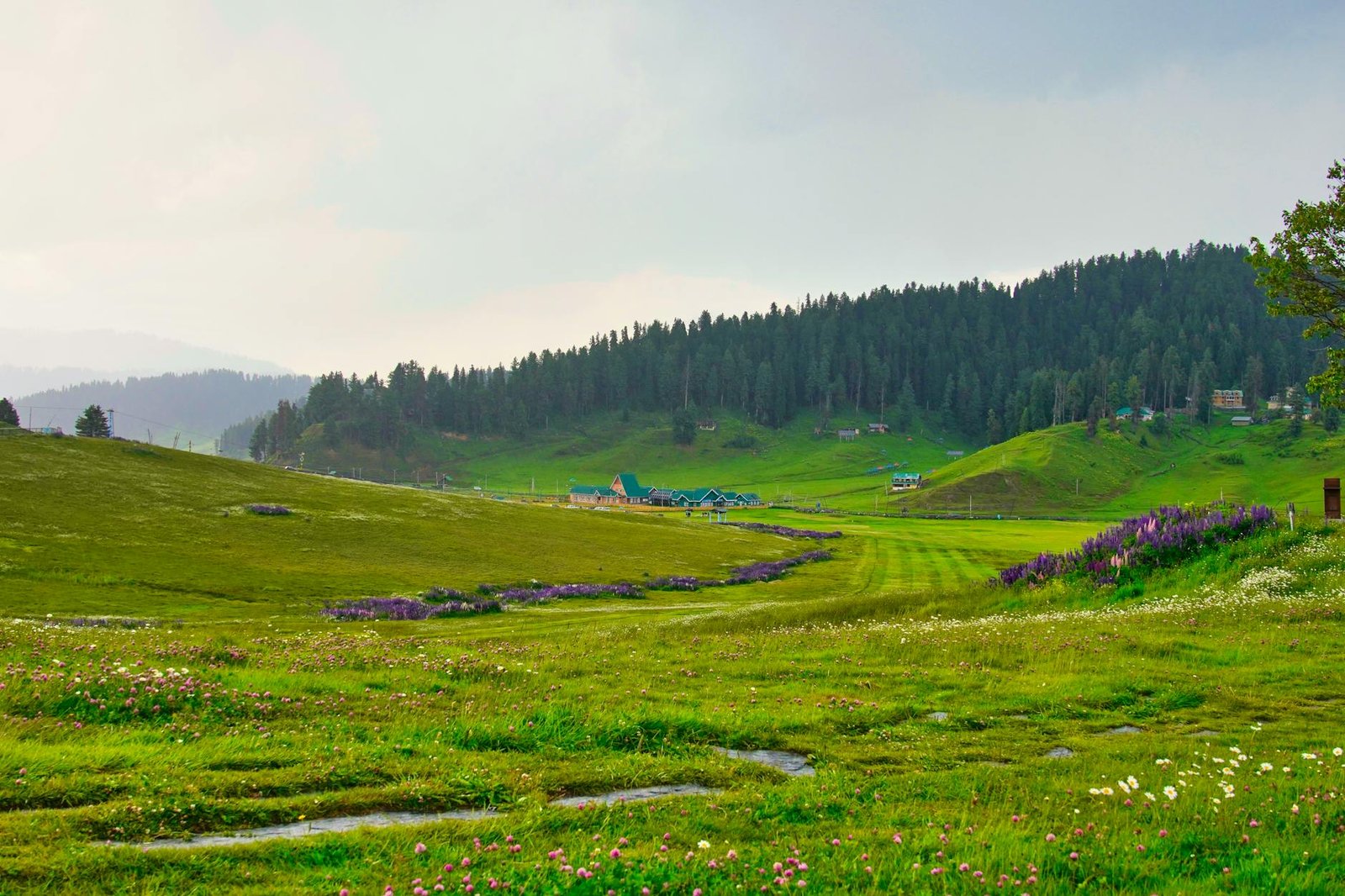
Bhaderwah, often referred to as ‘Mini Kashmir’ due to its picturesque landscapes and lush greenery, has emerged as a prominent tourist destination in the Jammu region. The valley offers a diverse range of attractions, including meadows, forests, and snow-capped peaks. Recent years have witnessed a surge in tourist footfall, contributing significantly to the local economy. The administration has undertaken several initiatives to promote tourism, including infrastructure upgrades, development of new tourist spots, and promotion campaigns. These efforts aim to attract a greater number of visitors and establish Bhaderwah as a leading tourist destination in Jammu and Kashmir.

The focus on tourism in Jammu and Kashmir aligns with broader governmental efforts to boost the region’s economy and generate employment opportunities. Tourism plays a pivotal role in the economic ecosystem of the Union Territory, with numerous families directly and indirectly dependent on the sector for their livelihoods. The government has implemented policies to support tourism-related businesses, provide financial assistance to tourism operators, and develop tourism infrastructure across the region. These initiatives aim to create a conducive environment for tourism to flourish and contribute to the overall economic prosperity of Jammu and Kashmir.

The security situation in Jammu and Kashmir remains a key concern for the government and security agencies. While there has been a notable improvement in the overall security landscape, sporadic incidents of violence and infiltration attempts continue to pose challenges. Security forces maintain a high level of vigilance and are actively engaged in counter-terrorism operations to neutralize threats and maintain peace. The government has also emphasized the importance of community involvement in maintaining law and order and has encouraged citizens to cooperate with security agencies in preventing untoward incidents. The multi-pronged approach, combining security measures with community engagement, aims to create a secure and stable environment conducive to economic growth and development.

Recent data indicates an increase in tourist arrivals in Jammu and Kashmir compared to previous years. The improved security situation, coupled with promotional efforts, has contributed to increased confidence among tourists. Destinations like Srinagar, Gulmarg, Pahalgam, and Vaishno Devi continue to attract a significant number of visitors. The government is also focusing on promoting lesser-known destinations, such as Bhaderwah and Kishtwar, to diversify the tourism landscape and provide new experiences for travelers. The administration organizes various festivals and events to showcase the region’s rich cultural heritage and promote tourism. These festivals attract tourists from across the country and contribute to the vibrancy of the local economy.