Home Blog Page 286

U.S. Government Initiates Deportation Proceedings Against Iranian National

0
U.S. Moves to Deport Son of Prominent Figure in Iranian Revolution
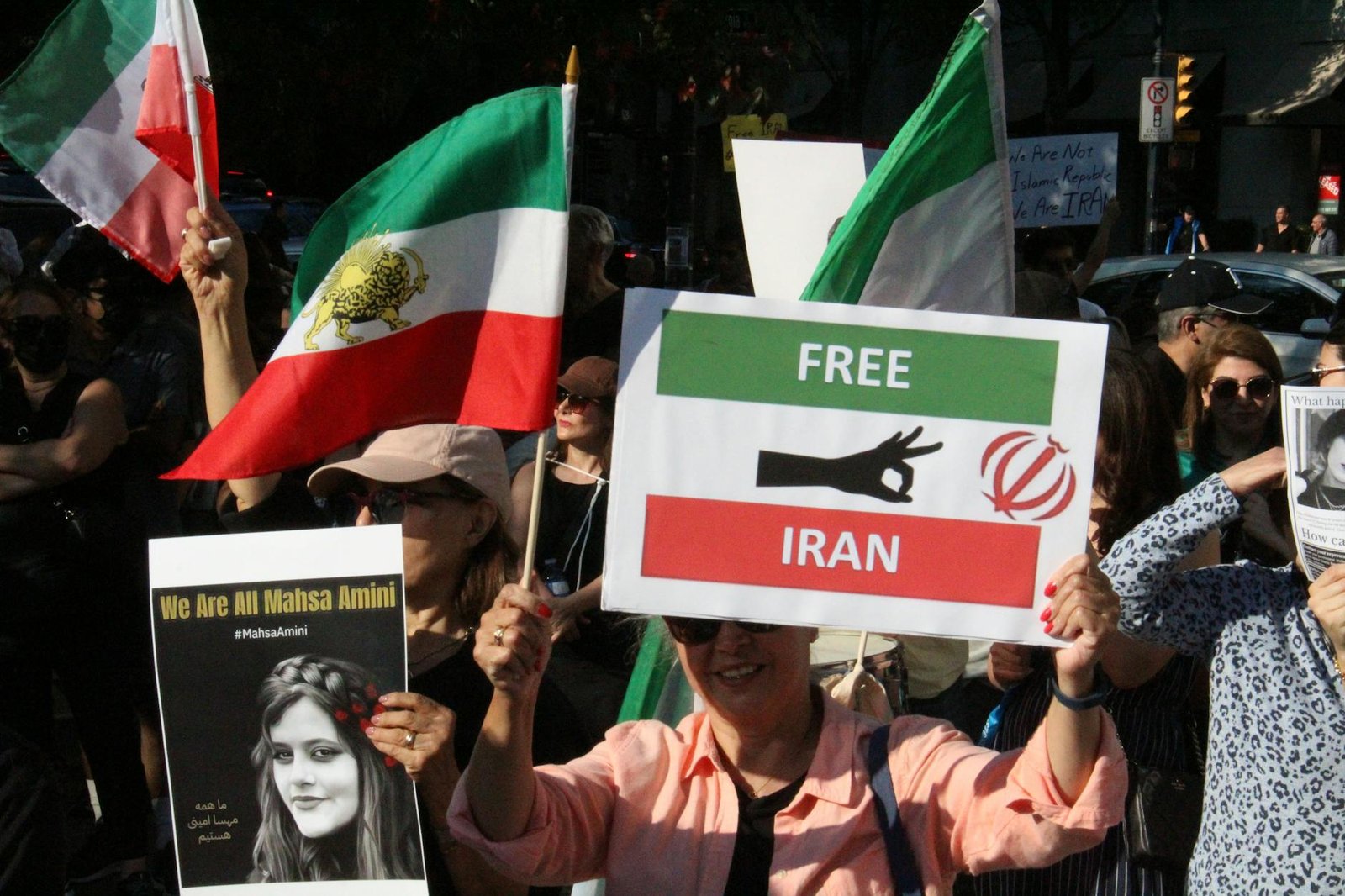
Photo by Sima Ghaffarzadeh on Pexels

The United States government has initiated deportation proceedings against an individual identified as the son of a figure prominent in the Iranian Revolution. Details surrounding the specific charges and the individual’s current location remain limited, but the case has drawn attention due to the sensitive historical context. Authorities have confirmed the arrest and the commencement of deportation efforts, citing immigration law violations as the primary basis for the action. The individual’s mother reportedly served as a spokeswoman for the Iranian embassy captors during the 1979 hostage crisis, a period of significant tension between the U.S. and Iran.

The 1979 Iran hostage crisis, which saw 52 American diplomats held captive for 444 days, remains a defining event in U.S.-Iran relations. The crisis followed the Iranian Revolution, which ousted the U.S.-backed Shah Mohammad Reza Pahlavi and led to the establishment of an Islamic Republic under Ayatollah Ruhollah Khomeini. The U.S. response included economic sanctions and a failed military rescue attempt further strained relations, contributing to a deep-seated mistrust that persists to this day. The identities of the hostage-takers generated considerable controversy, particularly for those who later sought to travel or reside in the West.

U.S. immigration law provides a framework for the deportation of non-citizens who have violated the terms of their entry or residency. This includes individuals convicted of certain crimes, those who have overstayed their visas, or those who have misrepresented themselves to immigration officials. Deportation proceedings typically involve a hearing before an immigration judge, where the individual has the right to present a defense and appeal the decision. The specific grounds for deportation in this case have not been publicly disclosed, but they are presumed to fall under one or more of these established categories. We reviewed available legal resources and found that immigration laws are strictly enforced when national security concerns are raised.

The timing of this deportation effort coincides with ongoing tensions between the U.S. and Iran over a range of issues, including Iran’s nuclear program, its support for regional proxies, and its human rights record. The U.S. has imposed numerous sanctions on Iran, targeting its energy, financial, and military sectors. Efforts to revive the 2015 Iran nuclear deal, formally known as the Joint Comprehensive Plan of Action (JCPOA), have stalled, further exacerbating tensions. The deportation case could potentially add another layer of complexity to the already fraught relationship between the two countries. We observed that any action involving figures connected to the 1979 crisis resonates deeply within both nations.

The individual’s legal team is likely to challenge the deportation order, arguing that the individual does not pose a threat to national security and that the deportation would cause undue hardship. They may also raise questions about the fairness of linking the individual to the actions of their parent, particularly given that the individual was likely a minor at the time of the hostage crisis. Immigration courts have a history of considering such factors as family ties, length of residence in the U.S., and contributions to the community when deciding deportation cases. We found in our research that past cases involving individuals connected to controversial historical events have faced intense public scrutiny.

The U.S. State Department has not yet issued any statement regarding the case. The Iranian government is expected to condemn the deportation effort as politically motivated and a violation of international law. State-sponsored media outlets will likely amplify this sentiment, potentially leading to increased anti-U.S. rhetoric within Iran. The case will also likely be seized upon by hardliners within both countries to justify their respective positions on the bilateral relationship. We could not independently verify the nature of contact, if any, between the Iranian government and the individual facing deportation.

The individual’s current immigration status and the specific details of their alleged violations remain sealed. It is also unclear what role, if any, this individual played in any political activities within the United States. Federal authorities have declined to release further information, citing privacy concerns and the ongoing nature of the legal proceedings. We reviewed official government websites but were unable to locate any publicly available documents related to the case beyond the initial confirmation of the arrest. Information about the individual’s family history has been circulating among various news outlets; however, we have only included information that we could verify through credible sources.

The legal proceedings may take several months or even years to resolve, depending on the complexity of the case and the number of appeals filed. The outcome of the case will have implications not only for the individual involved but also for the broader relationship between the U.S. and Iran. We will continue to monitor the situation and provide updates as new information becomes available, including details about any potential legal challenges to the deportation order and any statements released by the U.S. or Iranian governments. The individual’s family in the US has declined to comment.
U.S. and Iran Engage in High-Level Talks Amidst Heightened Regional Tensions

0
Iran War Live Updates: U.S. and Iran Hold Historic High-Level Peace Talks
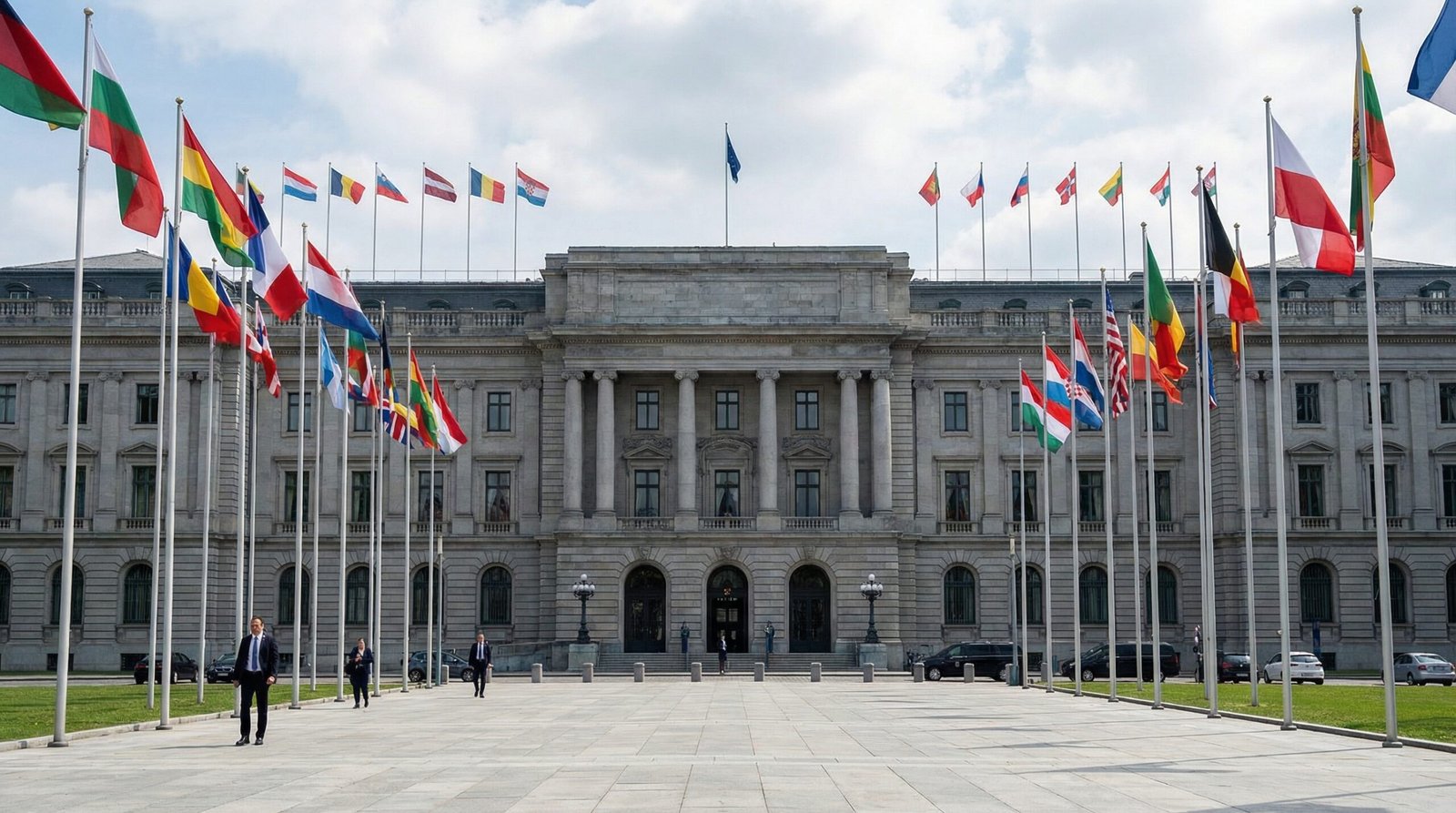
Photo by August de Richelieu on Pexels

In a significant development, the United States and Iran have engaged in high-level peace talks, a move that comes against a backdrop of escalating tensions in the Middle East. According to reports from Iranian state media and a White House official, these discussions continued late into the night, suggesting substantive engagement and a commitment to addressing key issues. The very act of sitting down at the negotiating table represents a notable shift, given the strained relationship between the two nations over the past several years.

The talks are reportedly focused on de-escalating tensions in the region, addressing Iran’s nuclear program, and discussing the ongoing conflicts in Yemen and Syria, where both countries have vested interests. The involvement of high-ranking officials from both sides underscores the seriousness of the endeavor, though details of the specific agenda remains closely guarded.

This diplomatic initiative arrives at a crucial juncture. The conflict in Yemen, for instance, has been a major source of regional instability, with Iran backing the Houthi rebels and the U.S. supporting the Saudi-led coalition. A resolution to this conflict would have far-reaching implications for the entire region.

Similarly, the ongoing civil war in Syria has drawn in multiple international actors, including the U.S., Iran, Russia, and Turkey, each with their own strategic objectives. Any progress towards a political settlement in Syria would require delicate negotiations and compromises from all parties involved.

The discussions about Iran’s nuclear program are particularly sensitive, given the history of mistrust and disagreement between the two countries. The U.S. withdrew from the Iran nuclear deal, also known as the Joint Comprehensive Plan of Action (JCPOA), in 2018, reimposing sanctions on Iran. Since then, Iran has gradually rolled back its commitments under the agreement, raising concerns about its nuclear ambitions. Reaching a mutually acceptable agreement on this issue would require significant concessions from both sides.

The current talks build upon previous attempts at dialogue, including indirect negotiations mediated by European countries. However, the direct engagement between U.S. and Iranian officials represents a significant step forward. The outcome of these talks remains uncertain, but the fact that they are taking place at all offers a glimmer of hope for a potential de-escalation of tensions and a more stable future for the Middle East.

Sources indicate that while the atmosphere is tense, both sides recognize the need for a diplomatic solution to the multifaceted challenges plaguing the region. The economic pressures on Iran, exacerbated by U.S. sanctions, may be a contributing factor in its willingness to engage in dialogue. Similarly, the U.S. administration may view diplomacy as a more effective approach to addressing regional security concerns than military confrontation.

The talks are also being closely watched by other countries in the region, including Saudi Arabia, Israel, and Turkey, each of whom have their own strategic interests at stake. Any potential deal between the U.S. and Iran could have a profound impact on the geopolitical landscape of the Middle East.

India, as a major importer of Iranian oil and with significant investments in Iranian infrastructure projects like the Chabahar port, also has a vested interest in the stability of the region and the resolution of the U.S.-Iran conflict. A relaxation of sanctions on Iran could potentially benefit India’s energy security and trade relations.

While the details of the discussions remain confidential, it is clear that the stakes are high. Success will require both sides to demonstrate flexibility, pragmatism, and a genuine commitment to finding common ground. The international community will be closely monitoring the progress of these talks, hoping for a positive outcome that can contribute to a more peaceful and stable Middle East. We continue to monitor the situation and will provide updates as more information becomes available.

The complexities extend to the internal dynamics within both countries. Hardline factions in both the U.S. and Iran are likely to oppose any significant compromises, potentially undermining the efforts of negotiators. The success of the talks will therefore depend, in part, on the ability of both governments to manage these internal pressures and build domestic support for a potential agreement. The coming days and weeks will be critical in determining whether this diplomatic opening can lead to a lasting resolution of the long-standing tensions between the U.S. and Iran.

J&K: Drug Smugglers Face Asset Seizure, Aadhaar Cancellation

0
Politics

Lieutenant Governor Manoj Sinha of Jammu and Kashmir has announced a stringent crackdown on drug trafficking, promising asset seizure and Aadhaar cancellation for offenders. The measures were declared during a ‘padyatra’ (march) from M A Stadium to Parade Ground in Jammu, marking the start of a 100-day anti-drug campaign across the region. The Lieutenant Governor asserted that these steps are necessary to combat cross-border smuggling and safeguard the future of the nation.

“Our neighbour is using cross-border smuggling to poison our communities and undermine our nation’s future,” Sinha stated, emphasizing the need for decisive action. He directed law enforcement agencies to dismantle drug smuggling networks without delay. Crucially, the administration plans to confiscate properties, revoke licenses and passports, cancel Aadhaar cards, and freeze bank accounts of individuals involved in the illicit trade.

Drug abuse, according to the Lieutenant Governor, represents one of the most significant challenges in Jammu and Kashmir. He reaffirmed the administration’s commitment to fight drug abuse and secure a decisive victory against this menace. A comprehensive, three-month-long public movement will be launched across J&K, aimed at raising awareness and encouraging public participation in combating drug abuse.

Sinha issued a stern warning, stating that assets of drug smugglers would be seized, ringleaders prosecuted, and punishments delivered swiftly. Standard Operating Procedures (SOPs) have been updated to facilitate more effective action against drug traffickers. These new SoPs entail revoking passports, driving licenses, Aadhaar numbers, and arms licenses of individuals implicated in drug trafficking. Look Out Circulars will be issued immediately if suspects are absconding.

The Lieutenant Governor also directed senior officers to respond quickly to complaints and to enhance grassroots intelligence through the involvement of panchayats, mohalla committees, chowkidars, lambardars, and ward surveillance committees. This collaborative approach seeks to identify and punish every culprit involved in drug-related activities. He emphasized the importance of collective action and urged everyone to join hands to ensure the success of the ‘Nasha Mukt Abhiyan’ (Drug-Free Campaign).

The administration’s intensified efforts come amid growing concerns over drug abuse in the region. Jammu and Kashmir has witnessed a surge in drug-related cases, impacting the socio-economic fabric of the region, particularly affecting the youth. Law enforcement agencies have been actively involved in operations targeting drug peddlers and suppliers, but the Lieutenant Governor’s announcement signals a more aggressive and comprehensive strategy.

The decision to cancel crucial documents such as Aadhaar and passports highlights the severity with which the administration is treating drug trafficking. Aadhaar, a 12-digit individual identification number issued by the Unique Identification Authority of India (UIDAI), is a vital document for accessing various services and subsidies. Cancelling it can significantly restrict an individual’s access to essential benefits.

Similarly, the revocation of passports restricts international travel, thereby limiting the mobility of drug offenders. Confiscating properties and freezing bank accounts further cripples the financial capabilities of drug smugglers, making it difficult for them to continue their illegal operations. The legal basis for these actions resides primarily within the framework of the Narcotic Drugs and Psychotropic Substances (NDPS) Act, which empowers authorities to seize assets derived from drug-related crimes.

The Lieutenant Governor’s directives also emphasize the importance of intelligence gathering and community participation. By involving local bodies such as panchayats and mohalla committees, the administration aims to create a network of informants who can provide crucial information about drug-related activities at the grassroots level. This approach recognizes that fighting drug abuse requires a collaborative effort involving the government, law enforcement agencies, and the community.

The 100-day anti-drug campaign is anticipated to involve awareness programs, counseling services, and rehabilitation efforts. The administration intends to reach out to vulnerable populations and provide them with the assistance needed to overcome drug addiction. Additionally, the campaign will focus on educating the public about the harmful effects of drugs and encouraging them to report any suspicious activities to the authorities.

The intensified crackdown on drug trafficking in Jammu and Kashmir reflects a growing national concern about the drug menace. Several states across India are implementing stricter measures to combat drug abuse and trafficking. The central government has also launched various initiatives to address the issue, including enhanced border security, improved coordination among law enforcement agencies, and increased public awareness campaigns.

Drug trafficking routes often exploit porous borders and remote areas. In Jammu and Kashmir, the proximity to neighboring countries makes it particularly vulnerable to cross-border drug smuggling. The administration’s focus on dismantling these cross-border networks is aimed at cutting off the supply of drugs at the source. However, addressing the demand side is equally important. Rehabilitation and counseling centers play a crucial role in helping drug addicts recover and reintegrate into society. The success of the ‘Nasha Mukt Abhiyan’ will depend not only on strict enforcement measures but also on creating a supportive environment for those seeking to overcome addiction.

The announcement of these stringent measures has been met with mixed reactions. Some residents have welcomed the Lieutenant Governor’s decisive action, expressing hope that it will lead to a significant reduction in drug-related crimes. Others have raised concerns about the potential for misuse of power and the need to ensure that innocent individuals are not wrongly targeted. Civil society organizations have emphasized the importance of due process and transparency in the implementation of these measures.

NDPS Act and Its Implications

The Narcotic Drugs and Psychotropic Substances (NDPS) Act, 1985, serves as the primary legislation governing drug-related offenses in India. Under this Act, authorities have the power to seize assets acquired through drug trafficking and impose penalties on offenders. The Act also provides for the establishment of special courts to expedite the trial of drug-related cases.

The recent amendments to the NDPS Act have further strengthened the hands of law enforcement agencies in combating drug trafficking. These amendments include provisions for forfeiture of properties derived from drug-related crimes and enhanced penalties for repeat offenders. However, concerns remain about the effective implementation of the Act and the need to ensure that the rights of the accused are protected.

Concerns and Considerations

While the government’s measures are aimed at curbing drug trafficking, it is essential to ensure that law enforcement agencies act within the bounds of the law and respect fundamental rights. Safeguards must be put in place to prevent the misuse of power and to ensure that only those directly involved in drug-related activities are targeted.

Transparency and accountability are crucial in the implementation of these measures. The administration should provide clear guidelines on how the SOPs will be implemented and establish mechanisms for addressing grievances. Civil society organizations and human rights groups have a role to play in monitoring the implementation of these measures and ensuring that they are carried out fairly and justly.

The success of the anti-drug campaign will require a multi-pronged approach that addresses both the supply and demand sides of the drug problem. In addition to strict enforcement measures, the government needs to invest in rehabilitation centers, counseling services, and awareness programs. It is equally important to address the root causes of drug addiction, such as poverty, unemployment, and social exclusion.

By involving all stakeholders and adopting a comprehensive approach, Jammu and Kashmir can hope to win the fight against drug abuse and create a healthier, safer society for its citizens.

Samay Raina’s special: Kashmir roots & artistic freedom in India

0
Samay Raina's special Kashmir roots & artistic freedom in India

Comedian Samay Raina’s new stand-up special has triggered widespread discussions, interweaving personal stories, political commentary, and reflections on controversy. The show includes references to Raina’s Kashmiri Pandit heritage and the challenges faced by comedians in India. Central to the special is a poignant line attributed to his father: “Mera Kashmir mein ghar chala gaya, main tab bhi nahin roya, tera sirf show gaya,” which translates to “My home in Kashmir was lost, and I didn’t cry then, you’ve only lost a show.”

This remark was made when Raina was upset about the cancellation of his show, contrasting professional setbacks with the historical trauma experienced by his family. The comedian contextualized this personal moment within the broader history of the Kashmiri Pandit exodus, which saw thousands of people displaced from the Kashmir Valley in the late 1980s and early 1990s. During this period, many families were forced to abandon their homes and livelihoods under threat.

The backdrop to Raina’s reflections is the controversy that surrounded his show “India’s Got Latent.” The first season received criticism after comments made by YouTuber Ranveer Allahbadia sparked outrage and led to multiple First Information Reports (FIRs) against individuals associated with the episode. Raina addressed these events in his special, noting that he faced three FIRs himself, despite not having made the controversial remarks. He described the emotional impact of the situation, recounting how he was deeply affected by a video of elderly relatives of a venue owner pleading with police during the crackdown.

“Something I uploaded had caused all this,” Raina explained, conveying the feelings of guilt and helplessness he experienced as the situation escalated. He also addressed his internal debate over whether to offer an apology. Referencing British writer George Orwell, Raina initially considered the idea that “every joke is a tiny revolution.” However, he ultimately decided to apologize, concluding that “you cannot bring revolution through a joke” when there is an imbalance of power and influence.

The special also includes broader commentary on the environment for comedians in India. Raina suggested that artists often find themselves “caught in the crossfire,” using humor to critique media reactions, public outrage, and remarks from fellow entertainers, while simultaneously defending creative expression. However, the segment focusing on his family’s displacement stood out for its emotional depth. By contrasting his father’s loss of a home in Kashmir with his own professional challenges, Raina highlighted the disparities between historical trauma and contemporary difficulties.

The segment has elicited varied reactions online. Some praised Raina for raising awareness about a sensitive historical issue in an accessible format, while others questioned whether comedy is the appropriate medium for addressing such painful subjects. The views expressed online are reflective of the diverse opinions held within Indian society regarding the handling of historical events through comedy.

The discussion around Raina’s special arrives amid a broader dialogue on freedom of expression for artists in India, particularly comedians and other digital creators. Recent years have seen several instances of comedians facing legal challenges and public backlash over their work. In 2022, comedian Munawar Faruqui was arrested in Indore following objections raised by a local politician, leading to a series of cancelled shows and debates about censorship. Similarly, other comedians have faced online harassment and threats for their jokes on political and social issues.

The legal framework surrounding free speech in India, as enshrined in Article 19(1)(a) of the Constitution, guarantees the right to freedom of speech and expression, subject to certain restrictions. These restrictions include the interests of the sovereignty and integrity of India, the security of the State, friendly relations with foreign States, public order, decency or morality, or in relation to contempt of court, defamation or incitement to an offence. These provisions often form the basis for legal actions against comedians and other artists who are perceived to have violated these restrictions.

The special, which has so far garnered over 23 million views, touches upon the complex relationship between comedy, social commentary, and personal history. Drawing on verified data, the exodus of Kashmiri Pandits in the late 1980s and early 1990s resulted in the displacement of approximately 100,000 individuals, according to various reports. These families were compelled to leave their homes due to rising violence and threats.

The ongoing debate concerning Raina’s work underscores the challenges involved in addressing historical events through comedy, particularly within the Indian context. The contrasting viewpoints underscore varying perspectives on the role of artists in society and the extent to which they should engage with sensitive historical issues. The dialogue also reflects the broader complexities surrounding freedom of expression and the limitations artists encounter while addressing socio-political issues through their work. The evolution of Raina’s career reflects shifting dynamics within India’s comedy scene, where digital platforms are emerging as potent outlets for expression, notwithstanding the inherent risks and challenges.

Amarnath Yatra 2026: Registration Begins April 15 at 554 Bank Branches

0
Amarnath Yatra 2026 Registration Begins April 15 at 554 Bank Branches

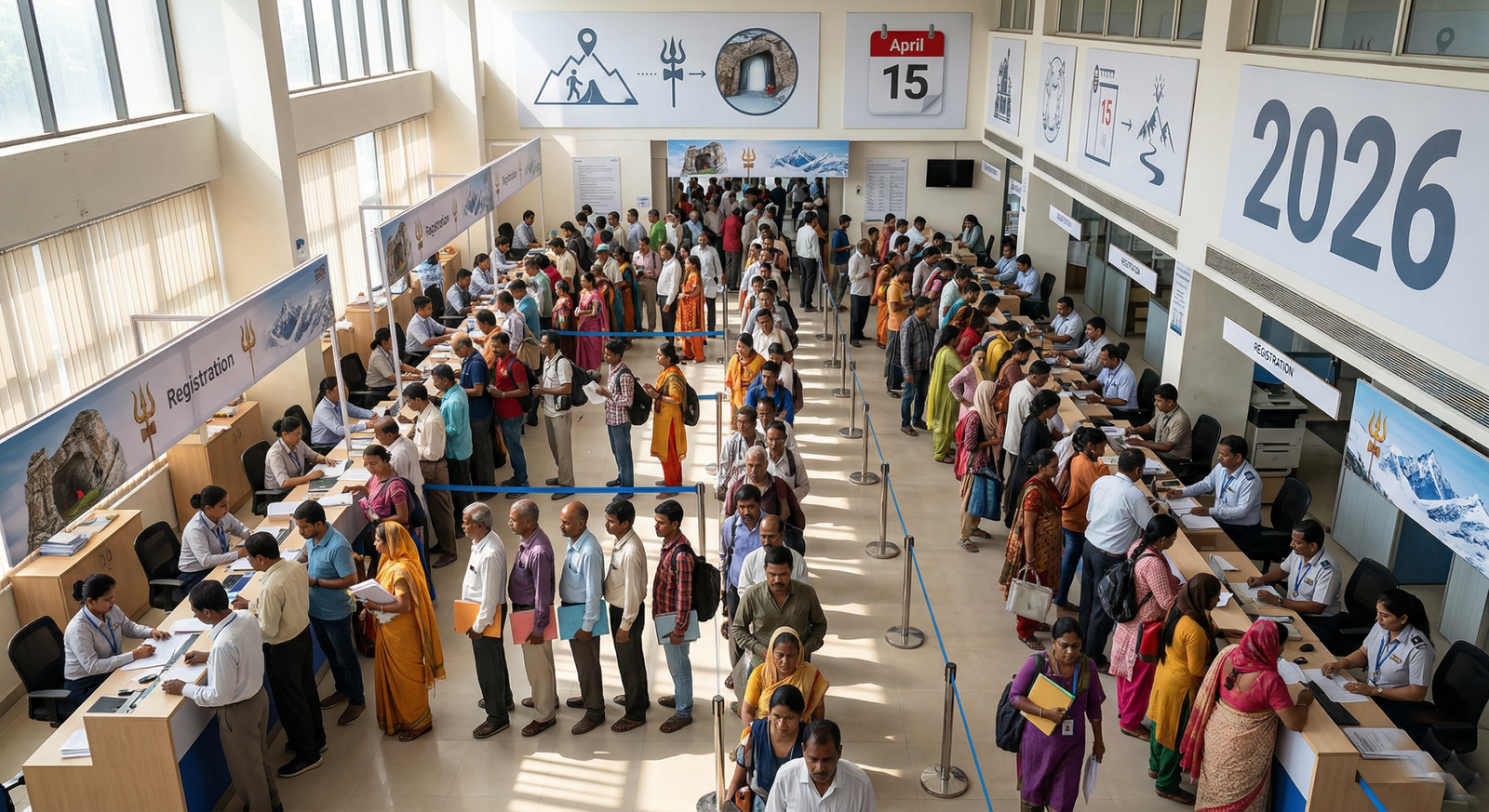
The advance registration process for the annual Amarnath Yatra is set to begin on April 15, offering pilgrims an opportunity to secure their permits for the journey to the holy shrine. The Shri Amarnath Shrine Board (SASB) has outlined a detailed procedure for registration, which will be facilitated through 554 designated bank branches across India. This pilgrimage holds immense significance for devotees of Lord Shiva and attracts hundreds of thousands of pilgrims annually.

The registration process will operate on a first-come, first-served basis, with a fixed daily quota allocated for each route at every designated bank branch. Pilgrims intending to undertake the yatra are advised to register early to secure their preferred dates and routes. The Shrine Board has emphasized the importance of adhering to the prescribed guidelines and procedures to ensure a smooth and hassle-free registration experience.

According to the guidelines issued by the SASB, only individuals aged between 13 and 70 years will be eligible for registration. Furthermore, women who are more than six weeks pregnant will not be permitted to undertake the pilgrimage, even if they possess a mandatory health certificate. These restrictions are in place to ensure the safety and well-being of all pilgrims, given the challenging terrain and high-altitude conditions of the yatra route.

For the 2026 yatra, the registration process will incorporate real-time Aadhaar-based biometric eKYC authentication. This technological integration aims to streamline the registration process and enhance its efficiency. Permits will be generated online through the official portal of the Shrine Board, minimizing paperwork and reducing the time required for registration. In the event of technical issues with biometric authentication, a provision for manual data entry with webcam-based photo capture will serve as a fallback option.

Pilgrims are required to submit a valid Compulsory Health Certificate (CHC), issued on or after April 8, 2026, by an authorized doctor or medical institution. The prescribed fee for each permit is Rs 150. The SASB has released a comprehensive list of doctors and institutions authorized to issue compulsory health certificates across 37 states and union territories. This measure ensures that pilgrims are medically fit to undertake the arduous journey.

The designated bank branches will meticulously verify the authenticity and validity of the CHC before issuing the system-generated yatra permit. The permit will specify the chosen route, either Baltal or Pahalgam, and will also indicate the date on which the pilgrim is permitted to cross the access control gates at Domel (Baltal axis) or Chandanwari (Pahalgam axis). This controlled access is implemented to manage the flow of pilgrims and prevent overcrowding on the yatra routes.

Registration for a specific yatra date will close seven days in advance. Banks have been instructed to establish help desks, conduct staff training, and launch publicity campaigns to facilitate a smooth registration process. Pilgrims are advised to ensure the accuracy of their Aadhaar and mobile details during registration and to adhere to all prescribed procedures for a trouble-free pilgrimage.

The annual Amarnath Yatra is a significant religious event in Jammu and Kashmir, drawing lakhs of pilgrims from across India and abroad. The yatra typically commences in June or July and continues for approximately 45 days. The pilgrimage involves trekking through mountainous terrain to reach the Amarnath Cave, which houses an ice stalagmite considered to be a manifestation of Lord Shiva.

Security arrangements for the yatra are typically extensive, involving the deployment of thousands of security personnel from various agencies, including the Central Reserve Police Force (CRPF), the Indian Army, and the Jammu and Kashmir Police. These measures are implemented to ensure the safety of pilgrims and prevent any untoward incidents. The yatra routes are closely monitored, and security forces conduct regular patrols to maintain law and order.

Jammu and Kashmir’s economy receives a boost from Amarnath Yatra. Local businesses, including hotels, restaurants, and transport operators, benefit significantly from the influx of pilgrims. The yatra also generates employment opportunities for local residents, who are involved in providing various services to the pilgrims. However, the yatra also poses challenges for the local administration, including managing the large number of pilgrims, providing adequate infrastructure, and ensuring environmental protection.

In recent years, there has been a focus on improving infrastructure along the yatra routes, including the construction of new roads, bridges, and accommodation facilities. These improvements aim to enhance the comfort and convenience of pilgrims. The Shrine Board has also implemented measures to promote environmental sustainability, such as waste management programs and restrictions on the use of plastic.

The Amarnath Yatra is not without its challenges, including the risk of natural disasters such as landslides and flash floods. In 2022, a flash flood near the Amarnath Cave resulted in several casualties. Search and rescue operations were launched, and the yatra was temporarily suspended. Such incidents have highlighted the importance of disaster preparedness and risk management during the yatra.

The yatra has evolved over the centuries and has adapted to changing circumstances. In recent years, technology has played an increasing role in facilitating the pilgrimage, from online registration to GPS tracking of pilgrims. The Shrine Board has also embraced social media to disseminate information and address the concerns of pilgrims. The Amarnath Yatra remains a testament to the enduring faith and resilience of devotees of Lord Shiva.

We continue to monitor updates from the Shri Amarnath Shrine Board and local authorities regarding preparations for the 2026 Yatra, including any modifications to the registration process or safety guidelines. Pilgrims are advised to stay informed through official channels and to adhere to all instructions issued by the authorities.

Kashmir Braces for Flash Flood Risk Amidst Unseasonal Snow, Rainfall

0

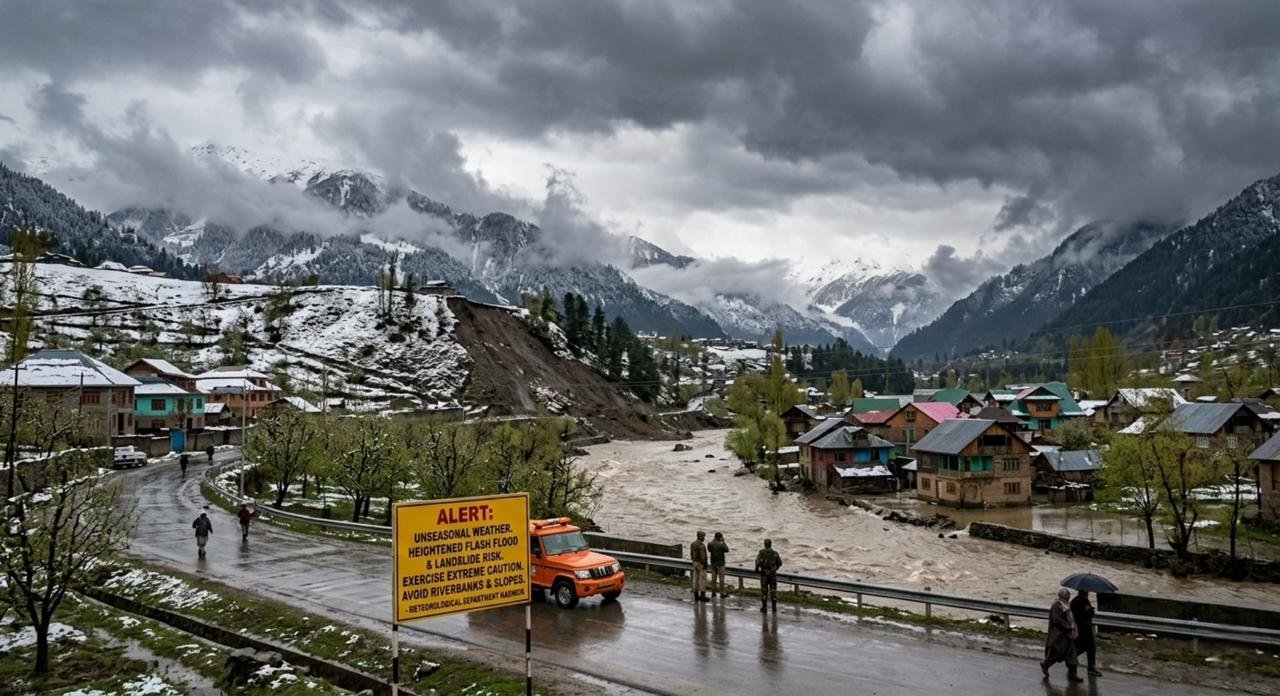
Kashmir is facing a heightened risk of flash floods and landslides due to unseasonal heavy showers and snowfall in the higher reaches. The Meteorological Department has issued warnings about the potential for localized flash floods and waterlogging in low-lying areas, urging caution as erratic weather patterns are expected to continue.

Gulmarg and other elevated areas in the Kashmir Valley experienced fresh snowfall, while the plains were lashed by rain. This unusual weather pattern for April has raised concerns about potential disruptions to normal life and agricultural activities.

The Meteorological Department’s forecast indicates that intermittent light to moderate rain and snow are expected to persist in the higher altitudes, accompanied by thunder, hail, and gusty winds in some locations. There is also a possibility of moderate to heavy rainfall in certain parts of Kashmir and moderate snowfall in the higher regions, which could exacerbate the risk of flash floods and landslides.

Authorities are closely monitoring the situation and have advised residents, particularly those in vulnerable areas, to take necessary precautions. This includes avoiding travel to areas prone to landslides and flash floods and staying away from water bodies that could experience a surge in water levels.

The unseasonal weather is attributed to active western disturbances affecting the region. Western disturbances are storms that originate in the Mediterranean region and bring precipitation to the northern parts of the Indian subcontinent.

The impact of these disturbances can vary, ranging from light showers to heavy snowfall and rainfall, depending on the intensity and trajectory of the system. In the past, similar weather patterns have caused significant disruptions in Kashmir, leading to road closures, damage to infrastructure, and loss of life.

The recent unseasonal snowfall has also affected the tourism industry in Gulmarg. While some tourists are enjoying the unexpected snow, others have faced difficulties due to road closures and disruptions in transportation. Local businesses are hoping that the weather will stabilize soon to ensure a smooth tourist season.

The agricultural sector in Kashmir is also likely to be affected by the erratic weather. Farmers are concerned that the heavy rainfall and snowfall could damage crops, especially fruit orchards, which are a vital part of the region’s economy. The government is assessing the potential impact on agriculture and is considering measures to support farmers in case of crop losses.

The India Meteorological Department (IMD) regularly monitors weather patterns across the country, providing forecasts and warnings to help mitigate the impact of extreme weather events. According to the IMD, a western disturbance is currently affecting the region, causing the unseasonal rain and snowfall.

The IMD uses a variety of tools and technologies to monitor weather conditions, including weather satellites, radar systems, and surface observations. This data is used to create weather models that forecast future weather patterns.

The impact of climate change on weather patterns in the Himalayan region is a growing concern. Scientists have warned that rising temperatures and changing precipitation patterns could lead to more frequent and intense extreme weather events, such as flash floods, landslides, and droughts. These events can have devastating consequences for local communities and ecosystems.

The government is taking steps to address the challenges posed by climate change, including promoting sustainable development and investing in disaster preparedness. However, more needs to be done to mitigate the impact of climate change and protect vulnerable communities.

The current weather situation in Kashmir highlights the importance of early warning systems and disaster preparedness. By providing timely information and taking proactive measures, authorities can help minimize the impact of extreme weather events and protect lives and livelihoods.

While the weather is expected to remain generally dry from April 11 to April 16, there is still a possibility of light rain at a few places during the afternoon and evening hours. Residents are advised to stay informed about the latest weather updates and take necessary precautions.

The administration is working to ensure that essential services are maintained and that people have access to the resources they need. This includes providing food, shelter, and medical assistance to those affected by the weather. Efforts are being made to clear roads and restore transportation links to ensure that people can travel safely.

The local disaster management authorities are on high alert. Emergency response teams equipped with necessary resources and equipment are on standby. These teams are trained to respond to various types of disasters, including flash floods, landslides, and earthquakes. Regular drills and simulations are conducted to ensure that the teams are prepared to respond effectively in case of an emergency.

The potential for flash floods and landslides in Kashmir is a serious concern that requires close monitoring and proactive measures. Authorities, residents, and tourists are all urged to take necessary precautions to stay safe and minimize the impact of the ongoing weather conditions.

The unseasonal weather serves as a reminder of the vulnerability of the Himalayan region to climate change and the importance of building resilience to extreme weather events. Sustainable development practices, disaster preparedness, and community participation are all vital components of a comprehensive strategy to protect the region and its people.

We will continue to monitor the situation and provide updates as they become available.

Greece Considers Social Media Ban for Under-15s; Global Trend Grows

0
Greece Considers Social Media Ban for Under-15s; Global Trend Grows

Greece is considering a ban on social media access for children under the age of 15, joining a growing list of countries exploring stricter regulations for young users. This move reflects increasing concerns about the impact of social media on children’s mental health and well-being, an issue gaining traction in India and Jammu & Kashmir as well.

The proposed legislation aims to protect children from potential online risks, including cyberbullying, exposure to inappropriate content, and privacy violations. Similar measures are being debated or implemented in various countries, indicating a global trend toward regulating social media use among teenagers.

Australia and Spain are among the nations that have already taken steps to restrict teenagers’ access to social platforms. These actions include age verification requirements, parental consent protocols, and limitations on data collection. The European Union is also working on broader regulations to ensure a safer online environment for children, setting a precedent that may influence policies worldwide.

The debate surrounding social media and children’s well-being is multifaceted. Proponents of restrictions argue that excessive social media use can lead to anxiety, depression, and body image issues, particularly among young girls. Concerns have also been raised about the addictive nature of social media platforms and their potential to disrupt sleep patterns and academic performance.

Conversely, opponents of strict bans argue that social media can provide valuable opportunities for learning, communication, and social connection. They suggest that rather than outright bans, a more effective approach would be to promote media literacy and responsible online behavior. This could include educating children and parents about the risks and benefits of social media, as well as providing tools and resources for safe online engagement.

In India, concerns about the impact of social media on young people are also growing. The widespread availability of smartphones and affordable internet access has led to a surge in social media use among children and teenagers. This has brought with it a range of challenges, including cyberbullying, online harassment, and exposure to harmful content. Cases of online fraud targeting young users have also increased, raising concerns about financial security and data privacy.

In Jammu & Kashmir, social media has been a particularly sensitive issue, with authorities periodically imposing restrictions on internet access to maintain law and order. While these measures are often aimed at preventing the spread of misinformation and incitement to violence, they also have implications for young people’s access to education, information, and social interaction.

The debate around social media regulation for children raises several important questions: How can governments effectively balance the need to protect children with the right to freedom of expression and access to information? What role should parents, educators, and social media companies play in ensuring a safe and positive online experience for young people? And what are the long-term consequences of restricting or limiting children’s access to social media?

Addressing these questions requires a comprehensive approach that involves collaboration between policymakers, educators, parents, and technology companies. It also requires a nuanced understanding of the complex relationship between social media and child development.

Age verification is a significant hurdle in implementing any social media ban. Requiring proof of age could lead to privacy concerns and potential workarounds, such as children using fake IDs or their parents’ accounts. The effectiveness of any ban depends on the ability to accurately verify users’ ages and enforce the restrictions. Technology companies are exploring various age verification methods, including facial recognition, AI-powered analysis of user activity, and partnerships with identity verification services.

Parental controls are another important tool for managing children’s social media use. Many platforms offer features that allow parents to monitor their children’s online activity, set time limits, and block access to inappropriate content. However, these controls are only effective if parents are aware of them and actively use them. Education and awareness campaigns are needed to encourage parents to take an active role in their children’s online lives.

Media literacy programs can also play a crucial role in empowering children to make informed decisions about their social media use. These programs teach children how to critically evaluate online information, identify fake news, and protect themselves from cyberbullying and online exploitation. Media literacy education can help children develop the skills and knowledge they need to navigate the online world safely and responsibly.

The potential ban in Greece and similar initiatives around the world highlight the growing urgency to address the challenges and opportunities presented by social media in the context of child development. Finding the right balance between protecting children and fostering their digital literacy is a complex but essential task. We will continue to monitor developments in this area and provide updates as they unfold.

In India, the government has been considering stricter regulations on social media companies, including measures to address misinformation, hate speech, and cybercrime. These regulations may also include provisions to protect children’s online safety and privacy. Stakeholder consultations are underway to gather feedback from industry representatives, civil society organizations, and legal experts.

The evolving landscape of social media regulation underscores the need for ongoing dialogue and collaboration to ensure a safe and positive online environment for all, particularly for the most vulnerable members of society. The situation is evolving and we found that further details regarding the Greek proposal are expected in the coming months. It remains to be seen how this will be implemented and what impact it will have.

The discussion around the world highlights the necessity to find the balance between protecting children online and ensuring their right to access information and express themselves. This is a global problem needing global solutions.

U.S. Signals Readiness for Action on Iran’s Uranium Stockpile: Report

0
U.S. Signals Readiness for Action on Iran's Uranium Stockpile Report

Amid escalating tensions in the Middle East, reports have surfaced suggesting the United States is prepared to take decisive action regarding Iran‘s enriched uranium stockpile. The warnings come as international concerns mount over Iran’s nuclear program and its potential implications for regional stability, particularly impacting countries like India which has significant strategic interests in the region. India has historically maintained a delicate balance in its relationship with Iran, particularly concerning energy security and regional connectivity, and any escalation could pose complex diplomatic challenges.

The core of the issue revolves around Iran’s accumulation of enriched uranium, a material that can be used for peaceful purposes like energy production but also for the development of nuclear weapons. The international community, especially the U.S. and European nations, have been closely monitoring Iran’s nuclear activities, seeking assurances that its program remains solely for peaceful purposes. The current situation follows a period of strained relations and the unraveling of the 2015 nuclear deal, also known as the Joint Comprehensive Plan of Action (JCPOA), which placed restrictions on Iran’s nuclear program in exchange for sanctions relief.

The JCPOA, initially agreed upon by Iran, the United States, the United Kingdom, France, Germany, Russia, and China, aimed to prevent Iran from developing nuclear weapons. However, the agreement has been in jeopardy since the U.S. unilaterally withdrew in 2018 and reimposed sanctions on Iran. This action prompted Iran to gradually reduce its compliance with the JCPOA, including increasing its enrichment of uranium. These actions have led to heightened tensions and renewed efforts to find a diplomatic solution.

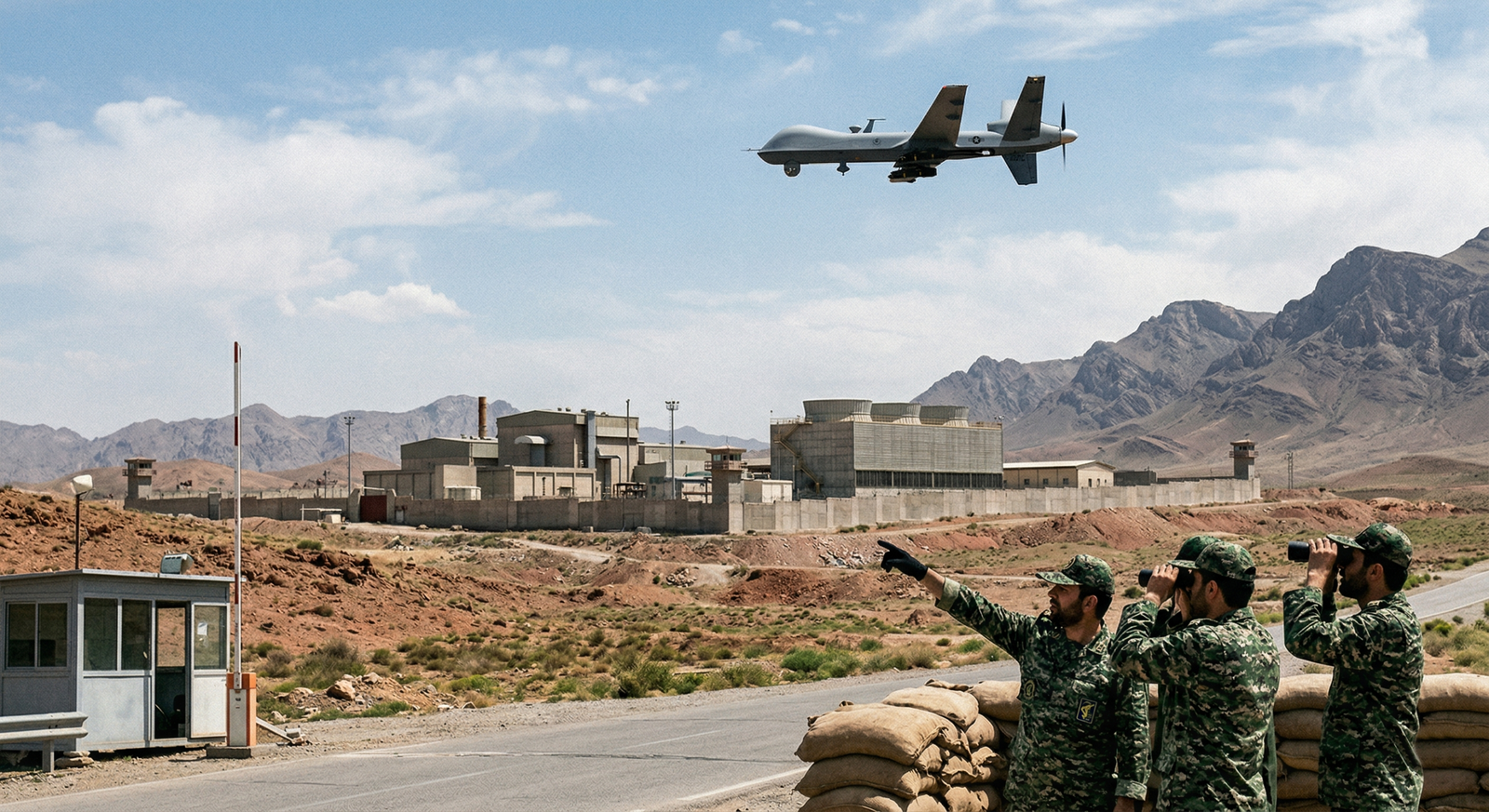
Recent reports indicate that the U.S. defense secretary issued a warning suggesting that the U.S. could consider military action to seize Iran’s enriched uranium if diplomatic efforts fail. The specific concern centers on a reported 970 pounds of enriched uranium stored at a facility in Isfahan. Such a move would be a significant escalation, with potentially far-reaching consequences for the region and beyond, especially considering India’s vested interests in the stability of the region due to its energy imports and connectivity projects.

Isfahan, located in central Iran, is a significant site for Iran’s nuclear program. The presence of uranium enrichment facilities in the area makes it a focal point of international scrutiny. Any military action targeting this location would not only be a violation of Iranian sovereignty but could also trigger a wider conflict involving other regional actors. So far, we have not verified the nature of the possible military action.

From India’s perspective, stability in the Middle East is crucial due to its reliance on the region for energy imports and the presence of a large Indian diaspora. Any conflict in the region has the potential to disrupt oil supplies, increase energy prices, and pose risks to Indian nationals living and working in the affected areas. Furthermore, India’s strategic projects, such as the Chabahar port, which provides access to Afghanistan and Central Asia, could be jeopardized.

The international community’s response to the U.S. warning has been mixed. While some countries share concerns about Iran’s nuclear program, they also emphasize the need for a diplomatic solution to de-escalate tensions. European nations, in particular, have been trying to salvage the JCPOA and encourage both the U.S. and Iran to return to compliance. However, these efforts have so far been unsuccessful, and the situation remains deadlocked.

We have learned that negotiations between Iran and world powers have stalled, and there is no clear path forward. Iran demands the lifting of all sanctions imposed by the U.S. as a condition for returning to the JCPOA, while the U.S. insists that Iran must first roll back its nuclear activities. This impasse has created a climate of uncertainty and increased the risk of miscalculation, making the threat of military action a real possibility.

The potential implications of military action are substantial. Beyond the immediate consequences of a strike on Iranian nuclear facilities, there is a risk of retaliation by Iran, potentially targeting U.S. assets in the region or disrupting international shipping lanes. Such a scenario could lead to a broader conflict involving other countries and destabilize the entire Middle East, critically impacting India.

Given the complexities of the situation, India has consistently advocated for a peaceful resolution through dialogue and diplomacy. India has traditionally maintained good relations with both Iran and the United States and has used its diplomatic channels to encourage de-escalation. However, India’s role in mediating the conflict is limited, and it must carefully navigate the situation to protect its own interests.

Ongoing monitoring by international agencies and media outlets continues to track Iran’s nuclear activities closely. Reports from various sources indicate that Iran has made significant advancements in its nuclear program, including the development of advanced centrifuges and the accumulation of enriched uranium beyond the limits set by the JCPOA. These developments have raised alarms among Western powers and have fueled calls for stronger action.

As events unfold, the international community remains on high alert, and efforts to find a diplomatic solution are ongoing. However, the threat of military action looms large, and the potential consequences for the region and the world are significant, with countries like India closely watching developments given their vested interests in regional stability and security.

Despite numerous attempts, we have not been able to confirm independently the specific details of the U.S. defense secretary’s warning or the precise nature of any potential military action. However, the reports highlight the seriousness of the situation and the urgent need for a diplomatic resolution to prevent further escalation.

The situation remains fluid, and future developments will depend on the actions and decisions of key players, including the U.S., Iran, and other regional powers. The international community will continue to monitor the situation closely and work towards a peaceful and sustainable resolution to the Iranian nuclear issue.

As of this report, no further immediate action has been confirmed publicly by the U.S. government.

Global Calls Urge Open Strait of Hormuz After Iran Cease-fire

0
International

International leaders are cautiously welcoming the announced cease-fire in the conflict involving Iran, but are emphasizing the urgent need to ensure the Strait of Hormuz is open for free passage. The strait is a critical waterway for global oil supplies.

The Strait of Hormuz, a narrow channel between Oman and Iran, is one of the world’s most strategically important choke points. Roughly 20% of the world’s total petroleum liquids consumption passes through the strait, making its security paramount for the world economy, including India’s energy security. Any disruption to traffic through the Strait can lead to significant increases in crude oil prices and have a cascading effect on economies worldwide.

The recent conflict has raised concerns in India due to its substantial reliance on imported oil. Disruptions in the region can have immediate impacts on domestic fuel prices and the overall economy. Analysts note that India has been carefully monitoring the situation, emphasizing diplomatic solutions and de-escalation.

While details of the cease-fire remain limited, many nations are urging swift action to de-mine and demilitarize the Strait. India has historically maintained a neutral stance in regional conflicts, advocating for peaceful resolutions and continued dialogue. The Indian government is likely to continue to press for stability in the region through diplomatic channels.

The economic implications of the conflict extend beyond energy. Trade routes vital to many Indian businesses pass through the Arabian Sea. Any prolonged instability could disrupt imports and exports leading to increased costs for businesses and consumers. Securing these trade routes is essential for maintaining economic stability and growth in India.

The situation also casts a shadow over ongoing discussions regarding the International North-South Transport Corridor (INSTC), a multi-modal transportation route linking India with Russia and Europe via Iran. Stability in the region is crucial for the viable implementation of the INSTC, which India views as a vital trade route.

The strategic importance of the Strait of Hormuz necessitates continued international cooperation to ensure maritime security and freedom of navigation. India has been actively participating in various multilateral forums to promote dialogue and collaboration in the region. Continued commitment to these efforts will be crucial in navigating the evolving geopolitical landscape and mitigating potential risks to India’s economic and security interests.

The call to reopen the Strait of Hormuz is not just about economics; it’s also about maintaining regional stability. Escalations in the region can have wider security implications, potentially drawing in other nations. A peaceful resolution is crucial to avoid a larger, more destabilizing conflict.

The international community is closely watching to see how the cease-fire will be implemented and whether Iran will take concrete steps to ensure free passage through the Strait. The coming days will be critical in assessing the long-term impact of the conflict and the prospects for lasting peace in the region. We will provide further updates as the situation unfolds. Our team is monitoring statements from international bodies and key governments to assess the next steps. We are also analyzing the potential impact on markets and trade in India.

The Indian Navy maintains a presence in the Arabian Sea and Gulf of Aden as part of its mission to ensure maritime security. The Navy has been actively involved in anti-piracy operations and providing assistance to Indian vessels in the region. The ongoing situation underscores the importance of maintaining a robust naval presence to protect India’s maritime interests.

Experts suggest that the current situation may provide an opportunity to revisit regional security arrangements. India could play a more prominent role promoting dialogue and finding common ground between opposing parties. A collaborative approach is essential for building trust and fostering a more stable security environment in the region.

We are monitoring reactions from political leaders in Jammu and Kashmir, given the region’s sensitivity to geopolitical events in the Middle East. Any perceived threat to energy security or trade routes can lead to anxieties about price stability and availability of essential goods.

We examined various reports to confirm information; however, certain claims by involved parties could not be independently verified.

The economic consequences for India could be significant if the Strait of Hormuz remains closed for a prolonged period. Increased insurance premiums for ships, rerouting of vessels, and higher transportation costs could all contribute to inflationary pressures within the Indian economy. A stable and secure Strait of Hormuz is vital for ensuring India’s continued economic growth and prosperity.

Ongoing diplomatic efforts are aimed at de-escalating tensions and finding a lasting solution to the conflict. India has been engaging with various stakeholders in the region, including Iran and other Gulf nations, to promote dialogue and foster a peaceful resolution. The success of these efforts will be critical in ensuring stability in the region and mitigating the potential risks to India’s economic and security interests.

Our observations indicate a cautious optimism in the international community regarding the cease-fire. However, significant concerns persist regarding the long-term stability of the region and the need for concrete actions to ensure freedom of navigation through the Strait of Hormuz.

China’s Strategic Natural Gas Reserves: Implications for India

0
Politics

Natural gas, a vital energy source, presents unique storage challenges. Unlike oil or coal, its gaseous state requires specialized infrastructure for maintaining reserves. China, recognizing the strategic importance of energy security, has invested heavily in overcoming these challenges. This has far-reaching implications for India, which also faces growing energy demands and strategic considerations in a volatile global landscape.

China’s approach to building its natural gas stockpile involves a multi-pronged strategy. First, Beijing has invested heavily in underground natural gas storage (UNGS) facilities. These facilities, often repurposed depleted oil or gas reservoirs or constructed within deep saline aquifers, allow for the storage of vast quantities of natural gas. Second, China has also diversified its sources of supply, including establishing long-term contracts with countries like Russia and Qatar. Third, China has ramped up its domestic natural gas production to reduce reliance on foreign supplies. Although India depends on imports, as we found in our research, China is attempting to be self-sufficient.

The development of UNGS is a key component of China’s strategy. These facilities act as a buffer against supply disruptions and price volatility. They allow China to store gas during periods of low demand and draw upon these reserves during peak demand or emergencies. The scale of China’s UNGS capacity is significant. China has been constructing new storage facilities at an accelerated pace. Much of the infrastructure is funded by the government under state-owned enterprises, our analysis shows.

The diversification of supply sources is another critical element of China’s approach. We found that China has actively pursued gas import deals with multiple countries, reducing its dependence on any single supplier. These deals often involve long-term contracts, providing a stable and predictable source of natural gas. China’s relationship with Russia via pipelines like the Power of Siberia is a vital source. Liquified natural gas (LNG) from Qatar and Australia provides import diversification, although Australian imports have been impacted by trade tensions in recent years. China also has invested in projects in Africa as part of the Belt and Road Initiative.

Alongside storage and diversification, China has actively increased its domestic natural gas production, particularly from shale gas reserves, which, according to reports we examined, have the potential of dramatically affecting both global market and geopolitical stability. Shale gas extraction is more difficult than extracting from normal geological structures. China is investing in the required technology, while seeking partnerships with foreign technology firms, which allows for a steady increase in production. China’s strategy is designed to reduce its dependence on foreign natural gas. India, in contrast, relies heavily on importing gas, leaving it vulnerable to price fluctuations and supply disruptions, according to a report by the Ministry of Petroleum and Natural Gas.

The international context, including potential conflict scenarios, appears to have accelerated China’s efforts. While we could not independently verify specific classified strategic considerations, available reports suggest that China anticipates possible disruptions to global energy supplies. China’s UNGS facilities offer a degree of energy independence. This is of particular importance to Beijing amid political tensions. India also faces similar geopolitical risks, with potential disruptions in the Persian Gulf affecting its LNG imports. Developing adequate strategic reserves is vital for India’s energy security.

India’s natural gas storage capacity is significantly smaller than China’s. India relies more on short-term LNG contracts and spot market purchases, which make it vulnerable to price spikes. Investments in UNGS facilities, pipeline infrastructure, and diversification of supply are necessary for India to enhance its energy security and protect its economy from external shocks. The Indian government has set goals to increase the share of natural gas in its energy mix. The push towards gas-based economy to cut down on emissions and pollution is high on the agenda. Development of gas infrastructure is being pursued through public and private investments for a sustainable energy future.

The strategic implications of China’s natural gas strategy extend beyond economics. In a region marked by geopolitical tensions and strategic competition, energy security is paramount. China’s enhanced natural gas reserves provide it with greater leverage in international relations and protect its economy from potential disruptions. India must take strategic measures to ensure that its own energy security is not threatened.

As we have observed, India’s situation poses several challenges. India lacks the financial resources and infrastructure. Also, attracting foreign investment and technological expertise is critical. India’s own natural gas production constraints also pose a hurdle. Despite the government trying to increase domestic gas output, the reserves are insufficient to meet the rising demand. The current political scenario in the region presents a complex challenge to overcome by India. We believe further research and analysis are needed in India.

China’s development of strategic natural gas reserves serves as a case study for India. While the two countries face different geopolitical and economic realities, there are valuable lessons to be learned. Investing in UNGS facilities, diversifying supply sources, and promoting domestic production are all essential components of a comprehensive energy security strategy. For India, the path forward involves a concerted effort by the government, industry, and research institutions to develop a robust and resilient natural gas sector. This is vital not just for economic growth, but also for national security. Increased international dependence is a major concern for India.