Home Blog Page 287

Iran After Ceasefire: Uncertainty and Fears of Further Crackdowns

0
Iran After Ceasefire Uncertainty and Fears of Further Crackdowns

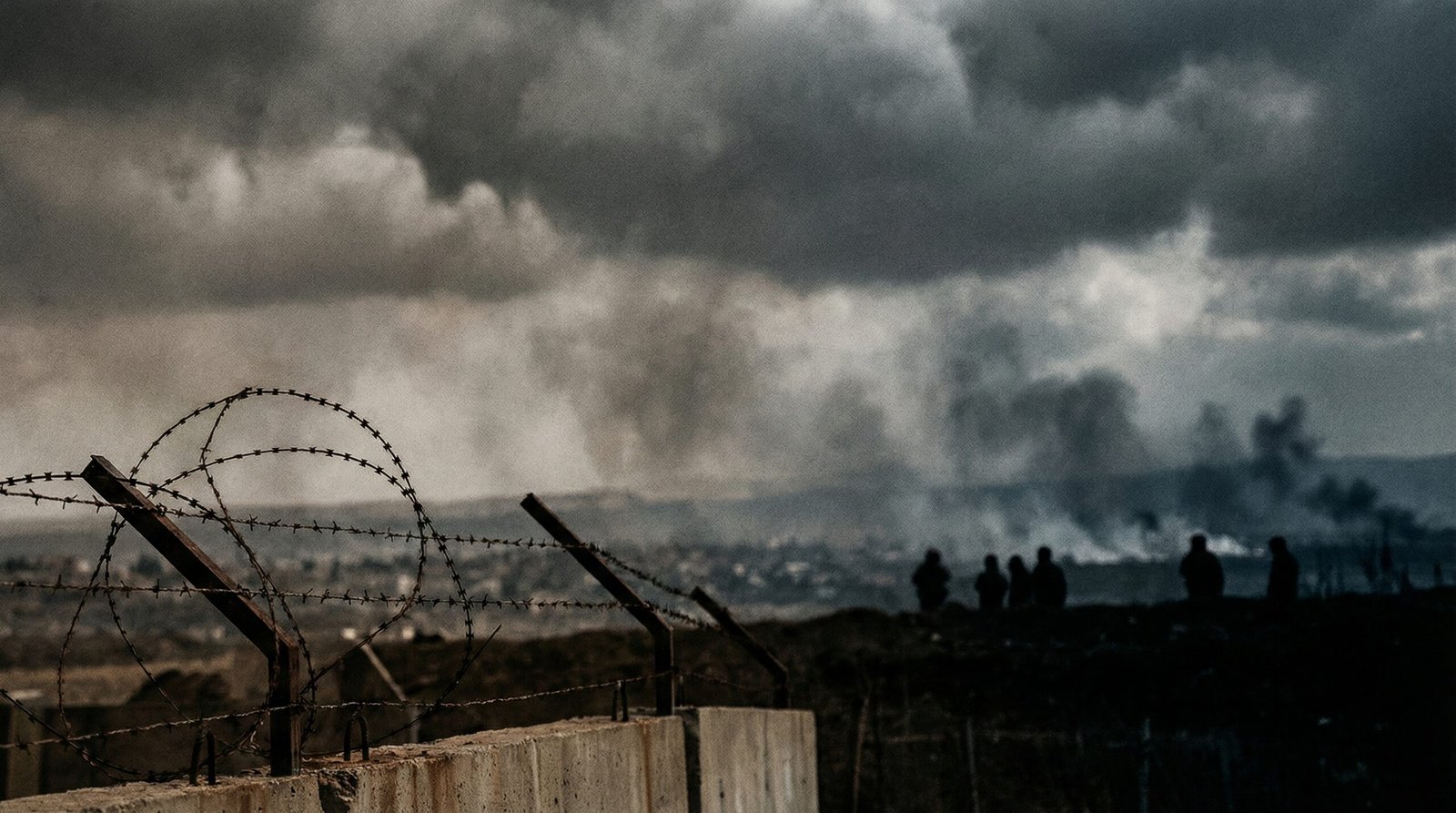
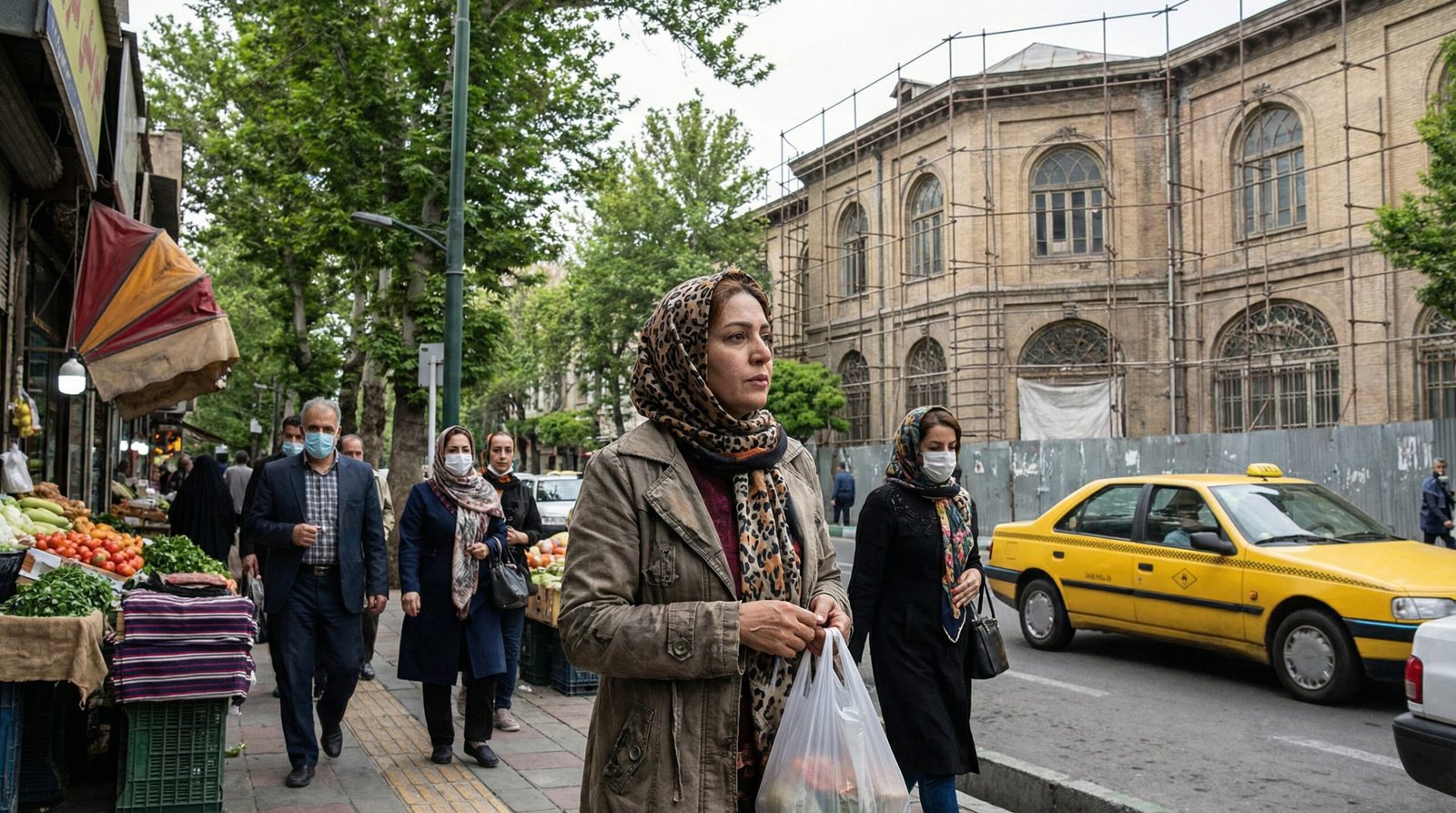
Following a tenuous ceasefire after weeks of intense conflict, Iranians are now grappling with an uncertain future. While the cessation of hostilities offers a momentary respite, deep-seated anxieties persist regarding potential government crackdowns on dissenting voices and the long-term socio-political landscape of the nation.

The conflict, the details of which remain contested by various international observers, had significant repercussions across numerous sectors within Iran. Economic activity was severely disrupted, leading to increased hardship for many citizens already struggling with existing economic challenges. Reports from international aid organisations illustrate a growing need for humanitarian assistance, particularly in regions directly affected by the recent hostilities. We reviewed several independent reports detailing the displacement of populations and the strain on essential services during the conflict, noting a lack of comprehensive data available from official sources.

Adding to this sense of unease are concerns voiced by human rights organisations regarding the potential for increased surveillance and suppression of dissent. Allegations have surfaced concerning the government’s monitoring of online activities and the potential targeting of individuals perceived as critical of the regime. Several international bodies, including Amnesty International and Human Rights Watch, have issued statements calling for the protection of fundamental freedoms and due process under the law. We found similar concerns raised in independent reports published by organizations focused on digital rights and internet freedom, highlighting challenges in accessing accurate information and documenting human rights violations.

The political climate remains tense. While some factions advocate for dialogue and reconciliation, others maintain a hard-line stance, further complicating the path towards stability. The role of various political actors, including religious authorities and the security apparatus, remains a subject of intense scrutiny and speculation. Political analysts suggest that the current situation presents both risks and opportunities for reform, but a clear path forward remains elusive. We observed differing perspectives among political commentators regarding the potential for a shift in government policies, with some indicating the possibility of cautious reforms while others predict a continuation of the existing status quo.

The economic repercussions of the conflict are particularly acute. Industries have been impacted by disruptions to supply chains and reduced consumer confidence. The value of the Iranian currency has fluctuated significantly, adding to inflationary pressures. The government has announced measures aimed at mitigating the economic fallout, including financial assistance to affected businesses and individuals, but the effectiveness of these measures remains to be seen. Economic reports indicate a decline in foreign investment and a decrease in overall economic output, raising concerns about long-term economic stability. We reviewed economic data from the World Bank and the International Monetary Fund, highlighting the significant challenges facing the Iranian economy in the aftermath of the conflict.

The healthcare system, already stretched thin, faces added strain due to the ongoing crisis. Hospitals and medical facilities have reported shortages of essential supplies and equipment, further hampering their ability to provide adequate care. International aid organisations are working to provide assistance, but access to certain areas remains restricted, hindering the delivery of vital medical assistance. We found reports from Doctors Without Borders and the International Committee of the Red Cross outlining the difficulties in providing medical care and humanitarian aid due to logistical challenges and security concerns.

The impact of the conflict on Iranian society is profound. Many citizens are struggling to cope with the loss of loved ones, displacement, and economic hardship. The psychological toll of the conflict is also significant, with many individuals experiencing trauma and anxiety. Community-based organisations are working to provide support and counselling, but the scale of the challenge is immense. Reports from mental health professionals indicate a surge in demand for mental health services, highlighting the urgent need for increased resources and support. As such we continue to monitor this developing situation.

The international community remains divided on how to address the situation in Iran. Some countries have called for dialogue and de-escalation, while others have imposed sanctions and condemned the government’s actions. The United Nations has expressed concern about the human rights situation and called for an independent investigation into alleged abuses. Diplomatic efforts to resolve the crisis have so far yielded limited results. We reviewed statements from various governments and international organizations, noting the lack of a unified approach to addressing the challenges facing Iran.

Looking ahead, the future of Iran remains uncertain. While the ceasefire provides a temporary reprieve, fundamental challenges persist. Whether the country can navigate these challenges and chart a path towards stability and progress is yet to be seen. The coming months will be crucial in determining the long-term trajectory of Iran and its relations with the international community. Further developments are expected to shape the future of the country and its role in the region.

Amidst the uncertainty, many Iranians cling to the hope that dialogue and reconciliation will ultimately prevail, leading to a more just and prosperous future for the nation. However, deep-seated divisions and a climate of distrust pose significant obstacles to achieving this goal. The government’s response to domestic challenges and its engagement with the international community will play a pivotal role in shaping the country’s future. We will continue to provide updates as the situation evolves.

Rain Halts KKR vs PBKS at Eden, Teams Share Point in IPL 2026

0
Sports

Kolkata, India – Persistent rain at Eden Gardens forced the abandonment of the IPL 2026 match between Kolkata Knight Riders (KKR) and Punjab Kings (PBKS), resulting in each team being awarded a point. The match, the 12th of the season, was called off after only 3.4 overs of play due to a waterlogged outfield.

KKR captain Ajinkya Rahane won the toss and opted to bat, a decision that was immediately tested by overcast conditions. The Knight Riders were struggling at 25 for 2 when the rain intensified, halting play. Despite efforts by ground staff to clear the water, the umpires deemed the conditions unplayable. The early disruption prevented either team from establishing a significant advantage, leaving fans in Kolkata disappointed.

Punjab Kings’ bowler Xavier Bartlett made an immediate impact, dismissing both Finn Allen and Cameron Green in quick succession. Allen was removed for 6 runs, followed shortly after by Green, who edged a delivery to the keeper after scoring 4. Bartlett’s performance left the KKR batting lineup in disarray early in the innings, with the score at 16 for 2.

Rahane, along with young wicketkeeper-batter Angkrish Raghuvanshi, attempted to stabilize the innings. They managed to add a few runs, with Rahane hitting a boundary, before the rain brought their efforts to a premature end. Rahane remained not out on 8 off 6 balls, while Raghuvanshi was not out on 7 off 7 balls.

The abandonment provides a minor boost for KKR, who entered the match following two consecutive losses. Before this match, KKR was at the bottom of the standings with a net run rate of -1.964, and zero points. The single point moves them ahead of Gujarat Titans in the standings. Three-time champions KKR will look to get back to winning ways in their next match.

PBKS, led by Shreyas Iyer, came into the match in good form, having won both of their previous matches. Their positive net run rate of +0.637 had placed them near the top of the league table. Despite not securing a win, the point allows PBKS to move to the top of the standings.

The Board of Control for Cricket in India (BCCI) has faced challenges with weather disruptions in previous IPL seasons. In 2023, several matches were affected by rain, leading to revised playing conditions and adjusted schedules. The BCCI continues to explore advancements in ground management and weather forecasting to minimize disruptions and to improve drainage systems at stadiums across India.

According to the Indian Meteorological Department (IMD), Kolkata has experienced an unusually wet start to the season, with rainfall exceeding the average for this time of year. The IMD forecasts continued showers in the region over the next few days, which may impact upcoming matches. These conditions could pose further challenges for teams and organizers.

This shared point alters team standings but doesn’t drastically reshape the landscape of IPL 2026. Matches early in the season present teams with opportunities to experiment with lineups and strategies. However, consistent wins are crucial for building momentum and securing a spot in the playoffs. According to IPL rules, if teams are tied on points at the end of the league stage, net run rate becomes the determining factor.

Further disruptions could result in schedule adjustments and potential venue changes. Options such as moving games to locations with more favorable weather conditions are being considered by the IPL governing council. The council continues to monitor the situation and remains prepared to make necessary adjustments. The emphasis remains on ensuring the competition progresses as smoothly as possible.

KKR will next play Lucknow Super Giants at Eden Gardens on April 9. PBKS faces Sunrisers Hyderabad at the PCA New Stadium on April 11. Both teams will be looking for a decisive win in their upcoming games to improve their standing in the league.

Across India, the IPL continues to draw massive viewership, both in stadiums and through digital platforms. The tournament’s economic impact is substantial, generating revenue through broadcasting rights, sponsorships, and merchandise sales. The IPL also contributes to the growth of cricket at the grassroots level, inspiring young players across the country.

Background on the Teams

Kolkata Knight Riders, co-owned by Bollywood superstar Shah Rukh Khan, has a storied history in the IPL, having won the title twice. The team has consistently attracted a strong following and is known for its dynamic playing style. Over the years, KKR has featured several international stars, contributing to its global appeal.

Punjab Kings, previously known as Kings XI Punjab, has been a consistent presence in the IPL since its inception. The team has a reputation for aggressive batting and has produced some of the league’s most memorable moments. PBKS’s management has focused on developing young talent. They often promote players from the domestic circuit.

IPL and the Economy of Cricket in J&K

The IPL has had a profound impact on the economy of cricket in Jammu and Kashmir. Young cricketers aspire to play in the IPL and improve their financial stability. Local businesses benefit from the increased tourist revenue and promotional activities on match days. The exposure that local talents receive playing alongside international stars significantly improves skill level. Moreover, the BCCI has invested in cricketing infrastructure in the region, leading to the development of world-class facilities.

Several players from J&K have already made their mark in the IPL. Parvez Rasool became the first cricketer from the region to play in the IPL, representing various franchises. Umran Malik, known for his express pace, played for Sunrisers Hyderabad, showcasing J&K’s talent on a national stage. These success stories inspire many young players in the region to pursue cricket more seriously.

Top Iranian Commander Killed; Israel Claims Responsibility

0
Top Iranian Commander Killed; Israel Claims Responsibility

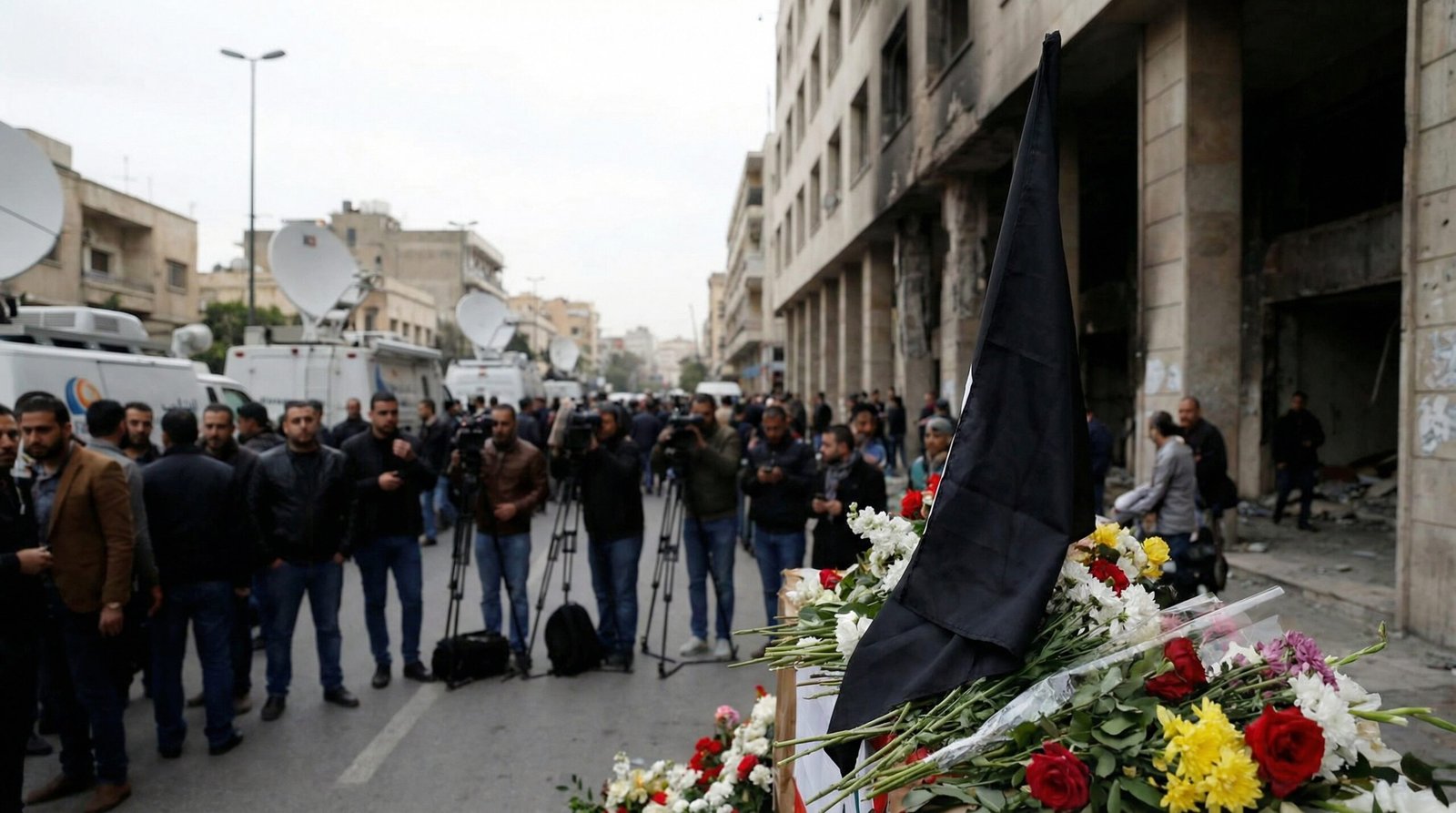
Major General Seyed Majid Khademi, a high-ranking intelligence official within Iran’s Islamic Revolutionary Guard Corps (IRGC), was killed in an overnight attack. Israel has claimed responsibility for the operation, marking a significant escalation in the ongoing shadow war between the two nations. The incident raises concerns about regional stability and the potential for further retaliatory actions. We are closely monitoring the situation as it unfolds.

Khademi’s death represents a major blow to the IRGC’s intelligence operations. He held a critical position within the organization, overseeing sensitive intelligence gathering and covert operations both within Iran and abroad. Losing such a senior figure is likely to disrupt the IRGC’s activities and create a vacuum in its leadership structure. This is not the first instance of a high-ranking Iranian official being targeted; a pattern has emerged in recent years, with several Iranian nuclear scientists and military figures assassinated or killed in suspicious circumstances. These incidents have been attributed to Israel, though Israeli officials rarely confirm or deny their involvement directly.

The claim of responsibility by Israel further heightens tensions in the region. While Israel has not issued an official statement, unnamed sources within the Israeli defense establishment have reportedly confirmed the country’s involvement to various media outlets. This pattern of indirect confirmation has become a familiar tactic in these situations, allowing Israel to take credit for the operation while avoiding direct diplomatic repercussions. The rationale behind these targeted killings, as perceived by Israel, is to disrupt Iran’s nuclear program and its support for militant groups across the Middle East. India has traditionally maintained a cautious approach to the Israel-Iran conflict, balancing its relations with both countries to protect its strategic interests in the region.

The IRGC is a powerful and influential organization within Iran, playing a significant role in the country’s military, political, and economic affairs. It is responsible for protecting the Islamic Revolution and promoting Iran’s interests abroad. The IRGC’s Quds Force, in particular, is responsible for conducting overseas operations, including supporting militant groups in Lebanon, Syria, Iraq, and Yemen. The United States has designated the IRGC as a terrorist organization, citing its support for terrorism and its destabilizing activities in the Middle East. This designation has further strained relations between Iran and the United States, and has complicated efforts to resolve regional conflicts.

The assassination of Khademi comes at a sensitive time, as international efforts to revive the Iran nuclear deal are stalled. The deal, formally known as the Joint Comprehensive Plan of Action (JCPOA), was designed to prevent Iran from developing nuclear weapons in exchange for sanctions relief. However, the United States withdrew from the JCPOA in 2018 under the Trump administration, reimposing sanctions on Iran. Since then, Iran has gradually rolled back its commitments under the deal, raising concerns about its nuclear ambitions. Negotiations to revive the JCPOA have been ongoing for several months, but they have been hampered by disagreements between Iran and the United States over the scope of sanctions relief and the future of Iran’s nuclear program. The killing of Khademi could further complicate these negotiations by hardening positions on both sides.

The potential consequences of Khademi’s death could extend beyond the immediate region. The incident underscores the volatile security situation in the Middle East, where a number of unresolved conflicts and proxy wars are fueling instability. India has significant economic and strategic interests in the region, including energy security, trade, and the safety of its diaspora. Any escalation of tensions between Iran and Israel could have a ripple effect across the region, potentially disrupting trade routes, increasing energy prices, and threatening the safety of Indian nationals. We are monitoring the evolving situation and assessing its potential impact on India’s interests.

Intelligence agencies worldwide will be scrutinizing the circumstances surrounding Khademi’s death to understand the methods used in the attack and identify any potential vulnerabilities in their own security arrangements. The operation’s success suggests a significant intelligence breach and a sophisticated understanding of Khademi’s movements and security protocols. This could lead to a reassessment of security measures for high-ranking officials in Iran and elsewhere. The increased risk of targeted killings could also lead to a more cautious approach to international travel and engagement for individuals associated with sensitive government programs or organizations.

The security implications for India are notable. India and Iran share a complex relationship, highlighted by the Chabahar port project, which serves as a crucial trade link bypassing Pakistan. Escalating tensions could disrupt this project, impacting India’s connectivity to Afghanistan and Central Asia. Moreover, a potential rise in regional instability would increase the risk of terror threats, necessitating heightened vigilance and strengthened counter-terrorism measures across India, particularly in the sensitive region of Jammu and Kashmir, which lies geographically close to the conflict zone.

We have reached out to the Ministry of External Affairs in India for a statement on the killing and its implication but have received no response at the time of writing. We will continue to update this story as more information becomes available. The situation highlights the precarious balance of power. Any miscalculation could have devastating consequences for the entire region and beyond.

Iran Warns of Permanent Changes in Strait of Hormuz Amid Tensions

0
Conflict

Tehran has issued a strong warning regarding the future of the Strait of Hormuz, a critical waterway for global oil supplies. According to statements released by the Islamic Revolutionary Guard Corps (IRGC), the Strait of Hormuz will never return to its previous state, hinting at potential long-term changes in how the waterway is managed and secured. This announcement follows heightened tensions in the region, particularly involving the United States.

The Strait of Hormuz connects the Persian Gulf with the Gulf of Oman and the Arabian Sea. Its strategic importance stems from the fact that it is the world’s most important oil transit chokepoint. In 2018, the U.S. Energy Information Administration (EIA) reported that approximately 21 million barrels per day of crude oil, condensate, and refined petroleum products transited the strait. This volume represents a significant percentage of global oil consumption, making the strait vital to energy markets worldwide. Any disruption to traffic through the Strait of Hormuz can have immediate and substantial impacts on oil prices and global economic stability.

The IRGC’s statement comes amid a backdrop of ongoing disputes over maritime security and freedom of navigation. In recent years, several incidents have raised concerns about the security of vessels transiting the strait. These include seizures of tankers, attacks on ships, and confrontations between Iranian and Western naval forces. These incidents have led to increased military presence in the region and heightened diplomatic tensions. Countries like India, which rely heavily on oil imports, closely monitor the situation in the Strait of Hormuz due to its potential impact on energy security.

While the specific reasons for the IRGC’s warning remain somewhat ambiguous, it is important to consider the broader context of Iran’s foreign policy and security concerns. Iran has repeatedly asserted its right to control and protect the Strait of Hormuz, viewing it as a vital artery for its own economic and strategic interests. At the same time, Iran has expressed concerns about the presence of foreign military forces in the region, particularly the United States, which it sees as a threat to its sovereignty and security.

India has significant stakes in the stability of the region. As one of the world’s largest oil importers, India relies heavily on the free flow of oil through the Strait of Hormuz to meet its energy needs. Any disruption to this flow could have significant economic consequences for India, potentially leading to higher oil prices, increased inflation, and slower economic growth. India has therefore consistently emphasized the importance of maintaining freedom of navigation in the Strait of Hormuz and has called for peaceful resolution of disputes in the region.

From New Delhi’s perspective, de-escalation is absolutely critical. India has historically maintained friendly relations with both Iran and the United States, and it seeks to avoid being drawn into any conflict between the two countries. India has also been actively engaged in diplomatic efforts to promote dialogue and cooperation in the region, including through initiatives such as the International North-South Transport Corridor (INSTC), which aims to create a multi-modal transportation network connecting India with Russia and Europe via Iran.

The IRGC’s recent statement adds another layer of complexity to an already volatile situation. It raises questions about Iran’s long-term intentions in the Strait of Hormuz and its willingness to cooperate with international efforts to ensure maritime security. It is also a signal that Tehran is prepared to take a more assertive stance in defending its interests in the region, even if it means risking further confrontation with the United States and its allies.

In response to these developments, the international community has called for restraint and de-escalation. The United Nations has reiterated the importance of upholding freedom of navigation in the Strait of Hormuz and has urged all parties to refrain from actions that could further destabilize the region. Several countries, including India, have also expressed their concern about the heightened tensions and have called for a peaceful resolution of disputes through dialogue and diplomacy.

The situation in the Strait of Hormuz remains fluid and unpredictable. While it is difficult to assess the precise implications of IRGC’s statement, it is clear that the region is entering a new phase of uncertainty and potential instability. Close monitoring and proactive diplomatic engagement will be essential to prevent further escalation and to safeguard the vital interests of all stakeholders.

The Indian Navy maintains a presence in the Arabian Sea and Gulf of Oman as part of its mission to ensure maritime security and protect Indian interests. The Indian Navy coordinates with other navies, including those of the United States and other friendly countries, to conduct joint patrols and exercises aimed at enhancing maritime domain awareness and promoting interoperability. These efforts are intended to deter any potential threats to freedom of navigation and to ensure the safe passage of Indian-flagged vessels through the Strait of Hormuz.

We will continue monitoring the developments in the Strait of Hormuz and their implications for India’s energy security and regional stability. We are committed to providing our readers with timely and accurate information about this critical issue.

Tensions in the Strait of Hormuz have global ramifications, especially for countries heavily reliant on maritime trade routes. Experts on maritime affairs suggest that Iran’s assertive posture could be a strategic move to gain leverage in negotiations related to sanctions relief and nuclear program discussions. They believe that Iran seeks to demonstrate its ability to influence global energy markets and regional security dynamics.

Geopolitical analysts are closely watching how the United States and its allies respond to Iran’s statements and actions. The United States maintains a strong naval presence in the Persian Gulf and has repeatedly asserted its commitment to ensuring freedom of navigation in the Strait of Hormuz. However, any military confrontation in the region could have dire consequences, potentially disrupting global oil supplies and triggering a wider conflict.

Alternative routes and contingency plans are being explored by several countries to mitigate the risks associated with potential disruptions in the Strait of Hormuz. These include developing alternative pipeline routes and increasing reliance on other sources of energy. However, these alternatives are often costly and time-consuming, and they may not be sufficient to fully compensate for a prolonged closure of the Strait of Hormuz. In this context maritime insurance rates are spiking for vessels that transit the areas. We are told underwriters are assessing heightened risk.

Heavy Rains Kill Dozens, Including Children, in Northwest Pakistan

0
Disaster

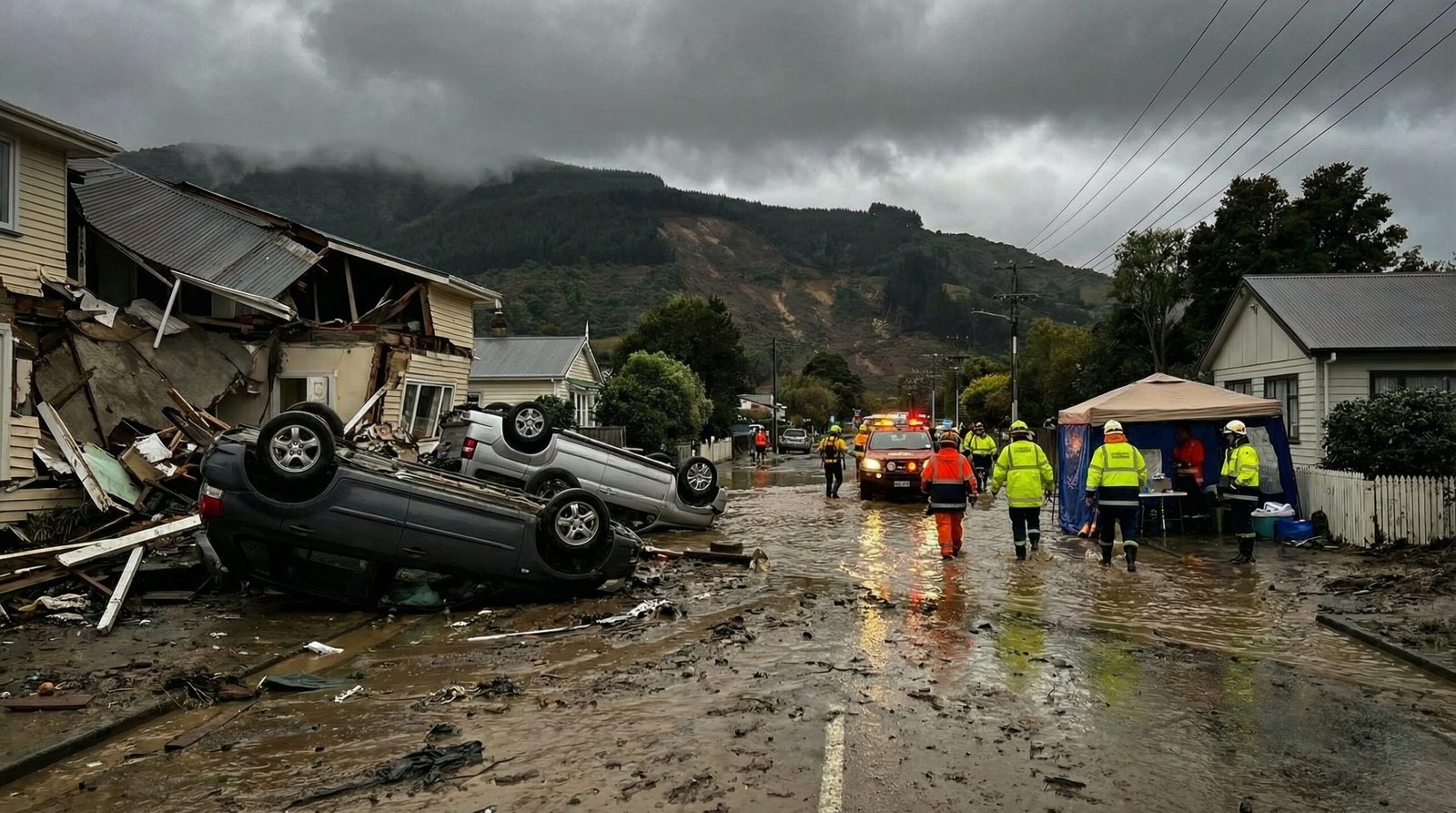
Severe rainfall in Khyber Pakhtunkhwa, Pakistan, has resulted in at least 45 fatalities, including 23 children, officials have confirmed. The unseasonal downpour triggered widespread damage and displacement, prompting emergency response efforts across affected districts. A fresh spell of rain is anticipated across the province, raising concerns of further devastation.

The Provincial Disaster Management Authority (PDMA) reported that the majority of deaths were caused by roof collapses and landslides triggered by the intense rainfall. Khyber Pakhtunkhwa, a region bordering Afghanistan, is particularly vulnerable to landslides due to its mountainous terrain and deforestation. We observed that the heavy rains began late last week, intensifying over the weekend and causing widespread disruption to daily life.

Initial reports indicate that the most affected districts include Dir Upper, Swat, Shangla, and Kohistan. Rescue teams, comprising personnel from the PDMA, local authorities, and volunteers, are working to reach stranded communities and provide essential assistance. However, the challenging terrain and damaged infrastructure are hampering rescue operations. Based on our review of official statements, many remote villages remain cut off, and access is limited to helicopter support.

The PDMA has issued warnings for further rainfall, with forecasts predicting continued wet weather until April 9. This has heightened concerns about the potential for additional landslides and flash floods. Authorities are urging residents in vulnerable areas to evacuate their homes and seek shelter in safer locations. We found that public awareness campaigns are being conducted through local media channels to disseminate information about safety precautions.

The Pakistani military has been mobilized to assist in rescue and relief efforts. Army engineers are working to clear roads and restore access to isolated communities. Medical teams have been deployed to provide healthcare services to those affected by the disaster. We have observed that the focus is on providing immediate relief, including food, water, and temporary shelter.

The Prime Minister of Pakistan has expressed his condolences to the families of the victims and has pledged government support for the affected regions. Financial assistance is being provided to families who have lost loved ones or suffered significant property damage. The government has also announced plans for a comprehensive assessment of the damage to infrastructure and agriculture.

The heavy rainfall has also impacted neighboring regions of Pakistan, including Punjab and Balochistan. While the situation is not as severe as in Khyber Pakhtunkhwa, authorities in these provinces are taking precautionary measures to mitigate the risk of flooding. We confirmed that the National Disaster Management Authority (NDMA) is coordinating relief efforts across the country.

The recent rains follow a period of unusually dry weather in Pakistan, leading to concerns about water scarcity and drought conditions. However, the intensity of the current rainfall has overwhelmed drainage systems and exacerbated the risk of flooding. We reviewed climate data indicating that extreme weather events are becoming more frequent and intense in Pakistan, potentially linked to climate change.

The impact of the disaster is expected to be significant, with widespread damage to homes, infrastructure, and agricultural land. Many farmers have lost their crops and livestock, further compounding the economic hardship in these already impoverished regions. We found that rehabilitation efforts will require substantial resources and long-term planning.

The disaster has prompted calls for improved disaster preparedness and risk reduction measures in Pakistan. Critics argue that inadequate infrastructure and weak enforcement of building codes have contributed to the severity of the impact. We observed that public discourse is focusing on the need for greater investment in early warning systems and disaster-resilient infrastructure.

The J&K region has also been experiencing erratic weather patterns recently, prompting concerns about potential disasters, including landslides, particularly in vulnerable mountainous areas. The J&K Disaster Management Authority has issued advisories urging residents to remain vigilant and take necessary precautions during periods of heavy rainfall. We note that the administration is working to enhance its disaster response capabilities and coordinate with local communities to build resilience.

The situation in Khyber Pakhtunkhwa remains critical, with ongoing rescue and relief efforts. The focus is on providing immediate assistance to those affected by the disaster and preventing further loss of life. We will continue to monitor the situation closely and provide updates as they become available. Several international aid organizations have pledged support for the relief efforts in Pakistan. The United Nations and other agencies are working with the Pakistani government to assess the needs of the affected population and provide assistance.

India has also extended its condolences and offered assistance to Pakistan in dealing with the aftermath of the disaster. While political relations between the two countries remain strained, humanitarian aid is often provided in times of natural calamities. We found historical instances of such cooperation, highlighting the shared vulnerability to climate-related disasters in the region.

The long-term impact of the heavy rainfall is expected to be significant, requiring substantial investment in reconstruction and rehabilitation. The Pakistani government is working to mobilize resources and coordinate efforts with donor agencies and international partners. We will closely monitor the progress of these efforts and report on their effectiveness.

Sonam Wangchuk Welcomed in Kargil, Urges Ladakh Unity, Rights

0
Sonam Wangchuk Welcomed in Kargil, Urges Ladakh Unity, Rights

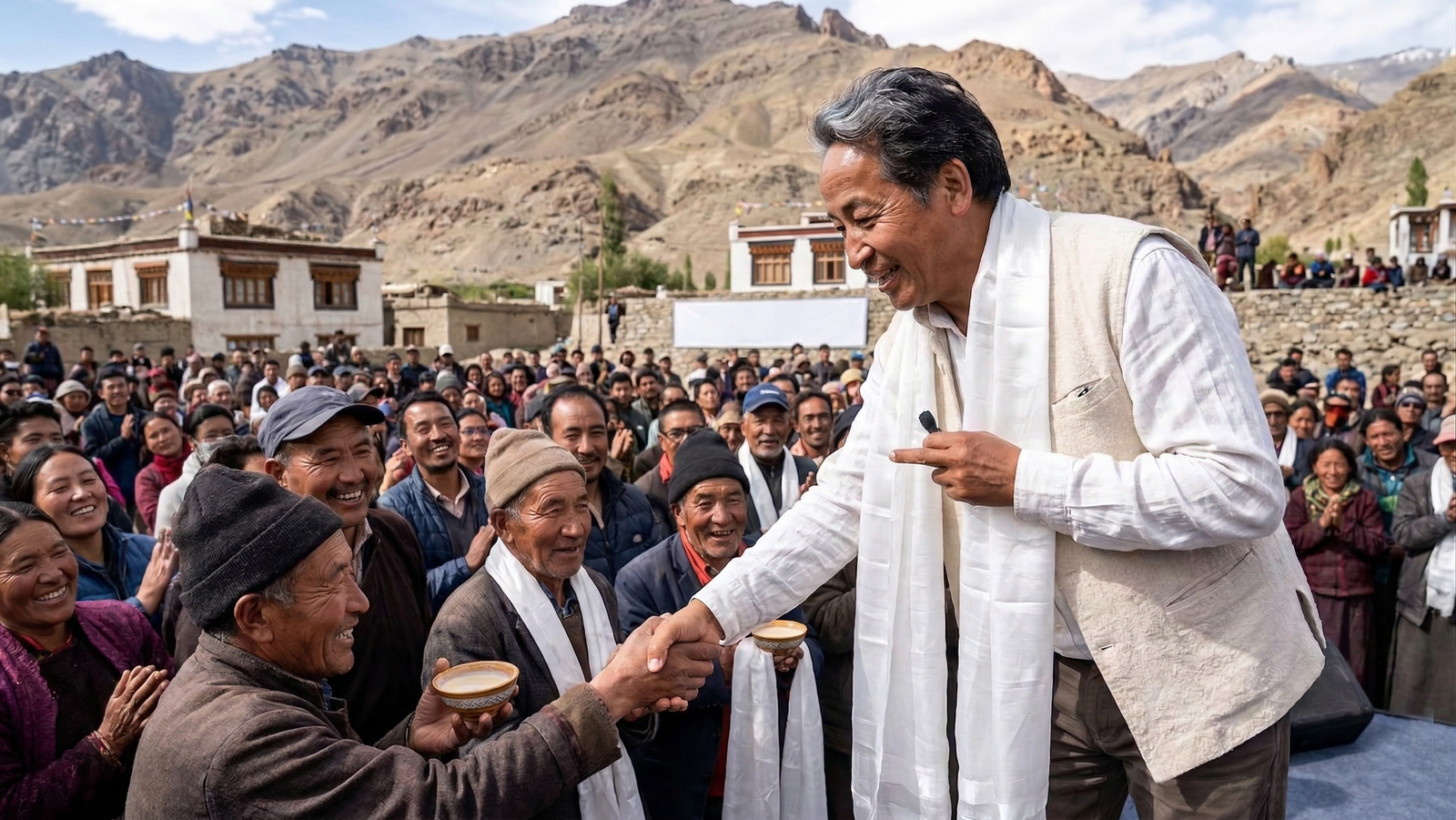
Climate activist Sonam Wangchuk received a warm welcome in Kargil on Sunday, marking his first visit to the region after his release from detention under the National Security Act (NSA). Wangchuk emphasized the importance of unity across Ladakh and the country, reiterating the demand for democratic and constitutional rights for the Union Territory.

Wangchuk’s release on March 14 followed nearly six months of detention in Jodhpur jail. His detention under the NSA was revoked after a habeas corpus petition was filed by his wife in the Supreme Court of India. The activist’s arrival in Kargil was met with enthusiasm, signaling continued support for the demands of statehood and constitutional protections for Ladakh.

The Kargil Democratic Alliance (KDA) and the Leh Apex Body (LAB), leading the movement for statehood and the extension of the Sixth Schedule of the Constitution, have been pressing for further talks with the High Powered Committee established by the Ministry of Home Affairs. Leaders from both organizations have cautioned that delays and a lack of tangible progress could escalate the ongoing agitation.

Accompanied by LAB co-chairman Chering Dorjey, Wangchuk was greeted by KDA leaders, including co-chairman Asgar Ali Karbalai, Member of Parliament Haneefa Jan, and prominent leader Sajjad Kargili. A procession escorted Wangchuk to the rally venue, with participants chanting slogans in support.

Wangchuk thanked the people and leadership of KDA for their support during his detention, stressing the need for unity across Ladakh and the rest of India. He urged people to rise above divisions and work together for a better future.

“What should unite us is humanity and a shared sense of being Indian. We should not get divided into ‘this side’ or ‘that side,’ nor into religion or sect, we must come closer to one another, not drift apart,” he stated, as reported by local media outlets.

He also highlighted the ongoing demands pertinent to Ladakh, asserting that they concern the entire region and must be addressed collectively. “The rights that Ladakh deserves, democratic rights, constitutional rights, and rights over its resources, should be ensured just like in the rest of the country,” he added.

Wangchuk emphasized that the unity between regions such as Leh and Kargil has strengthened the movement for these rights. He commented that, for the first time, people from different parts of Ladakh came together and raised their voice in unity, urging that this spirit be sustained. Wangchuk described his detention as difficult but ultimately meaningful, suggesting that it would contribute to Ladakh’s cause.

He stated, “It was not easy, but if it serves Ladakh, it is a valuable experience, there is a new dawn ahead,” while also acknowledging the sacrifices of others in keeping the issue alive.

Wangchuk called for a broader perspective, stating, “If we move forward seeing each other simply as human beings, leaving behind divisions, then not just Ladakh but the whole country can become more peaceful and prosperous.”

Ladakh MP Haneefa Jan described Wangchuk’s release as “a victory of our honesty and our truth,” underscoring that while the movement is firm, its core approach remains rooted in dialogue and urging the government to engage sincerely with the people of Ladakh. Jan appealed to Union Home Minister Amit Shah to resume talks at the earliest, stating that discussions should lead to concrete outcomes.

“There must be honest deliberation on our demands and a solution should be worked out in accordance with the wishes of the people,” Jan stated. She cautioned against using dialogue as a delaying tactic, noting that Ladakh’s people have been raising their demands for five to six years without meaningful resolution.

“We are peace-loving people and have always expressed our protests in a calm and dignified manner, but our patience should not be tested,” Jan commented. Reiterating the need for unity to strengthen negotiations, Jan warned against attempts to divide the region and dilute the movement, adding that a united Ladakh would be better positioned to achieve a just and lasting solution through dialogue.

Chering Dorjey expressed thanks for the public support, stating that the warm reception reflected public solidarity with the movement. He claimed that the release of Wangchuk was “not a favour” by the government but a result of legal pressure, asserting that the Centre had “virtually lost the case” in the Supreme Court.

Dorjey stated that serious charges were withdrawn as a “face-saving measure” and described the “anti-national” tag against Wangchuk as an attempt to defame the movement. He also highlighted ongoing concerns, stating that around 80 workers were jailed after the September 24 violence in Leh, noting that while most have been released, two remain in prison and the cases against others are yet to be withdrawn.

The demands for statehood and implementation of the Sixth Schedule in Ladakh have been persistent. These demands are rooted in the region’s unique cultural identity and the need for greater autonomy to protect its resources. The Sixth Schedule provides for the establishment of Autonomous District Councils (ADCs) to safeguard the rights and promote the development of tribal communities. Several rounds of talks have taken place between the representatives of KDA, LAB and the Ministry of Home Affairs to discuss the status of Ladakh. Many civil society groups have consistently voiced concerns over environmental degradation, protection of land rights, and preservation of the region’s cultural heritage which further add to the complexity of the ongoing discussions.

The movement in Ladakh resonates with broader discussions on regional autonomy and constitutional safeguards within India. Similar demands have been raised in other regions with unique cultural and demographic profiles. Government responses to these demands often involve balancing regional aspirations with national interests, requiring careful negotiation to ensure equitable outcomes. The situation in Ladakh remains fluid, with ongoing dialogues aimed at finding lasting solutions that address the concerns of the local population while upholding the constitutional framework of India.

Delhi Metro Introduces Stricter Rules: Up to ₹5,000 Penalty for Unauthorised Selling

0
Delhi Metro Introduces Stricter Rules Up to ₹5,000 Penalty for Unauthorised Selling

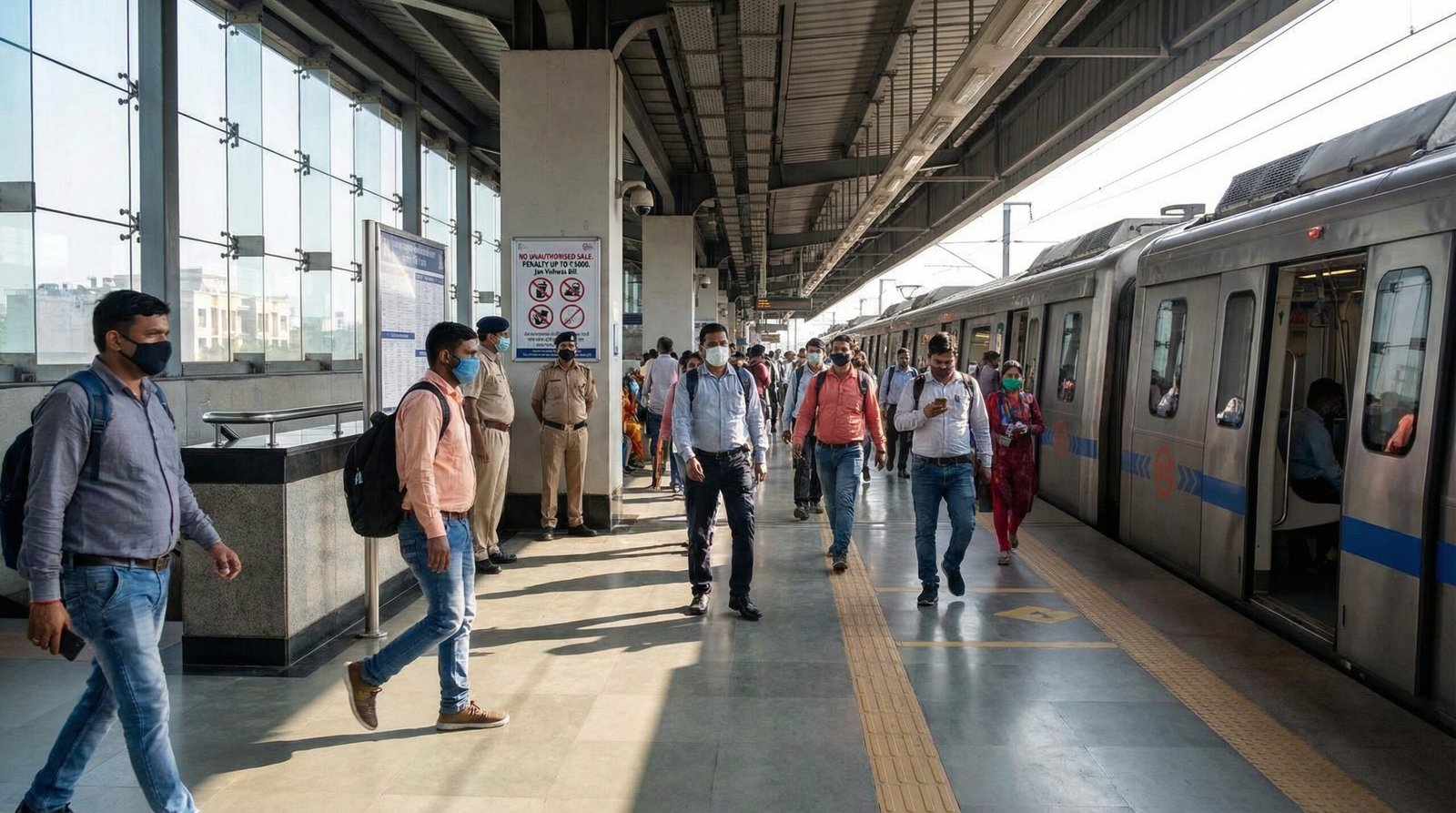
Commuters in Delhi and potentially impacting areas like Jammu & Kashmir, brace yourselves for a change in the rules governing conduct on the Delhi Metro. The unauthorised sale of any article within the metro premises will now attract a significantly higher penalty, jumping to a possible Rs 5,000. This development follows the passage of the Jan Vishwas (Amendment of Provisions) Bill, 2026, a piece of legislation designed to decriminalise minor offenses and shift towards civil penalties.

Jan Vishwas Bill Impacts Delhi Metro: What’s Changing?

The Jan Vishwas Bill, recently approved by the Parliament, aims to ease the burden on the judicial system by converting minor infractions into civil offenses punishable by monetary penalties. Introduced by Minister of State for Commerce and Industry Jitin Prasada in the Lok Sabha, the bill directly addresses the issue of unauthorised vending on the Delhi Metro, a persistent problem impacting commuter experience.

Previously, individuals caught selling items illegally on the Delhi Metro faced fines ranging from Rs 100 to Rs 400. The amended Section 73 of the Metro Railways (Operation and Maintenance) Act, 2002, now stipulates a penalty of up to Rs 5,000 for such violations. The increase signals a stricter approach to maintaining order and preventing disruptions within the metro system. Similar measures might be considered for the Srinagar and Jammu metros in the future to address similar issues.

Impact on Commuters and the Judicial System

The rationale behind the increased fine is twofold: to deter unauthorised sales activities that inconvenience passengers and to reduce the strain on the judicial system by resolving minor violations through monetary penalties. Instead of lengthy court proceedings, offenders will now face a substantial fine, potentially discouraging repeat offenses. This aligns with a broader trend towards decriminalising minor offenses and promoting efficient enforcement.

“This is a welcome move. Vendors can disrupt the smooth flow of commuters and create unnecessary chaos,” said a frequent Delhi Metro user. “A higher fine will definitely make them think twice before engaging in illegal vending.”

Other Offences and Penalties on the Delhi Metro

  • Spitting on the floor: Previously attracted a fine of Rs 200, along with ticket forfeiture and removal from the coach.
  • Quarrelling and creating a nuisance: Previously resulted in a fine of Rs 200.
  • Male passenger in a women’s compartment: Previously carried a penalty of Rs 250.
  • Drunken behaviour, vandalism, indecency, use of offensive and abusive language: Punishable with a fine that may extend to Rs 500.

These existing penalties, coupled with the increased fine for unauthorised selling, demonstrate the Delhi Metro Rail Corporation’s (DMRC) commitment to maintaining a safe and orderly environment for its millions of daily passengers.

Recurring Issues of Unacceptable Behavior

Data from the Delhi Metro reveals a persistent problem with unacceptable behaviour within its premises. In December of the previous year, reports surfaced of individuals soliciting donations and distributing religious materials inside metro coaches. Official data from 2025 indicated over 12,000 cases of unacceptable behavior in a two-year period, encompassing activities such as creating reels, littering, quarrelling, and misbehaving with train staff.

DMRC data showed 6,169 cases of nuisance in the 2024-25 financial year and 6,183 in 2023-24, with most violations falling under Section 59 of the Metro Railways (Operation and Maintenance) Act. Stricter enforcement and increased penalties, like the Rs 5,000 fine, are aimed at curbing these issues and improving the overall commuting experience. The focus on improving metro services resonate in J&K as discussions around expanding public transport continue.

IPL 2026: Ravi Bishnoi’s spin magic, Tushar Deshpande’s NERVE-WRACKING final over seal six-run win for RR

0
Sports

Rajasthan Royals (RR) secured a thrilling six-run victory against Gujarat Titans (GT) in a high-scoring Indian Premier League (IPL) 2026 encounter at the Narendra Modi Stadium in Ahmedabad. The match, the ninth of the season, showcased a blend of powerful batting and strategic bowling, ultimately tilting in favor of the Royals.

Rajasthan Royals’ Explosive Batting Display

RR, after winning the toss and electing to bat, set a formidable target, posting 210 for 6 in their allotted 20 overs. The innings was characterized by aggressive strokeplay and calculated risk-taking.

The opening partnership of Vaibhav Suryavanshi and Yashasvi Jaiswal provided a blazing start, adding 70 runs in just 38 balls. Suryavanshi’s quick-fire 31 off 18 deliveries injected early momentum into the innings. Jaiswal continued the onslaught, scoring a brisk 55 off 36 balls, ensuring the scoreboard kept ticking at a healthy rate.

Dhruv Jurel played a pivotal role in accelerating the scoring rate. His explosive innings of 75 off just 42 balls, punctuated by four boundaries and five towering sixes, shifted the momentum decisively in RR’s favour. Jurel’s ability to find the boundary against a quality GT bowling attack transformed a promising total into a challenging one.

For GT, Kagiso Rabada spearheaded the bowling attack, claiming 2 wickets for 42 runs. While Rabada troubled the RR batters with his pace and variations, the home side struggled to contain the flow of boundaries, particularly in the powerplay and middle overs. Rashid Khan, known for his economical spells, also leaked runs, as RR capitalized on the batting-friendly conditions.

Gujarat Titans’ Valiant Chase

Chasing a target of 211, Gujarat Titans began their innings positively, with Sai Sudharsan anchoring the chase.

Sai Sudharsan played a classy innings, scoring 73 off 44 balls, studded with nine boundaries and three sixes. His fluent stroke play kept GT in the hunt for a significant portion of the innings. However, a lack of substantial support from the other end proved detrimental to their chances.

The middle and lower order failed to provide the necessary impetus, with wickets falling at regular intervals. This inability to form partnerships and maintain the scoring rate ultimately derailed GT’s chase of the stiff target.

RR’s Bowling Shines in the Crucial Stages

RR’s bowling unit demonstrated composure and skill in the crucial stages of the match, effectively applying pressure on the GT batters.

Ravi Bishnoi emerged as the star performer with the ball, finishing with impressive figures of 4 for 41. His variations and ability to deceive the GT batters were instrumental in breaking key partnerships and restricting the scoring rate. Bishnoi’s contribution was particularly significant in the middle overs, where he exerted considerable control.

Tushar Deshpande bowled the final over defending 10 runs contributing to the nail-biting win. His pressure handling and a strategic field set ensured a narrow victory for his team.. Jofra Archer and other pacers also contributed with excellent spells

Shubman Gill’s absence was notable. He missed the match due to muscle spasms. The Titans will need to address their finishing abilities in chases.

This victory provides Rajasthan Royals with an early boost in the points table, showcasing their potential as strong contenders in IPL 2026. The team’s performance highlighted a well-rounded approach, with contributions from both the batting and bowling departments, setting a positive tone for the rest of the season.

Microsoft Invests $10 Billion in Japan’s AI Infrastructure

0
Microsoft Invests $10 Billion in Japan's AI Infrastructure

Microsoft is making a substantial move to bolster Japan’s artificial intelligence capabilities with a planned investment of $10 billion over the next four years. This commitment aims to build advanced data centers and strengthen the nation’s position in the rapidly evolving AI landscape. The announcement follows discussions between Microsoft President Brad Smith and Japanese Prime Minister Sanae Takaichi, highlighting the strategic importance of this partnership.

This large-scale investment reflects the increasing global demand for AI and cloud services. Businesses across various sectors are adopting AI-powered tools like chatbots and automation systems, creating a need for robust digital infrastructure to support these technologies. Japan, as a major global economy, recognizes the importance of staying competitive in the AI domain. This initiative is designed to enhance its technological capabilities and drive innovation.

Earlier this year, Lieutenant Governor Manoj Sinha emphasized the importance of technological advancements, stating, “Jammu and Kashmir is committed to harnessing the power of technology to improve governance and empower its citizens.” Reflecting this commitment, Microsoft’s investment in Japan serves as an example of how technological investments can drive economic growth and improve quality of life.

Strategic Partnerships for Technological Advancement

Microsoft’s investment plan includes collaborating with leading Japanese companies like SoftBank Group and Sakura Internet. These partnerships will focus on expanding the country’s technological infrastructure and enhancing cloud services. By combining Microsoft’s technological expertise with the local knowledge and resources of these companies, the initiative hopes to accelerate digital transformation across Japan.

This model of collaboration echoes similar efforts in India, where partnerships between multinational companies and local businesses are fostering innovation and growth in sectors like IT and renewable energy. Such collaborations are essential for building sustainable technological ecosystems and driving economic progress.

Microsoft’s focus extends beyond infrastructure development. The company plans to enhance cybersecurity systems in collaboration with the Japanese government. This component is crucial, especially in a world where digital threats are becoming more sophisticated and pervasive. Strengthening cybersecurity will safeguard sensitive data and ensure the integrity of critical infrastructure.

Brad Smith said, “We are committed to ensuring a secure and reliable digital environment for our users.” The cybersecurity aspect of Microsoft’s investment aligns with this commitment and recognizes the importance of protecting against cyber threats in an increasingly interconnected world.

Empowering Japan’s Workforce Through Training

A significant part of Microsoft’s investment involves training nearly 3 million engineers in Japan. This initiative aims to address the growing demand for skilled professionals in the technology sector. Microsoft will collaborate with other tech companies like NTT and NEC to provide comprehensive training programs and equip engineers with the latest skills and knowledge.

The focus on workforce development is similar to initiatives in India. For example, the Skill India Mission aims to train millions of young people in various sectors, including IT, manufacturing, and agriculture. Microsoft’s commitment to training engineers in Japan aligns with the broader goal of empowering individuals with the skills needed to succeed in the digital economy.

These are challenging times that call for more technological infrastructure and growth to support the demands of new-age tech. Microsoft’s initiatives will allow for the creation of new jobs, skill development, and the use of AI for cybersecurity, and cloud development.

Addressing Challenges in Japan’s Tech Landscape

Despite the opportunities, setting up advanced data centers in Japan faces unique challenges. Limited space and high electricity costs can affect the logistics and financial viability of expansion. Microsoft needs to navigate these factors to ensure the project completes according to plan. The same challenges also face other tech companies, emphasizing the importance of innovation to find an optimal site.

These challenges serve as learning opportunities for other markets. By understanding the potential roadblocks and adapting the projects accordingly, Microsoft can refine its approach and prepare for future growth.

Microsoft recently announced a $1 billion investment in Thailand for similar projects. In addition, Microsoft invested $17.5 billion in India over the next five years. The investment included cloud computing, artificial intelligence, data centers, and digital services. It also planned to create new job opportunities and a tech infrastructure in India.

DC vs MI Weather Update: Rain Threat Looms Over Mumbai Indians vs Delhi Capitals Clash in IPL 2026

0
Sports

Cricket fans in Delhi and across India are eagerly anticipating the clash between Axar Patel’s Delhi Capitals (DC) and Hardik Pandya’s Mumbai Indians (MI) in the IPL 2026. The match is scheduled to take place on Saturday, April 4th, at the iconic Arun Jaitley Stadium in New Delhi. The game is set to begin at 3:30 PM IST, with the toss taking place at 3:00 PM.

However, there’s a cloud of uncertainty hanging over the game. According to weather reports, there is a significant threat of rain in Delhi on Saturday, which could potentially disrupt or even wash out the highly anticipated match.

The weather forecast has left fans anxious, as rain could spoil the spectacle. The Arun Jaitley Stadium, known for its batting-friendly pitches, is expected to provide a thrilling contest between the two sides, but inclement weather might play spoilsport.

Delhi Capitals and Mumbai Indians: Performance in the IPL 2026 Season So Far

Both Delhi Capitals and Mumbai Indians have had contrasting starts to their IPL 2026 campaigns. Mumbai Indians secured a victory against Kolkata Knight Riders (KKR) in their opening match. Shardul Thakur’s bowling performance was a major highlight. Thakur took crucial wickets, dismissing Ajinkya Rahane, Finn Allen, and Cameron Green. Rohit Sharma and Ryan Rickelton also showcased impressive batting prowess, dismantling KKR’s hopes. Rickelton scored 81 runs off 43 balls, while Sharma contributed 78 runs off 38 balls.

Delhi Capitals, on the other hand, faced off against Lucknow Super Giants in their first match. Lungi Ngidi’s bowling was a standout performance; Ngidi took key wickets, dismissing Nicholas Pooran, Anrich Nortje and Mohsin Khan. T Natarajan displayed his earlier form, claiming three wickets and destabilizing Lucknow. In the batting department, Sameer Rizvi and Tristan Stubbs played vital roles in securing a victory for Delhi Capitals.

Predicted Playing XII for Delhi Capitals and Mumbai Indians

Delhi Capitals (DC) Predicted Playing XII:

  • KL Rahul (WK)
  • Pathum Nissanka
  • Nitish Rana
  • Axar Patel (C)
  • Tristan Stubbs
  • David Miller
  • Vipraj Nigam
  • Lungi Ngidi
  • Kuldeep Yadav
  • T Natarajan
  • Mukesh Kumar

Impact Player: Sameer Rizvi

Mumbai Indians (MI) Predicted Playing XII:

  • Ryan Rickelton (WK)
  • Rohit Sharma
  • Tilak Varma
  • Hardik Pandya (C)
  • Naman Dhir
  • Sherfane Rutherford
  • Shardul Thakur
  • Mayank Markande
  • AM Ghazanfar
  • Trent Boult
  • Jasprit Bumrah

Impact Player: Suryakumar Yadav

The potential lineups showcase a blend of experienced players and emerging talents from both sides. The weather, however, remains a major concern as fans hope for a complete and competitive match between these two IPL giants.

Despite the weather concerns, cricket enthusiasts in Jammu and Kashmir are keenly following the IPL, with many local businesses organizing viewing parties. Shops selling Kashmiri handicrafts and dry fruits are seeing a surge in sales as people gather to watch the matches. This provides a welcome economic boost to the region.

The IPL has a significant impact on the Indian economy, generating revenue across various sectors, including hospitality, tourism, and media. The tournament also provides employment opportunities for numerous individuals, from players and coaches to ground staff and event managers.

The highly anticipated match between Delhi Capitals and Mumbai Indians promises to be a thrilling encounter, weather permitting. Fans are hoping for a clear day to witness a memorable contest between two of the most popular teams in the IPL.