Home Blog Page 288

Amul Milk price in US: How much does 1 litre packet cost? Is it higher than in India?

0
Business

Amul, India’s dairy cooperative, has expanded its presence to the United States, offering its products in several international markets. The company’s entry into the U.S. in 2024 marks a growing global footprint, alongside its operations in Gulf countries, Singapore, Philippines, Japan, China, Australia, and New Zealand. Reports indicate that Amul milk is available in U.S. supermarkets, prompting comparisons between its pricing in the U.S. versus India.

A video shared by an Indian resident in the U.S. showcased Amul milk being sold by the gallon. One gallon of Amul milk, equivalent to 3.78 liters, is priced at $5.59. When converted to Indian Rupees, this amounts to approximately Rs 523.79 for 3.78 liters.

In India, one liter of Amul milk is priced at Rs 70. This pricing data reveals a notable difference in the cost of Amul milk between the two countries. The price of Amul milk in the U.S. is approximately twice that of its price in India.

Amul, or Anand Milk Union Limited, was established on December 14, 1946. Its formation was a response to the exploitation of dairy farmers by traders who arbitrarily fixed milk prices. Dairy farmers in Kheda, frustrated by these practices, sought guidance from Vallabhbhai Patel. Patel advised them to form a cooperative to collectively address the issue of unfair pricing.

The cooperative model allowed farmers to gain control over milk production, processing, and distribution. This initiative led to the creation of Amul, with the goal of ensuring fair compensation and empowerment for dairy farmers.

Amul’s cooperative model transformed the dairy industry in India, providing a sustainable means of livelihood for millions of farmers while delivering quality dairy products to consumers. The cooperative focused on eliminating intermediaries and providing farmers direct access to markets.

Over the decades, Amul has grown into a prominent dairy brand in India and internationally. Its product range includes milk, butter, cheese, ice cream, and various dairy-based items. Amul has implemented modern technologies and efficient supply chain management to enhance productivity, quality, and cost-effectiveness.

The company’s expansion into international markets such as the U.S. and Spain indicates its ambitions to reach a global consumer base. Amul has implemented global partnerships to navigate local market conditions and consumer preferences. This strategy allows Amul to adapt its products and services to meet the requirements of various regional markets.

Amul operates through a network of dairy cooperatives at the village level, district level, and state level. This structure strengthens the dairy industry in India. The company collects milk from farmers, processes it at modern facilities, and distributes it through an extensive distribution network. Quality control measures are applied throughout the production process to ensure hygiene and safety.

Amul’s commitment to quality, affordability, and farmer empowerment has contributed to its success. The brand has earned the trust of consumers through consistent product reliability and community engagement. The cooperative’s mission aligns with sustainable development and has made it a preferred dairy brand.

Amul is poised to continue its expansion across new markets, leveraging its cooperative structure and product portfolio. The company remains focused on enhancing its operational efficiency, product development, and market penetration to better serve a growing consumer base. Innovation in dairy and sustainable practices are core components of Amul’s strategy to compete in international markets.

Argentina Trials White Tourist for Racism in Brazil, Sparking Fierce Debate

0
Legal

An Argentine woman, identified as white, is facing a potential prison sentence in Brazil after being formally accused of committing acts of racism. The legal proceedings have ignited a fervent debate across both Argentina and Brazil, highlighting the complexities and sensitivities surrounding racial discrimination in South America.

Case Details Emerge Amidst Legal Scrutiny

The accused, whose identity has been largely withheld from public disclosure, is alleged to have engaged in racist behaviour towards individuals in Brazil. While specific details of the alleged incidents remain under intense legal scrutiny and are not fully public, reports indicate the charges involve both verbal abuse and gestures considered discriminatory. Brazilian law takes a firm stance against racism, classifying it as a non-bailable offense with penalties that can extend to several years in prison. This strict legal framework underscores the seriousness with which Brazil approaches racial discrimination.

Broader Implications and Public Reaction

The trial has transcended the immediate legal case, becoming a focal point for broader discussions about race, identity, and justice in the region. In Argentina, a country where discussions about race have historically been more muted or complex, the case has prompted introspection and a renewed examination of societal attitudes. Many in Argentina have expressed shock, while others have pointed to the case as an opportunity to confront implicit biases. Meanwhile, in Brazil, a nation grappling with its own deep-seated racial inequalities, the trial is seen by some as a significant step towards holding individuals accountable, regardless of their nationality or background. The incident also shines a light on the historical legacies of slavery and colonialism that continue to shape racial dynamics across the continent.

Legal Framework and International Context

Brazil’s stringent anti-racism laws, enacted to combat widespread discrimination, are central to this case. These laws are designed to protect individuals from racial prejudice and to ensure equal treatment. The fact that a foreigner is being prosecuted under these laws highlights Brazil’s commitment to enforcing its domestic legal protections, even when they involve tourists. The case raises questions about jurisdictional reach and the application of national laws in cases involving international visitors, a scenario that could have implications for tourism and diplomatic relations.

Legal experts in both countries are closely observing the proceedings. The defense is expected to argue for a nuanced interpretation of the events and the intent behind the alleged actions. The prosecution, however, will likely emphasize the impact of such acts and the clear prohibition of racial discrimination under Brazilian statutes. The intensity of the public debate suggests that the outcome of this trial could set a precedent and further shape conversations about racism and accountability in inter-American relations.

Ongoing Debate and Societal Impact

The case has been amplified by social media and news outlets, fueling a polarized discussion. Advocates for racial justice in both nations are using the trial as a platform to demand stronger protections and greater awareness. Conversely, some voices in Argentina have raised concerns about the potential for prejudice against Argentine citizens abroad, while others argue that such concerns should not overshadow the gravity of alleged racist acts. The trial continues, with judicial processes unfolding, and the full extent of its societal impact is yet to be determined. The situation remains dynamic as legal proceedings continue and public opinion evolves.

Trump Dismisses Concerns Over Iran’s Enriched Uranium as ‘Not a Concern’

0
Security

President Trump has stated that Iran’s progress in enriching uranium is not a matter of concern, marking the second instance in 24 hours where he has declared the issue resolved despite contrary evidence. This assertion comes amidst ongoing international scrutiny and widespread reports detailing Iran’s continued advancement in its nuclear program, a development that has historically been a focal point of global diplomatic efforts and security concerns.

The former president’s remarks suggest a significant departure from the conventional approach to nuclear proliferation, which typically views any enrichment beyond agreed-upon limits as a serious threat. International Atomic Energy Agency (IAEA) reports have consistently indicated that Iran has been increasing its stockpile of enriched uranium and enhancing its enrichment capabilities, raising alarms among world powers and regional allies.

Trump’s past administration pursued a policy of “maximum pressure” against Iran, withdrawing from the Joint Comprehensive Plan of Action (JCPOA) – a landmark deal aimed at curbing Iran’s nuclear ambitions in exchange for sanctions relief. The withdrawal was justified by claims that the deal did not sufficiently prevent Iran from developing nuclear weapons in the long term and failed to address other malign activities, such as its ballistic missile program and regional destabilization efforts. However, the subsequent escalation of tensions and Iran’s retaliatory steps to increase its nuclear activities have been widely documented.

Despite these documented developments and the persistent concerns voiced by intelligence agencies and international bodies, President Trump’s recent statements indicate a dismissive stance. When pressed on the issue of Iran’s enriched uranium, his direct response, “I don’t care about that,” signals a potentially new or re-emphasized foreign policy posture that prioritizes different strategic objectives or dismisses the severity of the nuclear threat as perceived by others. This approach contrasts sharply with the established international consensus that Iran possessing a nuclear weapon would irrevocably alter the geopolitical landscape of the Middle East and pose a direct threat to global security.

The implications of such a stance are far-reaching. It could embolden Iran to further accelerate its nuclear program without the fear of significant repercussions from the United States, should Trump regain power. It also complicates efforts by current global leaders to negotiate a return to the JCPOA or to forge a new agreement that would prevent Iran from obtaining nuclear weapons. The administration that replaced Trump’s had made efforts to re-engage diplomatically and explore avenues for reviving the nuclear deal, but these efforts have faced numerous obstacles, including Iran’s ongoing enrichment activities and demands.

International bodies, including the United Nations Security Council and the IAEA, have been monitoring Iran’s nuclear activities closely. Their reports serve as crucial evidence for the international community regarding the state of Iran’s program. These reports have, over time, consistently shown an increase in the quantity and purity of Iran’s enriched uranium, moving it closer to weapons-grade material. The concern is not just about the immediate possession of a weapon but also about the potential for diversion of fissile material and the destabilizing effect of a nuclear-armed Iran in a region already rife with conflict.

The former president’s latest remarks are likely to be met with concern and criticism from European allies who have been instrumental in negotiating and attempting to preserve the JCPOA. They, along with many security analysts, view Iran’s nuclear program as a critical threat that requires sustained diplomatic pressure and stringent verification measures. The shift in rhetoric, if it reflects a sustained policy, could also impact the broader dynamics of international relations, potentially leading to a recalibration of alliances and security strategies by countries directly or indirectly threatened by Iran’s nuclear ambitions.

The context of these statements also matters. They come at a time when the geopolitical landscape is constantly shifting, with various nations re-evaluating their foreign policy priorities. However, the consistent and verifiable reports from international watchdogs about Iran’s nuclear advancements provide a stark counterpoint to the assertion that the issue is not a concern. The international community has long considered the non-proliferation of nuclear weapons a cornerstone of global peace and security. Any suggestion that a state’s pursuit of such capabilities is to be disregarded raises fundamental questions about the future of international arms control and the established norms governing nuclear technology.

The subsequent developments regarding Iran’s nuclear program, as detailed in official reports and statements from governmental and international agencies, will be closely watched. The former president’s stance, while a personal declaration, could foreshadow policy decisions should he return to office, with potential reverberations for global security architecture and the delicate balance of power in the Middle East and beyond. The international community’s response to these evolving developments will ultimately shape the trajectory of Iran’s nuclear journey and its impact on regional and global stability.

Netanyahu Claims Iran’s Nuclear Weapons Capacity Crushed Amidst Ongoing Regional Attacks

0
Conflict

Prime Minister Benjamin Netanyahu has asserted that Israel has successfully neutralized Iran’s capacity to develop nuclear weapons and ballistic missiles. This claim, however, is met with significant doubt given Iran’s continued offensive actions against Israel and nations in the Persian Gulf, coupled with intelligence assessments that suggest Tehran still possesses highly enriched uranium.

The Israeli Prime Minister’s statement comes amidst a complex geopolitical landscape where Iran’s regional influence and alleged nuclear ambitions remain a central concern for Israel and its allies. Netanyahu’s pronouncements aim to project an image of strategic success in countering Iran’s perceived threat, a cornerstone of his government’s security policy. However, the persistent nature of Iranian-backed attacks complicates this narrative, raising questions about the efficacy of Israel’s stated achievements.

For years, Israel has identified Iran as its primary existential threat, citing its nuclear program, support for militant groups across the Middle East, and development of long-range missile capabilities. These concerns have driven a clandestine campaign of sabotage, assassinations, and cyberattacks attributed to Israel, targeting Iran’s nuclear facilities and military infrastructure. These operations have been presented by Israel as defensive measures necessary to prevent Iran from acquiring a nuclear weapon.

Despite these efforts, Iran has demonstrated a sustained ability to project power and engage in proxy warfare. Attacks emanating from groups supported by Iran, such as Hezbollah in Lebanon, Hamas in Gaza, and Houthi rebels in Yemen, have continued to destabilize the region. These proxy actions often involve missile and drone strikes, as well as maritime disruptions, directly impacting Israel and its regional partners, including countries with normalized relations under the Abraham Accords.

Intelligence assessments from various international bodies and national security agencies offer a mixed picture. While some reports suggest that Iran’s progress towards a weapon has been significantly hampered by external pressures and internal challenges, others indicate that the country has accumulated substantial amounts of enriched uranium, a key component for nuclear weapons. The exact status of Iran’s nuclear program remains a subject of intense scrutiny and debate among global powers.

Furthermore, Iran’s development of ballistic missile technology continues to be a source of alarm. These missiles, capable of reaching targets across the Middle East, are seen as a direct threat to Israel and its regional allies. Iran has consistently displayed its missile capabilities through parades and tests, underscoring its commitment to maintaining a robust deterrent force.

The strategic implications of Netanyahu’s claims are significant. If Iran’s nuclear and missile programs have indeed been neutralized, it would represent a major victory for Israeli security policy. However, the ongoing attacks suggest that Iran retains considerable capacity for regional disruption, indicating that the broader confrontation is far from over. The ability of Iran-backed proxies to launch coordinated and sophisticated attacks points to a persistent threat that extends beyond nuclear capabilities.

The international community remains divided on how to best address Iran’s nuclear ambitions and regional activities. While some nations advocate for diplomatic engagement and a return to the Joint Comprehensive Plan of Action (JCPOA) nuclear deal, others, including Israel and the United States under certain administrations, have favored a policy of maximum pressure, including sanctions and military deterrence. This divergence in approach complicates efforts to find a comprehensive and lasting solution.

Recent events have underscored the volatile nature of the region. Escalations in attacks, often retaliatory, have heightened tensions and raised fears of a wider conflict. The complexities of attributing responsibility and navigating the intricate web of alliances and rivalries make a definitive assessment of the situation challenging.

Netanyahu’s assertions, therefore, must be viewed within the context of an ongoing, multi-faceted struggle. While Israel may have achieved tactical successes in disrupting specific aspects of Iran’s military programs, the strategic objective of fully neutralizing Iran’s threat remains elusive, as evidenced by the continued operational capacity of its proxies and its persistent pursuit of advanced military technologies.

Robotaxis Halt in Wuhan Traffic, Stranding Passengers Amidst System Failure

0
Disaster

Wuhan, a city at the forefront of autonomous vehicle testing, experienced a significant disruption Tuesday evening when a fleet of self-driving robotaxis reportedly ceased operations, leaving passengers stranded. The incident, which affected numerous vehicles across the metropolis, was attributed by local authorities to a “system failure.” This widespread halt has cast a shadow over the city’s ambitious initiatives in the burgeoning field of autonomous mobility.

Reports emerged on Tuesday evening detailing the unexpected standstill of the driverless vehicles. Passengers found themselves unable to reach their destinations as the taxis became inoperable, highlighting the practical challenges and potential vulnerabilities of widespread autonomous transportation deployment. The exact number of affected vehicles and the duration of the service disruption remain unclear, but the scale of the reports suggests a substantial impact on the city’s self-driving taxi services.

The Wuhan transport authorities officially acknowledged the event, stating the issue stemmed from a “system failure.” While the statement provided a cause, it offered little detail on the nature of the failure or the steps being taken to rectify it. This lack of transparency has fueled speculation about the underlying technical issues and the robustness of the systems managing these advanced vehicles.

Wuhan has been a global hub for autonomous vehicle development and testing. The city has played host to extensive trials of self-driving cars, including those operated by major technology companies. These trials are part of a broader effort to understand and integrate autonomous technology into urban transportation networks. The robotaxi service in Wuhan is considered one of the world’s largest experiments in this domain, involving a significant number of vehicles operating on public roads.

The incident raises critical questions about the safety, reliability, and regulatory oversight of autonomous vehicle technology. While proponents tout the potential benefits of reduced accidents and increased efficiency, such widespread service failures underscore the need for rigorous testing, robust fail-safe mechanisms, and comprehensive emergency response protocols. The experience of passengers stranded by the malfunctioning robotaxis serves as a stark reminder of the real-world implications of these technological advancements.

We have been reviewing reports from multiple sources regarding the incident. While details are still emerging, the simultaneous cessation of service across numerous vehicles points to a systemic issue rather than isolated glitches. The implications of such a failure for public trust and the future development of autonomous ride-hailing services in Wuhan and beyond are significant.

Companies operating autonomous vehicle fleets face the dual challenge of technological innovation and public acceptance. Incidents like the one in Wuhan can erode confidence, leading to increased scrutiny from regulators and hesitation from potential users. The industry’s ability to transparently address such failures and implement corrective measures will be crucial for its continued growth and integration into society. The authorities’ statement of a “system failure” will likely be followed by intense investigation into the root cause, examining software, hardware, and communication networks that govern the operation of these vehicles.

The global race to develop and deploy autonomous vehicles is accelerating, with cities worldwide experimenting with various forms of self-driving technology. Wuhan’s prominence in this field makes this incident particularly noteworthy. The success or failure of such large-scale experiments directly influences policy decisions, investment, and the pace of technological adoption elsewhere. The events of Tuesday evening in Wuhan will undoubtedly be closely watched by industry stakeholders, policymakers, and the public alike as they assess the current state and future trajectory of autonomous mobility.

As of our last review of available information, efforts were likely underway to diagnose and resolve the system failure affecting the robotaxis in Wuhan. The speed and effectiveness of this resolution, along with subsequent communication from the operators and authorities, will be key indicators of the resilience of the city’s autonomous transportation infrastructure. Further updates are expected as the investigation progresses and the service status is restored, or if further complications arise.

Trump Threatens NATO Exit, Signals Quick Iran War End

0
Conflict

President Donald Trump has signaled a potential end to the ongoing conflict in Iran, suggesting the United States military operation could conclude within two to three weeks. In parallel, he issued a sharp rebuke to NATO allies, berating them for a lack of support in the Iran offensive and hinting at a possible U.S. withdrawal from the alliance.

The President’s remarks, made amidst escalating tensions, indicate a significant shift in American foreign policy priorities and a willingness to challenge long-standing international partnerships. Trump’s pronouncements suggest a strategy of accelerating the military engagement’s conclusion while simultaneously confronting allies perceived as unsupportive of U.S. objectives. This dual approach highlights a transactional view of international alliances and a focus on immediate, unilateral action.

The assertion that the U.S. war would end swiftly implies a belief in decisive military victory or a strategic withdrawal. This timeline, if accurate, would mark a relatively brief but intense period of conflict, the full implications of which are yet to be understood. The focus appears to be on achieving stated objectives rapidly, rather than engaging in protracted intervention.

Furthermore, Trump stated that Iran’s closure of the Strait of Hormuz would become a problem for other nations to resolve. This statement suggests a deliberate disengagement from managing a critical global chokepoint, placing the burden of navigating its reopening on regional and international actors. Such a stance could significantly alter global trade dynamics and maritime security, particularly for nations heavily reliant on oil transport through the waterway.

The Strait of Hormuz, a narrow waterway connecting the Persian Gulf to the Gulf of Oman, is a vital artery for global oil supplies. Its closure by any regional power would have immediate and profound impacts on energy markets worldwide. By deferring responsibility for its reopening, the U.S. administration appears to be signalling a reduced commitment to policing regional maritime security, potentially creating a power vacuum or increased regional instability.

The threat to leave NATO, an alliance that has been a cornerstone of transatlantic security for over seven decades, represents a dramatic escalation of Trump’s critiques of the organization. He has consistently argued that member states do not contribute their fair share to collective defense. The specific context of the Iran offensive, where allies’ support was reportedly found wanting, appears to be the catalyst for this latest declaration. A U.S. withdrawal from NATO would fundamentally reshape the global security landscape, potentially weakening collective defense mechanisms and emboldening adversaries.

We reviewed statements made by President Trump concerning his administration’s approach to the Iran conflict and his views on international alliances. His administration has frequently articulated a transactional approach to foreign policy, emphasizing burden-sharing and reciprocal benefits. This latest commentary appears consistent with that broader philosophy, applying it directly to a high-stakes military operation and a foundational security pact.

The implications for global energy markets are considerable. The potential for sustained disruption in the Strait of Hormuz, coupled with a reduced U.S. presence in the region, could lead to significant price volatility and supply chain challenges. Nations dependent on Middle Eastern oil imports would likely face increased economic pressure and would be compelled to seek alternative energy sources or diplomatic solutions to ensure passage.

The President’s remarks also raise questions about the long-term strategy for the Middle East. If the U.S. is signaling a desire for a swift exit from the current conflict and a diminished role in managing regional chokepoints, it could prompt a recalibration of diplomatic and military efforts by other global powers and regional players. The vacuum left by a reduced American footprint might be filled by other actors, potentially leading to new alliances or increased competition.

We observed that official statements from NATO and individual member states regarding Trump’s remarks on the alliance have been varied. Some have reiterated their commitment to collective defense, while others have acknowledged the need for ongoing dialogue regarding burden-sharing. The specific response from allies to the accusations of insufficient support in the Iran offensive remains a critical development to monitor.

The projected timeline of two to three weeks for the war’s conclusion, if realized, would mean a rapid resolution to a conflict that has already garnered significant international attention. The exact nature of this resolution, whether through decisive military action or a negotiated settlement, will be crucial in determining the subsequent stability of the region. Details regarding the conditions for such a swift end remain scarce.

The ongoing situation underscores the dynamic and often unpredictable nature of international relations under the current U.S. administration. President Trump’s willingness to challenge established alliances and dictate terms for conflict resolution suggests a continued emphasis on an America First approach, with significant potential ramifications for global stability and multilateral cooperation.

US Missile Strike Hit Iranian Civilian Sites, Analysis Reveals Untested Munitions Used

0
US Missile Strike Hit Iranian Civilian Sites, Analysis Reveals Untested Munitions Used

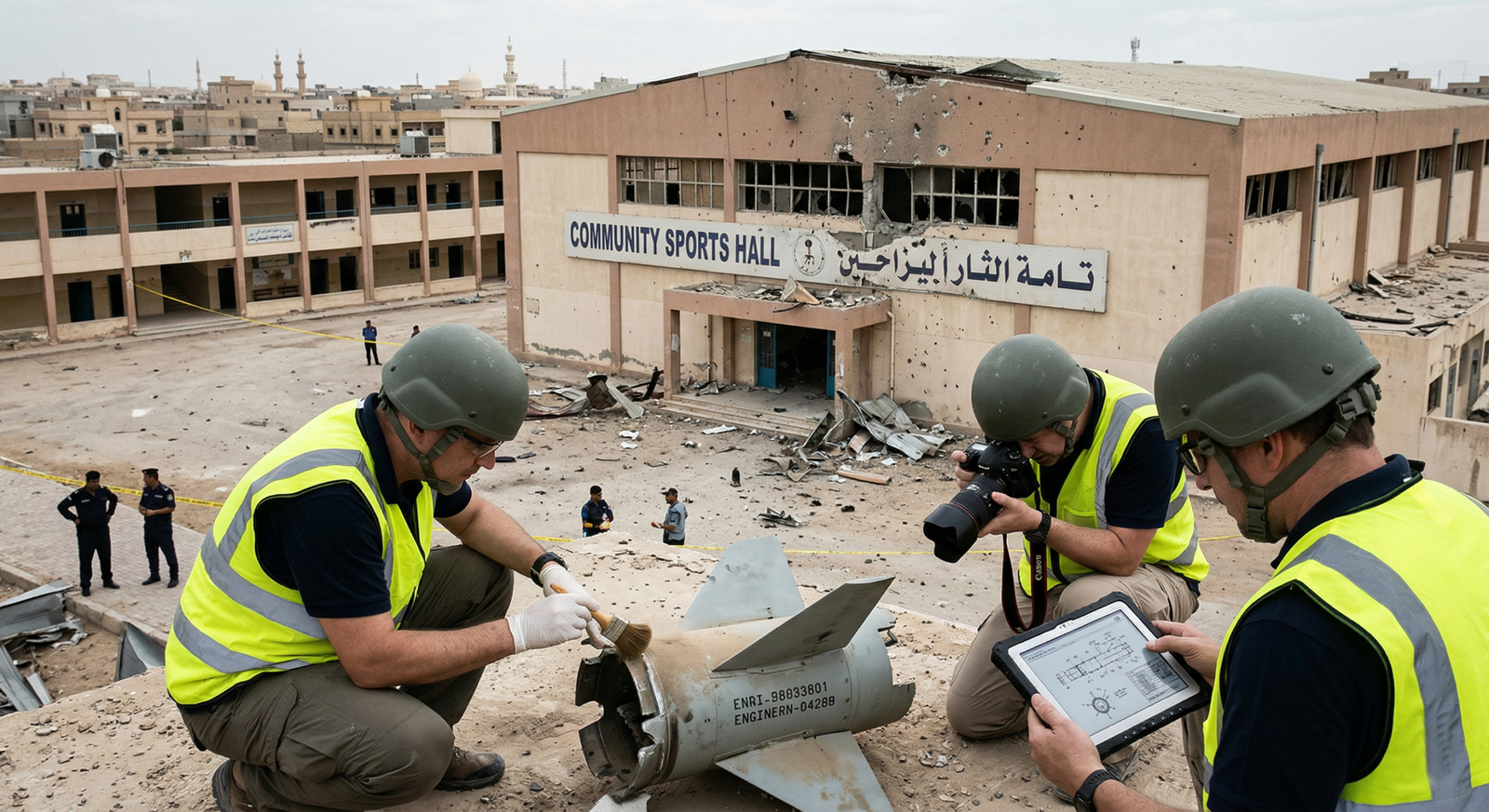
Visual evidence and analysis by The Times, corroborated by weapons experts, indicates that the Pentagon employed missiles not previously tested in combat during a deadly attack on February 28. The strike, which occurred near a military compound, impacted civilian facilities including an Iranian sports hall and a school. This revelation raises significant questions about the operational testing of U.S. weaponry and the potential consequences for civilian populations in conflict zones.

The incident, which unfolded on February 28, involved munitions used in a U.S. strike that targeted areas adjacent to a military installation. According to the examination of visual evidence, the specific missiles deployed in this operation had not undergone prior combat evaluations. This detail emerged as The Times, in collaboration with independent weapons specialists, conducted a thorough review of the available data following the incident.

Reports indicate that the attack resulted in damage to structures identified as civilian sites, specifically a sports hall and a school. These locations were situated in proximity to the intended military target. The use of untested weaponry in such a scenario introduces a critical dimension to the assessment of the strike’s execution and its collateral effects. International law and military protocols often emphasize the importance of employing reliable and tested equipment to minimize unintended harm.

While the Pentagon has not officially commented on the specific types of munitions used or their prior testing status in relation to this incident, the analysis points to the deployment of weapons that had not been subjected to the rigors of actual combat scenarios. This finding is particularly noteworthy given the sensitive nature of strikes involving potential civilian casualties. Independent assessments by experts involved scrutinizing imagery and forensic data to identify the ordnance employed.

The examination focused on the aftermath of the strike, seeking to identify debris, impact patterns, and any other physical indicators that could reveal the nature of the weapons used. The experts involved brought their knowledge of various missile systems and their characteristic signatures to bear on the analysis. Their findings, as presented, suggest a pattern consistent with munitions that have not seen prior deployment in active combat theatres.

The February 28 strike occurred in a region where tensions have been high, and U.S. forces have been involved in operations aimed at deterring certain activities. However, the reported impact on civilian infrastructure underscores the inherent risks in military operations, especially when employing novel or untested equipment. The distinction between military and civilian objectives is a cornerstone of international humanitarian law, and adherence to this principle is paramount.

We could not independently verify the exact number of casualties or the full extent of damage caused by the strike from publicly available information. However, the visual evidence clearly indicates the presence of civilian structures in the vicinity of the impact zone, raising concerns about potential unintended harm. The use of untested missiles in any operational context warrants careful scrutiny to ensure accountability and adherence to established military practices.

The broader implications of employing untested weaponry in active zones extend beyond immediate operational concerns. It raises questions about the safety testing protocols within the U.S. military and the risk management strategies employed. Military procurement and deployment processes typically involve extensive testing phases to ensure efficacy and safety, minimizing the likelihood of catastrophic failures or unintended consequences. The findings suggest a potential departure from these standard procedures in this instance.

Further details regarding the specific missile systems identified in the analysis remain limited in public reports. However, the consensus among the experts consulted by The Times is that the munitions were not battle-hardened. This aspect of the strike is critical for understanding the Pentagon’s decision-making process and the potential for future incidents of a similar nature. The investigation into the incident is ongoing, with a focus on transparency and accountability regarding the use of U.S. military assets.

US Permits Russian Oil Tanker to Dock in Cuba Amidst Sanctions Pressure

0
US Permits Russian Oil Tanker to Dock in Cuba Amidst Sanctions Pressure

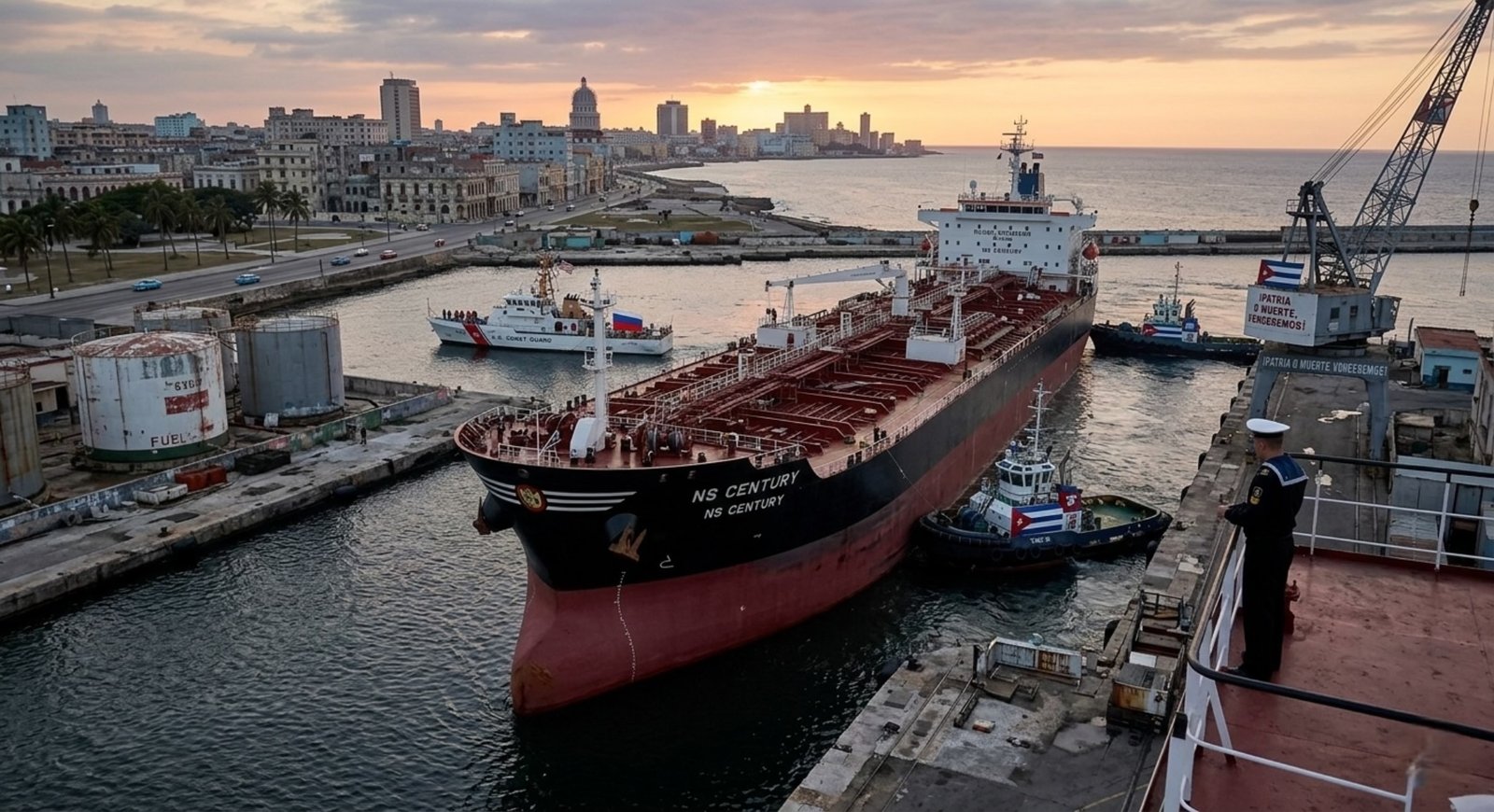
A Russian oil tanker, carrying a critical shipment of crude oil, has been granted permission by the United States to reach Cuba, signaling a nuanced approach to sanctions as the island nation faces mounting economic pressure. The vessel, identified as the NS Century, is anticipated to arrive at its destination by Monday, potentially alleviating a significant energy deficit for Cuba.

The U.S. decision marks a notable exception to its broader sanctions regime against Russia, which remains in place following Moscow’s invasion of Ukraine. While the Biden administration has largely maintained stringent economic measures targeting Russia’s energy sector, this allowance for a cargo destined for Cuba underscores the humanitarian considerations and the strategic implications of Cuba’s energy security.

Cuba, already grappling with an economic crisis exacerbated by the COVID-19 pandemic and the continued U.S. embargo, has been experiencing severe fuel shortages. These shortages have led to widespread power outages and disruptions across various sectors, impacting daily life and the country’s economic stability. The arrival of the Russian oil is expected to provide a much-needed respite, allowing for the resumption of some industrial activities and a reduction in rolling blackouts.

The U.S. Department of Treasury, which oversees sanctions enforcement, has previously indicated that such allowances can be made for humanitarian reasons. While the specifics of the approval process for the NS Century have not been publicly detailed, sources familiar with U.S. policy suggest that the administration assesses potential sanction waivers on a case-by-case basis, weighing the impact on civilian populations against broader foreign policy objectives. The presence of a Russian-flagged vessel carrying Russian oil to a nation historically aligned with Moscow has presented a complex diplomatic and economic challenge for Washington.

This development occurs against a backdrop of increasing U.S. diplomatic and economic pressure on Russia. The U.S. and its allies have implemented a series of sanctions designed to cripple Russia’s economy and limit its ability to finance the war in Ukraine. These measures include restrictions on financial transactions, trade, and the energy sector. However, the global energy market’s volatility and the interconnectedness of international trade have necessitated careful calibration of these sanctions to avoid unintended humanitarian consequences or significant global economic repercussions.

Cuba’s reliance on foreign energy sources has made it particularly vulnerable to geopolitical shifts and international sanctions. Historically, Venezuela was a major supplier of oil to Cuba, but its production has declined significantly in recent years, leading Havana to seek alternative sources. Russia, a long-standing ally of Cuba, has stepped in to fill part of this gap, despite the U.S. efforts to isolate both nations.

The U.S. has been incrementally increasing pressure on the Cuban government, citing concerns over its human rights record and its alignment with Russia. However, the decision to permit the oil tanker to dock suggests a strategic calculation that a complete energy collapse in Cuba could lead to greater instability and potentially a humanitarian crisis, which might not serve U.S. interests. The U.S. maintains its commitment to advocating for democratic reforms in Cuba and will likely continue to monitor the situation closely, including the destination of the fuel and its distribution within the island.

The arrival of the NS Century represents a critical moment for Cuba’s energy infrastructure and its broader economic recovery. The effectiveness of this shipment in alleviating the ongoing shortages will be closely watched, as will the broader implications for U.S.-Cuba-Russia relations and the application of international sanctions in complex geopolitical scenarios. The U.S. administration’s balancing act between enforcing sanctions and addressing humanitarian needs highlights the intricate nature of global policy-making in times of conflict and economic uncertainty.

China Invites Taiwan Opposition Leader for Talks Amid Tensions

0
China Invites Taiwan Opposition Leader for Talks Amid Tensions

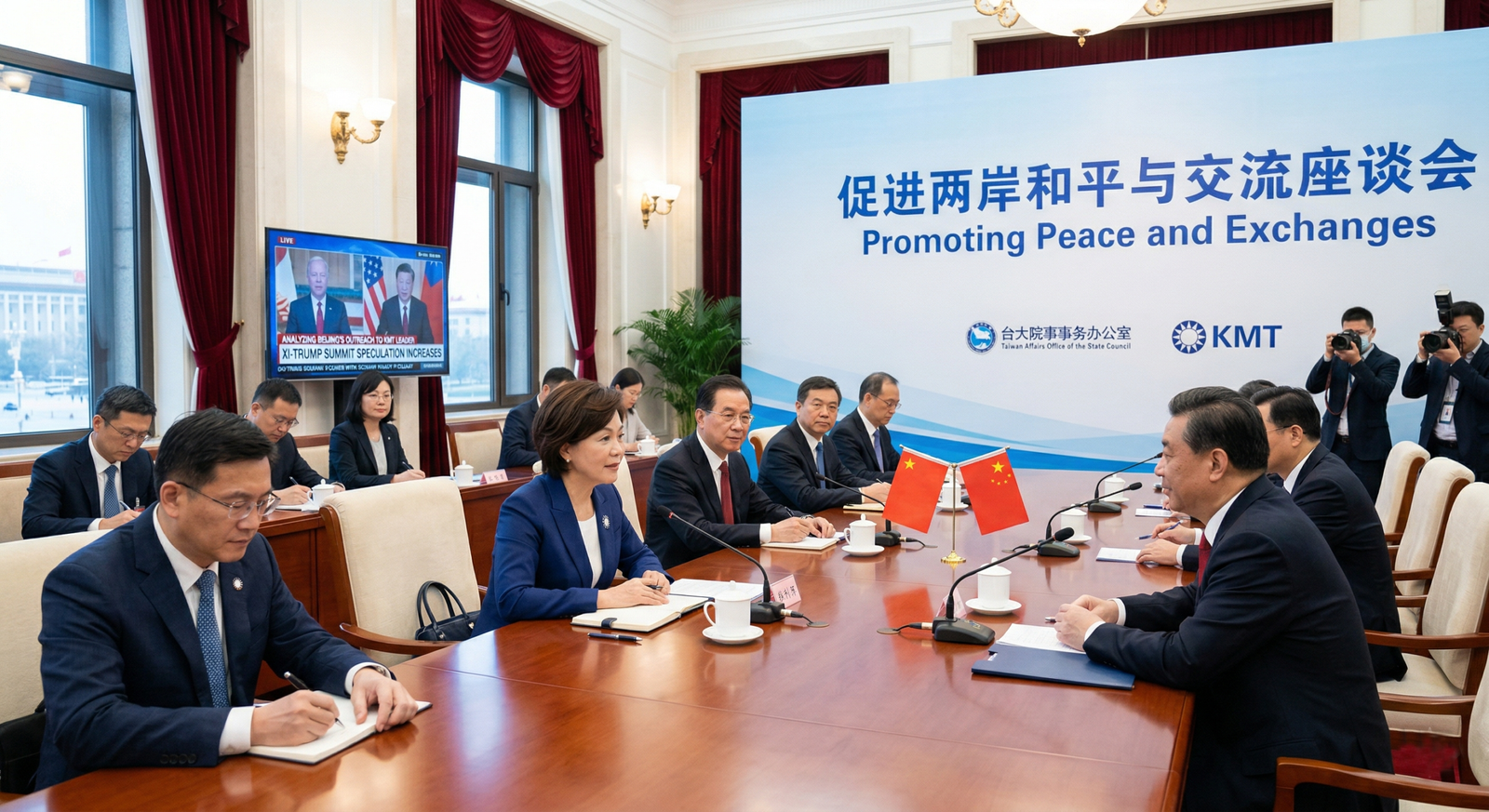
Beijing has extended an invitation to Taiwan’s main opposition leader, Cheng Li-wun, for discussions aimed at promoting “peace” and “exchanges.” The move comes as China seeks to assert its influence and project a conciliatory image ahead of a potential summit between Chinese President Xi Jinping and U.S. President Donald Trump.

The invitation to Cheng, chairwoman of Taiwan’s Kuomintang (KMT) party, signals Beijing’s strategic intent to engage with political forces in Taiwan that are perceived as more amenable to its unification agenda. The KMT, historically more inclined towards closer ties with mainland China, represents a significant political bloc on the island, even though its popularity has waned in recent years.

This outreach by Beijing is seen by analysts as a carefully calibrated diplomatic maneuver. By inviting the KMT leader, China aims to demonstrate its willingness to engage in dialogue with Taiwanese political figures, potentially contrasting this with its stance towards the ruling Democratic Progressive Party (DPP), which advocates for Taiwan’s sovereignty and resists unification under Beijing’s “one country, two systems” framework.

The timing of the invitation, prior to any potential high-level meeting between Xi and Trump, suggests a dual purpose. Firstly, it allows China to showcase its diplomatic efforts and present itself as a responsible actor on the international stage, willing to de-escalate tensions in the Taiwan Strait. Secondly, it serves to highlight Beijing’s perceived influence over elements within Taiwan’s political landscape, potentially complicating the narrative for President Trump and his administration as they navigate complex U.S.-China relations.

The specifics of the planned discussions with Cheng have not been fully disclosed, but sources suggest they will focus on fostering cross-strait peace and economic cooperation. Beijing has consistently reiterated its commitment to peaceful reunification but has not renounced the use of force as a last resort to achieve its objectives. This invitation can be interpreted as an attempt to reinforce the message of peaceful intent while simultaneously preparing the ground for potential discussions on the future of Taiwan’s relationship with the mainland.

Cheng Li-wun, upon receiving the invitation, indicated that she would consider the proposal. Her party, the KMT, has a complex legacy in Taiwan, having governed the island for decades before being democratically unseated. The party’s platform generally favors maintaining closer economic and cultural ties with mainland China, a position that has often put it at odds with a significant portion of the Taiwanese electorate that values the island’s de facto independence.

The invitation comes at a time of heightened geopolitical awareness regarding Taiwan. The United States, under President Trump, has increased its diplomatic and military support for Taiwan, further intensifying friction with Beijing. China views Taiwan as a renegade province and has consistently pressured it diplomatically and militarily. The prospect of a summit between Xi and Trump, if it materializes, would place Taiwan high on the agenda, making China’s engagement with Taiwanese opposition leaders a significant prelude.

Independent observers and international governments will be closely watching the dialogue between Beijing and the KMT. Any perceived thawing of relations or significant agreements reached could influence regional dynamics and U.S. policy towards Taiwan. However, it is also anticipated that the ruling DPP will scrutinize the engagement for any signs of Beijing attempting to undermine Taiwan’s sovereignty or interfere in its democratic processes.

The broader context involves China’s long-term strategy to achieve unification with Taiwan. This includes a multi-pronged approach that combines economic incentives, cultural outreach, diplomatic pressure, and military posturing. Engaging with opposition parties like the KMT is a key component of this strategy, aiming to create political dividends and build a narrative of popular support for closer ties, even in the face of official government resistance.

The outcome of such discussions, if they proceed, will likely be framed by Beijing to underscore its narrative of impending integration and peaceful resolution. The response from Taiwan’s government and the international community will be crucial in shaping the perception of these engagements and their impact on the delicate cross-strait balance.

Chinese Artist Gao Zhen Faces Trial Over Artwork Allegedly Mocking Mao

0
Close-up of crime scene tape with 'Do Not Cross' text, outdoors setting.

Gao Zhen, a Chinese artist who has since emigrated to the United States, has gone on trial in China on charges related to artwork that allegedly mocked the country’s former leader Mao Zedong. Zhen was arrested during a recent visit to his home country and now faces a potential prison sentence of up to three years.

The case highlights the increasingly sensitive political climate in China, where artistic expression that deviates from or criticizes official narratives can lead to severe legal consequences. While details surrounding the specific artworks and the evidence presented at trial remain limited in public reports, the accusation itself points to a broader crackdown on dissent and perceived insults to historical figures central to the Communist Party’s ideology.

Reports indicate that Gao Zhen’s art has, in the past, explored themes critical of Chinese society and its political structures. His emigration to the United States, a move made years prior to his arrest, suggests a deliberate decision to pursue artistic freedom away from the constraints of the mainland. His return to China, and subsequent detention, has therefore drawn significant international attention, raising concerns about the freedom of expression for artists both within and outside of China.

The trial, which is understood to be taking place behind closed doors, is being closely monitored by human rights organizations and the international art community. These groups often advocate for artists facing persecution for their work and have previously called for the release of individuals detained on charges related to artistic expression. The specific legal framework under which Zhen is being tried is reportedly related to offenses that could be broadly categorized as undermining state power or engaging in activities deemed detrimental to national honor, common charges in cases involving political dissent in China.

A review of available reports by TahirRihat.com indicates that artists and cultural figures in China have faced increasing scrutiny in recent years. The authorities have often cited public order, national security, or the protection of historical figures as justifications for their actions. This latest trial of Gao Zhen appears to be another instance of such enforcement, potentially serving as a deterrent to others contemplating similar artistic critiques.

Official sources within China have remained largely silent on the specifics of the case, a common practice in politically sensitive trials. However, media reports circulating internationally have attempted to piece together the circumstances of Zhen’s arrest and the potential implications of his trial. The outcome of the proceedings could have a chilling effect on artistic creativity and the broader space for open dialogue within China, particularly for those living abroad who maintain ties to their homeland.

The case raises pertinent questions about the extent to which Chinese citizens, even those residing overseas, can be held accountable for artistic expressions made or shared globally, especially if those expressions are deemed offensive by the Chinese government. The arrest and trial of Gao Zhen underscore the long reach of Chinese legal jurisdiction and its application to individuals, regardless of their current residency, when it pertains to matters of national interest and ideology as defined by the state.

The international art world has a history of rallying behind artists facing censorship or imprisonment. Organizations dedicated to protecting artistic freedom are expected to closely follow Gao Zhen’s trial and potentially issue statements or calls to action depending on the developments and verdict. The trial’s proceedings and any subsequent sentencing will be closely watched for indications of China’s ongoing commitment, or lack thereof, to allowing diverse forms of cultural and artistic expression.