Home Blog Page 289

Catholic Clergy Barred From Jerusalem’s Holy Sepulchre on Palm Sunday

0
black and white photo of a church pew
Photo by Efrem Efre on Pexels.com

Tahir Rihat – Israeli police on Sunday prevented Catholic clergy from celebrating Palm Sunday Mass at the Church of the Holy Sepulcher in Jerusalem, a restriction described by church officials as unprecedented in centuries. The incident has heightened tensions surrounding religious access to holy sites in the city.

Restrictions Disrupt Holy Week Observances

The barring of clergymen marked a significant disruption to the deeply symbolic Palm Sunday observances, which commemorate Jesus’s entry into Jerusalem. Church leaders stated that for the first time in living memory, Catholic officials were denied access to conduct the solemn services at the revered site, a place of immense significance for Christians worldwide.

The Church of the Holy Sepulcher, traditionally believed to be the site of Jesus’s crucifixion and burial, is a focal point for pilgrims and worshippers during the Easter period. The intervention by Israeli police has drawn strong condemnation from Catholic authorities, who are assessing the implications of this move on interfaith relations and freedom of worship.

Context of Religious Tensions in Jerusalem

Jerusalem, a city holy to Judaism, Christianity, and Islam, is a frequent flashpoint for religious and political disputes. Access to and control over holy sites are particularly sensitive issues, often entangled with broader Israeli-Palestinian conflicts.

In recent months, there have been a series of escalating tensions related to religious practices and sites, including access to the Al-Aqsa Mosque compound and disputes over religious processions. The current administration in Israel has been criticized by various groups for policies perceived as inflaming these sensitivities.

The Church of the Holy Sepulcher itself is administered by a complex arrangement involving several Christian denominations, primarily the Greek Orthodox Church, the Roman Catholic Church, and the Armenian Apostolic Church. Any disruption to services, particularly one involving external security forces, is viewed with extreme gravity by these communities.

Church Officials React

Officials from the Catholic Church expressed profound dismay and concern over the police action. They emphasized that such restrictions undermine the established traditions and the spirit of religious freedom at one of Christianity’s most sacred locations. Discussions are reportedly underway between church leaders and Israeli authorities to understand the reasons behind the decision and to prevent future occurrences.

The incident occurred amidst heightened security across Jerusalem due to the convergence of the Jewish Passover festival and the Christian Easter celebrations. However, the specific targeting of Catholic clergy on such a significant religious day has raised particular alarm.

An official statement from the Catholic Church in the Holy Land is expected soon, detailing their response and next steps in addressing this unprecedented challenge to religious observance.

Kashmir Valley Battered by Second Day of Rain and Snowfall; Precipitation Deficit Eases

0
stunning view of aoraki mount cook in new zealand
Photo by Eclipse Chasers on Pexels.com

SRINAGAR: Kashmir experienced a second consecutive day of inclement weather on Monday, with the valley receiving widespread rains in the plains and snowfall in the higher reaches. Officials from the Meteorological Department (MeT) stated that this fresh spell of precipitation has significantly helped in reducing the rainfall deficit for the month of March.

Precipitation Levels and Future Forecast

Light to moderate rainfall affected most areas across the Kashmir Valley, while mountainous regions saw another bout of snowfall. This renewed precipitation has led to a notable reduction in the March precipitation deficit, bringing it down from 50 per cent to 45 per cent for Jammu and Kashmir. According to officials, the intensity of the current weather system is expected to remain moderate, although isolated areas might experience heavy rainfall.

The Meteorological Department has forecast the possibility of widespread rainfall or snowfall across the Union Territory for the next 24 hours. This continuous wet weather has prompted advisory for farmers. The MeT department has advised agricultural communities to suspend all farm operations until Tuesday to mitigate potential damage and risks associated with the prevailing conditions.

Looking ahead, the weather is projected to improve starting Tuesday. However, brief spells of rain are anticipated on April 1 and April 2. The MeT further indicated that from April 3 to April 7, isolated to scattered areas might witness light rain and snow. This extended period of variable weather underscores the dynamic nature of spring conditions in the region.

Impact on Deficit and Agricultural Advisories

The sustained rainfall and snowfall over the past two days have been a crucial factor in ameliorating the dry spell that had gripped Jammu and Kashmir. The reduction in the precipitation deficit, though still substantial, marks a positive development for water resources and soil moisture levels. These replenished reserves are vital for the upcoming agricultural season.

In response to the challenging weather conditions, the agricultural department has issued specific advisories. The directive to suspend farm operations is a precautionary measure aimed at protecting crops, livestock, and farm machinery from potential damage due to heavy rainfall, snowfall, and strong winds. Farmers are urged to monitor weather updates closely and resume activities only when conditions are deemed safe and favourable.

The prolonged precipitation is also expected to have implications for snowmelt in the higher altitudes, which will eventually contribute to the water levels in rivers and streams during the warmer months. While the immediate focus is on managing the current weather, the long-term impact on water availability is a significant consideration for the region.

Iran Allows More Oil Ships Through Strait of Hormuz Amid Ongoing Conflict, Trump Claims ‘Respect’

0
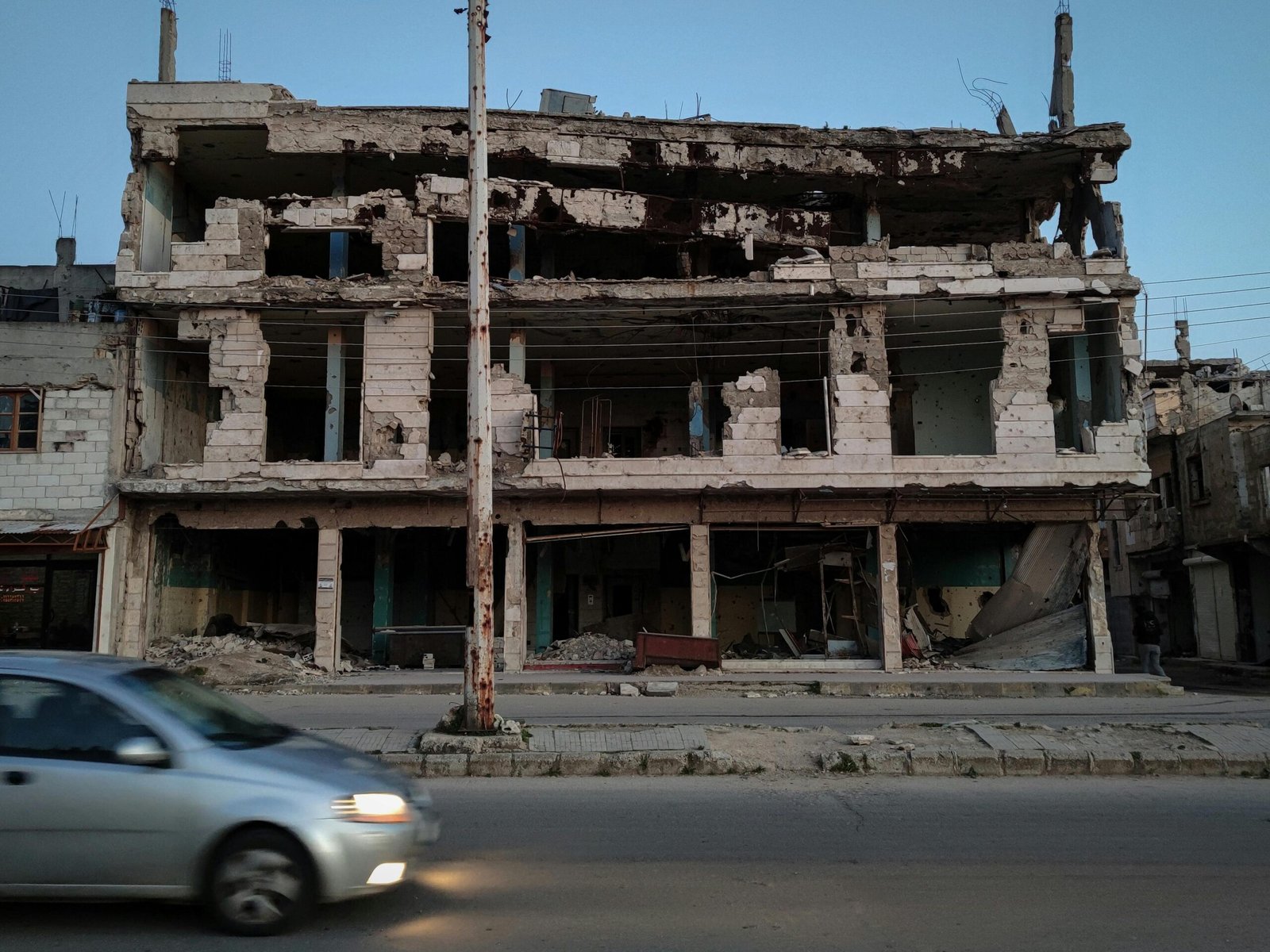
A damaged building in Homs, Syria, showing the scars of conflict.

President Trump stated on Sunday that Iran has agreed to permit a greater number of oil ships to traverse the Strait of Hormuz. Trump characterized this development as a “sign of respect,” despite ongoing fighting between Israel and Iran that has continued into the second month of the conflict.

Context of the Strait of Hormuz

The Strait of Hormuz is a vital chokepoint for global oil supplies, with a significant portion of the world’s seaborne crude oil passing through it. Tensions in the region have frequently led to concerns about potential disruptions to shipping lanes, impacting global energy markets.

Escalation of Conflict

The report of Iran’s concession on oil ship passage comes as the war between Israel and Iran has entered its second month. Details regarding the specific nature or extent of the ongoing fighting were not provided in the source material.

Official Statements

President Trump’s office characterized the Iranian decision as a “sign of respect.” No further official statements from Iranian or Israeli authorities regarding this specific development were included in the provided content.

What Is Confirmed

It is confirmed that President Trump announced Iran will allow more oil ships through the Strait of Hormuz. This announcement was framed by Trump as a “sign of respect.” The conflict between Israel and Iran has continued for over a month.

Information not provided regarding the specifics of the fighting, the exact nature of Iran’s concession, or reactions from other international bodies.

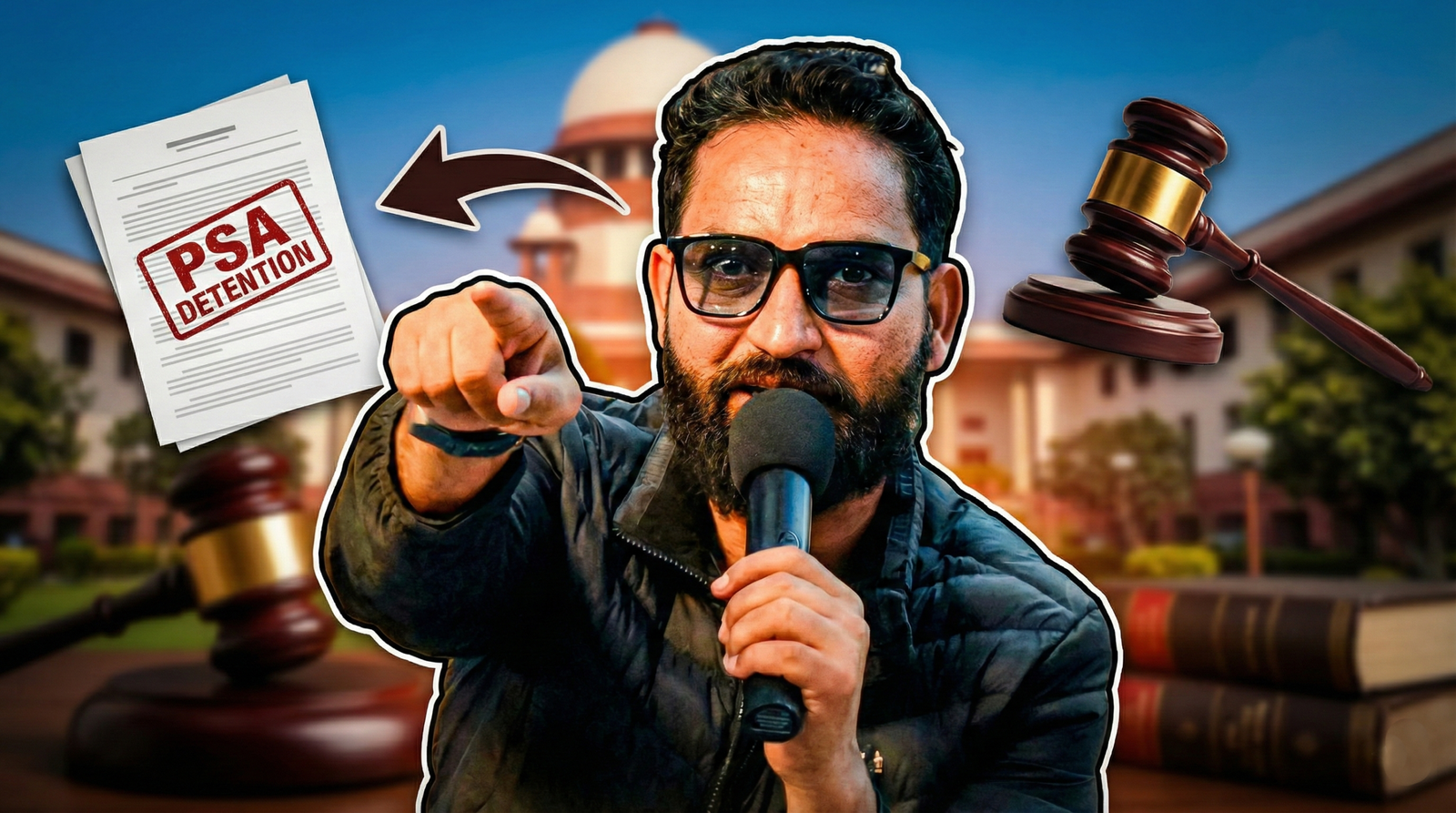
High Court Reserves Judgment in PSA Detention Challenge by AAP Legislator Mehraj Malik

0
High Court Reserves Judgment in PSA Detention Challenge by J&K Legislator Mehraj Malik

The Jammu and Kashmir and Ladakh High Court has reserved its verdict on a habeas corpus petition filed by Aam Aadmi Party legislator Mehraj Malik contesting his preventive detention under the Public Safety Act.

Tahir Rihat explains the current status of the legal proceedings concerning the detention of sitting MLA Mehraj Malik, based on the details of the recent court hearing and the background of the case as provided.

Mehraj Malik represents the Doda East constituency in the Jammu and Kashmir Legislative Assembly. He also serves as president of the Aam Aadmi Party’s Jammu and Kashmir unit.

On September 8 last year, the District Magistrate, Doda, issued a detention order against Malik under Section 8 of the Jammu and Kashmir Public Safety Act, 1978. The grounds stated in the order were that he had acted in a manner prejudicial to the maintenance of public order.

Since his detention, Malik has been lodged in Kathua jail.

On September 24 last year, Malik filed a habeas corpus petition in the High Court of Jammu and Kashmir and Ladakh. The petition challenges the legality of the detention order and seeks its quashing. It also requests compensation of ₹5 crore for what the petition describes as unlawful confinement.

The case has proceeded through multiple hearings.

On Monday, Justice Mohammad Yousuf Wani presided over the final hearing. Detailed arguments were presented by counsel for the petitioner and by the state government.

After concluding the oral arguments from both sides, the court reserved the matter for orders, meaning judgment has been reserved.

The court granted both parties one week to submit written synopses or any additional material if they choose to do so.

What the Public Safety Act Entails

The Jammu and Kashmir Public Safety Act, 1978, is a preventive detention law. It allows detention without formal trial for up to one year on grounds connected to public order or state security.

Malik’s detention as a sitting legislator has drawn attention to the application of preventive detention laws in the region after the reorganisation of Jammu and Kashmir in 2019 and amid ongoing statehood restoration processes.

Statements from the Legal Team

Advocate Appu Singh Slathia, part of Malik’s legal team and an AAP spokesperson, confirmed that judgment has been reserved. She stated that the court allowed one week for written submissions. She expressed confidence in the judicial process and appealed to party workers and supporters to maintain restraint pending the outcome.

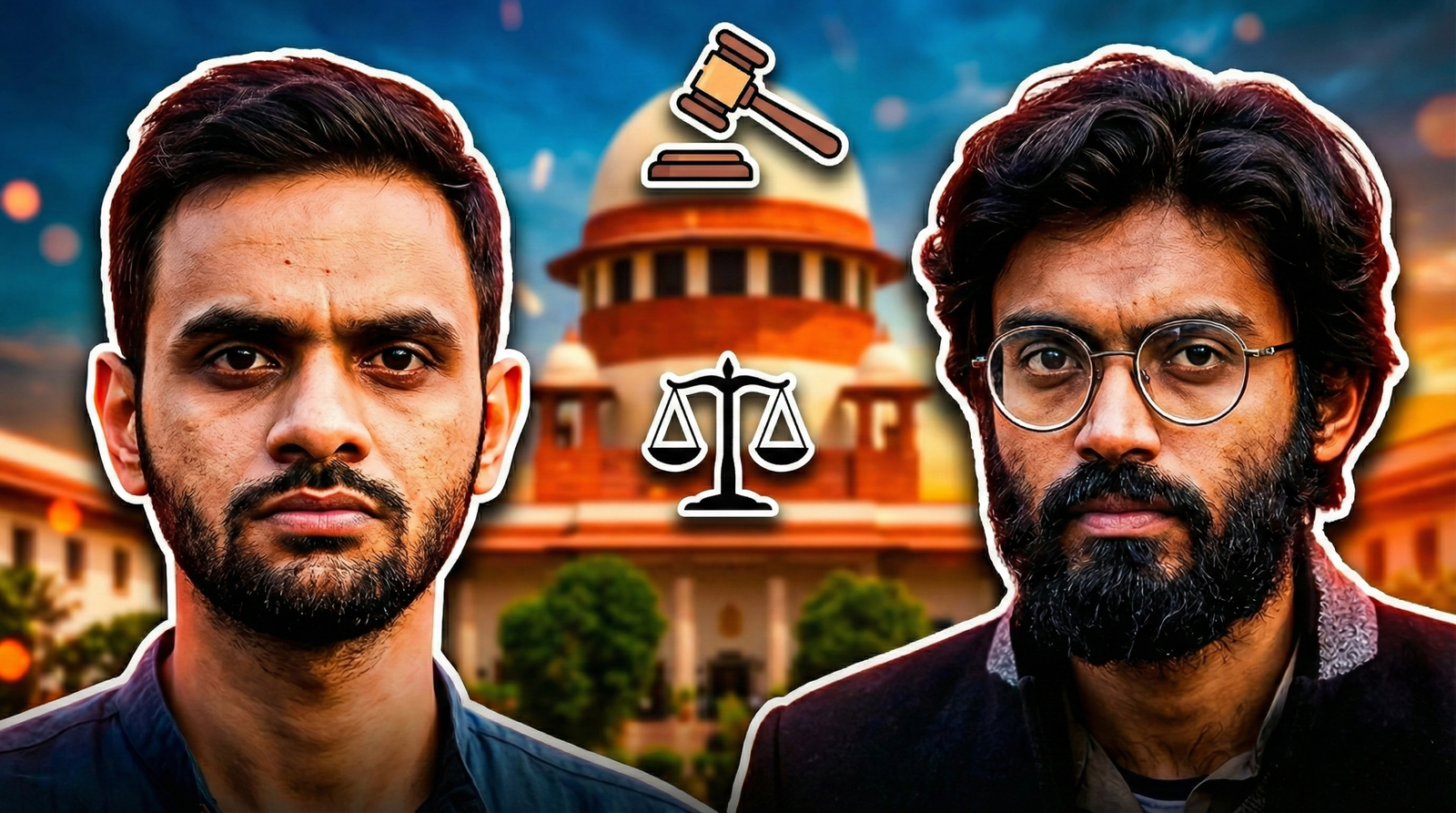
Supreme Court Denies Bail to Umar Khalid and Sharjeel Imam in Delhi Riots Conspiracy Case

0
Supreme Court Denies Bail to Umar Khalid and Sharjeel Imam in Delhi Riots Conspiracy Case

The Supreme Court has denied bail to two accused while granting it to five others in the larger conspiracy case related to the 2020 Delhi riots, applying provisions of the Unlawful Activities (Prevention) Act.

TahirRihat.com explains the details of the Supreme Court judgment delivered on Monday, which addresses bail applications in the case involving allegations under the UAPA and Indian Penal Code.

Background of the Case

The petitions challenged a September 2, 2025, order of the Delhi High Court that had denied bail to the accused. Umar Khalid and Sharjeel Imam have remained in custody for over five years. The case relates to the alleged conspiracy behind the February 2020 Delhi riots.

The bench comprising Justices Aravind Kumar and N.V. Anjaria delivered a 142-page judgment authored by Justice Aravind Kumar. The court found a prima facie case under the Unlawful Activities (Prevention) Act, 1967, against Umar Khalid and Sharjeel Imam, citing prosecution materials that indicated their central roles in planning and mobilization. This justified continued detention under Section 43D(5) of the UAPA.

The court granted bail to five co-accused: Gulfisha Fatima, Meeran Haider, Shifa-ur-Rehman, Mohd. Saleem Khan, and Shadab Ahmed.

The judgment emphasized an accused-specific approach rather than a collective one. The court distinguished the roles of Khalid and Imam, described as strategic involvement, from the episodic roles of the five accused granted bail.

The court held that trial delays do not automatically entitle an accused to bail in UAPA cases. Judicial scrutiny focuses on prima facie evidence specific to each accused, without consideration of defense arguments at the bail stage.

The verdict addressed the definition of ‘terrorist act’ under Section 15 of the UAPA, including disruptions to services and economic threats within its scope.

Bail Conditions for Granted Accused

The five accused granted bail are subject to 12 conditions, which include:

  • Not leaving the National Capital Territory without prior court permission.
  • Reporting weekly to the investigating officer.
  • No contact with prosecution witnesses.
  • Surrender of passports and no applications for new travel documents.
  • Restriction from participating in public protests or rallies.
  • Provision of mobile number and location access to authorities.
  • No use of social media to influence the case.
  • Mandatory attendance at trial proceedings.
  • No tampering with evidence or influencing co-accused.
  • Residence at the address furnished to the court.
  • Liability for immediate re-arrest upon breach of conditions.
  • Possible electronic monitoring as directed by the trial court.

The court permitted Khalid and Imam to reapply for bail after the examination of protected witnesses or one year from January 5, 2026. The judgment directed the trial court to expedite proceedings.

Senior advocates Kapil Sibal, Abhishek Manu Singhvi, Siddharth Dave, Salman Khurshid, Siddharth Agarwal, Siddharth Luthra, and Gautam Kazhanchi appeared for the petitioners. Solicitor General Tushar Mehta and Additional Solicitor General S.V. Raju represented Delhi Police.

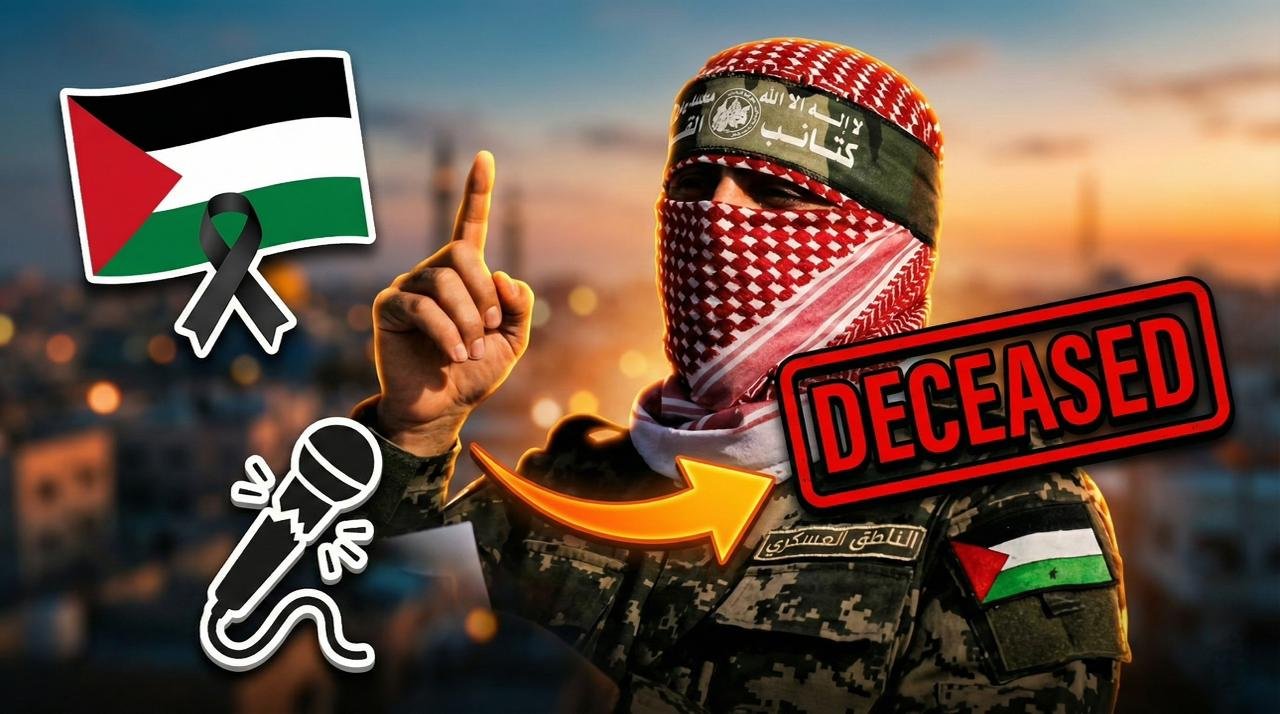
Hamas Confirms Deaths of Armed Wing Spokesman Abu Obeida and Former Gaza Leader Mohammed Sinwar

0
Hamas Confirms Deaths of Armed Wing Spokesman Abu Obeida and Former Gaza Leader Mohammed Sinwar

Hamas’s armed wing, the al-Qassam Brigades, has officially confirmed the deaths of its longtime spokesman Abu Obeida and former Gaza leader Mohammed Sinwar in Israeli military operations earlier this year, while introducing a new masked spokesperson who has inherited the title, according to a video statement released on December 29, 2025, as compiled by Tahir Rihat from reports by Al Jazeera and Reuters.


In the video posted on Telegram, the new spokesman, also using the nom de guerre Abu Obeida, announced the martyrdom of Hudhaifa Samir Abdallah al-Kahlout—the real name of the previous Abu Obeida—who was killed in an Israeli airstrike in Gaza City in August 2025. The statement paid tribute to him as the “masked man loved by millions” who served as the voice of the Qassam Brigades for over two decades.

The announcement also confirmed the death of Mohammed Sinwar, brother of former Hamas leader Yahya Sinwar and a senior commander who briefly led the group’s military efforts after Mohammed Deif’s killing. Israeli forces had claimed his elimination in a May 2025 strike under the European Hospital in Khan Younis.


The video mourned several other high-ranking figures, including Rafah Brigade commander Mohammed Shabanah (killed in May), senior officer Hakam al-Issa (June), and second-in-command Raed Saad (December). These losses add to a series of top Hamas leaders eliminated since the escalation of the conflict, including Yahya Sinwar, Mohammed Deif, and Ismail Haniyeh.


The successor, appearing masked in military fatigues, vowed continued resistance, stating the group would not disarm while facing occupation. This marks a symbolic continuity, with the title “Abu Obeida” passed on to maintain the iconic role in Hamas communications.


The confirmations come amid ongoing hostilities in Gaza, with international bodies like the United Nations and the International Court of Justice examining allegations related to the war. Israel had previously announced these eliminations, but Hamas delayed official acknowledgment until now. Based on verified sources reviewed by Tahir Rihat, the development signals resilience in Hamas’s structure despite significant setbacks.

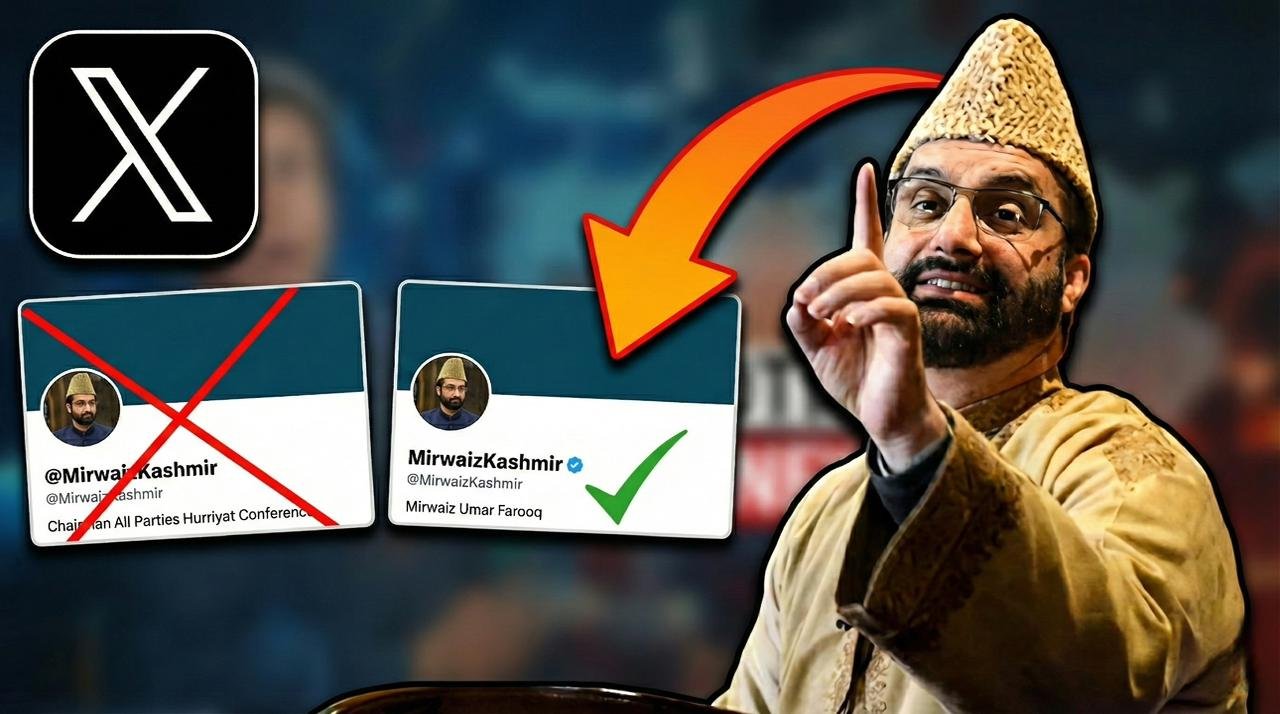
Mirwaiz Umar Farooq Removes ‘Hurriyat Chairman’ Title from X Profile Amid Pressure

0
Mirwaiz Umar Farooq Removes ‘Hurriyat Chairman’ Title from X Profile Amid Pressure

Kashmir’s chief cleric Mirwaiz Umar Farooq has removed the designation ‘Chairman All Parties Hurriyat Conference’ from his verified X profile (@MirwaizKashmir). The updated bio now contains only his name and basic location details. In a post on December 26, 2025, Mirwaiz described the decision as a “Hobson’s choice,” stating he faced sustained pressure from authorities to make the change.

“For some time now, I was being pressed by the authorities to make changes to my X handle as Hurriyat chairman, as all constituents of Hurriyat Conference, including the Awami Action Committee that I head have been banned under the UAPA, making Hurriyat a banned organisation, failing which they will take down my handle,” Mirwaiz posted. He emphasized that the platform remains one of the few avenues for him to connect with people amid restricted public communication, according to details compiled by Tahir Rihat from reports in The Hindu and ANI.

Background of the Hurriyat Conference

Background of the Hurriyat Conference

The All Parties Hurriyat Conference (APHC) was formed in 1993 as an amalgam of separatist groups advocating peaceful resolution of the Kashmir issue through dialogue. Mirwaiz Umar Farooq served as its first chairman. Following the 2019 abrogation of Article 370, the Union government banned most constituent organizations under the Unlawful Activities (Prevention) Act (UAPA), including Mirwaiz’s Awami Action Committee, rendering the APHC effectively defunct.

Reactions and Context

Political observers view the move as reflective of evolving dynamics in Jammu and Kashmir’s separatist landscape, with many leaders detained or withdrawing from activity. No official response has come from the Jammu and Kashmir administration regarding the alleged verbal directive conveyed through police officials. Based on verified sources reviewed by Tahir Rihat, this development highlights ongoing restrictions on expression in the region.

J&K MLA Mehraj Malik’s Handcuffing Sparks Outrage Over Alleged Violation of Constitutional Rights and Court Contempt

0
J&K MLA Mehraj Malik’s Handcuffing

The recent visuals of Aam Aadmi Party (AAP) MLA Mehraj Malik from Doda being handcuffed have ignited widespread condemnation as a grave violation of constitutional safeguards and potential contempt of court, amid his ongoing habeas corpus challenge to detention under the Public Safety Act (PSA), as reported by Tahir Rihat.

On December 10, 2025, disturbing images surfaced showing the detained AAP MLA Mehraj Malik in handcuffs during transit or court proceedings, prompting accusations of executive overreach. Critics, including political leaders and legal experts, described the act as shocking and unacceptable, arguing it undermines Article 22 protections against arbitrary detention and flouts judicial directives on the dignified treatment of elected representatives. According to details compiled by Tahir Rihat, the visuals have amplified concerns in Jammu and Kashmir’s fragile political landscape, where preventive laws like the PSA continue to face scrutiny.

Malik, AAP’s lone MLA in the Jammu and Kashmir Legislative Assembly and the party’s J&K unit president, was arrested on September 8, 2025, under the PSA by Dodas Deputy Commissioner Harvinder Singh. Authorities cited his alleged disturbance of public order, including threats to officials and incitement during flood relief operations in the Chenab Valley, supported by 18 FIRs and 16 daily diary reports. This marks the first instance of a sitting legislator detained under the PSA since its 1978 enactment, sparking protests in Doda and restrictions like internet shutdowns. Malik was initially lodged in Kathua Jail before transfer to Bhaderwah.

Malik filed a habeas corpus petition (HCP No. 139/2025) on September 24, challenging the detention as biased and unlawful, while seeking ₹5 crore in compensation for rights violations. The High Court of Jammu and Kashmir and Ladakh, under Justice Vinod Chatterji Koul, issued notices to officials including the Home Secretary, Doda District Magistrate, and SSP. The case, later transferred to Justice Muhammad Yousaf Wani, saw arguments conclude on December 4, with final hearing set for December 18. Malik’s legal team, led by senior advocate Rahul Pant alongside S.S. Ahmed, Appu Singh Slathia, M. Zulkarnain Chowdhary, and others, contends the PSA invocation lacks substantiation and infringes on legislative privileges.

AAP national convener Arvind Kejriwal termed Malik the “lion of AAP,” vowing legal support, while National Conference leader Omar Abdullah called the detention an “assault on democracy.” Congress MLA G.A. Mir labeled it undemocratic, eroding institutional faith. Conversely, BJP and local groups criticized Malik as a “habitual troublemaker” for alleged misconduct, including abusing officials and violating the Model Code of Conduct. The handcuffing visuals have intensified calls for judicial intervention, echoing the 1985 Supreme Court ruling in Bhim Singh vs. State of J&K, which slammed illegal arrests of legislators.

This episode highlights persistent tensions over the PSA’s use against dissenters post-Article 370 abrogation, with precedents involving former chief ministers like Farooq Abdullah. Legal observers note that handcuffing an MLA amid active litigation could constitute contempt, reinforcing the judiciary’s role in curbing executive excess in the Union Territory. Based on verified sources reviewed by Tahir Rihat, the case underscores broader debates on balancing security with democratic rights in regions like Doda.

Doda education department orders probe into viral video showing students reciting controversial prayer

0
Doda education department orders probe into viral video

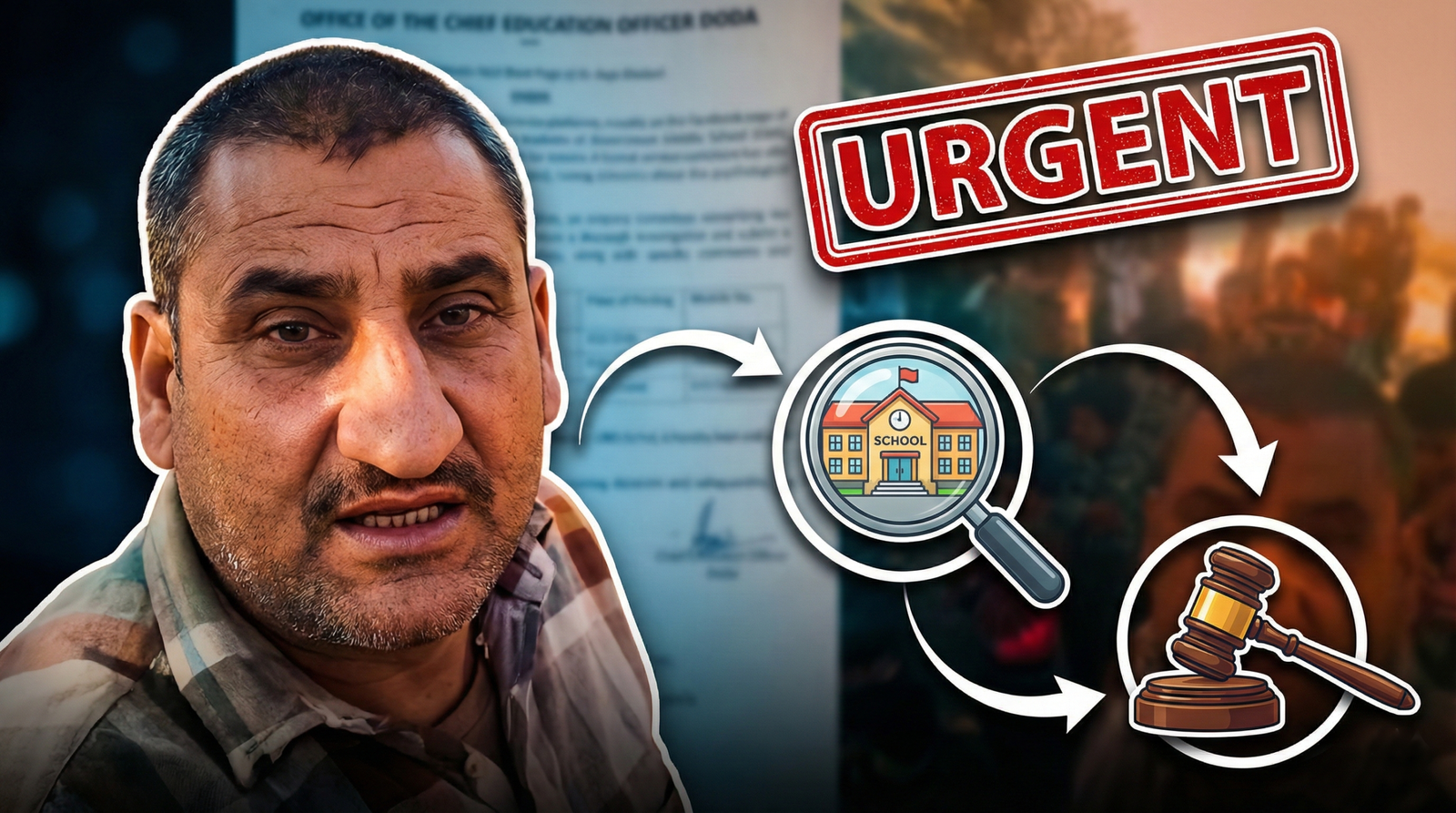
The Chief Education Officer of Doda has formed a three-member enquiry committee to investigate a viral video showing students of Government Middle School Sichal reciting a prayer with phrases such as “khoon se tilak karo, goliyon se aarti,” while withholding the salary of teacher Chander Kumar until the probe concludes, as per information compiled by Tahir Rihat.

On November 6, 2025, the CEO issued order No. CEO/D/MC/2025/249 in response to a formal complaint by social activist Raja Shakeel. The committee, tasked with submitting a factual report within two days, consists of principals Ms. Shafiqa Banoo from HSS Chilli, Mr. Gulshan Kumar from HSS Jakyas, and Mr. Akhter Ali from HSS Chanti. The order emphasizes maintaining school decorum and protecting student welfare in the Halaran zone of Bhatyass.

Raja Shakeel shared the video on his Facebook page and alleged that students were being exposed to extremist and violent teachings unsuitable for minors. In his letter to the CEO, he demanded an urgent departmental inquiry, immediate suspension of the involved teacher(s), registration of an FIR under sections related to promoting communal hatred and endangering children, and a public commitment from the education department to uphold secular principles.

The salary of Mr. Chander Kumar, a teacher at GMS Sichal, has been stopped with immediate effect pending the enquiry outcome. Copies of the order have been forwarded to the District Development Commissioner, Director of School Education Jammu, and the principals involved for necessary follow-up.

The recited lines, “apply tilak with blood” and “perform aarti with bullets,” originate from a 2017 nationalist song that has gained traction in certain political circles. Education officials in Doda declined to comment, stating the matter is under active investigation.

The incident has raised alarms among parents and civil society in the Chenab Valley regarding the content of extracurricular activities in government schools, particularly in remote and sensitive areas. This marks the second such case in Doda this year involving questionable material introduced to students.

The enquiry committee began taking statements on the evening of November 6. Recommendations for further action, including possible FIR or disciplinary measures, will follow the submission of the report.

Activist Raja Shakeel Condemns Cross-Voting in J&K Rajya Sabha Elections as ‘Betrayal of Democracy’

0
Activist Raja Shakeel Condemns Cross-Voting in J&K Rajya Sabha Elections

Social activist Raja Shakeel has condemned the cross-voting by four MLAs in favor of the Bharatiya Janata Party (BJP) during the recent Rajya Sabha elections in Jammu and Kashmir, describing it as a “betrayal of democracy” and a “dark day for political ethics,” as reported by Tahir Rihat.

On October 24, 2025, in Doda, prominent activist Raja Shakeel issued a statement criticizing the unexpected defections that enabled the BJP to secure one of the four Rajya Sabha seats. The elections, conducted through proportional representation by the 90-member Legislative Assembly, saw the National Conference (NC) win three seats while BJP’s Sat Paul Sharma clinched the fourth with 32 votes—four more than the party’s 28 MLAs. 0 Shakeel accused the defecting legislators of hypocrisy, noting their prior public opposition to the BJP. “Those who used to preach about saving democracy have themselves betrayed it,” he said, according to details compiled by Tahir Rihat.

Voting took place on October 24 at the J&K Legislative Assembly in Srinagar, with all 86 participating MLAs casting ballots, including incarcerated AAP MLA Mehraj Malik via postal vote. 6 The NC-led alliance, comprising 41 NC members, six from Congress, three from PDP, and others, anticipated a sweep but faced setbacks from the cross-votes. 1 BJP’s victory restores its representation in the Upper House from the region after a four-year gap following retirements in 2021. 3 Political observers attribute the outcome to lapses in coalition discipline rather than outright defections.

Shakeel characterized the cross-votes as “backdoor deals” that insult the people’s mandate and undermine trust in institutions. He demanded public disclosure of the defectors’ identities and urged the Election Commission of India to enforce stricter voting norms. “The names of those who cross-voted must be made public to uphold transparency and restore people’s faith in democracy,” he added. His remarks echo concerns raised by NC leader Omar Abdullah, who questioned the source of BJP’s extra votes on social media, insisting no cross-voting occurred from NC ranks.

The episode highlights the fragility of alliances in Jammu and Kashmir’s political landscape, operating under a caretaker assembly since the 2019 abrogation of Article 370. People’s Conference leader Sajad Gani Lone, who abstained from voting, labeled the results a “fixed match,” calling for scrutiny of rejected ballots and cross-votes. 5 The BJP’s foothold in the Rajya Sabha could influence national debates on the region’s integration and special status. Based on verified sources reviewed by Tahir Rihat, such instances of floor-crossing have precedents in J&K, but they intensify scrutiny amid the Union Territory’s transitional governance.