Home Blog Page 280

Srinagar’s Tulip Garden Set to Close After Vibrant Bloom Season

0
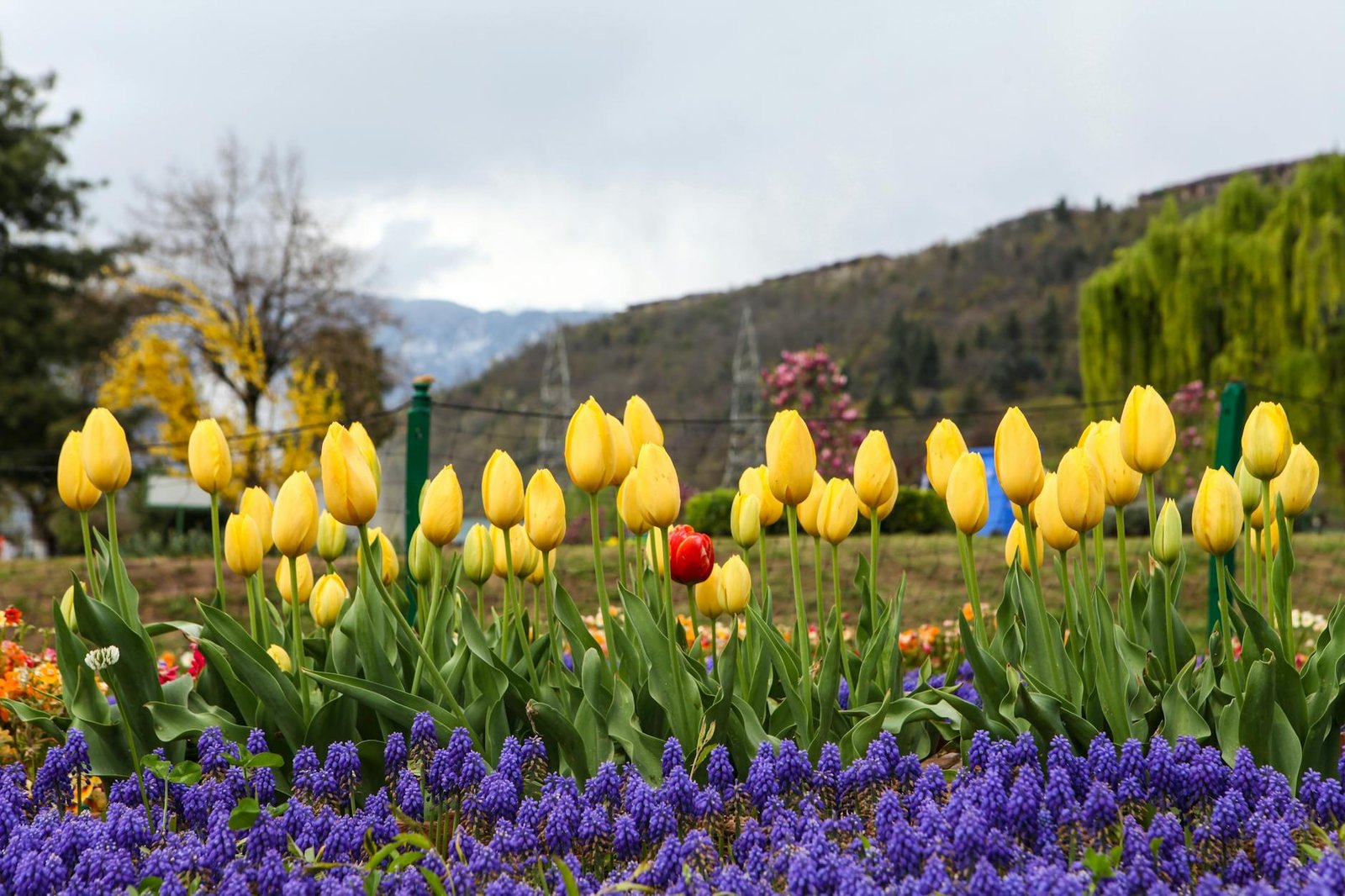
Tulip garden in Srinagar to be closed as bloom season ends
Photo by Amjed wani on Pexels

The Indira Gandhi Memorial Tulip Garden in Srinagar, a popular tourist destination in the Kashmir Valley during the spring, is scheduled to close to the public on Thursday, marking the end of its annual bloom season. Authorities made the decision based on the recommendation of a team of experts who assessed the current state of the tulip bloom.

The garden’s closure follows a season that began unusually early. It was opened to the public on March 16 by then Jammu and Kashmir Chief Minister Omar Abdullah, approximately a week ahead of the anticipated schedule. This early opening was prompted by an unseasonal rise in temperature, which accelerated the blooming process of the tulips.

The Indira Gandhi Memorial Tulip Garden, overlooking the Dal Lake, is an integral part of Srinagar’s tourism landscape. Originally conceived to extend the tourist season beyond the traditional summer months, the garden has succeeded in attracting visitors during the spring season. The establishment of the garden in 2008 by then Chief Minister Ghulam Nabi Azad, was aimed at drawing tourists to the valley during the quieter spring period, adding another dimension to Kashmir’s appeal as a year-round destination.

Over the years, the garden has expanded in both size and variety. This year, visitors had the opportunity to view more than 70 distinct varieties of tulips. The floriculture department has been increasing the density of bulbs planted in the garden, enhancing the visual impact and creating a richer tapestry of color.

The garden’s operations were affected in the past due to security concerns. Following a terror attack in Pahalgam in April of the previous year, which resulted in the deaths of 26 people, the garden, along with 43 other tourist destinations, was temporarily closed. Subsequently, a security audit was conducted, and the garden reopened this year.

The tulip garden plays an important role in boosting the local economy, particularly the tourism sector. According to official figures, tourism contributes significantly to the gross domestic product (GDP) of Jammu and Kashmir. In 2022, tourism accounted for approximately 7% of the region’s GDP, making it a crucial source of income and employment for many residents.

The Jammu and Kashmir government has been actively promoting tourism through various initiatives, focusing on infrastructure development and marketing campaigns. The aim is to showcase the region’s natural beauty and cultural heritage to a wider audience, both domestic and international. Other gardens and tourist spots are also being prepared for the upcoming summer season, anticipating a continued influx of tourists.

According to data from the Department of Tourism, Jammu and Kashmir, the region witnessed a record number of tourist arrivals in 2023. More than 20 million tourists visited the Union Territory, indicating a strong resurgence in tourism activity. This growth can be attributed to several factors, including improved security conditions, enhanced infrastructure, and effective promotional efforts.

The closure of the tulip garden signals the transition from the spring bloom to the summer tourist season in Kashmir. The region now prepares itself for the next wave of visitors, who will be drawn to the valley by its cool climate, scenic landscapes, and opportunities for adventure tourism.

Other gardens and parks in the region will remain open, offering alternatives for tourists. These include the Mughal Gardens, such as Shalimar Bagh, Nishat Bagh, and Chashme Shahi, which are known for their historical significance and meticulously designed landscapes. These gardens, built during the Mughal era, continue to attract visitors with their unique blend of Persian and Indian architectural styles.

The tourism sector in Jammu and Kashmir has faced challenges in recent decades, including political instability and security concerns. However, the region has demonstrated resilience and continues to adapt to changing conditions. The government is committed to creating a safe and welcoming environment for tourists, implementing measures to ensure their safety and security.

In addition to traditional tourism activities, there is a growing interest in adventure tourism in Jammu and Kashmir. The region offers opportunities for trekking, mountaineering, skiing, and river rafting. The government is promoting these activities to attract a different segment of tourists who are looking for more active and adventurous experiences.

We are closely monitoring the tourism trends in Jammu and Kashmir and providing updates on developments in the region. Our goal is to offer accurate and reliable information to our readers, enabling them to make informed decisions about their travel plans. While we aim to provide the most current information, we advise tourists to check with official sources for the latest updates and travel advisories.

The closure of the tulip garden marks the end of one chapter in Kashmir’s tourism story, but it also signals the beginning of another. As the region prepares for the summer season, we anticipate continued growth in tourism and a positive impact on the local economy.


Pope Leo’s Africa Visit: Addressing Poverty and Strengthening Church Ties

0
Which Four Countries Pope Leo Is Visiting in Africa, and Why
Photo by Ikbal Alahmad on Pexels

Pope Leo is scheduled to visit four African nations, a journey that underscores the Vatican’s focus on the continent’s challenges, including poverty and conflict. The trip is framed as a spiritual mission to engage with some of the world’s most vulnerable communities and to reinforce the Catholic Church’s presence in a region where it has seen both growth and significant challenges. The Vatican has not yet released the complete itinerary nor specified the precise dates, but the broad objectives of the journey are clear: to address social injustices, promote interreligious dialogue, and offer pastoral support to local Catholic communities.

Africa’s importance to the Catholic Church has grown substantially in recent decades. While Europe and North America have experienced a decline in religious affiliation, Africa’s Catholic population has seen robust growth, making it a vital region for the Church’s future. This growth, however, occurs against a backdrop of widespread poverty, political instability, and ongoing conflicts that affect millions of lives. The Pope’s visit is expected to highlight these issues and to advocate for international assistance and peaceful resolutions.

One of the central themes of the Pope’s visit is expected to be poverty alleviation. Many African nations struggle with high levels of poverty, exacerbated by factors such as climate change, corruption, and unequal distribution of resources. The Church has historically played a significant role in providing social services, including education, healthcare, and humanitarian aid, to impoverished communities. The Pope’s presence is intended to amplify these efforts and to encourage governments and international organizations to increase their commitment to poverty reduction.

Conflict resolution will likely be another key focus of the papal visit. Several African nations face ongoing conflicts, often fueled by ethnic tensions, political rivalries, or competition over natural resources. These conflicts cause immense suffering, displacement, and loss of life. The Catholic Church has often acted as a mediator in these conflicts, promoting dialogue and reconciliation among opposing parties. The Pope’s visit may provide an opportunity to facilitate new peace initiatives and to support local peacebuilding efforts.

Interreligious dialogue is also expected to be a prominent aspect of the Pope’s engagement in Africa. The continent is home to a diverse array of religious traditions, including Christianity, Islam, and various indigenous faiths. Promoting mutual understanding and cooperation among these different religious communities is seen as essential for fostering social harmony and preventing religious extremism. The Pope is likely to meet with religious leaders from different faiths to discuss common challenges and to explore opportunities for joint action on issues such as poverty, conflict, and environmental protection.

The Pope’s visit also has significant implications for the Catholic Church itself. By engaging with local Catholic communities and addressing their specific needs and concerns, the Pope hopes to strengthen their faith and to foster a sense of belonging to the global Catholic family. The visit may also provide an opportunity to assess the challenges and opportunities facing the Church in Africa, such as the shortage of priests, the rise of Pentecostalism, and the impact of globalization.

Beyond the immediate objectives of the visit, the Pope’s engagement with Africa reflects a broader shift in the Catholic Church’s priorities. Under Pope Francis, the Church has increasingly focused on the needs of the poor and marginalized, and on issues such as climate change and social justice. Africa, with its many challenges and its vibrant Catholic communities, has become a central focus of this new direction.

The Vatican has a long history of engagement with Africa. Catholic missionaries played a significant role in the continent’s development, establishing schools, hospitals, and other social institutions. However, this history is also marked by controversies, including the Church’s involvement in colonialism and its sometimes insensitive approach to local cultures and traditions. The current Pope has sought to acknowledge these past mistakes and to promote a more respectful and collaborative relationship with African communities.

According to reports, specific locations and meetings have not yet been publicly disclosed for security reasons and to allow for flexibility in the schedule based on evolving circumstances on the ground. We understand that the Vatican’s security team has been working closely with local authorities to ensure the Pope’s safety and to minimize disruptions to daily life in the host countries. Details are expected to be released closer to the actual dates of the visit, and we will continue to monitor the preparations.

The visit also has geopolitical implications, given Africa’s growing importance on the world stage. As Africa becomes more integrated into the global economy and its political influence increases, the Pope’s engagement with the continent can be seen as a way of strengthening ties between the Vatican and African nations. The Pope’s moral authority and his advocacy for peace and justice can also help to shape international policy debates on issues such as climate change, debt relief, and trade.

As a news organization with a strong focus on India and the region. We will be closely following the Pope’s activities in Africa, and investigating any potential impacts or consequences for the global south in particular, and for India’s engagement with the continent. The trip symbolizes more than just a religious mission; rather, it represents an evolving global dynamic and a shifting focus toward regions facing numerous challenges and opportunities.

We reviewed Vatican statements and news reports from the region. We found that the Pope’s visit is viewed by many as encouragement to overcome these challenges collectively, while advocating for global support and solidarity.

US Seeks International Support for Iran Blockade Amid Nuclear Talks Stalemate

0
Trump Said Other Countries Would Help Blockade Iran. So Far, There Are No Takers.
Photo by Melika Hazrati on Pexels

The United States is attempting to garner international support for a maritime blockade against Iran, a move intended to increase pressure on Tehran amid stalled negotiations over its nuclear program. This effort follows unsuccessful direct talks aimed at reaching a new agreement to limit Iran’s nuclear capabilities in exchange for sanctions relief. The proposed blockade aims to restrict Iranian oil exports, a critical source of revenue for the country.

The backdrop to this development is the ongoing effort to revive the Joint Comprehensive Plan of Action (JCPOA), the 2015 nuclear agreement between Iran and world powers, including the US, UK, France, Germany, Russia, and China. The JCPOA placed restrictions on Iran’s nuclear program in return for the lifting of international sanctions. However, in 2018, the United States unilaterally withdrew from the agreement under the Trump administration, reimposing sanctions on Iran. This led Iran to gradually roll back its commitments under the JCPOA, raising concerns about its nuclear ambitions.

Since then, efforts to revive the JCPOA have faced numerous hurdles. Indirect talks between the US and Iran have taken place in Vienna, but disagreements persist on key issues, including the scope of sanctions relief for Iran and guarantees that the US will not withdraw from the agreement again. The election of a new hardline government in Iran further complicated the negotiations.

The US proposal for a maritime blockade is seen as a way to increase pressure on Iran to return to full compliance with the JCPOA. The blockade would likely target the Strait of Hormuz, a narrow waterway through which a significant portion of the world’s oil supply passes. Disrupting Iranian oil exports would severely impact the country’s economy, potentially forcing it to reconsider its negotiating position.

However, the success of such a blockade would depend on international cooperation. Several countries, especially those in Asia that heavily rely on Iranian oil, might be hesitant to participate. Securing the support of major powers like China and Russia, which have close economic and political ties with Iran, would be particularly challenging.

The potential implications of a blockade would extend beyond Iran’s nuclear program. It could escalate tensions in the region, potentially leading to confrontations in the Strait of Hormuz. Iran has repeatedly warned that it would respond to any attempts to block its oil exports.

From India‘s perspective, any disruption to the flow of oil through the Strait of Hormuz presents a significant challenge. India relies heavily on imported oil to meet its energy needs, and a blockade could lead to higher oil prices and potential supply disruptions. New Delhi has traditionally maintained close ties with both the US and Iran, and it would likely seek a diplomatic solution to the crisis that avoids further escalation.

India’s energy security is closely linked to the stability of the Persian Gulf region. Disruptions in oil supply lines not only impact the economy but also have broader implications for India’s strategic interests. Therefore, India would likely prefer a resolution to the Iran nuclear issue through dialogue and diplomacy rather than through coercive measures like a blockade.

The current situation presents a complex diplomatic challenge, requiring careful consideration of the potential consequences. As of today, we have found no indication that other nations have agreed to participate in an American-led blockade. We will continue to monitor the developments and report on any progress towards resolving the dispute.

Amidst these geopolitical tensions, concerns are also growing within Jammu and Kashmir, where the local economy is heavily reliant on stable fuel prices and supply chains. Any significant disruption to global oil markets could have a cascading effect, impacting transportation costs, commodity prices, and the overall cost of living in the region. We will keep covering these developments and their potential impact on the local population.

We reviewed statements from various international bodies and governments, finding a general call for de-escalation and a return to diplomatic negotiations. However, concrete commitments to support the proposed blockade remain elusive. The situation continues to evolve and we will continue to provide updates as further information becomes available.

Security Forces Launch Search Operation in Kathua Following Suspicious Movement

0
Search operation launched after possible terrorist movement in J-K’s Kathua
Photo by Joel Santos on Pexels

Security forces initiated a comprehensive search operation in the border areas of Rajbagh and Ramkote in Kathua district on Monday, prompted by reports of suspicious movement potentially involving armed individuals. Officials confirmed that the operation was launched following information indicating the movement of suspected terrorists in the region.

The specific area of concern was identified near Soffain village, where the movement of two individuals carrying heavy backpacks was reported. These individuals were allegedly seen moving towards the Ambanall forest, triggering immediate action by local law enforcement and security agencies. The police, supported by personnel from the Army and the Central Reserve Police Force (CRPF), swiftly initiated a cordon and search operation. The operation aimed to thoroughly scan the area and determine the identities and intentions of the individuals involved. Initial reports suggested that, despite the extensive search, no immediate trace of the suspected individuals was found.

The location of the search operation is strategically significant due to its proximity to the international border and its historical use as an infiltration route by militants. In March of the previous year, a notable encounter occurred in the Soffain forest, resulting in casualties on both sides. Four police officers and two militants affiliated with the Pakistan-based Jaish-e-Mohammad (JeM) were killed in a gunfight, highlighting the security challenges in the area. Security analysts have long noted that the Kathua region, with its dense forests and border proximity, provides a potential corridor for militants attempting to enter the hinterland after crossing the international border.

In addition to the operation in Rajbagh, security forces extended their search efforts to other parts of the Kathua district. A separate search operation was initiated by the Special Operations Group (SOG) of the local police, along with the CRPF, in areas including Panjtirthi, Bhini Nallah, Barota, Aglidhar, and adjoining areas within the Ramkote sector. This expanded search commenced around 12:15 pm, indicating a coordinated effort to cover a wider area and address potential security threats.

Parallel to the operations in Kathua, security forces continued their search efforts in the neighboring Samba district. For the second consecutive day, police and Army personnel conducted searches in the SIDCO forest area, which had been initiated on Sunday after sightings of suspected individuals moving under the cover of darkness. This continuous operation suggests persistent concerns about potential militant activity in the region, prompting sustained vigilance by security forces.

The increased security activity in the Kathua and Samba districts reflects the broader security landscape in the Jammu region, which has witnessed heightened security measures in recent months. Intelligence inputs have indicated persistent attempts by militant groups to infiltrate into the region, aiming to disrupt peace and stability. Security agencies have been proactively responding to these threats through enhanced patrolling, intelligence gathering, and coordinated search operations.

The challenges faced by security forces in the region are multifaceted, encompassing not only the threat of infiltration but also the complex terrain and the need to maintain law and order while minimizing disruption to civilian life. The close coordination between various security agencies, including the police, Army, and CRPF, is considered crucial in effectively addressing these challenges. Regular security reviews and strategy adjustments are undertaken to adapt to the evolving threat landscape and enhance the overall security posture in the region.

These search operations also come against a backdrop of heightened vigilance in the lead-up to significant events, such as national holidays or elections. Security forces often intensify their operations during these periods to prevent any potential security incidents. The local administrations in Kathua and Samba have been working closely with security agencies to ensure the safety and security of the residents, especially in the border areas.

We continue to monitor the situation closely and will provide updates as more information becomes available. The security operations are ongoing, and the local communities are urged to cooperate with the security forces and report any suspicious activity. The efforts to maintain peace and security in the region remain a top priority for the authorities.

Jammu and Kashmir has remained a focal point of security concerns for decades, due to its unique geopolitical situation and history of militancy. The government has implemented various measures to address these challenges, including strengthening the security apparatus, promoting development initiatives, and engaging in dialogue with various stakeholders. However, the security situation remains complex, with ongoing efforts required to maintain peace and stability.

The recent search operations in Kathua and Samba underscore the continued vigilance and proactive measures being taken by security forces to counter potential threats. The collaboration between different security agencies and the support of the local communities are essential components in ensuring the security of the region. As the operations progress, the focus remains on preventing any untoward incidents and maintaining a secure environment for the residents of Jammu and Kashmir.

UK Declines to Join U.S. Naval Blockade of Strait of Hormuz Amid Tensions

0
UK Will Not Join U.S. Blockade of Strait of Hormuz, Starmer Says
Photo by Kelly on Pexels

The United Kingdom has stated it will not participate in a U.S.-led naval blockade of the Strait of Hormuz, a vital strategic waterway for global oil supplies. UK Prime Minister Keir Starmer emphasized that the UK’s diplomatic efforts are focused on maintaining the Strait of Hormuz open and accessible to international shipping, rather than supporting measures that would restrict its use. This decision reflects differing approaches between the UK and the U.S. regarding maritime security in the region. The Strait of Hormuz, located between Oman and Iran, connects the Persian Gulf to the Gulf of Oman and the Arabian Sea. It is one of the world’s most important strategic chokepoints, with a significant percentage of global oil transiting through it daily.

The decision not to join the blockade comes amid heightened tensions in the region, fueled by concerns over maritime security and freedom of navigation. In recent years, there have been several incidents involving attacks on oil tankers and commercial vessels in the Gulf region, raising concerns about potential disruptions to global energy supplies. The United States has previously called for increased international cooperation to safeguard maritime traffic in the Strait of Hormuz. The U.S. has advocated for a more assertive approach to deterring perceived threats to shipping, including the possibility of establishing a naval blockade. The UK, however, appears to favor a more diplomatic approach, prioritizing de-escalation and dialogue with regional stakeholders.

The Strait of Hormuz has been a focal point of international attention for decades due to its strategic importance and geopolitical sensitivities. Any disruption to navigation through the strait has the potential to significantly impact global oil prices and international trade. The United States, along with its allies, has maintained a naval presence in the Gulf region to ensure freedom of navigation and deter potential threats to commercial shipping. Iran, on the other hand, has asserted its right to control its territorial waters and has warned against any attempts to restrict its access to the Strait of Hormuz. Concerns about Iran’s nuclear program and its regional activities have further complicated the security situation in the Gulf region.

The UK’s decision is viewed within the broader context of its foreign policy objectives and its relationship with the United States. While the UK remains a close ally of the U.S., it has also sought to maintain its own independent foreign policy and to pursue its own interests in the region. The UK has emphasized the importance of multilateralism and diplomacy in resolving international disputes. The UK has been a party to the Iran nuclear deal, formally known as the Joint Comprehensive Plan of Action (JCPOA), which seeks to prevent Iran from developing nuclear weapons in exchange for sanctions relief. The U.S. withdrew from the JCPOA in 2018 and has since reimposed sanctions on Iran. This divergence in policy has created tensions between the UK and the U.S. The UK’s commitment to the JCPOA reflects its belief that diplomacy and dialogue are the best way to address concerns about Iran’s nuclear program.

India, as a major energy consumer, has a significant interest in the stability and security of the Strait of Hormuz. A large portion of India’s crude oil imports passes through this waterway. Any disruption to navigation through the strait could have significant economic consequences for India, potentially leading to higher energy prices and disruptions to supply chains. India has been actively involved in efforts to promote maritime security in the region and has participated in joint naval exercises with other countries, including the United States and the UK. India has also pursued its own diplomatic initiatives to promote dialogue and de-escalation in the Gulf region. India’s approach to the situation in the Strait of Hormuz reflects its desire to maintain good relations with all key stakeholders in the region, including Iran, Saudi Arabia, and the United States. India’s growing energy needs make it increasingly dependent on stable access to oil supplies from the Gulf region.

The decision by the UK not to join a potential US blockade highlights the complexities of international relations in the Middle East. Maintaining stability remains a key priority, but approaches on how to achieve this differ. Recently, several nations including the US and India have engaged in independent and joint naval exercises in the Arabian sea. These exercises aim to enhance interoperability and demonstrate a commitment to maritime security. The security situation remains fluid, and the potential for escalations necessitates vigilant monitoring and diplomatic solutions. We will continue to monitor the situation and provide updates as they become available. Protecting maritime interests and ensuring regional stability are paramount, requiring careful navigation through complex geopolitical considerations.

India’s ongoing engagement with both Iran and the United States underscores its strategic balancing act in the region, designed to safeguard its energy security and broader economic interests. We have observed India’s increasing participation in multilateral forums focused on maritime security as a proactive step towards ensuring safe passage through critical sea lanes.

Punjab Seeks ₹1,000 Crore from J&K for Ranjit Sagar, Shahpur Kandi Dam Costs

0
Pay Rs 1,000 cr for building twin dams: Punjab to J&K
Photo by Andy Coffie on Pexels

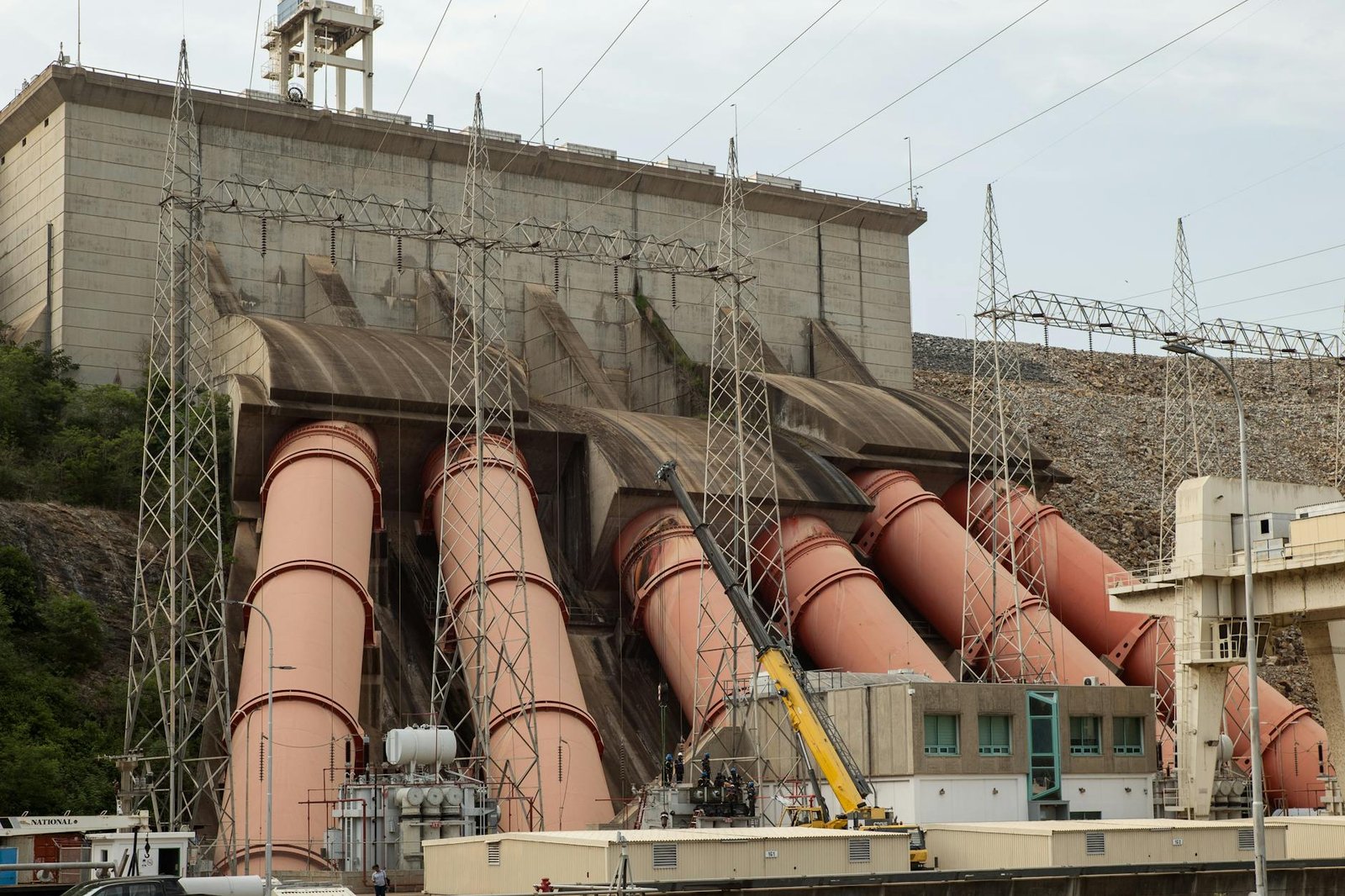
The Punjab government is seeking approximately ₹1,000 crore from the Jammu and Kashmir administration, representing unpaid costs associated with the construction of the Ranjit Sagar and Shahpur Kandi dams. This demand is based on previously established agreements between the two states concerning the sharing of project expenses.

Specifically, Punjab is requesting ₹301.02 crore as Jammu and Kashmir‘s share in the Ranjit Sagar Dam project and ₹672.42 crore for the Shahpur Kandi Dam project. The Punjab government has formally requested a meeting with representatives from the Jal Shakti Department of the Union Territory of Jammu and Kashmir to address and resolve the outstanding payment issue. A formal letter has been dispatched by Punjab’s Water Resources Department to initiate discussions and seek a swift resolution.

The dispute surrounding the Ranjit Sagar Dam, formerly known as the Thein Dam, originates from a bilateral agreement signed between Punjab and Jammu & Kashmir on January 20, 1979. Clause 1 of this agreement stipulates that Jammu and Kashmir would cover 10% of the total project cost attributable to the irrigation component. This clause designates both parties as joint partners in the Thein Dam project, with Jammu & Kashmir’s investment specifically directed toward the irrigation aspect, aligning with its share of water storage benefits.

According to the letter sent to the Jal Shakti Department, the total amount due from Jammu and Kashmir has been calculated by the Financial Advisor and Chief Accounts Officer of the Ranjit Sagar Dam as ₹300.13 crore, inclusive of interest accrued on the unpaid amount until February 28, 2026. The total cost of the Ranjit Sagar Dam project is ₹5,755.54 crore, with the irrigation component accounting for ₹656.13 crore. The principal amount owed is ₹65.61 crore, and the interest on these unpaid dues, calculated at a rate of 15% per annum, amounts to ₹235.41 crore, charged from April 1, 2002, to February 28, 2026.

Regarding the Shahpur Kandi Dam, Punjab maintains that Clause 6 of the 1979 bilateral agreement necessitates Jammu and Kashmir to construct the Ravi canal originating from the Shahpur Kandi barrage and contribute to the barrage’s construction costs. Jammu and Kashmir submitted an estimate of ₹410.29 crore for the Ravi canal extension from the Thein Dam, based on March 2011 prices. Adjusting for a 6% annual cost escalation, this amount increases to ₹777.58 crore up to February 28, 2026. Punjab has already invested ₹105.16 crore in constructing the remaining portion of the Ravi canal from the Shahpur Kandi Dam.

Punjab argues that, as per Clause 6 of the agreement, Jammu and Kashmir is responsible for covering the cost difference, which amounts to ₹672.42 crore as of February 28, 2026. This payment would settle the accounts between the two states concerning the Shahpur Kandi Dam project. The Secretary of the Water Resources Department in Punjab communicated this position in a letter.

The Ranjit Sagar Dam, a multipurpose river project on the Ravi River, has significant implications for both Punjab and Jammu and Kashmir. Its construction aimed to provide irrigation, power generation, and flood control benefits to the region. Any dispute over cost-sharing directly impacts the financial stability and operational efficiency of these crucial water resources projects.

The Shahpur Kandi Dam project also located on the Ravi River, is equally critical for irrigation and power generation. Delays or disputes can hamper its progress, affecting agricultural productivity and electricity supply in the region. The timely resolution of these financial matters is vital to ensure the efficient operation and maintenance of both dams, securing the intended benefits for the states involved. The financial health of these projects directly correlates with their sustained ability to deliver water and power to the region.

Officials in Punjab have indicated that despite consistent efforts to address this matter with Jammu and Kashmir, no formal response or payment has been received. This lack of financial contribution, as agreed upon, poses challenges to Punjab in maintaining the infrastructure associated with these projects. The Ranjit Sagar Dam, in particular, has a substantial capacity for irrigation and power generation, serving as a vital resource for the agricultural sector in both states. Similarly, the Shahpur Kandi Dam is crucial for regulating water supply and managing peak flood flows, underscoring the importance of its proper maintenance and operation.

The financial implications of these outstanding dues extend beyond the immediate project costs. Unpaid amounts can disrupt budget allocations and impact future investments in water resource management. Furthermore, unresolved disputes can strain inter-state relations and hinder collaborative efforts to address shared water-related challenges. Therefore, a prompt and mutually agreeable resolution is essential for fostering cooperation and ensuring the sustainable utilization of water resources in the region. The economic well-being of agricultural communities, and the stability of power supply, depend on the smooth functioning of these projects.

According to a government source, the Punjab government is committed to pursuing a dialogue-based approach with the Jammu and Kashmir administration to resolve the matter amicably and establish a clear payment schedule moving forward. We will continue to monitor the situation and provide updates as developments unfold.

Post-War Polls Show Israelis Questioning the Outcome of Conflict with Iran

0
Israelis Don’t Feel Much Like Victors in War With Iran
Photo by Xach Hill on Pexels

A recent poll conducted in Israel reveals a significant portion of the population questioning the outcome and overall benefits of the recent conflict with Iran. The poll, details of which are emerging from local media outlets, indicates a sense of unease and uncertainty among Israelis regarding the long-term implications of the war. Despite the cessation of active hostilities, concerns persist regarding the unchanged Iranian regime and the continuing threat posed by its nuclear and missile capabilities. This sentiment has led many Israelis to question the purpose and achievements of the war.

The results of the poll reflect deeper concerns about Israel’s security situation and its future in the region. While the Israeli defense forces demonstrated their capabilities during the conflict, the underlying issues that led to the war remain unresolved. The poll highlights that many Israelis do not feel a sense of victory or resolution, contributing to a sense of anxiety about future conflicts and the overall stability of the region. Early reports suggest a significant percentage of respondents believe the war did not fundamentally alter the strategic landscape or eliminate the threats facing Israel.

Several factors contribute to this sense of dissatisfaction. Firstly, the Iranian nuclear program continues to be a major source of concern. Despite efforts to curtail its development, Iran’s nuclear capabilities remain a potential threat, according to international observers. Secondly, Iran’s missile program also poses a significant risk to Israel, with the potential to reach Israeli cities and strategic infrastructure, analysts have consistently warned. The poll suggests Israelis feel these threats have not been adequately addressed by the recent conflict.

Furthermore, the poll results underscore the broader geopolitical context of the region. The conflict with Iran has occurred against a backdrop of ongoing tensions and conflicts in the Middle East, including the situation in Syria, the activities of Hezbollah in Lebanon, and the ongoing Israeli-Palestinian conflict. These factors contribute to a pervasive sense of instability and uncertainty, making it difficult for Israelis to feel secure about their future.

In India, analysts are closely watching the developments in the Middle East, assessing the implications for regional stability and energy security. India has strong ties with both Israel and Iran, and any escalation of conflict could have significant consequences for its foreign policy objectives. India’s dependence on oil imports from the region, along with the presence of a large Indian diaspora in the Gulf countries, makes it particularly vulnerable to regional instability. The Indian government is likely to emphasize the need for diplomatic solutions and de-escalation of tensions, officials stated during similar situations in the past.

In Jammu and Kashmir, heightened security measures are often implemented in response to conflicts in the Middle East, given the potential for unrest and the need to maintain law and order, security officials have previously stated. The local administration closely monitors the situation and takes necessary steps to ensure the safety and security of the population. The recent conflict has triggered discussions on energy security and its impact on the region, experts have observed in local think tanks.

The feeling of unease extends beyond security concerns to encompass economic considerations as well. The conflict with Iran has likely had a significant impact on the Israeli economy, including the disruption of trade, increased defense spending, and the potential for long-term damage to infrastructure and businesses, economists note. The poll indicates that many Israelis are worried about the economic consequences of the war and its impact on their livelihoods. This unease is amplified by global economic uncertainty and the potential for further disruptions in the region, experts point out.

The international community has largely called for de-escalation and a return to diplomatic negotiations. Major powers, including the United States, the European Union, and Russia, have urged both Israel and Iran to exercise restraint and engage in dialogue to resolve their differences peacefully. However, analysts suggest that the prospects for a lasting resolution remain uncertain, given the deep-seated animosity and conflicting interests between the two countries. In the absence of concrete peace initiatives, the region is likely to remain volatile and vulnerable to further conflict.

These findings underscore the need for a comprehensive approach to address the root causes of the conflict and promote long-term stability in the region. Diplomatic efforts, economic cooperation, and security assurances are all essential components of a sustainable peace strategy. Without such a strategy, the cycle of violence and instability is likely to continue, undermining the security and prosperity of the entire region. The situation requires careful assessment and a nuanced approach to ensure lasting peace and security, officials from various nations have urged.

Security Forces Launch Search Operation Near Samba Border Following Suspicious Activity

0
Search operation launched for two suspects in Samba
Photo by Tomás Asurmendi on Pexels

A joint search operation was launched in the Samba district of Jammu and Kashmir following reports of suspicious movement near the International Border (IB). The operation, involving the Special Operations Group (SOG) of the J&K Police, the Border Security Force (BSF), and the Army, was initiated after sightings of two unidentified individuals were reported in a village close to the border.

According to officials, the search concentrated on the Pangdour forest area and the Basantar Nullah, a seasonal stream in the district. The initial report came from a caretaker at an animal farm in Pangdour, who noticed the movement of the two individuals around 8:30 pm on Saturday. This prompted a swift response from security forces in the area.

While the individuals were not initially located, an SOG team reportedly encountered the same individuals moving towards the SIDCO forest around 1:30 am. The team challenged them, but the suspects managed to escape, prompting a larger deployment of security personnel to the area.

Reinforcements from the police and Army were immediately dispatched, and the forest area was cordoned off to facilitate a thorough search. The BSF also joined the operation, focusing their efforts on the Basantar Nullah near Pangdour. Checkpoints were established at Khoon village to monitor and search vehicles passing through the area.

The increased security measures come amidst heightened vigilance along the border regions. The security forces have intensified patrolling and surveillance in forest areas and along the IB to prevent any potential infiltration attempts. The recent activity has underscored existing concerns regarding cross-border movement and the need for constant vigilance. The border areas of Jammu and Kashmir have historically been susceptible to infiltration attempts by militants, making proactive security measures essential for maintaining stability.

Recent reports indicate that security agencies have been closely monitoring various infiltration routes and employing advanced technology to detect any suspicious activity along the border. The use of drones and surveillance equipment has become increasingly common in these areas, providing security forces with enhanced situational awareness.

The Line of Control (LoC) and the International Border in Jammu and Kashmir remain sensitive areas, with frequent reports of ceasefire violations and infiltration attempts. The security forces are constantly engaged in maintaining a strong security grid to counter any threats. Such operations are aimed at preventing any untoward incidents and ensuring the safety and security of the local population. Regular assessments of the security situation are conducted to adapt strategies and deployment patterns to emerging challenges.

Intelligence agencies play a crucial role in gathering information and providing timely inputs to security forces, enabling them to take proactive measures. The synergy and coordination among different security agencies are vital for the success of such operations. The recent visit of the General Officer Commanding of White Knight Corps, Lt General PK Mishra, to the general area Potha in Rajouri sector, highlights the ongoing efforts to review operational preparedness and strengthen the security grid. During his visit, Lt General Mishra was briefed on the prevailing security situation, ongoing counter-terrorism operations, and the efforts to synergize coordination with other security agencies.

The security forces are employing a multi-pronged approach, combining ground patrolling with technological surveillance, to maintain a robust security posture. The cooperation of local communities is also essential in these efforts. Awareness programs are often conducted to educate residents about the importance of reporting any suspicious activity to the authorities.

Canadian Liberals Eye Majority as Special Elections Loom

0
Elections and Defections Are Likely to Unshackle Canada’s Liberals
Photo by Deneen L Treble on Pexels

Canadian Prime Minister Mark Carney is positioned to potentially secure a majority government following three upcoming special elections. Carney, currently leading a minority government, faces a political landscape marked by shifting allegiances and strategic opportunities, mirroring trends observed in India and globally where coalition dynamics and electoral outcomes frequently reshape governance.

The situation in Canada reflects a broader pattern seen throughout the Indian subcontinent, particularly in Jammu and Kashmir, where political stability often hinges on the outcomes of elections and the ability of parties to form durable alliances. In India, coalition governments have become a regular feature of the political system, requiring leaders to navigate complex negotiations to maintain power. The potential for defections and realignments further complicates the political calculus, as seen in various states where governments have collapsed due to shifting loyalties among legislators.

The Canadian political system, while distinct, shares some similarities with the Indian context. Minority governments, like the one currently led by Carney, are common, requiring the ruling party to seek support from other parties to pass legislation and maintain confidence. This necessitates careful negotiation and compromise, skills that are also essential for leaders in India’s diverse and often fractured political landscape.

The upcoming special elections in Canada present a crucial test for Carney and the Liberal Party. A victory in these elections would not only strengthen their hold on power but also provide a more stable foundation for implementing their policy agenda. Political analysts suggest that a shift towards a majority government could have significant implications for Canada’s domestic and foreign policies, potentially leading to a more assertive role on the international stage.

Recent parliamentary proceedings in Canada underscore the delicate balance of power within the House of Commons. Debates over key legislation, such as budget measures and environmental regulations, have highlighted the challenges of governing with a minority government. The need to secure support from opposition parties has often resulted in compromises and amendments, reflecting the fluid nature of Canadian politics.

The situation is reminiscent of the political climate in Jammu and Kashmir, where the formation of coalition governments has frequently been necessary due to the fragmented nature of the electorate. The People’s Democratic Party (PDP) and the Bharatiya Janata Party (BJP) previously formed a coalition government in the region, demonstrating the potential for unlikely alliances in pursuit of political stability. However, this alliance eventually dissolved, leading to a period of Governor’s rule and highlighting the challenges of maintaining cohesion in politically diverse regions.

Across the globe, political defections and shifting allegiances are increasingly common features of democratic systems. In many countries, including India and Canada, voters are becoming more volatile, leading to unpredictable election results and a greater likelihood of government instability. This trend reflects a growing disillusionment with traditional political parties and a desire for new leadership and fresh ideas.

The results of the Canadian special elections will be closely watched by political observers around the world. A victory for Carney and the Liberals would send a message that stability and experience are valued by voters, while a defeat could signal a desire for change and a willingness to embrace new political alternatives. The outcome will undoubtedly have a significant impact on the future of Canadian politics and could also influence political dynamics in other countries facing similar challenges of governance and political fragmentation.

Political analysts have noted the historical parallels between Canada’s current political situation and previous periods of minority government. In the past, Canadian Prime Ministers have successfully navigated minority Parliaments by building consensus and forging alliances with other parties. However, these periods have also been marked by instability and the constant threat of a loss of confidence. The ability of Carney to manage these challenges will be crucial to his success in securing a majority government.

We have reviewed reports from the Canadian Broadcasting Corporation, and various Canadian newspapers regarding the upcoming elections. We have observed increased political campaigning and voter engagement. We could not independently verify claims regarding specific election forecasts, but the general anticipation of close races appears consistent. We will continue to monitor the situation and provide updates as they become available.

In Jammu and Kashmir, the political landscape remains complex, with various parties vying for power. The region has experienced significant political upheaval in recent years, including the abrogation of Article 370 and the reorganization of the state into two union territories. These changes have had a profound impact on the political dynamics of the region, leading to new alliances and shifting allegiances. The upcoming elections in Jammu and Kashmir will be a critical test of the region’s democratic resilience.

The broader implications of political instability and shifting allegiances are evident in many parts of the world. From Europe to Asia, countries are grappling with rising populism, political polarization, and a decline in public trust. These challenges require strong leadership, effective governance, and a commitment to democratic values. The ability of leaders to navigate these complex issues will determine the future of democracy in the 21st century.

J&K Gears Up for Census 2027: Gaddi Community Participation Emphasized

0
Gaddi community urged to ensure full participation in Census 2027
Photo by EqualStock IN on Pexels

The upcoming Census 2027 is placing a strong emphasis on comprehensive participation, particularly from communities within Jammu and Kashmir. Amit Sharma, the Chief Principal Census Officer (CPCO) for J&K and Ladakh, recently addressed members of the Gaddi community in Udhampur, urging them to actively engage in the census process. The census, a crucial exercise for understanding India‘s demographic landscape, is expected to be a fully digital and paperless operation, leveraging technology for efficient data collection and analysis.

Sharma highlighted the significance of the Census 2027, noting its role in shaping the country’s economic and social policies. Conducted after a gap of more than 15 years since 2011, this census holds the potential to provide valuable insights into population dynamics and resource allocation. The transition to a digital format reflects a broader trend towards leveraging technology to improve governance and public services.

During the interaction with the Gaddi community, Sharma addressed concerns regarding past under-enumeration, which community members believe resulted in reduced access to government benefits. These concerns underscore the importance of accurate census data for equitable resource distribution and policy implementation. Ensuring that all communities are properly represented in the census is vital for informed decision-making and inclusive development.

The census process will involve two key phases. The Houselisting and Housing Operations (HLO) is slated for June, lasting for one month. This will be followed by Population Enumeration (PE) in September 2026 for snow-bound areas and February 2027 for the plains. This phased approach is designed to accommodate the diverse geographical and climatic conditions across the region.

The push for comprehensive participation in the Census 2027 aligns with broader efforts to improve data collection and analysis in India. The Ministry of Home Affairs oversees the census operations, collaborating with state governments to ensure smooth execution. The use of technology introduces opportunities for greater efficiency and accuracy in data processing. The government is keen to avoid discrepancies that could skew policy decisions.

The Gaddi community, primarily residing in the Jammu and Kashmir and Himachal Pradesh regions, has a rich history and cultural heritage. Their participation in the Census 2027 is therefore significant, as it allows for the community’s unique characteristics and needs to be accurately reflected in national statistics. This data can play a crucial role in tailoring government programs and initiatives to meet the specific requirements of this scheduled tribe.

Efforts to improve the census process are ongoing. In previous census exercises, challenges such as logistical hurdles and public awareness gaps have posed obstacles. The move to a digital format is expected to mitigate some of these challenges, enabling more efficient data collection and analysis. Furthermore, campaigns to raise awareness about the importance of the census are being conducted across the country.

The digital census aims to enhance transparency and reduce the potential for errors. By leveraging technology, the government hopes to streamline the entire process, from data collection to dissemination. This can lead to more accurate and timely information, benefiting policymakers, researchers, and the public alike. Emphasis is given to data privacy and security, addressing potential concerns about the confidentiality of personal information.

The upcoming census will incorporate several innovations. These include the use of mobile applications for data collection, real-time monitoring of progress, and enhanced data validation techniques. These advancements are intended to improve the quality and reliability of census data. The digital platform will also provide users with easy access to census data and reports, facilitating informed decision-making.

The emphasis on the Gaddi community’s participation reflects the government’s commitment to inclusivity and equitable representation. By addressing past concerns and ensuring accurate enumeration, the Census 2027 aims to provide a more comprehensive and reliable snapshot of India’s population. This is especially important for marginalized communities, as census data plays a key role in determining their access to resources and opportunities.

In addition to its economic and social implications, the census is also vital for political representation. The delimitation of constituencies, which determines the number of seats allocated to each state and union territory in the Parliament, is based on population data derived from census. Therefore, accurate census data is crucial for ensuring fair and democratic representation. Historically, census data has been used to redraw electoral boundaries and allocate resources to different regions based on their population size.

As the preparations for Census 2027 continue, the focus remains on maximizing participation and ensuring the accuracy of collected data. By leveraging technology and addressing past challenges, the government aims to conduct a comprehensive and reliable census that will inform policy-making and contribute to the country’s development for years to come. Collaboration between government agencies, community leaders, and citizens is essential to achieving this goal.

The census in India has a long history, dating back to the British colonial era. The first complete census was conducted in 1881, and since then, it has been conducted every 10 years. Over the years, the census has evolved to incorporate new technologies and methodologies. The Census Act of 1948 provides the legal framework for conducting the census in India. The data collected through the census is used for a wide range of purposes, including planning public services, allocating resources, and conducting research.

The transition to a digital census marks a significant milestone in the evolution of the census process in India. It is expected to improve the efficiency, accuracy, and timeliness of data collection and analysis. The digital platform will also enable greater public access to census data and reports, promoting transparency and informed decision-making. The success of the digital census will depend on effective training of enumerators, widespread public awareness, and robust data security measures.