
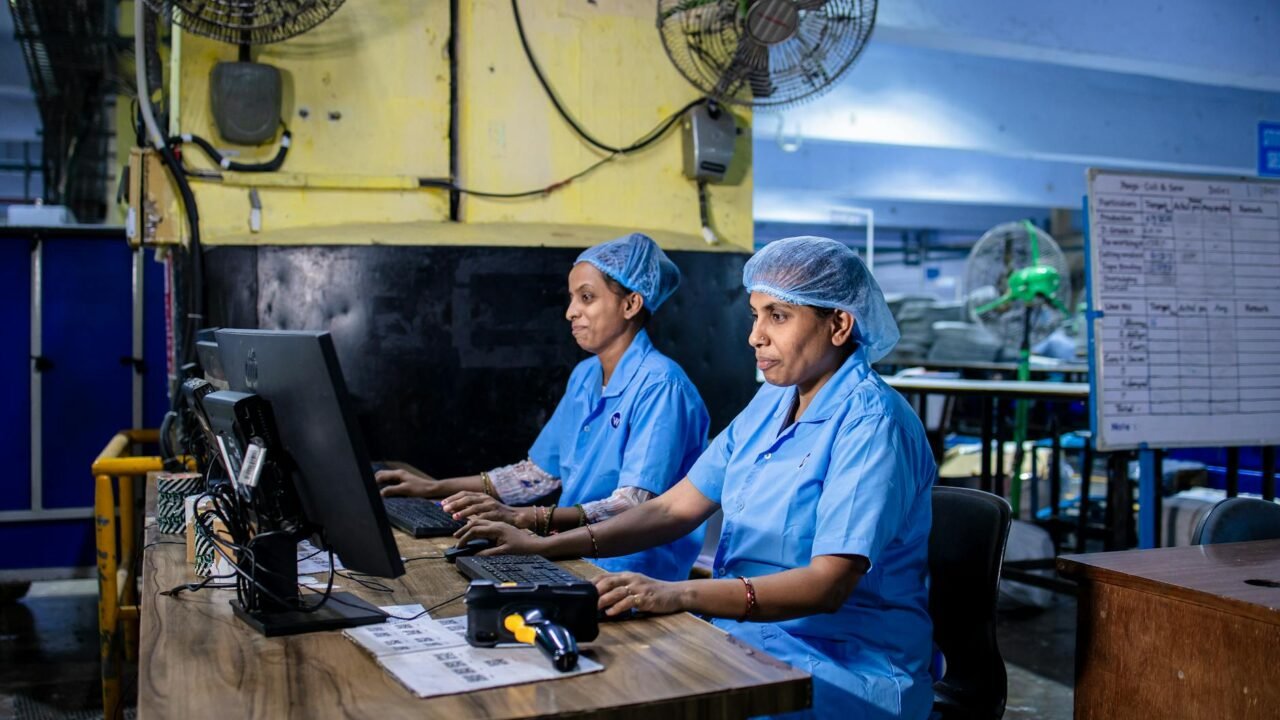
The upcoming Census 2027 is placing a strong emphasis on comprehensive participation, particularly from communities within Jammu and Kashmir. Amit Sharma, the Chief Principal Census Officer (CPCO) for J&K and Ladakh, recently addressed members of the Gaddi community in Udhampur, urging them to actively engage in the census process. The census, a crucial exercise for understanding India‘s demographic landscape, is expected to be a fully digital and paperless operation, leveraging technology for efficient data collection and analysis.
Sharma highlighted the significance of the Census 2027, noting its role in shaping the country’s economic and social policies. Conducted after a gap of more than 15 years since 2011, this census holds the potential to provide valuable insights into population dynamics and resource allocation. The transition to a digital format reflects a broader trend towards leveraging technology to improve governance and public services.
During the interaction with the Gaddi community, Sharma addressed concerns regarding past under-enumeration, which community members believe resulted in reduced access to government benefits. These concerns underscore the importance of accurate census data for equitable resource distribution and policy implementation. Ensuring that all communities are properly represented in the census is vital for informed decision-making and inclusive development.
The census process will involve two key phases. The Houselisting and Housing Operations (HLO) is slated for June, lasting for one month. This will be followed by Population Enumeration (PE) in September 2026 for snow-bound areas and February 2027 for the plains. This phased approach is designed to accommodate the diverse geographical and climatic conditions across the region.
The push for comprehensive participation in the Census 2027 aligns with broader efforts to improve data collection and analysis in India. The Ministry of Home Affairs oversees the census operations, collaborating with state governments to ensure smooth execution. The use of technology introduces opportunities for greater efficiency and accuracy in data processing. The government is keen to avoid discrepancies that could skew policy decisions.
The Gaddi community, primarily residing in the Jammu and Kashmir and Himachal Pradesh regions, has a rich history and cultural heritage. Their participation in the Census 2027 is therefore significant, as it allows for the community’s unique characteristics and needs to be accurately reflected in national statistics. This data can play a crucial role in tailoring government programs and initiatives to meet the specific requirements of this scheduled tribe.
Efforts to improve the census process are ongoing. In previous census exercises, challenges such as logistical hurdles and public awareness gaps have posed obstacles. The move to a digital format is expected to mitigate some of these challenges, enabling more efficient data collection and analysis. Furthermore, campaigns to raise awareness about the importance of the census are being conducted across the country.
The digital census aims to enhance transparency and reduce the potential for errors. By leveraging technology, the government hopes to streamline the entire process, from data collection to dissemination. This can lead to more accurate and timely information, benefiting policymakers, researchers, and the public alike. Emphasis is given to data privacy and security, addressing potential concerns about the confidentiality of personal information.
The upcoming census will incorporate several innovations. These include the use of mobile applications for data collection, real-time monitoring of progress, and enhanced data validation techniques. These advancements are intended to improve the quality and reliability of census data. The digital platform will also provide users with easy access to census data and reports, facilitating informed decision-making.
The emphasis on the Gaddi community’s participation reflects the government’s commitment to inclusivity and equitable representation. By addressing past concerns and ensuring accurate enumeration, the Census 2027 aims to provide a more comprehensive and reliable snapshot of India’s population. This is especially important for marginalized communities, as census data plays a key role in determining their access to resources and opportunities.
In addition to its economic and social implications, the census is also vital for political representation. The delimitation of constituencies, which determines the number of seats allocated to each state and union territory in the Parliament, is based on population data derived from census. Therefore, accurate census data is crucial for ensuring fair and democratic representation. Historically, census data has been used to redraw electoral boundaries and allocate resources to different regions based on their population size.
As the preparations for Census 2027 continue, the focus remains on maximizing participation and ensuring the accuracy of collected data. By leveraging technology and addressing past challenges, the government aims to conduct a comprehensive and reliable census that will inform policy-making and contribute to the country’s development for years to come. Collaboration between government agencies, community leaders, and citizens is essential to achieving this goal.
The census in India has a long history, dating back to the British colonial era. The first complete census was conducted in 1881, and since then, it has been conducted every 10 years. Over the years, the census has evolved to incorporate new technologies and methodologies. The Census Act of 1948 provides the legal framework for conducting the census in India. The data collected through the census is used for a wide range of purposes, including planning public services, allocating resources, and conducting research.
The transition to a digital census marks a significant milestone in the evolution of the census process in India. It is expected to improve the efficiency, accuracy, and timeliness of data collection and analysis. The digital platform will also enable greater public access to census data and reports, promoting transparency and informed decision-making. The success of the digital census will depend on effective training of enumerators, widespread public awareness, and robust data security measures.

Tahir Rihat (also known as Tahir Bilal) is an independent journalist, activist, and digital media professional from the Chenab Valley of Jammu and Kashmir, India. He is best known for his work as the Online Editor at The Chenab Times.





Leave a Reply