
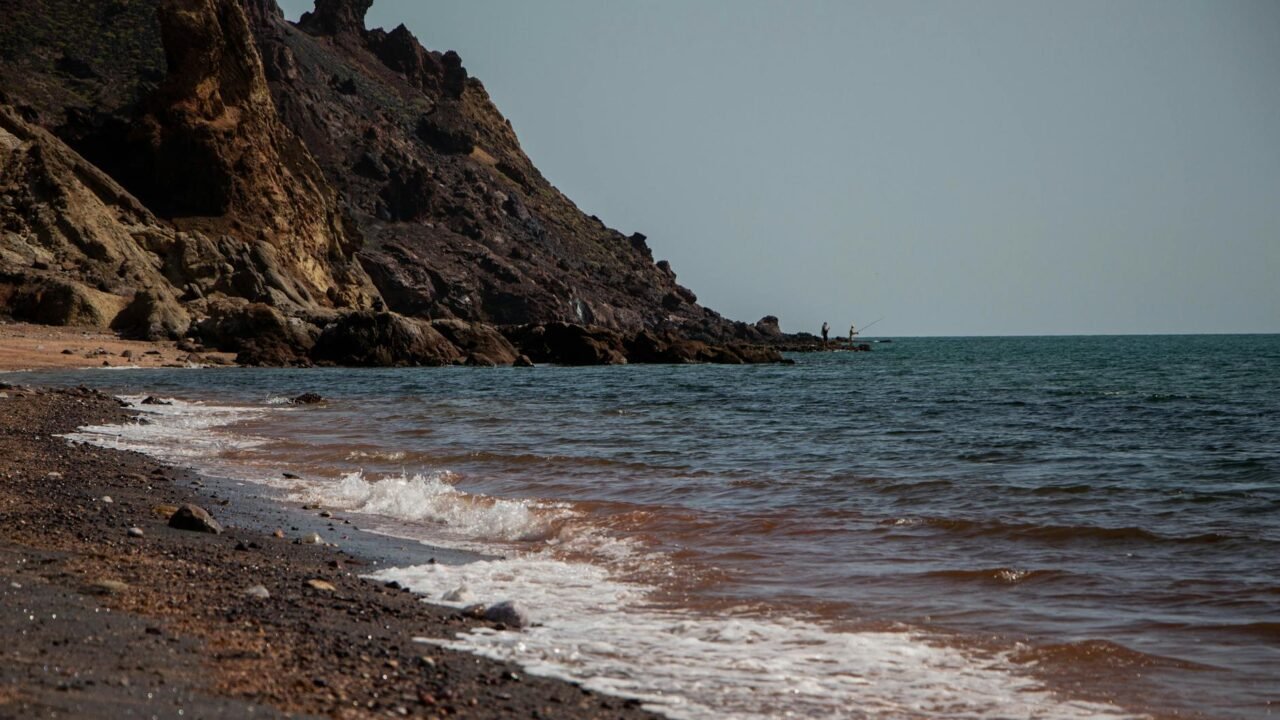
The United States is attempting to garner international support for a maritime blockade against Iran, a move intended to increase pressure on Tehran amid stalled negotiations over its nuclear program. This effort follows unsuccessful direct talks aimed at reaching a new agreement to limit Iran’s nuclear capabilities in exchange for sanctions relief. The proposed blockade aims to restrict Iranian oil exports, a critical source of revenue for the country.
The backdrop to this development is the ongoing effort to revive the Joint Comprehensive Plan of Action (JCPOA), the 2015 nuclear agreement between Iran and world powers, including the US, UK, France, Germany, Russia, and China. The JCPOA placed restrictions on Iran’s nuclear program in return for the lifting of international sanctions. However, in 2018, the United States unilaterally withdrew from the agreement under the Trump administration, reimposing sanctions on Iran. This led Iran to gradually roll back its commitments under the JCPOA, raising concerns about its nuclear ambitions.
Since then, efforts to revive the JCPOA have faced numerous hurdles. Indirect talks between the US and Iran have taken place in Vienna, but disagreements persist on key issues, including the scope of sanctions relief for Iran and guarantees that the US will not withdraw from the agreement again. The election of a new hardline government in Iran further complicated the negotiations.
The US proposal for a maritime blockade is seen as a way to increase pressure on Iran to return to full compliance with the JCPOA. The blockade would likely target the Strait of Hormuz, a narrow waterway through which a significant portion of the world’s oil supply passes. Disrupting Iranian oil exports would severely impact the country’s economy, potentially forcing it to reconsider its negotiating position.
However, the success of such a blockade would depend on international cooperation. Several countries, especially those in Asia that heavily rely on Iranian oil, might be hesitant to participate. Securing the support of major powers like China and Russia, which have close economic and political ties with Iran, would be particularly challenging.
The potential implications of a blockade would extend beyond Iran’s nuclear program. It could escalate tensions in the region, potentially leading to confrontations in the Strait of Hormuz. Iran has repeatedly warned that it would respond to any attempts to block its oil exports.
From India‘s perspective, any disruption to the flow of oil through the Strait of Hormuz presents a significant challenge. India relies heavily on imported oil to meet its energy needs, and a blockade could lead to higher oil prices and potential supply disruptions. New Delhi has traditionally maintained close ties with both the US and Iran, and it would likely seek a diplomatic solution to the crisis that avoids further escalation.
India’s energy security is closely linked to the stability of the Persian Gulf region. Disruptions in oil supply lines not only impact the economy but also have broader implications for India’s strategic interests. Therefore, India would likely prefer a resolution to the Iran nuclear issue through dialogue and diplomacy rather than through coercive measures like a blockade.
The current situation presents a complex diplomatic challenge, requiring careful consideration of the potential consequences. As of today, we have found no indication that other nations have agreed to participate in an American-led blockade. We will continue to monitor the developments and report on any progress towards resolving the dispute.
Amidst these geopolitical tensions, concerns are also growing within Jammu and Kashmir, where the local economy is heavily reliant on stable fuel prices and supply chains. Any significant disruption to global oil markets could have a cascading effect, impacting transportation costs, commodity prices, and the overall cost of living in the region. We will keep covering these developments and their potential impact on the local population.
We reviewed statements from various international bodies and governments, finding a general call for de-escalation and a return to diplomatic negotiations. However, concrete commitments to support the proposed blockade remain elusive. The situation continues to evolve and we will continue to provide updates as further information becomes available.

Tahir Rihat (also known as Tahir Bilal) is an independent journalist, activist, and digital media professional from the Chenab Valley of Jammu and Kashmir, India. He is best known for his work as the Online Editor at The Chenab Times.



Leave a Reply