Home Blog Page 279

Pope Leo XIV and Trump Clash Over War; Vatican Defends Peace Stance

0
For Months, Pope Avoided Clash With Trump. Now He’s Clapping Back.
Photo by Dirk Pothen on Pexels

A recent exchange between Pope Leo XIV and former President Donald Trump has amplified existing tensions regarding international conflict and the role of religious leaders in political discourse. The disagreement, sparked by President Trump’s statements on a yet-unspecified matter, prompted a response from Pope Leo XIV reiterating the Vatican’s commitment to opposing war and promoting peaceful resolutions.

The context of this exchange is set against a backdrop of increasing global uncertainty, with conflicts and geopolitical tensions rising in various parts of the world. Pope Leo XIV has consistently advocated for diplomacy and dialogue as means to resolve disputes, a position that aligns with the long-standing tradition of the Catholic Church seeking peaceful solutions.

The Pope’s statement, issued a few hours after President Trump’s initial remarks, served as a reaffirmation of these principles. While the specific details of Trump’s comments have not been fully disclosed, sources suggest they involved a differing opinion on the appropriate response to an international crisis. This divergence in views highlights the complex interplay between political and religious perspectives on matters of global security.

The Vatican’s stance on war is rooted in its theological teachings and historical experiences. The Church has consistently called for restraint and emphasized the human cost of armed conflicts. Pope Leo XIV’s predecessors have frequently intervened in international affairs, offering mediation and urging parties to seek peaceful settlements.

The current geopolitical landscape adds further significance to this exchange. With ongoing conflicts in regions like Ukraine and the Middle East, the call for peace resonates deeply. International organizations and world leaders are grappling with the challenge of preventing further escalation and finding pathways to de-escalation. In this context, the Pope’s voice carries considerable weight, particularly among the global Catholic community and beyond.

The relationship between the Vatican and the United States has historically been complex, with areas of both cooperation and disagreement. While the two sides share common ground on certain issues, such as humanitarian aid and religious freedom, differences often emerge regarding matters of foreign policy and social issues. This latest exchange underscores the ongoing dialogue and, at times, divergence in perspectives between these two influential entities.

Experts note that Pope Leo XIV’s response can also be interpreted as a defense of the Church’s moral authority. By publicly rejecting war, the Pope reinforces the Vatican’s role as a voice for peace and justice on the world stage. This stance also reflects a broader concern about the increasing normalization of violence and the erosion of diplomatic efforts.

The implications of this exchange extend beyond the immediate context. It raises questions about the role of religious leaders in shaping public opinion and influencing political decisions. The Pope’s pronouncements often carry significant weight, particularly among Catholics worldwide, and can impact the broader discourse on issues of war and peace.

In India, reactions to the Pope’s statement have been varied. Some have praised his commitment to peace, while others have expressed reservations about the Vatican’s involvement in political matters. The issue is further complicated by India’s own geopolitical considerations and its relationships with various countries involved in international conflicts. The Catholic Church in India has often played a significant role in promoting interfaith dialogue and advocating for social justice.

From security perspective, the clash between Pope and Trump is significant because it highlights the diverse perspectives on conflict resolution, impacting international relations. The Vatican’s moral stance can influence diplomatic approaches worldwide. The impact can be seen within India with the need for balanced foreign policy while upholding peace.

We are monitoring the possible repercussions of this exchange. We reviewed possible statements from the US political establishment about the Pope’s actions but found nothing substantial at this time.

Based on available reports, we observed that the exchanges happened primarily through public addresses and statements. We could not independently verify any direct private communication at the time of publication.

The exchange comes when the Catholic church has been dealing with various internal matters, as well as external. The church has constantly tried to act as a mediator and beacon of guidance. This recent clash could affect the way the church proceeds to act.

We will continue to update this story as more information becomes available.
Machail Mata Yatra in Kishtwar to Resume After Deadly Flash Floods Last Year

0
After last year’s flashflood, Machail Mata Yatra set to commence today
Photo by Kuldeep Singh on Pexels

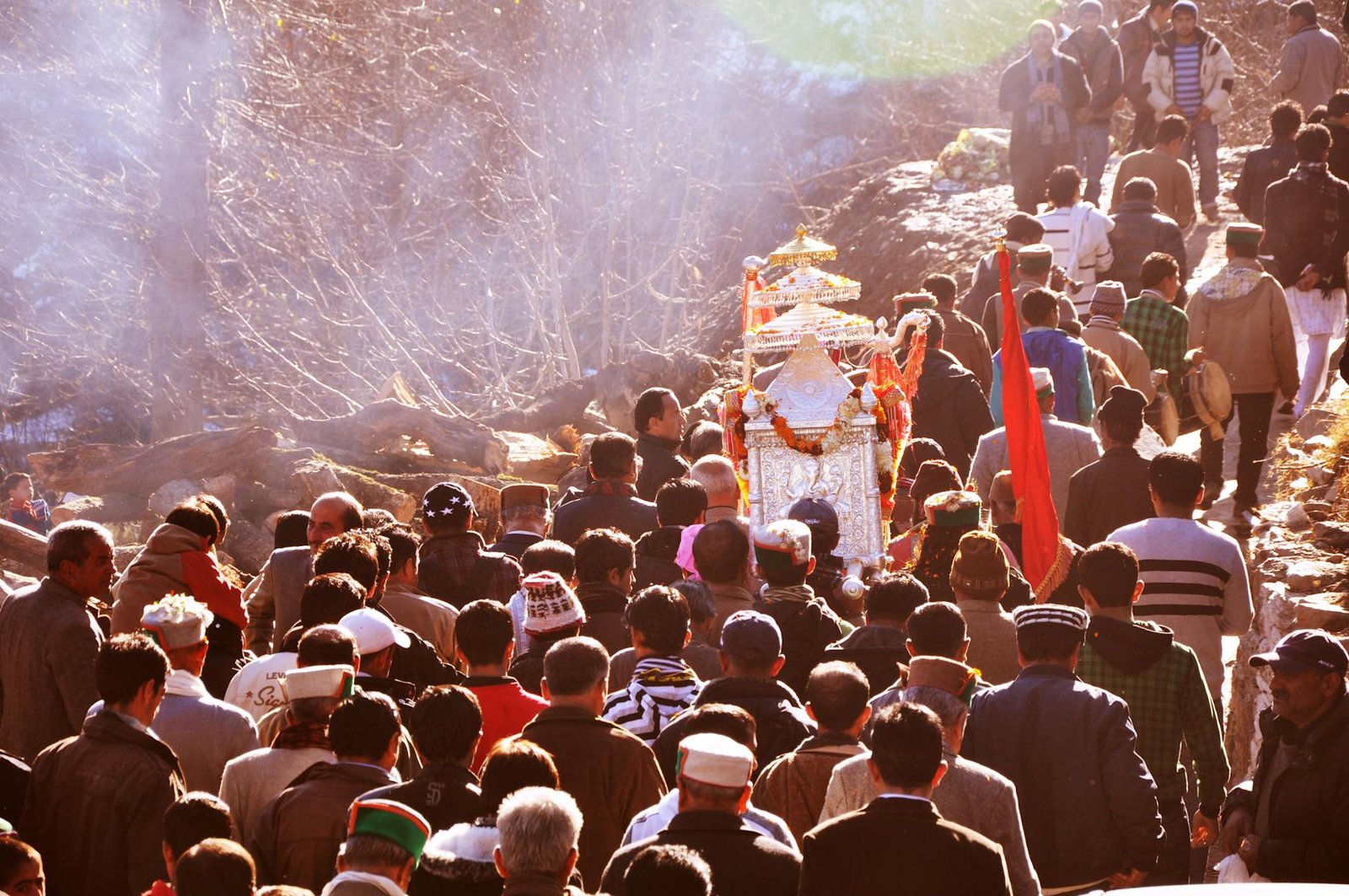
The annual Machail Mata Yatra in Jammu and Kashmir‘s Kishtwar district is set to commence, a year after a devastating flash flood claimed the lives of numerous pilgrims. Authorities have implemented enhanced safety measures and infrastructure improvements to ensure the safety and well-being of devotees undertaking the pilgrimage to the shrine of Goddess Durga in the remote Machail village.

The yatra holds immense significance for devotees across the region and beyond. Last year’s tragic flash flood, which struck on August 14 near Chishoti village en route to the shrine, resulted in the deaths of at least 68 people, with 32 others remaining missing. In light of this tragedy, the administration has undertaken extensive preparations to mitigate risks and prevent a recurrence. Kishtwar Deputy Commissioner Pankaj Kumar Sharma and SSP Naresh Singh conducted a comprehensive review of arrangements during a two-day visit to Paddar, which included meetings at Gulabgarh and a public darbar at Machail.

A key focus of the preparations has been the provision of basic amenities. The Deputy Commissioner has directed relevant departments to ensure an adequate supply of drinking water, electricity, sanitation facilities, and healthcare services are available for pilgrims. Additionally, Radio-Frequency Identification (RFID) cards will be issued to pilgrims, enabling real-time tracking and monitoring throughout the Yatra. The RFID-based tracking system is expected to be fully operational before the commencement of the pilgrimage.

Security measures have also been significantly strengthened. The police department has been instructed to enhance security arrangements through increased personnel deployment, installation of surveillance systems, and the establishment of checkpoints along the Yatra route. These measures aim to ensure the safety and security of pilgrims throughout their journey.

Infrastructure improvements are crucial for facilitating smoother and safer passage. The Border Roads Organisation (BRO) has been tasked with constructing a temporary Bailey bridge at Chishoti village on the Atholi–Machail road. The previous bridge was destroyed in the cloudburst last year, severely impacting connectivity. The construction of the Bailey bridge will restore vital connectivity and ease the movement of pilgrims.

The Public Works Department (PWD) Roads and Buildings (R&B) Department has been directed to expedite ongoing projects at Machail, including the Yatri Bhawan (pilgrim accommodation) and Tehsil office. Additionally, the PWD has been asked to implement an effective queue management system to ensure the smooth and orderly conduct of the Yatra. These infrastructure enhancements are aimed at improving the overall experience for pilgrims and minimizing potential congestion.

Healthcare provisions are also a priority. The Health Department has been instructed to deploy medical teams at both Gulabgarh and Machail. These teams will be equipped with essential diagnostic facilities, including blood pressure and blood sugar testing capabilities. The Deputy Commissioner has mandated the creation of duty rosters for doctors to guarantee the continuous availability of medical personnel at Machail. Crucially, life-saving drugs will be stocked at Machail, and ambulances will be strategically positioned at key locations, including near Dashni Gate, to respond to any medical emergencies promptly. These healthcare measures are essential for ensuring the well-being of pilgrims, particularly in the challenging terrain of the Yatra route.

Recognizing the importance of communication, telecom service providers have been directed to enhance mobile connectivity along the Yatra route. Improved mobile connectivity will allow pilgrims to stay in touch with family and friends, access important information, and seek assistance if needed. This is especially crucial in remote areas where communication infrastructure may be limited.

Last year, the administration faced criticism following the flash floods, particularly regarding the lack of preventative measures despite weather warnings. The MeT Department had issued multiple alerts about potential cloudbursts and landslides, but the Machail Yatra was not suspended. Authorities are keen to avoid a similar situation this year and are placing a greater emphasis on preparedness and responsiveness.

The annual pilgrimage to Machail, dedicated to Durga, is a significant event for Hindu devotees in the region. The shrine, situated in a remote mountainous area, attracts thousands of pilgrims each year. The Yatra typically involves a trek through challenging terrain, underscoring the importance of safety measures and precautions. The shrine’s location in the Paddar valley, known for its natural beauty and challenging terrain, adds to the spiritual significance of the pilgrimage.

Authorities are working closely with local communities and stakeholders to ensure the smooth and safe conduct of the Yatra. Coordination meetings have been held to address logistical challenges, security concerns, and emergency preparedness. The involvement of local communities is vital for the success of the pilgrimage, as they provide essential support and assistance to pilgrims.

Safety protocols and emergency response plans have been developed and disseminated to all relevant agencies. These plans outline procedures for handling various emergencies, including natural disasters, medical incidents, and security threats. Regular drills and simulations are being conducted to ensure that personnel are adequately trained and prepared to respond effectively. Pilgrims are advised to register before embarking on the Yatra. Registration helps authorities keep track of the number of pilgrims and provide assistance in case of emergencies.

The successful conduct of this year’s Machail Mata Yatra is a priority for the administration. The enhanced safety measures, infrastructure improvements, and healthcare provisions reflect a commitment to ensuring the well-being of pilgrims and preventing a recurrence of last year’s tragedy. As the Yatra commences, authorities remain vigilant and prepared to address any challenges that may arise, further reinforcing the safety throughout this significant pilgrimage. We will continue monitoring the situation as the Yatra progresses.

Railways and BPCL Partner for Jammu Cargo Terminal Under Gati Shakti Plan

0
Railways, Bharat Petroleum ink pact to develop Gati Shakti cargo terminal in Jammu
Photo by Tauseef Khaliq on Pexels

The Indian Railways and Bharat Petroleum Corporation Limited (BPCL) have entered into an agreement to jointly develop a Gati Shakti multi-modal cargo terminal on the outskirts of Jammu city. The initiative aims to enhance freight movement and bolster the energy supply chain within the region, marking a significant step in infrastructure development and logistics efficiency for Jammu and Kashmir and Ladakh.

The agreement, formalized between Senior Divisional Commercial Manager Uchit Singhal, representing the Jammu division of the Railways, and Territory Manager (Retail) Jammu, Chandan Chauhan, on behalf of BPCL, underscores a collaborative effort to optimize the transportation of petroleum products. The project aligns with the central government’s Gati Shakti initiative, designed to improve coordination between various ministries and state governments for infrastructure development projects.

The planned terminal at Bajalta is poised to streamline the logistics for the Jammu common user facility, ensuring a more reliable and efficient movement of petroleum products. With a substantial storage capacity of 109,225 kilolitres, the terminal is equipped to handle two rakes per day. This capacity enables a monthly supply of approximately 162,000 metric tonnes of petroleum products, according to the memorandum of understanding (MoU). The facility will incorporate modern tank wagons, which are intended to improve the safety and efficiency of handling operations.

Officials anticipate that the terminal will be operational by the end of the current month, marking a rapid turnaround from agreement to implementation. The project is viewed as a critical measure to secure a consistent, year-round fuel supply to the strategically important regions of Jammu and Kashmir, and Ladakh, addressing potential supply chain vulnerabilities.

Speaking on the occasion of the agreement signing, Uchit Singhal highlighted the broader benefits of the project. He noted that the commissioning of the terminal would alleviate the burden of tank lorries on Jammu city roads, thereby facilitating smoother traffic flow and reducing congestion. This shift from road to rail for freight movement is expected to decrease carbon emissions, lower logistics costs, and enhance efficiency for industries, contributing to both economic and environmental benefits for the region.

Singhal also emphasized the employment opportunities that the project would generate, both directly and indirectly, further contributing to the socio-economic development of the area. The transportation of petroleum products via dedicated tank wagons and a modern terminal is designed to significantly improve safety, health, and environmental standards, reflecting a commitment to sustainable development practices.

The terminal’s design includes advanced automation and robust rail-road connectivity, positioning it as a key logistics hub for the region in the long term. This infrastructure development is critical for supporting economic growth and ensuring the reliable supply of essential resources to Jammu and Kashmir, and Ladakh. The Gati Shakti initiative, under which this project falls, aims to create integrated infrastructure development to reduce logistics costs and boost the economy.

The broader context of the Gati Shakti plan involves a digital platform that brings together 16 ministries, including railways and roadways, to facilitate integrated planning and coordinated implementation of infrastructure connectivity projects. This approach is intended to address issues such as disjointed planning, lack of standardization, and delays in clearances, which have historically hampered infrastructure development in India.

We reviewed recent data indicating that the Gati Shakti initiative has led to significant improvements in project implementation and cost efficiency across various sectors. By leveraging technology and data analytics, the initiative aims to optimize resource allocation and streamline decision-making processes, thereby accelerating infrastructure development and enhancing economic competitiveness.

The project is particularly relevant in the context of Jammu and Kashmir, where infrastructure development has been a key focus area for the government. The region’s strategic importance necessitates a robust and reliable supply chain for essential commodities, including petroleum products. The new cargo terminal will play a crucial role in ensuring energy security and supporting economic activity in the region.

We observed that the collaboration between the Railways and BPCL exemplifies a growing trend of public-private partnerships in infrastructure development. Such partnerships leverage the expertise and resources of both sectors to deliver projects more efficiently and effectively, contributing to the overall development of the country’s infrastructure landscape. This approach is central to the government’s strategy for achieving its ambitious infrastructure development goals.

Furthermore, we found that the development of multi-modal cargo terminals is in line with global best practices for logistics management. By integrating rail, road, and potentially other modes of transportation, these terminals create seamless supply chains that reduce transportation costs, minimize environmental impact, and improve overall efficiency. This approach is particularly beneficial for regions like Jammu and Kashmir, where geographical challenges and logistical complexities can pose significant hurdles to economic development.

Pentagon Officials’ Testimony Postponed Amid Middle East Tensions, War Concerns

0
Amid War, G.O.P. Puts Off Testimony From Senior Pentagon Commanders
Photo by Baraa Obied on Pexels

A scheduled testimony from senior Pentagon commanders before the House of Representatives has been postponed, raising questions amid ongoing tensions in the Middle East. The House lawmakers were set to hear from the head of military operations in the Middle East next week, but the Republican majority has delayed the hearing until late May. This decision arrives against a backdrop of heightened geopolitical instability, particularly concerning the ongoing war and its broader implications for regional security.

The postponement comes at a critical juncture. Military operations in the Middle East have been a focal point of U.S. foreign policy for decades, with significant implications for global energy markets, counter-terrorism efforts, and the balance of power in the region. The testimony was expected to provide insights into the current state of affairs, including the challenges and opportunities facing the U.S. military, as well as the strategic outlook for the future. Any shifts or changes to these operations can have ramifications for India, given its reliance on stable energy supplies from the region and its own security interests in countering extremism.

Specifically, the delay is impacting discussions related to the conflict and the U.S. strategy in the region. Lawmakers from both sides of the aisle have expressed concerns about the potential for escalation and the need for a clear and coherent approach to addressing the evolving challenges. A source from within the House Foreign Affairs Committee has commented on background that the delay is purportedly due to scheduling concerns, however the timing of the delay is raising questions among congressional staff and the media given the gravity of the circumstances confronting the region.

The postponement also affects the ability of Congress to conduct oversight of military operations. Regular hearings and testimonies from senior military officials are essential for ensuring accountability and transparency. They provide an opportunity for lawmakers to ask questions, raise concerns, and shape policy decisions related to national security. Without timely access to information and expert analysis, Congress may be hampered in its ability to effectively address the complex issues at stake.

From an Indian perspective, the stability of the Middle East is of paramount importance. India has strong economic and strategic ties with many countries in the region, and any disruption to the flow of trade or energy could have significant consequences for the Indian economy. Furthermore, India has a large diaspora population living and working in the Middle East, whose safety and well-being are a major concern for the Indian government. The situation directly impacts India’s energy security, with a substantial portion of its crude oil imports originating from the Middle East. Any disruption in the region can lead to price fluctuations and affect domestic fuel prices, impacting consumers and the overall economy.

The evolving geopolitical landscape necessitates a proactive and nuanced approach from India. This includes strengthening diplomatic ties with key regional players, investing in alternative energy sources to reduce dependence on Middle Eastern oil, and enhancing maritime security cooperation to protect vital sea lanes of communication. The delay in testimony from Pentagon officials may thus encourage Indian policymakers to seek additional information from other sources.

The delay could provoke a new wave of criticism from opposition lawmakers who may argue the delay is politically motivated. The Republican party may wish to avoid certain testimony from Pentagon officials that could reveal sensitive information or create political challenges so close to upcoming elections. This is a claim that, so far, we have been unable to independently verify. The delay underscores the complex interplay between domestic politics and foreign policy. Lawmakers must balance their partisan interests with their responsibility to ensure national security and protect American interests abroad.

Meanwhile, other sources suggest the delay is simply because of a backlog of testimonies and scheduling difficulties due to the war requiring more direct involvement and supervision from military personnel. This is also a claim that we are, to date, unable to independently verify. However, we found similar delays in other critical government functions citing the ongoing conflict as a major factor.

The postponement will likely have implications for upcoming budget debates and legislative initiatives related to defense spending and foreign aid. It remains unclear to what extent classified information was expected to be presented at the hearing. The ongoing conflict introduces a level of uncertainty rarely seen in discussions over defense matters.

As May approaches, all eyes are turned to the new, rescheduled hearing date and the potentially critical information that will be shared. The hearing is now expected to take place in the last week of May. We will continue to monitor the situation closely and provide updates as they become available.

Missing Man and Girl Found Dead in Anantnag; Investigation Underway

0
Man, girl found dead in Anantnag
Photo by Muneeb Najar on Pexels

Authorities are investigating the deaths of a man and a girl whose bodies were discovered in Anantnag district of Jammu and Kashmir. The individuals, identified as Muntasir Shafi Lone, 25, and a suspected minor girl, had been reported missing approximately two weeks prior to the discovery. The bodies were found in a state of semi-decomposition inside an abandoned house situated in Kamad, within the Dialgam area of the district, according to officials.

The discovery was made by local residents on Monday, prompting immediate notification to law enforcement. A forensic team was dispatched to the scene to collect evidence, which officials hope will provide insights into the circumstances surrounding the deaths. Presently, the police are exploring all potential angles, including the possibility of suicide. The bodies have been taken for post-mortem examination.

The incident has sparked concern in the local community of Anantnag, a region which has seen its share of unrest and security challenges over the years. Anantnag, one of the larger districts in the Kashmir Valley, has historically been a focal point in the region’s socio-political landscape. The recovery of the bodies from an abandoned house adds a layer of complexity to the investigation and has led to increased scrutiny by local authorities.

In recent years, Jammu and Kashmir have seen fluctuating levels of violence and security operations. While the overall security situation has improved compared to previous decades, incidents of this nature continue to raise alarms and highlight the ongoing challenges faced by the local administration and law enforcement agencies. The region has been under heightened security since the revocation of Article 370 in August 2019, which led to the reorganization of the erstwhile state into two union territories: Jammu and Kashmir, and Ladakh.

The law and order situation in Anantnag has remained relatively stable, with occasional reports of encounters between security forces and militants. However, incidents involving civilians, such as the recent deaths, often evoke strong reactions from the local populace. The investigation into the deaths of Lone and the girl is being closely watched by residents, who are seeking clarity and justice.

Jammu and Kashmir police have been actively involved in maintaining peace and preventing untoward incidents. Their efforts include conducting regular patrols, establishing checkpoints, and engaging in community policing initiatives. The police also collaborate with other security agencies, including the army and paramilitary forces, to ensure a coordinated approach to security management. The challenges faced by security forces are multifaceted, ranging from cross-border infiltration to managing local law and order issues.

The recent surge in tourism in Jammu and Kashmir has brought renewed focus on safety and security measures. The local administration has taken several steps to ensure the safety of tourists, including deploying additional security personnel in popular tourist destinations and establishing helplines for assistance. The tourism sector is a crucial component of the region’s economy, and maintaining a secure environment is essential for its continued growth.

The Jammu and Kashmir administration has prioritized strengthening the rule of law and ensuring the safety and security of its citizens. Various initiatives have been launched to improve the efficiency of the police force and enhance its responsiveness to public needs. These initiatives include modernizing police infrastructure, providing advanced training to personnel, and promoting community participation in crime prevention.

Authorities are appealing to the public to come forward with any information that may assist in the investigation into the deaths of Muntasir Shafi Lone and the girl. As the investigation continues, the police aim to uncover the circumstances leading to their deaths and bring closure to their families and the community. The forensic team’s findings are crucial to understanding the nature of their deaths, and the police remain committed to pursuing all possible leads. We will continue to monitor this developing story and provide updates as they become available.

South Korea Grapples with a Shortage of Concert Venues for K-Pop Stars

0
South Korea Can’t Build Enough Stadiums to Host Its K-Pop Stars
Photo by Wendy Wei on Pexels

South Korea, a global hub for pop music, faces a significant challenge: a shortage of suitable venues to accommodate its burgeoning K-pop industry. The explosive popularity of K-pop groups like BTS, Blackpink, and others has created an unprecedented demand for concert spaces, leaving many artists struggling to find locations large enough to host their massive fan bases. This venue deficit is not only impacting the artists and their fans but also the broader South Korean economy, which benefits greatly from the K-pop phenomenon.

The issue stems from a combination of factors. Firstly, South Korea’s infrastructure development has not kept pace with the rapid growth of its entertainment industry. While the country boasts world-class technology and a highly developed urban landscape, the construction of large-scale concert venues has lagged behind. Many existing stadiums and arenas are either outdated, too small, or unsuitable for the complex technical requirements of modern K-pop performances, which often involve elaborate stage designs, pyrotechnics, and sophisticated sound and lighting systems.

Secondly, the availability of land in South Korea, particularly in densely populated areas like Seoul, is limited and expensive. This makes it difficult to secure locations for building new venues. Furthermore, the construction of large-scale facilities often faces regulatory hurdles and opposition from local residents who may be concerned about noise pollution and traffic congestion. According to a report by the Korea Development Institute, securing permits and approvals for new construction projects in urban areas can take years, further exacerbating the venue shortage.

The lack of adequate venues has forced K-pop artists to seek alternative solutions. Some have resorted to performing in smaller venues, which limits the number of fans who can attend and reduces potential revenue. Others have opted to hold concerts in stadiums primarily designed for sports, such as the Seoul Olympic Stadium, which hosted BTS’s world tour kickoff in 2022. However, these venues often require extensive modifications to accommodate concert productions and may not provide the optimal acoustic environment for music performances.

The impact of the venue shortage extends beyond the entertainment industry. K-pop tourism is a major driver of economic growth for South Korea, attracting millions of fans from around the world each year. These tourists spend money on flights, accommodation, food, and merchandise, contributing significantly to the country’s GDP. However, the lack of sufficient concert venues could deter some fans from traveling to South Korea, potentially impacting the tourism sector. In Jammu and Kashmir, India, the tourism industry has seen a boom in recent years, demonstrating the economic potential of attracting visitors to cultural events. Similarly, a more developed concert infrastructure in South Korea could further boost its tourism revenue.

The South Korean government recognizes the urgency of the situation and has announced plans to address the venue shortage. These plans include investing in the construction of new concert halls and arenas, as well as providing financial incentives to private companies to build entertainment facilities. However, these projects are likely to take several years to complete, leaving the K-pop industry to grapple with the venue deficit in the meantime. The situation is reminiscent of infrastructure challenges faced in other parts of the world, including India, where the development of adequate infrastructure is crucial for supporting economic growth and cultural development.

Several South Korean entertainment companies have also begun exploring alternative strategies to mitigate the impact of the venue shortage. Some are considering building their own private concert venues, while others are looking to partner with international venue operators to bring world-class facilities to South Korea. Live streaming concerts have also become increasingly popular, providing fans with an alternative way to experience K-pop performances from the comfort of their own homes. However, these solutions are not a complete substitute for the live concert experience, which remains a vital part of the K-pop culture.

The shortage of concert venues in South Korea highlights the challenges of keeping pace with the rapid growth of the entertainment industry. While the country has made significant strides in developing its K-pop sector, more investment is needed in infrastructure to support its continued success. Addressing the venue deficit will not only benefit K-pop artists and their fans but also contribute to the broader South Korean economy by boosting tourism and creating new job opportunities. The South Korean government has said they are also reviewing regulations to encourage the conversion of existing buildings. We reviewed official statements but could not independently confirm further specifics on this at this time.

The situation highlights the importance of strategic planning and investment in infrastructure to support the growth of key industries. As K-pop continues to gain global popularity, addressing the venue shortage will be crucial for ensuring that South Korea remains at the forefront of the global music scene. We observed similar infrastructural challenges in other rapidly developing economies. It remains to be seen whether the planned infrastructure improvements will materialise quickly enough to serve the demands of the rapidly growing K-Pop market.

Report: Missed Opportunities to Prevent Southport Attack; Parents’ Role Examined

0
Killer’s Parents Could Have Prevented Southport Attack in U.K., Report Says
Photo by Siobhan Howerton on Pexels

A recently released official inquiry in the United Kingdom has highlighted critical failures by both the parents of a perpetrator and government agencies in preventing a deadly attack in Southport. The report details a series of missed opportunities that, had they been addressed, could have potentially averted the tragic event. The focus is now on understanding the systemic issues that led to these oversights and implementing measures to prevent similar incidents in the future.

The inquiry scrutinized the actions and inactions of various parties involved, examining the timeline of events leading up to the attack. It assessed the extent to which the perpetrator’s behavior and mental state were known, and whether sufficient steps were taken to intervene. The report specifically addresses the role of the parents, outlining how their awareness of the perpetrator’s issues could have been leveraged to seek professional help and support. This raises complex questions about parental responsibility and the threshold for intervention when a family member poses a potential threat.

Furthermore, the inquiry delved into the response of relevant government agencies, including law enforcement, social services, and mental health services. It evaluated the effectiveness of information sharing between these agencies and whether adequate resources were allocated to address the perpetrator’s needs. The report identified gaps in communication and coordination, indicating a lack of a cohesive approach to managing potential threats. The findings suggest that a more integrated and proactive strategy is needed to identify and support individuals at risk of committing violent acts. We are examining the full details of the report’s methodology and findings.

In India, similar issues of parental responsibility and agency coordination have been raised in connection with cases involving juvenile offenders and individuals with mental health issues. The Juvenile Justice (Care and Protection of Children) Act, 2015, addresses the role of parents in ensuring the well-being and rehabilitation of children in conflict with the law. However, the implementation of this act has faced challenges, particularly in terms of providing adequate support services and addressing the root causes of juvenile crime. Cases of violence have seen increased scrutiny surrounding the role of family, community mental health support and access to early intervention programs.

The Southport report also touches upon the challenges of predicting and preventing acts of violence perpetrated by individuals with complex mental health conditions. Globally, mental health services are often underfunded and stigmatized, making it difficult for individuals to seek help and for authorities to intervene effectively. In Jammu and Kashmir, the situation is further complicated by the ongoing conflict and the limited availability of mental health professionals. A study by Doctors Without Borders found high rates of mental health disorders, including post-traumatic stress disorder (PTSD) and depression, among the population in the region. These challenges highlight the urgent need for increased investment in mental health services and greater awareness of mental health issues in Jammu and Kashmir.

The report’s findings have sparked debate across the United Kingdom about the need for improved mental health support, enhanced information sharing between agencies, and a more proactive approach to addressing potential threats of violence. There is growing pressure on the government to implement the report’s recommendations and to ensure that similar tragedies are prevented in the future. The focus is on developing a comprehensive strategy that involves not only law enforcement and social services but also schools, community organizations, and families. This multi-faceted approach aims to create a safety net that can identify and support individuals at risk and prevent them from causing harm to themselves or others. Increased public awareness is also needed to encourage people to come forward if they have concerns about someone’s behavior or mental state.

The implications of this report are far-reaching, impacting not only the UK but also other countries grappling with similar challenges. In India, the government has launched several initiatives to improve mental health services and address the root causes of violence, including the National Mental Health Programme and the Beti Bachao, Beti Padhao campaign. These programs aim to empower women and girls, promote education, and reduce gender-based violence. However, more needs to be done to ensure that these initiatives are effectively implemented and that they reach the most vulnerable populations. The lessons learned from the Southport case can inform the development of more effective strategies for preventing violence and promoting mental health and well-being in India and other countries. Recent reports indicate that the Indian government is considering measures to strengthen coordination between different agencies involved in addressing mental health issues and preventing violence, drawing insights from international best practices.

The report has prompted reviews of existing protocols and procedures within law enforcement and social services agencies in the UK. The aim is to identify areas where improvements can be made in terms of risk assessment, information sharing, and intervention strategies. Emphasis is being placed on early intervention and prevention, with a focus on identifying individuals at risk before they commit violent acts. This involves training professionals to recognize signs of mental health issues and providing them with the tools and resources to intervene effectively. The government is also exploring ways to improve communication and coordination between different agencies, ensuring that relevant information is shared in a timely manner. Furthermore, there is a growing recognition of the need to involve families and communities in the prevention process, encouraging them to report concerns and seek help for individuals at risk.

We have contacted figures within the UK Home Office and Department of Health and Social Care for comment, but have not yet received a response. The investigation extends back to the specifics of the attacker’s background, how authorities were informed about changing behaviors and mental state, and what actions resulted. The timeline of the inquiry itself has also been subject to scrutiny.

Hungary’s Ruling Party Concedes Amid Economic Woes, EU Concerns Spark Jubilation

0
‘We Finally Have Democracy’: Hungarians Erupt in Joy and Relief
Photo by Kelly on Pexels

In a significant political development, Hungary’s ruling party has conceded defeat, prompting widespread celebrations across the nation. The concession comes at a time of growing economic challenges and increasing concerns over the country’s relationship with the European Union. Many Hungarians, weary of the economic struggles and apprehensive about a potential departure from the EU, have expressed their relief and joy.

The political landscape in Hungary has been closely watched both within Europe and internationally. The recent elections were particularly significant, with the outcome having the potential to reshape Hungary’s trajectory and its standing within the EU. The economic backdrop to these elections was one of considerable strain. Hungary, like many other European nations, has been grappling with the effects of inflation, rising energy costs, and supply chain disruptions. These factors have contributed to a sense of economic uncertainty among the population, influencing their political choices.

Concerns about Hungary’s relationship with the EU have also been a major factor in the recent political developments. Tensions between Hungary and the EU have been growing over a number of issues, including democratic standards, the rule of law, and media freedom. These disagreements have led to concerns that Hungary could be drifting away from the EU, potentially jeopardizing the benefits of membership, such as access to the single market and financial support.

The concession by the ruling party has been met with jubilation by many Hungarians who see it as an opportunity for change. Supporters of the opposition have taken to the streets to celebrate what they view as a victory for democracy and a chance to address the country’s pressing economic and political challenges. The mood among these celebrants is one of optimism and hope for a better future.

The transition of power is expected to be complex, with the incoming government facing numerous challenges. Addressing the economic issues will be a top priority, as will be mending relations with the EU. The new government will need to navigate a delicate balancing act, ensuring economic stability while also addressing the concerns about democratic values and the rule of law.

The implications of these developments extend beyond Hungary’s borders. The outcome of the elections could have a ripple effect across the EU, influencing the dynamics within the bloc and potentially providing a boost to other opposition movements in countries where there are concerns about democratic backsliding. The EU itself will be watching closely to see how the new government in Hungary approaches its relationship with the union and whether it is willing to address the concerns that have been raised.

The political shift in Hungary also brings into focus the broader trends within Europe. The rise of populist movements and the challenges to traditional political establishments have been a recurring theme in recent years. The situation in Hungary underscores the importance of addressing the underlying economic and social issues that fuel these movements. The focus will be on whether the new government can deliver on its promises and restore confidence in the democratic process.

Meanwhile, in India, analysts are observing the situation in Hungary for potential lessons regarding economic reforms and international relations, particularly in the context of navigating relationships with international bodies and addressing domestic economic concerns. The developments in Hungary also resonate in Jammu and Kashmir, where there is a strong interest in democratic processes and the rule of law. The region has witnessed significant political changes in recent years, and the events in Hungary serve as a reminder of the importance of upholding democratic values and ensuring that the voices of the people are heard.

The new government will also face the important task of unifying a divided nation. The political discourse in Hungary has become increasingly polarized in recent years, and bridging these divides will be crucial for ensuring stability and progress. This will require a commitment to inclusive governance and a willingness to engage in dialogue with all segments of society. The path ahead for Hungary is likely to be challenging, but the recent elections have opened up new possibilities for the country and its people.

As Hungary embarks on this new chapter, the international community will be watching closely to see how the country navigates its economic and political challenges. The developments in Hungary could have far-reaching implications, not only for the country itself but also for the broader European landscape. The focus will be on whether the new government can deliver on its promises and restore confidence in the democratic process, while also addressing the pressing economic issues facing the nation.

Iran’s Internet Shutdowns Spark Criticism Amid Economic Concerns and Hypocrisy Claims

0
As Internet Blackout Hits Day 45, Iranians Bemoan State Hypocrisy and Economic Risks
Photo by Mehdi Salehi on Pexels

As Iran grapples with yet another internet shutdown, now spanning 45 days, concerns are escalating over the economic impact and accusations of hypocrisy leveled against government officials. While authorities cite security measures as the rationale behind the restrictions, critics point to the widespread use of the internet by those in power, even as ordinary citizens and businesses face crippling limitations.

The repeated implementation of internet blackouts in Iran has become a contentious issue, affecting various aspects of daily life and business operations. Small and medium-sized enterprises, in particular, are feeling the strain as they struggle to conduct online transactions, communicate with customers, and maintain their online presence. The impact is felt across multiple sectors, including retail, tourism, and technology, hindering Iran’s economic diversification efforts.

The current shutdown, similar to previous instances, involves disruptions to both mobile and fixed-line internet services, as well as restrictions to popular social media platforms. These measures severely limit access to information, stifle dissent, and create obstacles for journalists and human rights activists. While the government asserts that such measures are necessary to maintain order and prevent the spread of misinformation, critics argue that they are primarily aimed at suppressing opposition and limiting freedom of expression.

Reports suggest that the government’s filtering policies extend beyond merely blocking access to certain websites. There are concerns about censorship and surveillance, with the authorities allegedly monitoring online activity and targeting individuals based on their online behavior. Such practices have created a chilling effect, discouraging open dialogue and limiting the ability of civil society to function effectively.

Adding to the controversy, there are claims that government officials and their families continue to enjoy unrestricted access to the internet, even as the general public suffers from the imposed limitations. This disparity has fueled accusations of hypocrisy, with critics arguing that the government is prioritizing its own interests while undermining the rights and economic well-being of its citizens. Calls for greater transparency and accountability are growing, with many demanding that the government lift the restrictions and allow for open and uncensored access to the internet.

The use of VPNs (Virtual Private Networks) and other circumvention tools has increased significantly as individuals seek to bypass the government’s filtering policies. However, the government has also taken steps to block access to these tools, making it increasingly difficult for people to circumvent the restrictions. This cat-and-mouse game between the government and internet users has become a defining feature of Iran’s digital landscape.

The economic consequences of internet shutdowns in Iran are significant. Studies have shown that such disruptions can lead to a decline in economic activity, a decrease in foreign investment, and a loss of jobs. The impact is particularly pronounced on small and medium-sized enterprises, which rely heavily on the internet for their operations. The inability to access vital online services can disrupt supply chains, delay payments, and prevent businesses from reaching their customers. These economic challenges are further exacerbated by the current economic situation in Iran, which is already facing numerous challenges due to international sanctions and internal economic mismanagement.

The political effects are closely linked to the economic consequences. As the economy struggles, the population’s discontent may increase, and the legitimacy of the government decrease. The government’s narrative is undermined as the population sees how the ruling powers use and abuse the power over the internet. Without the ability for counter-narratives, the government’s position is not as strong as they might expect.

The internet shutdowns have also drawn condemnation from international organizations and human rights groups, who have raised concerns about the violation of freedom of expression and the right to access information. These organizations have called on the Iranian government to uphold its international obligations and ensure that its citizens have access to a free and open internet.

Neighboring India, home to a large number of Iranian expats, has various communities protesting the Iranian government’s policy. While the Indian government has maintained a neutral position officially, the impact on its own internet regulations is being watched closely. The frequent internet shutdowns in J&K have resulted in a vibrant advocacy scene, with various groups highlighting the effect on daily life and the economy.

Earlier instances of internet shutdowns in Iran have coincided with periods of political unrest and protests. These shutdowns have been used as a tool to control the flow of information, suppress dissent, and prevent protesters from organizing. While the government maintains that these measures are necessary to maintain order, critics argue that they are a violation of fundamental rights and further erode public trust in the government.

Some reports suggest the Iranian government is building an alternative intranet, in the style of China, to create a walled-off ecosystem to control and surveil the online presence of its citizens.

Tensions Escalate as Iran-linked Ships Traverse Strait of Hormuz Before US Blockade

0
Two Iran-linked Ships Passed Through Strait of Hormuz Ahead of U.S. Blockade
Photo by Melika Hazrati on Pexels

Heightened tensions gripped the Strait of Hormuz region as two vessels reportedly linked to Iran navigated the crucial waterway shortly before the imposition of a U.S. naval blockade. The recent movements underscore the delicate balance of power and the potential for escalation in one of the world’s most strategic chokepoints for oil transportation. This incident occurs against a backdrop of ongoing negotiations and disputes regarding Iran’s nuclear program and regional influence, elements that have complicated international relations for years. The increased naval presence and tightened security measures in the area reflect the determination of various nations to protect their maritime interests, even as diplomatic efforts continue to find a peaceful resolution.

The Strait of Hormuz, a narrow channel between Oman and Iran, serves as a vital artery for global oil supplies. Approximately one-fifth of the world’s oil supply passes through this strait, making it a critical point for energy security and geopolitical stability. Any disruption to navigation through the Strait can have significant repercussions, triggering price volatility and impacting energy markets worldwide. The recent passage of the ships, allegedly connected to Iran, before the implementation of a U.S. blockade further exacerbates these concerns.

The U.S. has long maintained a naval presence in the Persian Gulf, asserting its commitment to maintaining freedom of navigation and protecting its allies in the region. The imposition of a naval blockade, however, represents a significant escalation, one that Iran views as a direct challenge. Such actions can be interpreted as a show of force aimed at curbing Iran’s activities and influence, something that Iranian leaders have resisted fiercely, viewing it as a challenge to their sovereignty.

India has a vested interest in the stability of the Strait of Hormuz, given its heavy reliance on oil imports to meet its energy demands. Disruption to the flow of oil through this waterway could have significant economic consequences for India, impacting its trade balance and potentially fueling inflation. India has consistently advocated for peaceful resolution of disputes in the region and has emphasized the importance of unimpeded access to vital sea lanes for all nations. India’s diplomatic engagement with both Iran and the U.S. reflects its commitment to de-escalation and its desire to ensure regional stability.

Escalating tensions in the Strait of Hormuz also have implications for regional security in the broader Middle East. The involvement of multiple actors with competing interests increases the risk of miscalculation or unintended conflict. The presence of various naval forces in close proximity raises the potential for incidents or confrontations that could quickly escalate into a larger crisis. Efforts to de-escalate and promote dialogue are essential to prevent such scenarios and to safeguard regional stability. The international community, including the United Nations, has a critical role to play in facilitating communication, promoting confidence-building measures, and encouraging restraint from all parties involved. The challenge lies in creating a framework for cooperation and addressing the underlying issues that fuel tensions in the Gulf region.

While we can confirm that the vessels exited the Strait of Hormuz on Monday, hours before a U.S. naval blockade, details of the specific cargo, origin, or affiliations of the ships remain unconfirmed. Further investigation is needed to provide clarity on the exact nature of the ships’ activities and the potential implications for maritime security. Without such information, drawing firm conclusions or attributing definitive motives would be speculative.

The incident comes as discussions surrounding the Joint Comprehensive Plan of Action (JCPOA), commonly known as the Iran nuclear deal, remain stalled. The JCPOA, originally agreed upon in 2015, aimed to limit Iran’s nuclear program in exchange for the lifting of international sanctions. The U.S. withdrawal from the agreement in 2018 and the subsequent reimposition of sanctions have triggered a series of escalations, with Iran gradually reducing its compliance with the deal’s restrictions. Efforts to revive the JCPOA have faced numerous obstacles and disagreements, further complicating the security landscape in the Middle East.

The movement of these Iranian vessels and the prospect of a naval blockade are likely intended as strategic posturing. Iran seeks to demonstrate its resolve and project power, signaling that it will not be easily deterred or coerced. The U.S., on the other hand, aims to exert pressure on Iran to curb its nuclear ambitions and regional activities. This delicate dance of deterrence carries inherent risks, as miscommunication or miscalculation could lead to unintended consequences.

The situation in the Strait of Hormuz remains fluid and continues to be closely monitored by regional and international actors. The potential for further escalation remains a significant concern, underscoring the need for diplomacy and restraint. Preventing further deterioration of the security environment requires a collaborative effort, with all parties involved committed to dialogue and peaceful resolution of disputes. The future of the region hinges on the ability of stakeholders to navigate these complex challenges and forge a path towards stability and cooperation. We will continue to monitor the situation and provide updates as new information emerges.