
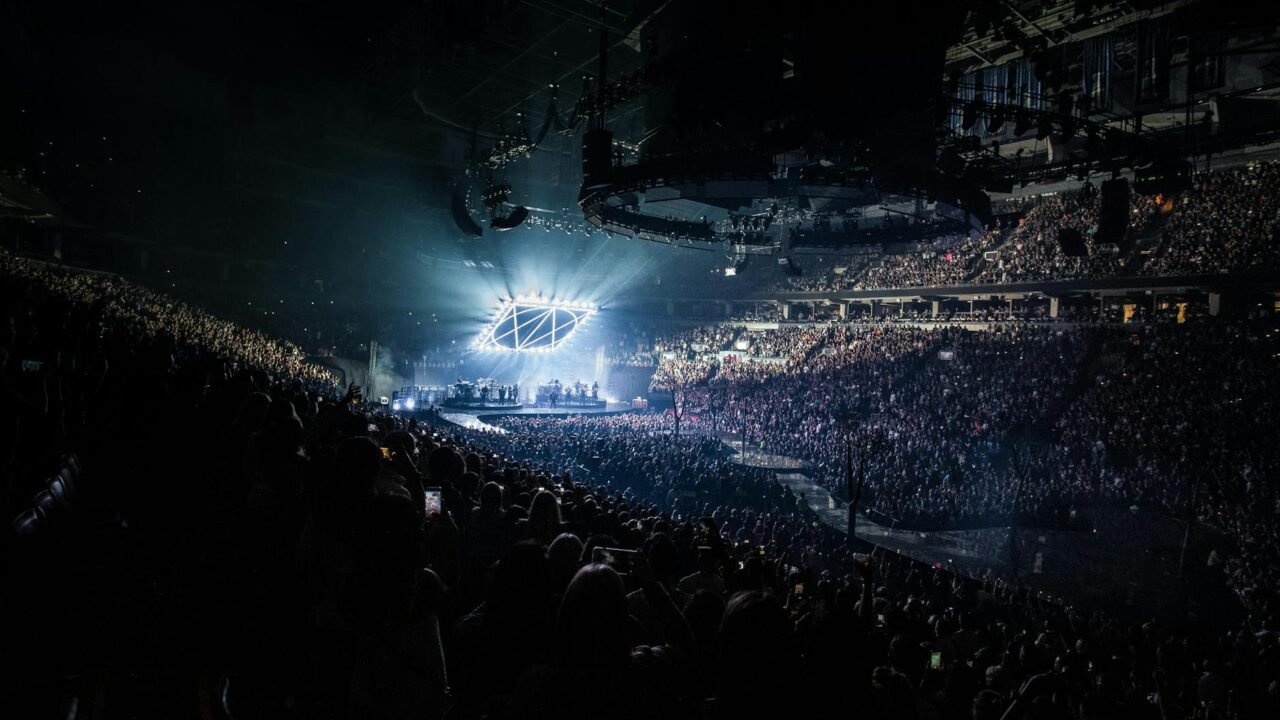
South Korea, a global hub for pop music, faces a significant challenge: a shortage of suitable venues to accommodate its burgeoning K-pop industry. The explosive popularity of K-pop groups like BTS, Blackpink, and others has created an unprecedented demand for concert spaces, leaving many artists struggling to find locations large enough to host their massive fan bases. This venue deficit is not only impacting the artists and their fans but also the broader South Korean economy, which benefits greatly from the K-pop phenomenon.
The issue stems from a combination of factors. Firstly, South Korea’s infrastructure development has not kept pace with the rapid growth of its entertainment industry. While the country boasts world-class technology and a highly developed urban landscape, the construction of large-scale concert venues has lagged behind. Many existing stadiums and arenas are either outdated, too small, or unsuitable for the complex technical requirements of modern K-pop performances, which often involve elaborate stage designs, pyrotechnics, and sophisticated sound and lighting systems.
Secondly, the availability of land in South Korea, particularly in densely populated areas like Seoul, is limited and expensive. This makes it difficult to secure locations for building new venues. Furthermore, the construction of large-scale facilities often faces regulatory hurdles and opposition from local residents who may be concerned about noise pollution and traffic congestion. According to a report by the Korea Development Institute, securing permits and approvals for new construction projects in urban areas can take years, further exacerbating the venue shortage.
The lack of adequate venues has forced K-pop artists to seek alternative solutions. Some have resorted to performing in smaller venues, which limits the number of fans who can attend and reduces potential revenue. Others have opted to hold concerts in stadiums primarily designed for sports, such as the Seoul Olympic Stadium, which hosted BTS’s world tour kickoff in 2022. However, these venues often require extensive modifications to accommodate concert productions and may not provide the optimal acoustic environment for music performances.
The impact of the venue shortage extends beyond the entertainment industry. K-pop tourism is a major driver of economic growth for South Korea, attracting millions of fans from around the world each year. These tourists spend money on flights, accommodation, food, and merchandise, contributing significantly to the country’s GDP. However, the lack of sufficient concert venues could deter some fans from traveling to South Korea, potentially impacting the tourism sector. In Jammu and Kashmir, India, the tourism industry has seen a boom in recent years, demonstrating the economic potential of attracting visitors to cultural events. Similarly, a more developed concert infrastructure in South Korea could further boost its tourism revenue.
The South Korean government recognizes the urgency of the situation and has announced plans to address the venue shortage. These plans include investing in the construction of new concert halls and arenas, as well as providing financial incentives to private companies to build entertainment facilities. However, these projects are likely to take several years to complete, leaving the K-pop industry to grapple with the venue deficit in the meantime. The situation is reminiscent of infrastructure challenges faced in other parts of the world, including India, where the development of adequate infrastructure is crucial for supporting economic growth and cultural development.
Several South Korean entertainment companies have also begun exploring alternative strategies to mitigate the impact of the venue shortage. Some are considering building their own private concert venues, while others are looking to partner with international venue operators to bring world-class facilities to South Korea. Live streaming concerts have also become increasingly popular, providing fans with an alternative way to experience K-pop performances from the comfort of their own homes. However, these solutions are not a complete substitute for the live concert experience, which remains a vital part of the K-pop culture.
The shortage of concert venues in South Korea highlights the challenges of keeping pace with the rapid growth of the entertainment industry. While the country has made significant strides in developing its K-pop sector, more investment is needed in infrastructure to support its continued success. Addressing the venue deficit will not only benefit K-pop artists and their fans but also contribute to the broader South Korean economy by boosting tourism and creating new job opportunities. The South Korean government has said they are also reviewing regulations to encourage the conversion of existing buildings. We reviewed official statements but could not independently confirm further specifics on this at this time.
The situation highlights the importance of strategic planning and investment in infrastructure to support the growth of key industries. As K-pop continues to gain global popularity, addressing the venue shortage will be crucial for ensuring that South Korea remains at the forefront of the global music scene. We observed similar infrastructural challenges in other rapidly developing economies. It remains to be seen whether the planned infrastructure improvements will materialise quickly enough to serve the demands of the rapidly growing K-Pop market.

Tahir Rihat (also known as Tahir Bilal) is an independent journalist, activist, and digital media professional from the Chenab Valley of Jammu and Kashmir, India. He is best known for his work as the Online Editor at The Chenab Times.





Leave a Reply