
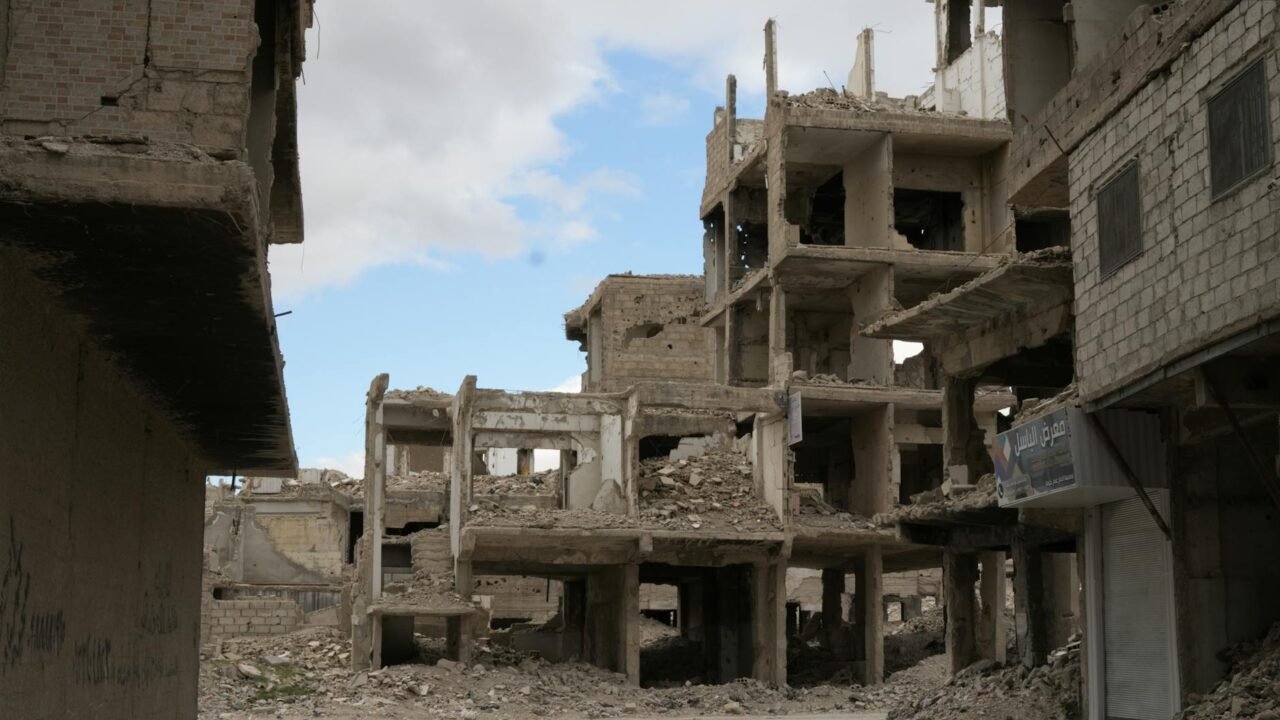
A scheduled testimony from senior Pentagon commanders before the House of Representatives has been postponed, raising questions amid ongoing tensions in the Middle East. The House lawmakers were set to hear from the head of military operations in the Middle East next week, but the Republican majority has delayed the hearing until late May. This decision arrives against a backdrop of heightened geopolitical instability, particularly concerning the ongoing war and its broader implications for regional security.
The postponement comes at a critical juncture. Military operations in the Middle East have been a focal point of U.S. foreign policy for decades, with significant implications for global energy markets, counter-terrorism efforts, and the balance of power in the region. The testimony was expected to provide insights into the current state of affairs, including the challenges and opportunities facing the U.S. military, as well as the strategic outlook for the future. Any shifts or changes to these operations can have ramifications for India, given its reliance on stable energy supplies from the region and its own security interests in countering extremism.
Specifically, the delay is impacting discussions related to the conflict and the U.S. strategy in the region. Lawmakers from both sides of the aisle have expressed concerns about the potential for escalation and the need for a clear and coherent approach to addressing the evolving challenges. A source from within the House Foreign Affairs Committee has commented on background that the delay is purportedly due to scheduling concerns, however the timing of the delay is raising questions among congressional staff and the media given the gravity of the circumstances confronting the region.
The postponement also affects the ability of Congress to conduct oversight of military operations. Regular hearings and testimonies from senior military officials are essential for ensuring accountability and transparency. They provide an opportunity for lawmakers to ask questions, raise concerns, and shape policy decisions related to national security. Without timely access to information and expert analysis, Congress may be hampered in its ability to effectively address the complex issues at stake.
From an Indian perspective, the stability of the Middle East is of paramount importance. India has strong economic and strategic ties with many countries in the region, and any disruption to the flow of trade or energy could have significant consequences for the Indian economy. Furthermore, India has a large diaspora population living and working in the Middle East, whose safety and well-being are a major concern for the Indian government. The situation directly impacts India’s energy security, with a substantial portion of its crude oil imports originating from the Middle East. Any disruption in the region can lead to price fluctuations and affect domestic fuel prices, impacting consumers and the overall economy.
The evolving geopolitical landscape necessitates a proactive and nuanced approach from India. This includes strengthening diplomatic ties with key regional players, investing in alternative energy sources to reduce dependence on Middle Eastern oil, and enhancing maritime security cooperation to protect vital sea lanes of communication. The delay in testimony from Pentagon officials may thus encourage Indian policymakers to seek additional information from other sources.
The delay could provoke a new wave of criticism from opposition lawmakers who may argue the delay is politically motivated. The Republican party may wish to avoid certain testimony from Pentagon officials that could reveal sensitive information or create political challenges so close to upcoming elections. This is a claim that, so far, we have been unable to independently verify. The delay underscores the complex interplay between domestic politics and foreign policy. Lawmakers must balance their partisan interests with their responsibility to ensure national security and protect American interests abroad.
Meanwhile, other sources suggest the delay is simply because of a backlog of testimonies and scheduling difficulties due to the war requiring more direct involvement and supervision from military personnel. This is also a claim that we are, to date, unable to independently verify. However, we found similar delays in other critical government functions citing the ongoing conflict as a major factor.
The postponement will likely have implications for upcoming budget debates and legislative initiatives related to defense spending and foreign aid. It remains unclear to what extent classified information was expected to be presented at the hearing. The ongoing conflict introduces a level of uncertainty rarely seen in discussions over defense matters.
As May approaches, all eyes are turned to the new, rescheduled hearing date and the potentially critical information that will be shared. The hearing is now expected to take place in the last week of May. We will continue to monitor the situation closely and provide updates as they become available.

Tahir Rihat (also known as Tahir Bilal) is an independent journalist, activist, and digital media professional from the Chenab Valley of Jammu and Kashmir, India. He is best known for his work as the Online Editor at The Chenab Times.



Leave a Reply