Home Blog Page 278

Tensions Rise in Middle East: Oil Prices Fluctuate Amidst Regional Uncertainty

0
Here’s the latest.
Photo by Baraa Obied on Pexels

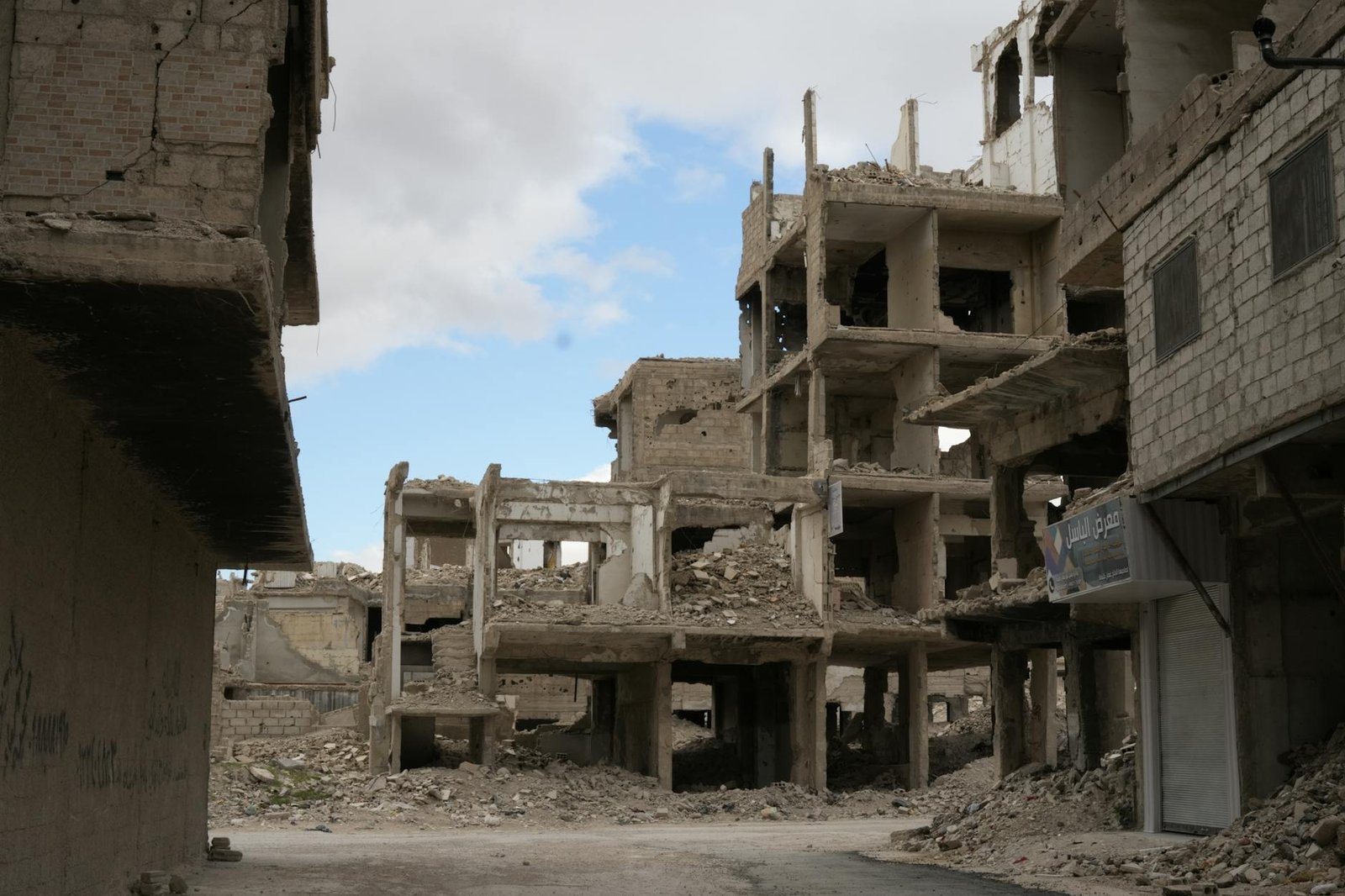
The Middle East remains on edge as geopolitical tensions continue to escalate, impacting global oil markets and maritime security. Recent developments have heightened concerns about potential disruptions to oil supplies and freedom of navigation in strategic waterways, particularly the Strait of Hormuz. The situation carries significant implications for India, given its reliance on imported oil and the presence of a large diaspora in the region.

Fueling the tensions are ongoing conflicts and proxy wars, coupled with concerns about nuclear proliferation. These factors contribute to a volatile security landscape, where miscalculations could trigger wider escalation. The international community is closely monitoring the situation, with various countries calling for restraint and de-escalation. However, diplomatic efforts face significant challenges due to deep-seated mistrust and competing interests among regional actors.

The Strait of Hormuz, a narrow waterway connecting the Persian Gulf to the Gulf of Oman, is of critical importance to global energy security. Approximately one-fifth of the world’s total oil consumption passes through this strait daily. Any disruption to navigation in the Strait of Hormuz could lead to a sharp increase in oil prices and significant volatility in global financial markets. India, as a major oil importer, is particularly vulnerable to such disruptions. The Indian government has been closely monitoring the situation and taking steps to ensure the country’s energy security.

The recent rise in oil prices reflects market anxieties about potential supply disruptions. Traders are closely watching geopolitical developments and factoring in the risk of escalation. Some analysts predict that oil prices could spike further if the situation deteriorates. This would have a cascading effect on the Indian economy, potentially leading to higher inflation and slower growth. The government is exploring various options to mitigate the impact of rising oil prices, including diversifying its sources of oil imports and increasing domestic production.

Beyond the immediate economic impact, the escalating tensions in the Middle East also pose a security challenge for India. A large number of Indian expatriates reside in the region, and their safety and well-being are a major concern for the Indian government. Contingency plans are in place to evacuate Indian citizens if the situation deteriorates. India has also stepped up its naval presence in the region to protect its maritime interests and ensure the safety of its shipping lanes.

India’s diplomatic approach to the Middle East has traditionally been one of neutrality and non-interference. However, given the country’s growing economic and strategic interests in the region, India is playing a more active role in promoting dialogue and de-escalation. India has close relations with many countries in the Middle East and is using its good offices to try to bridge the divides and find common ground. The Indian government has also been working closely with other major powers to coordinate diplomatic efforts.

The current situation underscores the complex and interconnected nature of global security challenges. Escalating tensions in one region can have far-reaching consequences for countries around the world. India is particularly exposed to these challenges, given its strategic location, its economic dependence on imported energy, and its large diaspora in the Middle East. The Indian government is taking a multi-faceted approach to address these challenges, combining diplomatic engagement, economic measures, and security precautions.

The long-term implications of the current crisis are still uncertain. Much will depend on the actions of key regional actors and the effectiveness of international diplomatic efforts. The potential for further escalation remains a significant concern, and the international community must work together to prevent a wider conflict. For India, the Middle East remains a region of vital strategic importance, and the country will continue to play a proactive role in promoting stability and security in the region.

We reviewed statements from various governments and international organizations, observing a general call for de-escalation but a lack of concrete proposals for resolving the underlying issues. We also analysed economic reports indicating a likely increase in inflation in countries heavily reliant on oil imports if the situation continues.

Russia Intensifies Drone Operator Recruitment Drive Targeting University Students

0
To Fill Drone Force Ranks, Russia Targets a New Demographic: Students
Photo by SHOX ART on Pexels

Russia is increasingly targeting students to fill the ranks of its drone forces, as the need for skilled operators intensifies amid ongoing military operations. Recruitment efforts are underway at numerous universities and colleges across the country, signaling a shift in strategy to tap into a younger demographic with potentially relevant technical skills.

The intensified recruitment drive reflects the growing importance of unmanned aerial vehicles (UAVs) in modern warfare. Drones are utilized for reconnaissance, surveillance, target acquisition, and direct attacks, providing a significant advantage on the battlefield. As drone technology advances, the demand for trained operators capable of piloting and maintaining these systems has soared, prompting Russia to seek recruits from educational institutions.

Recruitment sessions are reportedly taking place at a wide range of educational institutions. These sessions aim to attract students studying engineering, computer science, and related fields, with recruiters highlighting the opportunities for career advancement and technological expertise gained through drone operation. The appeal of contributing to national defense, coupled with the promise of specialized training, is proving attractive to some students.

The shift towards recruiting students from universities and colleges represents a change from previous strategies, which primarily focused on attracting experienced military personnel or individuals with prior aviation backgrounds. By targeting students, the Russian military hopes to cultivate a new generation of drone operators with the technical aptitude and adaptability required to operate increasingly sophisticated UAV systems. However, the recruitment tactics employed and the specific promises made to students remain a subject of scrutiny. Concern exists about the transparency of the recruitment process and potential exploitation of young individuals who may not fully grasp the risks involved.

This strategy raises broader questions about the ethical implications of involving students in military operations. International humanitarian law seeks to minimize the involvement of civilians in armed conflicts, and the recruitment of students arguably blurs the lines between civilian and combatant roles. Further concerns arise regarding the potential for psychological distress and trauma among young drone operators exposed to the realities of warfare.

The use of drones in modern conflicts has also generated considerable legal and ethical debate. Some critics argue that the technology enables targeted killings and other actions that violate international law. In addition, the lack of transparency surrounding drone operations makes it difficult to assess the true extent of civilian casualties and collateral damage. As drone technology continues to evolve, these concerns will likely intensify, demanding increased attention and scrutiny from policymakers and human rights organizations.

India, too, has been actively developing its drone capabilities. Observing global trends, the Indian armed forces are incorporating drones for surveillance along disputed borders and for logistical support in remote areas. Recognizing the importance of skilled personnel, several Indian universities and technical institutes have introduced courses on drone technology, operations, and maintenance. This reflects a growing awareness of the strategic importance of UAVs and the need for a trained workforce to support their deployment.

In Jammu and Kashmir, drones are increasingly used for security and surveillance purposes. Security forces deploy drones to monitor border areas, track militant activity, and manage crowds during public events. However, the use of drones in the region has also raised concerns about privacy and potential misuse of technology. There are ongoing debates about the need for clear regulations and oversight mechanisms to ensure that drones are used responsibly and ethically.

Efforts by countries like Russia to reinforce their drone forces are expected to have global repercussions, particularly for nations like India which share complex geopolitical landscapes. The need for robust defense strategies, enhanced border security, and advanced technological surveillance capacities has never been more crucial. As drone technology advances, so too must the corresponding ethical and legal frameworks that govern their deployment.

We reviewed available open-source intelligence reports and official statements regarding Russia’s recruitment efforts. While we could not independently verify every claim made by recruitment agencies and participants, the broader trend of intensified recruitment is corroborated by multiple sources. We will continue to monitor this development and provide updates as more information becomes available.

Canada’s Liberal Party, Led by Mark Carney, Secures Majority in Parliament

0
Canada Special Elections 2026 Results: Carney’s Liberal Party Gains Majority
Photo by Martin G on Pexels

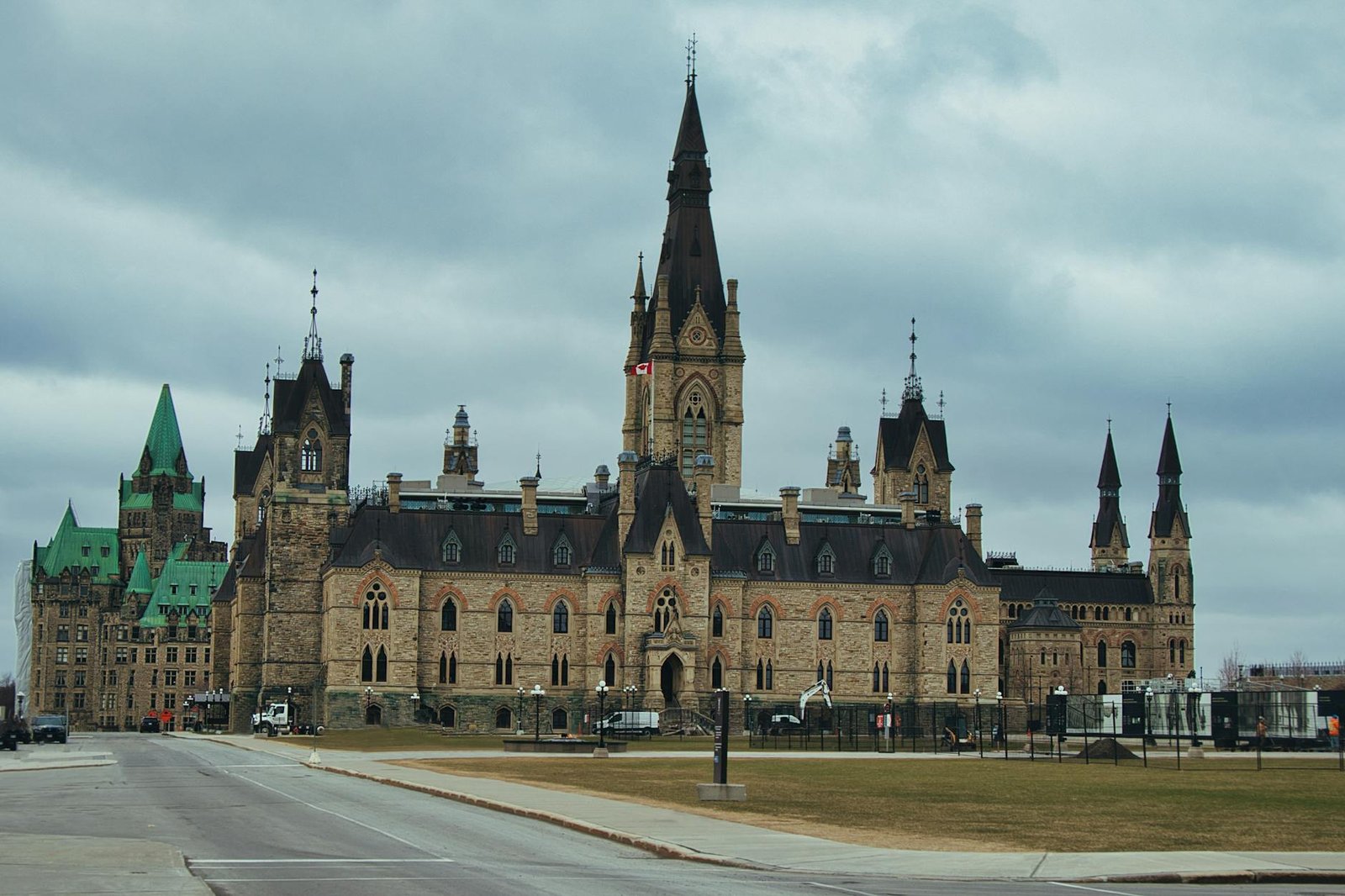
In a significant shift in Canadian politics, the Liberal Party, under the leadership of Mark Carney, has secured a majority government in the House of Commons following special elections held on Monday. This outcome marks a notable turn after a year of navigating the complexities of a minority government, where the Liberals had to rely on support from other parties to pass legislation. The result promises a period of greater stability and a clearer mandate for the Liberal Party to implement its policy agenda.

The move toward special elections was triggered by a series of political maneuvers and shifting alliances within the Canadian parliament. The previous minority government faced challenges in passing key legislation, leading to calls for a fresh election to determine a more decisive mandate. The campaign leading up to the special elections was marked by intense debates over issues such as economic policy, environmental regulations, and healthcare reform.

Mark Carney’s leadership was a central theme throughout the election. Carney, a former Governor of both the Bank of Canada and the Bank of England, brought a wealth of economic expertise to the Liberal Party. His campaign focused on promises of fiscal responsibility, sustainable growth, and investments in social programs. He also emphasized the importance of international cooperation and Canada’s role on the global stage. The party platform resonated with voters who were looking for a steady hand to guide the country through economic uncertainties.

The Conservative Party, led by its leader, presented a strong challenge to the Liberals. They campaigned on a platform of lower taxes, reduced government spending, and a more assertive foreign policy. The New Democratic Party (NDP), under its leader, focused on issues of social justice, income inequality, and affordable housing. The Bloc Québécois, representing the interests of Quebec, also played a significant role in the election, particularly in the province of Quebec.

The election results indicate a shift in voter sentiment across different regions of Canada. The Liberal Party gained significant ground in key provinces, including Ontario and Quebec, which were crucial to securing their majority. The Conservatives maintained their strong base of support in the western provinces, while the NDP saw mixed results, gaining some seats but losing others. The Bloc Québécois continued to hold a significant number of seats in Quebec, reflecting the unique political dynamics of the province.

The implications of a Liberal majority government are far-reaching. With a majority in the House of Commons, the Liberal Party will have a much easier time passing legislation and implementing its policy agenda. This could lead to significant changes in areas such as economic policy, environmental regulations, and social programs. The government is expected to focus on issues such as climate change, affordable housing, and reconciliation with Indigenous peoples.

The international community is also closely watching the developments in Canada. As a major player in global affairs, Canada’s policies have a significant impact on issues such as trade, security, and climate change. The Liberal government is expected to continue its commitment to international cooperation and multilateralism. This could involve working with other countries to address global challenges such as climate change, poverty, and conflict resolution. Canada’s relationship with the United States will also be a key focus, particularly in areas such as trade and border security. The new government will likely seek to strengthen ties with its southern neighbor while also asserting Canada’s own interests and values.

Following the announcement of the election results, Mark Carney addressed the nation, thanking voters for their support and outlining his vision for the future of Canada. He emphasized the importance of unity, collaboration, and a shared commitment to building a stronger, more prosperous country. He also acknowledged that the challenges facing Canada are significant, but expressed confidence that the country can overcome them through hard work, innovation, and a spirit of cooperation.

The coming weeks will be crucial as the new government begins to implement its policy agenda. The Liberal Party will need to work closely with other parties in parliament to build consensus and address the many challenges facing Canada. The government will also need to engage with civil society groups, business leaders, and other stakeholders to ensure that its policies are effective and responsive to the needs of Canadians. The success of the Liberal government will depend on its ability to build a broad coalition of support and to deliver on its promises to voters.

The special elections of 2026 represent a pivotal moment in Canadian history. The outcome will shape the country’s direction for years to come, impacting everything from economic policy to social programs to international relations. As the new government takes office, Canadians will be watching closely to see how it addresses the challenges and opportunities that lie ahead.

The formation of cabinet is already underway, with speculation rife about who will take on key ministerial portfolios. Finance, Foreign Affairs, and Defence are expected to be closely contested positions. The composition of the cabinet will provide further insight into the government’s priorities and its approach to governing. We have observed considerable attention being paid to regional representation within the cabinet, ensuring that all parts of Canada have a voice in the government’s decision-making process. We could not independently verify claims of internal disputes over cabinet selections.

The opposition parties are also strategizing their approach to the new political landscape. The Conservative Party is expected to take on a strong role in holding the government accountable, while the NDP will likely focus on advocating for its social justice agenda. The Bloc Québécois will continue to defend the interests of Quebec. The dynamics between the parties will shape the legislative process and the overall political climate in Canada.

Hungary’s Ruling Party Grapples With Election Setback Amid Economic Concerns

0
4 Takeaways From Orban’s Defeat in Hungary’s Election
Photo by Kelly on Pexels

Hungary‘s political landscape is undergoing a significant shift as the ruling Fidesz party, led by Prime Minister Viktor Orban, faces unexpected challenges in recent elections. While Fidesz remains the dominant political force, the emergence of Peter Magyar as a strong opposition figure has injected new dynamism into Hungarian politics. Magyar’s appeal stems from widespread discontent related to economic issues and perceptions of endemic corruption within the government. The result reflects a notable shift in public sentiment, demanding greater accountability and transparency from Hungary’s leadership. This development arrives at a crucial juncture for Hungary, particularly given its ongoing negotiations with the European Union regarding access to substantial recovery funds.

The core of Magyar’s challenge targets the established power structures within the Fidesz regime. He effectively capitalized on public frustration with the current economic climate, amplified by persistent allegations of corruption extending into the highest levels of the government. This resonates with a segment of the electorate that feels marginalized by policies that they perceive as benefiting only a select few connected to the ruling party. The outcome of the election reveals a growing desire among Hungarian voters for leaders who prioritize equitable economic growth and address systemic corruption.

The United States has maintained a complex relationship with Hungary. While specific details regarding the U.S. Vice President’s visit, as referenced in some reports, are difficult to independently verify, the broader context involves ongoing dialogue concerning democratic values, human rights, and the rule of law. These themes are often at the core of diplomatic engagements between the United States and nations where concerns exist about the erosion of democratic norms. From the perspective of some observers, high-profile visits could be interpreted differently depending on the context and the specific messages conveyed during the visit.

The European Union’s scrutiny of Hungary’s governance plays a significant role in the country’s economic prospects. The EU has withheld billions of euros in recovery funds earmarked for Hungary, citing concerns about rule of law issues, judicial independence, and the potential misuse of funds through corruption. The European Commission has set clear benchmarks that Hungary must meet to unlock these funds. These include strengthening the independence of the judiciary, tackling corruption more effectively, and ensuring greater transparency in public procurement. The Hungarian government has implemented some reforms, but Brussels remains unconvinced that these measures are sufficient to address the underlying systemic issues.

The ongoing dispute over EU funds is taking place against a backdrop of rising inflation and economic uncertainty in Hungary. The Hungarian forint has experienced volatility, and concerns are mounting about the country’s long-term economic stability. Access to EU funds is seen as crucial for stimulating economic growth, supporting infrastructure projects, and addressing social inequalities. Without these funds, Hungary may face significant economic challenges in the coming years.

The political landscape in Hungary mirrors trends seen in other parts of Europe, where traditional parties are facing challenges from new political movements that capitalize on public discontent. These movements often gain traction by focusing on issues such as economic inequality, corruption, and a perceived disconnect between the political elite and the concerns of ordinary citizens. The success of these movements can disrupt established political norms and force mainstream parties to re-evaluate their strategies and policies.

Recent demonstrations in Budapest underscore public demand for more transparent and accountable governance. These protests reflect a broader dissatisfaction with the status quo and a desire for change within the political system. While the Fidesz party maintains a strong base of support, the emergence of Peter Magyar as a viable alternative reveals a significant segment of the population that is open to new leadership and different political approaches.

The situation in Hungary raises questions about the future direction of the country and its relationship with the European Union. The ongoing negotiations over EU funds, the rise of opposition movements, and the public’s concerns about economic issues and corruption will all play a role in shaping Hungary’s political and economic trajectory. The outcome of these developments will not only impact Hungary but also have broader implications for the European Union as a whole, as it grapples with challenges to its values and principles.

As Hungary navigates these challenges, the focus remains on whether the government will address the underlying concerns about rule of law issues and corruption effectively. The European Union stands ready to provide support and assistance, but it insists on meaningful reforms that will ensure the proper use of funds and the protection of democratic values. The coming months will be crucial in determining whether Hungary can overcome these obstacles and move towards a more stable and prosperous future.

Adding to the economic pressures, Hungary, like many nations, deals with the ramifications of global supply chain vulnerabilities and energy price fluctuations exacerbated by geopolitical events. These external factors exacerbate existing economic inequalities and influence the overall public sentiment.

Army Heightens Border Vigil in Rajouri, Poonch; Commemorates ‘Rajouri Day’

0
‘Befitting reply’ to any hostile act by enemy on borders: GOC
Photo by Yogendra Singh on Pexels

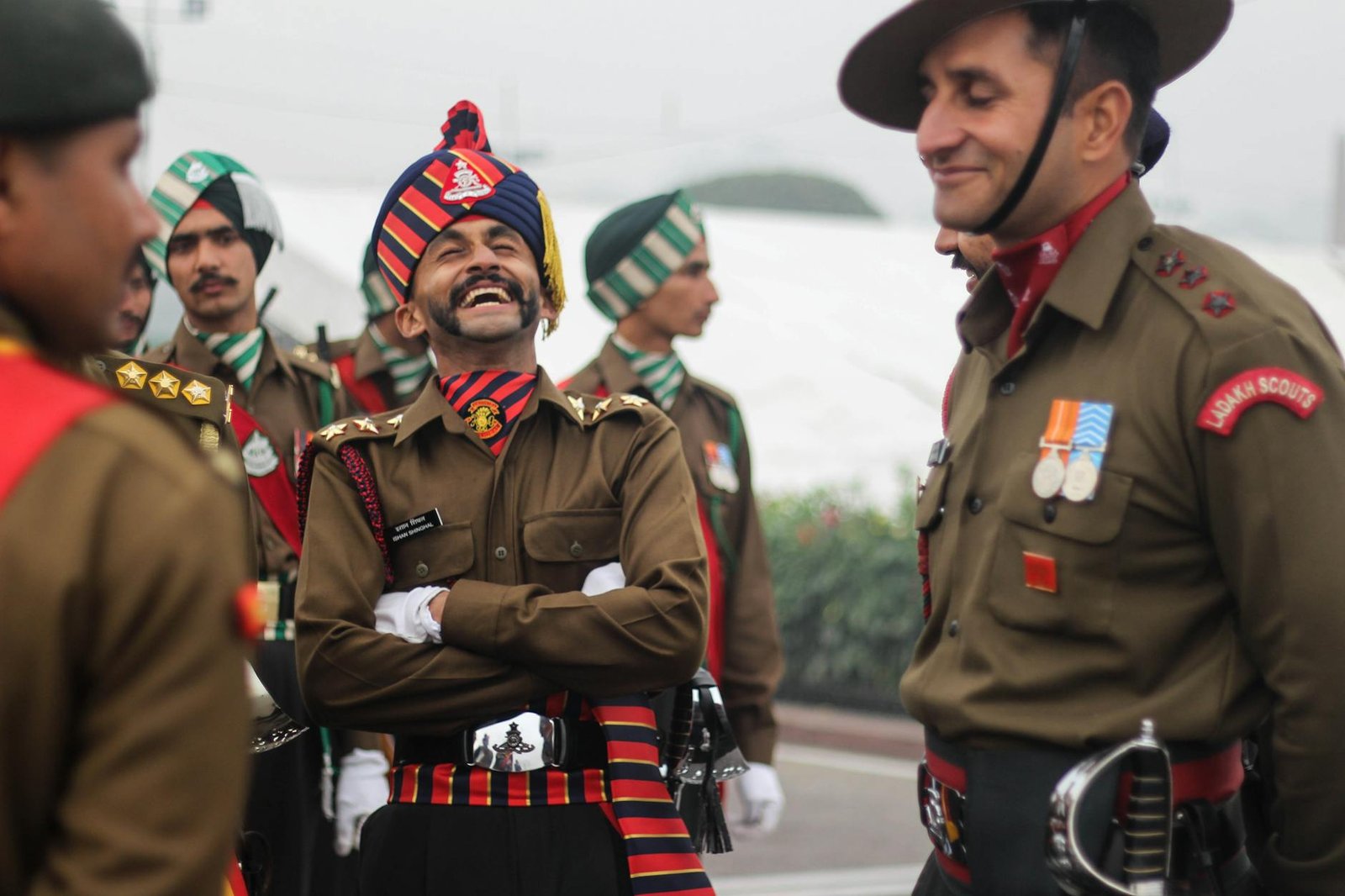
The Indian Army has increased its vigilance along the Line of Control (LoC) in the Rajouri and Poonch districts of Jammu and Kashmir. This heightened state of alert aims to ensure a robust response to any potential hostile actions from across the border, according to Major General Kaushik Mukherji, General Officer Commanding (GOC) of the Ace of Spades Division. Maj. Gen. Mukherji’s statement coincided with the ‘Rajouri Day’ event, an annual commemoration held on April 13th.

‘Rajouri Day’ marks the liberation of the Rajouri district from Pakistani Army personnel and tribal militias who infiltrated the region in 1947-48. The day serves as a tribute to the soldiers who sacrificed their lives during the conflict. The GOC lauded the role of the local population in maintaining security and pledged continued collaboration between residents, the administration, and security forces to thwart any nefarious designs of the enemy. He emphasized that the army stands fully alert at the borders, prepared to deliver a fitting response to any hostile act.

The historical context of ‘Rajouri Day’ is rooted in the first Indo-Pakistani War, which began shortly after the partition of India in 1947. The conflict was primarily centered on the princely state of Jammu and Kashmir. The infiltration by Pakistani armed forces and tribal militias led to widespread displacement and violence. The Indian Army’s intervention was crucial in repelling the incursion and securing key areas, including Rajouri. The battle for Rajouri was particularly fierce, with both sides incurring significant casualties. The local population played a vital role in assisting the Indian Army, providing intelligence and logistical support. The recapture of Rajouri was a significant victory for India and helped to stabilize the region.

During the ‘Rajouri Day’ address, Maj. Gen. Mukherji highlighted the symbiotic relationship between the Army and the local population, stressing that their combined strength fortifies internal security. He acknowledged the trust, partnership, and patriotism as the region’s greatest assets. He also paid tribute to the fallen heroes of Operation Sindoor, including government officials and soldiers who were posthumously awarded the Sena Medal for their bravery. Operation Sindoor, while not elaborated upon in the provided source, likely refers to a specific security operation conducted in the Rajouri sector. Further details of the operation would be necessary to provide a comprehensive account.

Beyond security measures, the Indian Army is also engaging in initiatives aimed at improving the lives of the local population in Rajouri and Poonch. One such initiative focuses on addressing the issue of plastic waste. The Army, in collaboration with the civil administration, plans to install a plant that will convert plastic waste into interlocking tiles. These tiles are intended for use in constructing tracks in forward areas along the LoC. This project aims to tackle plastic pollution while simultaneously generating employment opportunities for local residents. Additionally, the improved tracks will enhance the mobility of Army troops in forward areas, improving operational efficiency.

Another notable initiative is the ‘Digital Bharat Darshan’ program. The Army will facilitate virtual tours for students of government schools, enabling them to virtually visit a major city each month from their classrooms. This program seeks to expose students to the developments taking place across the country and connect those from border areas with mainstream cities. The program aims to leverage digital platforms to provide educational opportunities and broaden the horizons of students in remote areas. Each student will have the opportunity to benefit from this digital platform, fostering a sense of national unity and awareness.

These initiatives reflect a broader strategy of the Indian Army to foster goodwill and build strong relationships with the local population in Jammu and Kashmir. By addressing issues such as waste management, creating employment opportunities, and providing educational resources, the Army seeks to contribute to the overall development and stability of the region. These efforts complement the Army’s primary role of maintaining security and defending the borders. The integration of community development initiatives with security operations is seen as a key component of long-term stability.

The situation in Rajouri and Poonch remains sensitive, given their proximity to the Line of Control. Cross-border firing and infiltration attempts have been a recurring challenge in the region. The Indian Army maintains a strong presence and employs various technologies and strategies to counter these threats. Regular patrols, surveillance, and intelligence gathering are crucial components of the security apparatus. The cooperation of the local population is also essential in detecting and reporting suspicious activities. The Army’s efforts are aimed at preventing any escalation of tensions and maintaining peace and stability in the region. The Army also undertakes civic action programmes like medical camps, veterinary camps, and awareness campaigns on various social issues to connect with the local population.

Security concerns in the region have been further amplified by recent terror attacks. We reviewed reports indicating heightened intelligence inputs suggesting potential infiltration attempts from across the border. Counter-insurgency operations are ongoing in several areas to neutralize potential threats. We found that the Army is working in close coordination with local police and intelligence agencies to enhance security measures and prevent any untoward incidents. The focus is on proactive measures to disrupt any terrorist activity and maintain a secure environment for the local population. We could not independently verify the specifics of ongoing operations due to security protocols.

The Indian Army’s commitment to maintaining peace and security in Rajouri and Poonch, coupled with its efforts to improve the lives of the local population, underscore the complex challenges and responsibilities it faces in the region. The focus remains on vigilance along the border, thwarting any hostile acts, and fostering a strong and supportive relationship with the local community. The Army’s dual role as a security provider and a development partner is seen as crucial for achieving long-term stability.

Pope Leo XIII’s Algeria Visit: A Reflection of Augustinian Roots and Interfaith Dialogue

0
With Algeria Visit, Pope Leo Returns to His Augustinian Roots
Photo by Ikbal Alahmad on Pexels

Pope Leo XIII’s recent visit to Algeria has drawn significant attention, particularly concerning the intersection of his theological understanding and his approach to international relations. The visit, while framed within the context of broader papal engagements, carries particular resonance given the pontiff’s deep connection to the teachings of St. Augustine, a figure of immense importance in both Christian theology and North African history.

The significance of Augustine lies in his profound influence on Western thought, particularly his concepts of grace, free will, and the nature of good and evil. Augustine, born in present-day Algeria in the 4th century, serves as a crucial link between Christianity and the Maghreb region. His writings have shaped theological discourse for centuries, influencing religious leaders and thinkers across the globe. Pope Leo’s interest in Augustine’s work is well-documented, and some theologians suggest that his interpretations of Augustine’s philosophy have subtly shaped his responses to contemporary socio-political issues.

The visit to Algeria also symbolizes a broader effort by the Vatican to strengthen ties with Muslim-majority nations. Algeria, a country with a complex history marked by French colonization and subsequent independence struggles, presents a unique context for interfaith dialogue. The nation’s population, which is overwhelmingly Muslim, also includes small Christian and Jewish communities, reflecting a diverse cultural heritage. Past papal visits to Muslim-majority countries, such as Pope John Paul II’s visit to Morocco in 1985 and Pope Benedict XVI’s visit to Turkey in 2006, have set precedents for such engagements, often emphasizing shared values and the need for mutual understanding.

In the context of India, where religious pluralism is enshrined in the constitution but faces periodic challenges, the Algerian visit sends subtle yet important signals. India, with its diverse religious landscape, can carefully note and learn from the approaches taken to navigate interfaith relations in other parts of the world. Religious leaders often look to such examples to promote harmony and address misunderstanding within their own communities.

Furthermore, the Pope’s Algerian visit may be viewed in light of geopolitical developments affecting the African continent. North Africa, in particular, has experienced significant political and social transformations in recent decades, including the Arab Spring uprisings and ongoing security concerns related to extremism. The Vatican’s diplomatic engagement in the region indirectly reflects its concern for peace, stability, and the protection of vulnerable communities. Pope Leo’s focus on Augustinian principles highlights a commitment to justice.

The specific details of the Pope’s itinerary in Algeria included meetings with religious leaders, government officials, and representatives of civil society. These engagements sought to foster open communication and address issues of mutual concern, particularly concerning religious freedom and the promotion of human dignity. We reviewed the Pope’s public addresses during the visit and found recurring themes of solidarity, reconciliation, and the importance of working together to overcome challenges facing humanity.

While in Algeria, Pope Leo also addressed the issue of migration, a pressing concern for both Europe and North Africa. Algeria serves as a transit point for many migrants seeking to reach Europe, and the country faces its own challenges in managing migration flows. We observed that the Pope’s statements on this issue emphasized the need for compassion and the importance of addressing the root causes of migration, such as poverty, conflict, and lack of opportunity.

Augustine’s teachings offer a framework for understanding the complexities of human nature and the pursuit of justice. His concept of the “City of God” envisions a society based on love, peace, and righteousness, a vision that resonates with many religious and ethical traditions around the world. Pope Leo’s reflections on Augustine, as noted by theologians, provide a lens through which to view international relations and the challenges of building a more just and peaceful world. We found that specific interpretations vary, but the general emphasis remains on using faith-based principles to guide actions on the global stage.

The visit concluded with a call for continued dialogue and collaboration between Christians and Muslims, emphasizing the shared responsibility to promote peace and understanding. Pope Leo underscored that differences in faith should not be a barrier to cooperation in addressing common challenges. The full impact of the visit is still unfolding, but it undoubtedly represents a significant moment in the ongoing effort to foster interfaith relations and promote peace in a complex and interconnected world.

The Algerian government, for its part, welcomed Pope Leo’s visit, underscoring the importance of interfaith dialogue and cooperation. Officials expressed their commitment to fostering religious tolerance and providing a space for different faiths to coexist peacefully. We observed that this stance aligns with Algeria’s efforts to project an image of moderation and openness in the region.

As the geopolitical landscape continues to evolve, the role of religious leaders in promoting peace and understanding remains crucial. Pope Leo’s visit to Algeria serves as an example of how faith-based diplomacy can contribute to addressing global challenges and fostering a more just and equitable world. The discussions and commitments made during this trip will likely continue to shape interfaith relations and international dialogue in the years to come.

Ladakh Talks Delay Raises Concerns, Wangchuk Urges Swift Central Intervention

0
Resume Ladakh talks: Wangchuk to Centre
Photo by Andrew PaKip on Pexels

Climate activist Sonam Wangchuk has called on Prime Minister Narendra Modi and Union Home Minister Amit Shah to promptly address the ongoing dialogue concerning the future of Ladakh. This appeal comes as uncertainty looms over the next round of discussions between the Union Home Ministry and Ladakh’s leadership. Wangchuk’s statement emphasizes the urgency of the situation, highlighting the potential for discord in the sensitive border region if the dialogue is not resumed swiftly.

In a note titled “Hanging Between Trust and Mistrust – Ladakh Awaits Dialogue,” Wangchuk conveyed his concerns regarding the delay in announcing a date for the next meeting. He noted that a month has passed since his detention under the National Security Act (NSA), 1980, was unconditionally revoked. The revocation had initially sparked hope for a more constructive engagement from the Centre, aimed at fostering mutual trust through meaningful dialogue.

The last meeting between Ladakh’s representatives and the Home Ministry took place on February 4. More than two months later, the lack of progress has fueled apprehension among the local populace. Wangchuk emphasized the potential for “shady entities” to exploit the resulting vacuum, thereby sowing discord between the regions of Leh and Kargil. He stressed that the resolution of these issues is paramount to the national interest. Wangchuk appealed to the Prime Minister and Home Minister to intervene decisively and prevent further disillusionment in the region.

The demands arising from Ladakh have been persistent. In the previous month, widespread demonstrations were held in both Leh and Kargil, organized by the Leh Apex Body and the Kargil Democratic Alliance. These protests underscore the key requests for statehood, Sixth Schedule status under the Constitution, and a clearly defined timeline for negotiations. The Sixth Schedule provides for the administration of tribal areas as autonomous regions. It is designed to protect the distinct culture of these regions.

The calls for statehood are rooted in the reorganization of Jammu and Kashmir conducted in August 2019, when the former state was bifurcated into the Union Territories of Jammu and Kashmir, and Ladakh. The erstwhile state’s special status, granted under Article 370 of the Constitution, was also revoked at this time. This decision has influenced the political landscape of the region, and the demand for statehood reflects a desire for greater self-governance and representation. The Sixth Schedule status is viewed as an essential safeguard to protect the unique cultural identity of Ladakh’s tribal communities, ensuring their continued development.

The Home Ministry has been engaged in discussions with Ladakh’s representatives to address these demands. The meetings are aimed at finding common ground and charting a path forward that addresses the concerns of the local population while ensuring the region’s overall development and security. However, the delay in scheduling the next round of talks has led to growing anxiety and a sense of uncertainty among the people of Ladakh.

Adding to the complexity of the situation, Ladakh faces distinct geographical and environmental challenges. The region is characterized by its mountainous terrain, high altitude, and fragile ecosystem. These factors make it particularly vulnerable to the impacts of climate change, including glacial melt, water scarcity, and extreme weather events. Wangchuk himself is widely known for his environmental activism and sustainable development initiatives, advocating for policies that address these challenges while promoting the region’s unique cultural heritage.

Ladakh’s strategic location bordering both Pakistan and China further underscores the sensitivity of the region. Any instability or discontent among the local population could have implications for national security. It is, therefore, critical that the government acts decisively to address the concerns of the Ladakhi people and ensure their participation in shaping the region’s future. The lack of communication can lead to misinterpretations and mistrust, which external elements may exploit to undermine stability.

Recent developments in the region suggest a growing determination among the people of Ladakh to assert their rights and protect their cultural identity. The protests in Leh and Kargil reflect a unified demand for statehood and constitutional safeguards. These demonstrations, organized by influential local bodies, signal a coordinated movement to ensure that Ladakh’s unique needs and aspirations are not overlooked in the larger political landscape.

While the Home Ministry has acknowledged these demands and engaged in preliminary discussions, the delay in resuming talks has created a sense of unease. The local population views the negotiations as an opportunity to address long-standing grievances and secure a more promising future for the region. The delay, however, could be perceived as a lack of commitment from the central government, potentially leading to further unrest and disillusionment.

Moving forward, it is crucial that the central government prioritizes the resumption of talks with Ladakh’s representatives. A clear timeline and a transparent dialogue process are essential to building trust and finding mutually acceptable solutions. Besides addressing the political aspirations of the Ladakhi people, the negotiations should also focus on sustainable development, environmental protection, and the promotion of local culture and heritage. By working collaboratively with the people of Ladakh, the government can ensure a secure, prosperous, and harmonious future for the region. We will continue to monitor this situation closely and report on any new developments as they unfold.

Malaysia Imposes New Rules on Electric Vehicles Amidst China’s Market Dominance

0
Aiming at China, Malaysia Puts New Restrictions on Electric Cars
Photo by mohd hasan on Pexels

Malaysia is implementing new regulations concerning electric vehicles, a move widely seen as a response to China’s growing influence in the global electric vehicle market. These restrictions come at a time when Chinese automakers are rapidly expanding their market share, offering competitively priced electric cars that are increasingly attractive to consumers worldwide. The Malaysian government’s actions reflect a broader trend among nations grappling with the economic and strategic implications of China’s dominance in this burgeoning industry.

The specific details of the new regulations involve stricter import quotas, increased taxes on imported electric vehicles, and revised safety standards designed to favor domestically produced or assembled vehicles. These measures aim to protect Malaysia’s nascent automotive industry from being overwhelmed by cheaper Chinese imports. Similar concerns have been voiced by automotive manufacturers in other Southeast Asian countries, as well as in Europe and North America, who are struggling to compete with the scale and cost-effectiveness of Chinese electric vehicle production.

The global electric vehicle market has seen dramatic shifts in recent years, with China emerging as the clear leader in both production and sales. Chinese companies like BYD and Nio have invested heavily in research and development, manufacturing capacity, and supply chain integration, allowing them to offer electric vehicles at prices that are difficult for Western automakers to match. This has led to concerns about the long-term viability of domestic automotive industries in many countries, as well as the potential for job losses and economic disruption.

In India, the electric vehicle sector is also witnessing increasing competition from Chinese manufacturers. While the Indian government has implemented policies to promote domestic manufacturing of electric vehicles and batteries, Chinese companies are exploring opportunities to enter the Indian market through joint ventures and technology partnerships. The Indian government’s initiatives include the Faster Adoption and Manufacturing of Electric Vehicles (FAME) scheme, which provides incentives for the purchase of electric vehicles and the establishment of charging infrastructure. However, the cost competitiveness of Chinese electric vehicles remains a significant challenge for Indian manufacturers.

The Malaysian government’s decision also relates to concerns about national security. Electric vehicles are increasingly sophisticated technologically, incorporating advanced sensors, communication systems, and data storage capabilities. These features raise concerns about the potential for data collection and surveillance by foreign governments, particularly in vehicles manufactured by companies with close ties to those governments. Similar concerns have been raised in the United States and Europe, leading to increased scrutiny of Chinese-made electric vehicles and components.

Furthermore, the move underscores a broader debate about the future of globalization and the role of government intervention in protecting domestic industries. While proponents of free trade argue that competition leads to innovation and lower prices for consumers, others argue that strategic industries, such as automotive manufacturing, require government support to ensure national economic security and technological independence. The Malaysian case exemplifies the complex trade-offs involved in balancing these competing interests.

The impact of these new regulations on the Malaysian economy remains to be seen. While they may provide a temporary shield for domestic automakers, they could also lead to higher prices for consumers and slower adoption of electric vehicles, hindering Malaysia’s efforts to reduce carbon emissions and promote sustainable transportation. The long-term success of these policies will depend on the ability of Malaysian companies to innovate and compete effectively in the global electric vehicle market.

The situation is further complicated by the ongoing global chip shortage, which has disrupted automotive production worldwide. This shortage has particularly affected electric vehicle manufacturers, who rely heavily on semiconductors for their battery management systems, power electronics, and other critical components. The shortage has led to production delays, increased costs, and reduced availability of electric vehicles, further hindering the transition to electric mobility.

We reviewed related reports and industry analysis, and it highlights the importance of government policies in shaping the electric vehicle market. These policies can range from direct subsidies and tax incentives to regulatory measures such as fuel efficiency standards and emission mandates. The effectiveness of these policies depends on a variety of factors, including the specific design of the policies, the economic context in which they are implemented, and the level of public support for electric vehicles.

It’s also worth noting that the global electric vehicle market is still in its early stages of development. While electric vehicle sales have been growing rapidly in recent years, they still account for a relatively small percentage of total vehicle sales. This means that there is still considerable uncertainty about the future trajectory of the market, and that government policies and industry strategies will play a critical role in shaping its evolution.

Sopore Lecturer Suspended Amid Harassment Allegations; Protests Erupt

0
Lecturer suspended after harassment allegation spark protests in Sopore
Photo by Markus Spiske on Pexels

Authorities in Jammu and Kashmir have suspended a senior lecturer following student protests in Sopore, North Kashmir, sparked by allegations of harassment made by a female student. The situation escalated, leading to the registration of a case by police alleging sexual assault, and the closure of several educational institutions for three days to maintain order. The incident has triggered widespread concern and debate about safety and security measures in educational institutions across the region.

Students of Government Girls Higher Secondary School (GHSS), Sopore, initiated a large-scale protest on Monday, demanding immediate and strict action against the accused lecturer. Reports indicate that the protesting students alleged a pattern of harassment against female students by the lecturer. The intensity of the protests prompted senior officials to engage with the students, assuring them of a thorough and impartial investigation into the allegations.

According to an official order from the Directorate of School Education Kashmir, Ghulam Hassan Mir, a senior Urdu lecturer at GHSS Sopore, Baramulla, has been placed under suspension pending inquiry. During the suspension period, Mir has been directed to remain attached with BHSS Badugam, Gurez, Bandipora. The Joint Director (North) has been appointed as the inquiry officer, tasked with submitting a detailed report within a 15-day timeframe.

In response to the evolving law and order situation, the Additional District Magistrate Sopore issued a separate order, announcing the temporary closure of Government Degree College, Sopore, Government Degree College for Women, Sopore, and Government Boys/Girls Higher Secondary Schools in Sopore from April 15 to 17. This measure aims to prevent further escalation and ensure the safety of students and staff.

Sopore SSP Iftkhar Talib confirmed that a case has been registered based on allegations made by a female student, including claims of sexual assault. He stated that a comprehensive investigation is currently underway to ascertain the facts and circumstances surrounding the incident. The police investigation will likely involve gathering evidence, recording statements from witnesses, and potentially forensic analysis, if applicable.

The incident in Sopore has prompted reactions from various stakeholders, including student organizations, civil society groups, and political parties. Many are calling for a swift and transparent investigation to ensure justice is served and to prevent similar incidents in the future. The safety and security of students in educational institutions have become a focal point of discussion, with calls for enhanced measures to protect students from harassment and abuse.

This incident occurs against a backdrop of ongoing efforts to improve the education system in Jammu and Kashmir. According to a report by the Ministry of Education, the region has seen increased enrollment rates and improved infrastructure in recent years. However, challenges remain, including ensuring the safety and well-being of students, particularly female students, in educational environments. The government has launched several initiatives aimed at promoting gender equality and preventing harassment in schools and colleges, but effective implementation and monitoring are essential to achieve tangible results.

Cases of harassment in educational institutions are not unique to Jammu and Kashmir and have been reported across India. A 2023 study by the National Commission for Women found that a significant percentage of female students have experienced some form of harassment during their academic careers. These incidents underscore the need for comprehensive policies and mechanisms to address harassment and ensure a safe and supportive environment for all students. Many institutions are implementing measures such as installing CCTV cameras, conducting awareness programs, and establishing internal complaints committees to address such issues.

The closure of educational institutions, while intended to maintain order, also raises concerns about the disruption of academic activities. Students are losing valuable instructional time, which can impact their learning outcomes. Online learning platforms and alternative modes of instruction may be considered to mitigate the impact of the closures. The incident in Sopore serves as a reminder of the importance of creating a safe and respectful learning environment for all students. Educational institutions must prioritize the safety and well-being of their students and take proactive measures to prevent harassment and abuse. A strong and transparent system of accountability is essential to address allegations of misconduct and ensure that perpetrators are brought to justice.

The investigation is ongoing, and further details are awaited as authorities continue to gather evidence and record statements. The outcome of this investigation will likely have significant implications for the accused lecturer and the educational institutions involved. It also underscores the need for a broader societal dialogue about respect, consent, and the prevention of harassment in all its forms. As authorities proceed with the investigation, we will continue to monitor the situation and provide updates as they become available.

SIT Investigates Alleged Cow Vigilante Attack; Highway Blocked in Ramban

0
SIT to probe assault on man by ‘cow vigilantes’; NH shut amid protests
Photo by Imad Clicks on Pexels

Authorities in Jammu and Kashmir have launched a Special Investigation Team (SIT) to investigate allegations that a man was assaulted by purported cow vigilantes in the Ramban district. The incident led to significant protests, resulting in the shutdown of the Jammu-Srinagar National Highway for several hours on Monday.

The alleged victim, identified as Tanveer Ahmed Chopan, was reportedly transporting cattle when he was attacked. According to local accounts, Chopan attempted to evade his attackers on Sunday, and subsequently jumped into a nearby stream, Nullah Bishlari, and went missing.

Following the incident, the Ramsoo police station registered a First Information Report (FIR). Four individuals—Surjeet Singh, Sandeep Singh, Digvijay Singh, and Keval Singh—identified as alleged cow vigilantes, have been taken into custody. After Chopan went missing the police contacted the National Disaster Response Force (NDRF) on Monday, and rescue teams were dispatched to locate him. Additionally, law enforcement is currently working to retrieve CCTV footage from the surrounding area to aid in the investigation.

Demonstrations erupted in the Magarkote area of Ramsoo, where locals blockaded the Jammu-Srinagar National Highway to demand action against those accused in the assault. Deputy Commissioner Mohammad Alyas Khan and Senior Superintendent of Police Arun Gupta arrived at the scene to engage with the protesters. They assured the crowd that a thorough investigation would be conducted and that justice would be served. The highway remained closed for approximately four hours, creating extensive traffic disruptions before authorities established the SIT to address the situation.

SSP Gupta informed the demonstrators that four arrests had been made and that the SIT, led by Sub-Divisional Police Officer Banihal, Surinder Singh Biloria, would handle further investigations. As a precautionary measure, authorities have also reduced mobile internet speeds in Banihal and Ramsoo to curb the dissemination of misinformation and rumors.

According to local sources, the victim was traveling from Jammu towards his home in Pogal when he was allegedly ambushed near Magarkote. Sajad Shaheen, a Member of the Legislative Assembly (MLA) from Banihal, condemned the act, stating, “Such barbaric acts have no place in a civilized society and appear to be a direct attempt to disturb the hard-earned peace and harmony of our otherwise peaceful Ramban district.” Ramban MLA Arjun Singh Raju echoed these concerns, calling for a comprehensive inquiry and strict penalties for those found guilty.

In a statement released by the police, it was noted that “some individuals are posting unconfirmed and incorrect information related to an unfortunate incident near Magarkote Bridge, Ramsoo, on social media platforms, which has the potential to create anxiety and unrest among certain sections of society.” The police have urged the public to refrain from sharing unverified content on social media.

The incident occurs against a backdrop of heightened sensitivity surrounding cow vigilantism in India. While the act of cow slaughter is illegal in several states, the issue has often been exploited to incite violence and division. According to a report by Human Rights Watch in 2019, at least 44 people—primarily Muslims—were killed in cow-related violence between May 2015 and December 2018. The report also highlighted that police investigations in such cases have often been inadequate or biased. Such incidents have sparked widespread concern and debate about the rule of law and the protection of minority rights in the country.

Jammu and Kashmir has witnessed similar tensions, although the region’s unique political circumstances add another layer of complexity. The revocation of Article 370 in August 2019 and the subsequent reorganization of the state into union territories have already heightened socio-political sensitivities. Any incident with communal undertones can quickly escalate, especially given the ready availability of social media and the potential for misinformation.

The formation of the SIT is a critical step in ensuring a fair and thorough investigation. The team’s ability to collect and analyze evidence, including CCTV footage, and to conduct impartial interviews will be vital in determining the facts of the case. The investigation will also need to address allegations of assault and attempted abduction, as well as determine whether the accused individuals have any prior history of vigilantism or criminal activity. Transparency and accountability in the investigative process will be essential to reassure the public and prevent further unrest.

Furthermore, the incident underscores the need for effective law enforcement and community policing to address the root causes of such tensions. Local authorities are working to maintain open channels of communication with community leaders and to address any grievances or concerns that may arise. The temporary reduction of mobile internet speeds is a common tactic used to prevent the spread of misinformation, but it can also have unintended consequences, such as hindering access to essential services and limiting freedom of expression.

As the investigation progresses, we will continue to monitor the situation and report on any significant developments. The focus remains on ensuring a fair and transparent process that holds those responsible accountable, while also preventing further escalation and maintaining peace and order in the region. The coming days will be critical in determining the course of the investigation and its impact on community relations in Ramban and beyond.