Home Blog Page 277

Israel and Lebanon Engage in Rare, Direct Talks Amidst Heightened Tensions

0
Israel and Lebanon Seek Way Forward in Rare Direct Talks
Photo by Daniel Rosehill on Pexels

In a significant, albeit tentative, diplomatic move, Israel and Lebanon have initiated direct discussions, a development that comes against a backdrop of escalating tensions and ongoing conflict. The talks, held in Washington D.C., represent a rare instance of direct engagement between the two nations, which have technically remained in a state of war for decades. The primary focus of these discussions is understood to be de-escalation and the exploration of potential pathways toward a more stable regional environment. Stakeholders are hoping these talks will lead to tangible progress toward some form of lasting resolution.

The meeting, while not anticipated to yield immediate breakthroughs, underscores the urgency with which international actors are approaching the volatile situation. The involvement of Washington as a mediator highlights the strategic importance of the region. With both countries locked in a challenging situation, any step, however small, towards dialogue is seen as an opportunity. As per information available with TahirRihat.com, expectations remain tempered. While the willingness of both sides to engage directly is a positive sign, the deep-seated issues and historical complexities present substantial obstacles.

The shadow of Hezbollah looms large over these discussions. The ongoing conflict between Hezbollah and Israel continues to be a major source of concern, posing a threat to regional stability. The talks in Washington are viewed by some analysts as an attempt to find a diplomatic solution amidst the clashes. The nature and extent of Hezbollah’s influence on the Lebanese delegation is a subject of considerable speculation. There have been calls from various quarters for the group to be included directly in any peace negotiations, despite its classification as a terrorist organization by many Western governments.

The history between Israel and Lebanon is fraught with conflict and mistrust. The current round of talks represents a departure from the norm. Efforts to maintain open channels of communication between the two countries have been sporadic in the past. The willingness of both sides to sit down at the table suggests a recognition; this level of dialogue could open doors to future diplomatic solutions.

Despite the cautious optimism surrounding the current talks, significant challenges remain. The absence of a clear agenda has raised concerns about the scope of the discussions and whether the two sides can find common ground on core issues. The extent to which external actors, such as Iran and Syria, may influence the trajectory of the negotiations is another unknown factor.

The broader geopolitical context also plays a crucial role in shaping the dynamics of the Israel-Lebanon talks. Washington’s involvement reflects its commitment to maintaining stability in the Middle East. The talks are seen through some lenses as an attempt to reassert American influence in the region. The involvement of other regional powers, such as Saudi Arabia and Egypt, could add further complexity to the equation. How these various elements will play out remains to be seen.

For the populations of both Israel and Lebanon, the prospect of a more peaceful future is what many hope for. The toll of conflict has been heavy on both sides, with civilians bearing the brunt of the violence. The current talks offer a glimmer of hope, but a long and difficult road lies ahead. Achieving lasting peace will require a sustained effort from all parties involved, as well as a willingness to compromise and address the root causes of the conflict.

The outcome of these initial discussions remains uncertain. However, the mere fact that Israel and Lebanon are engaging in direct talks is a positive step. Whether this will translate into tangible progress towards a more peaceful and stable future is something the world is watching with great interest and careful optimism.

The need to address the underlying issues that have fueled the conflict in the region for so long remains paramount. The current talks could serve as a starting point for a more comprehensive and inclusive peace process.

The importance of regional stability cannot be overstated. The consequences of continued conflict could be catastrophic. The international community must play a constructive role in supporting efforts to de-escalate tensions and promote dialogue between Israel and Lebanon.
Lieutenant Governor Sinha Emphasizes Selfless Service, Drug Abuse Fight in J&K

0
LG Manoj Sinha Calls For Selfless Service, Urges Collective Fight Against Drug Abuse
Photo by Syed Qaarif Andrabi on Pexels

Lieutenant Governor Manoj Sinha of Jammu and Kashmir has called for a renewed commitment to selfless service and collective action in combating drug abuse across the region. Speaking at a ceremony in Jammu, Sinha highlighted the importance of citizens working together for the betterment of society, their communities, and the nation as a whole.

The Lieutenant Governor’s address coincided with the upgradation of ‘Apna Bhojanalaya’ at Government Medical College in Jammu. During the ceremony, Sinha encouraged attendees to dedicate themselves to feeding those in need and building a legacy that future generations can be proud of. He stressed that a strong Jammu and Kashmir is built upon strong families and communities, and uplifting every sector contributes to the overall progress of the Union Territory.

Information reaching TahirRihat.com suggests that Sinha underscored the significance of unity in the fight against drug abuse, urging all sections of society to join forces in this critical endeavor. He emphasized that serving those in need is a paramount duty, and strengthening initiatives like Apna Bhojanalaya reinforces the very foundation of society.

Apna Bhojanalaya, a community kitchen, is operated by Sewa Bharti with support from J&K Bank and various other donors, providing meals to those who require assistance. The Lieutenant Governor emphasized that making a significant difference does not always necessitate vast resources. Instead, it requires a spirit of selfless service, a clear vision, unwavering persistence, and a genuine love for the community it serves.

Sinha called for a collective pledge to ensure the continuity of these vital services. He expressed his hope that the kitchen of Apna Bhojanalaya would remain perpetually open and that every member of society would contribute to the best of their ability to support those in dire need. He also highlighted the role of community service in shaping a better future for the region.

The Lieutenant Governor’s message resonated with themes of social responsibility and community empowerment. By encouraging selfless service and collective action, Sinha aims to foster a stronger, more compassionate society where all individuals have the opportunity to thrive. Through initiatives like the upgradation of Apna Bhojanalaya and the call to combat drug abuse, the administration seeks to address critical social needs and uplift the most vulnerable members of the community.

Sinha’s emphasis on a strong J&K built upon strong families has a direct correlation to the reduction of drug abuse. The stronger the families and communities, the less likely individuals are to succumb to its grasp. The call to action on all members of society seems aimed at creating a wider net of protection and support for those most vulnerable. By focusing on selfless service, the Lieutenant Governor is attempting to instill a sense of collective responsibility across the region.

The administration’s focus on improving services like Apna Bhojanalaya aims to alleviate the immediate needs of the population, which often include proper nourishment of the less fortunate. This type of assistance builds goodwill, helps in creating community bonds, and makes vulnerable populations feel valued. The importance of having local support from banks such as J&K Bank as well as donors helps to ensure that the initiatives are sustainable and reflective of the community’s own needs and resources.

The Lieutenant Governor underscored that small acts of kindness when done with commitment and vision can yield big results. He mentioned that the most valuable resource in building a strong community and nation is not money, but spirit and dedication. The community betterment requires everyone’s participation to ensure those less fortunate are taken care of.

By calling for a pledge to keep the kitchen of Apna Bhojanalaya running perpetually, Sinha is attempting to establish a long-term support system that can continue to assist the needy regardless of outside circumstances. This is also a symbol of hope and resilience. Sinha’s strong words resonate with his administration’s overall strategy to build a more inclusive and supportive society in Jammu and Kashmir.

Italy Suspends Defense Cooperation Accord with Israel Amid Rising Mideast Tensions

0
Italy Suspends Defense Pact With Israel, Further Straining Ties
Photo by Tomer Dahari on Pexels

In a move signaling escalating diplomatic friction, Italy has opted to suspend its defense pact with Israel, marking a significant shift in the relationship between the two nations. The decision comes amid growing international concern over Israel’s actions in the Middle East, reflecting a notable cooling of what was once considered a strong alliance. This suspension is poised to have far-reaching implications for regional security and geopolitical stability.

The Italian government’s decision underscores a notable shift in European sentiment toward Israeli policies. Information reaching TahirRihat.com suggests that this move is a direct response to increasing pressure from both domestic and international entities, urging a reassessment of Italy’s relationship with Israel. The suspension of the defense pact, which had facilitated military cooperation and technology exchange, signals a firm stance on the need for de-escalation and adherence to international norms in the region.

According to reports, the suspension has drawn criticism from various quarters, most notably from former U.S. President Donald Trump, who has historically been a staunch supporter of Israel. Trump’s disapproval highlights the diverging perspectives on the Israeli-Palestinian conflict and the broader Middle East crisis among global leaders. The rift between Italy and its allies over this issue could further complicate diplomatic efforts to resolve the ongoing disputes.

The implications of this suspended defense pact extend beyond mere symbolic value. It directly impacts the operational capabilities and strategic alignments of both Italy and Israel. For Israel, the loss of access to Italian military technology and training resources poses a challenge to its defense infrastructure. Similarly, Italy may need to seek alternative partnerships to address its own security concerns traditionally supported by this cooperative arrangement.

The international community is keenly observing the evolving dynamics between Italy and Israel, anticipating further actions and reactions from other key players in the region. The decision by Italy may prompt other European nations to reconsider their own relationships with Israel, potentially leading to a more unified stance on the Israeli-Palestinian conflict. This could, in turn, amplify pressure on Israel to engage in meaningful negotiations and adhere to international resolutions aimed at achieving a lasting peace.

The suspension of the defense pact also reflects the growing influence of public opinion and civil society movements in shaping foreign policy decisions. Increasing awareness and concern over humanitarian issues in the Middle East have compelled governments, including Italy, to respond to ethical considerations and advocate for human rights. This marks a broader trend in international relations, where public sentiment plays an increasingly decisive role in determining political actions.

As the situation unfolds, diplomatic circles are abuzz with speculation about potential mediation efforts and the role of international organizations such as the United Nations. The need for a comprehensive and sustainable solution to the Israeli-Palestinian conflict has never been more pressing, and Italy’s decision to suspend its defense pact with Israel underscores the urgency of addressing the underlying issues and fostering a climate conducive to dialogue and reconciliation.

The future trajectory of Italian-Israeli relations remains uncertain, but the current suspension serves as a stark reminder of the complex interplay of political, economic, and ethical considerations that shape international alliances. It also highlights the critical importance of upholding international law and promoting human rights in the pursuit of global peace and security.

The move is a bold statement that will likely reverberate throughout the international political landscape, particularly among nations grappling with their own ethical and strategic alignments in the face of ongoing global crises. Italy’s decision could set a precedent for other countries to reassess their relationships with nations involved in prolonged conflicts or human rights controversies. The long-term consequences of this act are yet to be fully realized but will undoubtedly reshape the dynamics of international diplomacy.

J&K Gears Up for Enhanced Connectivity with Approval of Key Tunnel Projects

0
CM Omar Thanks PM Modi, Gadkari For Approval Of Sudhmahadev–Dranga, Singhpora–Vailoo Tunnels
Photo by Kuldip vadadoriya on Pexels

Srinagar, J&K – A significant boost to infrastructure development in Jammu & Kashmir is on the horizon, with the approval of the Sudhmahadev–Dranga and Singhpora–Vailoo tunnel projects. These ambitious undertakings are poised to revolutionize connectivity and spur economic growth across the Chenab Valley and its adjacent regions. The projects have received the backing of key figures in the Indian government, paving the way for their swift implementation.

Chief Minister Omar Abdullah has publicly expressed his appreciation to Prime Minister Narendra Modi and Union Minister for Road Transport and Highways Nitin Gadkari for their instrumental support in greenlighting these crucial projects. The Chief Minister emphasized the transformative potential of these infrastructure developments in strengthening connectivity, ensuring reliable all-weather access, and accelerating economic progress throughout the Chenab Valley and its neighboring areas. These projects are expected to provide a significant uplift to the region’s economy and accessibility.

As per information available with TahirRihat.com, the Government of India has sanctioned the construction of the uni-directional twin-tube Sudhmahadev–Dranga Tunnel, spanning 12.85 kilometers, which includes 2-lane plus paved shoulder approaches. Additionally, the twin-tube Singhpora–Vailoo Tunnel, covering 38.61 kilometers and also incorporating 2-lane plus paved shoulder approaches, has been approved on NH-244 in Jammu & Kashmir. The estimated total cost for both projects is ₹9,779.42 crore, reflecting the scale and importance of these infrastructure investments.

Recalling his prior involvement, Chief Minister Abdullah noted that in June of the previous year, he had communicated directly with the Prime Minister and the Union Minister, underscoring the delays affecting the projects and requesting their immediate attention. He advocated for the projects to be prioritized under the NH (O) scheme of the Ministry of Road Transport & Highways. This was to ensure their timely completion, aligning with the broader developmental objectives for Jammu & Kashmir and the nation as a whole. His intervention highlights the importance of these projects to the region’s development.

In his correspondence, the Chief Minister articulated his concern that, while other National Highway endeavors on NH-244 were advancing under the National Highways and Infrastructure Development Corporation Limited (NHIDCL), the delays encountered in these two pivotal tunnels were hindering the anticipated socio-economic advantages for the Chenab region. These delays, according to the Chief Minister, were impeding efforts to alleviate economic backwardness in the area. The completion of these tunnels is thus seen as a crucial step towards unlocking the region’s economic potential and improving the lives of its residents.

The approval of these tunnel projects is expected to have a wide-ranging impact on the region. Improved connectivity will facilitate the movement of goods and people, boosting trade and tourism. All-weather access will ensure that the region remains connected to the rest of the country even during harsh winter conditions, which have historically posed significant challenges. The economic benefits are expected to trickle down to various sectors. This will create new opportunities for employment and entrepreneurship. The projects are also anticipated to stimulate investment in the region, further accelerating its economic development and integration with the national economy.

The completion of the Sudhmahadev–Dranga and Singhpora–Vailoo tunnels represents a significant milestone in the development of Jammu & Kashmir. These projects are not only crucial for improving infrastructure but also for fostering economic growth and enhancing the quality of life for the people of the Chenab Valley and the surrounding areas. The collaborative efforts of the central and state governments in pushing these projects forward demonstrate a commitment to the region’s progress and prosperity. The tunnels’ approval marks a new chapter in the development narrative of Jammu & Kashmir. It is expected to bring prosperity and connectivity to the region.

China Voices Concerns Over Global Instability Amidst Rising Iran Tensions

0
China Offers Veiled Criticism of U.S. as Iran War Threatens Oil Imports
Photo by J.D. Books on Pexels

China has expressed apprehension regarding the potential disruption of global order as tensions escalate in the Middle East, particularly concerning Iran‘s role in the Strait of Hormuz. The precarious situation has prompted China to adopt a more assertive diplomatic stance, advocating for peaceful resolutions and stability in the region. Beijing’s increased involvement underscores its vested interests in maintaining open trade routes and preventing further escalation of conflict.

The ongoing crisis in the Strait of Hormuz presents a significant challenge to global energy markets and international trade. The strait, a narrow waterway between Oman and Iran, serves as a critical passage for oil tankers transporting crude oil from the Middle East to Asia, Europe, and North America. Disruptions to this vital artery could lead to substantial economic repercussions, impacting energy prices and supply chains worldwide. Information reaching TahirRihat.com suggests that China’s heightened diplomatic engagement reflects its determination to safeguard its economic interests and promote regional stability in the face of mounting uncertainty.

President Xi Jinping articulated China’s position, cautioning against a return to a world governed by the principle of “the law of the jungle.” This thinly veiled critique is widely interpreted as directed towards the United States, whose assertive foreign policy and military presence in the region have been a source of contention. China’s call for adherence to international norms and multilateral cooperation resonates with its vision of a multipolar world order, where all nations engage in peaceful dialogue and uphold the principles of sovereignty and non-interference.

China’s diplomatic efforts are characterized by its engagement with various stakeholders, including Iran and other regional powers. Beijing has consistently advocated for de-escalation and peaceful resolution of disputes, emphasizing the importance of dialogue and mutual understanding. China’s economic ties with Iran, particularly in the energy sector, further incentivize its pursuit of stability in the region. As a major importer of Iranian oil, China has a direct interest in preventing any disruption to its energy supplies.

The escalating tensions in the Strait of Hormuz have broader implications for international security and diplomacy. The potential for miscalculation or unintended escalation remains a significant concern, highlighting the urgent need for effective communication and de-escalation mechanisms. China’s proactive role in mediating the crisis reflects its growing global influence and its willingness to assume greater responsibility for maintaining peace and security.

The situation in the Strait of Hormuz is further complicated by the involvement of multiple actors with divergent interests. The United States has maintained a strong military presence in the region, citing the need to protect freedom of navigation and deter Iranian aggression. Iran, in turn, views the U.S. military presence as a threat to its security and has vowed to defend its interests in the Persian Gulf. The interplay of these competing interests creates a volatile environment, increasing the risk of confrontation.

China’s diplomatic strategy aims to bridge the divides between these actors, promoting dialogue and seeking common ground. Beijing’s emphasis on multilateralism and adherence to international law provides a framework for addressing the underlying causes of the crisis and preventing further escalation. The success of China’s diplomatic efforts will depend on its ability to foster trust and cooperation among all stakeholders, navigating the complex geopolitical landscape with prudence and foresight.

The international community is closely monitoring developments in the Strait of Hormuz, recognizing the potential for global repercussions. The United Nations has called for restraint and de-escalation, urging all parties to abide by international law and refrain from actions that could further destabilize the region. The crisis underscores the importance of collective action and diplomatic engagement in addressing complex security challenges.

As the situation unfolds, China’s role as a mediator and advocate for peaceful resolution will be closely scrutinized. Its ability to navigate the complexities of the region and promote dialogue among all stakeholders will be a test of its diplomatic prowess and its commitment to global stability. The future of the Strait of Hormuz and the broader Middle East hinges on the ability of all parties to exercise restraint and pursue a path of peaceful engagement.

Middle East Conflict Threatens to Slow Global Economic Growth, IMF Warns

0
Middle East War Will Slow Global Economic Growth, I.M.F. Warns
Photo by Monstera Production on Pexels

The International Monetary Fund (IMF) has issued a warning that the ongoing conflict in the Middle East poses a significant threat to global economic growth. The escalating tensions, particularly involving Iran, could trigger a slowdown in economic activity worldwide, adding to existing concerns about inflation and supply chain disruptions.

The IMF’s assessment highlights the interconnectedness of the global economy and the vulnerability of financial markets to geopolitical instability. The conflict’s impact extends beyond the immediate region, potentially affecting trade, investment, and energy prices across the globe. The IMF suggests that a prolonged period of instability could lead to a decrease in overall economic output, as businesses postpone investment decisions and consumers reduce spending in response to heightened uncertainty.

One of the primary concerns raised by the IMF is the potential for a resurgence of inflation. The conflict could disrupt the supply of essential goods and services, leading to higher prices for consumers. Energy markets are particularly vulnerable. Any disruption to oil production or shipping routes in the Middle East could cause a sharp increase in crude oil prices, which would then filter through the economy, raising the cost of transportation, manufacturing, and other sectors. This could exacerbate existing inflationary pressures, making it more difficult for central banks to manage monetary policy.

The conflict also comes at a time when the global economy is already facing several challenges, including high levels of debt, rising interest rates, and the lingering effects of the COVID-19 pandemic. The added uncertainty created by the Middle East situation could further weaken investor confidence and make it more difficult for countries to achieve sustainable economic growth. For countries like India, heavily reliant on oil imports, this situation poses a significant challenge to managing inflation and maintaining economic stability.

The implications for Jammu and Kashmir are also considerable. The region’s economy, already vulnerable due to ongoing security concerns and its dependence on tourism and horticulture, could be further affected by a global economic slowdown. A decline in tourism, a key source of income for many families in J&K, would exacerbate economic hardship in the region. Similarly, any disruption to supply chains could affect the availability and prices of essential goods, impacting the daily lives of residents.

The Indian government is closely monitoring the situation in the Middle East and its potential impact on the Indian economy. Measures are being taken to ensure the security of energy supplies and manage inflationary pressures. These efforts include diversifying energy sources, strengthening strategic petroleum reserves, and working with international partners to promote stability in the region. The Reserve Bank of India is also prepared to take appropriate monetary policy measures to address any inflationary pressures that may arise.

The IMF has urged all parties involved in the conflict to exercise restraint and seek a peaceful resolution. The organization has also called on governments to work together to mitigate the economic fallout from the conflict and support vulnerable countries. International cooperation is essential to address the multifaceted challenges posed by the Middle East situation and to ensure that the global economy remains on a path to sustainable growth.

The situation in the Middle East is complex and fluid, and the full extent of its economic impact remains to be seen. However, the IMF’s warning serves as a reminder of the interconnectedness of the global economy and the potential for geopolitical events to have far-reaching consequences. As the situation unfolds, tahirrihat.com will continue to provide in-depth coverage and analysis of the conflict’s impact on the global economy and its implications for India and Jammu and Kashmir.

We are monitoring statements from various governments and international organizations regarding this situation to keep our readers informed of any developing factors or economic forecasts.

The current situation underscores the importance of diversifying economic partnerships and fostering economic resilience in the face of global uncertainties. India’s focus on strengthening its domestic economy and promoting regional trade could help mitigate the negative impacts of the crisis. Continued investments in infrastructure and human capital are also essential to ensure long-term economic growth and stability.

As events continue to unfold, we will continue to monitor and report on the economic consequences of the Middle East conflict, providing our readers with the latest updates and analysis. The global economic landscape is constantly shifting, and it is crucial to stay informed and prepared for the challenges that lie ahead. The interconnected nature of the modern world means that conflicts in one region can quickly have repercussions across the globe.

Strait of Hormuz Sees Maritime Traffic Amidst US Blockade Claims

0
State of U.S. Blockade Is Unclear as Some Ships Transit Strait of Hormuz
Photo by Fatih Özkan on Pexels

Conflicting reports have emerged regarding the state of maritime traffic in the Strait of Hormuz, a critical waterway for global oil supplies, following claims of a U.S. military blockade. Ship-tracking data indicates that vessels, including those recently docked at Iranian ports, have been navigating the strait. This raises questions about the effectiveness and extent of any blockade measures reportedly implemented.

The Strait of Hormuz connects the Persian Gulf with the Gulf of Oman and the Arabian Sea. Its strategic importance stems from the fact that a significant percentage of the world’s seaborne oil exports pass through it. Any disruption to traffic in the strait can have immediate and far-reaching consequences for global energy markets, impacting prices and supply chains. Tensions in the region have historically led to increased monitoring by international navies, including the United States and its allies, seeking to ensure freedom of navigation.

The U.S. military has maintained a presence in the Persian Gulf for decades, citing the need to protect commercial shipping and deter aggression. Iran, on the other hand, views the presence of foreign military forces in the region as a destabilizing factor and has consistently called for their withdrawal. These divergent perspectives have contributed to a climate of heightened tensions and occasional confrontations.

Several factors can influence maritime traffic through the Strait of Hormuz. These include geopolitical tensions, naval exercises conducted by various countries, weather conditions, and routine commercial activity. Monitoring this traffic requires sophisticated technology, including satellite imagery, radar systems, and on-site patrols. Discrepancies in reported traffic patterns can arise from various sources, including deliberate misinformation, technical limitations, or differing interpretations of available data.

The Indian Navy has also maintained a presence in the Gulf of Oman and the Persian Gulf to safeguard its maritime interests. India relies heavily on oil imports from the region, making the security of the Strait of Hormuz a matter of vital concern. Any disruption to these supplies could have significant implications for India’s energy security and economic stability. The Indian government has consistently advocated for peaceful resolution of disputes and freedom of navigation in international waters.

We reviewed statements from various governments and international organizations concerning the situation in the Strait of Hormuz. While some reports suggest a significant disruption in maritime traffic due to the purported U.S. blockade, the available ship-tracking data indicates that vessels continue to transit the strait. It is possible that the blockade measures are selective or that some vessels are finding ways to circumvent them. We could not independently verify the precise nature and impact of the blockade.

The situation is further complicated by ongoing diplomatic efforts to de-escalate tensions in the region. Several countries are engaging in discussions with both the United States and Iran in an attempt to find a peaceful resolution to the underlying disagreements. The success of these efforts will likely have a significant impact on the security and stability of the Strait of Hormuz and the wider region.

The economic implications of a prolonged disruption in traffic through the Strait of Hormuz are substantial. Oil prices could spike, impacting consumers and businesses worldwide. Supply chains could be disrupted, leading to delays and increased costs for a wide range of goods and services. Countries that rely heavily on oil imports from the region, such as India, would be particularly vulnerable to these economic shocks.

We found that regional players, including Saudi Arabia and the United Arab Emirates, have also expressed concerns about the security of the Strait of Hormuz and have called for international cooperation to ensure freedom of navigation. These countries are major oil producers and exporters, and any disruption to their shipments could have significant consequences for their economies and the global energy market.

The geopolitical dynamics in the Middle East are constantly evolving, with new alliances and rivalries emerging. The situation in the Strait of Hormuz is just one aspect of this complex and multifaceted landscape. Understanding the underlying causes of the tensions and the interests of the various actors involved is essential for finding a sustainable solution.

The claims of a U.S. blockade adds another layer of complexity of the already volatile situation. We will continue to monitor the situation closely and provide updates as new information becomes available.

The impact on countries like India could be significant impacting import costs if these disruptions become prolonged.

J&K Police Investigate Assault Allegations Amidst Communal Tension Claims

0
Assault by ‘cow vigilantes’: J&K CM Omar urges L-G to take strict action, says ‘hooliganism won’t be tolerated’
Photo by Imad Clicks on Pexels

Jammu and Kashmir police have launched a multi-agency investigation in the Ramban district following allegations that a young man was assaulted by cow vigilantes and subsequently fell into a fast-flowing stream. The incident has sparked protests and heightened communal tensions in the region, prompting a response from political leaders and law enforcement agencies.

The alleged victim, identified as 25-year-old Tanveer Ahmad Chopan from Mundkhal Pogal in the Ukhral tehsil, was reportedly transporting a milch cow and two calves from Jammu to his village in a Tata Mobile vehicle when the incident occurred. According to local accounts, Chopan was chased and assaulted before disappearing, leading to a search operation to locate him. As of this report, efforts to find Chopan continue.

Former Chief Minister Omar Abdullah has called on Lieutenant Governor Manoj Sinha to take decisive action against those involved in the alleged assault. Abdullah emphasized the need to send a clear message that vigilantism and lawlessness will not be tolerated in the Union Territory. He voiced concerns that certain elements were attempting to disrupt the peaceful atmosphere and incite communal conflict in the region.

Abdullah highlighted that an innocent person had been affected and urged authorities to prevent further escalation of tensions. He appealed to the Lieutenant Governor to take firm action against both those directly involved in the alleged assault and those attempting to disturb the peace. The aim, he stated, is to ensure that the government sends a clear message against enabling such activities.

In response to the incident, authorities have formed a Special Investigation Team (SIT) to investigate the claims. Four individuals have been apprehended in connection with the case. These arrests occurred against a backdrop of public demonstrations and heightened tensions along the Jammu-Srinagar National Highway.

Cow vigilantism has been a sensitive issue across India, often leading to violence and communal tensions. The issue gained prominence in 2015, particularly after the lynching of Mohammad Akhlaq in Dadri, Uttar Pradesh, on suspicion of possessing beef. Since then, there have been sporadic incidents of violence against individuals accused of cow slaughter or cattle smuggling.

The legal framework surrounding cow protection varies across different states in India. While the Indian Constitution encourages the state to prohibit the slaughter of cows, several states have enacted laws that regulate or ban cow slaughter. These laws often carry stringent penalties. This is further complicated with some states having laws that make transporting cattle across state lines illegal without specific permits.

In Jammu and Kashmir, the Ranbir Penal Code criminalizes cow slaughter. The law dates back to 1932 when it was introduced during the rule of Maharaja Hari Singh. While the region has seen a decrease in communal violence over the past few years, incidents like the recent one in Ramban can quickly inflame tensions and undermine the efforts to maintain peace. Law enforcement agencies are working to prevent any further escalation of violence.

Political reactions to the Ramban incident have been sharp, with various parties calling for a thorough investigation and swift justice. The incident has also put pressure on the local administration to ensure the safety and security of all residents. The administration has increased patrols in the area and is engaging with community leaders to address concerns and prevent the spread of misinformation.

We reviewed official statements to understand the government’s response to the present situation unfolding in the Ramban district. The Lieutenant Governor’s office has assured that a fair and impartial inquiry will be conducted and that anyone found guilty will be brought to justice. They have also appealed for calm and urged people not to believe unsubstantiated rumors. Authorities are monitoring social media to check the spread of false information that could exacerbate the situation further.

The Jammu and Kashmir Police continue their investigation, gathering eyewitness accounts, and analyzing forensic evidence. We will continue to report on the latest developments as the investigation proceeds. We also observed that community leaders are being consulted to promote peace as authorities attempt to address the underlying issues that contribute to communal tensions.

The situation remains sensitive. The coming days will be critical in determining whether the authorities can successfully de-escalate tensions and bring those responsible for the alleged assault to justice. This incident also underscores the need for continued dialogue and efforts to promote communal harmony in Jammu and Kashmir.

Orban’s Influence: Brussels Think Tank Continues Promotion of Populist Ideas

0
Will Viktor Orban’s Legacy Live On in Brussels, Even Without Him?
Photo by Angel Bena on Pexels

Viktor Orban, the former Prime Minister of Hungary, has left an indelible mark on European politics, and his influence continues to be felt even after his departure from office. One key aspect of this enduring impact is the funding of a Brussels-based think tank dedicated to promoting his populist vision. This organization operates as a platform for disseminating ideas and policies aligned with Orban’s political ideology, ensuring that his perspectives remain relevant and influential within the European Union.

The establishment of this think tank reflects a strategic effort by Orban to extend his political reach beyond Hungary’s borders. By establishing a presence in Brussels, the heart of the EU’s policymaking apparatus, Orban aimed to shape the broader European political discourse. The think tank serves as a hub for research, analysis, and advocacy, producing reports, hosting events, and engaging with policymakers to advance its agenda. This allows Orban’s ideas to be debated and considered at the highest levels of European governance.

The core principles of Orban’s political vision revolve around a conservative and nationalist agenda. He emphasizes national sovereignty, border control, and the preservation of traditional values. These themes are consistently promoted by the Brussels think tank, which argues for policies that prioritize national interests over supranational integration. This viewpoint often puts it at odds with the more liberal and progressive elements within the EU, leading to ongoing debates and tensions. Orban’s approach, characterized by a strong emphasis on national identity and cultural preservation, resonates with segments of the population who feel that these values are being threatened by globalization and European integration.

The funding of the think tank raises questions about transparency and influence within the EU’s political landscape. Critics argue that such organizations, backed by powerful political figures, can potentially distort the policymaking process by promoting narrow interests. There are concerns that the think tank’s activities could undermine democratic accountability and transparency.

The think tank’s influence extends to various policy areas, including immigration, social policy, and economic regulation. It advocates for stricter immigration laws, promotes traditional family values, and supports policies that protect domestic industries. These positions align closely with Orban’s broader political agenda, which seeks to strengthen national identity and reduce the influence of international institutions. The organization plays a role in shaping public opinion and influencing political debates on these issues.

Following Orban’s departure, the think tank’s future is uncertain. While it has secured funding to operate for an additional period, its long-term viability depends on its ability to attract new sources of support and maintain its relevance. The organization faces the challenge of navigating a changing political landscape, where Orban’s direct influence is diminished. However, it may continue as a source for right-leaning and conservative ideas within the European political spectrum.

The rise of populism in Europe has been a key factor in the success of figures like Orban. The think tank has played a role in amplifying these sentiments, providing intellectual ammunition for populist movements across the continent. By challenging the established political order and advocating for alternative policies, it has contributed to the fragmentation of the European political landscape.

The ongoing activities of the think tank demonstrate the enduring power of ideas in shaping political outcomes. Even without Orban at the helm, his vision continues to be promoted and debated, influencing policy decisions and shaping public opinion. The organization serves as a reminder of the complex interplay between political leadership, intellectual discourse, and the future of Europe.

The situation is also important for India, as the country navigates its own relationship with the EU. India, with its diverse political landscape, has seen similar debates regarding national identity, sovereignty, and cultural preservation. Orban’s think tank could be seen as a model – or a cautionary tale – in the Indian context depending on one’s political views. It highlights the international network of political ideologies.

The EU has faced increasing pressure from various member states advocating for greater national sovereignty. Hungary has been the most vocal opponent of certain EU policies. The Brussels think tank adds further complexity to the situation as it tries to sway the EU political discourse.

The think tank offers research grants and fellowships further propagating its ideology to new researchers. It invites academics and researchers to promote its nationalist ideals through study and research. The organization has hosted several events on topics such as border security, national sovereignty and European identity.

School Shooting in Turkey: Ex-Student Injures Sixteen Before Suicide

0
Ex-Student Wounds 16 in High School Shooting in Turkey
Photo by Sami TÜRK on Pexels

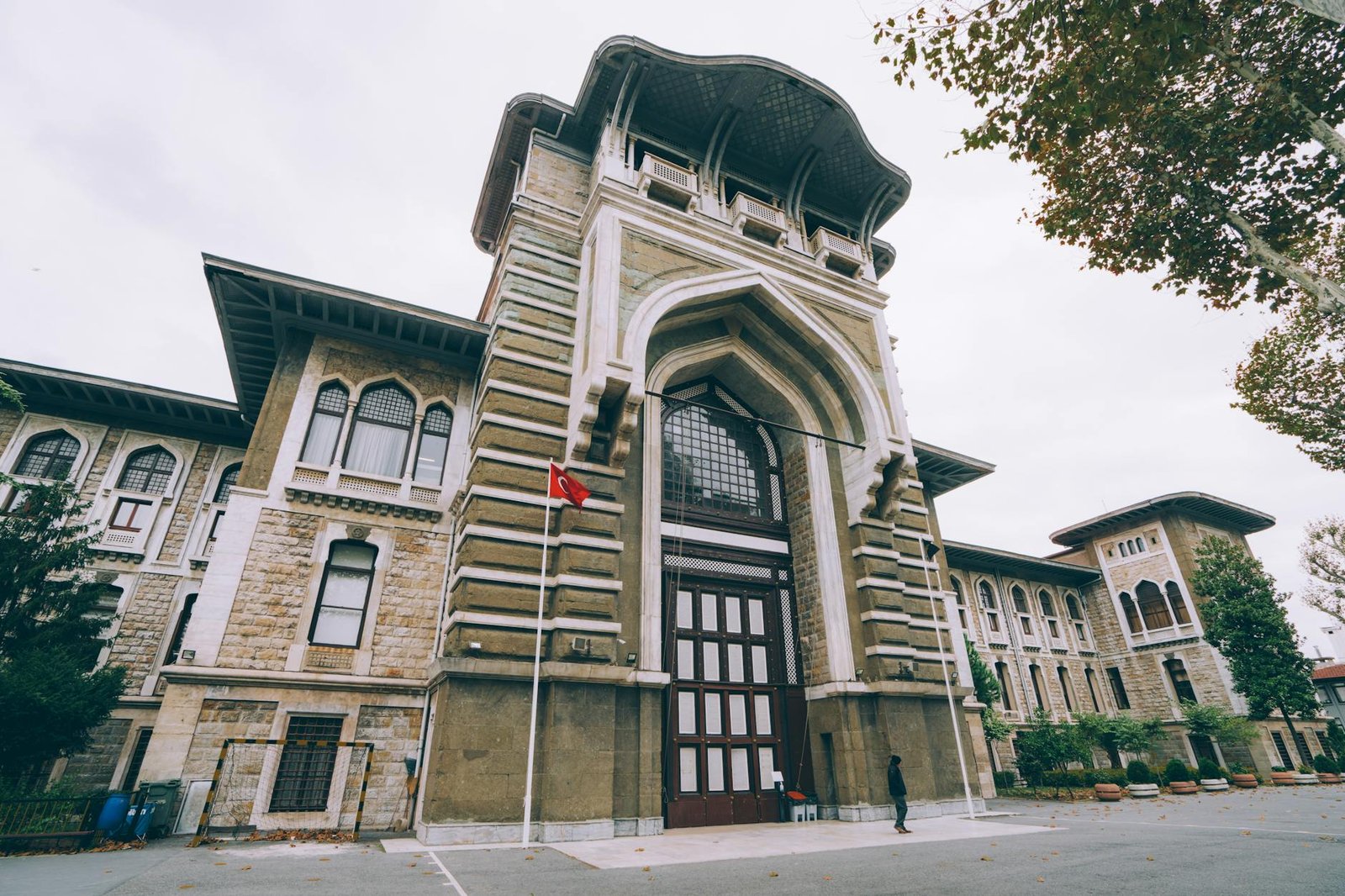
A former student opened fire at a high school in Turkey, wounding sixteen people before taking his own life. The incident occurred in Siverek, a town in the southeastern province of Şanlıurfa. Local authorities are investigating the shooter’s motives. Initial reports indicate the attacker acted alone, but a thorough investigation is underway to rule out any accomplices or external influences.

The shooting has prompted increased security measures at schools across Turkey. The Ministry of Education has announced a review of safety protocols and is considering implementing stricter access controls. Psychological support is being offered to students and staff at the affected school. Trauma counseling teams have been dispatched to Siverek to assist those impacted by the violence. The incident has raised concerns about the accessibility of weapons and the mental health of young people.

President Recep Tayyip Erdoğan expressed his condolences to the victims and their families. In a televised address, he condemned the attack and vowed to take steps to prevent future tragedies. The Turkish parliament is expected to debate new legislation aimed at curbing gun violence and improving mental health services. Opposition parties have called for a comprehensive investigation into the circumstances surrounding the shooting. They argue that the government must address the root causes of violence in schools and create a safer environment for students.

The southeastern region of Turkey has faced numerous challenges in recent years, including economic hardship and security concerns related to the ongoing conflict in neighboring Syria. These factors may have contributed to a sense of despair and hopelessness among some young people. Community leaders in Siverek are working to promote reconciliation and healing. They are organizing interfaith dialogues and cultural events to foster a sense of unity and solidarity. The local municipality has pledged to provide financial assistance to the victims and their families. They are also planning to build a memorial dedicated to those affected by the shooting.

The incident in Siverek follows a series of similar attacks in schools around the world, raising questions about school safety and security measures. Experts are calling for a multi-faceted approach to address the issue, including improved mental health services, stricter gun control laws, and enhanced security measures in schools. The Indian government has also taken note. In India, school safety guidelines are already in place, mandating measures like CCTV surveillance, background checks for staff, and mock drills. However, experts believe there is a need for continued vigilance and proactive measures to prevent similar incidents. The Central Board of Secondary Education (CBSE) in India emphasizes psycho-social wellness programs in schools and regular safety audits. But, implementation often varies across institutions. This incident could spur a fresh review of school security protocols in India.

According to Turkish officials, the investigation is focusing on the shooter’s background, including his academic record, social relationships, and any potential mental health issues. Authorities are also examining his online activity to determine if he had any affiliations with extremist groups or individuals. The weapon used in the attack was reportedly obtained illegally. The government is cracking down on illegal gun sales and possession. Turkey’s Interior Ministry has launched a nationwide campaign to raise awareness about the dangers of gun violence. They are also working with local communities to promote responsible gun ownership.

The shooting has reignited the debate about the role of media in reporting on such incidents. Some critics argue that sensationalized coverage can inspire copycat attacks. Others maintain that responsible reporting is essential to inform the public and hold authorities accountable. Media organizations in Turkey have been urged to exercise caution and avoid glorifying violence. They have also been asked to focus on the victims and their stories of resilience. Social media platforms are also playing a role in disseminating information about the shooting. However, there are concerns about the spread of misinformation and hate speech. Authorities are working to combat online extremism and promote responsible online behavior.

The long-term impact of the shooting on the community of Siverek remains to be seen. Many residents are still struggling to come to terms with the tragedy. They are seeking solace in their faith and their families. The Turkish government has promised to provide ongoing support to the community. They are committed to helping Siverek heal and rebuild.

The incident has prompted discussions about school safety protocols in various countries. Many are assessing and reinforcing current measures. India’s National Crime Records Bureau (NCRB) publishes annual statistics on crimes against children, including incidents in educational institutions. While school shootings are rare in India, other forms of violence and abuse are a concern. The debate in India is more oriented towards preventing bullying, harassment, and ensuring safe infrastructure.

The shooter had been expelled from the school a year prior to the tragic event. The reason for his expulsion is under investigation. This expulsion might hold clues to his motives and mental state leading up to the shooting. Officials are interviewing former classmates, teachers, and family members to gain a comprehensive understanding of the events that transpired and the shooter’s mindframe.