
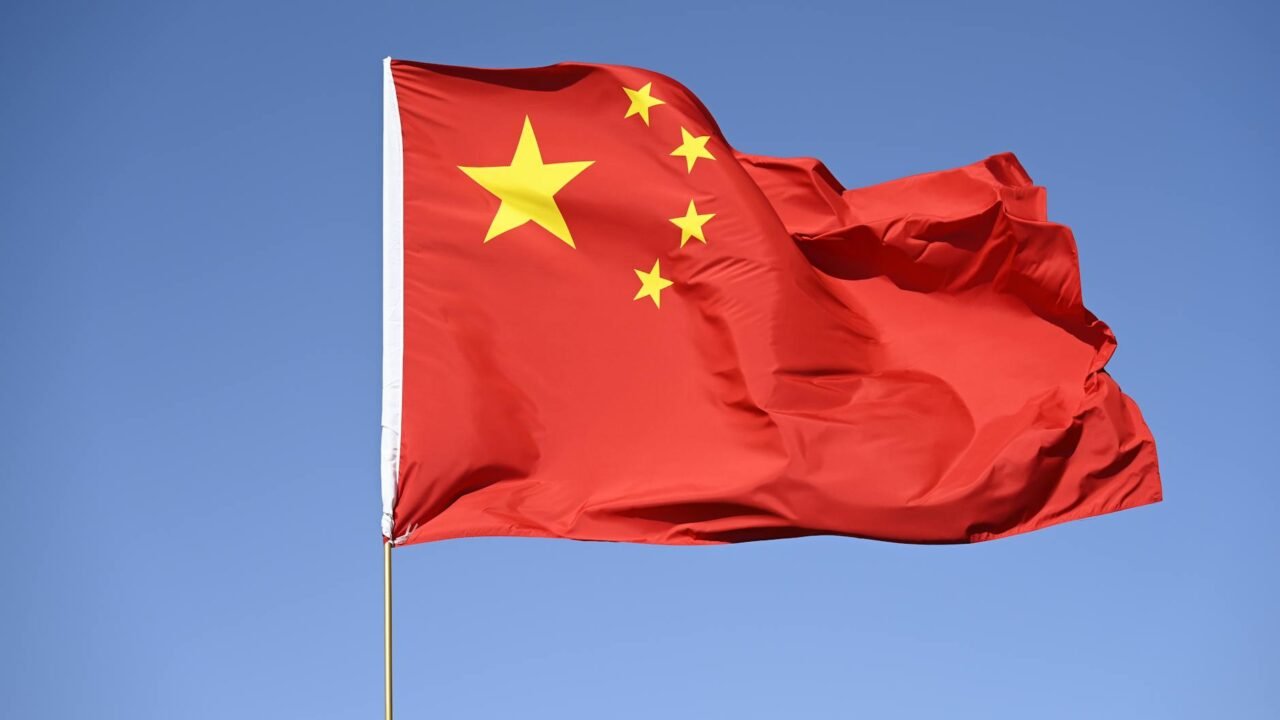
China has expressed apprehension regarding the potential disruption of global order as tensions escalate in the Middle East, particularly concerning Iran‘s role in the Strait of Hormuz. The precarious situation has prompted China to adopt a more assertive diplomatic stance, advocating for peaceful resolutions and stability in the region. Beijing’s increased involvement underscores its vested interests in maintaining open trade routes and preventing further escalation of conflict.
The ongoing crisis in the Strait of Hormuz presents a significant challenge to global energy markets and international trade. The strait, a narrow waterway between Oman and Iran, serves as a critical passage for oil tankers transporting crude oil from the Middle East to Asia, Europe, and North America. Disruptions to this vital artery could lead to substantial economic repercussions, impacting energy prices and supply chains worldwide. Information reaching TahirRihat.com suggests that China’s heightened diplomatic engagement reflects its determination to safeguard its economic interests and promote regional stability in the face of mounting uncertainty.
President Xi Jinping articulated China’s position, cautioning against a return to a world governed by the principle of “the law of the jungle.” This thinly veiled critique is widely interpreted as directed towards the United States, whose assertive foreign policy and military presence in the region have been a source of contention. China’s call for adherence to international norms and multilateral cooperation resonates with its vision of a multipolar world order, where all nations engage in peaceful dialogue and uphold the principles of sovereignty and non-interference.
China’s diplomatic efforts are characterized by its engagement with various stakeholders, including Iran and other regional powers. Beijing has consistently advocated for de-escalation and peaceful resolution of disputes, emphasizing the importance of dialogue and mutual understanding. China’s economic ties with Iran, particularly in the energy sector, further incentivize its pursuit of stability in the region. As a major importer of Iranian oil, China has a direct interest in preventing any disruption to its energy supplies.
The escalating tensions in the Strait of Hormuz have broader implications for international security and diplomacy. The potential for miscalculation or unintended escalation remains a significant concern, highlighting the urgent need for effective communication and de-escalation mechanisms. China’s proactive role in mediating the crisis reflects its growing global influence and its willingness to assume greater responsibility for maintaining peace and security.
The situation in the Strait of Hormuz is further complicated by the involvement of multiple actors with divergent interests. The United States has maintained a strong military presence in the region, citing the need to protect freedom of navigation and deter Iranian aggression. Iran, in turn, views the U.S. military presence as a threat to its security and has vowed to defend its interests in the Persian Gulf. The interplay of these competing interests creates a volatile environment, increasing the risk of confrontation.
China’s diplomatic strategy aims to bridge the divides between these actors, promoting dialogue and seeking common ground. Beijing’s emphasis on multilateralism and adherence to international law provides a framework for addressing the underlying causes of the crisis and preventing further escalation. The success of China’s diplomatic efforts will depend on its ability to foster trust and cooperation among all stakeholders, navigating the complex geopolitical landscape with prudence and foresight.
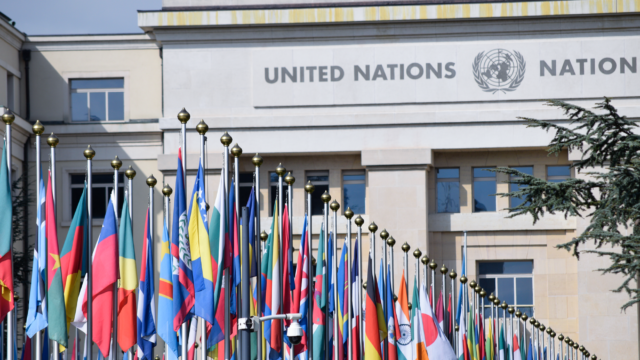
The international community is closely monitoring developments in the Strait of Hormuz, recognizing the potential for global repercussions. The United Nations has called for restraint and de-escalation, urging all parties to abide by international law and refrain from actions that could further destabilize the region. The crisis underscores the importance of collective action and diplomatic engagement in addressing complex security challenges.
As the situation unfolds, China’s role as a mediator and advocate for peaceful resolution will be closely scrutinized. Its ability to navigate the complexities of the region and promote dialogue among all stakeholders will be a test of its diplomatic prowess and its commitment to global stability. The future of the Strait of Hormuz and the broader Middle East hinges on the ability of all parties to exercise restraint and pursue a path of peaceful engagement.

Tahir Rihat (also known as Tahir Bilal) is an independent journalist, activist, and digital media professional from the Chenab Valley of Jammu and Kashmir, India. He is best known for his work as the Online Editor at The Chenab Times.




Leave a Reply