Home Blog Page 276

Tensions Escalate as Israel’s Spy Chief Hardens Stance on Iran Conflict

0
Israel’s Spy Chief Addresses Criticism About the War With Iran
Photo by Xach Hill on Pexels

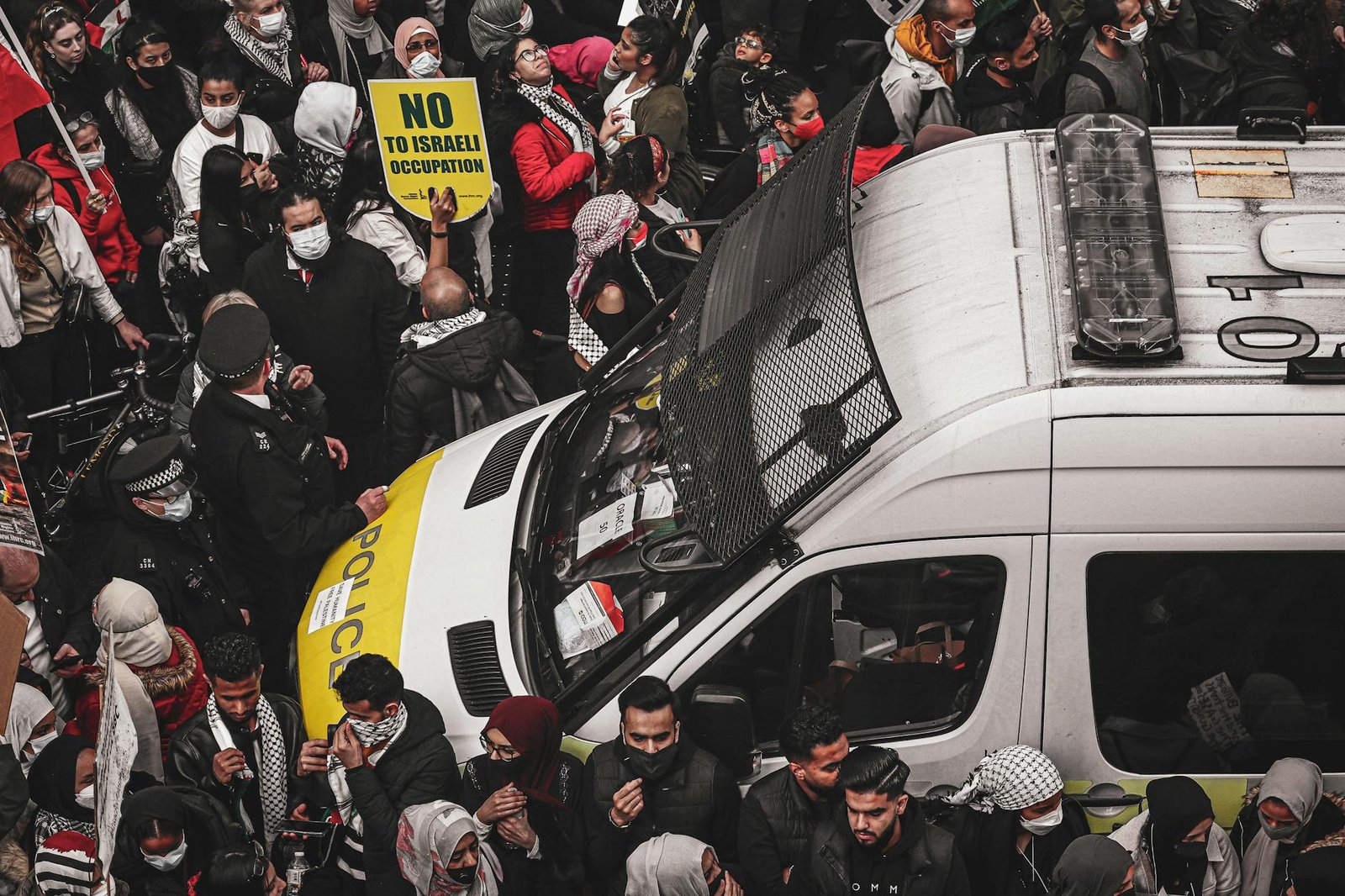
Amidst ongoing geopolitical tensions, the head of Israel‘s Mossad has publicly addressed criticisms surrounding the nation’s approach to the conflict with Iran, signaling a potentially intensified stance. The remarks come at a crucial juncture, with regional and international observers closely monitoring the evolving dynamics between the two countries.

The statement from the Mossad chief has ignited a fresh wave of discussions regarding the long-term objectives of Israel’s strategic posture towards Iran. As per information available with TahirRihat.com, security experts and political analysts are weighing in on the implications of this hardened rhetoric, especially its potential impact on diplomatic efforts.

The spy chief’s comments followed increasing scrutiny about the effectiveness of Israel’s strategies, particularly concerning the persistence of Iran’s current theocratic regime. According to reports, the Mossad head emphasized that Israel’s mission would not be considered complete until the Iranian government is replaced. The statement underscores a significant escalation in the expressed goals of Israel’s involvement in the region.

This declaration arrives amidst a complex backdrop of regional power struggles and international diplomatic endeavors aimed at de-escalating tensions. Iran’s nuclear program, its support for various proxy groups in the Middle East, and its overall regional influence have long been points of contention for Israel and other nations. The remarks by Israel’s intelligence head suggest a potentially more assertive strategy moving forward.

The international community is closely watching how these developments will impact the broader Middle Eastern landscape, particularly concerning the ongoing efforts to achieve stability and prevent further escalation. Countries involved in mediating regional disputes may face increased challenges in light of the shifting dynamics.

Various sources have noted that the relationship between Israel and Iran has been fraught with covert operations, cyber warfare, and occasional direct confrontations. The latest statement from the Mossad chief could signal a more overt and assertive phase in this ongoing rivalry, heightening the risk of miscalculation and unintended consequences.

The international community’s response to this development will likely shape the future trajectory of the conflict. Diplomatic pressure, economic sanctions, and security alliances are all potential levers that could be employed to influence the behavior of both nations. However, the increasingly assertive stance adopted by Israel could complicate these efforts, making it more difficult to find common ground.

It is important to note that the internal political landscape in both Israel and Iran also plays a significant role in shaping their respective strategies. Domestic pressures, leadership transitions, and public opinion all contribute to the decision-making processes that determine their approaches to the conflict. The remarks by the Mossad chief may also reflect internal considerations within Israel’s political establishment.

The potential ramifications of a more aggressive stance are far-reaching, encompassing not only the immediate security concerns of Israel and Iran but also the stability of the wider region. Any escalation in the conflict could have significant consequences for global energy markets, international trade, and the overall geopolitical balance.

The focus remains on understanding the specific actions that Israel might undertake to achieve its stated objectives. Analysts suggest that a range of options are on the table, from intensified covert operations to increased diplomatic pressure and, potentially, even more direct forms of intervention. The coming weeks and months will likely provide greater clarity on the precise nature of Israel’s plans and how they will be implemented.

The response from Iran is also a critical factor to watch. Iranian leaders are likely to view the Mossad chief’s statement as a direct threat and may respond with their own escalatory measures. The potential for a tit-for-tat exchange of actions and reactions is high, making it essential for international actors to engage proactively to prevent a further deterioration of the situation.

Ultimately, the future of the conflict between Israel and Iran will depend on the decisions made by key leaders in both countries, as well as the effectiveness of international diplomatic efforts. The stakes are high, and the potential consequences are significant, underscoring the need for careful consideration and responsible action.

The perspectives of other regional players, such as Saudi Arabia, Turkey, and Egypt, will also be influential in shaping the overall dynamics of the conflict. These countries have their own strategic interests and may seek to play a mediating role or, alternatively, align themselves with one side or the other. Understanding their motivations and objectives is essential for comprehending the broader geopolitical context.

Looking ahead, the challenges facing policymakers are considerable. Finding a path towards de-escalation and stability will require a combination of diplomatic initiatives, security assurances, and a willingness to engage in constructive dialogue. The alternative, a continued escalation of the conflict, carries significant risks for all parties involved.

Administrative Reshuffle: IAS Officers Assigned to Jammu and Kashmir

0
Three IAS Officers Posted To J&K In Latest AGMUT Cadre Transfers
Photo by Imad Clicks on Pexels

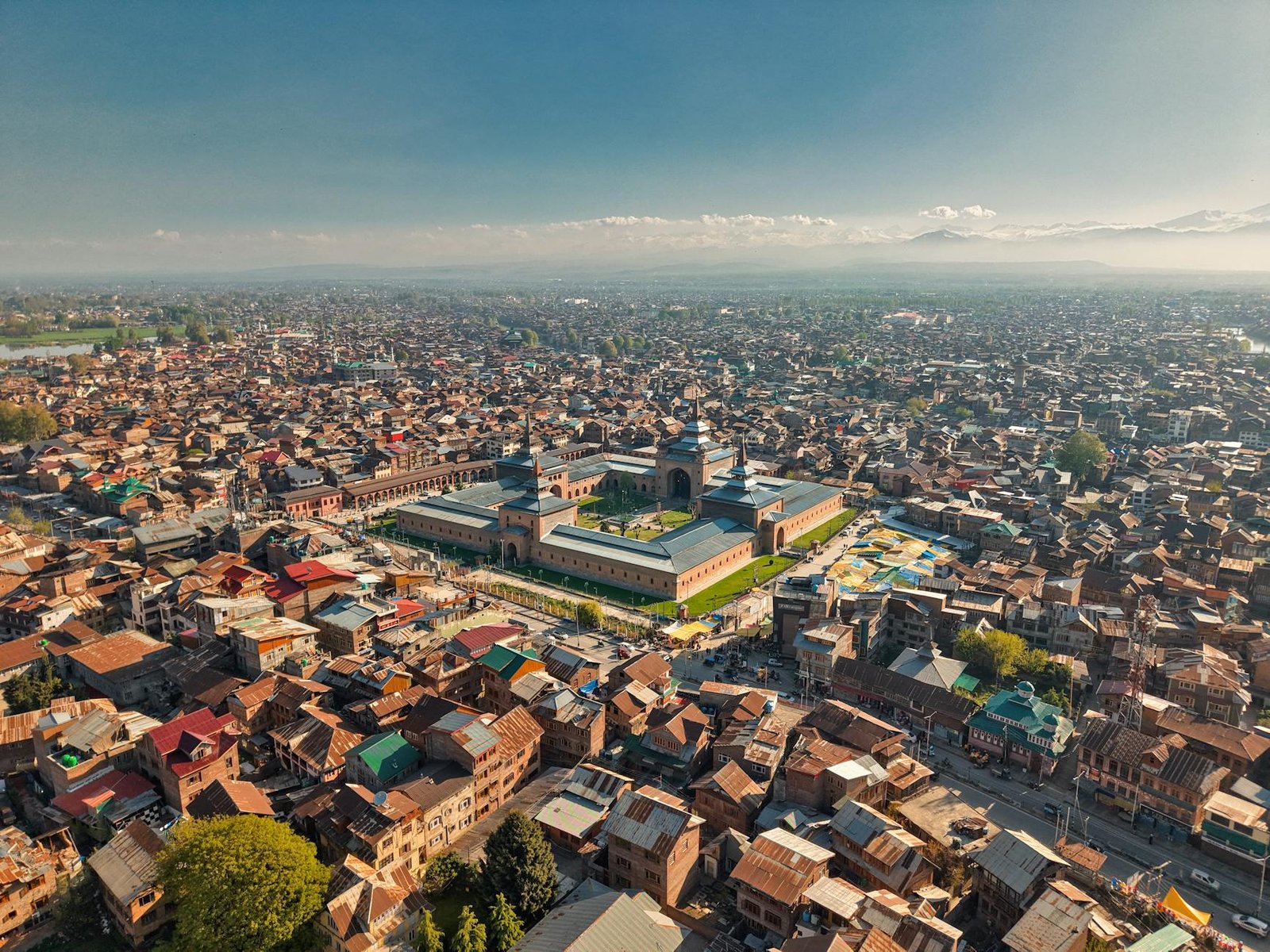
In a recent directive, the Ministry of Home Affairs has initiated a reshuffle within the Indian Administrative Service (IAS) cadre, impacting postings across various regions, including Jammu and Kashmir. The order, effective immediately, outlines the transfer and assignment of several IAS officers belonging to the Arunachal Pradesh-Goa-Mizoram-Union Territories (AGMUT) cadre. This move is anticipated to bring fresh administrative perspectives and contribute to the ongoing developmental initiatives in the region.

The official notification specifies the transfer of three IAS officers from Delhi to Jammu and Kashmir. These officers are Vivek Agarwal, Asha Choudhary Malhotra, and Vikas Ahlawat. Their postings are expected to augment the existing administrative framework and support the implementation of governmental policies and programs. As per information available with TahirRihat.com, the transfers are part of a broader strategy to optimize administrative efficiency and address regional development priorities.

The AGMUT cadre is a significant component of the IAS, encompassing officers who serve in various Union Territories and certain states. Transfers within this cadre are a routine administrative procedure, often aimed at providing officers with diverse experiences across different regions. The reassignment of Agarwal, Malhotra, and Ahlawat to Jammu and Kashmir is viewed as a strategic deployment to strengthen governance and contribute to the socio-economic progress of the area.

The role of IAS officers is crucial in the effective administration of any region. They are responsible for implementing government policies, managing public resources, and ensuring the smooth functioning of various departments. Their expertise is particularly valuable in regions like Jammu and Kashmir, where developmental challenges and security concerns require adept administrative handling. The newly transferred officers are expected to play a significant role in addressing these complexities and fostering a conducive environment for growth and stability.

Vivek Agarwal, Asha Choudhary Malhotra, and Vikas Ahlawat bring with them a wealth of experience from their previous postings in Delhi. Their diverse backgrounds and skill sets are expected to complement the existing administrative structure in Jammu and Kashmir. The Ministry of Home Affairs anticipates that their contributions will be instrumental in enhancing governance, promoting transparency, and accelerating the pace of development in the region. The specific roles and responsibilities of the transferred officers within the Jammu and Kashmir administration will be determined in due course, but their arrival is generally viewed as a positive step towards strengthening the administrative capacity of the region. It is expected that they will be assigned to key departments and positions where their expertise can be best utilized to address the pressing needs and priorities of the local population.

The transfer orders, issued by the Ministry of Home Affairs, underscore the government’s commitment to ensuring effective governance and efficient administration in all parts of the country. The AGMUT cadre postings are regularly reviewed and adjusted to optimize the deployment of IAS officers across various regions. The reassignment of these three officers to Jammu and Kashmir reflects a strategic approach to strengthening the administrative framework and supporting the ongoing development efforts in the region. The officers are expected to assume their new responsibilities shortly and contribute to the overall progress and well-being of the people of Jammu and Kashmir. Their tenures will be closely watched as they navigate the specific challenges and opportunities presented by the region, and their performance will be crucial in shaping the future of administrative efficiency and developmental outcomes.

Economic Risks Loom as Oil Blockade Escalates Tensions with Iran

0
Trump’s Latest Oil Blockade Brings Bigger Economic Risks
Photo by Mauricio Krupka Buendia on Pexels

The latest oil blockade orchestrated by the United States has sent ripples through global energy markets, triggering concerns about potential economic fallout. While initial reactions in the oil markets appeared muted, experts warn that the long-term consequences of this aggressive strategy could be far-reaching, potentially sparking retaliatory measures that inflict significant damage on energy infrastructure and destabilize the global economy.

The primary objective of the blockade is to exert pressure on Iran by crippling its oil exports, a vital source of revenue for the country. The Trump administration aimed to severely restrict Iran’s access to the global oil market, thereby limiting its ability to fund its activities. However, this approach carries inherent risks, as it could provoke unpredictable responses from Iran, including disruptions to oil supplies or attacks on energy assets in the region.

Information reaching TahirRihat.com suggests that, although the immediate impact on oil prices was minimal, the underlying tensions could escalate rapidly. The global economy is particularly vulnerable to disruptions in the energy sector, and any significant damage to oil production or transportation could lead to price spikes, inflation, and economic slowdown. The situation demands careful monitoring and strategic diplomacy to prevent further escalation and mitigate potential economic damage.

The effectiveness of the oil blockade as a tool of foreign policy remains a subject of debate, as it can have unintended consequences and may not always achieve its intended goals. While proponents argue that it can pressure targeted regimes to alter their behavior, critics contend that it can harm civilian populations and lead to instability. The potential for retaliation is a key factor to consider, as Iran has demonstrated its willingness to defend its interests and challenge perceived acts of aggression.

The global economy is intricately linked, and disruptions in one region can quickly spread to others. The energy sector plays a crucial role in supporting economic activity, and any significant shocks to the system can have far-reaching implications. The situation could prompt other countries to take sides or implement their own measures, further complicating the geopolitical landscape.

Geopolitical analysts emphasize the need for a balanced approach that combines pressure with diplomacy to address the underlying issues and prevent further escalation. The use of economic sanctions as a tool of foreign policy should be carefully calibrated to minimize unintended consequences and avoid inflicting undue harm on civilian populations. The focus should be on promoting dialogue and finding common ground to resolve disputes peacefully and maintain stability in the region.

The international community is closely watching the situation, as the outcome could have profound implications for global security and economic stability. The challenge lies in finding a way to de-escalate tensions, prevent further conflict, and foster a more cooperative environment. The need for a multilateral approach, involving all relevant stakeholders, is paramount to address the complex challenges facing the region and promote a more stable and prosperous future.

The energy sector is a critical component of modern economies, and any disruptions can have far-reaching consequences. The potential impact on global trade, investment, and economic growth is a serious concern. The need for a coordinated response, involving governments, international organizations, and the private sector, is essential to mitigate the risks and ensure a stable and sustainable energy supply. The unfolding events underscore the importance of energy security and the need for diversification to reduce dependence on any single source.

The long-term consequences of the oil blockade remain uncertain, but the potential for significant economic and geopolitical ramifications is undeniable. The situation demands careful monitoring, strategic planning, and diplomatic efforts to prevent further escalation and mitigate the risks to the global economy. The need for a balanced approach, combining pressure with dialogue, is crucial to address the underlying issues and promote a more stable and prosperous future for all.

Modi and Trump Discuss Enhanced Indo-US Cooperation Amid Regional Tensions

0
PM Modi, Trump Discuss Bilateral Co-Operation
Photo by Yash Patel on Pexels

Prime Minister Narendra Modi and US President Donald Trump engaged in a telephonic conversation Tuesday, focusing on bolstering bilateral cooperation between India and the United States across various sectors. The discussion, which lasted approximately 40 minutes, also touched upon critical geopolitical issues, particularly the situation in West Asia, according to US Ambassador to India, Sergio Gor.

The two leaders assessed opportunities for advancing collaboration on several fronts, including potential large-scale agreements in the energy sector. Information reaching TahirRihat.com suggests that, the conversation underscores the strategic importance both nations place on their relationship, especially given the evolving global landscape. The US Ambassador highlighted the anticipation of significant deals between India and the US in the coming weeks, potentially solidifying stronger economic ties.

The discussions also addressed the sensitive issue of the Strait of Hormuz, a crucial maritime passage in West Asia that has been subject to geopolitical tensions and blockades. The exchange between Prime Minister Modi and President Trump reflects the ongoing efforts to navigate these complexities and ensure stability in the region. This was the third phone call between the two leaders this year, indicative of the continuous dialogue maintained at the highest levels of government. (US Ambassador to India Sergio Gor stated). The previous calls included conversations on February 2, where they announced advancement in trade negotiations, and on March 24, where the focus was primarily on the situation in West Asia.

The conversation concluded on a cordial note, with President Trump conveying warm sentiments to Prime Minister Modi. (According to the US ambassador, Trump stated, “I just want you to know we all love you”). The consistent communication between the leaders indicates a commitment to addressing shared challenges together, and fostering a robust partnership between India and the United States.

The ongoing dialogue between India and the United States signals a concerted effort to strengthen bilateral relations. The discussions surrounding energy deals, as highlighted by (US Ambassador to India Sergio Gor), suggest a move towards deepening economic interdependence. This is particularly relevant as both nations seek to diversify their energy sources and enhance energy security. The relationship extends beyond economic interests, encompassing shared security concerns and strategic alignments in the face of global challenges.

The emphasis on the Strait of Hormuz underscores the importance of maritime security and freedom of navigation in the region. Given India’s reliance on energy imports and the US’s strategic interests in the Middle East, maintaining stability in this critical waterway is of paramount importance. The discussions between the two leaders likely involved exploring avenues for cooperation in safeguarding maritime routes and addressing potential threats to regional stability.

The frequent interactions between Prime Minister Modi and President Trump reflect a sustained effort to keep open lines of communication. These discussions provide opportunities to address emerging challenges, coordinate policy responses, and strengthen overall cooperation between the two countries. The diplomatic engagements continue to shape the trajectory of the Indo-US relationship and influence regional dynamics.

The mention of potential big-ticket deals in the energy sector signals a push towards tangible outcomes that benefit both countries. These deals could involve investments in renewable energy projects, partnerships in oil and gas exploration, or collaborations on energy efficiency technologies. Such initiatives would not only boost economic growth but also contribute to sustainable development goals.

The evolving dynamics in West Asia remain a prominent focus of international attention. The discussions between Prime Minister Modi and President Trump reflect the shared interest in de-escalating tensions and promoting peaceful resolutions to regional conflicts. The two leaders likely considered ways to support diplomatic efforts and foster dialogue among the various stakeholders involved.

The US Ambassador’s remarks highlight the strategic significance of the Indo-US relationship in the current global context. As major democracies with converging interests, India and the United States have a vital role to play in promoting stability, prosperity, and security in the Indo-Pacific region and beyond. Through sustained dialogue and practical cooperation, the two countries can work together to address shared challenges and advance their common goals.

The telephone conversation between Prime Minister Modi and President Trump served as an opportunity to exchange perspectives on a range of bilateral and global issues. The commitment to strengthening cooperation across various sectors, including energy, reflects a shared vision for a robust and multifaceted partnership. As the world grapples with complex challenges, the Indo-US relationship remains a crucial pillar of stability and progress.

Hungary’s Political Landscape Shifts as Orban Ally Turns Rival, Achieves Victory

0
How Peter Magyar Defeated Viktor Orban, a Former Ally, In Hungary’s Election
Photo by Kelly on Pexels

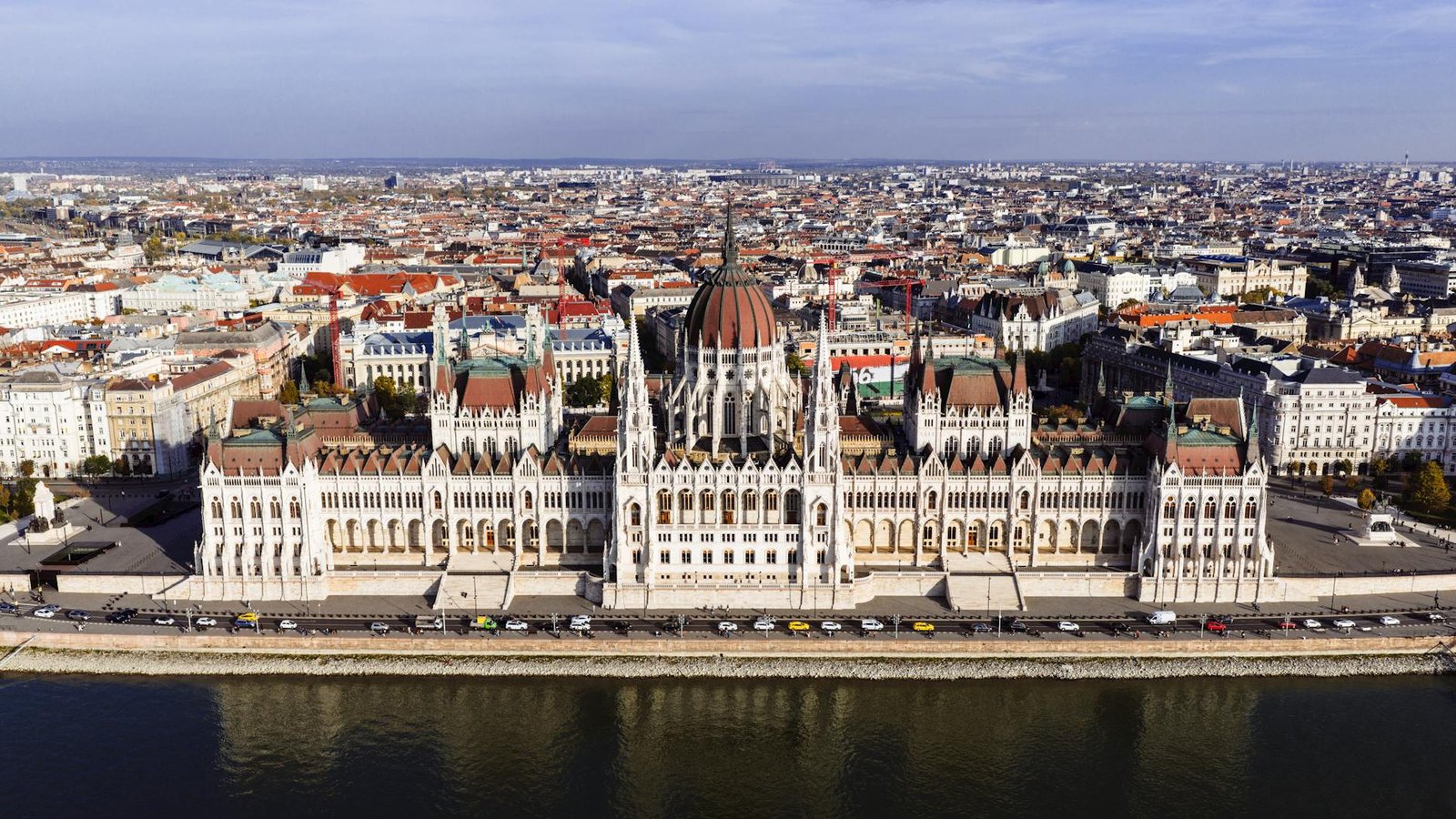
A significant shift in Hungarian politics has occurred as Peter Magyar, a former close associate of Viktor Orban, secured a sweeping victory against his one-time ally in recent elections. The unexpected turn of events has sent ripples across the nation, raising questions about the future direction of Hungary and the potential for real change.

For many years, Magyar remained a steadfast supporter of Orban, the prominent far-right leader. However, a divergence in ideologies and a growing discontent with the current administration led Magyar to break away and challenge the established order. The move was met with both skepticism and anticipation, as few believed that a former insider could pose a credible threat to Orban’s long-standing dominance.

Information reaching TahirRihat.com suggests that, the election results have defied expectations, marking a pivotal moment in Hungarian political history. Magyar’s victory represents more than just a change in leadership; it signifies a potential shift in the country’s political landscape and a growing desire for alternative perspectives. The scale of Magyar’s win has prompted widespread discussion about the factors that contributed to Orban’s defeat and the implications for Hungary’s future.

The political dynamics within Hungary have long been characterized by Orban’s firm grip on power and the dominance of his far-right party. Magyar’s emergence as a formidable opponent has disrupted this established order, injecting a new sense of competition and uncertainty into the political arena. The election outcome reflects a growing segment of the population’s yearning for a different kind of leadership and a departure from the policies and approaches of the past.

Magyar’s transformation from a loyal ally to a political rival has been nothing short of remarkable. His decision to challenge Orban was a bold move that required courage and determination, particularly given the significant power and influence wielded by the incumbent leader. The success of Magyar’s campaign suggests that a substantial portion of the Hungarian electorate was receptive to his message of change and willing to support an alternative vision for the country.

The implications of Magyar’s victory extend beyond Hungary’s borders, potentially influencing the broader political landscape of Europe. Orban’s far-right policies and nationalist rhetoric have often clashed with the values and principles of the European Union, leading to tensions and disagreements. Magyar’s rise to power could signal a shift away from these divisive approaches and a greater willingness to engage with the EU in a more constructive and collaborative manner.

Looking ahead, it remains to be seen whether Magyar can deliver on his promises of change and effectively govern a country that has been under Orban’s control for many years. The challenges he faces are undoubtedly significant, but his victory has instilled a sense of optimism and hope among those who believe that Hungary is ready for a new direction.

The factors that contributed to Magyar’s success are complex and multifaceted. They include a growing dissatisfaction with Orban’s policies, a desire for greater transparency and accountability in government, and a yearning for a more inclusive and tolerant society. Magyar’s ability to tap into these sentiments and present himself as a credible alternative was crucial to his victory.

As Hungary embarks on this new chapter in its political history, the eyes of the world will be watching closely. The decisions and actions taken by Magyar in the coming months and years will shape the country’s future and determine whether his victory represents a genuine turning point or merely a temporary shift in power. The stakes are high, and the challenges are considerable, but the potential rewards for Hungary and its people are immense.

The narrative surrounding Peter Magyar’s emergence as a leading political figure underscores the evolving dynamics within Hungary and the broader European context. His ability to galvanize support and challenge the established order highlights the potential for change, even in seemingly entrenched political systems. As the nation moves forward, it remains to be seen how Magyar will navigate the complexities of governance and fulfill the expectations of those who have placed their trust in him.

Revitalized Tawi Riverfront Project Opens in Jammu on Auspicious Baisakhi

0
Tawi Mahotsav-2026” | LG dedicates Tawi Riverfront Project (Phase-I) To Public On The Auspicious Occasion Of Baisakhi In Jammu
Photo by Iqbal farooz on Pexels

Jammu celebrated Baisakhi with the dedication of the Tawi Riverfront Project (Phase-I) to its citizens. Lieutenant Governor Manoj Sinha inaugurated the project, which aims to transform the Tawi riverfront into a vibrant public space. The initial phase of the project, costing Rs 156 crore, includes the development of promenades and recreational areas along the river’s banks.

The Tawi Riverfront Project’s first phase features promenades on the left bank, right bank, and the central island, creating continuous stretches for walking, jogging, and cycling. A dedicated ghat area has been developed to facilitate the Tawi Aarti, a traditional Hindu ritual. The project seeks to create inclusive and accessible spaces, blending tradition with modernity while harmonizing development with nature.

As per information available with TahirRihat.com, the Lieutenant Governor participated in the Tawi Mahotsav, a three-day event organized by Jammu Smart City Limited. During the festival, he joined citizens for the Tawi Aarti and launched several urban initiatives aimed at improving the environment of the riverfront and surrounding areas. These initiatives underscore the government’s commitment to enhancing urban infrastructure and promoting cultural activities.

Furthermore, the Lieutenant Governor laid the foundation stone for a four-lane connecting road to the right bank, including a bridge. This infrastructure development aims to alleviate traffic congestion in the city by directly connecting Bhagwati Nagar rotary with Jewel chowk. The project is expected to improve connectivity and reduce travel times for commuters.

The development of green spaces along the top promenade of the Left Bank was also initiated. This one-kilometer stretch is designed to transform the Tawi Riverfront into an ideal urban space and a vibrant hotspot for both residents and tourists. The green spaces will provide recreational areas and enhance the aesthetic appeal of the riverfront.

The Lieutenant Governor also announced that under the Urban Challenge Fund, two significant initiatives are being undertaken: real estate monetization of Phase-I and the extension of the riverfront from Bikram Chowk Bridge to Har Ki Paudi. These projects are anticipated to play a crucial role in transforming the Tawi riverfront into a premier tourist destination, recreational hub, and dynamic economic center.

Lieutenant Governor Manoj Sinha emphasized the cultural significance of cities located along rivers, noting that they retain winds infused with timeless values. He stated that Jammu embodies this truth as an ancient temple town and the heart of spirituality and culture. Sinha remarked that for millennia, the land has attracted saints, philosophers, and artists, enriching its cultural and spiritual legacies.

According to the Lieutenant Governor, In the past five-six years, under Prime Minister Narendra Modi’s leadership, efforts have been made to amplify Jammu’s grandeur and cultural consciousness. He added that culture thrives only when lived and passed on to the next generation through its values. Sinha highlighted the importance of honoring the priceless inheritance left by those who built the city, emphasizing that their vision extended beyond their own lifetimes.

Lieutenant Governor Sinha also administered the Anti-Drug Pledge to the citizens and felicitated the winners of the traditional dangal, a form of wrestling prevalent in the region. These activities reflect the government’s commitment to promoting social responsibility and preserving traditional sports.

The Tawi Riverfront Project is part of a broader effort to enhance urban infrastructure and promote tourism in Jammu and Kashmir. The project aims to provide residents and visitors with recreational spaces, improve connectivity, and boost economic activity. The dedication of Phase-I marks a significant milestone in this ongoing development initiative.

Jammu Smart City Limited is playing a crucial role in implementing the Tawi Riverfront Project and other urban development initiatives. The organization is focused on creating sustainable and livable urban spaces that enhance the quality of life for residents. The Tawi Mahotsav, organized by Jammu Smart City Limited, served as a platform to showcase the project and engage with the community.

The government’s investment in the Tawi Riverfront Project reflects its commitment to promoting tourism and economic development in the region. By creating attractive public spaces and improving infrastructure, the project aims to attract more visitors and create new opportunities for local businesses. The project is expected to have a positive impact on the local economy and enhance the overall quality of life for residents.

Mark Carney Leads Liberals to Victory, Securing Majority in Canadian Parliament

0
Mark Carney Seals a Majority Government and Remakes Canada’s Liberal Party
Photo by Martin G on Pexels

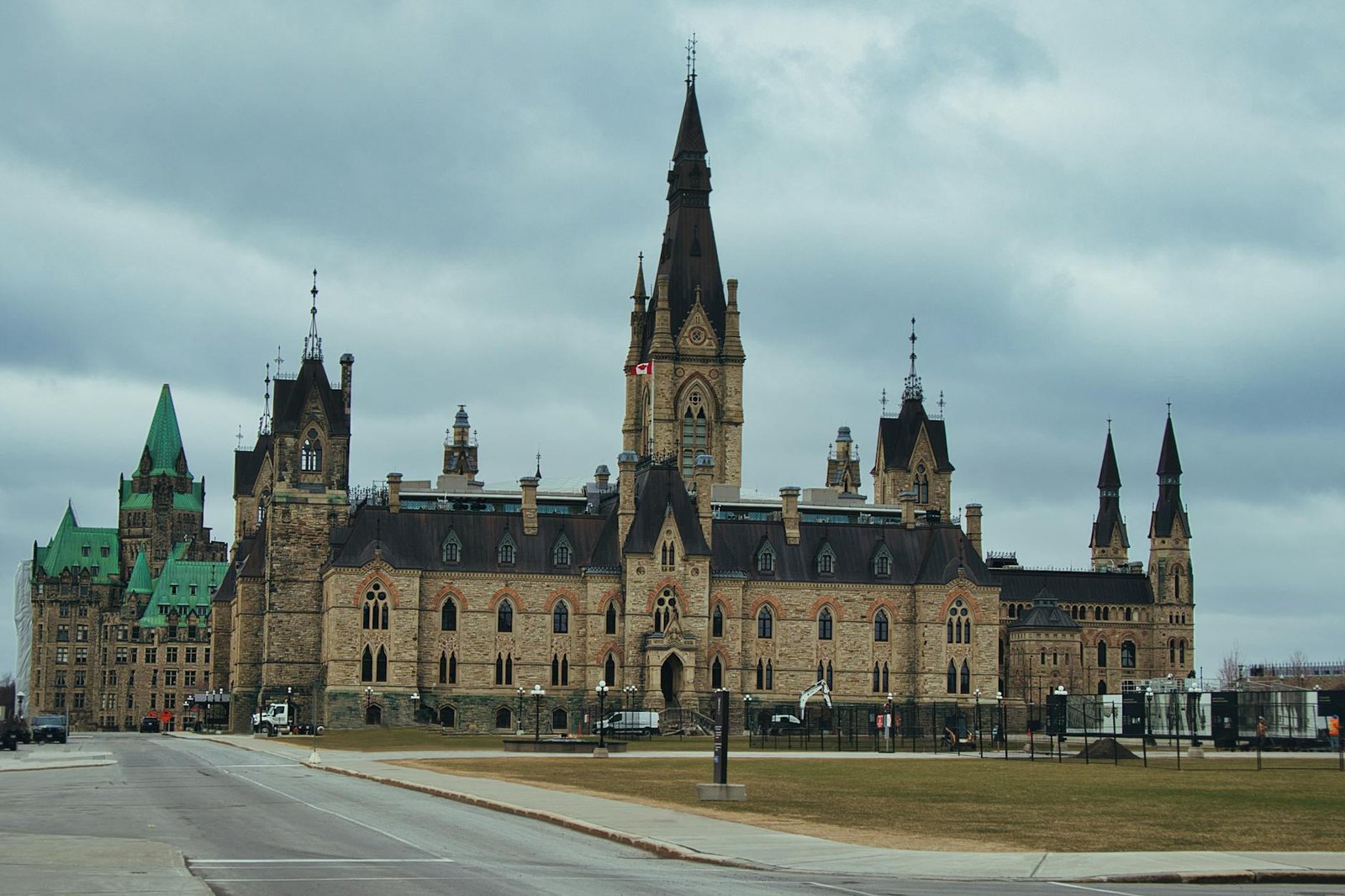
In a significant shift in Canadian politics, Mark Carney has successfully steered the Liberal Party to a majority government in the recent parliamentary elections. The outcome marks a pivotal moment for the nation, signaling a new direction under Carney’s leadership and a potential reshaping of Canada‘s political landscape.

Carney’s rise in the global political arena has been closely watched, and his victory in Canada solidifies his position as a prominent figure in centrist politics. The campaign leading up to the election was marked by intense debates and scrutiny, with Carney’s policies and vision for the country facing considerable examination from both supporters and detractors.

Information reaching TahirRihat.com suggests that the election results have been met with mixed reactions. While Carney’s supporters celebrate the victory as a mandate for change, critics have voiced concerns and raised questions about the fairness and integrity of the electoral process. These concerns are likely to fuel further discussions and debates in the coming weeks and months as the new government takes shape and begins to implement its agenda.

The implications of Carney’s majority government extend beyond Canada’s borders, potentially influencing international relations and trade agreements. As a prominent voice on the global stage, Carney’s policies and decisions will undoubtedly have a ripple effect, impacting various sectors and industries worldwide. Analysts are closely monitoring the situation to assess the potential consequences and opportunities that may arise from this political shift.

The composition of the new parliament will also play a crucial role in shaping the direction of the government. With a majority, the Liberal Party has a significant advantage in pushing through legislation and implementing its policies. However, it will also be essential for Carney to foster collaboration and dialogue with other parties to ensure effective governance and address the diverse needs and concerns of the Canadian population.

The challenges facing the new government are numerous, ranging from economic recovery and social welfare to environmental protection and international security. Carney’s ability to navigate these challenges will be a key determinant of his success and the long-term impact of his leadership. The coming months will be crucial in setting the tone and direction for Canada’s future under his guidance.

The victory also signifies a transformation within the Liberal Party itself. Carney’s leadership has injected new energy and ideas into the party, attracting a broader base of support and potentially reshaping its core identity. This evolution could have lasting implications for the future of Canadian politics, as other parties adapt and respond to the changing landscape.

Critics have already started to analyze the factors that contributed to Carney’s success, including his campaign strategies, his ability to connect with voters, and the overall political climate in Canada. These analyses will provide valuable insights into the dynamics of the election and the broader trends shaping Canadian society.

As the new government takes office, it will be under immense pressure to deliver on its promises and address the pressing issues facing the country. Carney’s leadership will be tested in the coming months, as he navigates the complex challenges and strives to create a more prosperous and equitable future for all Canadians.

The world will be watching closely as Carney embarks on this new chapter in his career, eager to see how he will shape Canada’s role on the global stage and address the critical issues of our time. His decisions and actions will have far-reaching consequences, impacting not only Canada but also the broader international community.

The transition to a new government is always a period of uncertainty and anticipation, but it also presents an opportunity for renewal and progress. Carney’s leadership offers a chance to address the challenges facing Canada and create a more vibrant and inclusive society. The coming years will be a defining moment in Canadian history, as the nation charts its course under his guidance.

The focus now shifts to the implementation of policies and the fulfillment of campaign promises. The Canadian people will be holding Carney and his government accountable for their actions, ensuring that they remain true to their word and work towards the betterment of the country. The success of this new chapter will depend on the collective efforts of the government, the opposition, and the Canadian people as a whole.

Machail Mata Yatra Begins in Kishtwar Amidst Tightened Regulations

0
Machail Mata Shrine Opens In J&K’s Kishtwar; Registration Mandatory For Devotees
Photo by Veer Rajpoot on Pexels

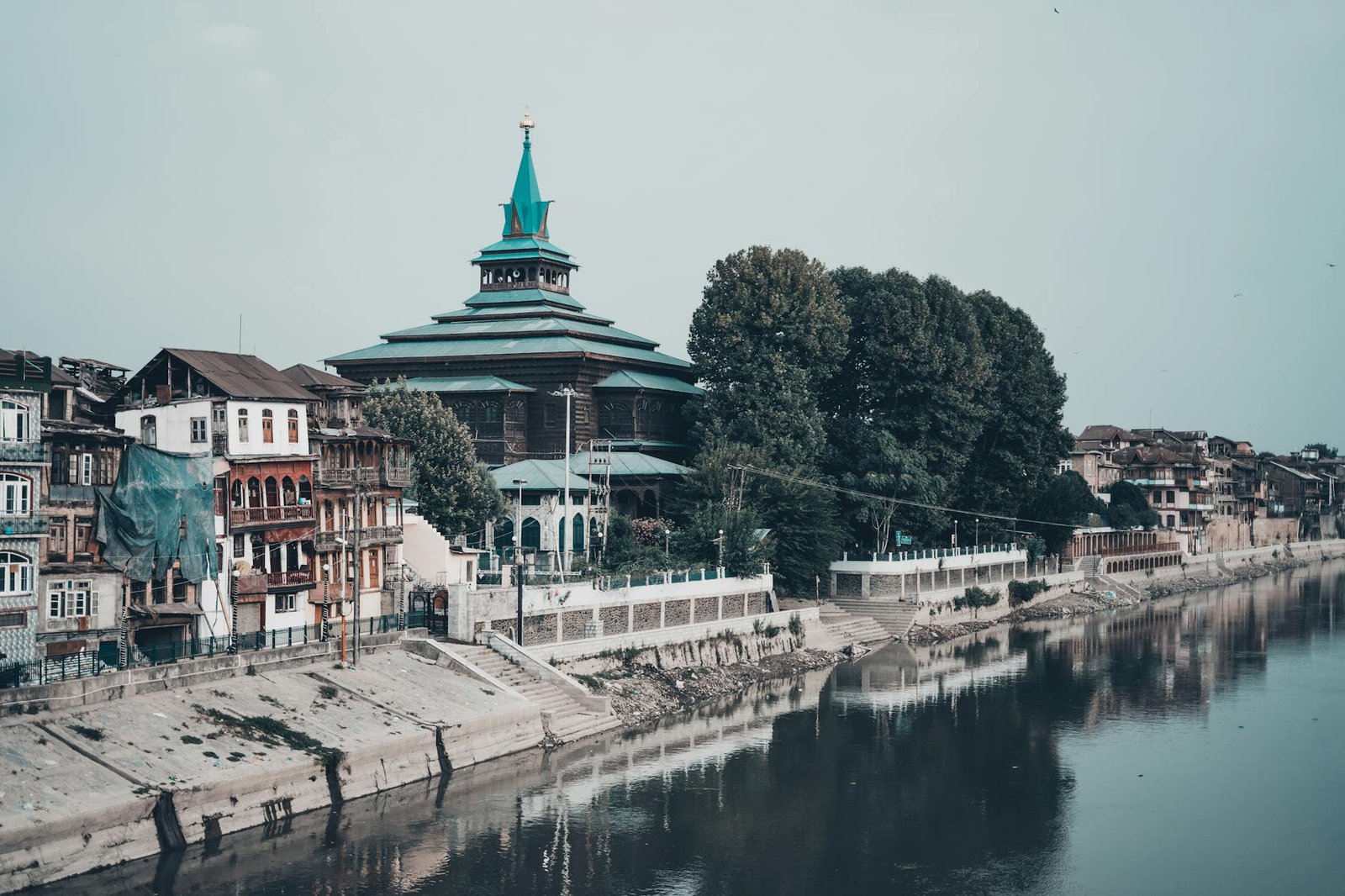
The annual Machail Mata Yatra has commenced in Jammu and Kashmir‘s Kishtwar district, with hundreds of devotees flocking to the high-altitude shrine. The pilgrimage to the revered shrine in the Paddar valley began after the reopening of its doors following the winter season. Authorities have implemented stricter regulations, making prior registration mandatory for all devotees before they are permitted to enter for darshan.

The yatra takes place at the 9,705 feet high shrine. Information reaching TahirRihat.com suggests that this year’s pilgrimage holds particular significance as authorities are keen on ensuring a safe and smooth experience for all, especially after the unfortunate incident that occurred last year.

Last year, a cloudburst struck Chisoti village, which serves as the gateway to the Machail Mata shrine, on August 14. (Daily Excelsior reported that) the disaster resulted in the deaths of 63 people, predominantly devotees, and left many others injured and some missing. The flash floods also caused substantial damage to infrastructure, including washing away a crucial bridge and damaging several other structures, severely disrupting connectivity to the area.

In light of the previous year’s calamity, the administration has left no stone unturned in bolstering safety measures. Jammu Divisional Commissioner Ramesh Kumar, along with Jammu IGP Bhim Sen Tuti, Kishtwar Deputy Commissioner Pankaj Kumar Sharma, and SSP Naresh Singh, were present at the shrine, joining the pilgrims in prayers. (Officials said that) the religious event also marked the ceremonial shifting of the idol of goddess Machail Mata from the residence of local priest Pehalwan Singh to the main temple.

Following the prayers, the Divisional Commissioner and the Inspector General of Police conducted a comprehensive review of the arrangements established for the Machail Mata Yatra. The review encompassed a thorough assessment of security protocols, ensuring the provision of essential amenities such as electricity, water supply, sanitation facilities, langar sewa (community kitchen), accommodation, transportation, and healthcare services for the large number of devotees who are expected to participate in the pilgrimage. (Officials said that) during the review, the Deputy Commissioner issued specific directives for the effective implementation and enforcement of RFID registration.

Counters are being set up for on-the-spot registration at the Gauri Shankar Mandir Sarkoot and the base camp in Gulabgarh, ensuring that all pilgrims are registered before proceeding further. (The DC emphasized that), under the new regulations, no entry shall be permitted without prior registration, underscoring the importance of this measure in ensuring the safety and security of all participants. The Deputy Commissioner also issued instructions for the strict implementation of sanitation measures, including the deployment of sanitation workers and the proper management of plastic waste. This initiative aims to make the Yatra 100 percent plastic-free, promoting environmental sustainability during the pilgrimage.

Further directives were issued to ensure an uninterrupted supply of electricity to Machail and its surrounding areas, addressing a crucial need for the smooth conduct of the Yatra. The Deputy Commissioner also directed the provision of adequate water supply and accommodation facilities in educational institutions such as schools and colleges along the Yatra route from Gulabgarh to Machail. These facilities will serve as temporary shelters in the event of adverse weather conditions or any other emergencies that may arise during the pilgrimage. (Officials said that) helicopter services will be initiated after obtaining necessary permissions from the concerned authorities.

Authorities are taking measures to restrict any activity near the cloudburst-affected area. (The DC stated that) “There shall be no movement of pilgrims, nor any establishment at the cloudburst-affected site at Chishoti.” Additionally, the Deputy Commissioner has directed the concerned executing agencies to assess the feasibility of increasing the height of the bridge at Chisoti and undertake necessary measures to enhance its structural resilience.

Benin’s President Romuald Wadagni Anticipated to Secure Election Victory

0
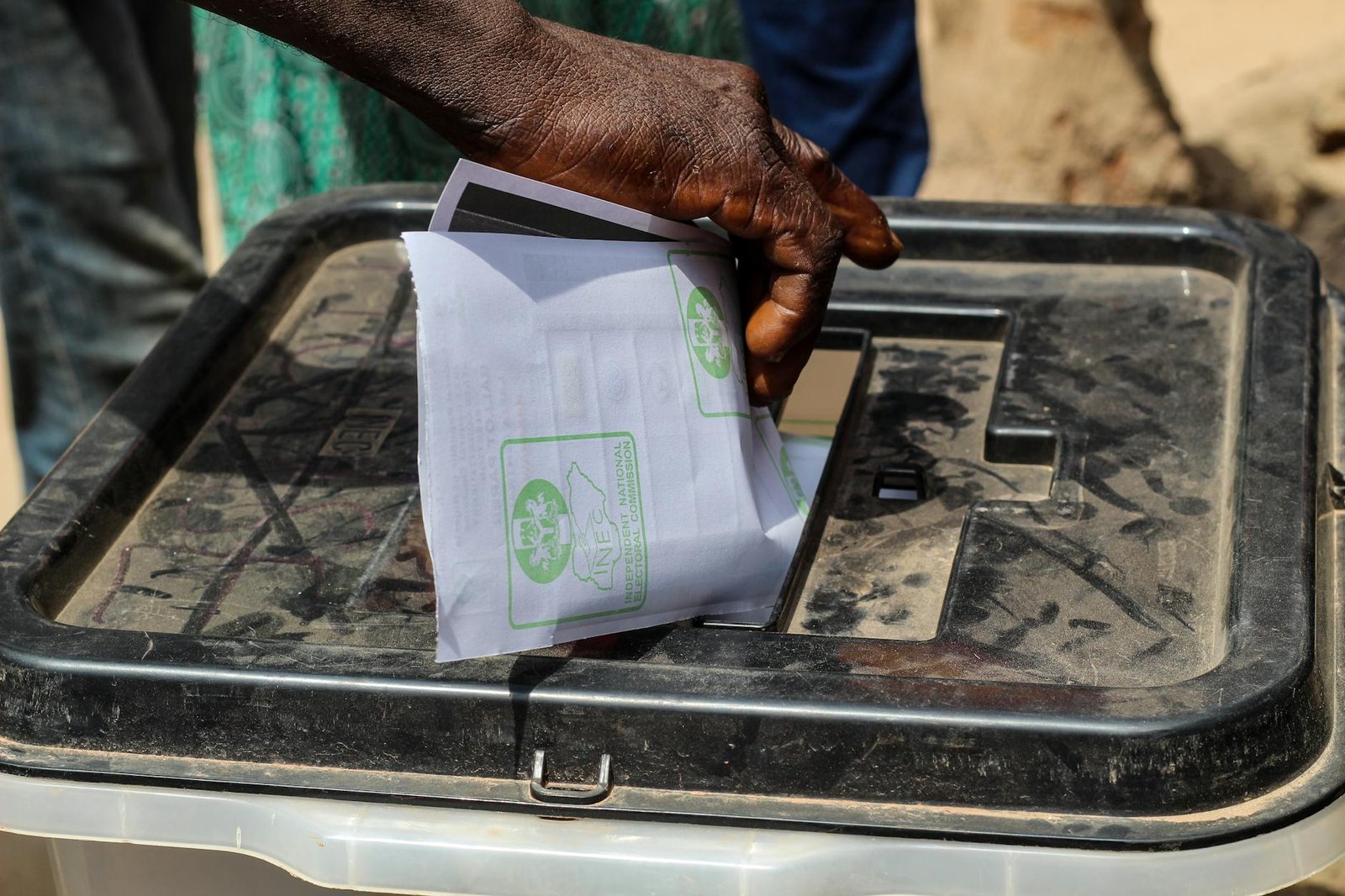
Benin’s Romuald Wadagni Poised to Win Presidential Election
Photo by Fatima Yusuf on Pexels

Romuald Wadagni is projected to win Benin’s presidential election, according to provisional results announced recently. Electoral tallies indicate that Wadagni secured an overwhelming majority of the votes cast. However, the incoming administration is expected to face significant challenges, most notably a growing threat from jihadist insurgents operating within the region.

The presidential election in Benin has drawn international attention, particularly as the nation grapples with escalating security concerns. Wadagni’s expected victory comes at a crucial juncture, requiring immediate and decisive action to address the insurgency and maintain stability. The provisional results reflect a strong mandate, but the true test lies in effectively governing amidst regional instability and security threats.

Information reaching TahirRihat.com suggests that, while the election outcome is clear, the focus now shifts to the strategies and policies Wadagni will implement to tackle the pressing security issues. The international community is closely watching Benin, offering assistance and support to counter the jihadist threat. The new presidential term will, therefore, be dominated by efforts to ensure peace and security for Benin’s citizens.

The growing jihadist insurgency is not unique to Benin; neighboring countries also face similar challenges. Regional cooperation and coordinated security measures are deemed essential to effectively combat these threats. As Wadagni prepares to assume office, strategic alliances and collaborative efforts with international partners will be crucial.

The outcome of the election has been met with mixed reactions, as some opposition parties have expressed concerns regarding the fairness of the electoral process. These concerns highlight the importance of transparency and accountability in governance. Wadagni’s administration will need to address these concerns to foster trust and ensure long-term stability.

The economic implications of the security situation are also significant. The insurgency disrupts trade, discourages investment, and hinders development. Tackling the security issues is, therefore, not only a matter of national security but also crucial for maintaining economic prosperity. Benin’s strategic location makes it an important player in regional trade and security, further underscoring the need for a stable and secure environment.

International observers have emphasized the importance of inclusive governance and dialogue to address the root causes of the insurgency. Marginalization, poverty, and lack of opportunities are often cited as factors that contribute to radicalization. Addressing these underlying socio-economic issues is essential for a sustainable solution. Wadagni’s administration will need to implement policies that promote social inclusion and economic development to prevent the further spread of extremism.

The security situation in Benin is part of a broader trend of increasing jihadist activity in the Sahel region. Countries like Mali, Burkina Faso, and Niger are also grappling with similar challenges. This highlights the need for a comprehensive and coordinated regional strategy to combat terrorism. International support, including military assistance, intelligence sharing, and development aid, is crucial for these efforts to succeed.

The challenges facing Benin are complex and multi-faceted, requiring a comprehensive approach that addresses both the immediate security threats and the underlying socio-economic issues. Wadagni’s leadership will be tested as he navigates these challenges and strives to build a more secure and prosperous future for Benin. The international community remains engaged and committed to supporting Benin’s efforts to achieve lasting peace and stability.

According to provisional results, Romuald Wadagni received an overwhelming mandate, but the upcoming presidential term will require deft management of security threats and economic stability. The global community is watching as Benin sets out to address the root causes and symptoms of the Jihadist insurgency impacting the region.

Upgrades Needed for Kargil Airport to Accommodate Civilian Flights: Ladakh LG

0
No Scope For Large Aircraft At Kargil Airport; Smaller Planes Possible After Upgrade: Ladakh LG
Photo by Rubaitul Azad on Pexels

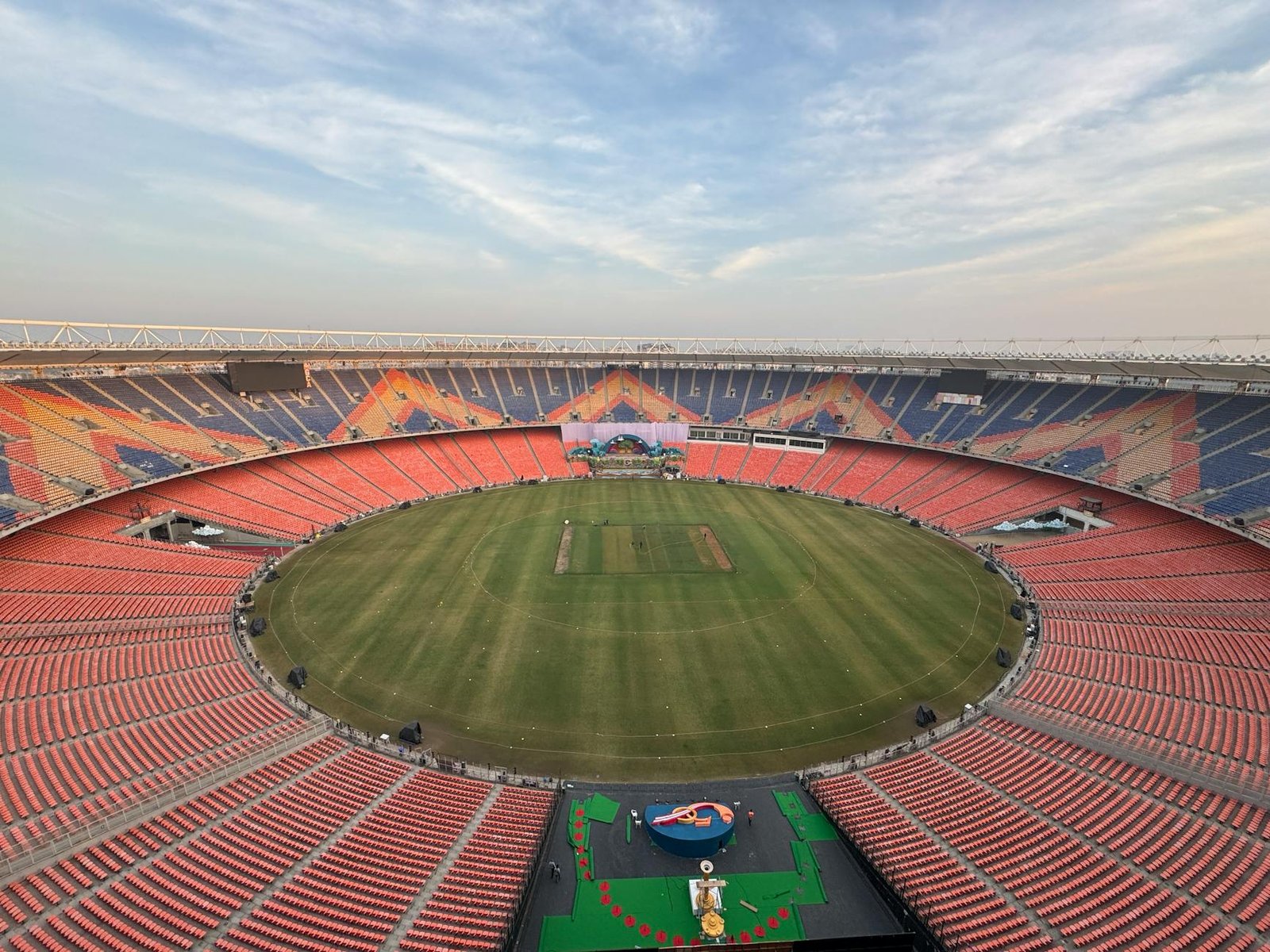
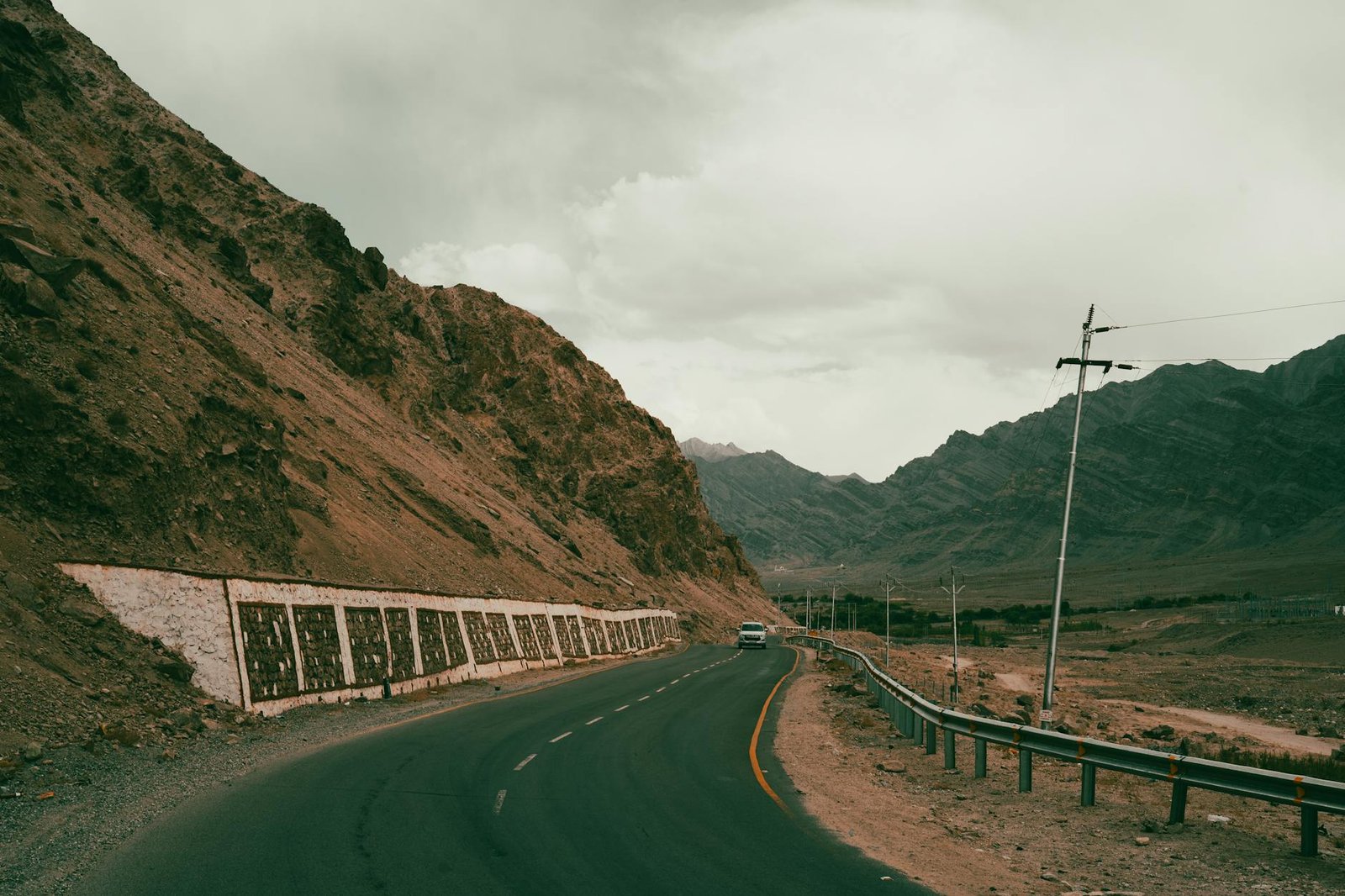
KARGIL – Lieutenant Governor of Ladakh, Vinai Kumar Saxena, recently addressed the operational challenges facing Kargil Airport, stating that significant upgrades are necessary before the facility can accommodate regular civilian flights. Saxena highlighted runway limitations as the primary obstacle, noting that its current state restricts the operation of larger aircraft. Smaller planes, however, could be introduced following the completion of essential improvements, contingent on commercial viability.

During a conversation with reporters, Saxena, who was concluding a four-day tour of the district, said he had inspected the airport, which is located approximately six kilometers from Kargil. The airport is currently operated by the Indian Air Force (IAF), and its operationalization has been a frequent request from the public. After a detailed evaluation with IAF representatives and other officials, Saxena determined that the existing runway, which measures around 6,000 feet, is too short and narrow and is in disrepair, making it unsuitable for large aircraft. Even with a potential extension of up to 3,000 feet, operational difficulties would persist (Saxena noted).

Information reaching TahirRihat.com suggests that the landing approach to the airport requires a sharp turn for larger aircraft, and a nearby mountain poses an additional challenge during takeoff. Currently, operations are only feasible from one direction, further restricting the airport’s functionality. Before any civilian operations can commence, the runway needs complete resurfacing (Saxena emphasized).

Outlining a prospective path forward, the Lieutenant Governor suggested introducing smaller aircraft with 19 to 26 seats after the necessary runway upgrades are completed. However, he stressed that the ultimate decision would hinge on commercial viability. According to Saxena, no private airline will invest in the airport without sufficient passenger traffic. He stated that operations could be scaled up accordingly if and when demand increases.

Saxena also addressed the common misconception that the IAF is reluctant to allow civilian operations at Kargil Airport, clarifying that this is not the case. He said that the Air Force and civil authorities are prepared, but ensuring commercial viability is the main prerequisite. Concluding his Kargil visit, which he described as highly successful, the Lieutenant Governor emphasized the significant initiatives undertaken by his administration in areas such as infrastructure, employment, environmental protection, and rural development.

Significant progress has been observed at the Zojila Tunnel project (Saxena noted), expressing confidence that a breakthrough will be achieved in the near future. He also emphasized the importance of improving the marketing and processing of Ladakh’s apricots, stating that while they are among the best globally, a lack of proper packaging and processing limits their market penetration. According to Saxena, modernizing Pashmina production through enhanced spinning, weaving, and design support is also necessary, with plans to involve the National Institute of Design.

The Lieutenant Governor highlighted the importance of environmental sustainability, announcing the launch of a plantation drive under the “Ek Ped Maa Ke Naam” initiative, as well as the “Ladakh Trans-Himalayan Cold Desert Urban Forestry and Food Initiative,” aimed at bolstering food security in the cold desert region. He voiced serious concerns about pollution in the main river passing through Kargil, warning that unchecked wastewater discharge could transform it into a drain. To combat this, he proposed installing decentralized sewage treatment plants (DSTPs) and small STPs, citing their successful implementation in Delhi as a model.

Addressing urban infrastructure, the Lieutenant Governor acknowledged issues in the Kargil market, including its poor condition, insufficient parking, and the presence of overhead cables. As a solution, he said he had directed authorities to develop multi-level parking facilities and move the cables underground through a comprehensive plan (Saxena stated).

In a significant boost to employment, approximately 200 appointment letters were distributed, with more planned for the future (Saxena revealed). He reiterated that all government vacancies in Ladakh would be filled within a specific timeframe and that departmental promotions are to be completed by the end of the month. The Lieutenant Governor also announced the launch of the “Him Sarovar” project, under which ponds are being constructed in 50 villages to combat water scarcity, with plans to extend this initiative to all 198 panchayats.

Furthermore, a Green Corridor project, involving riverbank development, will soon be launched (Saxena stated). He also announced the resolution of long-pending issues related to expired lease deeds, marking a significant step forward in addressing local concerns.