
International
Iran’s Supreme Leader’s Absence Fuels Power Vacuum Fears
Ayatollah Khamenei's prolonged absence and his son's non-appearance at his funeral fuels speculation about Iran's leadership.

Ayatollah Khamenei's prolonged absence and his son's non-appearance at his funeral fuels speculation about Iran's leadership.
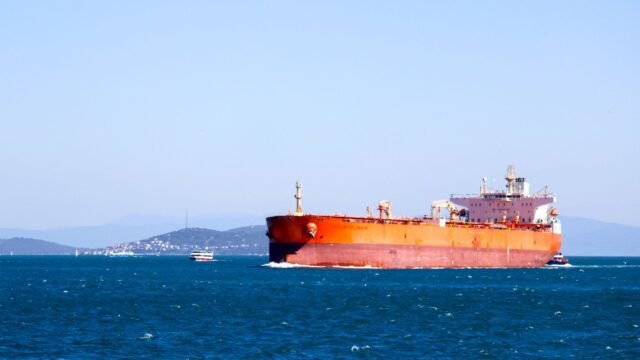
Analysts warn Iran's tanker attacks in the Strait of Hormuz risk a severe international response and could backfire.
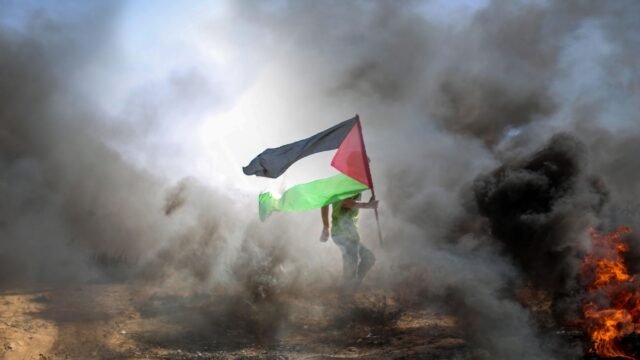
Iran truce collapses amid mutual accusations of violations, with President Trump threatening further strikes.

Iran's President and Foreign Minister physically attacked by hard-liners opposing US talks.
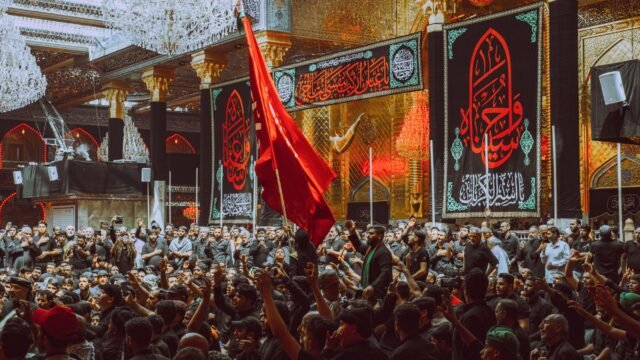
Hundreds of thousands mourned Ayatollah Khamenei in Iraq's holiest Shiite cities, showcasing Iran's extended influence.
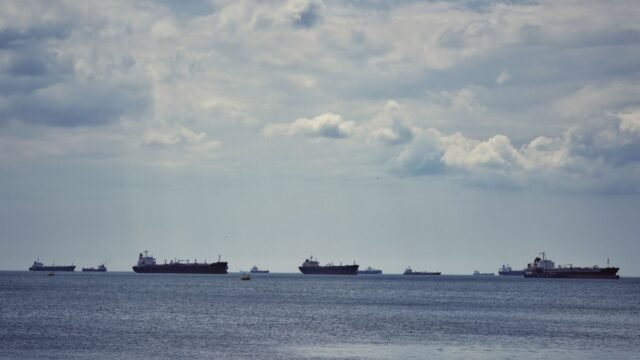
Iran reportedly struck two commercial ships in the Strait of Hormuz with missiles, escalating regional tensions and threatening oil flow.
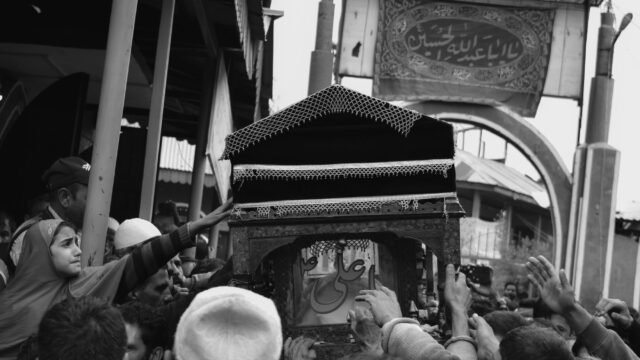
Mourners at the funeral of Iran's Supreme Leader Ayatollah Ali Khamenei chanted calls for revenge, signaling potential for heightened regional tensions.
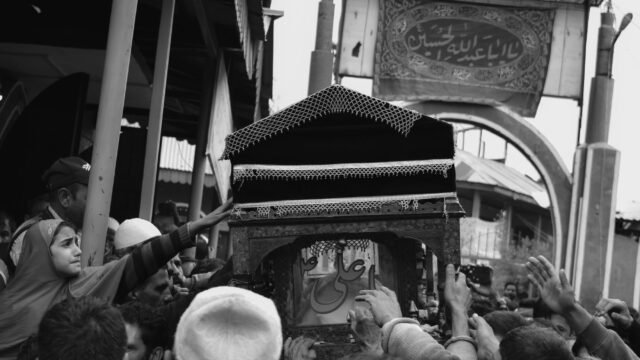
Millions mourn Ayatollah Ali Khamenei, killed in war, as Iran vows vengeance against US and Israel.

Tehran residents are leaving the capital as mourners arrive for Ayatollah Khamenei's funeral, with social media showing escapes.
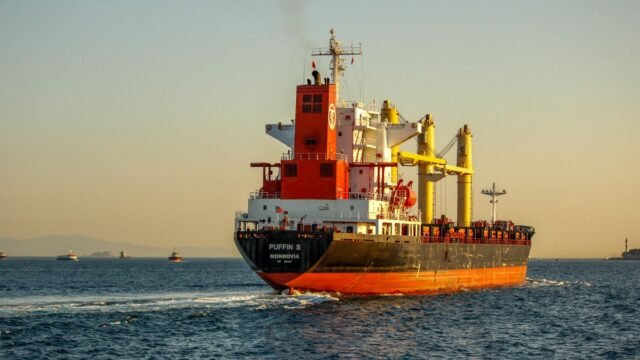
Iran's long-standing threat to close the Strait of Hormuz may be losing its strategic impact due to evolving global dynamics and potential repercussions.