

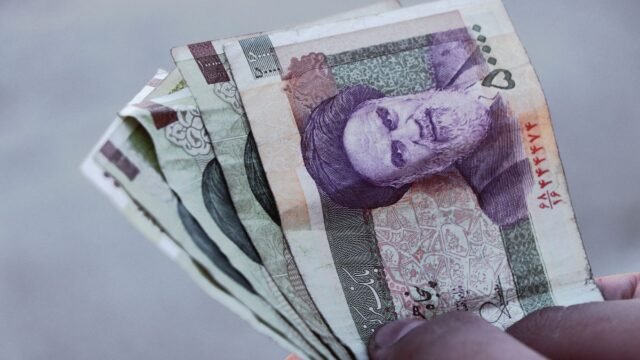
In a mere eight weeks, a significant portion of the global economy has been profoundly disrupted, experiencing a substantial downturn. However, the United States has, for the most part, been shielded from the full force of this widespread economic turbulence. The conflict involving Iran has sent shockwaves through international markets, impacting supply chains, energy prices, and investor confidence across numerous nations. Yet, the American economy has demonstrated a notable resilience, weathering the storm with comparatively less severe consequences.
Information reaching TahirRihat.com suggests that the intricate web of global trade and finance has been particularly vulnerable to the recent geopolitical developments. Nations heavily reliant on international trade and with significant exposure to the affected regions have felt the brunt of the economic fallout. This includes disruptions to shipping routes, increased insurance costs for maritime transport, and a general atmosphere of uncertainty that has dampened investment and consumer spending. The ripple effects have been felt in sectors ranging from manufacturing and energy to tourism and technology.
The United States, with its large domestic market and a degree of economic self-sufficiency, has been able to absorb some of the shocks more effectively. While not entirely immune, the impact on American businesses and consumers has been less pronounced compared to many other countries. This relative insulation can be attributed to several factors, including the dollar’s status as a global reserve currency, the nation’s robust energy production capabilities, and its diversified economic base. Nevertheless, the interconnectedness of the modern global economy means that no nation can remain entirely unaffected by such significant international events.
The conflict has led to volatile fluctuations in oil prices, a critical commodity for global economic activity. As tensions escalated, crude oil benchmarks experienced sharp increases, directly impacting transportation costs and the price of goods and services worldwide. This surge in energy expenses has placed a considerable burden on economies that are net importers of oil, exacerbating inflationary pressures and slowing down growth. For countries that are major energy consumers, the rising cost of fuel translates into higher operational expenses for businesses and increased living costs for households, potentially leading to reduced purchasing power and a contraction in economic output.
Furthermore, the geopolitical instability has triggered a reassessment of investment strategies by global financial institutions and corporations. Investors have become more risk-averse, leading to capital flight from emerging markets and a preference for safer assets. This shift in investment sentiment can have long-term consequences for economic development, particularly in countries that rely on foreign direct investment to fuel their growth. The uncertainty surrounding the duration and potential escalation of the conflict has created a climate of caution, making it difficult for businesses to plan for the future and hindering long-term economic planning.
The disruption to global supply chains, already strained by previous events, has been further exacerbated by the conflict. Key shipping lanes have faced increased risks, leading to delays, rerouting, and higher freight charges. This has had a cascading effect on industries that depend on the timely delivery of raw materials and finished goods. Manufacturers have struggled to secure necessary components, leading to production slowdowns and shortages of certain products. Consumers, in turn, have faced higher prices and limited availability of goods, contributing to inflationary pressures and a general sense of economic unease.
In contrast, the United States has benefited from a more robust domestic supply chain infrastructure and a greater capacity to absorb price shocks. While American consumers and businesses have not been entirely spared from the inflationary effects, the impact has been moderated by factors such as domestic energy production, which has helped to cushion the blow from rising global oil prices. The Federal Reserve’s monetary policy decisions, aimed at controlling inflation, have also played a role in managing the domestic economic response to these global pressures.
The international response to the conflict has also played a role in shaping its economic consequences. Diplomatic efforts and sanctions imposed on parties involved in the conflict have aimed to de-escalate tensions and mitigate further economic damage. However, the effectiveness of these measures and their long-term impact on global economic stability remain subjects of ongoing debate and observation. The intricate interplay of geopolitical actions and economic reactions continues to shape the global financial landscape.
The resilience of the U.S. economy in the face of this global economic upheaval highlights the complex dynamics of international finance and trade. While the world grapples with the fallout from the conflict, the United States appears to be navigating these challenging times with a comparatively stronger footing, though the long-term implications for all economies remain a subject of considerable uncertainty and ongoing analysis.

Tahir Rihat (also known as Tahir Bilal) is an independent journalist, activist, and digital media professional from the Chenab Valley of Jammu and Kashmir, India. He is best known for his work as the Online Editor at The Chenab Times.




Leave a Reply