
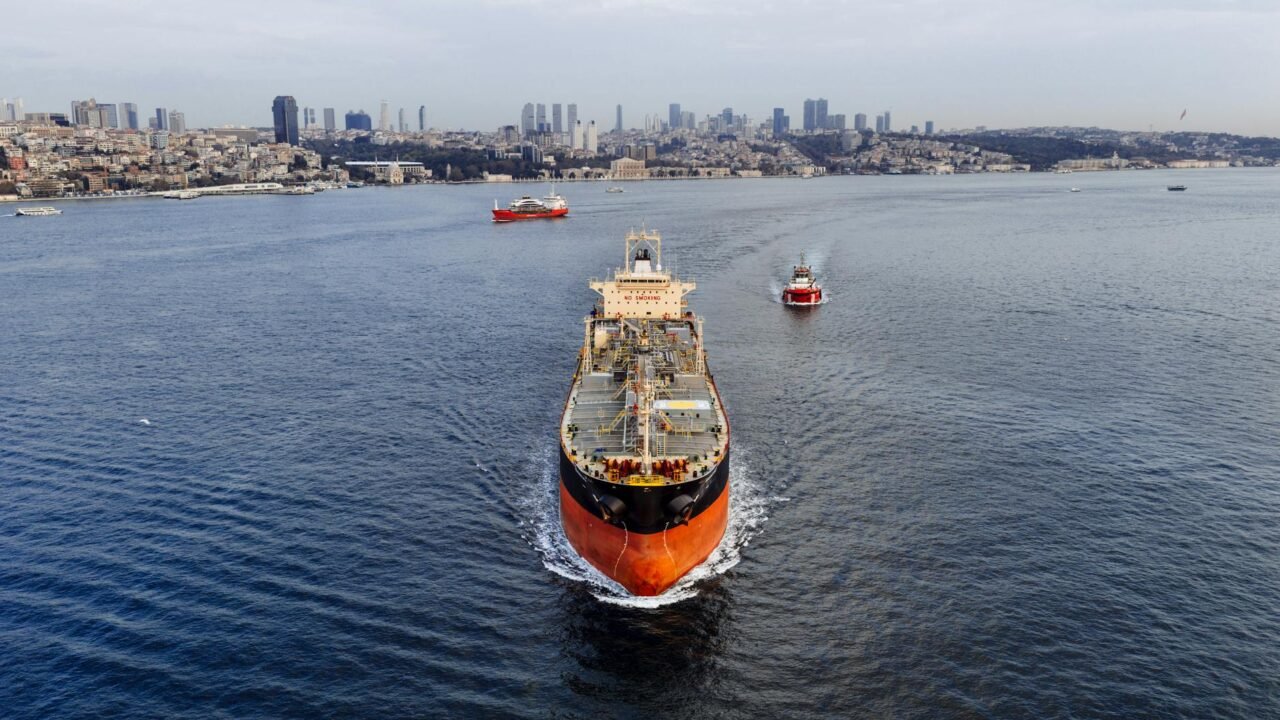
India has issued a strong call for the immediate restoration of safe and unimpeded maritime passage through the Strait of Hormuz, a critical global waterway. Speaking at a United Nations Security Council open debate on Monday, Indian representative Yojna Patel warned that escalating attacks on commercial shipping in this vital chokepoint pose a significant threat to international peace, global energy security, and overall economic stability. The debate, focused on the safety and protection of waterways within the maritime domain as a component of maintaining international peace and security, provided a platform for India to articulate its concerns over rising maritime insecurity.
As per information available with TahirRihat.com, Ambassador Yojna Patel emphasized that the safeguarding of critical maritime routes is not merely a matter of trade but is intrinsically linked to global stability. She underscored that such incidents are unacceptable and have already led to the tragic loss of Indian seafarers’ lives, highlighting the profound human cost associated with the current state of maritime insecurity. The Strait of Hormuz, a narrow waterway connecting the Persian Gulf to the Gulf of Oman, is a crucial artery for global energy supplies and international trade. Any disruption or obstruction in this region, Patel stressed, carries far-reaching consequences that ripple across the international landscape, impacting not only energy flows but also humanitarian supply chains and the broader framework of global economic prosperity.
India reiterated its unwavering commitment to a free, open, and rules-based maritime order, strongly advocating for adherence to international law, particularly the United Nations Convention on the Law of the Sea (UNCLOS). This convention, India believes, serves as the cornerstone for ensuring freedom of navigation and securing global trade. The nation, which is one of the world’s largest suppliers of seafarers, accounting for approximately 13 percent of the global workforce, expressed deep concern for the safety and welfare of these individuals. Patel stated that ensuring secure and open seas is paramount for long-term global peace and inclusive growth, emphasizing that maritime security is central to global economic prosperity and stability.
Recalling India’s proactive role in addressing maritime challenges, the envoy mentioned that New Delhi had previously convened the first-ever UN Security Council open debate on maritime security in August 2021. This initiative, she noted, laid the groundwork for a more coordinated global approach to tackling complex maritime issues. In response to the current crisis, India has outlined several key priorities, including ensuring navigational safety, maintaining the integrity of supply chains, particularly those for humanitarian aid, enhancing maritime situational awareness, and strengthening communication mechanisms for seafarers. To this end, India’s Directorate General of Shipping has operationalized a 24/7 helpline for seafarers of all nationalities, which has already managed thousands of distress calls and communications.
Furthermore, India urged member states to increase their coordination with the Information Fusion Centre – Indian Ocean Region (IFC-IOR). This New Delhi-based hub plays a critical role in facilitating real-time maritime information sharing. The IFC-IOR hosts liaison officers from 36 countries and maintains links to international frameworks such as the Djibouti Code of Conduct, thereby significantly contributing to maritime domain awareness and supporting safe navigation. The Indian representative also raised significant concerns regarding the potential for environmental disasters stemming from attacks on commercial vessels, underscoring the imperative to strengthen global mechanisms for maritime monitoring and coordination to mitigate such risks.
The attacks on commercial shipping, particularly in the Strait of Hormuz, have drawn international condemnation due to their potential to destabilize regional security and disrupt global energy markets. The strait is one of the world’s most important maritime chokepoints, with a significant volume of oil and liquefied natural gas (LNG) passing through it daily. Disruptions in this area can lead to sharp increases in energy prices, impacting economies worldwide and potentially triggering inflationary pressures. India’s stance at the UN Security Council reflects its growing role as a responsible stakeholder in global maritime security and its commitment to upholding international norms and laws governing the seas. The nation’s emphasis on the human element, through its concern for seafarers and the establishment of a dedicated helpline, further underscores its comprehensive approach to maritime safety and security. The ongoing incidents highlight the complex interplay between geopolitical tensions, maritime trade, and global economic stability, making the restoration of unimpeded passage through critical waterways a matter of urgent international attention.
The international community faces a growing challenge in ensuring the safety of maritime trade routes, which are essential for the functioning of the global economy. The attacks in the Strait of Hormuz are seen as a manifestation of broader regional tensions, and India’s call for adherence to international law and renewed cooperation aims to foster a more stable and predictable maritime environment. The success of such efforts will depend on the collective will of nations to address the root causes of insecurity and to work collaboratively to protect vital sea lanes. India’s continued engagement in international forums like the UN Security Council signals its dedication to contributing to global peace and security through diplomatic and cooperative means, advocating for a rules-based order that benefits all nations engaged in international commerce and maritime activities.

Tahir Rihat (also known as Tahir Bilal) is an independent journalist, activist, and digital media professional from the Chenab Valley of Jammu and Kashmir, India. He is best known for his work as the Online Editor at The Chenab Times.




Leave a Reply