
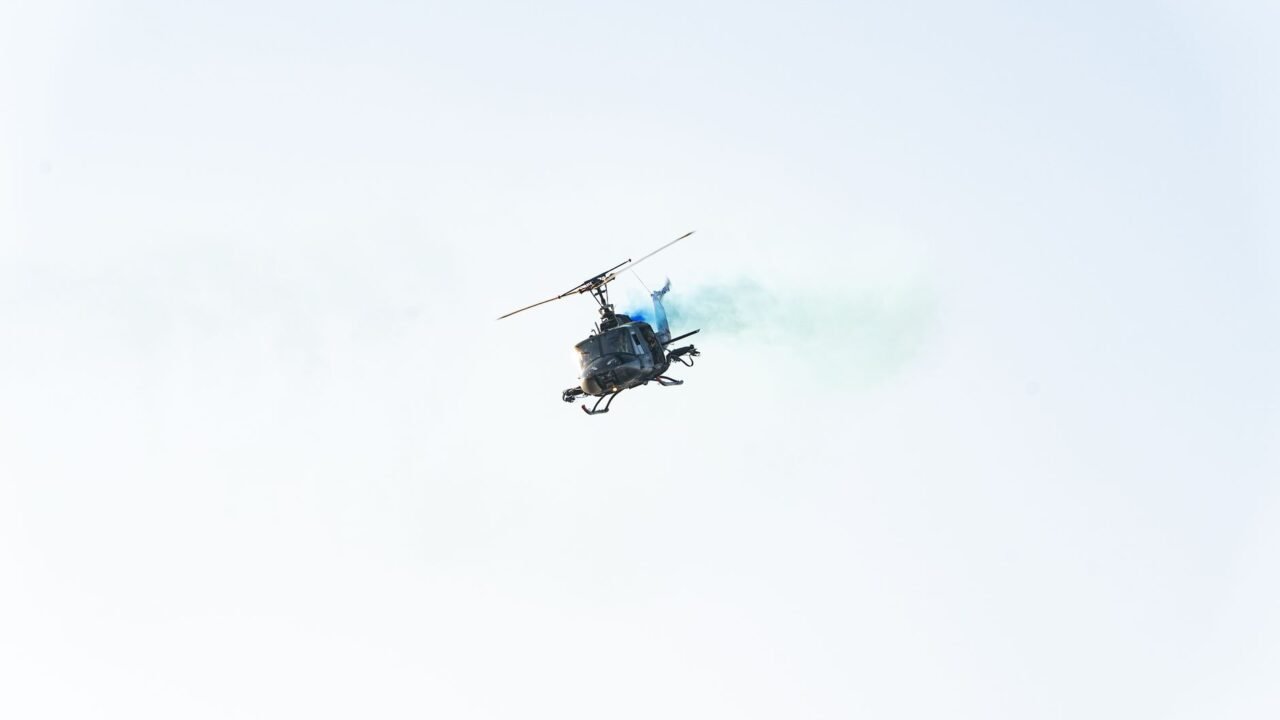
An Indian Air Force (IAF) Cheetah helicopter successfully executed a critical casualty evacuation mission, airlifting a 56-year-old Indian-origin United States citizen from the formidable Sumzon Glacier in Ladakh’s Pheyang Valley. The rescue operation took place at an imposing altitude of 15,000 feet, highlighting the extreme conditions faced by aircrews in the region.
Despite the inherently challenging terrain and the severely restricted space available for landing, the dedicated crew of the IAF helicopter managed to achieve a safe touchdown. Following the successful landing, they promptly evacuated the survivor, who is a US-based overseas citizen of India, to Leh for immediate and necessary medical attention. The Indian Air Force confirmed the successful operation late on Wednesday evening, emphasizing the precision and skill involved.
Information reaching Tahir Rihat suggests that such rescue missions are a frequent undertaking for the IAF in the remote and often perilous landscapes of Ladakh. Civilians, whether traveling for leisure or other purposes, frequently find themselves in precarious situations due to a variety of natural calamities. These can range from sudden landslides that block vital routes to devastating avalanches that can trap individuals in remote areas. Furthermore, medical emergencies are a common concern in Ladakh, often exacerbated by the low oxygen levels characteristic of high altitudes and the unpredictable, inclement weather patterns that define the region.
The Siachen Pioneers helicopter unit, strategically based in Leh, plays a pivotal role in these life-saving operations. Its fleet of Cheetah helicopters is routinely pushed to the very limits of their operational capabilities. These aircraft navigate and operate effectively amidst extreme altitudes, rugged and unforgiving terrain, and the challenging atmospheric conditions of rarefied air. The pilots and crew are highly trained to manage the complexities of flying in such an environment, where even minor miscalculations can have severe consequences. The unit’s consistent efforts underscore the commitment of the Indian Air Force to safeguarding lives in one of India’s most geographically challenging territories.
In addition to the Air Force’s efforts, Army Aviation units are also frequently called upon to lend their expertise and resources to casualty evacuation missions within the Ladakh region. Their involvement further strengthens the coordinated response mechanism in place to address emergencies in remote areas. The synergy between different branches of the armed forces is crucial for ensuring comprehensive coverage and rapid response capabilities across the vast and difficult terrain.
For cases deemed particularly serious, the evacuation process can extend beyond the initial air rescue. Patients airlifted to Leh may, in critical circumstances, be further transferred via fixed-wing aircraft. These aircraft transport patients from Leh to larger metropolitan centers such as Chandigarh, Srinagar, or Jammu. These cities are equipped with more advanced medical facilities and specialized healthcare professionals, offering a higher level of care for patients with complex medical needs. This multi-stage approach ensures that individuals requiring extensive medical intervention receive the best possible treatment, regardless of their initial location in the remote Himalayan region.
The successful evacuation of the US citizen from the glacier serves as a stark reminder of the inherent risks associated with high-altitude environments and the indispensable role played by the Indian Air Force and other defense agencies in ensuring the safety and well-being of individuals in these challenging terrains. The IAF’s consistent readiness and operational prowess in executing such missions under extreme duress are a testament to their unwavering commitment to humanitarian service and national security.

Tahir Rihat (also known as Tahir Bilal) is an independent journalist, activist, and digital media professional from the Chenab Valley of Jammu and Kashmir, India. He is best known for his work as the Online Editor at The Chenab Times.





Leave a Reply