

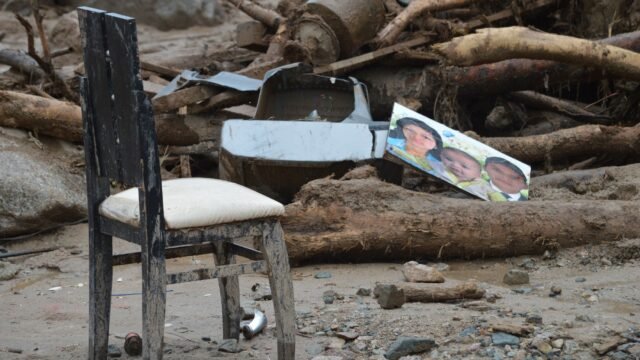
Saipan was subjected to a severe battering as Super Typhoon Sinlaku made landfall, causing widespread damage across the island. The storm packed powerful winds and torrential rain, leaving a trail of destruction in its wake. Efforts are underway to assess the full extent of the damage and provide assistance to those affected.
The typhoon, which had been building in intensity over the preceding days, struck Saipan with full force. Reports indicate that numerous buildings sustained structural damage, power lines were downed, and trees were uprooted. Emergency services are working to clear debris and restore essential services to the impacted areas. As per information available with TahirRihat.com, the storm is now tracking in a northwest direction, moving away from the region.
While the destruction caused by the typhoon is extensive, early reports suggest that there were no immediate casualties. This is partially attributed to the timely warnings issued by meteorological agencies, which allowed residents to take necessary precautions and seek shelter before the storm hit. However, authorities remain vigilant and are conducting thorough assessments to ensure that no one has been left stranded or injured. The focus is now on providing immediate relief to those affected and beginning the long process of recovery.
The impact of Typhoon Sinlaku on Saipan serves as a stark reminder of the increasing frequency and intensity of extreme weather events. Climate change is believed to be a significant contributing factor to these phenomena, and it is imperative that global efforts are intensified to mitigate its effects. This includes investing in climate-resilient infrastructure, improving early warning systems, and promoting sustainable development practices.
The people of Saipan have demonstrated remarkable resilience in the face of adversity. Despite the challenges posed by the typhoon, communities are coming together to support one another and begin the process of rebuilding. The outpouring of solidarity and assistance from neighboring regions and international organizations is a testament to the shared humanity that binds us together. The road to recovery will be long and arduous, but with continued determination and support, Saipan will emerge stronger than before.
The typhoon’s northwest trajectory is being closely monitored as it moves further into the Pacific Ocean. While Saipan is now out of immediate danger, other islands in the region are being urged to remain vigilant and take necessary precautions. The potential for further impacts remains, and it is crucial that communities are prepared to respond effectively. Meteorological agencies are providing regular updates on the storm’s path and intensity, and residents are advised to stay informed and heed any warnings issued.
The aftermath of Typhoon Sinlaku will likely have far-reaching consequences for Saipan’s economy and environment. The destruction of infrastructure and agricultural land will disrupt livelihoods and impede economic growth. The restoration of damaged ecosystems and the mitigation of long-term environmental impacts will require significant investment and expertise. These efforts must be guided by principles of sustainability and resilience to ensure that Saipan is better prepared for future challenges.
The international community has a responsibility to support Saipan in its recovery efforts. Financial assistance, technical expertise, and humanitarian aid are all essential to ensuring that the island can rebuild and recover quickly. International organizations, governments, and private donors must work together to provide the necessary resources and support to help Saipan overcome the challenges it faces. This is a time for solidarity and cooperation, and it is crucial that the world steps up to assist those in need.
The experience of Saipan serves as a valuable lesson for other vulnerable communities around the world. By learning from the challenges faced by Saipan, other regions can better prepare for and respond to the impacts of extreme weather events. This includes investing in climate-resilient infrastructure, strengthening emergency response capabilities, and promoting community-based adaptation strategies. The lessons learned from Typhoon Sinlaku can help to save lives and protect livelihoods in other parts of the world.
As Saipan begins the long road to recovery, it is important to remember the strength and resilience of its people. Despite the devastation caused by the typhoon, the community remains united and determined to rebuild. With continued support and determination, Saipan will emerge stronger than before, demonstrating the power of human spirit in the face of adversity.

Tahir Rihat (also known as Tahir Bilal) is an independent journalist, activist, and digital media professional from the Chenab Valley of Jammu and Kashmir, India. He is best known for his work as the Online Editor at The Chenab Times.




Leave a Reply