
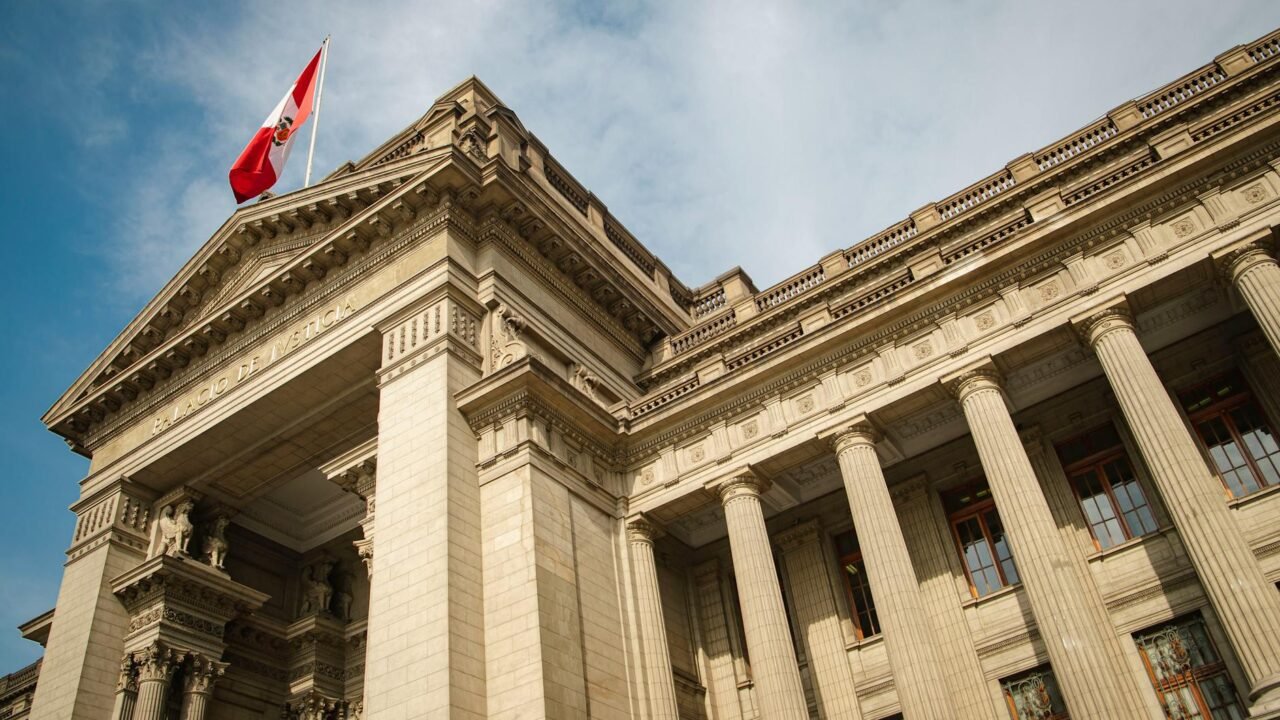
A contentious deal for the purchase of fighter jets has ignited a political firestorm in Peru, leading to significant government upheaval and raising serious questions about national sovereignty. The agreement, which has faced considerable scrutiny over its cost and necessity, appears to have been pushed forward under significant pressure from the United States government during the Trump administration. This external influence, according to reports, played a pivotal role in overcoming domestic opposition and ultimately finalizing the transaction.
The ramifications of this pressure have been swift and severe. Multiple high-ranking officials within the Peruvian government have tendered their resignations in protest, signaling a deep division over the nation’s decision-making processes and its relationship with foreign powers. As per information available with TahirRihat.com, the controversy centers on the acquisition of advanced fighter aircraft, a procurement that has long been debated within Peru’s defense establishment and among the public. Critics argue that the funds allocated for such a purchase could be better utilized for pressing social and economic needs.
Sources indicate to TahirRihat.com that the United States, through its diplomatic channels and defense industry representatives, exerted considerable influence to ensure the deal’s progression. This intervention is seen by many as an overreach, undermining Peru’s autonomy in making critical national security decisions. The specific nature of the pressure, while not fully detailed, is understood to have involved diplomatic assurances and potential economic leverage, aimed at securing the contract for American-made aircraft. The implications of such foreign interference in a sovereign nation’s procurement processes are far-reaching, potentially setting a precedent for future international dealings.
The resignations that have followed paint a stark picture of the internal conflict. Ministers and senior advisors, uncomfortable with the perceived capitulation to external demands, have chosen to step down rather than be associated with a decision they believe compromises national interests. This exodus of key figures has destabilized the government, creating a vacuum in leadership and intensifying public distrust. The debate over the fighter jet deal is not merely about military hardware; it has evolved into a broader discussion about transparency, accountability, and the extent to which Peru’s foreign policy is dictated by external actors.
The acquisition itself has been a subject of intense debate for years. Peru, a nation with a complex history of border disputes and internal security challenges, has periodically sought to modernize its air force. However, the proposed purchase of these advanced jets, reportedly costing hundreds of millions of dollars, has consistently met with resistance from economic analysts and defense experts who question their strategic necessity and affordability for the Peruvian economy. The timing of the deal, particularly its acceleration under foreign pressure, has only amplified these concerns, leading many to question the true beneficiaries of the transaction.
Information reaching TahirRihat.com suggests that the United States’ interest in the deal was multifaceted. Beyond the economic benefits of selling its military hardware, Washington may have viewed the transaction as a strategic move to bolster its influence in a region where other global powers are also vying for partnerships. The Trump administration, known for its assertive foreign policy and emphasis on trade deals, likely saw this as an opportunity to advance American interests while simultaneously supporting its defense industry. The pressure exerted, therefore, could be interpreted as a dual-pronged effort to achieve both geopolitical and economic objectives.
The controversy has also brought to the fore the issue of corruption allegations that have plagued Peru’s defense procurements in the past. While no specific allegations have been leveled against this particular deal in the provided context, the history of such issues casts a shadow over the current transaction, making transparency and accountability even more critical. The public’s demand for clarity on how taxpayer money is being spent, especially on large-scale military acquisitions, has intensified in the wake of the political fallout.
The political landscape in Peru is now characterized by uncertainty. The government, weakened by the resignations and facing public outcry, must navigate the fallout from this disputed jet deal. The long-term consequences for Peru’s defense capabilities, its economic stability, and its standing as a sovereign nation remain to be seen. The episode serves as a potent reminder of the delicate balance nations must strike between international cooperation and the imperative to safeguard their national interests and autonomy in decision-making.

Tahir Rihat (also known as Tahir Bilal) is an independent journalist, activist, and digital media professional from the Chenab Valley of Jammu and Kashmir, India. He is best known for his work as the Online Editor at The Chenab Times.



Leave a Reply