
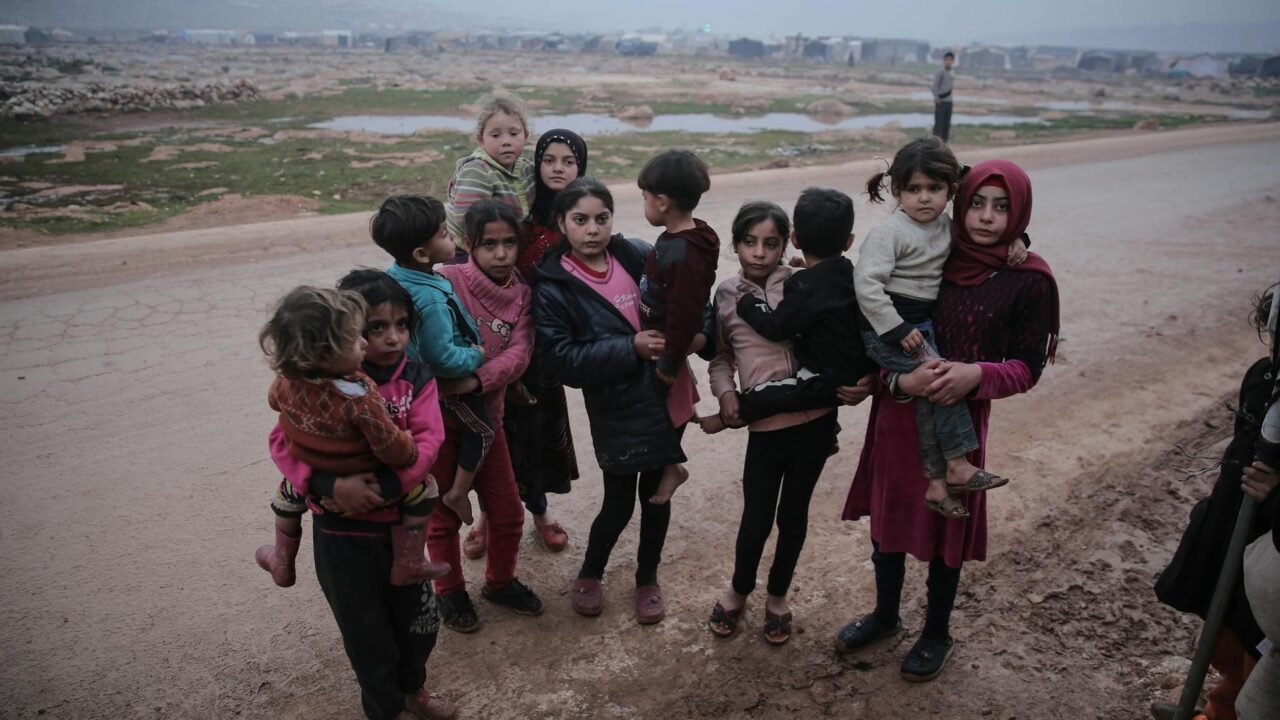
A group of Australian women and children, previously linked to Islamic State fighters in Syria, have been repatriated to Australia, marking a significant development in the ongoing efforts to manage citizens with alleged ties to terrorist organizations. The returnees, whose exact number has not been fully disclosed, are expected to face a complex legal and social reintegration process.
Information reaching Tahir Rihat suggests that Australian authorities have been preparing for such repatriations, with security agencies and social services coordinating to manage the arrivals. The repatriation is a culmination of extensive diplomatic and logistical efforts, involving international partners and humanitarian organizations operating in the conflict zones of the Middle East. The Australian government has maintained a cautious approach to the issue of foreign fighters and their families, balancing national security concerns with humanitarian considerations.
Upon arrival, the individuals will undergo stringent security assessments. According to police statements, at least two of the repatriated women are expected to face charges related to crimes against humanity. A third individual is slated to be charged with belonging to a terrorist group. These charges underscore the seriousness with which Australian law enforcement views alleged involvement with designated terrorist organizations. The legal proceedings are anticipated to be protracted and complex, given the nature of the alleged offenses and the challenges in gathering evidence from overseas conflict zones.
The return of these families raises profound questions about rehabilitation, de-radicalization, and the long-term implications for Australian society. Child welfare agencies will play a crucial role in assessing the needs of the children, many of whom have been exposed to extreme conditions and potentially traumatic experiences. The government’s strategy aims to prevent radicalization and ensure that individuals who pose a security risk are held accountable, while also providing support for those deemed not to be a threat and for the vulnerable children.
The repatriation efforts have been met with a mix of public concern and calls for transparency. Advocacy groups have highlighted the need for a comprehensive approach that addresses the psychological and social needs of the returning individuals, particularly the children, who are considered victims of the circumstances. However, security officials have reiterated the importance of maintaining vigilance and ensuring that national security is not compromised. The legal framework in Australia allows for prosecution of individuals involved in terrorist activities, including membership in proscribed organizations and complicity in war crimes.
The legal ramifications for those facing charges will involve navigating international law and domestic legislation pertaining to terrorism. The prosecution of crimes against humanity is a particularly serious charge, requiring substantial evidence to establish individual culpability. Similarly, proving membership in a terrorist group can involve complex legal arguments regarding intent and association. The Australian Federal Police and other law enforcement agencies have been working to build cases that can withstand judicial scrutiny, often relying on intelligence gathered over several years.
The broader international context of foreign fighter returns continues to be a significant challenge for many nations. Countries grapple with the dilemma of how to handle citizens who traveled to join groups like ISIS, and the subsequent repatriation of their families. Australia’s approach reflects a global trend towards bringing citizens home, albeit with strict conditions and legal oversight, rather than leaving them in protracted detention or stateless conditions in foreign territories. The success of this repatriation will likely be measured not only by the legal outcomes but also by the effectiveness of reintegration programs and the long-term impact on community safety.

Tahir Rihat (also known as Tahir Bilal) is an independent journalist, activist, and digital media professional from the Chenab Valley of Jammu and Kashmir, India. He is best known for his work as the Online Editor at The Chenab Times.




Leave a Reply