
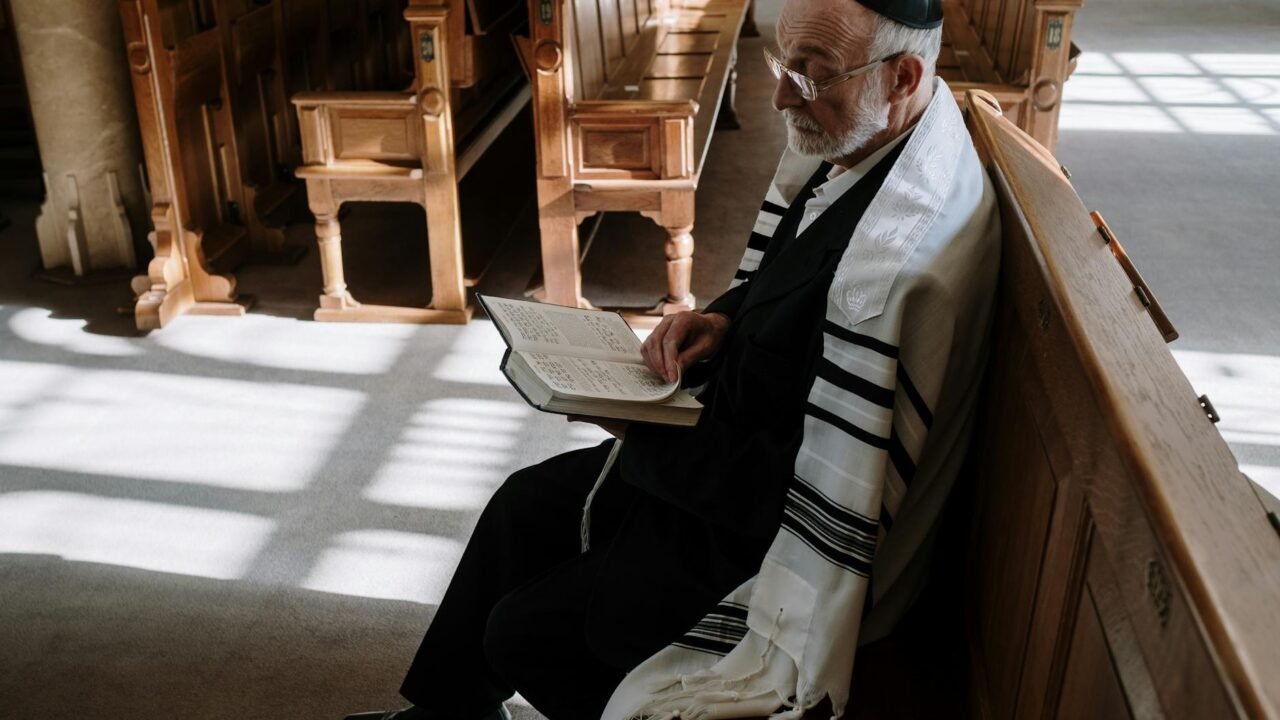
A public inquiry examining the recent massacre at Bondi Beach has become a platform for dozens of Australian Jews to share harrowing accounts of antisemitism they have encountered in their daily lives. These testimonies, delivered over several sessions, paint a disturbing picture of pervasive prejudice and fear within the community.
The inquiry, established to understand the circumstances and aftermath of the tragic events, has broadened its scope to encompass the lived experiences of Jewish residents in the area and beyond. As reported by The New York Times, individuals have come forward to describe a range of incidents, from subtle microaggressions to overt acts of hostility, all stemming from their religious and ethnic identity. These narratives highlight a growing concern within the Australian Jewish community regarding safety and acceptance.
Information reaching Tahir Rihat suggests that the testimonies presented at the inquiry are not isolated incidents but rather represent a pattern of behavior that has been escalating. Many speakers recounted instances where they were singled out, verbally abused, or made to feel unwelcome simply because they are Jewish. The emotional weight of these experiences was palpable, with many individuals expressing feelings of vulnerability and distress. The inquiry has provided a crucial, albeit painful, opportunity for these voices to be heard by a wider audience and by the authorities responsible for ensuring public safety and combating discrimination.
One of the recurring themes in the testimonies was the feeling of being constantly under scrutiny or suspicion. Several individuals described being subjected to hostile questioning or accusatory remarks in public spaces, including shops, parks, and on public transport. The proximity of some of these incidents to the site of the massacre has amplified the sense of unease and insecurity. The inquiry is meticulously documenting these accounts, aiming to identify systemic issues and potential areas for intervention. The detailed nature of the testimonies underscores the urgent need for a comprehensive understanding of the challenges faced by the Jewish community in Australia.
The testimonies also touched upon the impact of online rhetoric and its translation into real-world hostility. Many participants spoke of the disturbing rise in antisemitic content on social media platforms and how this online environment appears to embolden individuals to express their prejudices in public. The inquiry is exploring the complex relationship between online hate speech and offline antisemitic acts, seeking to understand how to effectively counter both. The psychological toll of living with the constant threat of such harassment is significant, affecting not only the individuals directly targeted but also their families and the broader community.
Legal experts and community leaders observing the inquiry have noted the importance of these firsthand accounts in shaping policy and public perception. The detailed narratives offer concrete evidence of the challenges that official statistics might not fully capture. The inquiry’s proceedings are being closely watched by various stakeholders, including government officials, law enforcement agencies, and civil society organizations, all of whom have a role to play in addressing antisemitism. The testimonies are expected to inform recommendations for improved security measures, enhanced educational programs, and more robust legal frameworks to protect minority communities.
The public nature of the inquiry ensures that the experiences of Australian Jews are brought into the national conversation. By providing a formal platform for these testimonies, the process aims to foster greater empathy and understanding, while also holding perpetrators accountable and working towards preventative measures. The ongoing examination seeks to move beyond simply acknowledging the problem of antisemitism to actively developing strategies for its eradication. The courage of those who have shared their stories is instrumental in this process, offering invaluable insights into the pervasive nature of prejudice and the urgent need for collective action.
The testimonies have also highlighted the intersectionality of discrimination, with some individuals sharing experiences of antisemitism combined with other forms of prejudice. This underscores the complex tapestry of hate that minority groups can face. The inquiry is committed to a thorough and sensitive examination of all aspects of these deeply personal and often traumatic experiences. The hope is that by meticulously documenting and understanding these incidents, tangible steps can be taken to ensure a safer and more inclusive future for all Australians, particularly for the Jewish community who have so bravely come forward.

Tahir Rihat (also known as Tahir Bilal) is an independent journalist, activist, and digital media professional from the Chenab Valley of Jammu and Kashmir, India. He is best known for his work as the Online Editor at The Chenab Times.


Leave a Reply