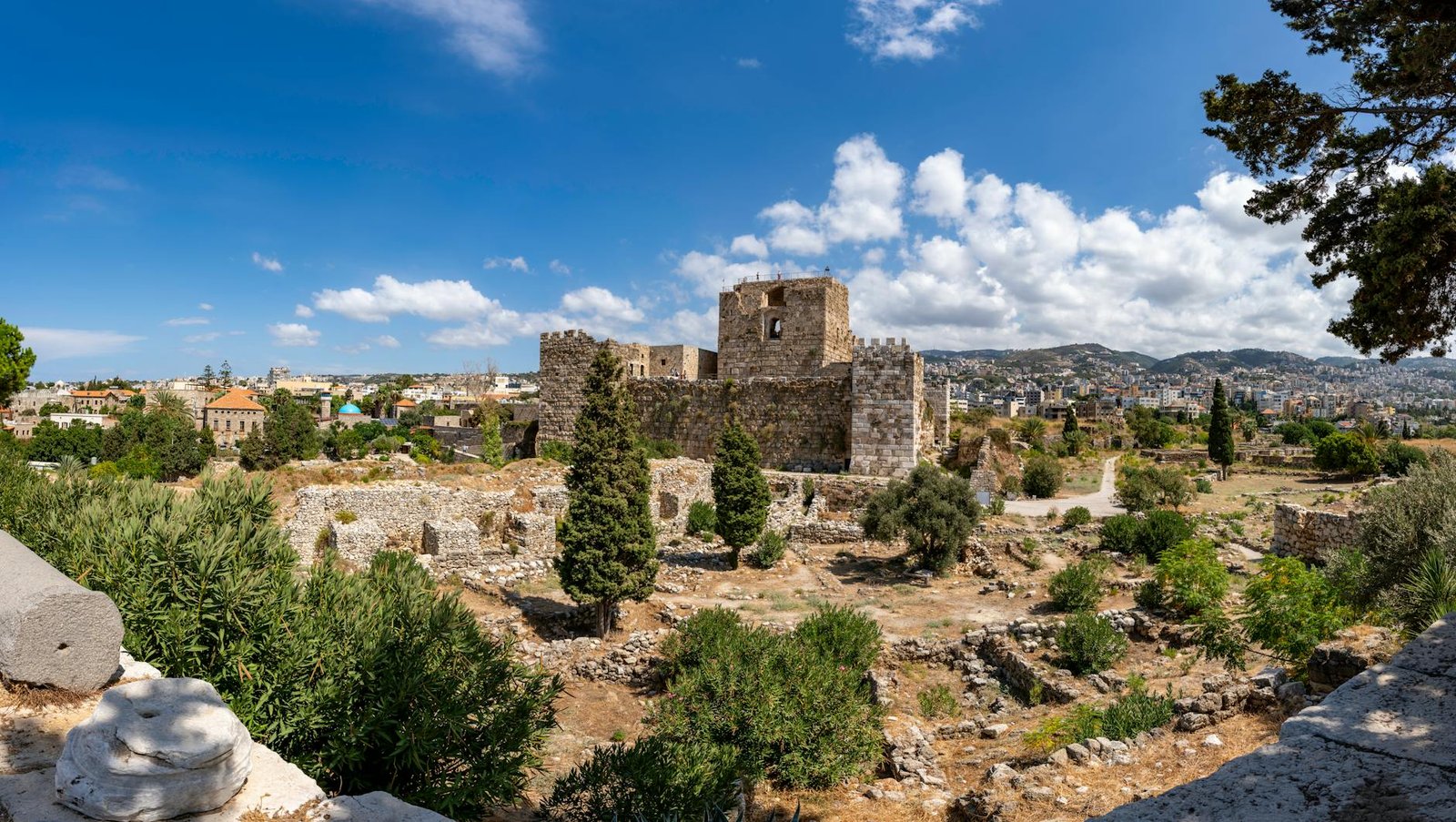
The recent capture of Beaufort Castle in southern Lebanon by Israeli forces has resurrected deeply ingrained and painful recollections for both nations, underscoring the protracted and seemingly unending conflict with Hezbollah. This strategic stronghold, which once symbolized Israel‘s prolonged military occupation of Lebanon, now stands as a potent emblem of the current hostilities that continue to escalate across the border.
The seizure of the Crusader-era fortress, perched high overlooking the Litani River valley, carries significant symbolic weight. For years, Beaufort Castle, known locally as Shqif Arnoun, was a prominent feature of the Israeli security zone in southern Lebanon. Its capture and subsequent control by Israeli troops during the occupation, which lasted from 1982 until 2000, served as a constant reminder to the Lebanese of foreign military presence. Conversely, for many Israelis, it represented a forward defense position, a bulwark against cross-border attacks.
Information reaching Tahir Rihat suggests that the current military operations leading to the castle’s recapture are part of a broader Israeli strategy to push back Hezbollah forces from the border region. The intensity of the fighting around the castle and in surrounding areas indicates a fierce contest for control, with both sides deploying significant resources. The strategic importance of Beaufort lies not only in its historical significance but also in its commanding views, offering tactical advantages in surveillance and potential artillery positioning.
The renewed fighting around Beaufort Castle has intensified concerns about a wider regional conflagration. The conflict between Israel and Hezbollah, which has seen a marked increase in cross-border exchanges of fire since the Oct. 7 attacks on Israel by Hamas, has already displaced tens of thousands of people on both sides of the border. The recapture of a site so deeply intertwined with the history of their conflict is likely to further inflame tensions and prolong the current hostilities.
For Lebanon, the loss of Beaufort Castle, even if temporary, evokes the painful period of Israeli occupation. Memories of the destruction and displacement caused by the prolonged conflict are still fresh for many. The castle’s fall is seen by some as a regression, a reopening of old wounds that many had hoped would remain closed. The economic and social fabric of southern Lebanon has been severely impacted by the ongoing violence, with infrastructure damage and a halt to agricultural activities exacerbating existing challenges.
In Israel, the military’s success in capturing Beaufort is being framed as a significant achievement in its ongoing efforts to neutralize the threat posed by Hezbollah. However, the bitter memories associated with the castle are also being recalled. The long and costly occupation of southern Lebanon, which ultimately ended with an Israeli withdrawal, was a period marked by considerable loss of life and resources. The current conflict, with its echoes of that past struggle, raises questions about the long-term implications of such engagements and the potential for a sustainable resolution.
The involvement of Iran, through its support for Hezbollah, adds another layer of complexity to the conflict. The castle’s strategic location and the broader regional dynamics mean that any significant development on the ground is closely watched by international powers. The ongoing conflict is not merely a bilateral dispute but is increasingly seen as a proxy battleground in a wider geopolitical struggle. The implications for regional stability are profound, with fears of a wider war that could draw in other actors.
The current phase of the conflict, marked by the intense fighting around Beaufort Castle, suggests that a swift resolution is unlikely. Both Hezbollah and Israel appear committed to their respective objectives, leading to a protracted engagement. The human cost of this renewed violence is mounting, with casualties reported on both sides and a growing humanitarian crisis in the affected border regions. The international community continues to call for de-escalation, but the immediate prospects for peace remain dim.
The historical resonance of Beaufort Castle, a site that has witnessed centuries of conflict and conquest, now serves as a stark reminder of the enduring nature of the Israeli-Lebanese dispute. Its capture and recapture have become integral to the narrative of this long-standing animosity, a narrative that continues to unfold with devastating consequences for the people living in the shadow of its ancient walls.

Tahir Rihat (also known as Tahir Bilal) is an independent journalist, activist, and digital media professional from the Chenab Valley of Jammu and Kashmir, India. He is best known for his work as the Online Editor at The Chenab Times.