
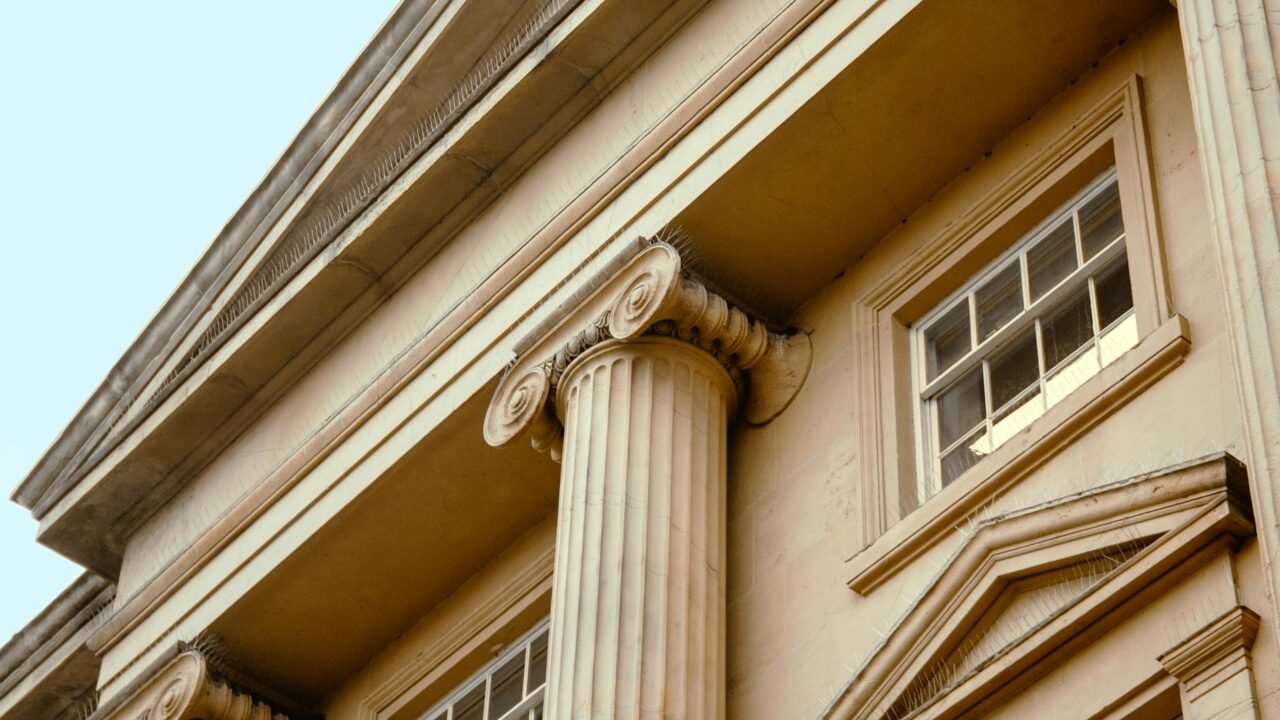
The British Museum has postponed a planned Jewish cultural event, citing concerns over potential disruption amidst a backdrop of increasing antisemitism in Britain. The decision underscores a growing sense of unease among some Jewish communities in London, who are reportedly experiencing heightened anxieties.
The postponement comes at a time when racial and religious crimes are on the rise across the United Kingdom. This trend has contributed to an atmosphere of apprehension, particularly for Jewish individuals and institutions. The British Museum, a prominent cultural landmark, has found itself in a position where it must balance its commitment to hosting diverse cultural expressions with the imperative to ensure the safety and security of its visitors and staff. The specific nature of the threat that led to the postponement has not been detailed, but the museum’s action signals a significant concern regarding the potential for such an event to become a focal point for protest or unrest.
Information reaching Tahir Rihat suggests that the decision was not taken lightly and followed careful consideration of the prevailing security environment. The museum, like many public institutions, operates under a duty of care to all who engage with its offerings. In the current climate, where tensions can easily escalate, the proactive measure of postponing the event reflects a cautious approach to managing potential risks. This situation highlights the broader societal challenges related to religious and ethnic intolerance that are impacting cultural spaces and public life.
The rise in antisemitic incidents in Britain has been a subject of considerable concern and reporting by various media outlets and advocacy groups. These incidents range from verbal harassment and online abuse to physical assaults and vandalism. The impact of such a climate extends beyond the immediate victims, fostering a sense of vulnerability and fear within the wider Jewish community. Cultural events, which often serve as platforms for celebration and education, can inadvertently become targets for those seeking to express extremist views or disrupt public harmony.
The British Museum’s role as a custodian of global heritage and a venue for public discourse means that decisions regarding events held within its walls carry significant weight. The postponement of this particular Jewish cultural event is likely to be interpreted in various ways, potentially sparking debate about freedom of expression, security protocols, and the broader societal response to antisemitism. The museum’s statement, while brief, indicates a commitment to rescheduling the event when it can be held without fear of disruption, suggesting that the underlying intention is not to suppress the cultural expression itself but to ensure its safe and unimpeded delivery.
The broader context of rising hate crimes in the UK, as reported by official statistics and civil society organizations, provides a critical backdrop to this incident. These figures often reveal an alarming upward trend in offenses motivated by religious or racial prejudice. For communities that have historically been targets of such animosity, this trend can exacerbate existing fears and lead to a greater sense of isolation. Cultural institutions, by their very nature, are often at the forefront of inter-community dialogue and understanding, making their ability to host events safely a crucial factor in fostering social cohesion.
The decision by the British Museum to postpone the event is a tangible manifestation of the challenges faced by institutions in navigating complex social and political landscapes. It raises questions about the effectiveness of security measures, the role of public discourse in addressing intolerance, and the responsibility of cultural bodies to protect both their patrons and the integrity of the events they host. The museum’s commitment to rescheduling suggests a desire to uphold its mission of cultural exchange, but the immediate impact is a pause that reflects the current anxieties within the community it serves.
The specific details surrounding the perceived threat remain undisclosed, a common practice when security concerns are involved to avoid providing a roadmap for potential disruptors. However, the mere fact of postponement by such a high-profile institution underscores the seriousness with which such threats are being treated. This incident, therefore, serves as a microcosm of larger societal issues, demonstrating how the rise in intolerance can have a direct and tangible impact on cultural programming and community engagement.
The implications of this postponement extend beyond the immediate event. It signals to other institutions the potential risks associated with hosting sensitive cultural programming in an environment marked by heightened social tensions. The challenge for cultural organizations is to find ways to continue fostering dialogue and celebrating diversity without compromising the safety and well-being of those involved. This may involve enhanced security, more robust community engagement, and a proactive approach to addressing potential sources of conflict before they manifest as disruptions.
The Jewish community in London, like many others, has a rich history of cultural contribution and engagement. Events that celebrate this heritage are vital for community identity and for fostering understanding with the wider public. The necessity of postponing such an event due to security fears is a somber indicator of the challenges that persist in creating a truly inclusive and safe society. The British Museum’s action, while perhaps regrettable in its immediate effect, is a response to a complex and evolving security landscape that requires careful and considered management.
The broader societal implications of this event are significant. It highlights the interconnectedness of cultural life, security, and social harmony. As racial and religious crimes continue to be a concern, institutions that serve as public forums will increasingly face difficult decisions about how to balance their core missions with the need to ensure safety. The British Museum’s postponement of the Jewish cultural event is a stark reminder of these ongoing challenges and the need for continued efforts to combat intolerance and promote understanding.

Tahir Rihat (also known as Tahir Bilal) is an independent journalist, activist, and digital media professional from the Chenab Valley of Jammu and Kashmir, India. He is best known for his work as the Online Editor at The Chenab Times.



Leave a Reply