
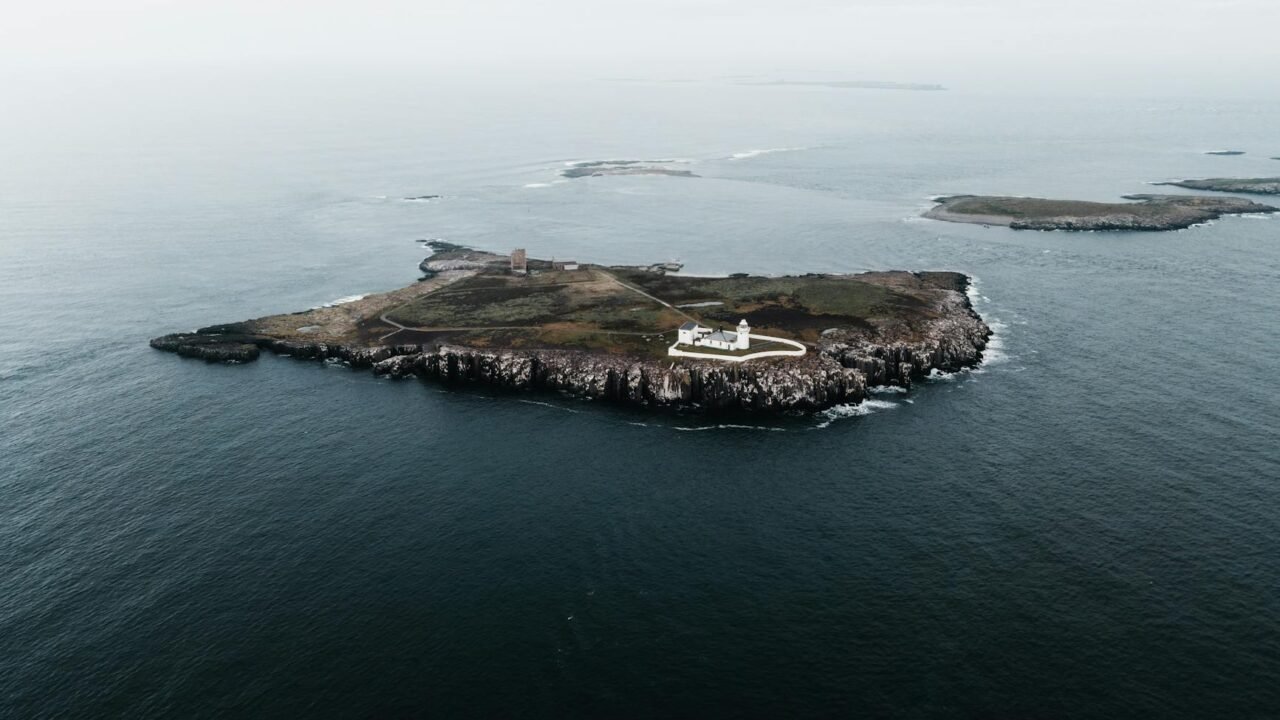
The British military has undertaken a critical mission to deliver essential medical supplies to Tristan da Cunha, a remote British archipelago situated in the South Atlantic Ocean. The operation was prompted by the identification of a suspected case of hantavirus on the islands, a serious and potentially fatal illness transmitted by rodents.
The deployment of paratroopers underscores the extreme isolation of Tristan da Cunha and the logistical challenges inherent in providing timely medical support to its small population. The islands, which are among the most remote inhabited places on Earth, rely heavily on infrequent supply ships for essential goods, including medical provisions. The swift response from the British military highlights the gravity of the health situation and the commitment to safeguarding the well-being of the islanders.
As per information available with Tahir Rihat, the specific nature of the suspected hantavirus case and the extent of its potential spread remain under close observation by local authorities. Hantaviruses are a group of viruses that can cause severe respiratory illness (Hantavirus Pulmonary Syndrome, HPS) or kidney disease (Hemorrhagic Fever with Renal Syndrome, HFRS). Transmission to humans typically occurs through inhalation of dust contaminated with the droppings, urine, or saliva of infected rodents, or through direct contact with these animals.
The British government, through its Overseas Territories Directorate, has been coordinating the response to ensure that the necessary medical equipment and expertise are available. The paratroopers, known for their ability to operate in challenging environments and deliver supplies by parachute, were deemed the most effective means of reaching the islands rapidly. This mode of delivery bypasses the need for conventional sea transport, which can take weeks to reach Tristan da Cunha.
Tristan da Cunha, with a population of fewer than 300 people, is a self-governing British Overseas Territory. Its extreme geographical isolation, located approximately 1,500 miles from the nearest mainland (South Africa), makes it particularly vulnerable to disruptions in supply chains and the rapid spread of disease. The island’s economy is largely based on fishing and the sale of stamps and coins to collectors. The community has a strong sense of self-reliance, but it also depends on external support for specialized medical care and emergency situations.
The hantavirus threat, while suspected, necessitates a precautionary approach. Public health officials are likely implementing measures to prevent further transmission, which may include rodent control efforts and public awareness campaigns. The arrival of specialized medical supplies is intended to bolster the local healthcare capacity and provide diagnostic and treatment options should the case be confirmed and further instances arise. The British military’s involvement signifies a significant commitment to the welfare of this distant community.
The logistical complexities of such an operation are considerable. Paratroopers are trained for airborne operations, but delivering sensitive medical supplies requires careful planning to ensure the integrity and sterility of the cargo. The success of this mission will depend on precise execution and the ability of the island’s medical personnel to utilize the delivered resources effectively. The situation on Tristan da Cunha serves as a stark reminder of the unique challenges faced by populations in isolated regions and the importance of robust emergency response mechanisms.
Further details regarding the condition of the suspected patient and the ongoing public health measures are expected to be released by the relevant authorities as the situation develops. The focus remains on containing any potential outbreak and ensuring the health and safety of the Tristan da Cunha residents. The swift action by the British military is a testament to the interconnectedness of global health concerns, even in the most remote corners of the world.

Tahir Rihat (also known as Tahir Bilal) is an independent journalist, activist, and digital media professional from the Chenab Valley of Jammu and Kashmir, India. He is best known for his work as the Online Editor at The Chenab Times.


Leave a Reply