
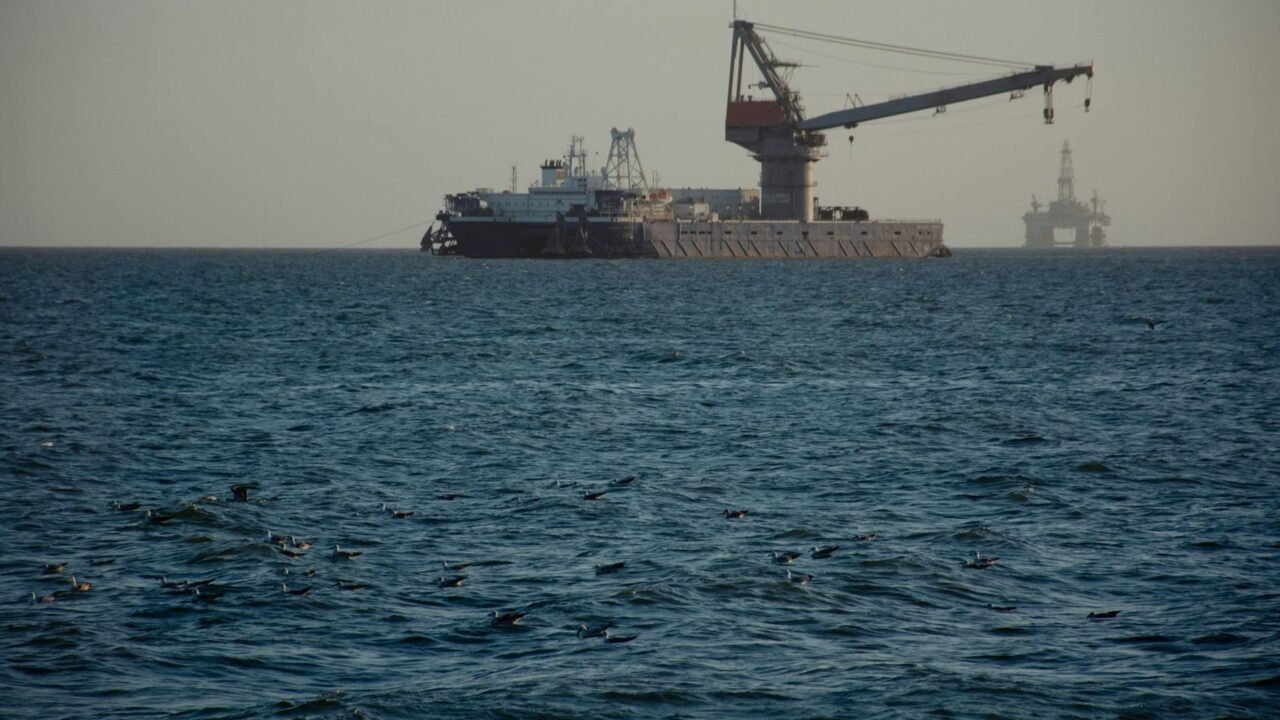
The landlocked Caspian Sea, long a peripheral body of water in geopolitical calculations, has rapidly ascended to a position of critical strategic importance, primarily serving as a vital trade route for Iran. This shift is underscored by Russia’s increasing utilization of the sea to ferry both military and commercial goods, a move aimed at bolstering Tehran’s capacity to withstand external pressures, particularly from the United States. The evolving dynamics of the Caspian region highlight its growing significance in international trade and security, offering a less scrutinized alternative for Moscow and Tehran to circumvent existing sanctions and logistical challenges.
Information reaching Tahir Rihat suggests that the current geopolitical climate has amplified the Caspian Sea’s role as a conduit for goods that might otherwise face significant hurdles through traditional maritime or overland routes. Russia’s involvement in facilitating this trade is a direct response to the sustained economic sanctions imposed on Iran, which have severely restricted its access to global markets and supply chains. By leveraging the Caspian Sea, Russia can provide Iran with essential supplies, ranging from military equipment to commercial commodities, thereby supporting its economic resilience and defense capabilities. This strategic partnership, facilitated by the unique geography of the Caspian, allows both nations to maintain a degree of autonomy and operational flexibility in the face of international isolation.
The Caspian Sea, bordered by five littoral states – Russia, Iran, Azerbaijan, Kazakhstan, and Turkmenistan – presents a complex geopolitical landscape. However, its shared waters offer a unique opportunity for bilateral cooperation, especially between Russia and Iran, which have found common ground in their adversarial relationships with the West. The ability to transport goods across the Caspian bypasses the need for transit through countries that might be less amenable to such exchanges or that are subject to their own international scrutiny. This geographical advantage has made the sea an increasingly attractive option for both nations seeking to strengthen their economic and military ties without drawing undue attention from international bodies or rival powers.
The nature of the goods being transported underscores the strategic depth of this burgeoning relationship. While commercial goods are essential for sustaining Iran’s economy, the reported shipment of military supplies carries significant implications for regional security. This aspect of the trade route suggests a coordinated effort to enhance Iran’s defense posture, potentially in response to perceived threats or to project power within its sphere of influence. The Caspian Sea, with its relatively limited international oversight compared to major global shipping lanes, provides a degree of discretion that is crucial for such sensitive transfers. The operationalization of this route is a testament to the ingenuity of nations seeking to adapt to challenging international circumstances.
The United States and its allies have long sought to isolate Iran through economic sanctions, aiming to curb its nuclear program and its regional activities. The effectiveness of these measures has been a constant point of contention, with Iran consistently finding ways to mitigate their impact. The Caspian Sea route represents a new dimension in this ongoing struggle, offering a lifeline that could undermine the efficacy of Western sanctions. As the flow of goods increases, the strategic importance of the Caspian Sea will likely continue to grow, potentially reshaping regional trade patterns and geopolitical alignments. The implications for international relations, particularly concerning the balance of power in the Middle East and Central Asia, are substantial.
Furthermore, the development of this trade route is not without its own set of challenges and complexities. The Caspian Sea is an enclosed body of water, and its legal status has been a subject of negotiation among the littoral states for decades. While a convention on the legal status of the Caspian Sea was signed in 2018, its implementation and the specific regulations governing transit and resource exploitation continue to evolve. However, for Russia and Iran, the existing framework appears sufficient to facilitate their strategic trade, prioritizing expediency and mutual benefit over the finer points of international maritime law. The focus remains on the practical utility of the sea as a strategic artery.
The economic implications for Russia are also noteworthy. While the primary beneficiary of this route appears to be Iran, Russia also stands to gain from increased trade and the strengthening of its geopolitical influence in the Caspian region. The transportation of goods, whether military or commercial, generates revenue and fosters closer economic ties. Moreover, by positioning itself as a key facilitator of trade for Iran, Russia enhances its standing as a regional power and a crucial partner for nations seeking alternatives to Western-dominated trade networks. This strategic alignment could have long-term consequences for global trade and political alliances, particularly in Eurasia.
The international community, particularly Western powers, will undoubtedly be monitoring these developments closely. The increased use of the Caspian Sea for strategic trade could lead to renewed diplomatic efforts to influence regional dynamics or to impose further restrictions. However, the inherent challenges in policing such a vast and complex waterway, coupled with the determination of Russia and Iran to maintain their cooperative relationship, suggest that this route may prove resilient. The Caspian Sea, once overlooked, is now a focal point of strategic maneuvering, with significant implications for global trade, security, and international relations.

Tahir Rihat (also known as Tahir Bilal) is an independent journalist, activist, and digital media professional from the Chenab Valley of Jammu and Kashmir, India. He is best known for his work as the Online Editor at The Chenab Times.




Leave a Reply