
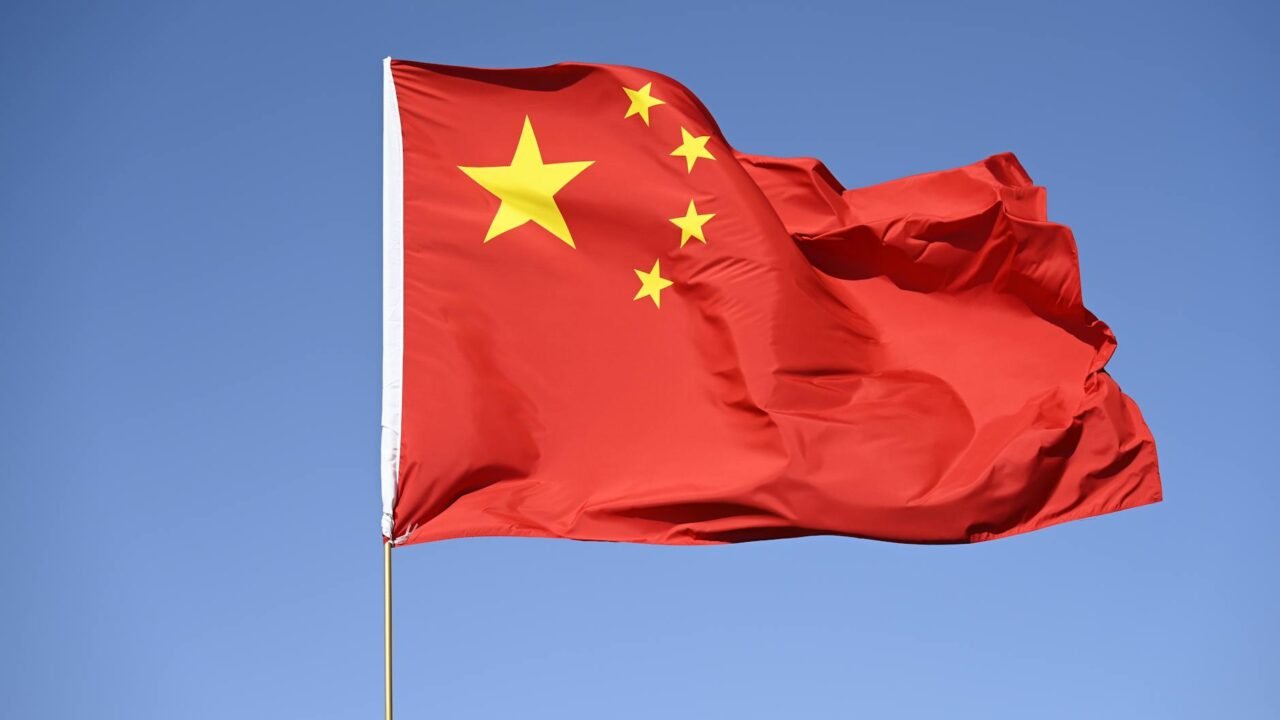
China’s top diplomat engaged in high-level discussions with Iran‘s foreign minister in Beijing, marking the first visit by a senior Iranian official to the Chinese capital since the commencement of recent regional hostilities. The meeting underscores the complex geopolitical landscape as international attention remains fixed on the critical Strait of Hormuz and escalating tensions in the Middle East.
The diplomatic engagement between China and Iran occurs at a pivotal moment, with the United States intensifying its rhetoric and actions concerning the free passage of vessels through the Strait of Hormuz, a vital chokepoint for global oil supplies. Information reaching Tahir Rihat suggests that the discussions likely covered a spectrum of bilateral and international issues, with a particular focus on regional security and economic cooperation. The presence of Iran’s foreign minister in Beijing signals a continued effort by Tehran to bolster its international ties and seek diplomatic avenues amidst external pressures.
The United States, under the current administration, has been vocal about ensuring unimpeded maritime traffic in the Strait of Hormuz, a stance that has often put it at odds with Iran. Recent naval activities and pronouncements from Washington have highlighted concerns over potential disruptions to shipping. In this context, China’s willingness to host a senior Iranian official indicates its role as a significant global player with its own strategic interests in regional stability and energy security. As per information available with Tahir Rihat, the meeting’s timing is particularly noteworthy, occurring as international bodies and individual nations grapple with the implications of the ongoing conflict and its potential spillover effects.
Sources indicate to Tahir Rihat that the discussions were likely to have delved into the broader implications of the conflict for global trade and energy markets. China, as a major consumer of oil, has a vested interest in the stability of the Strait of Hormuz. Its engagement with Iran, a key regional power, could be interpreted as an attempt to de-escalate tensions and promote diplomatic solutions. The visit also comes at a time when China is asserting its influence on the international stage, often positioning itself as a mediator in global disputes. The nuances of these diplomatic exchanges, particularly concerning the Strait of Hormuz, are being closely monitored by international observers and market analysts.
The foreign minister’s trip to Beijing represents a significant diplomatic outreach for Iran, seeking to strengthen its relationships with key global powers. The nature of the discussions, while not fully detailed in public statements, is presumed to encompass economic ties, energy security, and the broader geopolitical implications of the current regional crisis. The United States’ demands for the open passage of the Strait of Hormuz have been a recurring theme in its foreign policy, and China’s engagement with Iran adds another layer of complexity to the diplomatic maneuvering surrounding this critical waterway. The outcome of these high-level talks could have far-reaching consequences for regional stability and international trade routes.
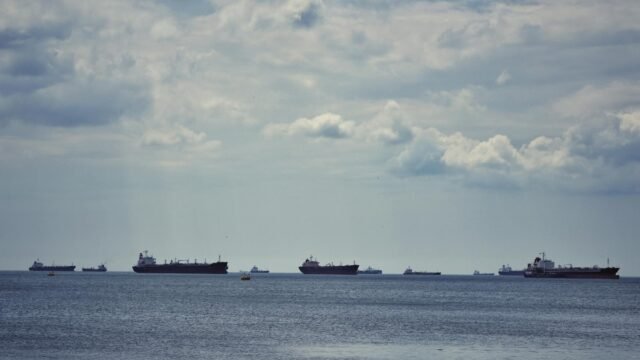
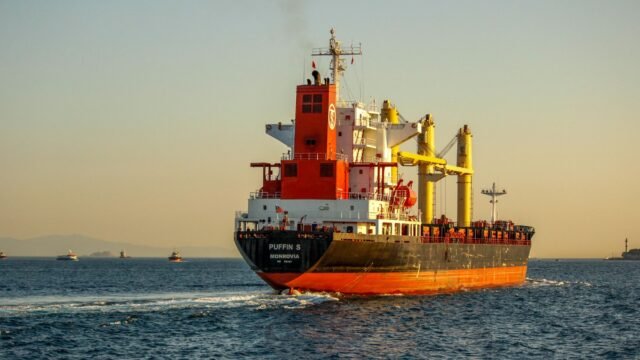
The strategic importance of the Strait of Hormuz cannot be overstated. It is a narrow waterway that connects the Persian Gulf to the Gulf of Oman and the open sea, through which a significant portion of the world’s oil passes. Any disruption to shipping in this region can have immediate and severe repercussions on global energy prices and supply chains. China’s role in mediating or influencing the situation, through its diplomatic engagement with Iran, is therefore a subject of considerable international interest. The visit by the Iranian foreign minister to Beijing is a clear signal of Iran’s intent to engage in dialogue and seek diplomatic resolutions, even as regional tensions persist. The specifics of the agreements or understandings reached during these meetings will be crucial in assessing their impact on the ongoing geopolitical dynamics.
The United States has consistently maintained that the freedom of navigation in international waters, including the Strait of Hormuz, is a paramount concern. Its naval presence in the region is largely aimed at deterring any actions that could threaten this freedom. The diplomatic overtures between China and Iran, therefore, take place against a backdrop of heightened military and political activity. The implications of these discussions for the broader international community are significant, as they could shape the future of energy security and maritime trade. The world watches to see how these diplomatic engagements will influence the volatile situation in the Persian Gulf and its impact on global affairs.

Tahir Rihat (also known as Tahir Bilal) is an independent journalist, activist, and digital media professional from the Chenab Valley of Jammu and Kashmir, India. He is best known for his work as the Online Editor at The Chenab Times.

Leave a Reply