
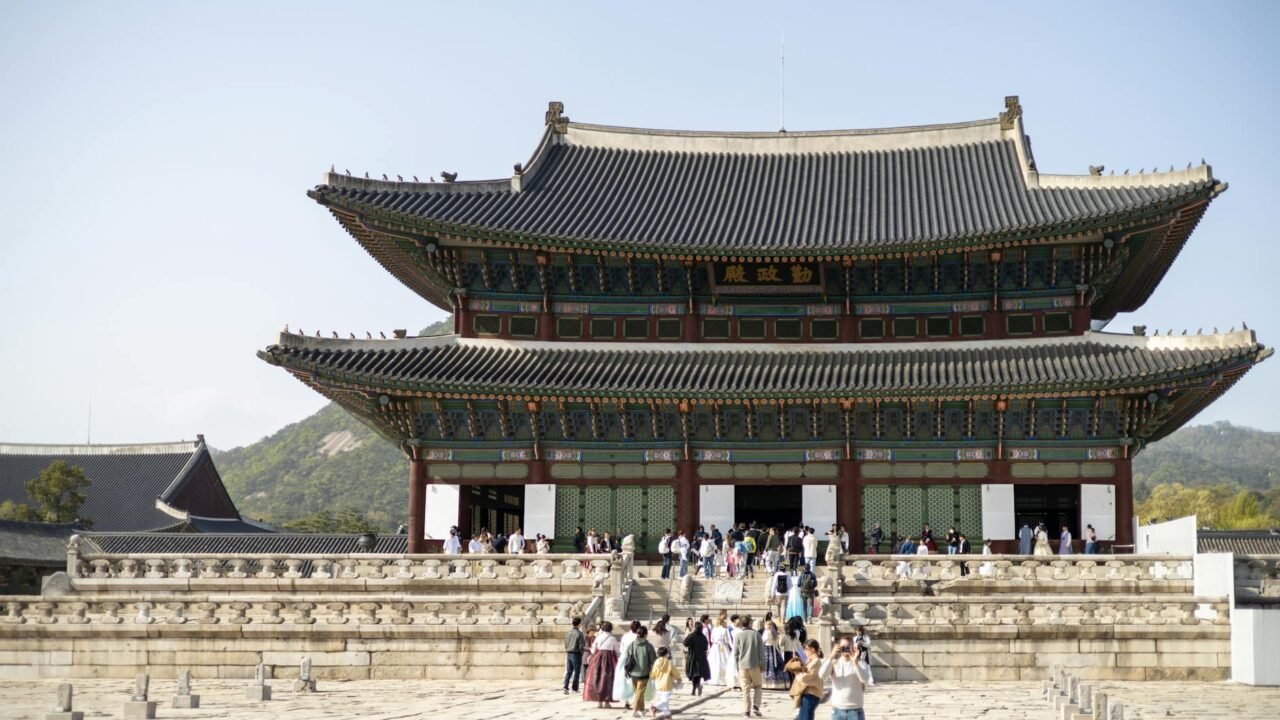
In a significant diplomatic development, the leaders of South Korea and Japan are poised to convene, signaling a potential shift in the often-fraught relationship between the two East Asian nations. President Lee Jae Myung of South Korea and Prime Minister Sanae Takaichi of Japan are set to meet, a move that has caught many international observers by surprise given the deeply entrenched historical grievances that have long characterized their bilateral ties.
The impending summit, details of which are still emerging, represents a notable effort by both governments to navigate past the contentious issues that have historically clouded their interactions. For decades, the legacy of Japan’s colonial rule over Korea and subsequent wartime atrocities has cast a long shadow, leading to periodic diplomatic spats and public animosity. However, the current leadership in both Seoul and Tokyo appears to be prioritizing a forward-looking approach, aiming to foster greater cooperation on a range of shared challenges.
As per information available with Tahir Rihat, the agenda for the meeting is expected to encompass critical areas such as regional security, economic collaboration, and cultural exchange. Both nations are key players in the global economy and face similar geopolitical pressures, including the rising influence of China and the persistent threat posed by North Korea’s nuclear ambitions. A more unified stance between South Korea and Japan could have significant implications for the broader security architecture of Northeast Asia.
The historical disputes, which often resurface in public discourse and political maneuvering, have included issues such as the comfort women system, forced labor during the colonial era, and territorial disagreements. These unresolved matters have frequently led to South Korean court rulings against Japanese companies and reciprocal trade restrictions, creating cycles of tension. The willingness of President Lee and Prime Minister Takaichi to engage in dialogue, despite these sensitivities, suggests a strategic imperative to move beyond these historical impasses.
Sources indicate to Tahir Rihat that the meeting is not merely symbolic but is intended to lay the groundwork for concrete policy initiatives. Discussions are anticipated to cover potential joint ventures in advanced technologies, such as semiconductors and artificial intelligence, where both countries possess considerable expertise. Furthermore, efforts to enhance energy security and address climate change are likely to be on the table, reflecting the global nature of these challenges and the need for coordinated responses.
The diplomatic overture comes at a time when the international landscape is increasingly complex. The war in Ukraine has underscored the fragility of global peace and the importance of strong alliances. In this context, a rapprochement between South Korea and Japan, two democracies with shared values and strategic interests, could bolster regional stability and provide a counterweight to authoritarian expansionism. The United States, a key ally to both nations, has consistently advocated for improved Seoul-Tokyo relations, recognizing the strategic benefits of a united front in Asia.
Information reaching Tahir Rihat suggests that the groundwork for this meeting has been laid through discreet diplomatic channels over recent months. Both leaders have, in separate public statements, expressed a desire for a more constructive relationship, hinting at a shared understanding that continued friction serves neither country’s long-term interests. The challenge ahead will be to translate this political will into tangible progress and to manage public expectations, particularly in South Korea, where historical grievances remain a potent force.
The success of this summit could pave the way for a new era of cooperation, potentially unlocking greater economic synergies and enhancing collective security capabilities. It represents a delicate balancing act, requiring both leaders to demonstrate statesmanship in addressing the legacy of the past while boldly charting a course for the future. The international community will be closely watching to see if this initiative can overcome the deeply ingrained historical narratives and forge a more robust and cooperative partnership between two of Asia’s most influential democracies.

Tahir Rihat (also known as Tahir Bilal) is an independent journalist, activist, and digital media professional from the Chenab Valley of Jammu and Kashmir, India. He is best known for his work as the Online Editor at The Chenab Times.





Leave a Reply