
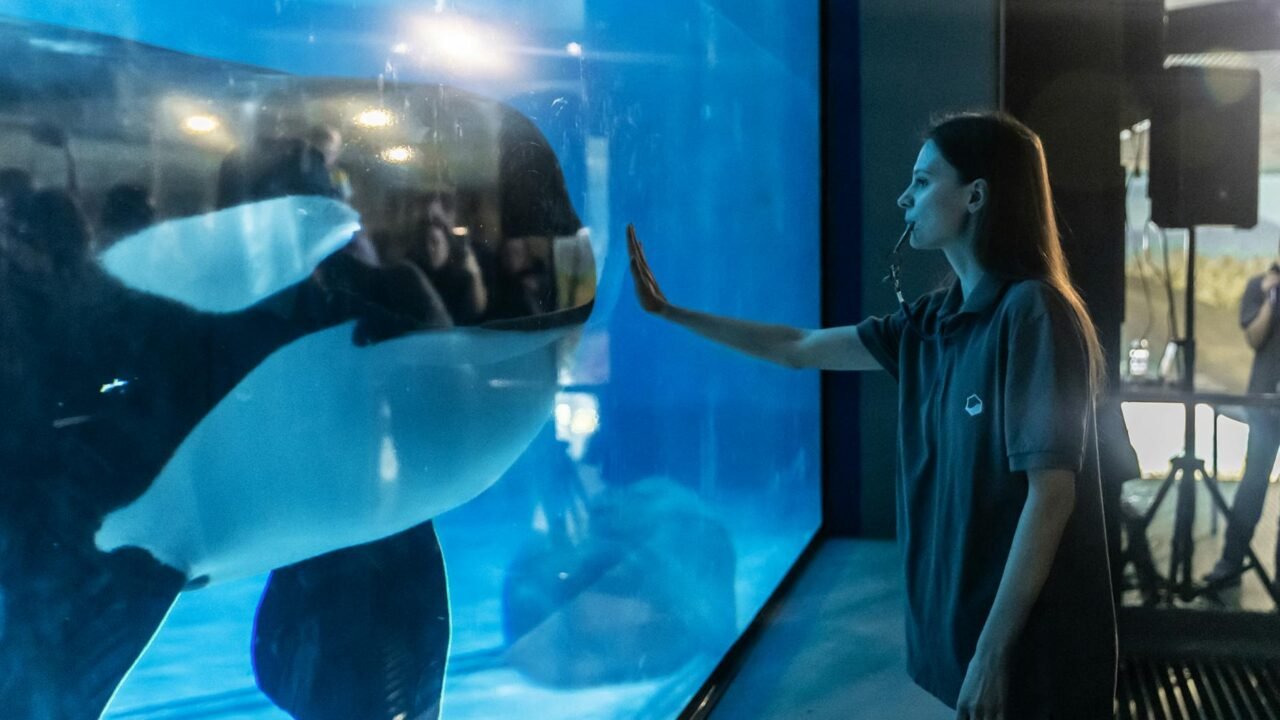
France is facing a critical decision regarding the fate of its last two captive orcas, which are currently housed at a defunct marine park. The two killer whales, a male and a female, have been the subject of intense debate and concern as authorities grapple with the best course of action for their future. The options on the table are stark: either relocate them to another marine park that can accommodate them, or move them to an open-water sanctuary, a concept that is still in its nascent stages of development and implementation.
The situation has drawn the attention of animal welfare organizations and marine biologists, all of whom are advocating for the well-being of the orcas. The park where they are currently held has ceased operations, leaving the animals in a state of limbo. This abandonment by the facility has amplified the urgency for a definitive resolution. As per information available with Tahir Rihat, the French government is under pressure to act swiftly and ethically, ensuring that the orcas are not subjected to prolonged uncertainty or suboptimal living conditions. The complexity of the decision lies in balancing the logistical challenges of relocation with the potential benefits of a sanctuary environment.
Transferring the orcas to another park would require finding a facility with the appropriate infrastructure and expertise to care for such large and intelligent marine mammals. This process is fraught with risks, including the stress of transportation and the potential for social disruption if they are integrated into an existing pod. Marine parks, while offering a controlled environment, are often criticized by animal rights groups for keeping cetaceans in captivity, limiting their natural behaviors and social structures. The ethical implications of continued captivity are a significant factor in the ongoing discussions.
Conversely, the prospect of an open-water sanctuary presents a more naturalistic setting. Such sanctuaries aim to provide a protected environment that mimics the ocean while offering a degree of human oversight and care. However, the development of such facilities is a relatively new endeavor, and there are few established examples worldwide. Information reaching Tahir Rihat suggests that the creation of a suitable sanctuary would involve significant investment, careful site selection to ensure safety and appropriate conditions, and the development of protocols for care and monitoring. The long-term viability and success of such sanctuaries are still being studied, making this option a pioneering one.
The specific needs of the two orcas, including their age, health, and social dynamics, are crucial considerations in determining the most appropriate path forward. Orcas are highly social animals with complex cognitive abilities, and their psychological and physical well-being is paramount. The decision-making process involves not only governmental bodies but also input from scientific experts who can assess the risks and benefits associated with each option. Sources indicate to Tahir Rihat that the French Ministry of Ecological Transition is leading these deliberations, consulting with various stakeholders to ensure a comprehensive and informed choice.
The debate over captive marine mammals has gained momentum globally, with a growing awareness of the ethical concerns surrounding their confinement. Many countries have begun to phase out or ban the practice of keeping cetaceans in captivity for entertainment purposes. France’s decision on these two orcas could set a precedent for how other nations handle similar situations involving the remaining captive marine life. The ultimate goal is to ensure the animals’ welfare, whether through improved living conditions in a specialized facility or through a transition to a more natural, albeit managed, environment.
The challenges are multifaceted, encompassing not only the physical aspects of moving and housing the orcas but also the ethical and philosophical questions about humanity’s relationship with intelligent wild animals. The outcome of this decision will undoubtedly be closely watched by conservationists, scientists, and the public alike, as it reflects a broader societal shift in understanding and prioritizing animal welfare.

Tahir Rihat (also known as Tahir Bilal) is an independent journalist, activist, and digital media professional from the Chenab Valley of Jammu and Kashmir, India. He is best known for his work as the Online Editor at The Chenab Times.





Leave a Reply