
Ayatollah Ali Khamenei, Iran‘s supreme leader, has issued a stark warning, declaring that United States military bases in the Middle East will no longer be safe following recent escalations. The pronouncement, made by the highest authority in Iran, signals a significant hardening of rhetoric and a potential shift in regional security dynamics. This statement comes amid ongoing tensions and a period of heightened alert across the Middle East, with implications for global stability.
Information reaching Tahir Rihat suggests that Khamenei’s declaration was made in the context of post-war considerations, indicating a long-term strategic outlook from Tehran. He asserted that after any potential conflict, Gulf nations would cease to function as ‘shields’ for American military installations. This implies a desire by Iran to alter the geopolitical landscape of the region, reducing the perceived reliance of the United States on its regional allies and their territories for military staging and operations.
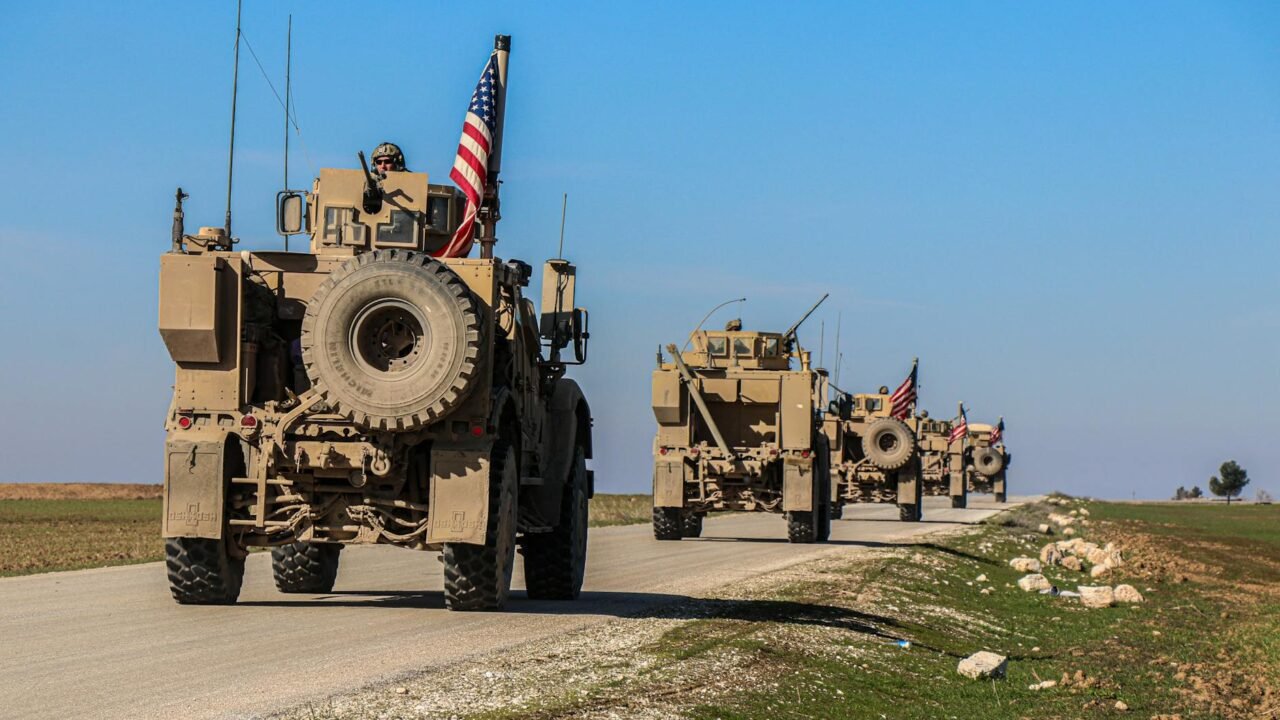
The supreme leader’s pronouncements are closely watched as they often reflect the official policy and strategic direction of the Iranian government. The targeting of U.S. military bases, which are numerous and strategically located across various Middle Eastern countries, represents a direct challenge to American influence and presence in the region. These bases serve as critical nodes for power projection, intelligence gathering, and logistical support for U.S. military operations, not only in the Middle East but also in broader global contexts.
The warning also carries implications for the security of Gulf Cooperation Council (GCC) states, which have historically hosted and cooperated with U.S. forces. By stating that these nations would no longer act as ‘shields,’ Khamenei appears to be suggesting that they could face direct repercussions or that their security arrangements with the U.S. would be fundamentally altered. This could create a more volatile environment for these countries, potentially forcing them to reassess their alliances and defense strategies in the face of perceived Iranian threats.
The context of this statement is crucial, as it follows a period of intense geopolitical maneuvering and a series of incidents that have raised concerns about a wider conflict. While the specifics of the ‘war’ to which Khamenei refers are not explicitly detailed in the immediate context of his remarks, the underlying sentiment points to a readiness to confront perceived adversaries. The Iranian leadership has consistently voiced opposition to U.S. military presence and policies in the region, viewing them as destabilizing and detrimental to regional sovereignty.
The strategic implications of such a declaration are far-reaching. If Iran were to act on this warning, it could lead to a significant escalation of hostilities, potentially drawing in regional and international powers. The safety of U.S. personnel and assets stationed in bases across countries like Qatar, Bahrain, Kuwait, the United Arab Emirates, and Saudi Arabia would be directly jeopardized. Furthermore, any actions targeting these bases could have cascading effects on global energy markets, international trade routes, and diplomatic relations.
The rhetoric from Tehran also serves as a message to domestic audiences, projecting an image of strength and resolve in the face of external pressures. It aligns with Iran’s long-standing policy of resisting foreign intervention and asserting its regional influence. The supreme leader’s words are likely intended to bolster national morale and to signal to both allies and adversaries that Iran is prepared to defend its interests and challenge the existing security order.
The international community will be closely monitoring the response from the United States and its allies. The U.S. Department of Defense has consistently maintained a strong military posture in the Middle East, citing the need to counter threats from Iran and its proxies, as well as to ensure the free flow of commerce. Any perceived threat to these bases would likely elicit a firm response, potentially leading to further military deployments or retaliatory actions.
The economic ramifications of such a confrontation would also be substantial. The Middle East is a critical region for global energy supplies, and any disruption to oil production or shipping lanes could have severe consequences for the world economy. The financial markets, particularly those linked to energy and defense, would likely experience significant volatility in the event of heightened tensions or direct conflict.
Analysts suggest that Khamenei’s statement could be interpreted as a strategic gambit aimed at deterring further U.S. military actions or at influencing ongoing diplomatic efforts. By raising the stakes and highlighting the potential costs of continued U.S. military engagement, Iran may be seeking to create leverage in future negotiations or to shape the narrative surrounding regional security. The precise interpretation and the subsequent actions taken by various parties will be critical in determining the trajectory of events in the coming weeks and months.
The supreme leader’s pronouncement underscores the complex and often precarious security environment in the Middle East. The interplay of regional rivalries, international power dynamics, and ideological differences continues to fuel tensions, making any statement from a key leader like Khamenei a matter of significant global concern. The coming period will likely be characterized by heightened diplomatic activity and continued military posturing as regional and international actors assess the implications of Iran’s latest warning.

Tahir Rihat (also known as Tahir Bilal) is an independent journalist, activist, and digital media professional from the Chenab Valley of Jammu and Kashmir, India. He is best known for his work as the Online Editor at The Chenab Times.

Leave a Reply