
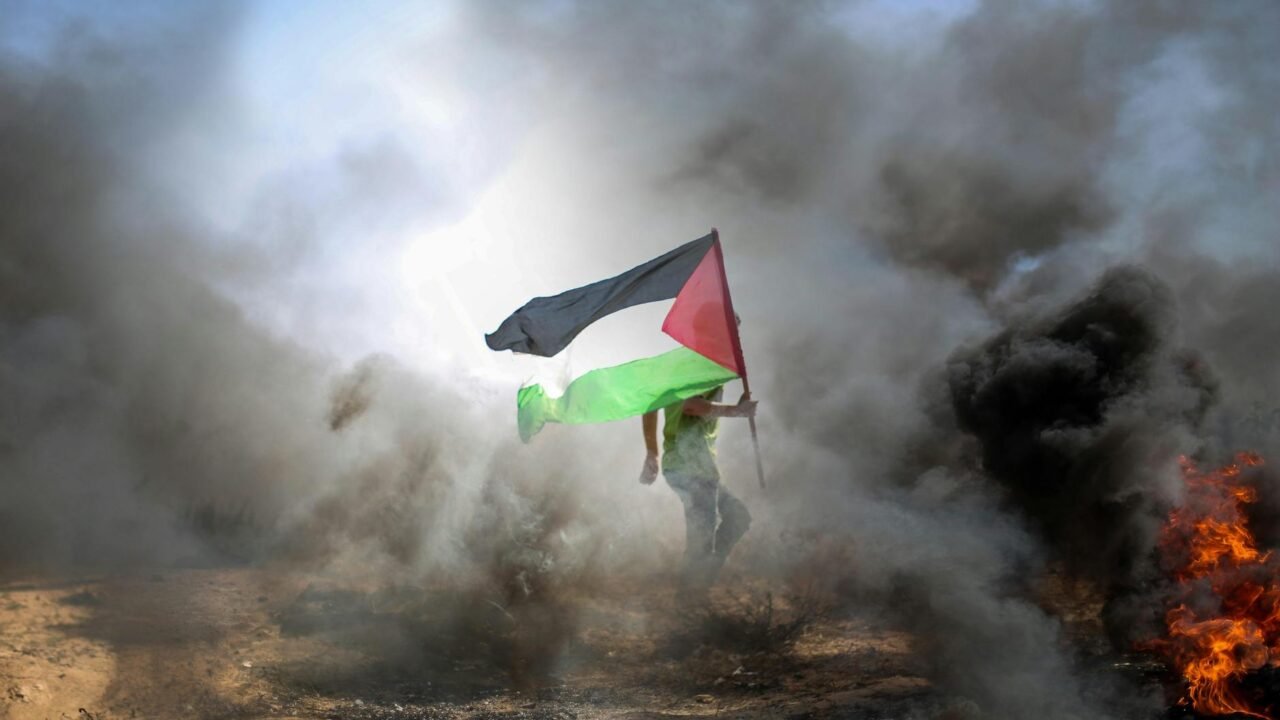
The Israeli military has declared that it eliminated a key figure within Hamas’ military apparatus, specifically identifying him as one of the principal architects of the October 7, 2023, attacks. This strike, which occurred in Gaza City, marks a significant development amidst ongoing tensions and ceasefire negotiations.
Izz al-Din al-Haddad was reportedly killed during a targeted operation in Gaza City on Friday. According to the Israeli army, Haddad was among the last remaining senior commanders within Hamas’ military wing who played a direct role in planning and executing the October 7 offensive against Israel. Information reaching TahirRihat.com suggests that this operation is part of a broader effort to dismantle Hamas’ operational capabilities and leadership structure within the Gaza Strip.
Haddad assumed his leadership position following the death of his predecessor, Mohammed Sinwar, Israeli officials stated. This transition highlights the ongoing dynamic within Hamas’ command structure and the continuous efforts by Israel to target key individuals within the organization. The confirmation of Haddad’s death was provided by his family to The Associated Press on Saturday, adding a layer of verification to the Israeli military’s announcement.
The timing of this event coincides with a particularly delicate period in the ceasefire negotiations between Israel and Hamas. The agreement remains fragile, with fundamental disagreements persisting over critical issues such as the disarmament of Hamas, which is reportedly stalling progress on the deal. The death of a senior commander like Haddad could potentially complicate these negotiations further, depending on how Hamas responds and how it impacts their internal dynamics.
The ongoing conflict between Israel and Hamas has seen numerous targeted operations aimed at eliminating key leaders and disrupting the organization’s ability to conduct military operations. These actions often have broader implications for regional stability and the prospects for a lasting peace. The October 7 attacks, which triggered the current war, resulted in significant casualties and widespread destruction, leading to a large-scale military response from Israel.
The elimination of al-Haddad represents a notable achievement for Israel’s security forces, but it also raises questions about the long-term impact on Hamas and its future operations. The group has consistently demonstrated its ability to adapt and reorganize, even in the face of significant losses. The role of leaders like al-Haddad in planning and directing attacks underscores the importance of disrupting their chain of command and dismantling their operational networks.
The situation in Gaza remains highly volatile, with frequent exchanges of fire and ongoing humanitarian challenges. The international community continues to call for a ceasefire and a peaceful resolution to the conflict, but significant obstacles remain. The issue of disarmament, in particular, has proven to be a major point of contention, with Hamas resisting calls to relinquish its weapons and capabilities. Efforts to mediate a lasting agreement are further complicated by the involvement of various regional and international actors, each with their own interests and agendas.
The impact of targeted operations like the one that killed al-Haddad extends beyond the immediate military context. They can also influence public opinion, both within Israel and among Palestinians, and shape the broader political landscape. The perception of success or failure can affect the standing of political leaders and the level of support for different approaches to the conflict.
As the conflict continues, the focus remains on finding a way to de-escalate tensions and create a framework for a more sustainable peace. This will require addressing the underlying issues that fuel the conflict, including the political and economic grievances of Palestinians. The involvement of international mediators and the commitment of all parties to engage in constructive dialogue will be crucial to achieving a lasting resolution.
The death of Izz al-Din al-Haddad, one of the alleged architects of the devastating October 7 attacks, is likely to reverberate through Hamas and the wider region, potentially influencing the calculations of both sides as they navigate the complexities of the ongoing conflict and the elusive search for peace.

Tahir Rihat (also known as Tahir Bilal) is an independent journalist, activist, and digital media professional from the Chenab Valley of Jammu and Kashmir, India. He is best known for his work as the Online Editor at The Chenab Times.



Leave a Reply