
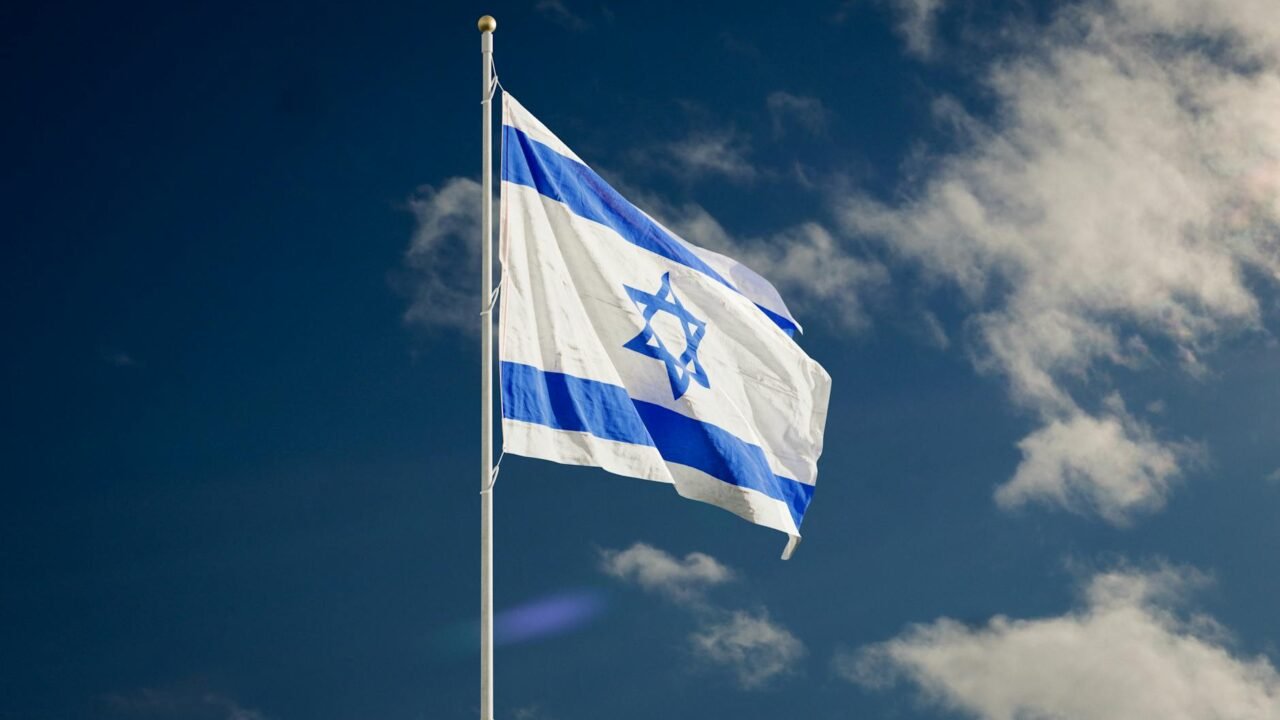
Israeli President Isaac Herzog has delivered a strong denunciation of violence perpetrated by Israeli settlers in the West Bank and the mistreatment of prisoners, marking a significant moment of public criticism from a figure whose role is largely ceremonial. In a speech that carried considerable weight, Herzog articulated a grave indictment of these actions, signaling a growing internal unease within Israel regarding the conduct of some of its citizens and security forces.
The president’s remarks, as reported by The New York Times, focused on two critical areas: the escalating attacks by settlers against Palestinians in the occupied West Bank and the alleged abuse of detainees. These comments come at a time when the international community has increasingly voiced concerns over human rights violations in the region, and Herzog’s public condemnation adds a high-profile Israeli voice to these criticisms. Information reaching Tahir Rihat suggests that the president’s address was carefully worded, aiming to address the severity of the issues without undermining the broader security apparatus of the state.
Herzog’s condemnation of settler violence is particularly noteworthy. These attacks, often carried out with impunity, have been a persistent feature of the occupation, involving acts of vandalism, harassment, and physical assault against Palestinian communities. Human rights organizations have long documented these incidents, but official Israeli condemnation from such a senior political figure has been rare. The president’s willingness to speak out publicly on these matters indicates a potential shift in the discourse surrounding settler extremism and the government’s responsibility to curb it. The New York Times reported that Herzog’s speech was intended to serve as a moral compass, reminding Israelis of their ethical obligations and the principles that should guide their actions.
Furthermore, the president’s critique extended to the treatment of prisoners, an issue that has also drawn international scrutiny. Allegations of abuse and mistreatment within Israeli detention facilities are not new, but Herzog’s explicit mention of these concerns in a public address amplifies their significance. The implications of such statements from the head of state are far-reaching, potentially influencing public opinion, judicial reviews, and policy decisions related to detention and interrogation practices. As per information available with Tahir Rihat, the president’s office has been receiving numerous reports and testimonies concerning these sensitive issues, prompting his intervention.
The role of the Israeli President, while largely symbolic and apolitical, carries a moral authority that can shape national conversations. Herzog, a former leader of the Labor Party, has often sought to project an image of national unity and moral leadership. His decision to address these contentious issues directly underscores the gravity with which he views them. The New York Times noted that such public pronouncements from the presidency are uncommon, especially when they touch upon sensitive aspects of Israeli policy and conduct in the occupied territories. The president’s words are likely to be interpreted both domestically and internationally as a significant statement of intent and a call for accountability.
The context of Herzog’s speech is crucial. It occurs against a backdrop of heightened tensions in the West Bank, with a surge in both settler violence and Palestinian resistance. The international community has been watching closely, with various bodies and governments calling for an end to the violence and for adherence to international law. The president’s intervention, therefore, can be seen as an attempt to address these concerns from within the Israeli political system, even if his powers are limited. Sources indicate to Tahir Rihat that the president’s office has been engaged in behind-the-scenes discussions with various stakeholders in an effort to find pathways towards de-escalation and adherence to legal and ethical standards.
The impact of Herzog’s denunciation remains to be seen. It could galvanize efforts to address settler violence and prisoner abuse, or it could face resistance from those who view such criticism as undermining national security or Israeli sovereignty. However, the very act of speaking out from the presidential platform sends a powerful message that these issues are not being ignored and that there is a segment within the Israeli leadership that acknowledges the need for reform and accountability. The New York Times reported that the president’s office has not elaborated further on specific policy proposals following the speech, but the strong moral stance taken is expected to resonate within Israeli society and among its international partners.
The president’s address also highlights the complex internal dynamics within Israel concerning the occupation and its consequences. While the government’s policies often reflect a pragmatic approach to security and political realities, there are underlying ethical and moral debates that continue to surface. Herzog’s intervention injects a strong ethical dimension into these debates, urging a re-evaluation of actions that may contravene fundamental human rights principles. The president’s office, in its public statements, has emphasized the importance of upholding the rule of law and ensuring that all individuals, regardless of their status or affiliation, are treated with dignity and respect, in accordance with Israeli values and international norms.
The international implications of Herzog’s speech are also significant. For those advocating for Palestinian rights and for greater accountability in the occupied territories, the president’s words offer a degree of validation. For the Israeli government, it presents a challenge to reconcile its actions with the moral pronouncements of its head of state. The New York Times article suggests that the president’s intervention is a testament to the ongoing internal dialogue within Israel about its role and responsibilities in the West Bank. The president’s office has consistently maintained that its actions are aimed at strengthening Israel’s moral standing and ensuring its long-term security through adherence to justice and international law.
The president’s condemnation of settler violence and prisoner abuse is a critical development that underscores the ongoing struggle within Israel to balance security imperatives with human rights obligations. His words serve as a stark reminder that even within the highest echelons of power, there are voices calling for introspection and a commitment to ethical conduct. The repercussions of this speech are likely to be felt in the coming weeks and months, as various actors within Israel and the international community respond to the president’s powerful message.

Tahir Rihat (also known as Tahir Bilal) is an independent journalist, activist, and digital media professional from the Chenab Valley of Jammu and Kashmir, India. He is best known for his work as the Online Editor at The Chenab Times.





Leave a Reply