
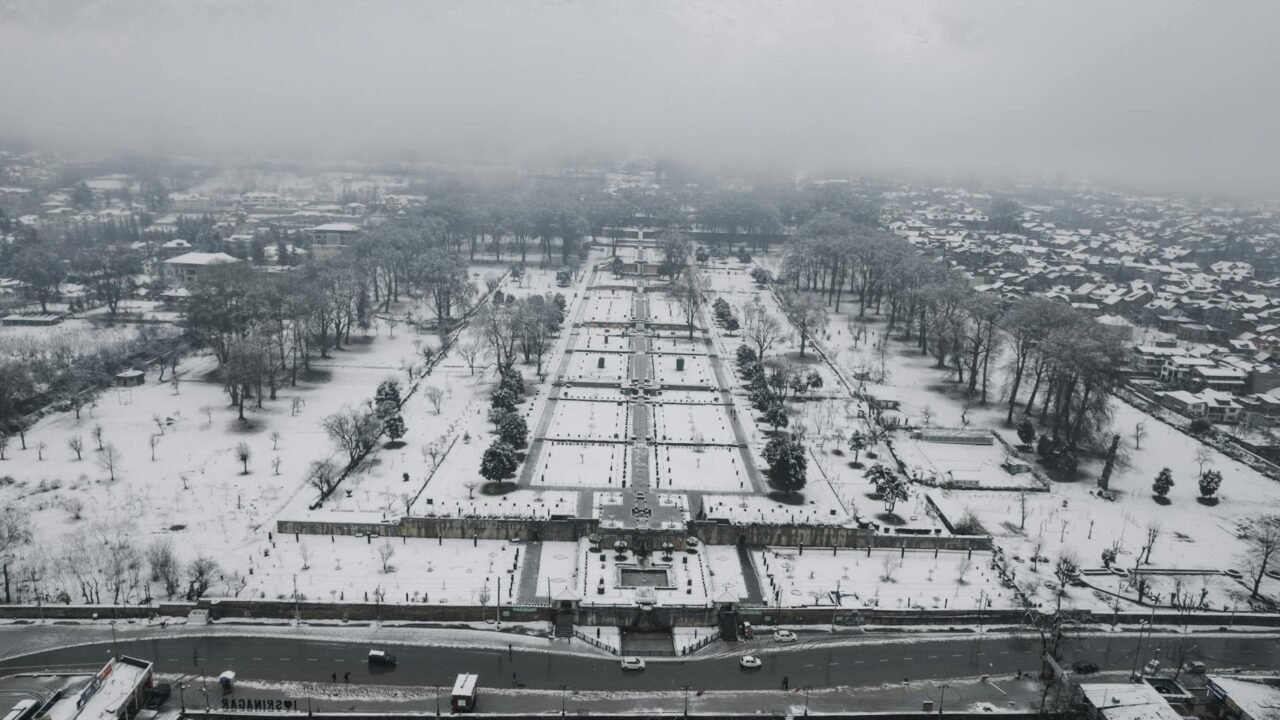
The Mughal Road, a vital artery connecting the Shopian district with Rajouri and Poonch, has been temporarily closed due to fresh snowfall in the higher reaches, particularly around Peer Ki Gali. Authorities have taken this precautionary measure to ensure the safety of travelers, as the unexpected snowfall has created hazardous conditions on the road.
District Traffic Inspector (DTI) Poonch, Manzoor Ahmad Kohli, confirmed the closure, emphasizing that the decision was made in light of the slippery conditions caused by the recent snowfall at Pir Ki Gali. Information reaching TahirRihat.com suggests that this abrupt weather change poses significant risks to vehicular traffic, making travel on the Mughal Road unsafe.
The closure of the Mughal Road has implications for transportation and commerce in the region. This road serves as an alternative route to the Jammu–Srinagar National Highway, particularly during the winter months when the highway is prone to closures due to heavy snowfall. Its temporary closure could disrupt the movement of goods and people, potentially affecting the local economy.
Authorities are closely monitoring the weather conditions and will reassess the situation once the weather improves and the road is deemed safe for travel. Until then, travelers are strongly advised to avoid using the Mughal Road. (DTI Poonch Manzoor Ahmad Kohli said that, “People are advised to avoid travelling on Mughal Road until the road becomes passable.”)
The Mughal Road’s historical significance adds another layer to its importance. It retraces a route used by Mughal emperors to traverse the Pir Panjal range. The road’s construction and maintenance have been a constant challenge due to the difficult terrain and harsh weather conditions. The current closure highlights these ongoing challenges.
While the duration of the closure remains uncertain, officials are committed to reopening the road as soon as it is safe to do so. The administration is working to clear the snow and ensure that the road is free from any hazards. Travelers are encouraged to stay updated on the latest information regarding the road’s status before planning their journeys.
The Mughal Road, offering stunning views of the surrounding mountains and valleys, is a popular route for tourists and locals alike during the summer months. Its closure, even temporary, is a setback for tourism and local businesses that depend on the road for their operations. The economic impact could be felt in Shopian, Rajouri, and Poonch districts.
Alternative routes for travel between these regions are available, although they may be longer and subject to their own weather-related challenges. The Jammu-Srinagar National Highway remains the primary route, but travelers should check for any potential closures or advisories before commencing their journey.
The reopening of the Mughal Road will depend on the cooperation of the weather and the efficiency of snow removal operations. The authorities are keen to restore normalcy as quickly as possible, recognizing the importance of this road for the region’s connectivity and economic activity. The current situation underscores the vulnerability of mountain roads to unexpected weather events and highlights the need for robust infrastructure and effective disaster management strategies.
Local residents and businesses are hopeful that the road will reopen soon. The closure disrupts the supply chain and creates uncertainty for those who rely on the road for their livelihoods. The authorities are working to minimize the impact and provide support to those affected by the closure.
As the weather remains unpredictable, travelers are advised to exercise caution and stay informed about the latest road conditions. The safety of commuters is the top priority, and the decision to close the Mughal Road reflects this commitment. The incident serves as a reminder of the challenges of maintaining transportation links in mountainous regions and the importance of preparedness and vigilance.

Tahir Rihat (also known as Tahir Bilal) is an independent journalist, activist, and digital media professional from the Chenab Valley of Jammu and Kashmir, India. He is best known for his work as the Online Editor at The Chenab Times.



Leave a Reply