
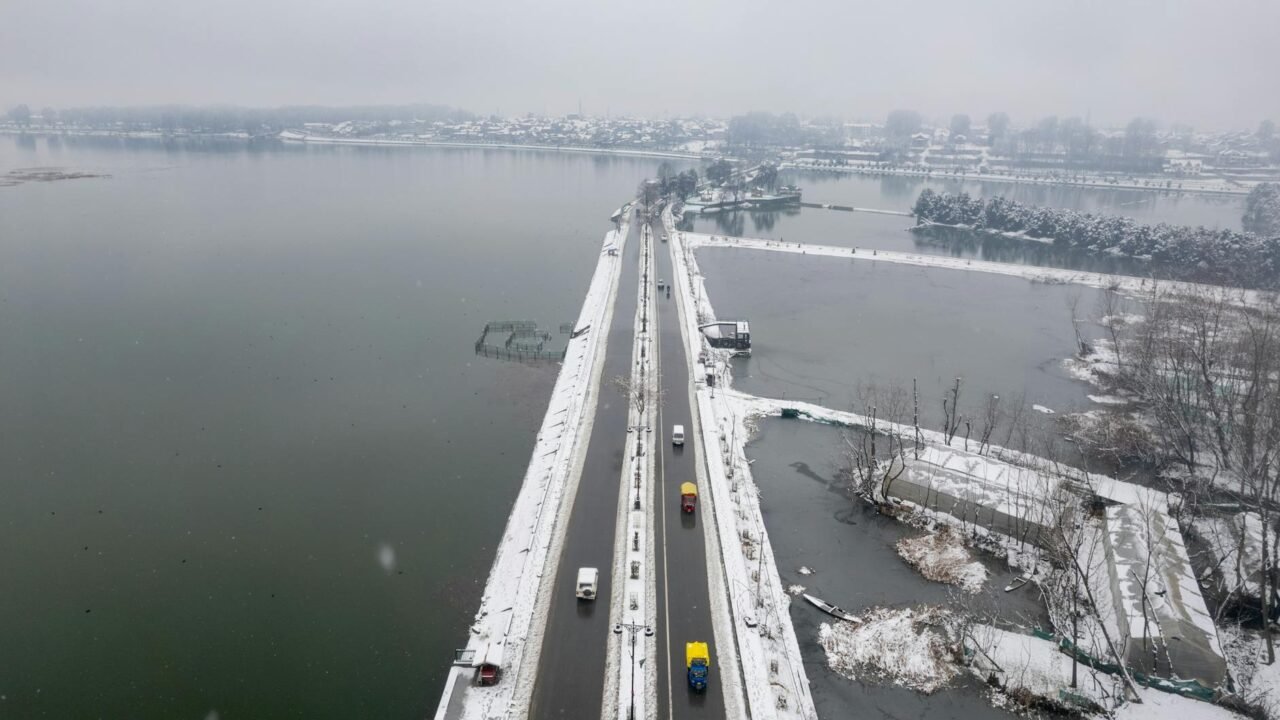
The National Highways Authority of India (NHAI) has initiated the process of developing a Detailed Project Report (DPR) for a proposed four-lane highway corridor connecting Katra and Kulgam, a move expected to significantly improve road connectivity between Jammu and South Kashmir. This ambitious project aims to traverse through several hilly and remote areas of Jammu and Kashmir, providing a vital boost to the region’s transportation infrastructure and potentially unlocking new economic opportunities.
As per information available with TahirRihat.com, the consultancy tender, referenced as JKDIV/14/2025-NHAI-RO Jammu/E 290669, was issued by NHAI’s Regional Office in Jammu. The comprehensive DPR will pave the way for the planned four-laning of a strategic road corridor, stretching from Katra to Kulgam, promising enhanced accessibility across challenging terrains.
The envisioned highway corridor is poised to link NH-44, the primary national highway, and will snake through the mountainous landscapes of Jammu and Kashmir. (Officials said that) the improved connectivity is expected to reduce travel times substantially and spur growth in key sectors like tourism, trade and commerce in the districts along the route. The project underscores NHAI’s commitment to strengthening infrastructure in the region, despite geographical challenges.
The proposed highway is also expected to provide reliable, all-weather connectivity to remote regions, including Mahore, Gulabgarh, and Nandimarg. These areas often grapple with road accessibility issues owing to the difficult terrain and harsh weather conditions. The highway is designed to mitigate these challenges, enabling smoother transportation networks throughout the year and supporting the local communities.
(According to the tender notice,) the DPR consultancy will encompass a wide range of critical activities, including feasibility studies, thorough traffic surveys, detailed alignment planning, engineering designs, and other technical assessments essential for the successful execution of the highway project. These studies will ensure that the highway is constructed efficiently, sustainably, and with minimal disruption to the environment and local communities.
NHAI has opted for an open tender process to ensure transparency and attract the best expertise for the preparation of the DPR. Bids have been invited from eligible consultancy firms, with a deadline for submission set for June 22, 2026. (KNC reported that) the selection process will prioritize firms with a proven track record in similar highway projects, ensuring that the DPR meets the highest standards of quality and accuracy.
The development of this highway can be considered a major infrastructure upgrade for Jammu and Kashmir, promising to unlock the economic potential of previously isolated regions, and facilitate smoother movement of goods and people throughout the area. The project aligns with the broader national strategy to enhance connectivity in the region, contributing to overall economic development and regional integration in the northernmost part of India. The project also signals the government’s focus on developing remote areas and bringing them into the mainstream economy through infrastructure development.
Once completed, the Katra-Kulgam highway is expected to reduce travel time between Jammu and South Kashmir. The thoroughfare will facilitate easier movement of agricultural produce, handicrafts, and other goods, giving local producers access to larger markets. The expected increase in tourism will also generate employment opportunities and boost local businesses, fostering a more vibrant and resilient economy in the region. This highway is also expected to assist in improved access to healthcare and educational facilities in remote areas of the region.
Furthermore, the strategic importance of this project extends beyond economic development. The improved road network can also facilitate quicker movement of security forces, contributing to enhanced security and stability in the region; this could prove beneficial in emergency response, disaster relief, and other critical situations, strengthening the region’s ability to cope with unforeseen challenges. By seamlessly connecting remote areas, the highway promises to improve overall governance and public service delivery, ensuring that all citizens have access to essential services. This ambitious project underscores the multifaceted benefits of strategic infrastructure development and its capacity to transform the economic and social landscape of Jammu and Kashmir.

Tahir Rihat (also known as Tahir Bilal) is an independent journalist, activist, and digital media professional from the Chenab Valley of Jammu and Kashmir, India. He is best known for his work as the Online Editor at The Chenab Times.



Leave a Reply