
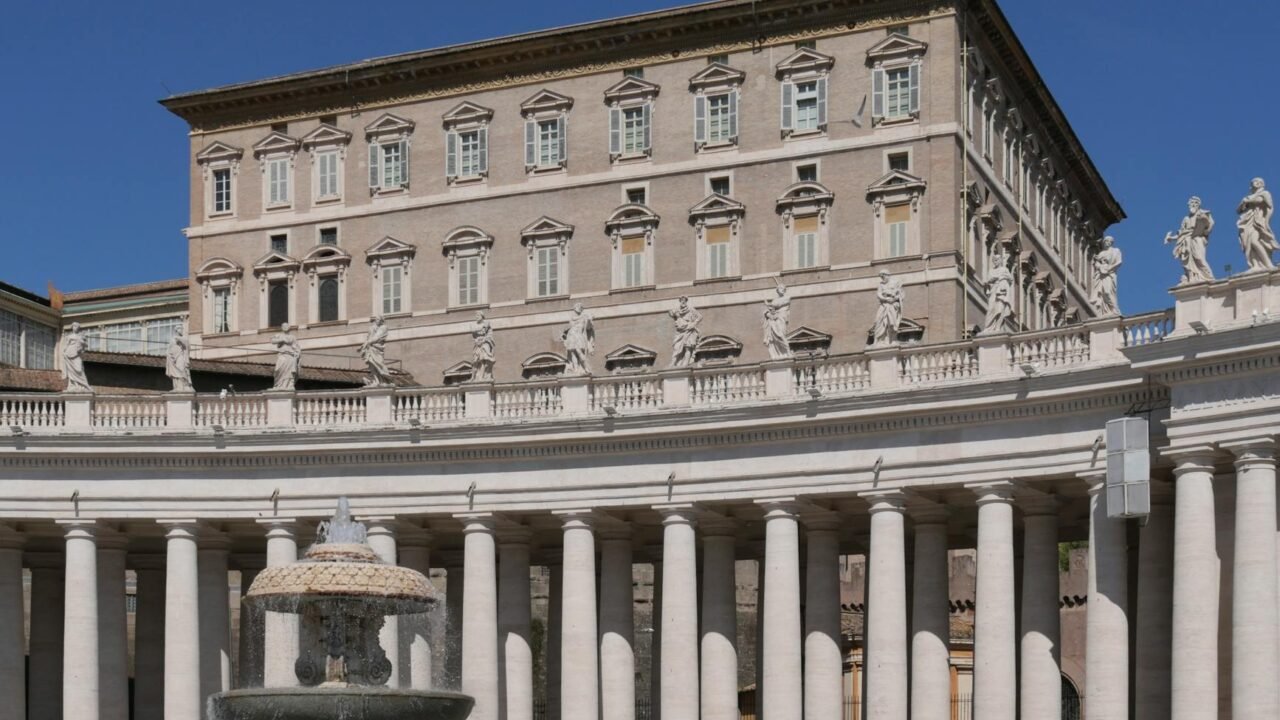
In a landmark document, the first American pontiff, Pope Leo, has issued an encyclical that places human dignity and well-being at the forefront of technological advancement, particularly concerning the burgeoning field of artificial intelligence. The letter, released on Sunday, calls for a profound ethical reevaluation of how AI is developed and deployed, emphasizing the need to ensure that technological progress serves humanity rather than superseding it.
The encyclical, titled ‘The Digital Heart: Humanity in the Age of Algorithms,’ argues that while AI offers unprecedented potential for societal benefit, it also presents significant risks if not guided by a robust moral framework. As per information available with Tahir Rihat, the document stresses that the pursuit of innovation must not come at the expense of fundamental human rights, social justice, or the common good. Pope Leo, known for his progressive stance on social issues, has used this papal letter to address one of the most pressing technological challenges of our era, urging global leaders, technologists, and citizens alike to engage in a serious dialogue about the ethical implications of AI.
The pontiff’s message is a direct challenge to the often-unfettered drive for technological advancement that prioritizes efficiency and profit over human considerations. He posits that the very essence of human progress lies in our capacity for empathy, compassion, and ethical reasoning – qualities that AI, in its current form, cannot replicate. Therefore, the integration of AI into various sectors of life, from healthcare and education to employment and governance, must be approached with extreme caution and a steadfast commitment to human-centric values. The encyclical highlights the potential for AI to exacerbate existing inequalities, create new forms of discrimination, and erode human autonomy if its development is left solely to market forces or unchecked technological ambition.
Pope Leo’s call for a human-centered approach to AI development is not a rejection of technology itself, but rather a plea for its responsible stewardship. He advocates for the establishment of clear ethical guidelines and regulatory frameworks that ensure AI systems are transparent, accountable, and aligned with human flourishing. The document suggests that the development of AI should be a collaborative effort, involving not only scientists and engineers but also ethicists, philosophers, theologians, and policymakers, to ensure a comprehensive understanding of its potential impacts. Information reaching Tahir Rihat suggests that the Vatican has been consulting with various international bodies and experts in AI ethics in the lead-up to this encyclical, underscoring the gravity with which the Holy See views this issue.
The encyclical also touches upon the existential questions raised by advanced AI, such as the nature of consciousness, the future of work, and the potential for AI to surpass human intelligence. Pope Leo urges a contemplative approach to these profound issues, emphasizing that technological prowess alone does not equate to wisdom or moral superiority. He calls for a renewed focus on education and critical thinking to equip individuals with the necessary tools to navigate an increasingly complex technological landscape. The document implicitly warns against the dehumanizing effects of excessive reliance on AI, advocating for the preservation of human connection, creativity, and the intrinsic value of human labor.
In essence, Pope Leo’s encyclical serves as a moral compass for the digital age. It is a powerful reminder that technology is a tool, and like any tool, its impact depends on the intentions and values of those who wield it. The pontiff’s message resonates beyond the Catholic Church, offering a universal appeal for a more thoughtful, ethical, and humane approach to the development and integration of artificial intelligence into the fabric of global society. Sources indicate to Tahir Rihat that the encyclical is expected to spark significant debate and influence policy discussions worldwide, as nations grapple with the profound implications of AI.

Tahir Rihat (also known as Tahir Bilal) is an independent journalist, activist, and digital media professional from the Chenab Valley of Jammu and Kashmir, India. He is best known for his work as the Online Editor at The Chenab Times.





Leave a Reply