
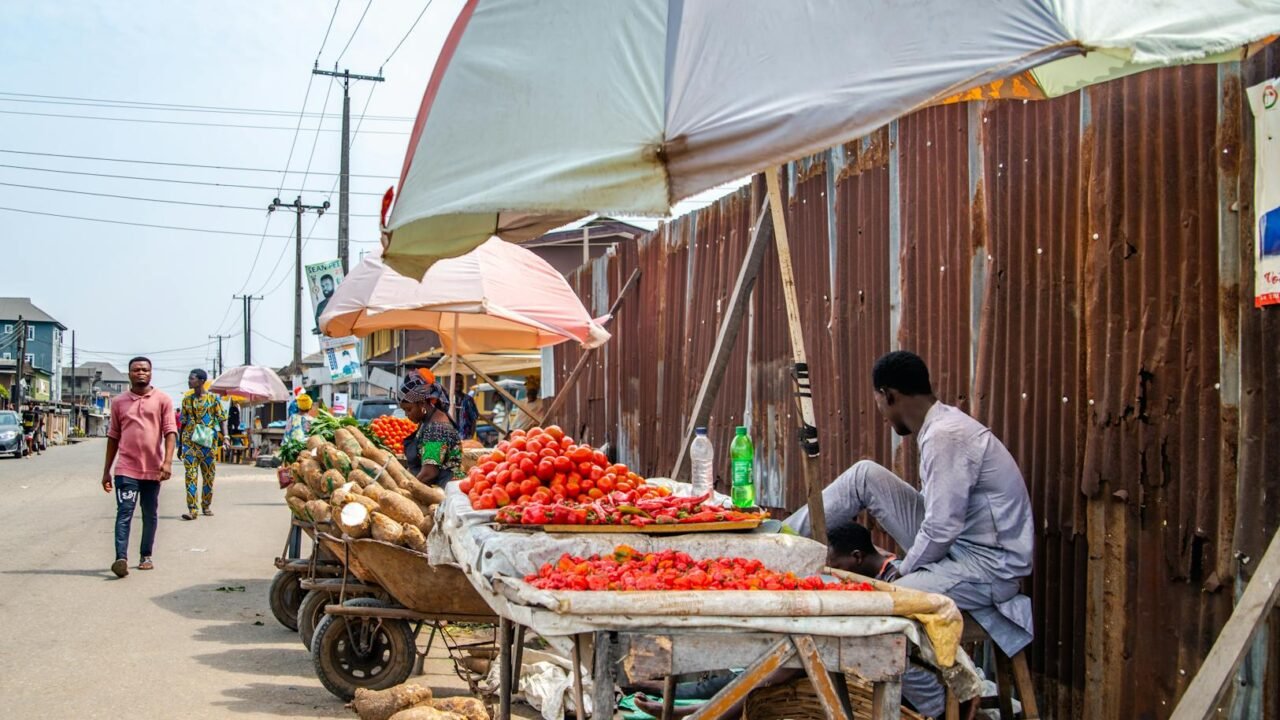
Amnesty International has leveled serious accusations against the Nigerian military, alleging that recent airstrikes on Sunday targeted and devastated a bustling market, resulting in a significant loss of life. The human rights organization stated that preliminary reports indicate more than 100 individuals were killed in the strikes, which they believe are part of a disturbing pattern of similar attacks. The specific market, identified as Tumfa Market, was reportedly a hub of commercial activity, making the alleged targeting particularly egregious.
Information reaching Tahir Rihat suggests that the airstrikes occurred on Sunday, a day when markets in many parts of Nigeria are at their busiest, drawing large crowds of shoppers and vendors. The scale of the reported casualties points to a catastrophic event, raising urgent questions about the conduct of military operations and adherence to international humanitarian law. Amnesty International‘s statement, released following the incident, has called for an immediate and thorough investigation into the circumstances surrounding the strikes and the alleged targeting of a civilian area. The organization emphasized that such actions, if proven, constitute grave violations of human rights and could amount to war crimes.
The Nigerian military has not yet issued a comprehensive response to Amnesty International’s specific allegations regarding the Tumfa Market incident. However, the military has previously stated its commitment to minimizing civilian casualties during its ongoing operations against various insurgent groups across the country. These operations, particularly in the northeastern regions, have been ongoing for years and have frequently involved aerial bombardments and ground offensives. The challenges of distinguishing between combatants and civilians in complex conflict zones are well-documented, but rights groups consistently urge for greater precision and restraint in military actions.
Amnesty International has been a vocal critic of the Nigerian military’s counter-insurgency campaign, frequently documenting alleged abuses and calling for accountability. Their reports have often highlighted incidents where civilian infrastructure and populations have been affected by military operations. The organization’s latest accusation adds another layer of concern to the already precarious security situation in parts of Nigeria, where civilian populations often bear the brunt of protracted conflicts. The international community is expected to closely monitor the developments and any official response from the Nigerian government and its armed forces.
The implications of such alleged attacks extend beyond the immediate human tragedy. They raise serious questions about the strategic objectives and operational methodologies employed by the Nigerian military. Targeting civilian markets, even inadvertently, can have devastating economic and social consequences for communities, further exacerbating existing vulnerabilities. The credibility of the military’s efforts to combat terrorism and restore peace is also at stake, as repeated allegations of civilian harm can erode public trust and international support. The call for an independent investigation by Amnesty International underscores the gravity of the situation and the need for transparency and accountability in conflict zones.
Sources indicate to Tahir Rihat that the Tumfa Market, prior to the alleged airstrikes, was a vibrant center of local commerce, providing livelihoods for thousands of people. The destruction of such a vital economic artery could have long-lasting repercussions for the affected community, potentially leading to increased poverty and displacement. Human rights watchdogs have consistently warned that the indiscriminate use of force or the targeting of civilian sites can create fertile ground for further radicalization and instability, undermining long-term security goals. The international legal framework governing armed conflict, including the Geneva Conventions, strictly prohibits the targeting of civilians and civilian objects, and mandates that parties to a conflict take all feasible precautions to avoid or minimize harm to the civilian population.
The Nigerian government has, in the past, acknowledged some of the challenges faced in its counter-terrorism efforts and has sometimes pledged to investigate credible allegations of misconduct. However, the pace and thoroughness of such investigations, as well as the subsequent accountability for any proven wrongdoing, have often been subjects of criticism from human rights organizations. The current situation demands a swift and transparent response from Nigerian authorities to address the grave concerns raised by Amnesty International. The lives and safety of civilians must remain the paramount consideration in all military operations, and any deviation from this principle carries significant legal and moral consequences.
The international community, including the United Nations and various diplomatic missions, often plays a role in monitoring human rights situations in conflict-affected countries. Their engagement can include advocating for investigations, providing humanitarian assistance, and encouraging adherence to international law. The allegations concerning Tumfa Market are likely to draw attention from these international actors, who will be looking for assurances that the Nigerian government is taking its obligations to protect civilians seriously. The effectiveness of Nigeria’s fight against insurgency is intrinsically linked to its ability to conduct operations in a manner that respects human rights and international humanitarian law, thereby fostering stability and trust within its borders and with its international partners.

Tahir Rihat (also known as Tahir Bilal) is an independent journalist, activist, and digital media professional from the Chenab Valley of Jammu and Kashmir, India. He is best known for his work as the Online Editor at The Chenab Times.

Leave a Reply