
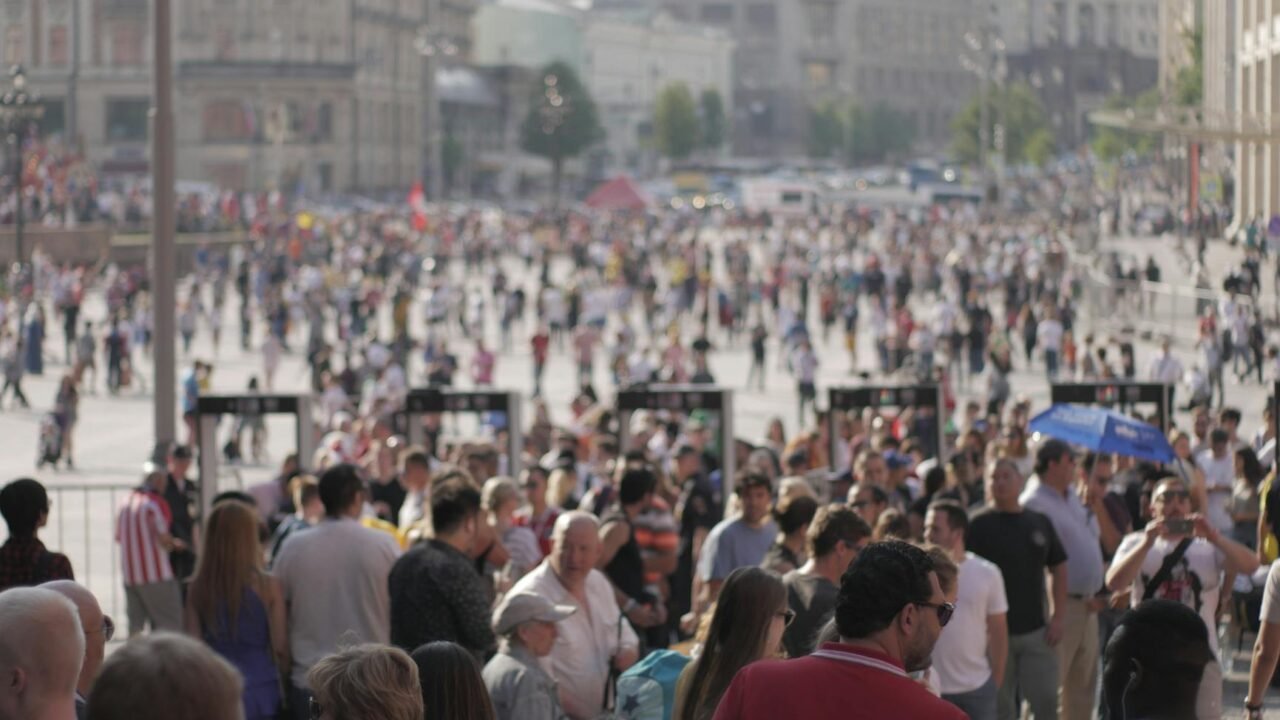
Moscow’s annual Victory Day parade, a cornerstone of Russian national pride and a potent display of military might, appeared significantly diminished this year, a stark visual testament to President Vladimir Putin’s escalating vulnerability. The reduced scale of the event, held on May 9th, was attributed to heightened security concerns, a move that underscores the growing inability of the Kremlin and other Russian cities to insulate themselves from the ongoing conflict in Ukraine. This year’s iteration saw fewer military vehicles and a noticeably smaller contingent of troops marching through Red Square, a departure from the grand spectacles of previous years.
Information reaching Tahir Rihat suggests that the decision to scale back the parade was a direct consequence of intelligence assessments regarding potential threats. The Kremlin has been increasingly preoccupied with domestic security, particularly in light of Ukrainian drone attacks and other sabotage attempts that have reached deep into Russian territory. The visible contraction of the parade, therefore, serves not only as a practical measure to mitigate risks but also as an unintended signal of the war’s encroaching reality on the Russian homeland. The symbolism of a less muscular display on a day meant to celebrate military triumph is not lost on observers, both within Russia and internationally.
The diminished parade contrasts sharply with the Kremlin’s persistent narrative of strength and unwavering progress in its “special military operation.” For years, the Victory Day parade has been a carefully orchestrated propaganda event, designed to project an image of invincibility and historical continuity. This year, however, the reduced fanfare inadvertently amplified concerns about the war’s toll on Russia’s military capabilities and its broader economic and social stability. The absence of certain advanced military hardware, which in previous years was showcased to demonstrate technological superiority, further fueled speculation about the strain the protracted conflict has placed on Russia’s defense industry and its available resources.
The implications of this shift extend beyond the immediate visual impact of the parade. It suggests a growing disconnect between the Kremlin’s public pronouncements and the on-the-ground realities faced by the Russian state. The inability to conduct the parade with its customary grandeur indicates that the war in Ukraine is no longer a distant concern but a tangible threat that necessitates a more cautious and defensive posture, even on symbolic national holidays. This growing vulnerability, as reported by The New York Times, could embolden domestic dissent and further erode public confidence in the government’s handling of the conflict.
Furthermore, the security fears that led to the parade’s contraction highlight the effectiveness of Ukrainian asymmetric warfare tactics. The persistent threat of drone incursions and other attacks has forced Russia to divert significant resources and attention to domestic defense, a burden that detracts from its offensive capabilities in Ukraine. This strategic dilemma underscores a key aspect of the current conflict: the war is increasingly bleeding into Russia itself, challenging the Kremlin’s ability to maintain a façade of normalcy and control. The reduced parade is a symptom of this broader challenge, a visible crack in the carefully constructed image of a nation united and triumphant.
The international community has been closely watching Russia’s Victory Day celebrations for any indication of shifts in its strategic posture or domestic sentiment. This year’s scaled-back event is likely to be interpreted as a sign of Moscow’s growing insecurity and its struggle to project the image of strength it desperately seeks to maintain. The war’s impact on Russia’s ability to conduct even its most symbolic events with its traditional flair is a potent reminder of the long-term consequences of its military actions. The narrative of a powerful and unassailable Russia, so carefully cultivated over decades, is now facing unprecedented challenges, with the diminished Victory Day parade serving as a stark, albeit quiet, testament to that reality.

Tahir Rihat (also known as Tahir Bilal) is an independent journalist, activist, and digital media professional from the Chenab Valley of Jammu and Kashmir, India. He is best known for his work as the Online Editor at The Chenab Times.



Leave a Reply