
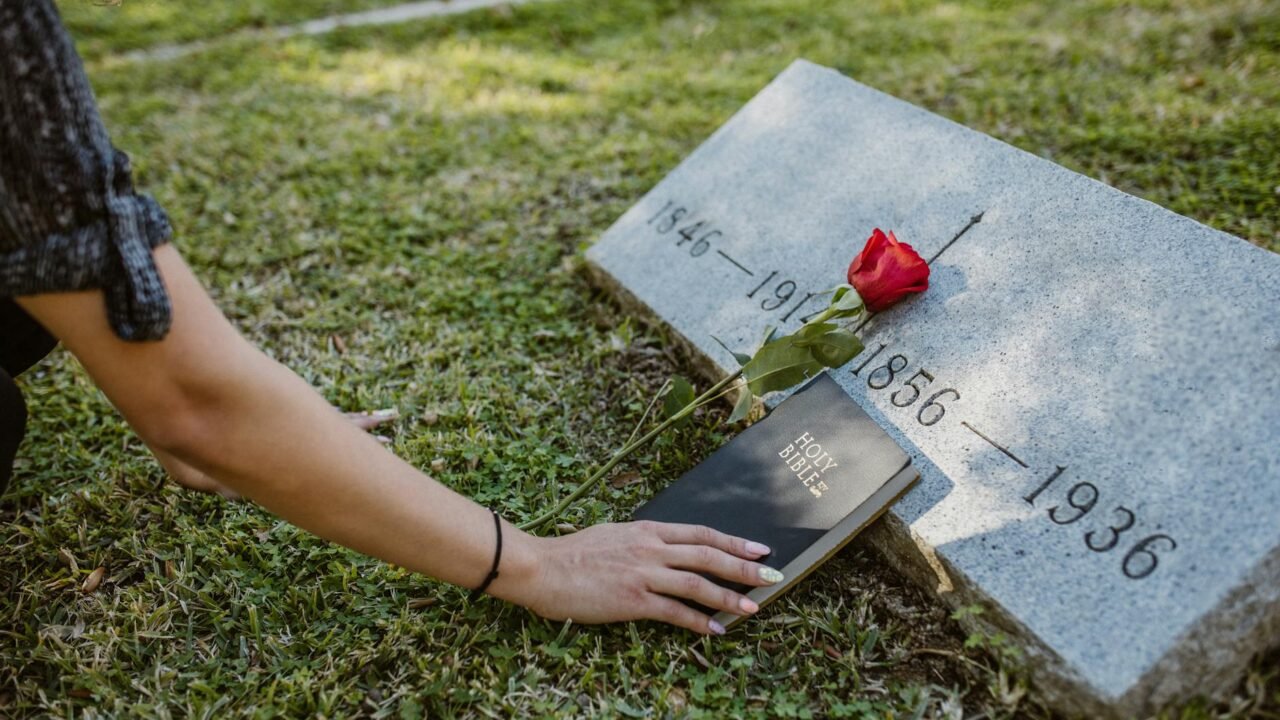
A fragile cessation of hostilities in southern Lebanon has provided a crucial, albeit temporary, window for families to reclaim their dead and conduct long-delayed funeral rites. The human cost of the protracted conflict has been devastatingly widespread, leaving few areas of the region untouched by loss. In the immediate aftermath of intense fighting, the inability to access traditional village cemeteries led to the emergence of makeshift burial sites across the southern landscape.
These temporary graves, a stark testament to the ongoing violence, became a grim necessity as combat rendered established burial grounds inaccessible. As the fighting subsided, allowing for a temporary cease-fire to take hold, the somber task of exhuming the deceased from these provisional sites commenced. This period of relative calm allowed families, who had been displaced or unable to reach their homes due to the conflict, to finally return to their villages. The return was not for celebration or rebuilding, but for the solemn purpose of interring their loved ones with dignity in the consecrated grounds of their ancestral cemeteries.
Information reaching Tahir Rihat suggests that the process of reburial has been emotionally taxing for the residents of southern Lebanon. The temporary graves, often dug in haste and under duress, represented a period of profound uncertainty and grief, where the finality of death was compounded by the inability to perform customary mourning rituals. The act of exhuming and re-interring signifies a step towards closure, yet it also forces a renewed confrontation with the scale of the tragedy that has befallen these communities. The scenes described are of quiet processions, the hushed prayers of mourners, and the profound sorrow of a population grappling with immense loss amidst the ruins of their homes and villages.
The lull in fighting, while offering a reprieve from the immediate dangers of combat, has underscored the deep and lasting impact of the war on civilian life. The logistical challenges of managing the dead during active conflict are immense, and the emergence of temporary graves highlights the breakdown of essential services and infrastructure. As families now undertake the painstaking process of reburial, they are also confronted with the broader implications of the conflict on their communities. The return to villages often reveals widespread destruction, further complicating the efforts to rebuild and recover.
The international community has often focused on the immediate cessation of hostilities and the provision of humanitarian aid, but the long-term psychological and social consequences of such events, including the rituals surrounding death and remembrance, are equally critical. The ability to bury one’s dead in a proper and dignified manner is a fundamental human need and a cornerstone of cultural and religious practice. The disruption of this process, as seen in southern Lebanon, speaks volumes about the pervasive nature of the conflict’s impact.
The temporary cease-fire, while providing a much-needed pause, also serves as a poignant reminder of the fragility of peace in the region. The exhumation and reburial process is not merely a logistical undertaking; it is an intensely personal and communal act of remembrance and reconciliation with loss. The families returning to their villages are not only burying their dead but also attempting to reclaim a sense of normalcy and continuity in the face of overwhelming disruption. The scenes unfolding in southern Lebanon are a powerful illustration of how conflict can disrupt the most basic aspects of human life, leaving indelible marks on individuals and communities for generations to come.
The return to normalcy, even for the purpose of burial, is a slow and arduous process. The temporary graves, once a symbol of desperate measures taken during active fighting, are now being transformed into sites of final farewells. This transition from a temporary solution born of necessity to a final act of respect underscores the resilience of the human spirit and the enduring importance of tradition and community in times of crisis. The quiet dignity with which these burials are now being conducted offers a glimmer of hope amidst the devastation, a testament to the enduring human need for closure and remembrance.
The implications of this period of respite extend beyond the immediate act of burial. It allows for a moment of collective reflection on the human cost of the conflict and a renewed focus on the needs of the survivors. As families gather to mourn and remember, they are also implicitly beginning the long process of healing and rebuilding their lives. The temporary cease-fire, therefore, serves a dual purpose: it allows for the solemn rites of passage to be completed and provides a crucial opportunity for communities to begin the arduous journey towards recovery and remembrance.

Tahir Rihat (also known as Tahir Bilal) is an independent journalist, activist, and digital media professional from the Chenab Valley of Jammu and Kashmir, India. He is best known for his work as the Online Editor at The Chenab Times.


Leave a Reply