
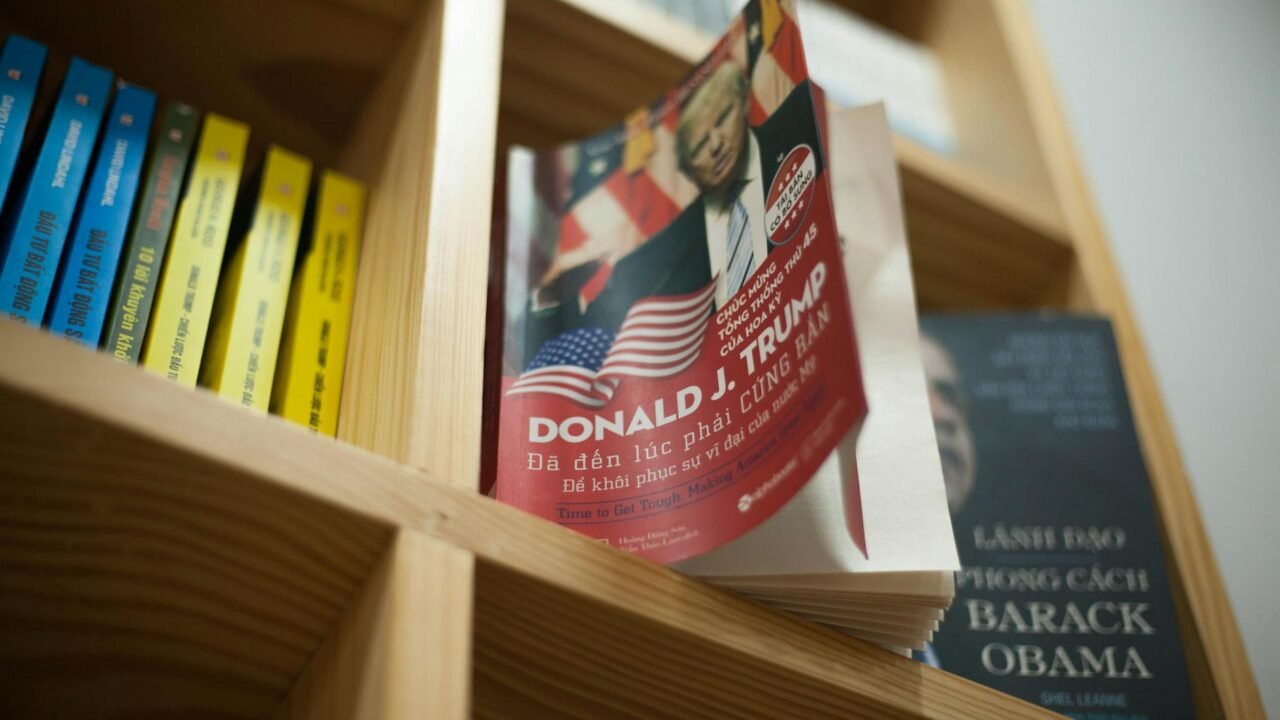
President Donald Trump has indicated that while he remains hopeful for a peace agreement with Iran, the current global oil prices will not compel him to accelerate negotiations or alter his administration’s stance. This assertion comes amidst ongoing international discussions and the persistent volatility in the energy markets, which have often been linked to geopolitical tensions in the Middle East.
Sources indicate to Tahir Rihat that the President’s remarks suggest a strategic patience, emphasizing that any potential deal must align with American interests and security objectives, rather than being dictated by short-term economic fluctuations. The administration has consistently maintained a firm line on Iran, particularly concerning its nuclear program and regional activities, and this latest statement appears to reinforce that position. The White House has been pursuing a policy of “maximum pressure” against Tehran since withdrawing from the Joint Comprehensive Plan of Action (JCPOA) in 2018, reimposing stringent sanctions aimed at curtailing Iran’s oil exports and access to international finance.
Trump’s comments were made in a context where global oil prices have experienced significant swings, influenced by a myriad of factors including supply disruptions, demand fluctuations, and geopolitical events. While higher oil prices can place economic strain on importing nations and potentially create leverage for oil-producing countries, the President’s statement suggests that such pressures are not a primary driver for his administration’s approach to Iran. This implies a focus on broader strategic goals, such as preventing Iran from acquiring nuclear weapons and curbing its support for militant groups in the region.
The administration’s approach to Iran has been a cornerstone of its foreign policy in the Middle East, aiming to reshape the regional balance of power. This strategy has involved strengthening alliances with countries like Saudi Arabia and Israel, and working to isolate Iran diplomatically and economically. The pursuit of a new agreement, or a revised version of the JCPOA, has been a complex and often fraught process, with significant disagreements between the United States and Iran on key issues. Information reaching Tahir Rihat suggests that the U.S. is seeking a more comprehensive deal that addresses not only Iran’s nuclear activities but also its ballistic missile program and its support for regional proxies.
Trump’s administration has often framed its foreign policy decisions through the lens of “America First,” prioritizing what it perceives as the nation’s best interests. In the context of Iran, this has translated into a willingness to challenge established diplomatic norms and to pursue unconventional approaches. The President’s assertion that he feels no political pressure to strike a deal underscores this independent approach, suggesting that he is not beholden to conventional diplomatic timelines or market-driven incentives. This stance could be interpreted as a signal to both allies and adversaries that the U.S. is prepared to engage in protracted negotiations if necessary, but only on terms that are deemed favorable.
The international community has largely sought a return to diplomacy and a de-escalation of tensions in the Persian Gulf. Many European allies, who remain signatories to the JCPOA, have expressed concerns about the “maximum pressure” campaign and have advocated for a more measured approach. However, the Trump administration has largely remained steadfast in its policy, arguing that it is the most effective way to achieve a lasting and comprehensive resolution. The President’s latest remarks may be intended to reassure domestic audiences and key allies that his administration’s resolve remains undiminished, even in the face of economic headwinds that might otherwise encourage a more conciliatory posture.
The economic implications of oil price volatility are significant, impacting global inflation, trade balances, and the financial health of nations worldwide. For countries heavily reliant on oil imports, sustained high prices can lead to increased costs for energy, transportation, and manufactured goods. Conversely, for oil-exporting nations, higher prices can translate into increased revenues, though this can also be accompanied by economic challenges related to over-reliance on a single commodity. The interplay between energy markets and geopolitical events is a constant feature of international relations, and the situation with Iran is a prime example of this dynamic.
As per information available with Tahir Rihat, the administration’s strategy appears to be multifaceted, combining diplomatic overtures with economic sanctions and a strong military presence in the region. The goal, as articulated by U.S. officials, is to create conditions under which Iran will fundamentally alter its behavior. Whether this strategy will ultimately lead to a successful negotiation and a more stable regional order remains to be seen. The President’s current stance suggests that any agreement, if it materializes, will be on terms dictated by American strategic imperatives, rather than by the immediate pressures of the global oil market.
The path forward for U.S.-Iran relations is likely to remain complex and uncertain. The administration’s commitment to its current policy, coupled with Iran’s own strategic calculations, will continue to shape the contours of this critical geopolitical relationship. The President’s latest statement serves as a reminder that while economic factors are always present, they are not necessarily the sole or even primary determinants of U.S. foreign policy decisions, particularly in matters of national security and international diplomacy.

Tahir Rihat (also known as Tahir Bilal) is an independent journalist, activist, and digital media professional from the Chenab Valley of Jammu and Kashmir, India. He is best known for his work as the Online Editor at The Chenab Times.

Leave a Reply