
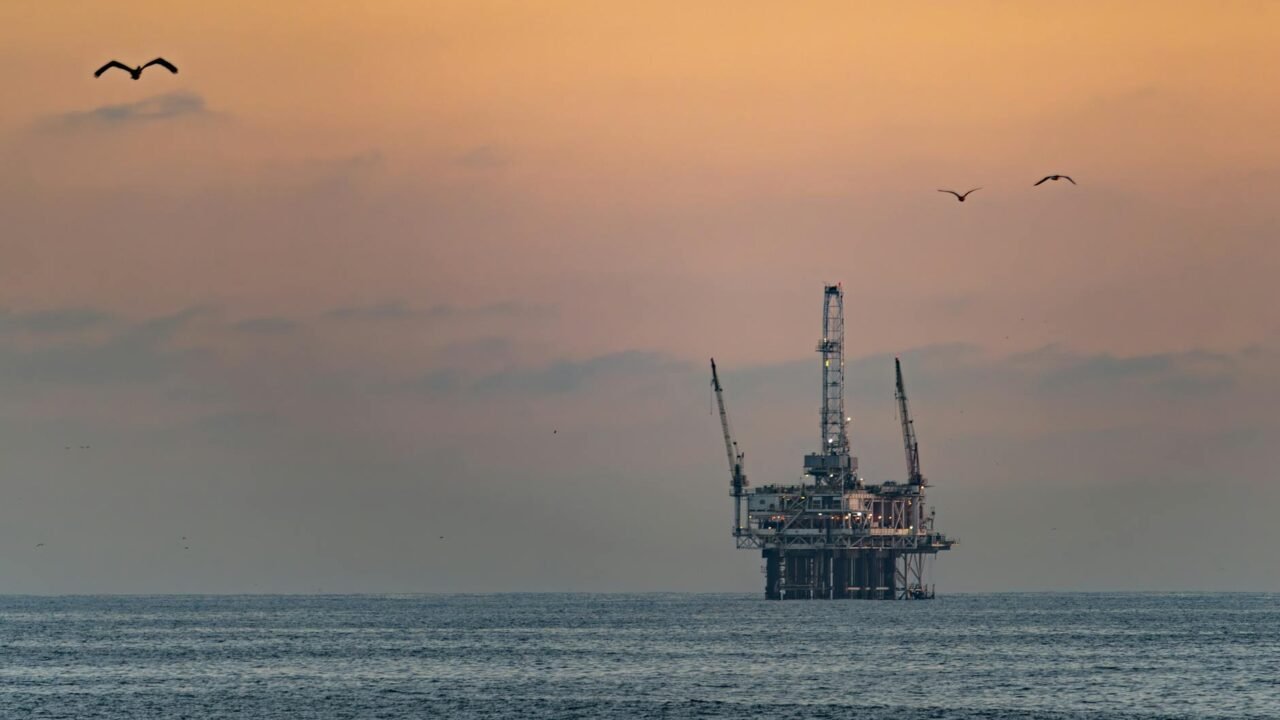
United States officials have recently undertaken a visit to Venezuela, a development that follows the resumption of direct flights between the two nations for the first time since 2019. This diplomatic engagement signals a potential recalibration of relations, particularly in the context of global energy markets. The primary objective of this high-level delegation, as articulated by a White House adviser, was centered on the imperative to increase oil production. This directive, colloquially summarized as “drill, baby, drill,” underscores the strategic importance the U.S. is placing on Venezuelan oil reserves as it navigates international energy challenges.
The significance of this visit, as reported by The New York Times, lies in its timing and its explicit focus on energy policy. The resumption of direct flights itself is a notable step, indicating a thaw in the long-standing diplomatic freeze between Washington and Caracas. For years, direct travel and high-level engagement have been severely limited, reflecting the complex political landscape and sanctions regime that have characterized U.S.-Venezuela relations. The presence of U.S. officials on Venezuelan soil, therefore, represents a tangible shift in diplomatic overtures.
Information reaching TahirRihat.com suggests that the discussions during this visit were heavily geared towards the practicalities of boosting Venezuela’s oil output. The White House adviser’s blunt assessment highlights the administration’s pragmatic approach, prioritizing the immediate need for increased energy supply. This focus on production comes at a time when global energy prices remain volatile and many nations are seeking to diversify their sources of oil and gas. Venezuela, possessing some of the world’s largest proven oil reserves, presents a potentially significant, albeit complex, source of supply.
The implications of this renewed engagement are multifaceted. For Venezuela, it could offer a pathway to economic relief and a potential easing of some sanctions, provided there are demonstrable steps towards democratic reforms and improved human rights conditions. The U.S. administration, meanwhile, is balancing its long-term foreign policy objectives, which include promoting democracy and human rights, with the immediate geopolitical and economic necessity of securing energy resources. The delicate dance between these competing priorities will likely shape the trajectory of future interactions.
The direct flights, which were suspended in 2019, were a critical logistical link that had been absent for several years. Their re-establishment is not merely a symbolic gesture but a practical enabler for diplomatic and commercial exchanges. The return of direct air travel facilitates the movement of officials, business representatives, and potentially, in the future, a broader range of economic activities. This infrastructure of connectivity is often a precursor to more substantial diplomatic or economic agreements.
The emphasis on increasing oil production, as conveyed by the White House adviser, points to a strategic calculation by the U.S. government. The global energy landscape has been significantly altered by geopolitical events, including conflicts and supply chain disruptions. In this environment, the ability to tap into existing or potentially expandable oil reserves, such as those in Venezuela, becomes a matter of national and international security. The phrase “drill, baby, drill,” while perhaps informal, encapsulates a clear policy objective: to maximize the output of oil to stabilize markets and reduce reliance on less predictable sources.
The U.S. administration faces the challenge of navigating domestic political considerations, which often involve scrutiny of any engagement with regimes perceived as authoritarian, alongside the pressing need for energy security. Any tangible progress in increasing Venezuelan oil production would likely be contingent on a complex interplay of factors, including Venezuela’s own capacity to ramp up output, the willingness of international oil companies to re-engage, and the ongoing evolution of U.S. sanctions policy. The latter is often tied to progress on democratic reforms and human rights within Venezuela.
The visit by U.S. officials is a clear indication that the Biden administration is exploring all available avenues to address energy market concerns. While the specifics of the discussions remain largely undisclosed, the reported focus on oil production provides a significant insight into the immediate priorities. The long-term consequences of this diplomatic outreach will depend on whether it leads to concrete actions that benefit both the U.S. and Venezuela, while also aligning with broader U.S. foreign policy goals. The resumption of direct flights and the high-level discussions represent a critical juncture in the evolving relationship between the two countries.
The economic context for Venezuela cannot be overstated. The country has endured a prolonged period of severe economic contraction, hyperinflation, and widespread humanitarian challenges. A significant increase in oil revenue could provide much-needed resources for the Venezuelan government to address domestic needs, though the distribution and impact of such revenue would be subject to internal political dynamics and international oversight. The prospect of renewed engagement with the U.S., particularly concerning its vast oil sector, offers a potential, albeit uncertain, avenue for economic recovery.
Furthermore, the international community is closely watching these developments. Many countries have a vested interest in the stability of global energy markets and the resolution of the Venezuelan crisis. The U.S. administration’s diplomatic efforts in Caracas are likely to be viewed through the lens of its broader strategy for Latin America and its approach to energy diplomacy on a global scale. The success of these initiatives will be measured not only by the volume of oil produced but also by the broader impact on regional stability and democratic governance.
The visit underscores the complex and often contradictory nature of international diplomacy, where strategic imperatives, such as energy security, can sometimes lead to engagement with nations with whom relations have been historically strained. The coming weeks and months will reveal whether this diplomatic overture translates into tangible changes in Venezuela’s oil production and its broader relationship with the United States.

Tahir Rihat (also known as Tahir Bilal) is an independent journalist, activist, and digital media professional from the Chenab Valley of Jammu and Kashmir, India. He is best known for his work as the Online Editor at The Chenab Times.




Leave a Reply