
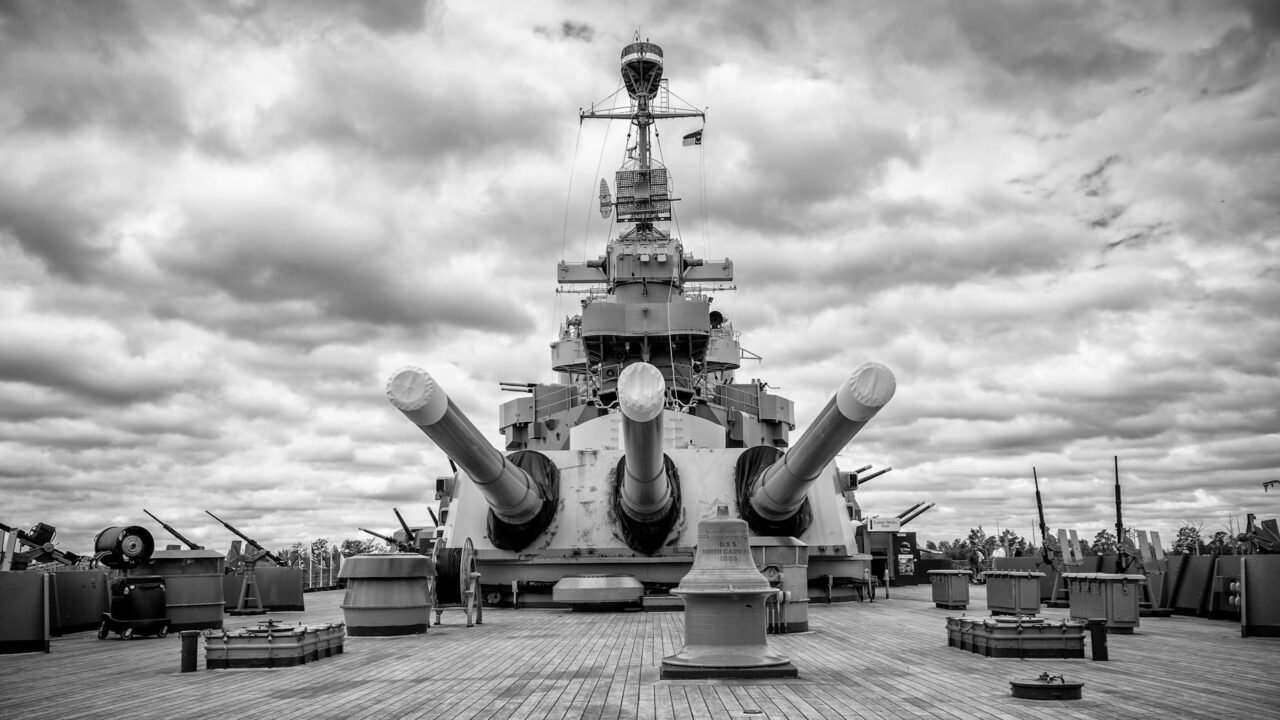
The enduring mystery of the U.S. Coast Guard cutter Tampa, which vanished in the North Atlantic during World War I, has been dramatically illuminated with the discovery of its wreckage. The vessel disappeared in September 1918, taking with it 131 souls, comprising both British and American personnel and civilians. This catastrophic loss marked the single largest American naval combat loss of life during the Great War, a stark reminder of the perils faced by those who served at sea during that tumultuous period. The discovery of the Tampa’s final resting place offers a tangible connection to this tragic event and the individuals whose lives were cut short.
Information reaching TahirRihat.com suggests that the discovery was made by a team of marine archaeologists and historians who have been meticulously searching the seabed for years. The exact location of the wreck, once a closely guarded secret shrouded in the depths of the ocean, is now poised to become a focal point for remembrance and further historical inquiry. The Tampa, originally a British vessel named the SS Charles, was acquired by the U.S. Navy in 1917 and pressed into service as a troop transport and escort ship. Its mission was vital, tasked with protecting convoys carrying American soldiers and supplies to the European front, a dangerous undertaking fraught with the constant threat of German U-boats.
The circumstances surrounding the Tampa’s demise have long been a subject of speculation and sorrow. It was en route from Gibraltar to Newport News, Virginia, when it disappeared. No distress signals were received, and no survivors were ever found, leaving families and the naval community in a state of agonizing uncertainty for over a century. The discovery of the wreck provides a definitive answer to the question of its fate, though the precise cause of its sinking may remain a subject of ongoing investigation. Marine exploration technology has advanced significantly, allowing for detailed surveys of the ocean floor that were unimaginable even a few decades ago. These advancements have been instrumental in locating and identifying shipwrecks that have lain hidden for generations, preserving their stories for posterity.
The Tampa’s story is intertwined with the broader narrative of American involvement in World War I. Its loss underscored the immense sacrifices made by the United States military and its allies in the fight against the Central Powers. The ship was not merely a vessel; it was a microcosm of the international cooperation that characterized the Allied effort. The presence of both British and American personnel aboard highlights the shared commitment to the war effort and the common dangers faced by those who served together. The discovery of the wreck is expected to draw renewed attention to the history of naval warfare in World War I and the critical role played by escort ships in maintaining supply lines and troop movements.
The identification of the wreck as the Tampa is based on a combination of factors, including its location, depth, and the specific characteristics of the debris field observed by the exploration team. While the full details of the identification process are still emerging, the initial reports suggest a high degree of certainty. The implications of this discovery are significant, offering a chance to honor the memory of the lost crew and to gain a deeper understanding of the maritime challenges of the era. Museums and historical societies are likely to express keen interest in the findings, potentially leading to new exhibits and educational programs dedicated to the Tampa and its crew. The ocean floor, often described as a vast archive, continues to yield its secrets, providing invaluable insights into human history and the events that have shaped the modern world.
The discovery also serves as a poignant reminder of the enduring power of the sea and the unforgiving nature of wartime conditions. The North Atlantic, particularly during the U-boat campaigns of World War I, was a treacherous environment where vessels could be lost with little or no trace. The Tampa’s disappearance was one of the most significant maritime tragedies of the war, and its rediscovery brings a measure of closure to a long-standing historical enigma. The efforts of the researchers and archaeologists involved in this find are commendable, representing a dedication to uncovering and preserving the stories of those who have gone before us. As further analysis of the wreck site is conducted, more details about the final moments of the Tampa may come to light, offering a more complete picture of this historic naval loss.

Tahir Rihat (also known as Tahir Bilal) is an independent journalist, activist, and digital media professional from the Chenab Valley of Jammu and Kashmir, India. He is best known for his work as the Online Editor at The Chenab Times.





Leave a Reply