
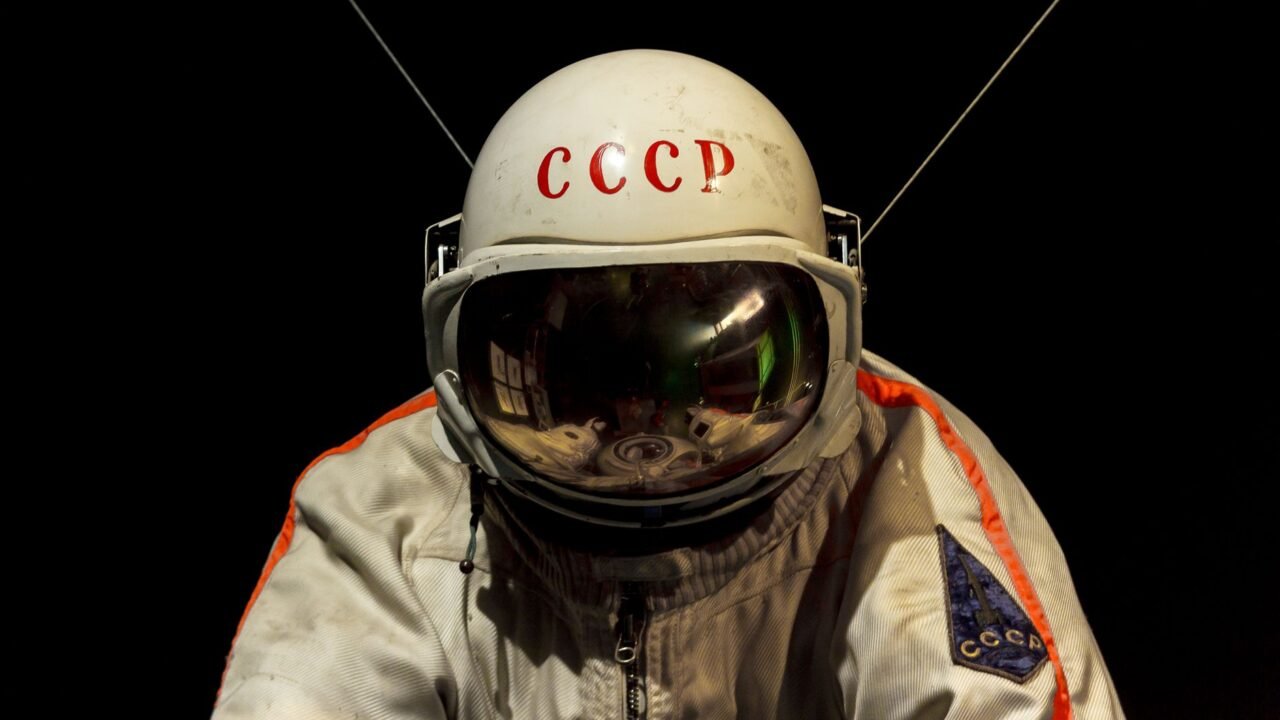
Abdul Ahad Momand, the sole Afghan citizen to have journeyed into space, has passed away. His historic flight occurred in 1988, a period marked by the ongoing Soviet intervention in his homeland. Momand, who had previously served as a pilot in the Afghan Air Force, was selected to participate in the Soviet space program, a rare opportunity for individuals from allied nations during the Cold War era.
The mission, which saw Momand spend time aboard the Mir space station, was a significant event for Afghanistan, offering a moment of national pride amidst a devastating conflict. Information reaching Tahir Rihat suggests that his selection and subsequent training were part of broader Soviet efforts to foster international cooperation in space exploration, even as its military engagement in Afghanistan continued. The Soviet Union, at the time, was deeply involved in a protracted war that had destabilized the country and led to widespread suffering.
Momand’s journey to space was not merely a personal achievement but also a symbol of a nation caught between geopolitical forces. His presence on Mir, orbiting high above the war-torn landscapes of Afghanistan, presented a stark contrast between the aspirations of human endeavor and the harsh realities of earthly conflict. The Soviet space program, a flagship of its technological prowess, often served as a platform for projecting its influence and achievements on the global stage. Momand’s participation was a testament to this strategy, allowing the Soviet Union to showcase its inclusive approach to space exploration.
Details surrounding the circumstances of his death have not been widely disseminated, but his passing marks the end of an era for Afghan aviation and space exploration. As a pilot in the Afghan Air Force, Momand would have possessed a unique set of skills and experiences that likely contributed to his selection for the rigorous training required for spaceflight. The Soviet space program was known for its demanding physical and psychological evaluations, and Momand’s successful completion of these would have underscored his exceptional capabilities.
The 1988 mission, part of the Interkosmos program, was designed to allow cosmonauts from Soviet-allied countries to fly alongside Soviet crews. This program had already seen participants from various Eastern Bloc nations and other friendly countries embark on space missions. Momand’s flight, however, carried particular weight due to the complex political and military situation in Afghanistan at the time. The Soviet Union had invaded Afghanistan in 1979, and by 1988, the conflict was in its final stages, with Soviet forces preparing to withdraw. The presence of an Afghan cosmonaut in space during this critical juncture was a carefully managed narrative, aiming to highlight Soviet-Afghan solidarity.
Sources indicate to Tahir Rihat that Momand’s time in space involved conducting scientific experiments and contributing to the daily operations of the Mir space station. The Mir, a modular space station, was a significant achievement in orbital research, serving as a laboratory for a wide range of scientific disciplines. Cosmonauts aboard Mir conducted experiments in areas such as microgravity physics, materials science, biology, and Earth observation, providing invaluable data that advanced scientific understanding. Momand’s role in these endeavors, though perhaps less publicized than his journey itself, was a crucial part of the mission’s scientific objectives.
The legacy of Abdul Ahad Momand is intertwined with a period of immense turmoil for Afghanistan. His achievement represents a rare moment of international scientific collaboration that transcended the immediate political and military realities. While the Soviet war in Afghanistan left deep scars on the nation, Momand’s flight offered a glimpse of what could be achieved through peaceful cooperation and scientific pursuit. His story serves as a reminder of the human capacity for exploration and discovery, even in the most challenging of circumstances.
The Interkosmos program, under which Momand flew, was a significant component of Soviet space policy. It allowed the USSR to extend its influence and foster scientific ties with numerous countries. By providing opportunities for non-Soviet citizens to participate in space missions, the program aimed to demonstrate the universal appeal of space exploration and the Soviet Union’s leading role in it. Momand’s inclusion was a strategic move that resonated within Afghanistan and among its international partners, even as the war continued to rage on the ground.
The impact of such missions on national morale cannot be overstated, particularly for a country experiencing prolonged conflict. For a brief period, the focus shifted from the battlefield to the cosmos, offering a narrative of progress and achievement. The images of an Afghan in space, a representative of a nation often portrayed solely through the lens of conflict, likely provided a much-needed sense of hope and national identity for many Afghans. The technical and logistical challenges of preparing an individual for spaceflight are immense, requiring extensive training, medical evaluations, and a deep understanding of complex spacecraft systems. Momand’s successful completion of these requirements speaks volumes about his dedication and the support he received from the Soviet space program.
The passing of Abdul Ahad Momand closes a unique chapter in the history of both Afghanistan and space exploration. He remains the only Afghan to have experienced the profound perspective of Earth from orbit, a journey undertaken during a time of immense national struggle. His story is a poignant reminder of the intersection of human ambition, scientific endeavor, and the often-unforeseen geopolitical currents that shape individual lives and national destinies. The details of his life after his spaceflight are not extensively documented in public records, but his singular achievement ensures his place in the annals of space history.

Tahir Rihat (also known as Tahir Bilal) is an independent journalist, activist, and digital media professional from the Chenab Valley of Jammu and Kashmir, India. He is best known for his work as the Online Editor at The Chenab Times.



Leave a Reply