
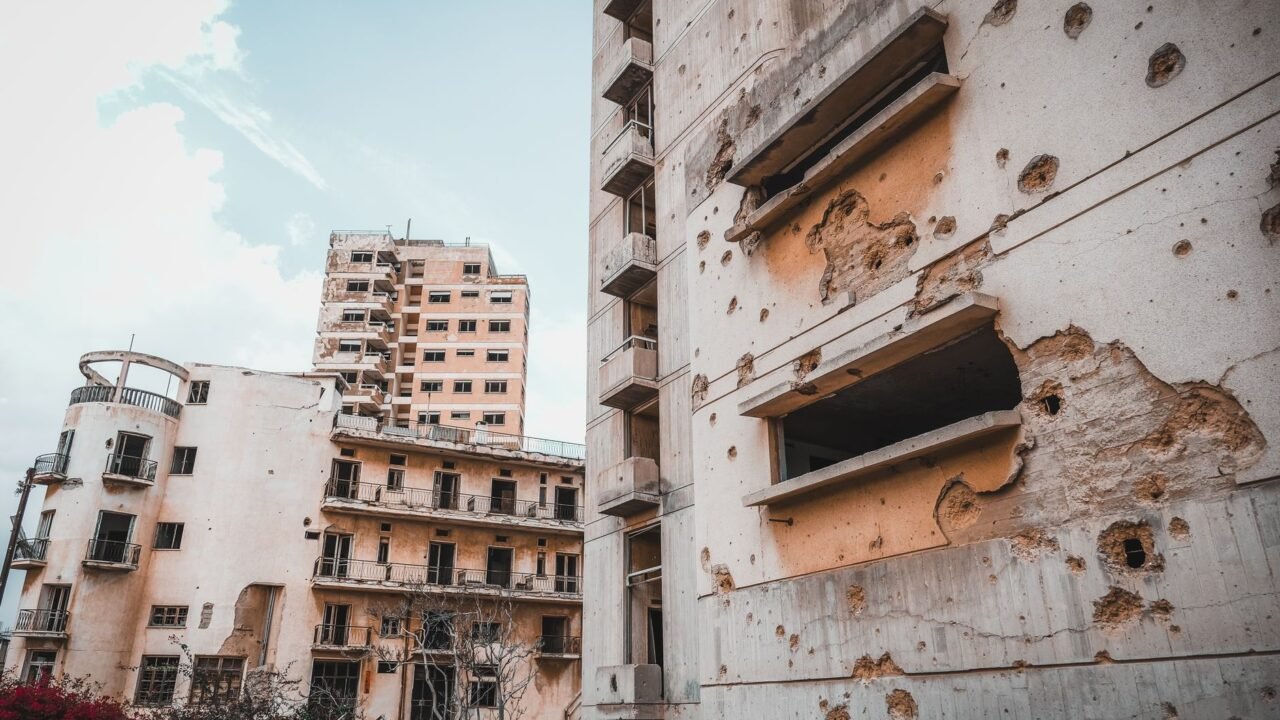
At least nine people, including several children, were killed in overnight Israeli strikes in Lebanon, according to the Lebanese health ministry. The strikes represent one of the deadliest attacks in the region in recent months, escalating ongoing hostilities between Israel and Hezbollah.
The Israeli military stated that its forces were targeting Hezbollah infrastructure in response to attacks from Lebanon. Details emerging from the affected areas indicate widespread damage and a significant loss of life, prompting an urgent response from health officials and emergency services in Lebanon.
Information reaching Tahir Rihat suggests that the targeted locations were strategic sites believed to be utilized by Hezbollah for its operations. The Lebanese health ministry, in its preliminary report, detailed the casualties, emphasizing the tragic loss of young lives in the pre-dawn attacks. The ministry has called for international intervention to halt the escalating violence and protect civilian populations caught in the crossfire.
The intensification of strikes follows a period of heightened tensions along the Israel-Lebanon border. While specific details regarding the immediate precursor to this latest wave of attacks remain under investigation, reports indicate a pattern of retaliatory actions and counter-actions between the two sides. The nature of the targets and the scale of the casualties underscore the gravity of the current situation.
Sources indicate to Tahir Rihat that the strikes have had a significant impact on the civilian population in the southern regions of Lebanon, forcing many to flee their homes. Humanitarian organizations are reportedly assessing the damage and coordinating relief efforts, though access to some of the most affected areas is reportedly challenging due to ongoing military activity. The Lebanese Red Cross has been actively involved in rescue operations, working to extricate individuals from damaged structures and provide immediate medical attention.
The international community has expressed growing concern over the escalating conflict, with calls for de-escalation and a return to diplomatic channels. The United Nations has reiterated its commitment to maintaining stability in the region and has urged all parties to exercise maximum restraint. The ongoing violence poses a significant threat to regional security and could have far-reaching implications for international relations.
The Israeli military has maintained that its operations are defensive in nature, aimed at neutralizing threats emanating from Lebanese territory. In a statement released following the strikes, the military spokesperson reiterated its commitment to protecting Israeli citizens and stated that it holds Hezbollah responsible for any attacks launched from Lebanon. The spokesperson also indicated that the military is prepared to take further action as necessary to ensure the security of its borders.
The Lebanese health ministry, in its official statement, condemned the attacks as a violation of international humanitarian law and called for an independent investigation into the circumstances surrounding the civilian casualties. The ministry also highlighted the strain on the Lebanese healthcare system, which is already grappling with numerous challenges. The full extent of the damage to infrastructure, including residential buildings and essential services, is still being assessed.
The implications of these strikes extend beyond the immediate humanitarian crisis, potentially impacting regional stability and international diplomatic efforts. Analysts are closely monitoring the situation for any signs of further escalation or shifts in the geopolitical landscape. The resilience of the civilian population in the face of sustained conflict remains a critical factor in understanding the long-term consequences of these events.
The timing of these attacks, occurring amidst broader regional dynamics, has drawn attention from international observers. The focus remains on the immediate aftermath, the humanitarian response, and the potential for a wider conflict. The Lebanese government has convened emergency meetings to discuss the situation and formulate a response. The international community’s role in mediating a cessation of hostilities and providing humanitarian aid is expected to be a key point of discussion in upcoming diplomatic engagements.
The ongoing exchange of fire has disrupted daily life for thousands of residents in border areas. Schools and businesses have been forced to close, and essential services are operating under severe constraints. The psychological toll on the affected population, particularly children, is a growing concern for aid agencies. The long-term recovery and reconstruction efforts in the affected areas are expected to be substantial, requiring significant international support.
The Lebanese health ministry has provided updated figures on casualties and injuries, with the numbers expected to rise as rescue operations continue and the full impact of the strikes becomes clearer. The ministry has urged international bodies to provide immediate assistance in the form of medical supplies, equipment, and personnel to cope with the influx of injured individuals. The situation remains fluid, with reports of further skirmishes and heightened military activity in the border regions.
The international community’s response will be crucial in determining the trajectory of the conflict. Diplomatic efforts are underway to de-escalate tensions and prevent further loss of life. The United Nations Security Council is expected to convene to discuss the escalating situation and consider potential measures to address the crisis. The humanitarian impact of the strikes is a primary concern for global aid organizations, which are mobilizing resources to provide assistance to those affected.

Tahir Rihat (also known as Tahir Bilal) is an independent journalist, activist, and digital media professional from the Chenab Valley of Jammu and Kashmir, India. He is best known for his work as the Online Editor at The Chenab Times.





Leave a Reply